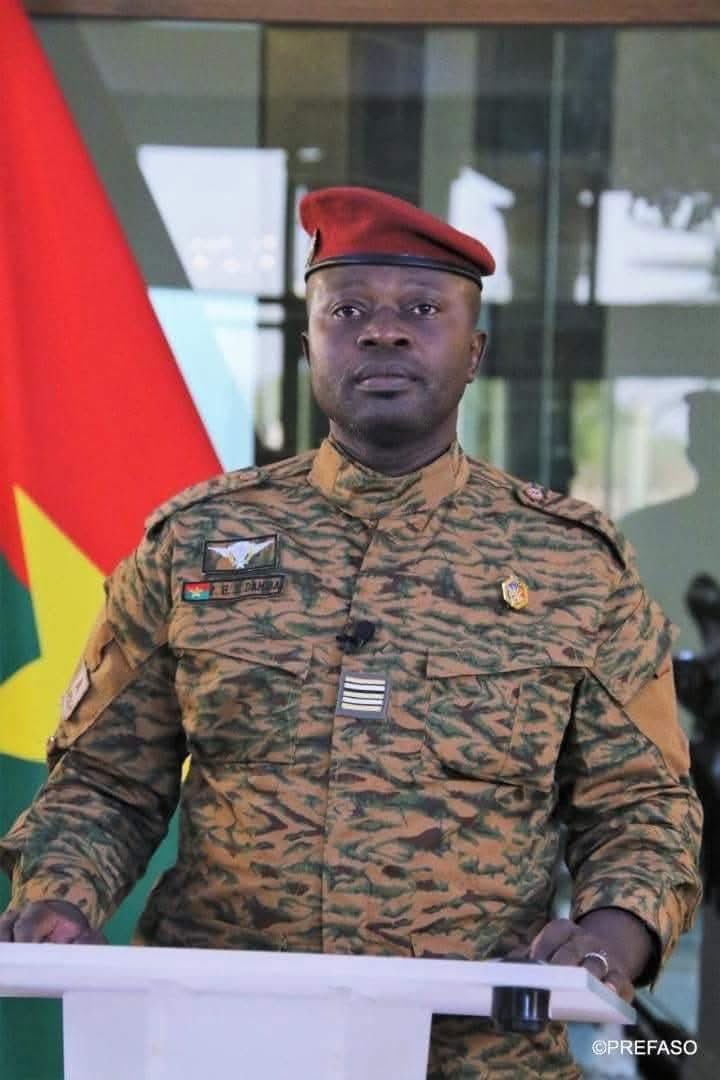




At exactly 1:00 a.m. in Burkina Faso, something unusual happened. People woke up from their sleep, not because of noise or fear, but because of a strong feeling that their country was in danger. Men and women left their homes and moved toward the Presidential Palace in Ouagadougou. They wanted to see with their own eyes what was happening. More than that, they wanted to protect Captain Ibrahim Traoré.
The streets quickly filled with people. Some came alone, others in groups. Many did not even change clothes. It was not a planned protest. It was a spontaneous reaction from citizens who believe that their leader is under threat from what they call imperial agents trying to overthrow him.
Serivisi za Digital za Afrovera
Dufasha business n’imishinga kugaragara online bin yuze muri serivisi za digital zinoze kandi ku giciro gito cyane.
- ✔ Gukora Website za business & companies
- ✔ Posters & Graphic Design
- ✔ Website Hosting & Domain
- ✔ Gufungura YouTube Channels za business
By the time the night was almost over, thousands of Burkinabè were already gathered. Their message was simple and clear: Captain Traoré is not alone. The people are watching, and they are ready to stand between him and anyone who wants to remove him by force.
As the crowd grew, alarming information began to circulate online. One of the strongest alerts came from AES Alerte, which published a message confirming that a coup attempt had been stopped. The post said: “Coup attempt foiled in Burkina Faso: an associate of Damiba, who was preparing to seize power, was arrested on January 3, 2026.” This message immediately spread across social media.
According to the same source, the plan was detailed and dangerous. It was not a simple political move. The post explained that the coup plotters first planned to eliminate all drone operators and destroy the drones that are currently bombing terrorists. This detail shocked many people, as drones have become a key weapon in Burkina Faso’s fight against armed groups.
The information did not stop there. The alert also claimed that terrorist groups were already prepared to launch violent attacks against the positions of Burkinabè fighters in all regions of the country. This suggested a coordinated plan designed to weaken the army from inside and outside at the same time.
Even more alarming was the claim that white mercenaries were expected to enter Ouagadougou to support the execution of the coup. According to the alert, this final phase was planned for the same night, around 11:00 p.m. For many citizens, this confirmed their worst fears about foreign involvement in Burkina Faso’s internal affairs.
Another breaking message added fuel to the fire. It stated clearly: “Breaking News: A coup attempt was foiled in Burkina Faso. Damiba aided by France 🇫🇷 and other foreigners were planning to assassinate a list of some of our defense and security forces.” This message openly accused former leader Paul-Henri Damiba and foreign actors of backing the plot.
The same message went further and directly addressed regional leaders, saying: @FEGnassingbe we have an unfinished business with you: you can’t continue to protect Damiba. Time is up! These words showed how deep and emotional the situation has become, not only inside Burkina Faso but also in the wider region.
For many Burkinabè, Paul-Henri Damiba is seen as a symbol of the old system, one that failed to protect the country and remained too close to foreign interests. His name appearing again in a coup plot revived anger and frustration among citizens who believed that chapter was closed.
France was also mentioned repeatedly in online reactions. For years, France has been accused by many Africans of interfering in political and military affairs in the Sahel. Whether proven or not, the perception alone has created strong anti-French feelings among sections of the population.
Captain Ibrahim Traoré, on the other hand, has become a powerful symbol for many young Africans. They see him as a leader who speaks openly about sovereignty, dignity, and breaking away from neo-colonial control. This explains why people were ready to leave their beds at 1:00 a.m. to protect him.
At the Presidential Palace, the atmosphere was tense but determined. People did not come with violence in mind. They came with their bodies, their voices, and their presence. They wanted any potential plotter to know that removing Traoré would not be easy or quiet.
Social media played a major role during the night. Videos, messages, and voice notes spread rapidly, keeping citizens informed in real time. This digital mobilization showed how modern coups face a new obstacle: an awake and connected population.
The foiling of the coup attempt was later confirmed by multiple pro-government sources. While official state communication was limited, the message was clear enough for the public. The immediate danger had passed, at least for now.
However, many people believe this is not the end. The events of that night have deepened the belief that Captain Traoré remains a target. As a result, public vigilance has increased, and trust in the people’s role as defenders of the revolution has grown stronger.
This night may become a historic moment for Burkina Faso. Not because shots were fired, but because ordinary citizens acted before it was too late. They showed that power does not only sit in palaces or barracks, but also in the collective will of the people.
For supporters of Captain Traoré across Africa, the message is powerful. Burkina Faso is not just fighting terrorists. It is also fighting invisible political battles that involve influence, control, and the future direction of the continent.
As dawn broke, many people slowly returned home. They were tired, but proud. They had answered what they saw as a national call. In their minds, they did not just protect a man. They protected an idea of a free and sovereign Burkina Faso.
The coming days will be critical. Investigations, arrests, and official statements are expected. But one thing is already certain: the night Burkina Faso woke up at 1:00 a.m. will not be forgotten anytime soon.