




MINEMBWE– From the sky, the plateau of Minembwe looks like a patchwork of green hills cut off from the rest of eastern DR Congo. On the ground, Banyamulenge community leaders say it has become something else: the centre of a slow-motion catastrophe in which drones, road blockades and hunger are being deployed together as weapons of war.
In a series of confidential letters and legal briefs shared with Afrovera, Banyamulenge organizations describe 2025 as the year their long-running crisis tipped into what they call “genocide by substitution” not through mass executions, but through deliberate asphyxiation of an entire community.
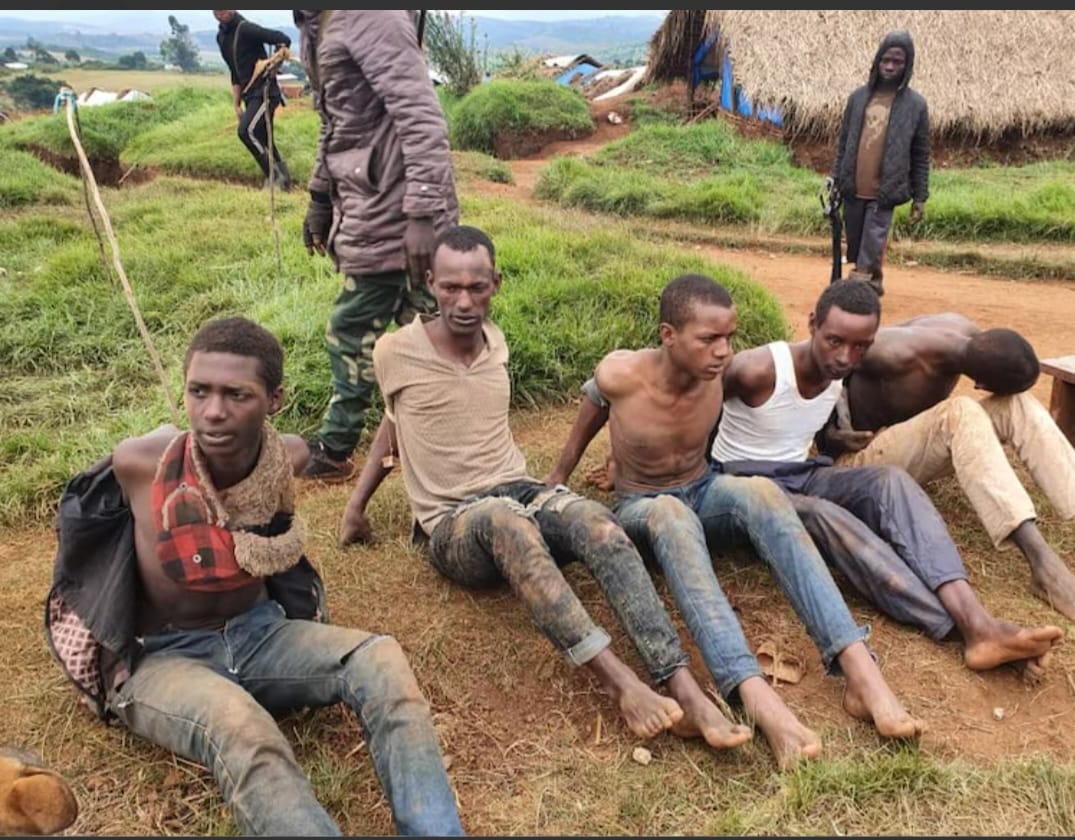
The documents, addressed to the White House, the United Nations, the African Union and the East African Community, accuse the Burundian National Defence Forces (FDNB), elements of the Congolese army (FARDC) and allied militias of conducting a coordinated campaign of airstrikes and humanitarian siege across the high plateaux of South Kivu.
Kinshasa and Bujumbura reject accusations of genocide and insist their operations target “terrorists” and “foreign-backed rebels”, particularly the M23 movement and Banyamulenge-dominated self-defense groups such as Twirwaneho. However, the evidence being assembled by Banyamulenge civil society paints a starkly different picture one in which civilians are paying the highest price.
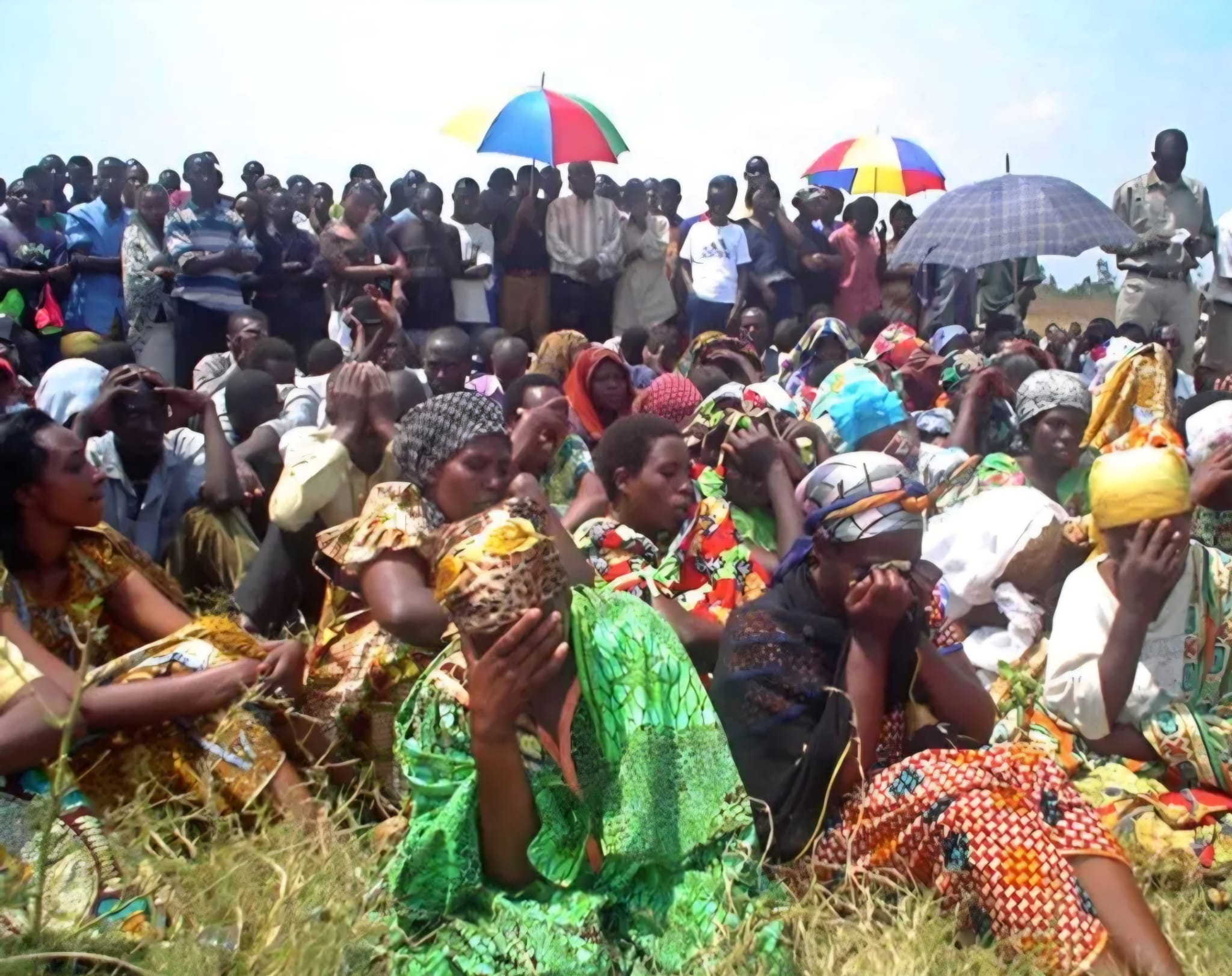
Letters from a besieged community
One of the most urgent appeals is dated 20 October 2025. Written on the letterhead of GAKONDO, a global network of Banyamulenge mutual aid associations, it is addressed to a senior adviser to the President of the United States.
The four-page letter, seen by Afrovera, warns of a “disastrous humanitarian crisis and state-sponsored military aggression” targeting Banyamulenge civilians in the high plateaux of South Kivu, particularly around Minembwe. It accuses:
- The FDNB ,
- Units of the FARDC , and
- Militia allies, including Wazalendo and remnants of the Rwandan Hutu group FDLR,
Of jointly enforcing a siege that has cut off the main roads linking Minembwe to Uvira, Fizi and Baraka. According to the signatories, basic supplies such as food, fuel, soap and medicine have “completely stopped” reaching the area. The entire local population, they say, has been “left to starve, with no shelter, no medical assistance, and no external support.”
A second, more expansive document a French-language “Integrated Alert” dated 3 November 2025 and signed in Minembwe by community notables and chiefs from the High and Middle Plateaux – sets out the scale of the crisis over a longer period, 2017–2025 .
It alleges:
- 328,000 internally displaced people from the Banyamulenge and neighbouring communities;
- 548 villages destroyed , alongside 134 schools and 41 health centers ;
- More than 507,600 head of cattle looted , leaving 328,000 people in severe food insecurity;
- A near-total collapse of primary health care, with high mortality and acute malnutrition.
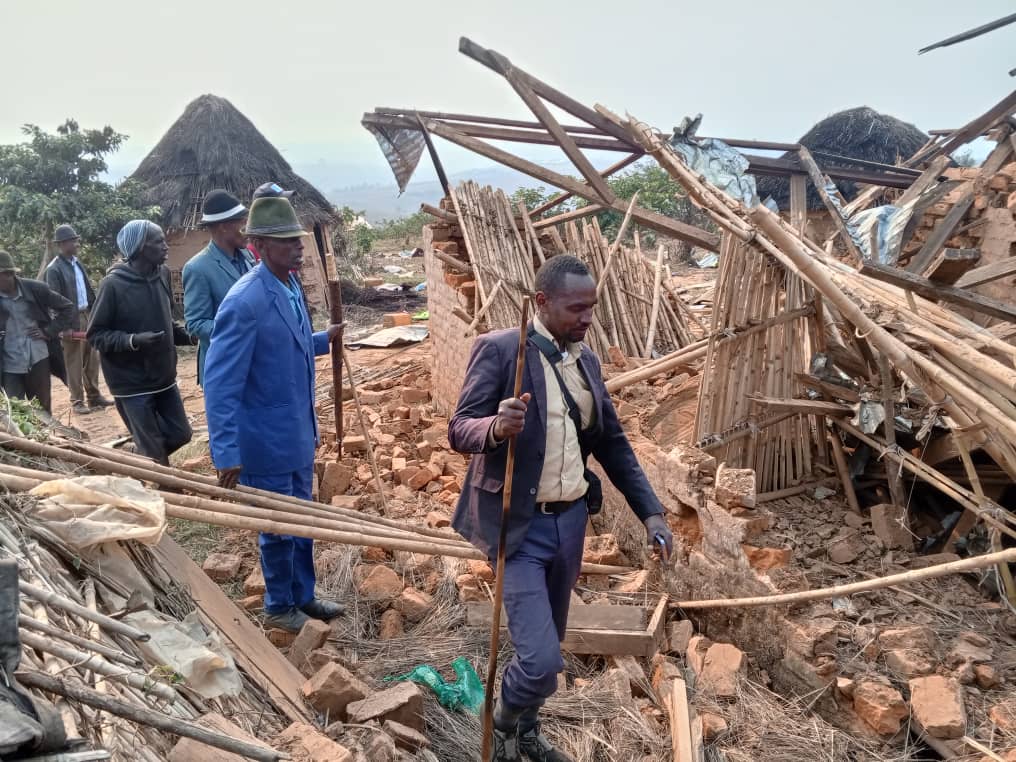
The authors argue that this pattern amounts to a deliberate strategy of destruction that meets the legal threshold of crimes against humanity and potentially genocide, under the Genocide Convention’s provision on “imposing conditions of life calculated to bring about the group’s physical destruction”.
Their accusation is explicit: under the cover of bilateral security cooperation, more than 10,000 Burundian soldiers from the FDNB have been deployed into the plateaux of Uvira, Fizi and Mwenga, where they allegedly participate in operations that “target the Banyamulenge ethnic group as such.”
An air war over Minembwe
While ground operations and blockades have been present for years, 2025 has seen a marked escalation in air power.
On 22 February 2025, the Burundian-based outlet SOS Médias Burundi reported that Colonel Michel “Makanika” Rukunda, a prominent Banyamulenge commander of the Twirwaneho movement, was killed in a drone strike in the Minembwe–Mulenge area. The attack occurred just days before M23-aligned forces launched the Uvira offensive, a broader campaign that pushed towards the northern end of Lake Tanganyika.
Four months later, on 30 June 2025, a civilian aircraft chartered for a humanitarian mission to Minembwe was destroyed by a Congolese military drone as it approached the Kiziba airstrip, according to an investigation by SOS Médias Burundi. The plane, carrying medical supplies, reportedly overshot the runway and crashed into nearby trees. Almost 24 hours later, residents heard the buzz of a drone and saw an explosion where the wreckage lay. Two civilians on the ground, including a child, were injured; one of the pilots suffered minor wounds.
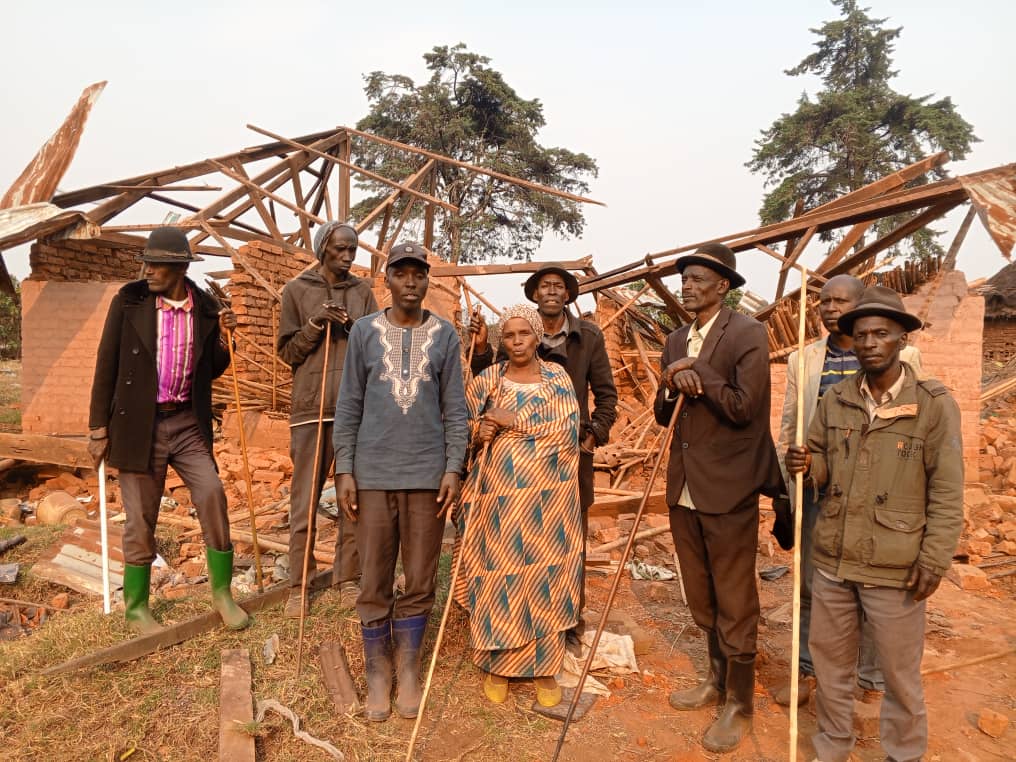
The Congo River Alliance (AFC), a political-military coalition close to M23 and Twirwaneho, condemned the strike as a “war crime” against the Banyamulenge. The Congolese military suggested the aircraft may have been delivering weapons to rebels, but has not publicly produced evidence to back that claim.
On social media, the Mahoro Peace Association , a large Banyamulenge diaspora organization, denounced what it called “airstrikes carried out by Sukhoi aircraft and Congolese army drones on the Minembwe airfield”, describing the bombing of the humanitarian plane as part of a broader pattern of aerial attacks on the plateau.
By early August, Mahoro was warning of a “third drone attack in a week” on Minembwe, alleging that the strikes were hitting or threatening Banyamulenge villages in Irumbu, Rugezi and Mikenke.
Local organizations say at least one of those strikes hit near a health facility in Rugezi, killing a nurse and injuring others. Communication blackouts and the difficulty of accessing the region make independent verification challenging, but the pattern emerging from witness accounts, community statements and regional media is clear: drones are no longer exceptional in Minembwe – they are part of daily life.
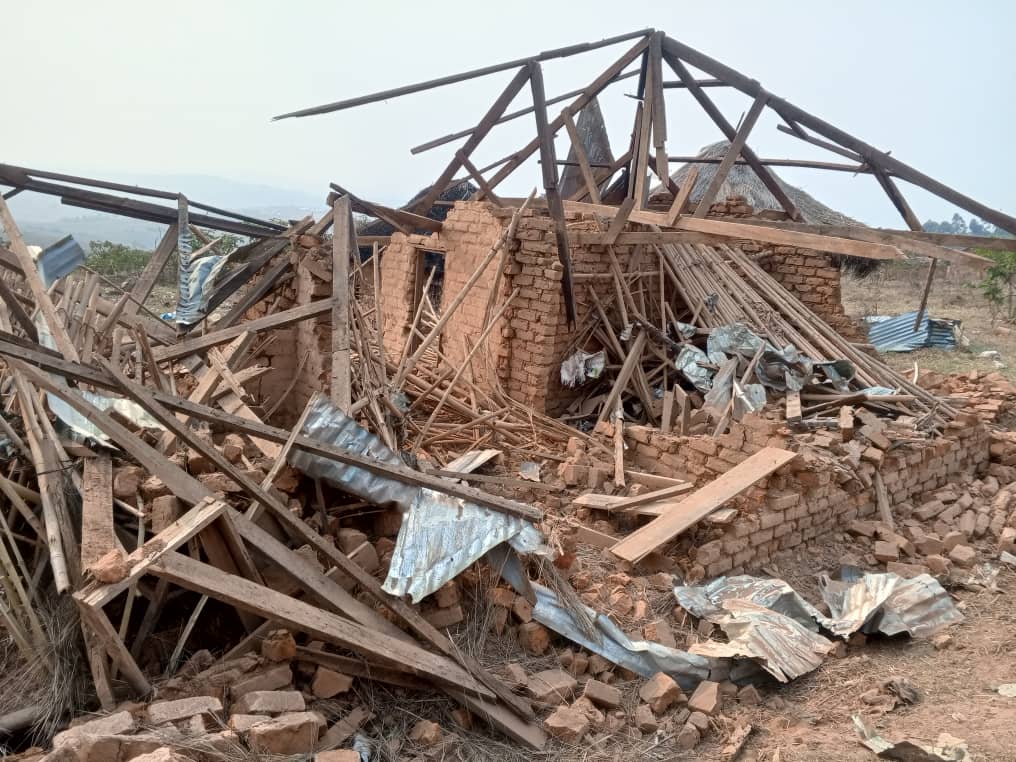
How many drone strikes in 2025? A minimum count
Exactly how many drone strikes have hit Minembwe and the surrounding plateaux this year is impossible to know with certainty? There is no official public tally, and many attacks occur in remote areas with little phone network or media presence.
However, based on independent media reports, research briefs and NGO statements, it is possible to draw a conservative baseline:
- SOS Médias Burundi reported that the destruction of the humanitarian plane on 30 June was the fourth drone strike recorded in Minembwe and Mikenge since February 2025.
- Mahoro Peace Association spoke in August of a “third drone attack in a week” around Minembwe, suggesting frequent strikes rather than isolated incidents.
- Civil-society letters and community testimonies collected for the integrated humanitarian report refer to repeated or near-daily overflights and explosions in localities such as Irumbu, Rugezi, Mikenke, Mikenge and Rwisankuku between mid-year and November.
Taken together, these sources indicate that:
- At least six to seven distinct drone strikes in 2025 can be clearly identified and dated by open sources (including the killing of Colonel Makanika, strikes near Mikenge and Rwisankuku, the Kiziba plane incident, and attacks around Rugezi and Mikenke).
- The real number is almost certainly much higher, potentially in the dozens, when less-reported attacks and “near-daily” patterns described by residents are taken into account.
- For investigators and policymakers, this distinction matters. The documented cases provide a verifiable minimum; the testimonies and patterns point to the scale and intent of a wider air campaign whose full contours have yet to be mapped.
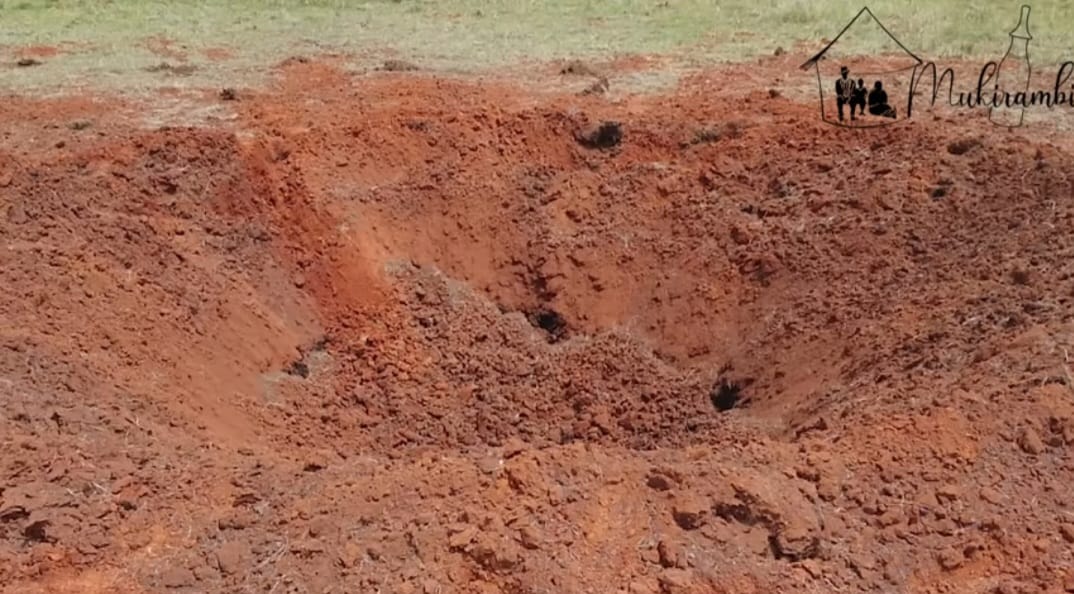
Siege from the ground up
If drones symbolize the new face of the conflict, the oldest weapon in the Banyamulenge highlands remains the blocking of roads and markets.
The integrated humanitarian report describes what it calls a “planned humanitarian siege” that directly targets the survival of the Banyamulenge community. According to the document:
Access to fields, markets and supply roads has been systematically restricted, particularly since 2017; armed groups and state forces have enforced checkpoints and no-go zones, preventing Banyamulenge from buying or selling goods in neighbouring towns; Key axes to Uvira, Fizi and Baraka have been repeatedly closed, often for weeks or months at a time.
This is not simply a matter of inconvenience. In a region where most households depend on small-scale farming and livestock, the inability to move cattle, buy seeds or sell milk translates quickly into hunger.
How many strikes? A working minimum for 2025
Based on independent media coverage, research briefs and NGO reports, it is possible to establish a conservative baseline for drone activity over the Banyamulenge highlands in 2025. At least six to seven strikes can be clearly documented with dates and locations:
- 19 February 2025 – A drone strike kills a senior Twirwaneho commander near Minembwe.
- 25 February 2025 – A second strike, also near Minembwe, reportedly kills four additional Twirwaneho commanders.
- 30 June 2025 – A Congolese army drone destroys a humanitarian aircraft at Kiziba airstrip in Minembwe after an aborted landing, injuring civilians on the ground.
- 28 August 2025 – A drone hits the health centre in Rugezi, killing a nurse and wounding other medical staff.
- 15 November 2025 – A strike around Mikenge causes significant damage to homes and civilian infrastructure.
- 17 November 2025 – A second drone attack is reported days later in the Mikenge–Rwisankuku area.
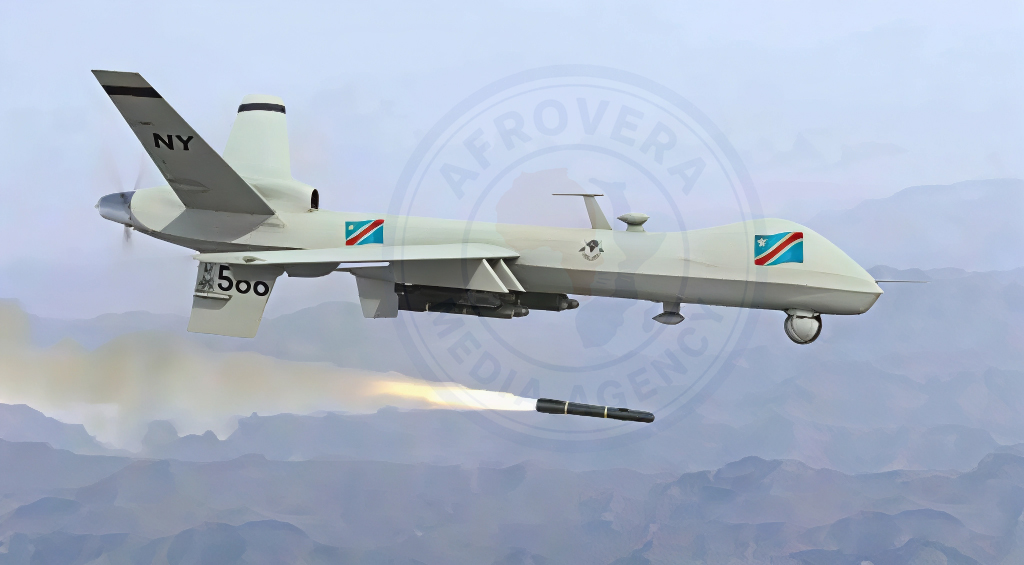
These six or seven incidents represent only the firmly documented portion of the air campaign. When added to:
- Testimonies of “near-daily drone attacks” on Banyamulenge villages during August, and
- broader references in research reports to “drone strikes and air raids since February” across the Minembwe Mikenge axis, it becomes clear that the true number of sorties is likely in the dozens rather than single digits. In other words, the strikes listed above are not isolated exceptions but the visible tip of a much larger – and still poorly mapped – aerial war over the Banyamulenge highlands.
The report documents a dramatic surge in prices in Minembwe and surrounding localities:
- The price of salt is said to have increased by roughly 900% ;
- Rice by between 400% and 455% ;
- While maize flour has at times disappeared entirely from local markets.
“The analysis is clear,” the authors write. “Hunger is being used as an instrument of war and a means of political manipulation against civilians.”
From 16 October to 3 November 2025 , they allege, Burundian troops and their allies in FARDC, Wazalendo and FDLR blocked residents of several localities – including Mikarati, Kamombo, Kigazura, Nyamara and Gataka from accessing food, deliberately driving the population deeper into famine.
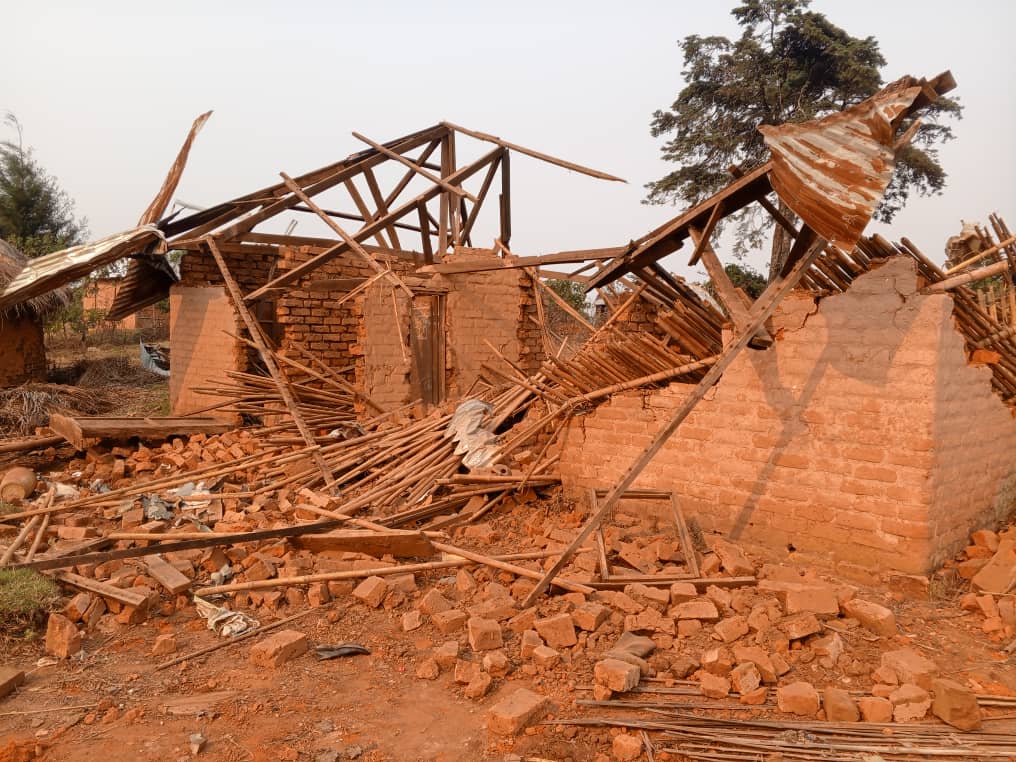
Counting the human cost
Between 2017 and 2025, the integrated humanitarian report records:
- 328,000 internally displaced people (IDPs) ;
- 548 villages burned or abandoned ;
- 134 schools and 41 health centers destroyed ;
- Over 507,600 head of cattle looted, undermining the pastoral economy that has sustained Banyamulenge families for generations.
These numbers, the authors argue, reflect not the collateral damage of messy frontlines but “a deliberate policy of ethnic cleansing” conducted through dispossession and starvation rather than mass executions.
The October GAKONDO letter echoes this, noting that many Banyamulenge civilians in Minembwe have effectively lived without consistent access to food, medicine or schooling since 2017, with children growing up under the constant threat of displacement and attack.
Complex alliances and contested narratives
The reality on the ground is more tangled than a simple binary of victim and perpetrator.
The 2025 Uvira offensive , documented in open-source conflict trackers, shows how Banyamulenge-linked forces such as Twirwaneho have at times fought alongside M23 and other elements of the Congo River Alliance in campaigns against FARDC and pro-government militias.
UN experts have previously accused Twirwaneho of recruiting children and taxing civilians, and have alleged that diaspora fundraising – including channels linked to the Mahoro Peace Association – has helped finance the group’s operations. Mahoro denies knowingly funding armed activity and says its transfers are strictly humanitarian, although the UN has reported evidence of diversion.
These dynamics provide Kinshasa and Bujumbura with a counter-narrative: that their offensives in the plateaux are aimed at dismantling “foreign-backed rebellion” and protecting other communities from Banyamulenge-aligned militias.
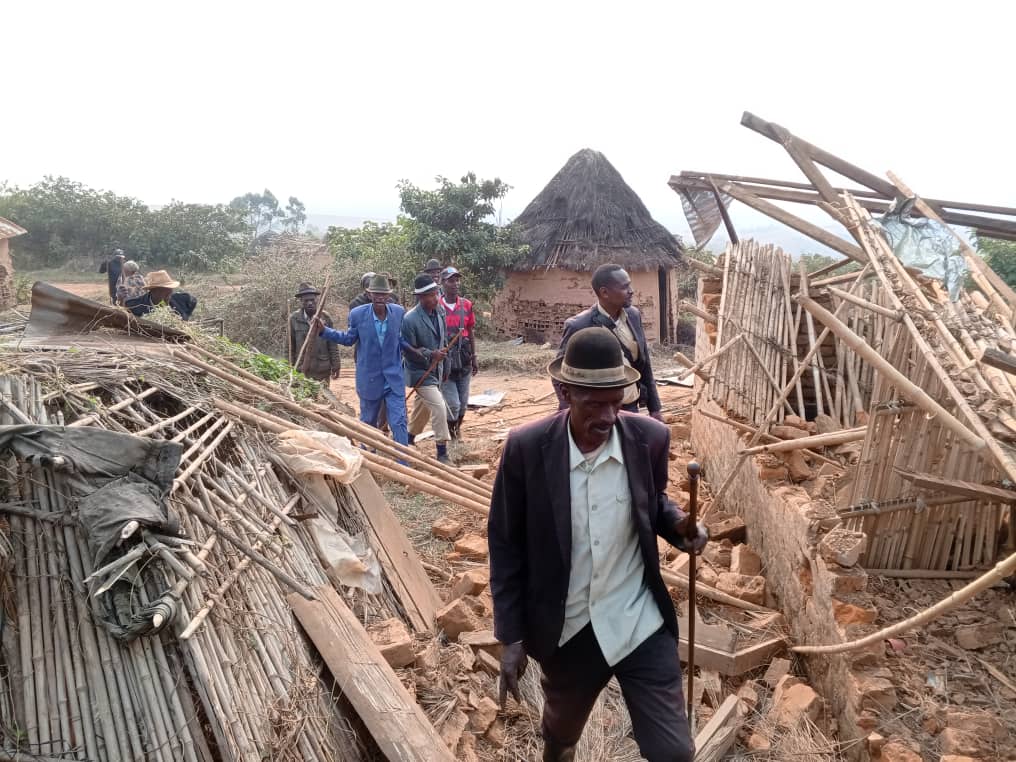
However, for civilians in Minembwe, such justifications do little to change the reality of daily life under siege. Even if armed groups operate in their midst, humanitarian law still obliges states and their partners to distinguish between fighters and civilians, to avoid disproportionate attacks, and to ensure access to food and medical care.
Airstrikes on a humanitarian plane, drone attacks near clinics and the blocking of supply routes to displacement sites all raise serious questions about whether those obligations are being met.
A push for accountability
The legal language in the Banyamulenge documents is deliberate and precise.
The integrated alert calls on the International Criminal Court (ICC) Prosecutor to open an investigation into alleged crimes against humanity and genocide in the high plateaux, citing the Rome Statute’s articles on extermination, persecution and the use of starvation as a method of warfare.
It urges the UN Security Council to impose targeted sanctions on commanders from FDNB, FARDC, Wazalendo and FDLR, as well as on state officials accused of planning or facilitating the siege. It also demands:
- The immediate and unconditional withdrawal of Burundian FDNB troops from Congolese territory;
- The creation of an independent international investigative mechanism to document violations and secure evidence;
- The establishment of a protected humanitarian corridor to deliver food and medicine to an estimated 438,000 people in severe food insecurity.
GAKONDO’s appeal to Washington frames the issue through the lens of US foreign policy, urging the White House to use its influence over both Kinshasa and Bujumbura to pressure for an end to the blockade and to ensure that drones and aircraft supplied or supported by foreign partners are not used against civilians.
“We make this appeal not only for survival but for justice,” the letter states. “The Banyamulenge have endured too long in silence.”
What happens next?
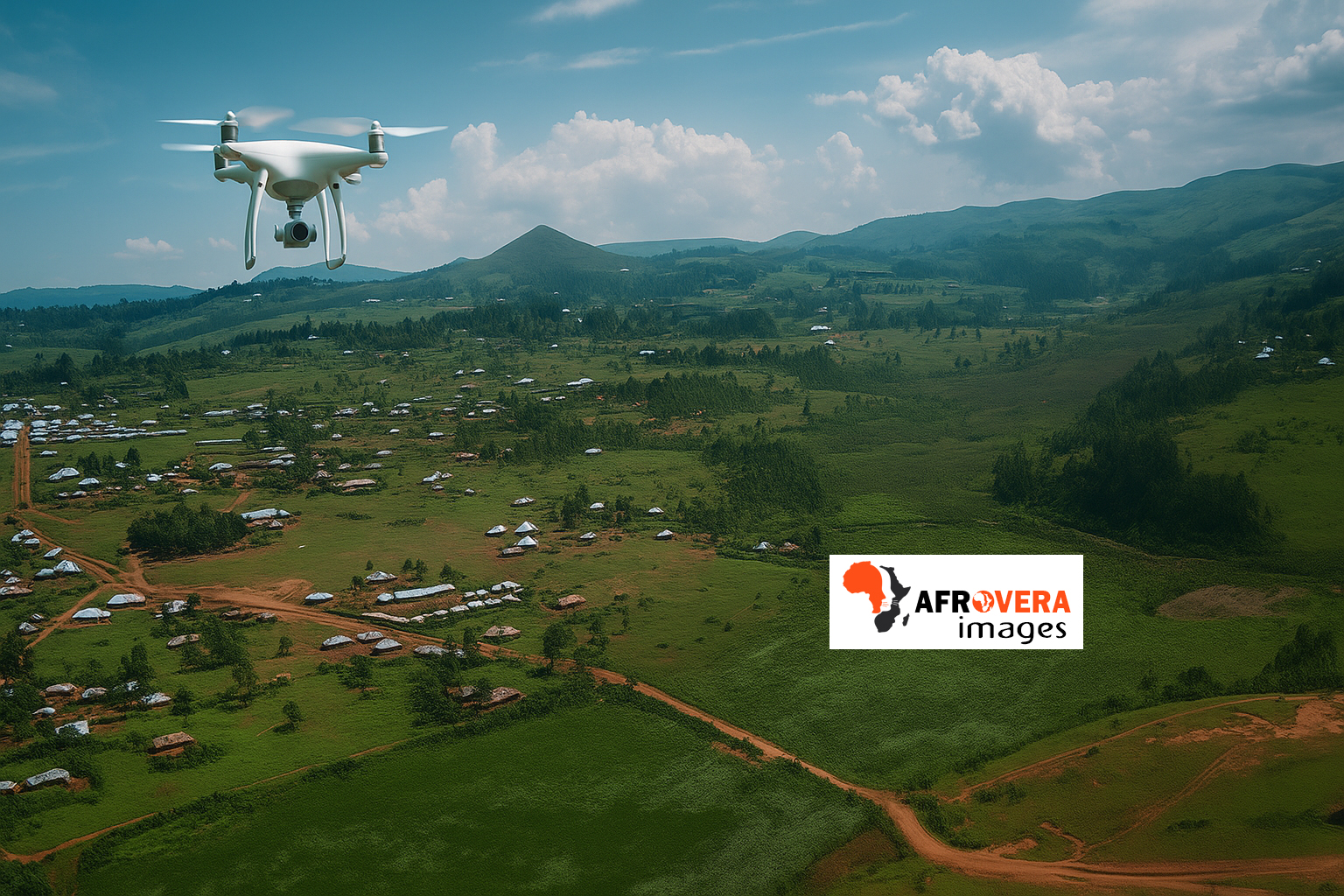
For now, the crisis in Minembwe remains largely off the global radar, overshadowed by higher-profile conflicts elsewhere in the region. Yet the combination of escalating drone warfare, a deepening humanitarian siege and explicit allegations of genocide means it is unlikely to stay invisible for long.
What is clear is that the stakes extend far beyond a single community.
If the pattern described in these letters and reports is allowed to continue unchecked, Minembwe could become a template for how small, politically marginalized groups are managed in future conflicts: not through outright massacres, but through slow, grinding destruction from the air and through hunger.
Whether the world chooses to see and act on that warning or to look away will help determine not only the fate of the Banyamulenge, but the kind of wars that are tolerated in the 21st century.
Prepared by: Gasigwa Jean Claude -Nairobi Kenya