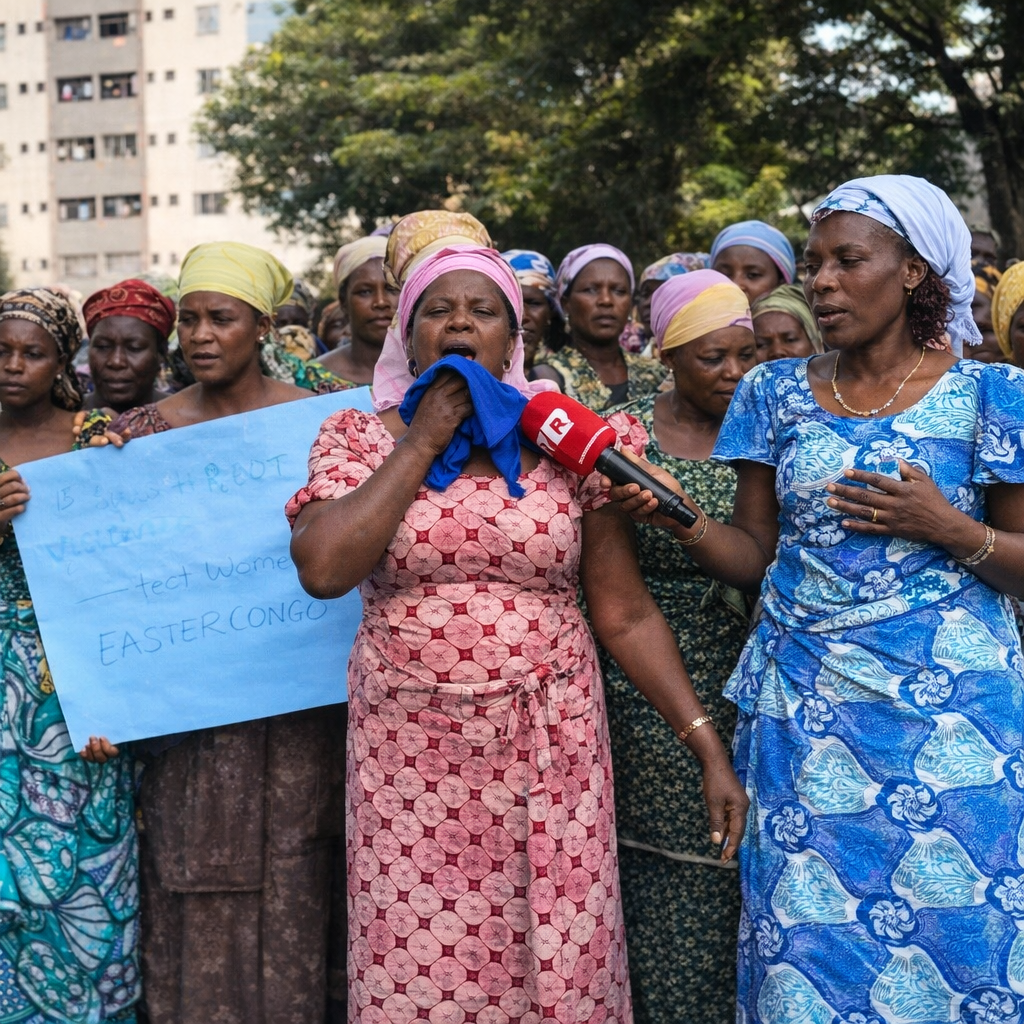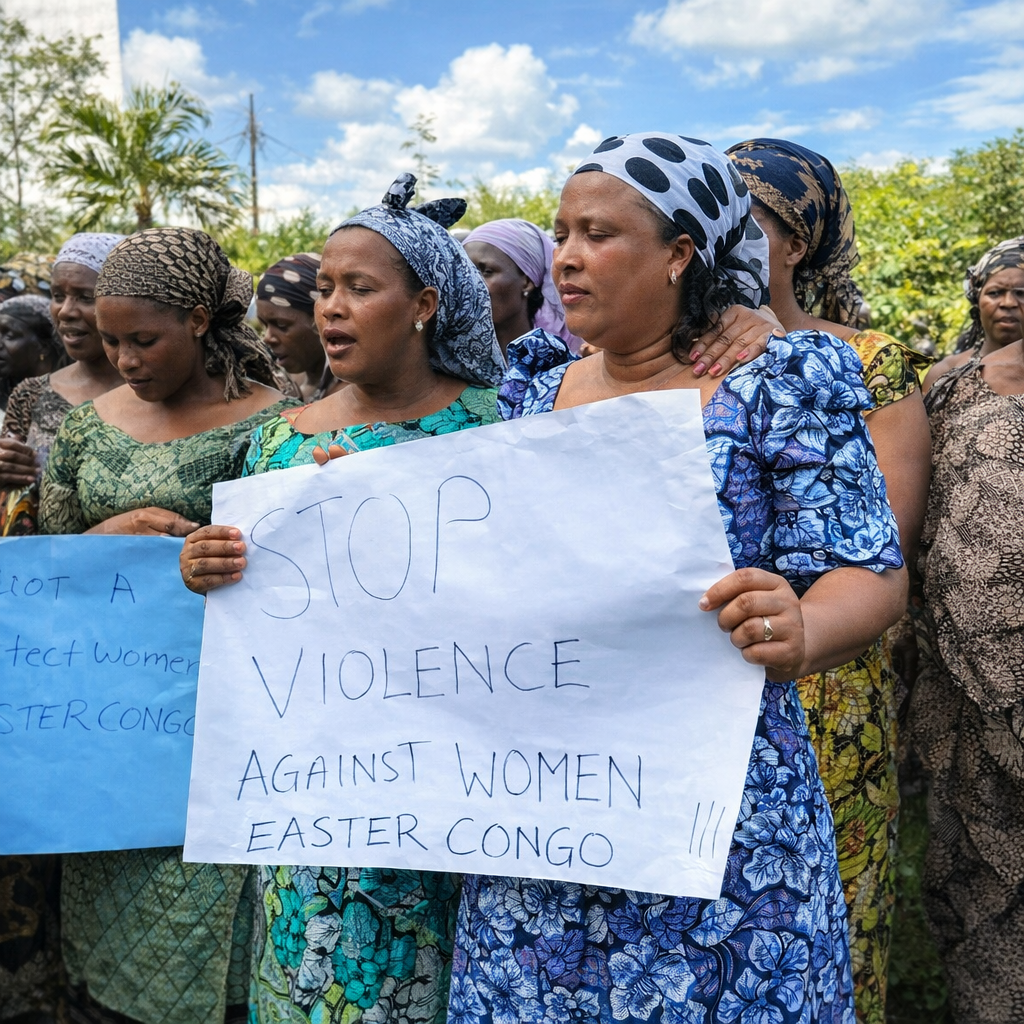




On March 8, 2026, as the world marked International Women’s Day, Banyamulenge women living in Kenya organized a peaceful march in Nairobi to denounce what they describe as ongoing violence against the Banyamulenge community in the eastern Democratic Republic of Congo (DRC).
The demonstration took place in the Kenyan capital, where the women gathered to express their concerns, grief, and solidarity with their fellow Banyamulenge especially women and children who continue to suffer from conflict and insecurity in the highlands of Mulenge, located in Fizi Territory, South Kivu Province.
Choosing Protest Over Celebration
According to participants, the march was deliberately organized on International Women’s Day as a way to draw global attention to the plight of Banyamulenge civilians affected by conflict.
While women in many parts of the world celebrated achievements in women’s rights and empowerment, the Banyamulenge women in Nairobi chose instead to dedicate the day to raising awareness about the humanitarian situation facing their community in eastern Congo.
One participant explained the motivation behind the initiative:
“On International Women’s Day, Banyamulenge women living in Nairobi did not celebrate like others. Instead, we chose to stand in solidarity with our sisters who are suffering in eastern Congo. Our march was meant to express our pain and to call on the international community to pay attention to the crisis affecting the Banyamulenge.”
Concerns Over Violence in Mulenge
The women say that several areas in Mulenge continue to experience armed violence and insecurity, affecting civilians including women, children, the elderly, and youth.
During the event, speakers highlighted that the situation has significantly deteriorated over the past decade. According to their statements, since around 2016, insecurity in Banyamulenge areas has intensified due to the emergence of various armed groups operating in the region.
They claim that the proliferation of weapons among local militias has contributed to frequent attacks on villages inhabited by Banyamulenge communities, leading to widespread displacement and loss of life.
As a result, many families have reportedly fled their homes, while others remain in extremely difficult humanitarian conditions in the mountainous region.
Appeal to the International Community
During the demonstration, Banyamulenge women in Kenya called on the international community, including the United States, international organizations, and human rights groups, to take a more active role in addressing the ongoing insecurity in eastern DR Congo.
They urged global actors to support dialogue, peace initiatives, and concrete security measures aimed at restoring stability in conflict-affected areas.
In particular, they stressed the need for stronger protection of civilian populations, especially women and children, who are often the most vulnerable during armed conflicts.
A Region Marked by Longstanding Tensions
The Mulenge region has experienced years of conflict fueled by complex issues related to land ownership, ethnic tensions, and local governance. These disputes have contributed to the emergence of multiple armed groups, some community-based and others opposing government forces.
The Banyamulenge Congolese Tutsi communities living in the highlands of South Kivu have frequently reported facing violence, discrimination, and displacement linked to their ethnic identity.
Over the years, cycles of conflict in eastern Congo have forced many civilians to abandon their homes, seek refuge in other areas, or flee across borders, creating persistent humanitarian challenges.
A Call for Lasting Peace
At the conclusion of their march, the Banyamulenge women emphasized that their ultimate goal is to see lasting peace restored in eastern DR Congo.
They said that only through sustainable peace and security can women, children, and families return to normal life and rebuild their communities.
The participants also noted that International Women’s Day should serve as a reminder that many women around the world continue to live in situations of war, violence, and displacement, and that stronger international efforts are needed to protect them and ensure their dignity and rights.