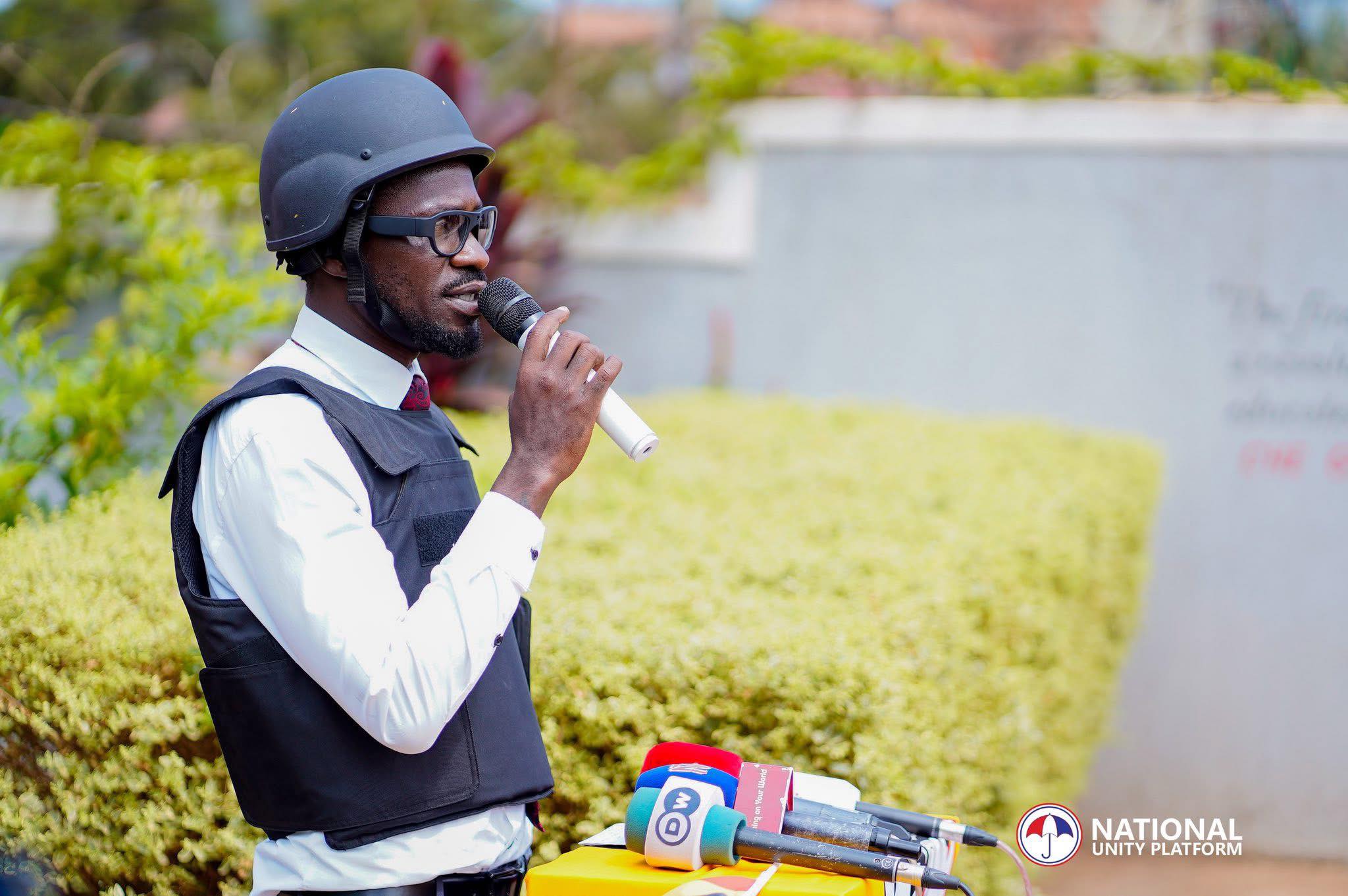




As Uganda moves toward another presidential election cycle, the conduct of state security agencies toward opposition candidate Robert Kyagulanyi Ssentamu widely known as Bobi Wine has raised serious concerns about political freedoms, fairness, and the true nature of the electoral environment.
In recent days, videos and images circulating on social media have shown heavily armed police and military units blocking Bobi Wine’s movement, diverting his convoy onto remote dirt roads, and preventing him from stopping to speak to supporters. Notably, these restrictions target only him , while other candidates reportedly continue to move freely and conduct their campaigns with minimal interference.
For many observers, these developments suggest more than routine security precautions they point to a deliberate political strategy.
Targeting Bobi Wine: A Sign of Growing Insecurity within the Regime?
Rather than appearing as a security protocol, the state’s actions seem designed to limit Bobi Wine’s access to the electorate, particularly in urban centers and densely populated areas where he historically enjoys overwhelming support.
The consistent pattern of:
- Diverting him from main highways,
- Blocking rallies and processions,
- Deploying riot police to follow his convoy,
- And preventing contact with large crowds,
Reflects a calculated attempt to weaken his momentum and minimize public enthusiasm around his candidacy.
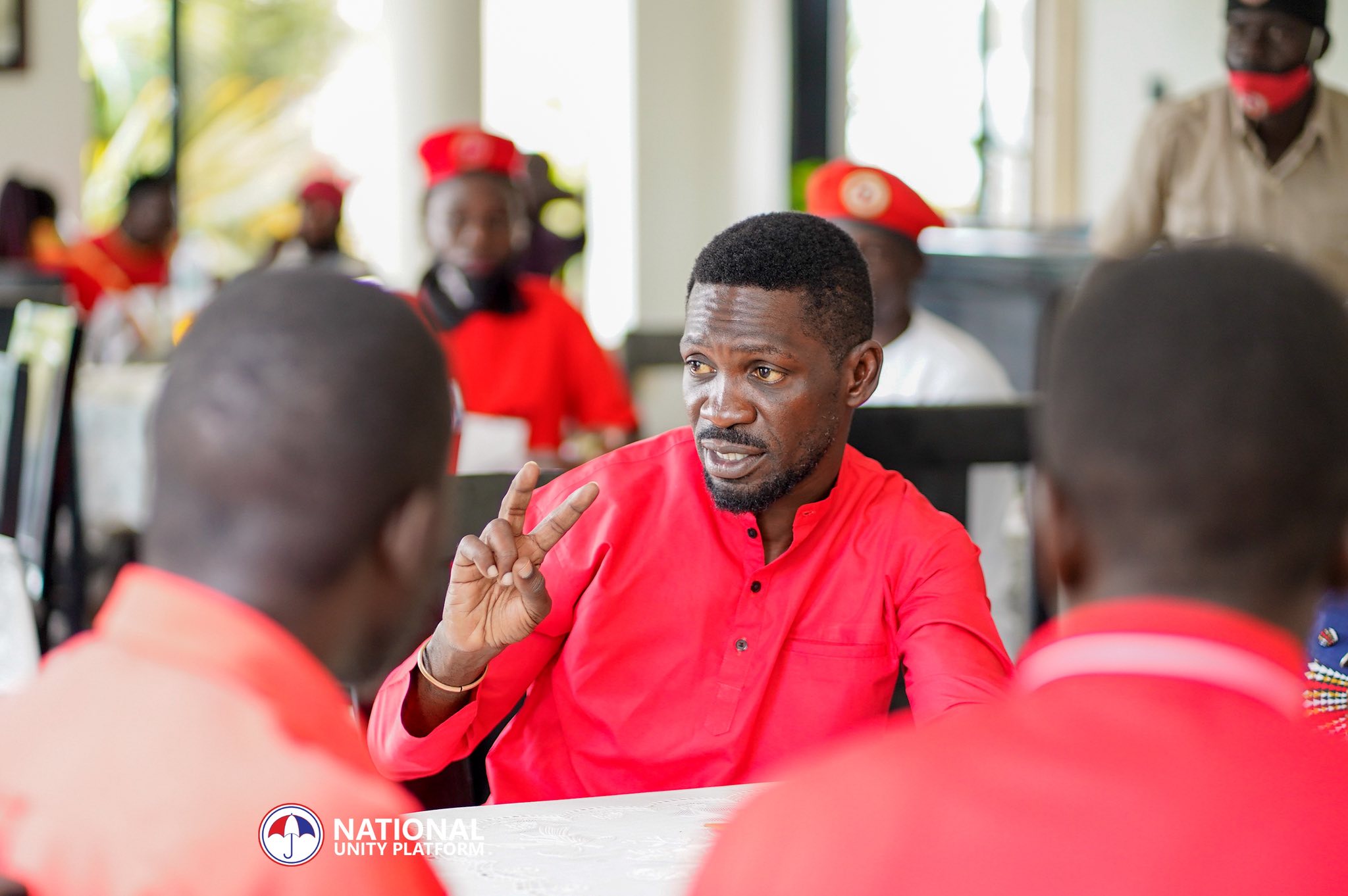
Analysts note that long-standing regimes often respond this way when facing opposition perceived as a legitimate threat.
Bobi Wine’s Popularity: The New Energy Challenging the NRM Order
Despite limited resources compared to the ruling National Resistance Movement (NRM), Bobi Wine possesses something the regime finds difficult to counterbalance mass citizen-driven popularity, especially among Uganda’s youth.
He has become a symbol of:
- Change,
- Accountability,
- In addition, resistance to decades of centralized political control.
Crowds that gather to see him even under heavy police presence signal a shift in the country’s political mood. For a government that has been in power for nearly four decades, such momentum represents a direct challenge to the stability of the status quo.
International observers have also taken note, viewing Bobi Wine not merely as a candidate, but as a political force with the capacity to reshape Uganda’s leadership landscape.
Museveni’s Use of State Power: Managing Elections or Managing the Opposition?
A central question emerges: Why is Bobi Wine the only candidate subjected to such levels of obstruction?
Uganda’s modern political history shows repeated reliance on:
- security forces,
- restrictive laws,
- movement controls,
- and digital blackouts
whenever opposition groups appear to gain traction.The current blockade tactics align closely with this pattern.
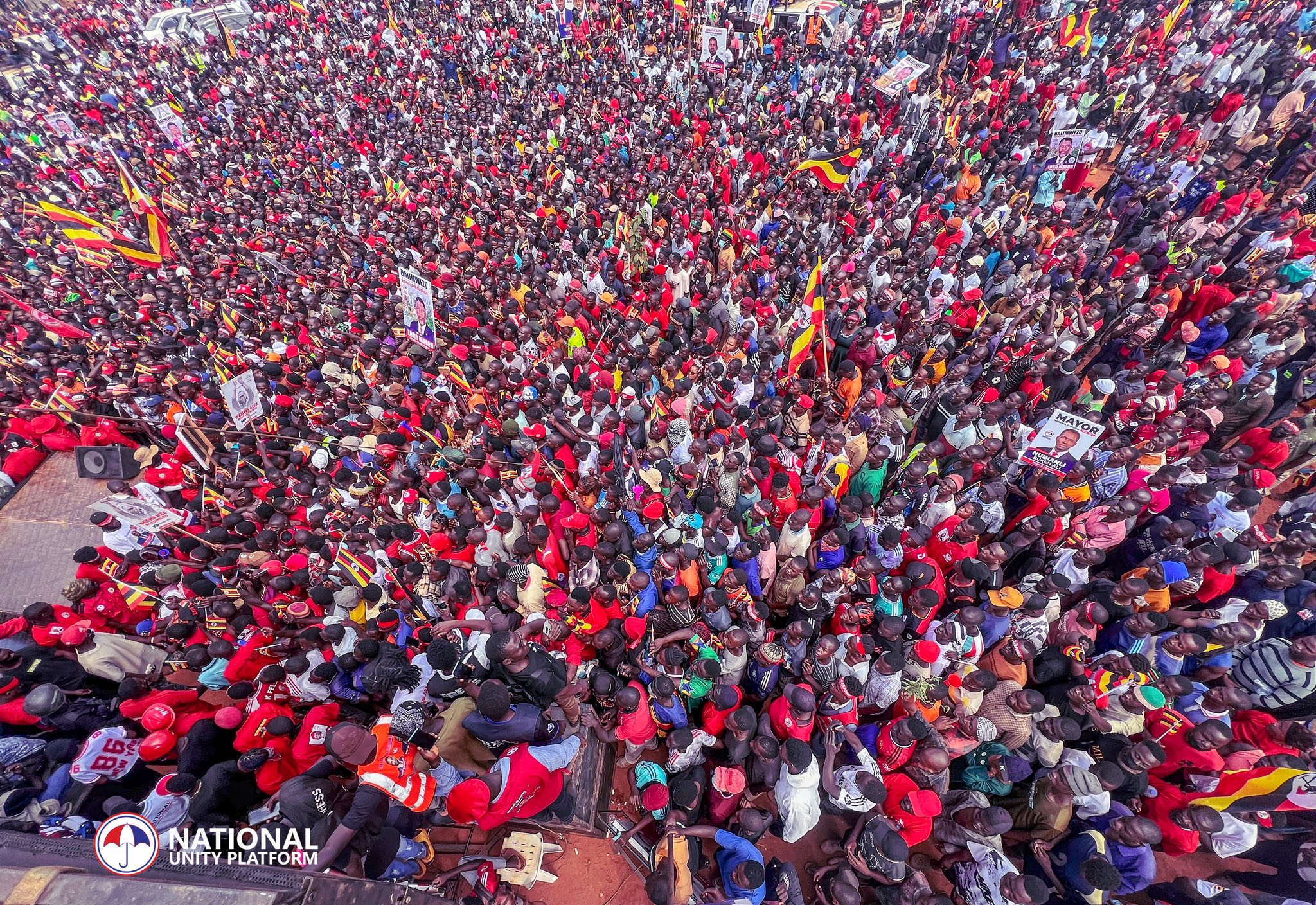
Political scientists argue that such strong-handed measures often reveal not confidence, but vulnerability. When a government feels fully secure in its support, it rarely needs to deploy the military to manage a political campaign.
Could Bobi Wine Actually Win Against Museveni?
Based on public sentiment and his widespread support, Bobi Wine could indeed secure a popular vote victory if elections were conducted freely and transparently.
However, the structural challenges are severe:
- The Electoral Commission operates under government influence
- Security agencies have historically intervened in opposition activities
- The 2021 election featured an internet shutdown
- Reports of intimidation and ballot irregularities have appeared in past cycles
These factors mean that even if Bobi Wine has the numbers, he may not have access to a fair electoral process capable of reflecting the people’s choice.
Afrovera’s Conclusion: The State’s Behavior Speaks for Itself
The excessive policing, selective restrictions, and targeted disruption of Bobi Wine’s campaign are not the signs of a government sitting comfortably in its authority. They instead point to a ruling system concerned about rising political tides and the possibility of losing control over the electorate.
If Bobi Wine were not a serious contender, the state would not need to deploy this level of force and obstruction.
This dynamic raises a fundamental question for Uganda’s democracy:
- Is the government preparing for an election or preparing to neutralize its most formidable challenger?
As events continue to unfold, citizens and international observers will be watching closely to see whether Uganda moves toward an electoral process based on fairness, or one defined by suppression.