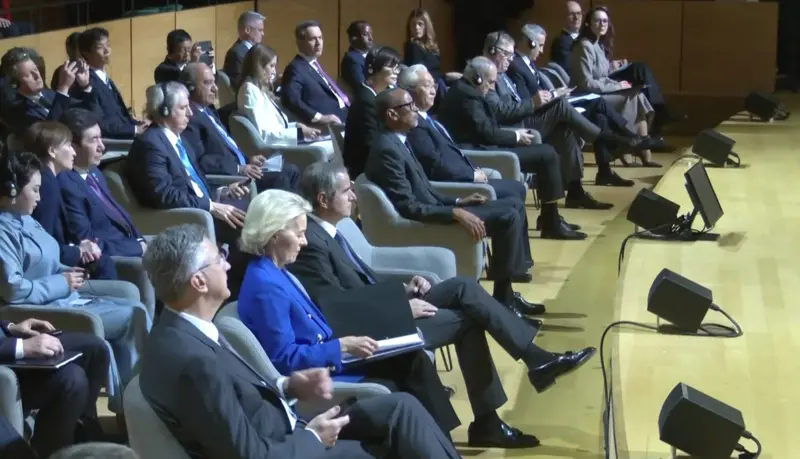




President Paul Kagame of Rwanda is among world leaders attending the second global summit on the use of nuclear energy for development , hosted by French President Emmanuel Macron .
The summit has brought together representatives from about 60 countries and is being held in Boulogne-Billancourt, near Paris . It was organized by the Government of France in collaboration with the International Atomic Energy Agency (IAEA) .
According to the French Embassy in Rwanda , President Kagame is attending the meeting together with a delegation that includes officials from the Rwanda Atomic Energy Board .
Macron highlights importance of nuclear energy
Opening the summit, President Emmanuel Macron emphasized the strategic importance of nuclear energy in the modern world.
“We are here because we share a simple idea,” Macron said. “We need nuclear energy because it is a source of progress and independence.”
However, Macron also noted that the meeting is taking place at a particularly sensitive moment for the nuclear sector globally.
“This summit is taking place in an unusual context, as the nuclear world is linked to the ongoing conflict involving Iran and the wider Middle East region,” he added.
Focus on energy and climate challenges
The first summit on nuclear energy for development was held in Brussels, Belgium, in 2024.
According to the French government, this year’s meeting aims to examine the role nuclear energy can play in addressing global energy shortages and climate challenges , while supporting sustainable development.
French media reports indicate that investment in nuclear energy projects will be one of the key topics of discussion during the summit.
Rwanda’s nuclear energy ambitions
The summit comes shortly after the International Atomic Energy Agency (IAEA) sent an inspection mission to Rwanda last week.
The Rwandan government has announced plans to use Small Modular Reactors (SMRs) to generate electricity from nuclear energy. Authorities say this technology could complement hydropower , which currently supplies a large share of the country’s electricity.
Local media in Rwanda reported that the IAEA inspectors were assessing the country’s preparedness and identifying any gaps that must be addressed before Rwanda begins testing nuclear energy production.