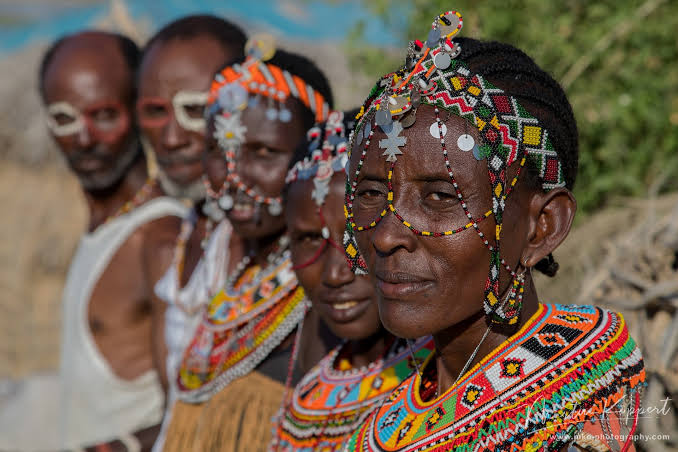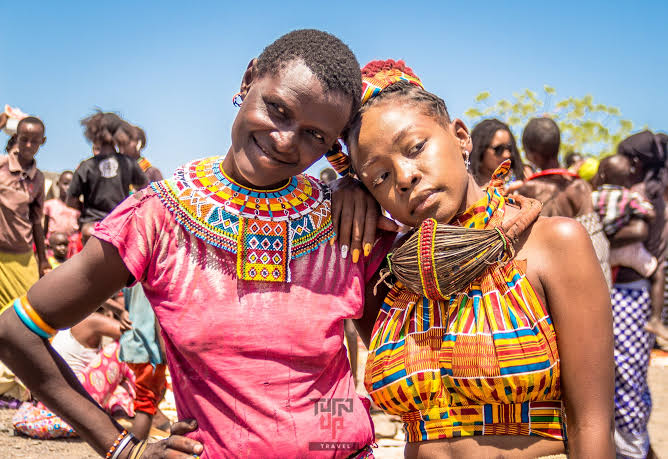




Kenya’s smallest ethnic community, the El-Molo, continues to draw the attention of anthropologists, cultural scholars, and the general public for both its rich cultural heritage and its critically low population. Believed to number fewer than 100 people, the Cushitic-speaking group historically linked to the greater Turkana region remains one of the country’s most endangered indigenous identities.
For decades, the El-Molo have recorded almost no population growth. Community elders often share a sobering reality: “When one is born, one dies.” This fragile balance has kept their numbers stagnant and fueled deep concern about cultural and demographic survival. While intermarriage with neighbouring communities has provided some avenues for continuity, traditionalists worry that such assimilation may dilute the purity of the El-Molo lineage.
Living along the southeastern shores of Lake Turkana, the El-Molo have built a way of life entirely shaped by the lake. Unlike most pastoral communities in northern Kenya, they rely heavily on fishing, using hand-carved wooden boats and traditional tools passed down through generations. Their attachment to water runs so deep that some members rarely travel far from the lake; locals often remark that when El-Molo people leave their homes, they carry tins of water an act that reflects both practical need and spiritual connection.
Their settlements, usually composed of small clusters of reed and papyrus huts, mirror the simplicity and resilience demanded by the harsh environment. Their diet is predominantly fish, particularly tilapia and Nile perch, which have sustained them for centuries. Yet, this dependence is increasingly challenged by climate change, declining fish stocks, and the slow erosion of cultural practices.
Cultural experts warn that without deliberate, well-funded preservation initiatives, Kenya risks losing one of its oldest and most distinctive indigenous communities. As modernization accelerates across the country, the El-Molo story serves as a poignant reminder of the fragile line between cultural survival and extinction.