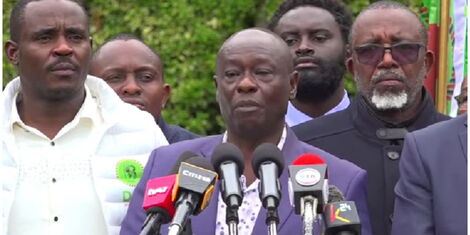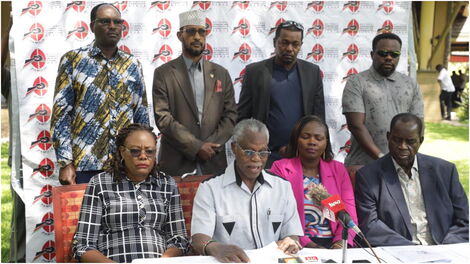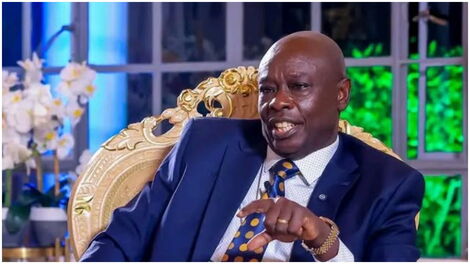




The National Cohesion and Integration Commission (NCIC) has publicly denied claims spreading on social media that it summoned Democracy for Citizens Party leader Rigathi Gachagua over alleged inflammatory and hate-related remarks.
In a brief clarification, the commission said the reports circulating online are false and misleading. According to NCIC, no official summons or administrative action has been issued against the former Deputy President so far.
Serivisi za Digital za Afrovera
Dufasha business n’imishinga kugaragara online bin yuze muri serivisi za digital zinoze kandi ku giciro gito cyane.
- ✔ Gukora Website za business & companies
- ✔ Posters & Graphic Design
- ✔ Website Hosting & Domain
- ✔ Gufungura YouTube Channels za business
This denial comes at a time of growing public pressure, with many Kenyans demanding accountability following controversial statements attributed to Gachagua. Several letters and complaints have already been submitted to the commission urging it to act.
However, even as it dismissed claims of a summons, the NCIC did not clearly explain whether Gachagua’s remarks meet the legal threshold for hate speech or whether they deserve further investigation.
The controversy centers on comments Gachagua reportedly made on January 4 during a church service at AIPCA Kiratina Church in Githunguri Constituency, Kiambu County.
During that address, Gachagua allegedly linked the construction of a major shopping mall in Nairobi’s Eastleigh estate to money stolen in the United States through the Minnesota fraud case.
Eastleigh is widely known as a business hub largely associated with Kenya’s Somali community, which made the remarks especially sensitive.
Following the speech, a prominent mall in Eastleigh filed a formal complaint with the NCIC on Tuesday, accusing Gachagua of spreading false and harmful claims.
Lawyers representing the mall owners argued that the allegations were baseless and damaging to their clients’ reputation and business operations.
“Our clients’ property is a lawfully established business, and any suggestion that it is linked to criminal funds is false and damaging,” the lawyers stated in their letter to the NCIC.
The legal team further accused Gachagua of repeatedly referencing ethnicity in his remarks, which they say unfairly implied collective guilt on the Somali community.
According to the lawyers, such statements amount to ethnic vilification and risk fueling discrimination and hostility against an entire community.
In their complaint, they urged the NCIC to assess whether the remarks constitute ethnic contempt or hate speech under Kenyan law.
They also asked the commission to formally censure Gachagua and recommend him for prosecution if the legal threshold is met.
As the issue gained national attention, political leaders began weighing in, adding more pressure on the NCIC to clarify its position.
Wiper Patriotic Front leader and close ally of President William Ruto, Kalonzo Musyoka, addressed the controversy on Wednesday.
Speaking at the funeral of the late Muhia Njoroge, the father of Kipipiri MP Wanjiku Muhia, on January 7, Kalonzo defended the Somali community.
He said the united opposition stands in full solidarity with Kenyan Somalis and rejected any narrative that unfairly targets them.
Kalonzo emphasized that Kenya’s strength lies in unity and peaceful coexistence among all ethnic communities.
He added that the opposition remains committed to building genuine national cohesion, especially at a time when political rhetoric risks deepening divisions.
Despite the seriousness of the complaints, the NCIC has not yet enforced any summons against Gachagua.
In previous cases involving complaints against him, the commission reportedly only issued warning letters instead of taking stronger action.
This pattern has drawn criticism from politicians allied to Gachagua as well as his opponents, though for different reasons.
Allies of the former Deputy President have accused the NCIC of selective enforcement and bias, claiming the commission targets some leaders while protecting others.
They have urged the NCIC to apply its mandate fairly and consistently, regardless of political affiliation.
On the other hand, civil society voices and community leaders continue to question whether the commission is doing enough to prevent ethnic tension.
For now, the matter remains unresolved, with no summons issued and no clear decision on whether Gachagua’s remarks amount to hate speech.
As Kenyans await further action, the case has once again sparked a national debate on political responsibility, ethnic sensitivity, and the role of oversight institutions in protecting unity.