The AFC/M23 coalition, which opposes the government of the Democratic Republic of the Congo, is set to be integrated into an international mechanism responsible for monitoring the ceasefire in the eastern part of the country.
This proposal stems from progress made in ongoing peace negotiations between the DRC government and AFC/M23. These talks are being mediated by Qatar, with support from the United States and the African Union, and include agreements on a ceasefire.
In the Great Lakes region, there already exists a joint border security monitoring mechanism known as the Expanded Joint Verification Mechanism. When clashes occur, this body conducts investigations to determine their causes.
Due to the ongoing conflict in eastern DRC, there has been a proposal to restructure this mechanism so that it monitors not only cross-border security but also areas controlled by armed groups and coalitions.
On April 14, 2026, during the third day of peace talks held in Switzerland, both the DRC government and AFC/M23 agreed to reform the EJVM into an upgraded structure called EJVM+, which will also oversee the implementation of the ceasefire agreed upon by both sides.
Unlike the original EJVM, which included only representatives of member states, EJVM+ will incorporate three officers representing AFC/M23 and three representing the DRC government. It will also collaborate with the United Nations peacekeeping mission, MONUSCO.
The project to establish EJVM+ began last year but faced delays in implementation. Although both parties have now agreed to its creation, the official start date of its operations has not yet been determined.
While peace talks continue in Switzerland, attacks are still ongoing in areas controlled by M23 and its ally, MRDP-Twirwaneho, which operates in the Minembwe commune.
AFC/M23 spokesperson, Lawrence Kanyuka, has repeatedly stated that although the DRC government participates in peace talks, its actions on the ground clearly indicate a preference for continued conflict.
AFC/M23 reaffirmed its commitment to the peace process but warned that if attacks persist, it will continue to defend civilians and respond militarily where necessary.
A growing climate of insecurity and alleged targeted violence against Tutsi communities in eastern Democratic Republic of Congo has come under renewed scrutiny following a special interview broadcast by ABC News Australia. The discussion, hosted by journalist Francis Zara Adams and featuring CEO-Officer Jean De Dieu, an Ambassador of Peace and a student of Criminology and External Security in Australia, provided a detailed perspective on the deteriorating situation in North and South Kivu.
During the interview, CEO-Officer Jean De Dieu described the crisis as one that extends beyond conventional armed conflict, pointing instead to deeper structural issues including ethnic marginalization, political tensions and systemic injustice. “This is not just a war of weapons; it is a crisis rooted in exclusion, identity and political failure,” he said when asked to characterize the nature of the conflict.
He argued that Tutsi communities, alongside Banyamulenge populations, continue to face discrimination and insecurity, which has significantly undermined their safety and livelihoods. Responding to a question on the situation of civilians, he stated, “Entire communities are living in fear, not because they are part of the conflict, but because of who they are.”
At the centre of his intervention, CEO-Officer Jean De Dieu raised serious concerns about ongoing killings targeting Banyamulenge and Tutsis in North Kivu. He alleged that these acts are being carried out with the involvement of the government in Kinshasa as well as elements linked to Burundi, further exacerbating tensions in the region. “The killings of Banyamulenge and Tutsis are not isolated incidents; they are part of a pattern that the world can no longer ignore,” he said.
He warned that the continuation of such violence risks deepening divisions and prolonging instability, while calling on the international community not to remain silent. In response to a question on what should be done, he added, “Silence from the international community only fuels impunity. There must be accountability, and there must be action now.”
His remarks come amid escalating violence in several parts of eastern Congo. In Masisi territory, fighting has intensified in recent days, with reports indicating the use of drones alongside ground offensives in and around civilian-populated areas. According to field accounts, the clashes have forced large numbers of residents to flee, often without access to safe shelter or adequate humanitarian support. Local sources describe a rapidly deteriorating situation, where displacement continues to increase and civilians remain exposed to ongoing threats.
The humanitarian consequences are becoming increasingly severe. Displaced populations are facing shortages of food, healthcare and basic necessities, while access for humanitarian actors remains limited due to insecurity. Observers warn that without immediate and coordinated intervention, the crisis could worsen further, potentially destabilizing the broader region.
Throughout the interview, CEO-Officer Jean De Dieu reiterated the need for stronger international engagement, emphasizing that sustainable peace in eastern Congo would require accountability, justice and inclusive governance that guarantees equal protection for all communities.
The interview, as highlighted by Afrovera.com, reflects growing concern among observers and advocates that the situation in eastern Congo is not receiving sufficient international attention. As violence persists and humanitarian needs continue to rise, the urgency for meaningful and coordinated action remains critical.
The State of Michigan in the United States of America has officially designated April 7 as a day to join the international community in commemorating the 1994 Genocide against the Tutsi. The move aims to honor the victims, support survivors, uphold truth, and combat denial and minimization of the genocide.
This step comes as the United States increasingly adopts the accurate designation “the 1994 Genocide against the Tutsi,” a term formally recognized by the United Nations General Assembly on January 26, 2018.
It also follows a similar declaration by the city of Kentwood, which announced that it would annually join Rwandans and the global community in commemorating the genocide every April 7.
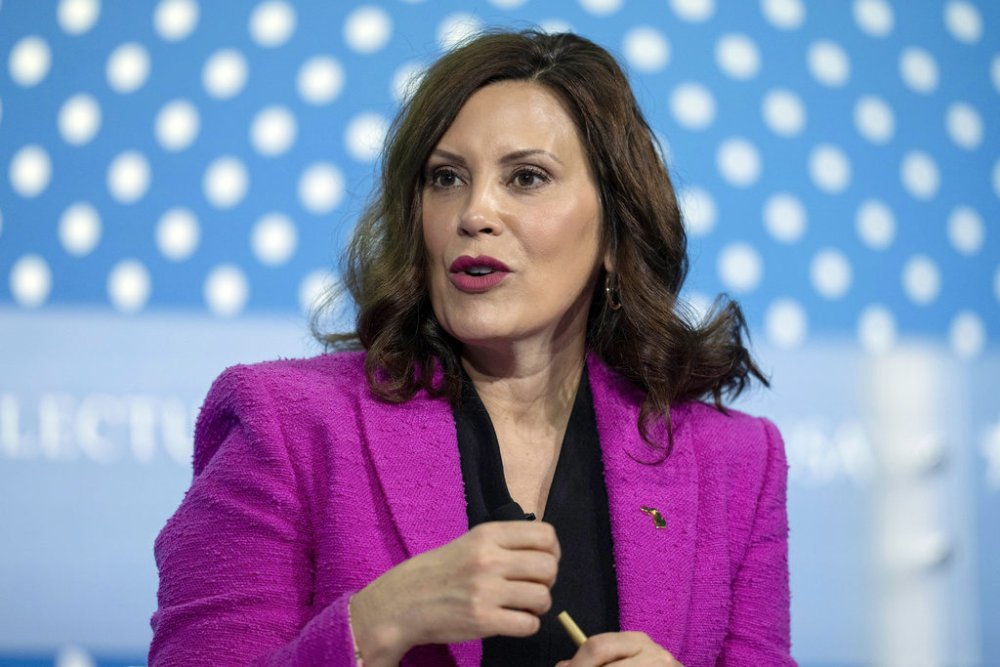
Michigan Governor Gretchen Whitmer acknowledged the brutality of the 1994 Genocide against the Tutsi, noting that it left survivors with deep trauma and lasting scars.
Whitmer emphasized that remembering the victims, supporting survivors, and working collectively to prevent genocide and other crimes against humanity is a shared global responsibility. She added that commemoration plays a critical role in countering denial and distortion of this history.
She further stated that the State of Michigan remains committed to upholding human rights, promoting historical education, and opposing all forms of hatred, including racism, xenophobia, and discrimination in all their forms.
“In recognition of this,” she declared, “I, Gretchen Whitmer, Governor of Michigan, hereby proclaim April 7, 2026, as a day of remembrance for the 1994 Genocide against the Tutsi in Rwanda in the State of Michigan.”
IBUKA USA, which advocates for the rights of survivors of the Genocide against the Tutsi living in the United States, along with the Rwandan community in Michigan, welcomed the Governor’s decision.
The President of IBUKA USA, Marcel Mutsindashyaka, stated: “This decision is a strong affirmation of truth. When the Genocide against the Tutsi is properly named, it restores dignity to the victims and reinforces the truth that survivors have carried for many years.”
Similarly, Caleb J. Uwagaba, President of the Rwandan community in Michigan, said the Governor’s decision holds significant meaning both within the state and across the United States.
“It honors those who lost their lives, reinforces the truth of our history, and supports survivors on their journey of healing. Michigan’s decision strengthens our commitment to promoting unity, reconciliation, and human rights, while ensuring that the lessons of 1994 guide future generations,” he said.
Michigan now joins other U.S. states, including Ohio, Utah, and Texas, in formally recognizing the correct designation of the 1994 Genocide against the Tutsi and in participating in its annual commemoration.
Governor Gretchen Whitmer has announced that Michigan will commemorate the Genocide against the Tutsi on April 7.
Kenyan content creator Lynne Njihia has spoken publicly about a difficult and emotionally taxing pregnancy, revealing that severe ulcers significantly affected her health and led to a premature birth.
In a candid account, Lynne described months marked by persistent pain, anxiety, and uncertainty over both her condition and her baby’s safety. She said the ulcers became increasingly severe, eventually triggering early labour and disrupting her ability to maintain proper nutrition throughout the pregnancy.
“Ulcers zilinisumbua to a point that triggered my labour,” she said, explaining how the condition gradually worsened and made it difficult for her to eat or sustain a healthy routine.
Lynne disclosed that she delivered her baby at seven months, well before the typical full-term period. The experience, she added, had a profound emotional impact, deepening her appreciation for her mother and the challenges of motherhood.
“Sikufika nine months… nilijifungua at seven months. Pregnancy yangu ilifanya nipende sana my mum,” she shared.
She also highlighted the strain the illness placed on her overall health, noting that poor nutrition became a constant concern as her appetite declined. The situation left her worried about whether both she and her baby were receiving adequate nourishment.
“Nilikuwa na stress because I wasn’t getting enough nutrients for my baby and me,” she said.
At one point, Lynne experienced visible physical effects, including facial swelling, which she linked to the complications she was facing during the pregnancy.
Since the birth, she has focused on recovery and caring for her child, occasionally sharing updates that reflect a more stable and positive phase. Despite the early challenges, her baby is reportedly doing well, as Lynne adjusts to life as a young mother and continues her recovery journey.
Residents in parts of central Kenya are set to experience extended power cuts on Friday, April 10, 2026, after Kenya Power announced a planned maintenance exercise targeting sections of Nyeri and Meru counties.
The utility said the scheduled outages, expected to last up to nine hours, are part of efforts to strengthen the stability and reliability of electricity supply across the Mt. Kenya region.
In Nyeri County, electricity will be switched off between 8:00 a.m. and 5:00 p.m. in Thamaru and Ngunguru. The affected areas include Kahara Village, Karogoto Market, Kahiga Village, Thamaru Village, Ngunguru Secondary School, Kiambachi Village, Ngurumo Dispensary, Ngunguru Coffee Factory and Maingirano Village. Telecommunications infrastructure, including Safaricom and Airtel booster sites, will also be impacted, alongside nearby customers.
Further east in Meru County, power interruptions are scheduled from 9:00 a.m. to 5:00 p.m. across Kiengu and Kiutini and their surrounding areas. Locations expected to be affected include Nchiru, Kianjai, Ngundune, Akithi, Karumo, Maua Town, Kangeta, Kihutini, Kinaa, as well as the Igembe and Kiegoi industrial zones. Other areas listed include Athi, Baranga, Karama, Muthara, KWS Murera, Rhino Camp, Lare, Ruirii, Mutuati, Kandone, Kabachi, Thangareini, Tuuru, Kooju, Dituene, Muriri and Nyambene Girls.
Kenya Power has advised households and businesses to make alternative arrangements during the outage period, warning that services dependent on electricity may be disrupted.
Planned maintenance outages are routinely carried out to upgrade infrastructure, manage load demands and reduce the risk of unplanned blackouts, which remain a recurring concern in parts of the country.
Vera Sidika has addressed mounting criticism surrounding her rumoured relationship with Gen Z rapper Tipsy Gee, making it clear she remains unfazed by public opinion.
The pair have recently trended online after fans began speculating about their apparent closeness. What initially sparked curiosity quickly escalated into backlash, with some questioning the age difference between the two and the nature of their relationship.
The debate has largely played out across social media platforms, where reactions have been sharply divided. While a section of users criticised the alleged relationship, others defended Vera, arguing that her personal life should remain private. As is often the case within Kenya’s entertainment industry, celebrity relationships continue to attract intense scrutiny, with online audiences quick to form and express opinions.
Responding to the ongoing chatter, Vera delivered a blunt and unapologetic reaction:
“Ata kama ungekua unanidate… shida iko wapi? 🤭😂 They should mind their business 🤣.”
Her bold, bilingual response quickly gained traction online, drawing both amusement and support from fans. Many followers engaged with light-hearted reactions, including emojis and playful remarks, which helped ease the tone of the broader debate.
This is not the first time Vera has found herself at the centre of public attention. Over the years, her relationships and lifestyle have consistently attracted media and public interest. Despite recurring scrutiny, she has maintained a confident and unapologetic persona, often dismissing criticism and choosing to live life on her own terms.
Tipsy Gee, on the other hand, represents a younger generation of Kenyan artists steadily gaining visibility in the music scene. The rumoured connection between an established celebrity and a Gen Z artist has naturally sparked curiosity, reflecting a broader shift in entertainment culture where cross-generational relationships are becoming more visible and, in some cases, increasingly accepted.
In recent months, Vera has remained active online, offering glimpses into her lifestyle, business ventures, and personal milestones. She has also been open about navigating changes in her life, including her relationships, while continuing to strengthen her brand and maintain a strong presence in the public eye.
era Sidika fires back at critics over Tipsy Gee dating rumours, tells trolls to mind their business
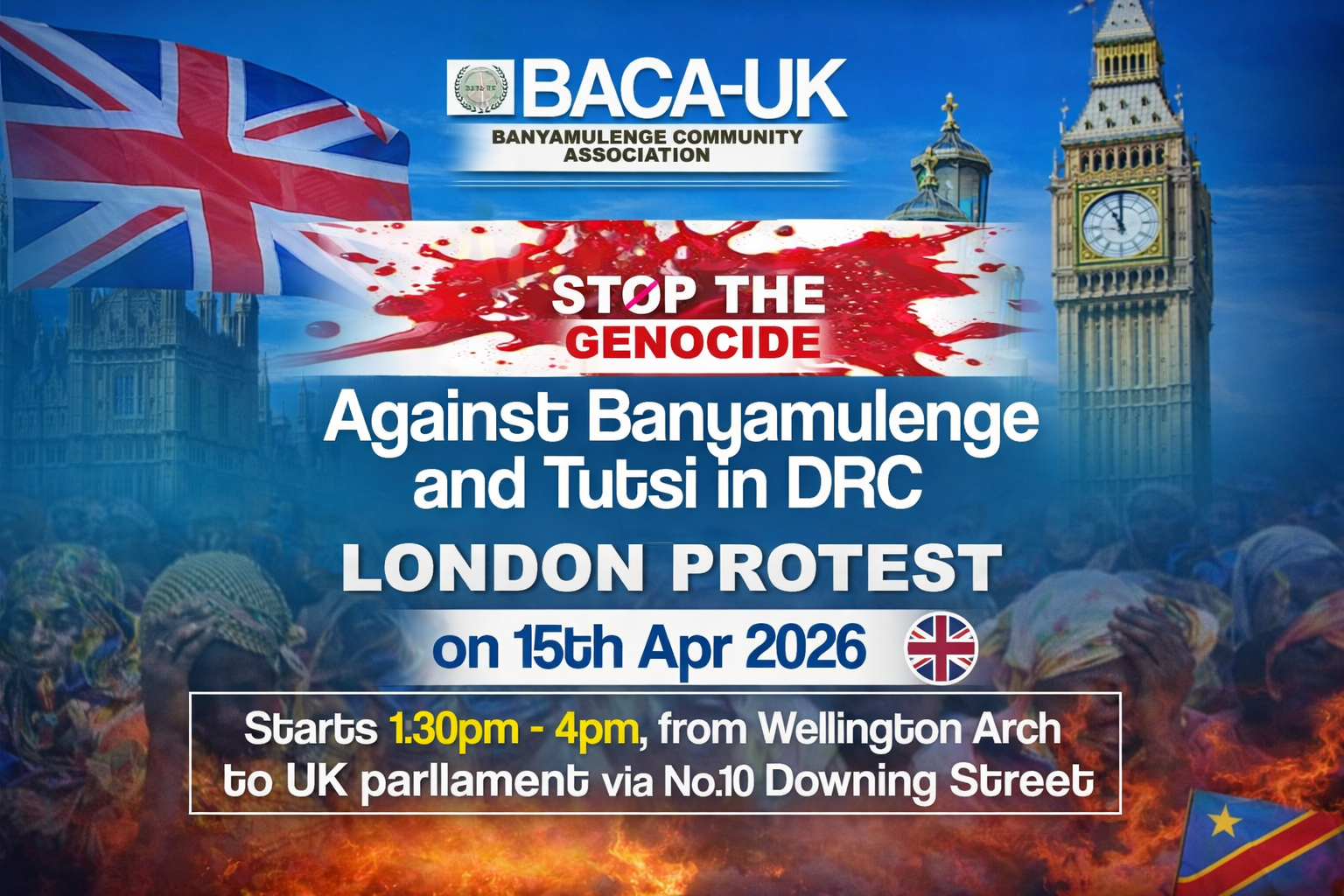
The Banyamulenge community living in the United Kingdom, under the umbrella of BACA-UK (Banyamulenge Community Association), has announced a peaceful protest scheduled to take place in London on April 15, 2026.
According to organizers, the demonstration aims to raise awareness and denounce ongoing violence, killings, and human rights abuses targeting Banyamulenge and Tutsi communities in the eastern part of the Democratic Republic of Congo.
The protest will begin at 1:30 PM at Wellington Arch and is expected to continue until 4:00 PM. Participants will march towards the UK Parliament, passing through key locations including 10 Downing Street, the official residence of the British Prime Minister.
Organizers say the protest is intended to send a strong message to the international community, urging global leaders and institutions to take concrete action to stop the violence and protect vulnerable civilian populations in eastern Congo.
They emphasize that despite years of reported atrocities; the international response has remained insufficient, leaving affected communities exposed to continued attacks.
“This protest is a call for justice, protection, and recognition of the suffering endured by Banyamulenge and Tutsi communities,” organizers noted, stressing the importance of peaceful civic engagement to amplify their voices on the global stage.
Participants are expected to gather in large numbers to demonstrate solidarity and advocate for urgent intervention.
The demonstration comes amid continued reports of insecurity, armed conflict, and civilian displacement in eastern DRC, raising growing concern among diaspora communities and human rights observers.
Organizers concluded by reiterating that the lives of Banyamulenge and Tutsi people matter and called for sustained international efforts to bring lasting peace and stability to the region.
Banyamulenge community in the UK to hold London protest over killings in eastern DRC
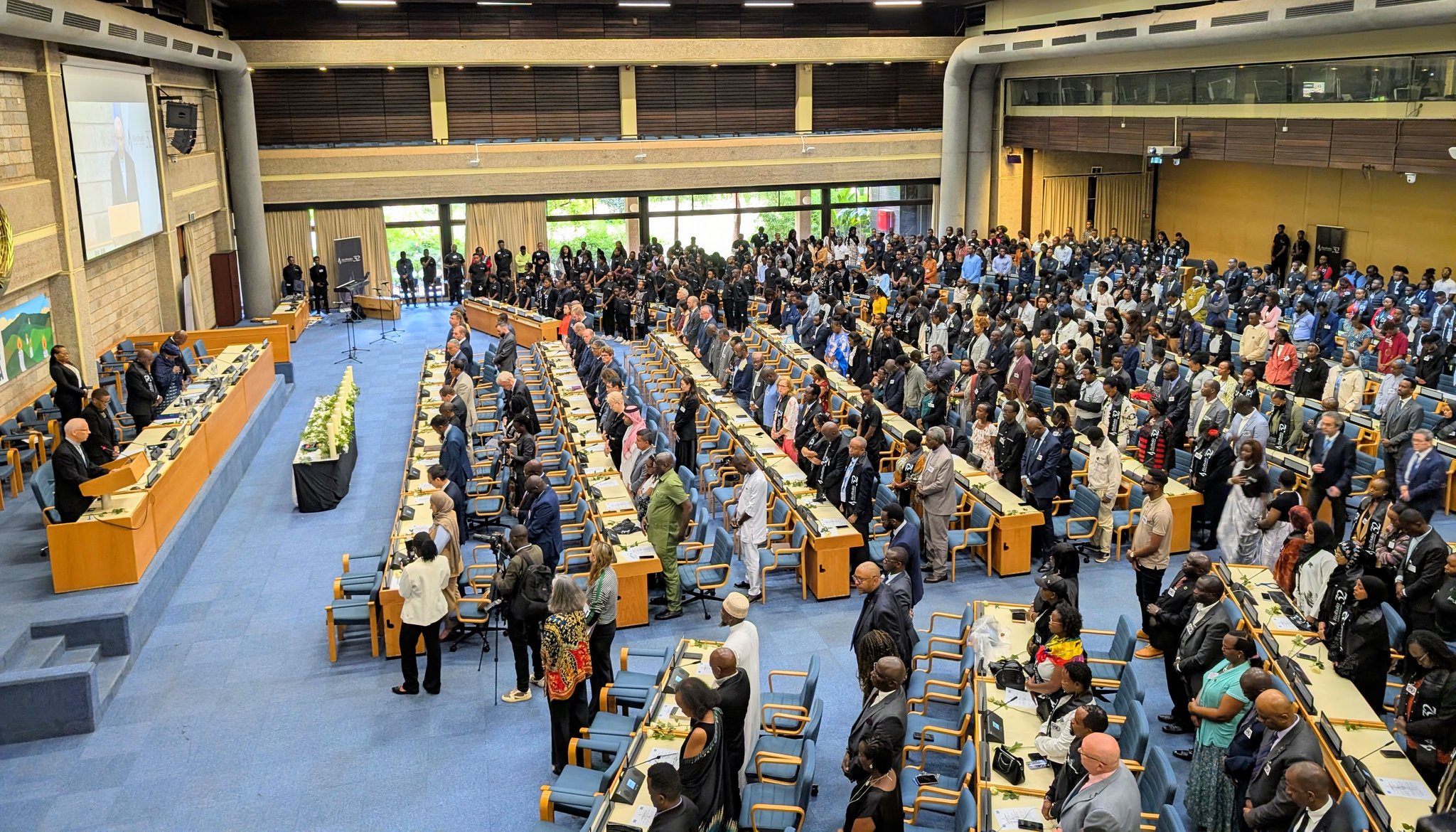
Nairobi, Kenya — More than 800 participants are gathering this Tuesday at the United Nations Office at Nairobi (UNON) to mark the 32nd commemoration of the 1994 Genocide against the Tutsi in Rwanda, bringing together diplomats, Kenyan officials, international organizations, and members of the Rwandan community in Kenya.
The commemoration, held under the theme “Remember, Unite, Renew,” forms part of the global Kwibuka32 remembrance, honoring more than one million victims killed during the 100-day genocide in 1994.
The ceremony, currently underway, is marked by solemn reflection, testimony, and renewed calls for global accountability in preventing genocide and mass atrocities.
Addressing the gathering, Rwanda’s High Commissioner to Kenya, Ambassador Ernest Rwamucyo, emphasized that the genocide against the Tutsi was not a spontaneous outbreak of violence, but a systematically planned campaign rooted in decades of division, discrimination, and dehumanization.
“We remember the men, women and children whose lives were cut short simply because of who they were,” he said, stressing that remembrance must go beyond mourning and translate into a commitment to ensure such atrocities never happen again.
Ambassador Rwamucyo warned of the continued spread of genocide ideology and denial, particularly in the Great Lakes region, noting that extremist narratives targeting Tutsi communities, including the Banyamulenge in eastern Democratic Republic of Congo, continue to fuel violence and displacement.
He called on the international community to act decisively against hate speech, denial, and impunity, cautioning, “Silence in the face of warning signs is complicity,” a lesson drawn from the failure to prevent the 1994 genocide.
The Rwandan envoy also highlighted the country’s post-genocide recovery, pointing to unity, reconciliation, and inclusive governance as pillars of Rwanda’s transformation. He credited the leadership of President Paul Kagame and the resilience of Rwandans for rebuilding a nation once devastated by genocide.
On behalf of the Government of Kenya, Ambassador Dennis Mburu, Deputy Director-General for African Affairs at the Ministry of Foreign and Diaspora Affairs, reaffirmed Kenya’s solidarity with Rwanda, describing the genocide as “not Rwanda’s tragedy alone, but a failure of humanity.”
“The world watched, the world hesitated and in that hesitation, a nation was nearly consumed,” he said, emphasizing that remembrance must serve as a commitment to a better future.
Ambassador Mburu praised Rwanda’s community-based justice system, particularly the Gacaca courts, describing them as a uniquely Rwandan approach that placed communities at the center of truth, accountability, and reconciliation.
Delivering remarks on behalf of the United Nations Secretary-General António Guterres, the UN Under-Secretary-General and Director-General of UNON, Zainab Hawa Bangura, underscored the global responsibility to prevent genocide.
“In just 100 days, more than a million people were murdered… Entire families were erased,” the Secretary-General’s message stated, describing the genocide as one of the darkest chapters in human history.
The statement acknowledged the failure of the international community to act in 1994 and called for urgent, collective action to prevent future atrocities.
“It is not enough to remember the dead. We must learn from past failures and protect the living,” the message emphasized, urging countries to fully implement the Genocide Convention and strengthen systems that counter hate speech and incitement to violence.
The United Nations reaffirmed its solidarity with Rwanda and with all nations working to uphold human dignity and prevent mass atrocities worldwide.
As the ceremony continues in Nairobi, the message from all speakers remains clear: remembrance must be matched with vigilance, education, and decisive global action to ensure that “Never Again” becomes a lived reality rather than a repeated promise.
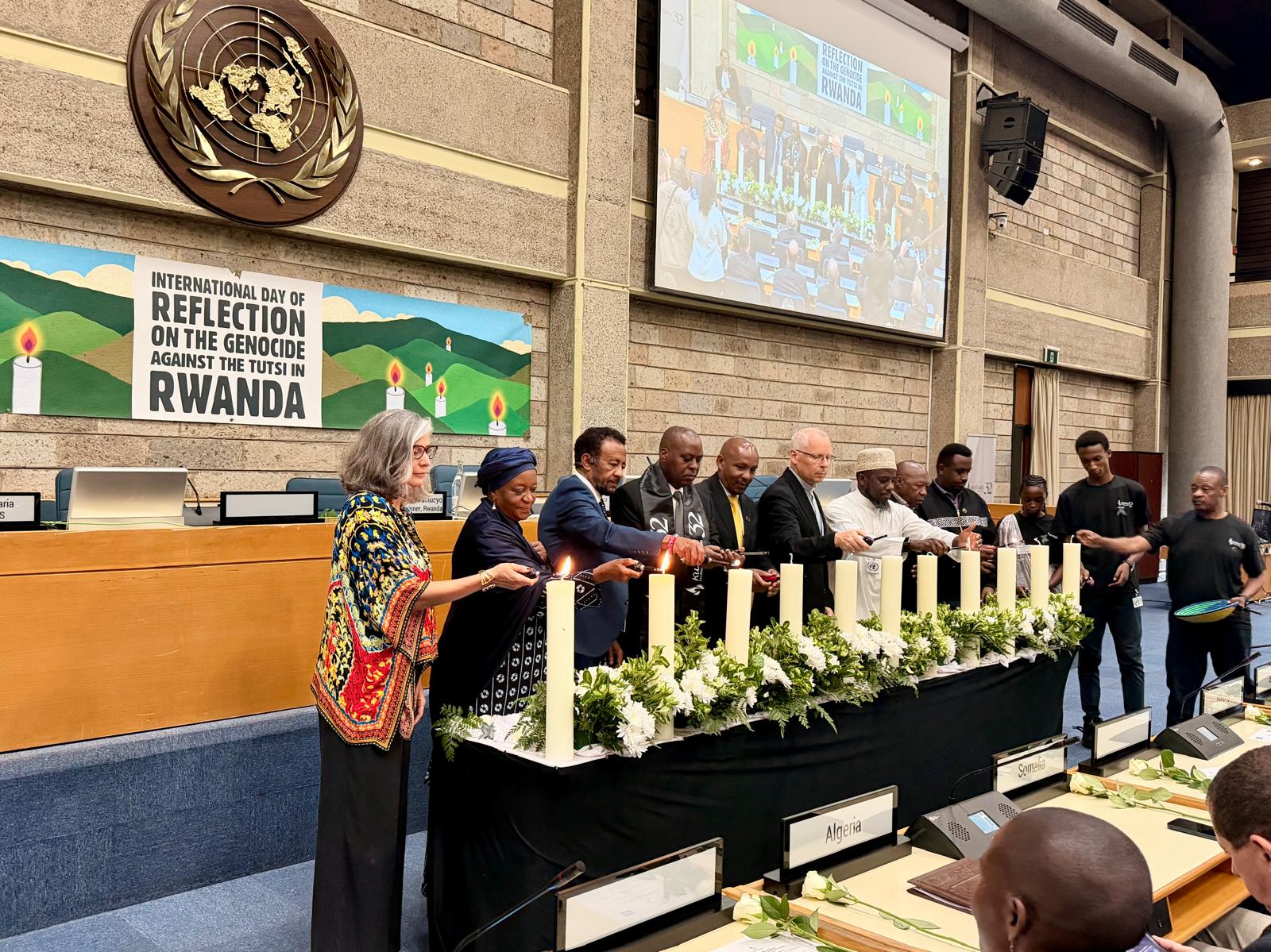
Participants observe a moment of reflection during the Kwibuka32 commemoration at UNON in Nairobi, where over 800 attendees gathered to honor victims of the 1994 Genocide against the Tutsi.Officials, diplomats, and representatives of the international community light candles during the Kwibuka32 commemoration at the United Nations Office at Nairobi (UNON), honoring victims of the 1994 Genocide against the Tutsi in Rwanda.
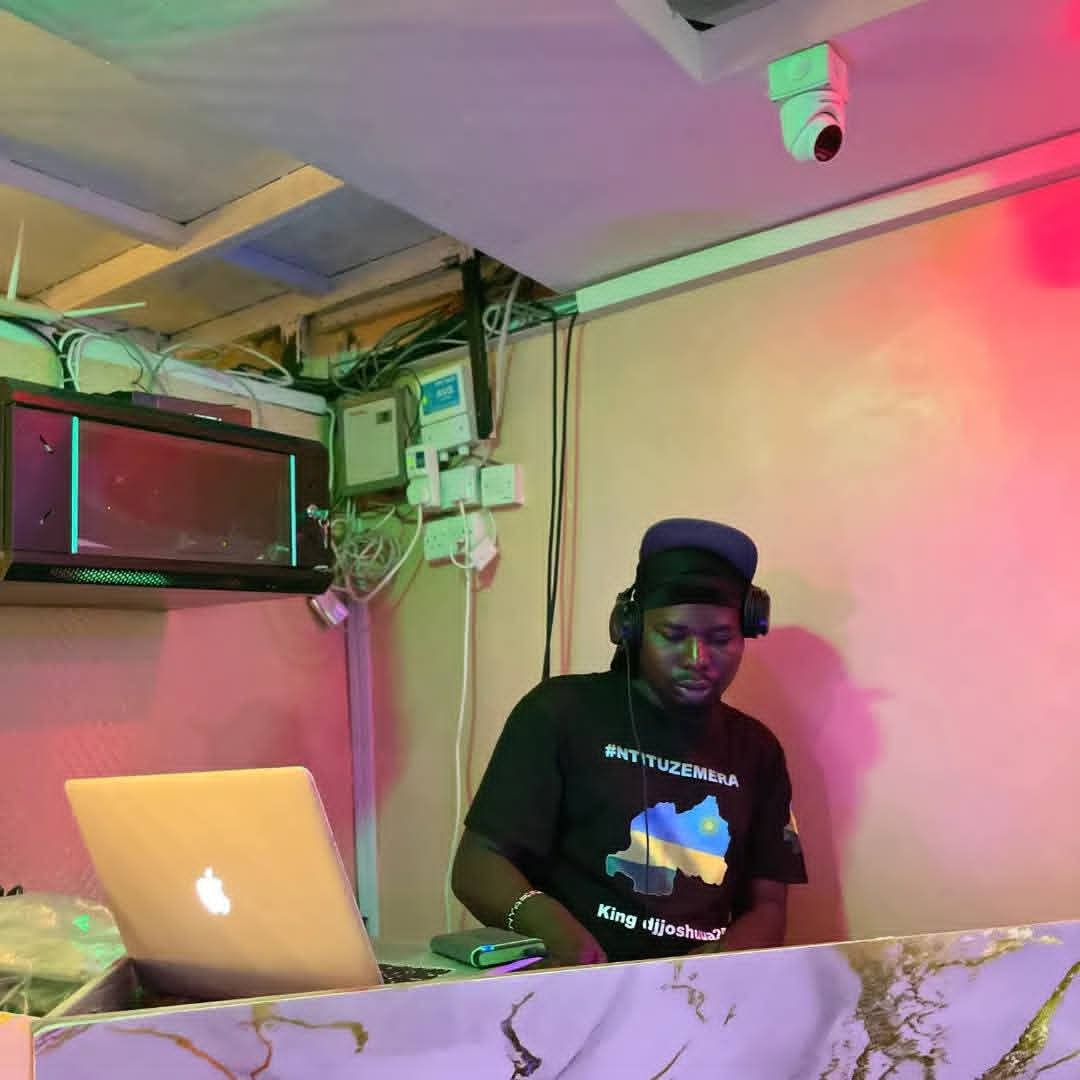
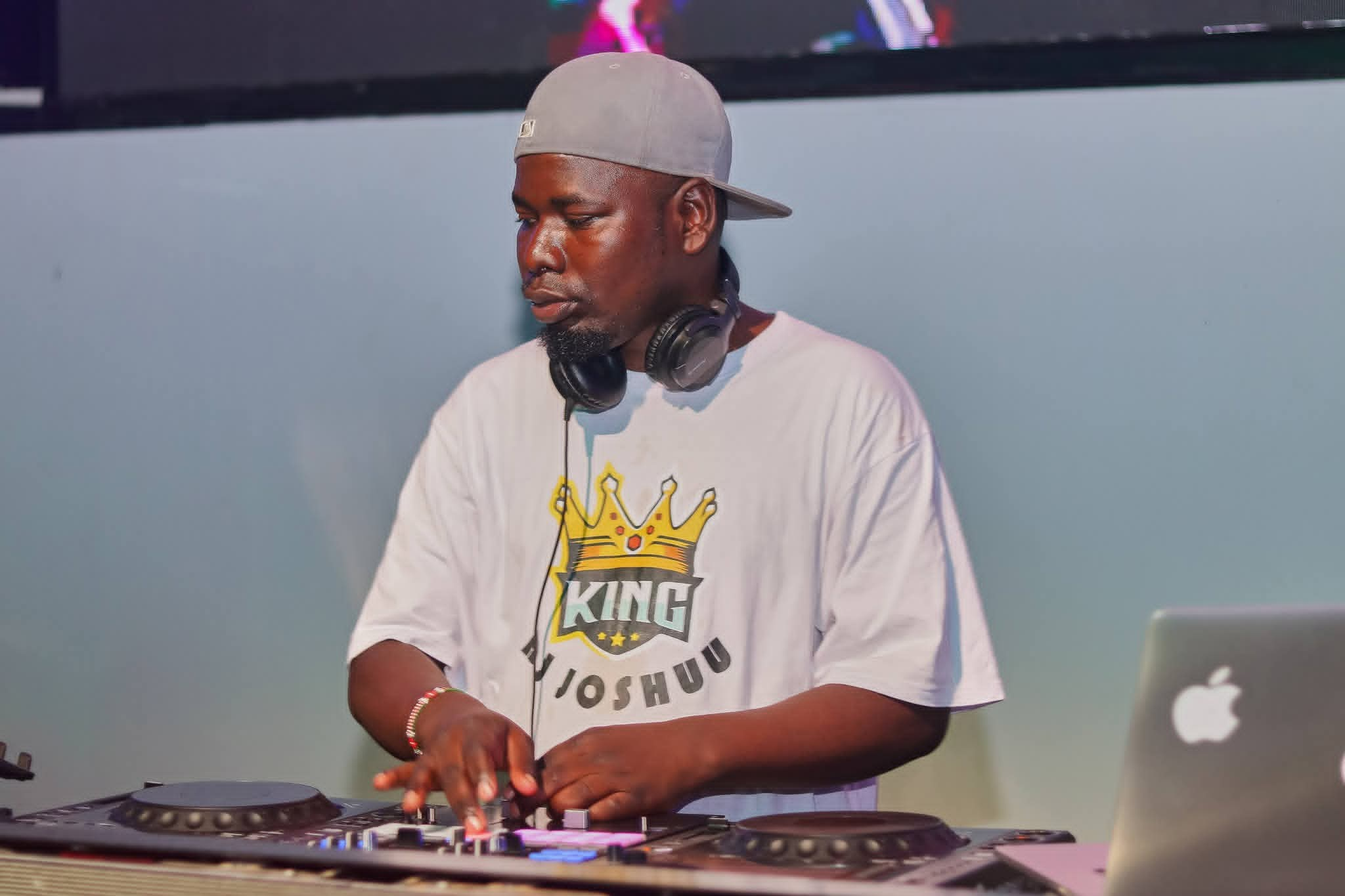
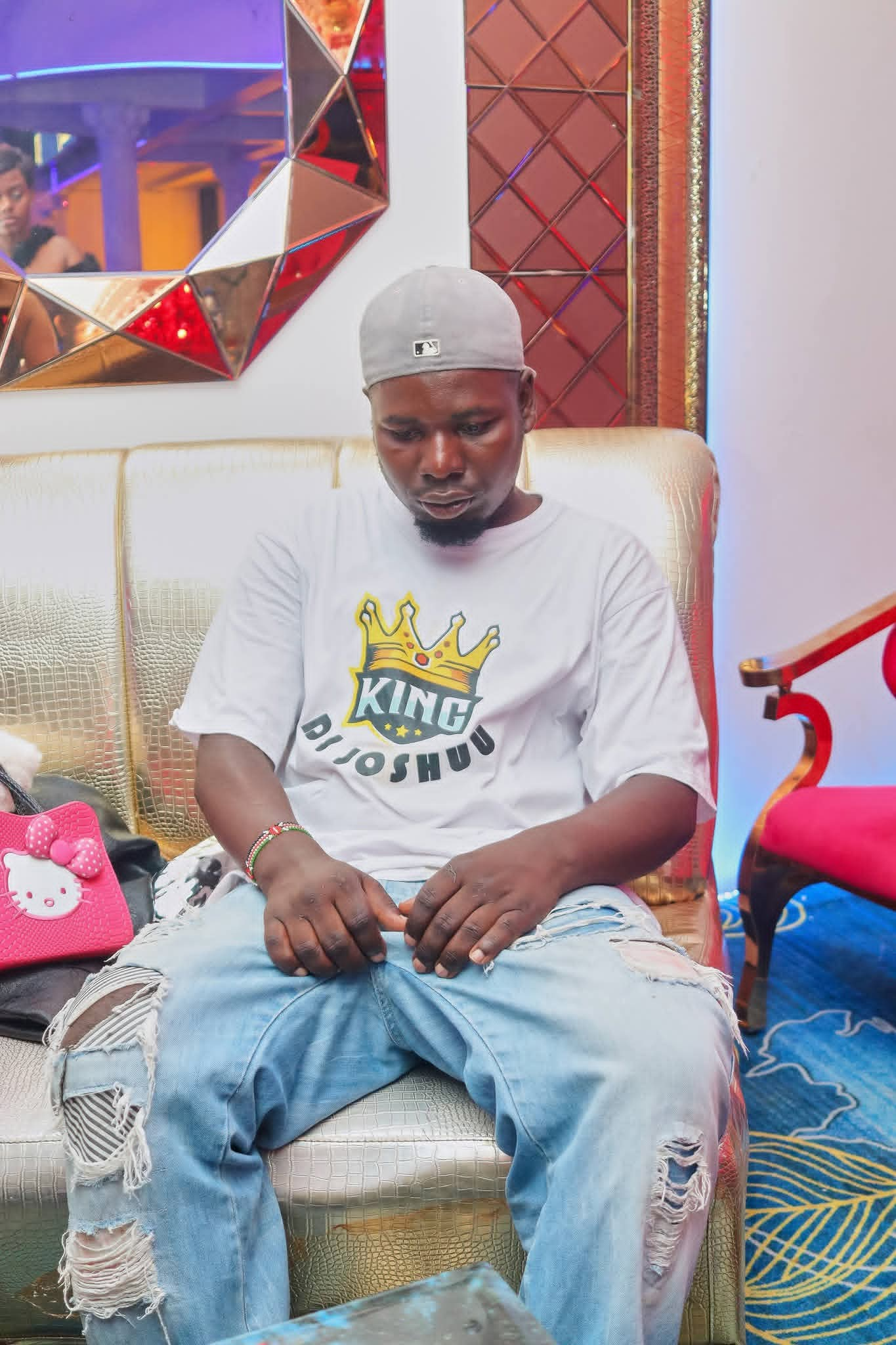
Rwandan DJ Nizeyimana Joshua, popularly known as KingDJJoshuu 250 or Kijana w’u Rwanda, is drawing attention after publicly expressing his desire to reconnect with a former supporter, Kate Bashabe, with whom he last interacted nearly a decade ago.
The young DJ, who is currently living in Nairobi, Kenya, has been building his career in the music scene as part of a growing number of Rwandan creatives working abroad. Despite the challenges that come with establishing himself in a foreign country, he says he remains committed to promoting his talent and representing Rwanda through his work.
However, beyond his professional ambitions, KingDJJoshuu says there is an unresolved chapter in his journey his past relationship with Kate Bashabe, which dates back to 2015 and 2016. According to him, Kate played a significant role during the early stages of his career, offering support and expressing interest in working together on future projects.
That collaboration, he says, never materialized, as communication between them abruptly ended. Since then, the two have not been in contact.
Speaking about the situation, the DJ emphasized that his intention is not to revisit the past with blame, but rather to re-establish communication in a respectful and constructive manner.
He notes that reconnecting with Kate Bashabe could be meaningful both professionally and personally, as he still values the role she played in shaping his early ambitions. While he continues to pursue his career in Kenya, he maintains a strong desire to eventually return to Rwanda and contribute to the local entertainment industry.
For now, it remains unclear whether Kate Bashabe has seen or responded to his message. The situation has nonetheless sparked curiosity among followers, especially on social media, where many are speculating on whether the two might reconnect after years of silence.
KingDJJoshuu’s story highlights how relationships and missed opportunities can leave a lasting impact, even as individuals move across borders and continue to grow in their respective careers.
Burkina Faso’s government has strongly rejected a report by Human Rights Watch (HRW) alleging that more than 1,800 civilians have been killed in acts amounting to crimes against humanity since Captain Ibrahim Traoré came to power.
In a statement issued Sunday, authorities dismissed the findings as “false” and based on “serious, unfounded claims,” accusing the rights group of attempting to discredit the country’s armed forces. The government insisted that its troops have consistently operated with professionalism and integrity.
HRW’s report documents the killing of at least 1,837 civilians in 57 incidents between January 2023 and August 2025, including dozens of children. According to the organisation, 1,255 of those deaths are attributed to government forces and allied militias, while Islamist armed groups were blamed for the remainder.
The report further suggests that President Traoré and six senior military officials could bear command responsibility for alleged abuses, and calls for investigations. It also identifies five jihadist leaders as potentially culpable.
Burkina Faso’s military leadership has repeatedly denied accusations of targeting civilians, maintaining that its operations are focused on combating jihadist groups linked to al-Qaeda, which have waged a decade-long insurgency across the country and the wider Sahel region.
HRW said its findings are based on open-source analysis, including satellite imagery, photographs, videos, and interviews with witnesses and survivors. The organisation accuses all parties to the conflict of committing war crimes, including deliberate killings, attacks on civilians, looting, and forced displacement.
It also alleges that authorities have failed to hold perpetrators accountable and have restricted independent reporting, effectively concealing the scale of civilian suffering.
“The scale of atrocities taking place in Burkina Faso is staggering, as is the limited global attention to this crisis,” said HRW Executive Director Philippe Bolopion.
Among the incidents cited is a December 2023 attack in the northern town of Djibo, where HRW claims more than 400 civilians were killed by government forces and allied militias. A survivor recounted how her two daughters were killed instantly, while she and her infant son were injured in the attack.
The government has not directly addressed specific incidents detailed in the report but continues to reject its overall conclusions.