Home Blog Page 104

Why I Left Tottenham for Arsenal – The Shocking Transfer That Still Haunts Football

0

Sol Campbell is still one of the most controversial names in English football history. Many Tottenham Hotspur fans will never forget the day he chose to join their biggest rivals, Arsenal. They call him a traitor, but Campbell says he had one clear reason: ambition. 

Campbell had been with Tottenham since he was a teenager. He came through their academy and played for the first team for nine years. He became one of the best centre backs in the world during his time at Spurs. But something was missing, big trophies and Champions League football. 

Even though Tottenham offered him a huge new contract that would have made him the highest-paid player in the club’s history, Campbell turned it down. He believed that if he wanted to reach the top of world football, he had to leave. 

Fans thought he might move to another country. Maybe Italy or Spain. But no one expected what came next. In the summer of 2001, Campbell stayed in North London, but joined Arsenal, Tottenham’s fiercest rivals. The shock was huge. 

Tottenham fans felt betrayed. They gave him a new nickname, “Judas”, which they still use today. But Campbell explained his reason clearly: “I’m ambitious. I dream about playing football at the top level and this is why I’m here.” 

At that time, Arsenal were competing regularly in the UEFA Champions League. They had already won the Premier League under manager Arsène Wenger. Campbell saw Arsenal as the perfect place to fulfill his dreams. 

When Arsenal announced Campbell’s signing, even the media was surprised. Only two reporters came to the press conference, expecting the club to present goalkeeper Richard Wright. Instead, they were stunned to see Sol Campbell walk into the room wearing red and white. 

Campbell made an immediate impact. In his first season, Arsenal won the Premier League, finishing seven points ahead of Liverpool. They also lifted the FA Cup, beating Chelsea 2-0 in the final. Campbell finally got the success he had been looking for. 

But it wasn’t easy. Some of his new Arsenal teammates even booed him during training to prepare him for the hatred he would face when returning to Tottenham. The idea was to make him emotionally strong for the hostile crowd. 

Wenger later explained how hard life became for Campbell. “Sol told me it was very severe,” Wenger said. “He couldn’t go to certain restaurants or walk freely in London. The anger from Spurs fans was everywhere.” 

Looking back, Wenger admitted he sometimes wondered if signing Campbell was the right decision, even though he was a great player. “For me, it was easy. But for him, it was complicated,” he said. 

Still, Campbell never backed down. He stayed strong and gave his all on the pitch. He helped Arsenal become one of the best teams in England. He became a key player in Wenger’s plans. 

Now, over 20 years later, the debate continues. Was Campbell right to switch sides? Did ambition justify the pain and criticism he received? 

Whatever people think, there is no doubt that Campbell’s move changed football history. It showed how strong ambition can be, and how emotional the sport truly is. 

This week, Arsenal and Tottenham will face each other again. But this time, it will be far from North London. The two teams will play a pre-season friendly match in Hong Kong, at Kai Tak Sports Park. Kick-off is set for 12:30pm UK time on Thursday. 

It will be the first North London derby ever played outside the UK. Even though it’s just a friendly, fans around the world will be watching, still remembering the story of Sol Campbell’s legendary transfer. 
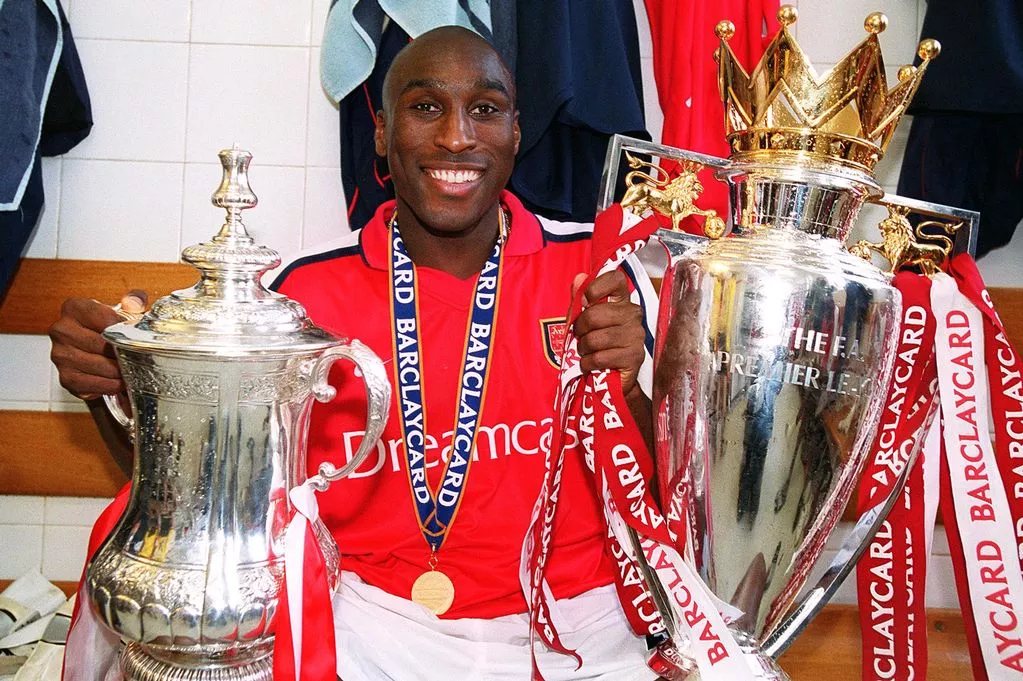
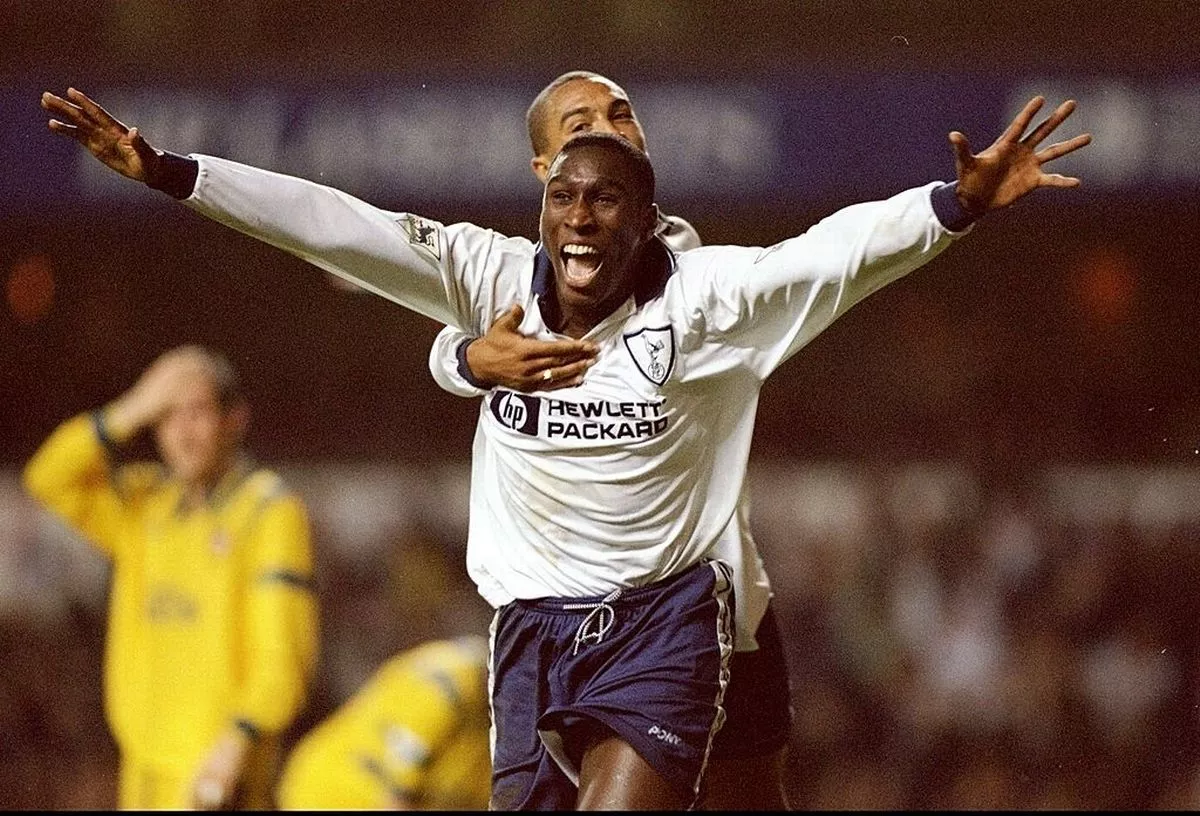
Sol Campbell has been referred to as ‘Judas’ by Tottenham fans since joining Arsenal in 2001 (Image: Arsenal FC via Getty Images)
Campbell had spent 12 years at Spurs before his shocking move to Arsenal (Image: Getty Images)
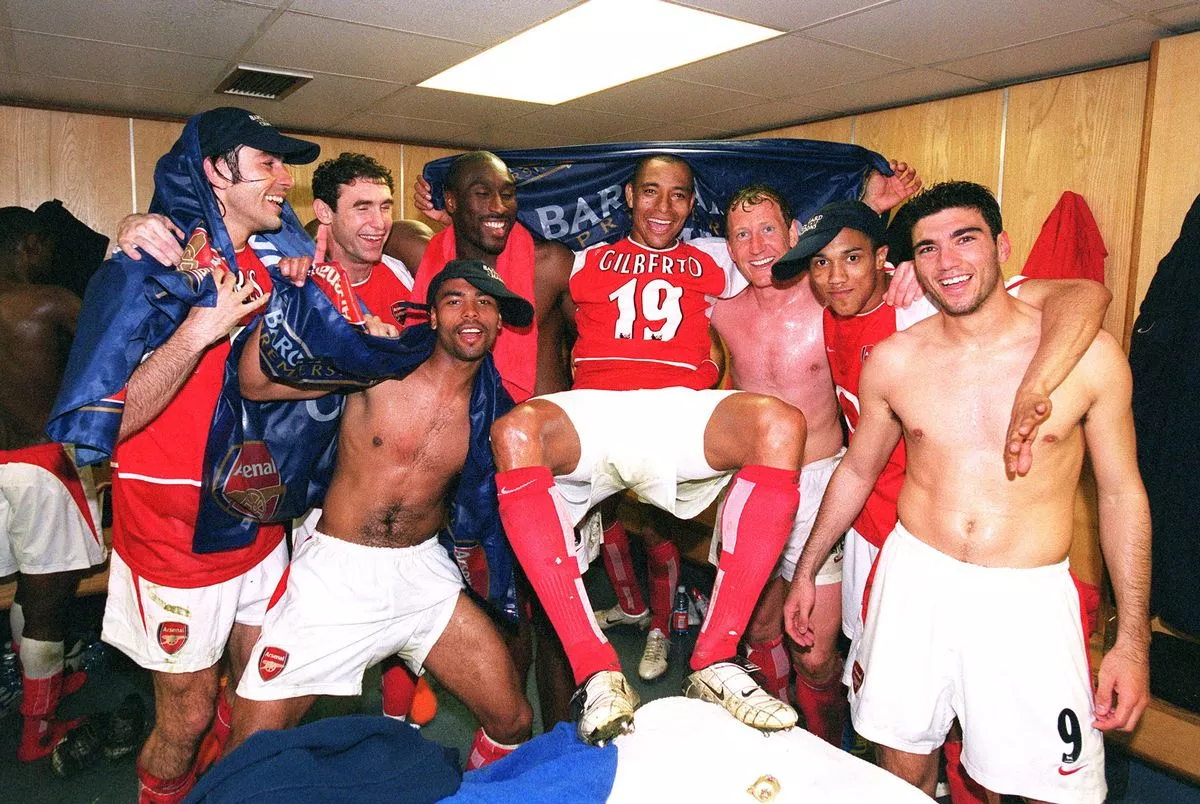
The former defender won two Premier League titles and three FA Cups with the Gunners (Image: Arsenal FC via Getty Images)

Manchester United Shocks Fans with Bold Move for Striker – Breaking Their Golden Transfer Rule

0

Manchester United have surprised many fans this summer by making a bold decision in the transfer market. They have chosen to go after RB Leipzig star Benjamin Sesko instead of Aston Villa’s Ollie Watkins, breaking their usual transfer policy. 

For years, Manchester United have preferred to sign players with Premier League experience. This rule helped them avoid risky transfers from other leagues. But this summer, things are different. 

After a painful season that ended with a 15th place finish, new manager Ruben Amorim is trying everything he can to rebuild the team. He wants hungry, top-quality players who can bring United back to the top. 

Amorim has already signed two proven Premier League players: Matheus Cunha from Wolves and Bryan Mbeumo from Brentford. Both stars had great seasons last year. Cunha scored 15 goals and helped Wolves avoid relegation, while Mbeumo netted 20 goals for Brentford. 

However, neither Cunha nor Mbeumo plays as a true centre-forward. Amorim has been disappointed with the performances of current strikers Rasmus Hojlund and Joshua Zirkzee. That’s why the hunt for a proper number nine became urgent. 

At first, United focused on Aston Villa’s Ollie Watkins. Watkins had a fantastic season, scoring 16 goals in the Premier League. He seemed like the perfect option: experienced, strong, and consistent. 

But there was one big problem: the price tag. Villa reportedly wanted £60 million for the England striker, which made United pause. At 29 years old, Watkins didn’t offer much long-term value for such a high fee. 

That’s when Benjamin Sesko became the main focus. The 22-year-old from Slovenia has quickly become one of Europe’s most exciting young strikers. Over the past two seasons, he has scored 39 goals for RB Leipzig in the Bundesliga. 

Although Sesko doesn’t have Premier League experience, his potential is massive. He’s fast, tall, technical, and very clinical in front of goal. His age also makes him a much better long-term investment compared to Watkins. 

Sesko was also a target for Arsenal earlier this year, but the Gunners ended up signing Viktor Gyokeres from Sporting Lisbon instead. That opened the door for Manchester United. 

Sources say that United have already opened informal talks with RB Leipzig. However, no official bid has been made yet. Fans are eagerly waiting to see if the deal will happen. 

United know they are not the only club interested in Sesko. Newcastle United are also chasing him. The Magpies want a new striker after losing Hugo Ekitike to Liverpool. They also fear that Liverpool might try to sign Alexander Isak. 

Newcastle can offer Champions League football, something Manchester United cannot give this season. But United believe they still have the power to attract big names. 

The signings of Cunha and Mbeumo prove that players still believe in the club’s vision, even without European football. Now, they hope Sesko will do the same. 

This move is risky. Sesko is not yet tested in the Premier League. But sometimes, risk brings reward. If the transfer goes through and he adapts well, United might find themselves with one of the top strikers in Europe for years to come. 

Breaking their own golden rule shows how serious Manchester United are this summer. They are willing to go outside their comfort zone to bring back success. 

Fans are divided. Some support the bold decision, excited by Sesko’s talent and youth. Others are worried about spending big on a player who hasn’t played in England. 

But one thing is certain: Manchester United are changing. They are ready to take chances and invest in the future. 

Will Sesko become the next superstar at Old Trafford? Time will tell. 

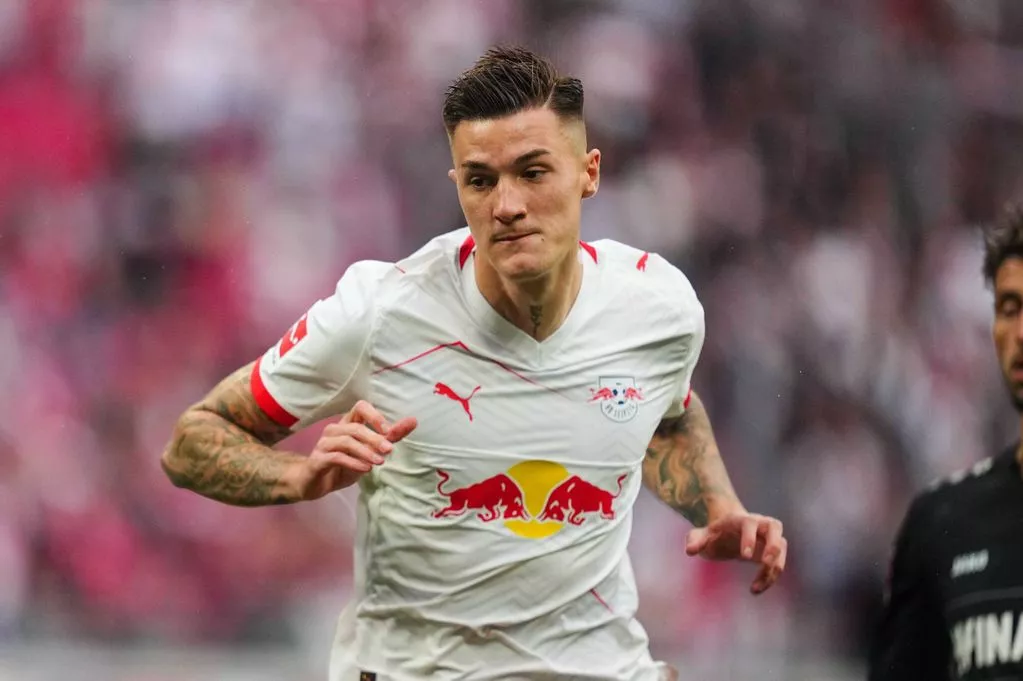
Manchester United have broken their policy of only signing Premier League talent this summer by pursuig RB Leipzig’s Benjamin Sesko (Image: NurPhoto, NurPhoto via Getty Images)

Cardinal Ambongo Expresses Deep Gratitude to Rwanda at the Opening of the 20th SECAM Assembly

0

Kigali – During the Holy Mass celebrated at Regina Pacis Parish in Remera on July 31, 2025, to officially open the 20th SECAM (Symposium of Episcopal Conferences of Africa and Madagascar) Plenary Assembly, Cardinal Fridolin Ambongo of the Democratic Republic of Congo delivered a heartfelt message of gratitude to Rwanda and its leadership on behalf of the Catholic Church in Africa.

In his remarks, Cardinal Ambongo stated:

“I would like to sincerely thank the Catholic Church in Rwanda, His Eminence Antoine Cardinal Kambanda, Archbishop of Kigali, and the Government of Rwanda for the warm welcome and excellent preparations for this Assembly. Since our arrival in Kigali, we have felt nothing but love, kindness, and serenity.”

Speaking on behalf of all cardinals, bishops, and delegates from across Africa and beyond, Cardinal Ambongo commended the hosting arrangements and highlighted Rwanda’s symbolism as a country of resilience and hope.

“Rwanda is a nation with deep scars from its recent history, yet it stands as a country offering vision and hope for the future. This reminds us that despite Africa’s sufferings, there are signs of promise and reasons for hope.”

He emphasized that hosting the SECAM Assembly in Rwanda reflects Africa’s ability to rise above its painful past and build a future based on peace and unity.

Cardinal Ambongo extended an open invitation to all participants and faithful to join the final celebration of the Assembly scheduled for next Sunday in Kibeho, the renowned Marian apparition site.

“We warmly invite you to join us next Sunday in Kibeho, where together we shall offer our hopes to God through the intercession of Mary, our Queen and Mother of Kibeho.”

About SECAM

SECAM is a continental body that brings together Catholic Bishops’ Conferences from across Africa and Madagascar. Its mission is to coordinate the Church’s pastoral efforts in Africa and to be a unified voice on issues affecting the continent.

The 20th Plenary Assembly, currently taking place in Kigali, will officially conclude in Kibeho, a sacred site known for the Marian apparitions. This year’s theme focuses on peace, unity, and hope for the African continent.

Photo Credit: Pacis TV (Youtube Channel)

Ex-Barcelona Star Rushed to Hospital After Dog Bites His Privates in Shocking Incident!

0

Carles Perez, a former Barcelona football star, has been hospitalised after a very unusual and painful accident. He was bitten by a dog, on his genitals. The shocking incident happened while he was out walking his own dog. 

Perez, who now plays for Greek club Aris Thessaloniki, was trying to separate two dogs when the bite occurred. Reports say the 27-year-old footballer was injured while trying to calm down a fight between the animals. 

The bite was serious enough to require hospital treatment. He had to get six stitches to close the wound. Doctors are still keeping him under observation, and there is a chance he may need surgery. 

Thankfully, his life is not in danger. But the injury means he won’t be playing football anytime soon. His club confirmed that he will miss their upcoming UEFA Conference League match against Araz-Naxçıvan PFK. 

Aris Thessaloniki’s coach, Marinos Ouzounidis, said Perez was supposed to be in the starting line-up for that match. “Carles would have started,” Ouzounidis said. “This strange accident happened, but we can’t focus on it now. We are working on other options.” 

Ouzounidis also said it is important to have players with strong character and that he will focus on the rest of the squad to carry the team forward. 

The Spanish player had only played one game for Aris before the accident. That match was the first leg of their defeat to Araz-Naxçıvan, where he played the full 90 minutes. 

Carles Perez joined Aris on loan from Spanish side Celta Vigo. The loan includes an option for the Greek club to buy him permanently. 

Before joining Aris, Perez spent last season on loan at Getafe. However, Getafe chose not to keep him, and Celta Vigo had reportedly been looking to transfer him out for several months. 

Perez was once a promising star at FC Barcelona. He played for the club’s youth team for eight years and made 13 appearances for the senior team. 

He moved on loan to Roma in Italy’s Serie A. His time in Italy included a deal that required Roma to buy him permanently. He played 75 games there and scored eight goals. He was also part of the team that won the UEFA Conference League. 

After two seasons in Rome, Perez returned to Spain with Celta Vigo. The club later made his transfer permanent. 

The young player left Barcelona at just 22 years old. He had debuted a year earlier and played 12 matches before being transferred. 

In a 2020 interview with Marca, Perez said he was confused about his sudden exit from Barcelona. “I didn’t understand why I had to leave, but I respect the decision,” he said. 

He also spoke about how the club often prefers to spend big money on transfers rather than giving young players more time. “People talk a lot about the academy, but they don’t always have patience,” he explained. “People should forget about my past at Barcelona.” 

Now, in 2025, Perez is trying to rebuild his career in Greece. But this strange and unfortunate accident has delayed his plans. 

There’s no exact date for when he will return to the pitch. His fans and team are hoping for a fast and full recovery. 

Despite the pain and embarrassment, Perez is said to be staying strong. His story has shocked many football fans around the world. 

This freak accident is a reminder that even football stars can face the most unexpected challenges, sometimes from man’s best friend. 

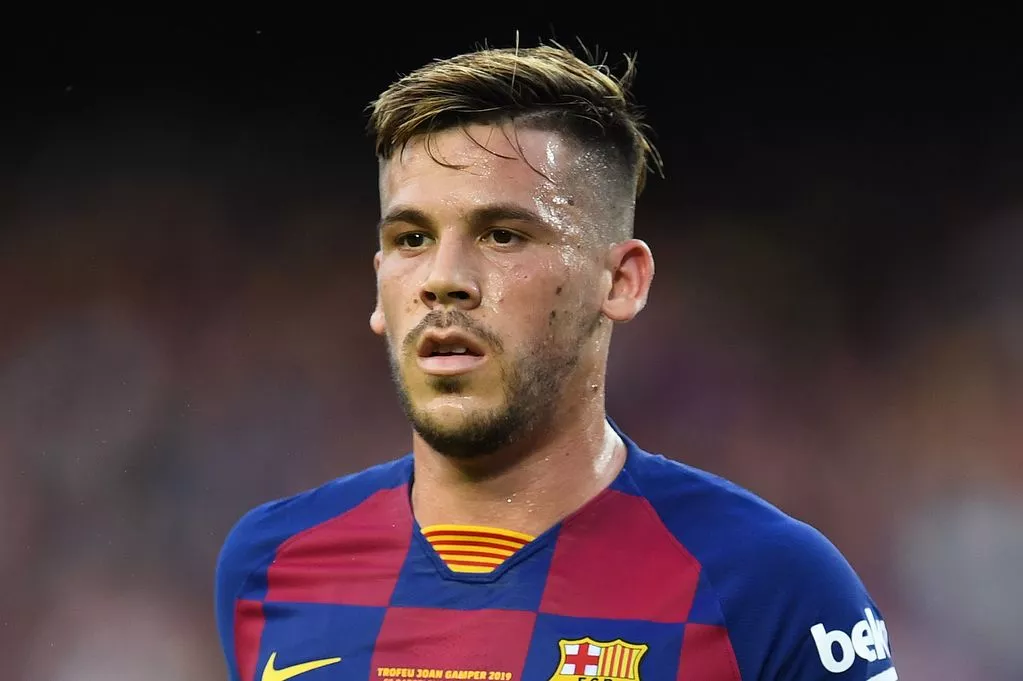
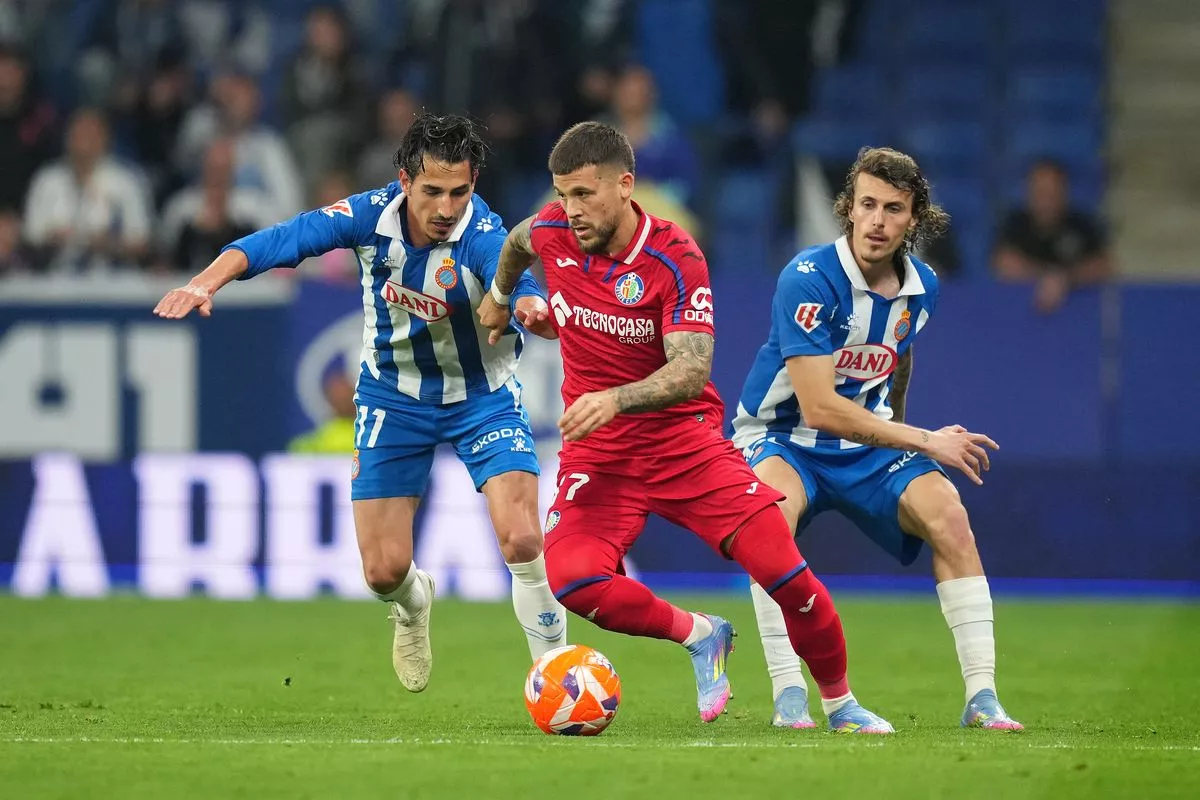
Former Barcelona star Carles Perez has suffered an unfortunate injury (Image: David Ramos/Getty Images)
Carles Perez was on loan at Getafe CF last season (Image: Alex Caparros/Getty Images)

Kobbie Mainoo Praises New Man Utd Stars as Cunha Shines Bright: “The Team Has Really Gelled!”

0

Manchester United fans have a lot to be excited about this summer. Rising star Kobbie Mainoo has spoken out about the club’s new signings and their strong performance during the U.S. pre-season tour. Mainoo, one of United’s most promising young talents, believes the team is coming together beautifully under new manager Ruben Amorim. 

During their U.S. tour, United opened with a confident 2-1 victory over West Ham in New Jersey. But the spotlight wasn’t just on the result, it was on the debut of new signing Matheus Cunha. The Brazilian forward, signed for £62.5 million from Wolves, made an immediate impact, and Mainoo didn’t hold back in his praise. 

“Adding Matheus brings something different again, and I think it worked well in the last game,” Mainoo said. “You can stitch him up with a poor pass and he’ll deal with it! He loves playing under pressure and in one-on-one situations. It makes it easier for me.” 

Mainoo emphasized how quickly the squad is bonding. “The team’s definitely gelled well since we’ve been back,” he added. “With the new additions – Diego Leon, Matheus Cunha, and Bryan Mbeumo – it’s been really good.” 

He also shared how much he enjoys playing in midfield with other stars like Manu Ugarte, Bruno Fernandes, Casemiro, and Toby Collyer. “It’s always good in there,” he said with a smile. 

Despite the sweltering heat in the U.S., the young midfielder says the mood in the camp is upbeat. “It’s very hot out here and in New Jersey, but it’s been nice. Training’s been good. We got the first win against West Ham, so we’re all feeling good.” 

Reflecting on his quick rise to stardom, Mainoo said, “It’s been a cool journey, and I’m just looking forward to the season to see what happens.” 

United continued their strong pre-season with a 4-1 win over Bournemouth on Wednesday. Goals from Rasmus Hojlund, Patrick Dorgu, Amad Diallo, and young Ethan Williams showed that Amorim’s new-look side is finding their rhythm. 

The club is not done yet in the transfer market. Reports suggest they could still make a move for striker Benjamin Sesko, which would add even more firepower to an already stacked squad. 

United’s final Premier League Summer Series match is set against Everton in Atlanta on Sunday. That will be followed by a home friendly against Fiorentina before the big Premier League opener at Old Trafford against Arsenal on August 17. 

Speaking of Arsenal, they’ve been busy this summer too. The Gunners have brought in Viktor Gyokeres for £63.7 million, a player United once targeted. They’ve also added goalkeeper Kepa Arrizabalaga, midfielder Martin Zubimendi, winger Noni Madueke, Christian Norgaard, and defender Cristhian Mosquera. 

Gyokeres, who previously played under Amorim at Sporting CP, was excited about the move. “There were other clubs, of course, but this wasn’t a hard choice. I chose Arsenal,” he said. 

Arsenal captain Martin Odegaard is already a fan of the Swede. “I think you’ve all seen what he’s done in his career so far. Especially last season at Sporting, his numbers speak for themselves,” Odegaard explained. “He’s a very complete player, physical, fast, a good finisher, and intelligent. You can also see the hunger and energy he brings. He’s only trained a few times, but you can already see the quality.” 

With both Manchester United and Arsenal loading up with new talent, the Premier League season is shaping up to be one of the most exciting in years. The clash between these two powerhouses on August 17 is now even more mouth-watering. 

As United continues to prepare, the fans will be hoping that new stars like Cunha, Leon, and Mbeumo keep shining. And with young leaders like Kobbie Mainoo growing in confidence, the Red Devils may just be ready to rise again. 

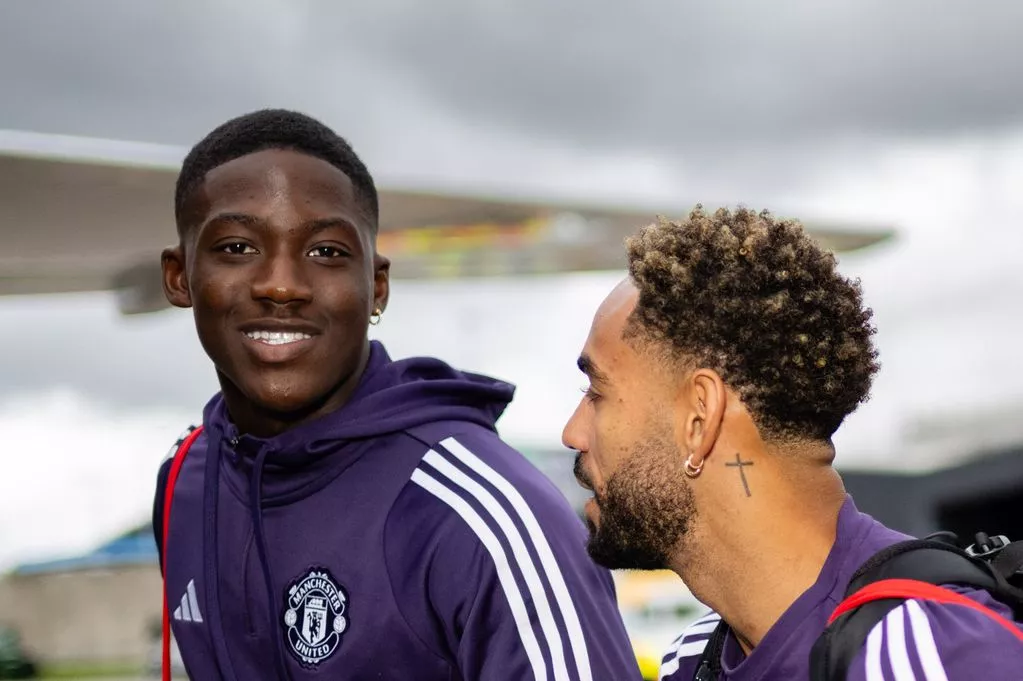
Matheus Cunha has already impressed Kobbie Mainoo (Image: Manchester United via Getty Imag)
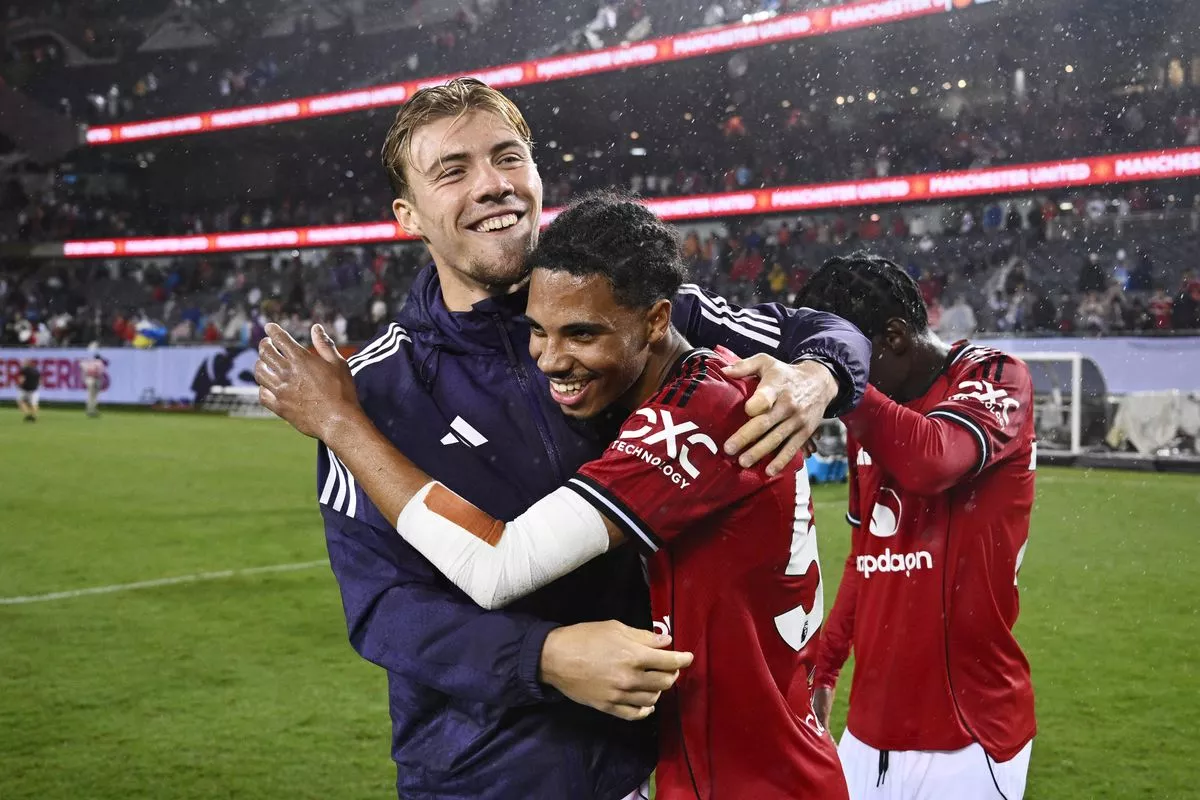
Rasmus Hojlund and Ethan Williams celebrating against Bournemouth (Image: Getty Images)
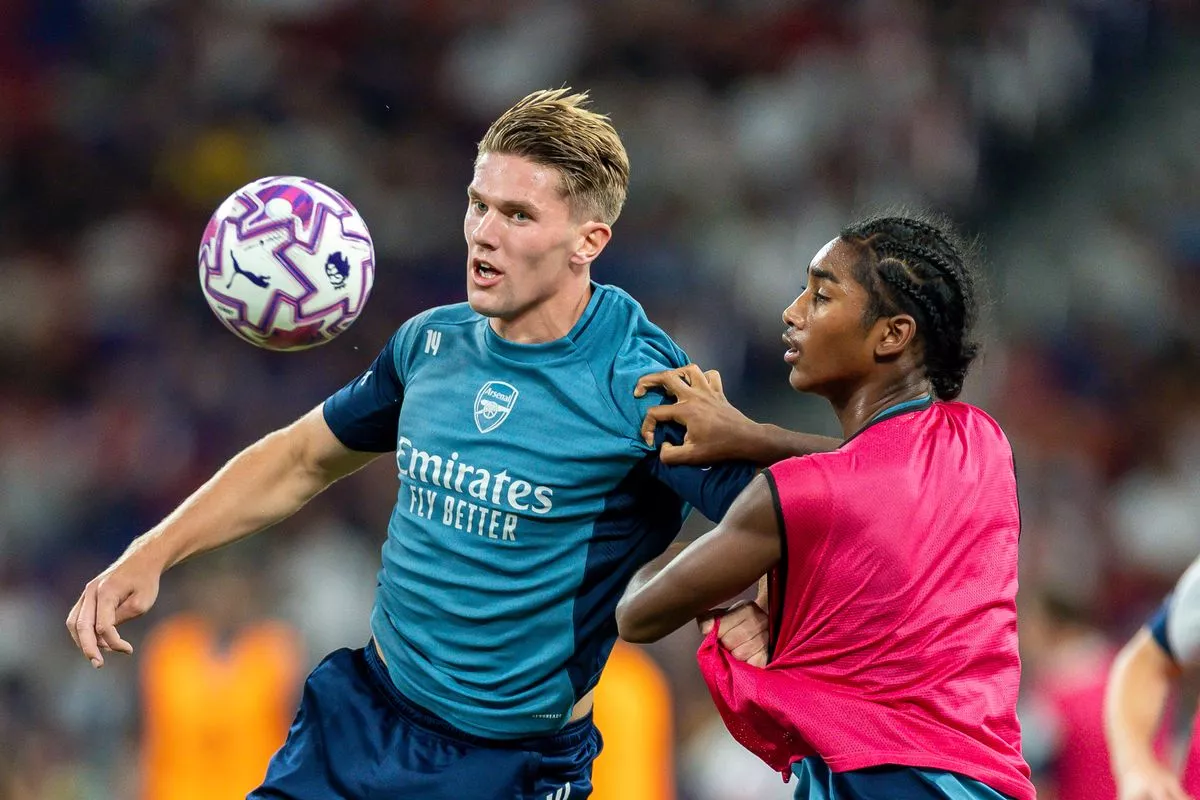
United will have to stop former target Viktor Gyokeres in their league opener (Image: Getty Images)

Benjamin Sesko Faces Jersey Drama at Man Utd After €75M Deal Talks Begin!

0

Slovenian striker Benjamin Sesko may be heading to Manchester United, but his welcome to Old Trafford could come with a small disappointment: he won’t get his dream shirt number. 

The 21-year-old RB Leipzig star has become United’s top choice to fill their striker gap this summer. After a disappointing season last year, the Red Devils are eager to strengthen their attacking force. While Aston Villa’s Ollie Watkins was also on their radar, Manchester United have now shifted focus to the promising Sesko. 

Reports suggest that Manchester United might need to pay a hefty fee of £75 million (about €87 million) to sign the young talent from Leipzig. Negotiations are underway, and the good news for United fans is that Sesko seems very impressed by the club’s approach and interest in him. 

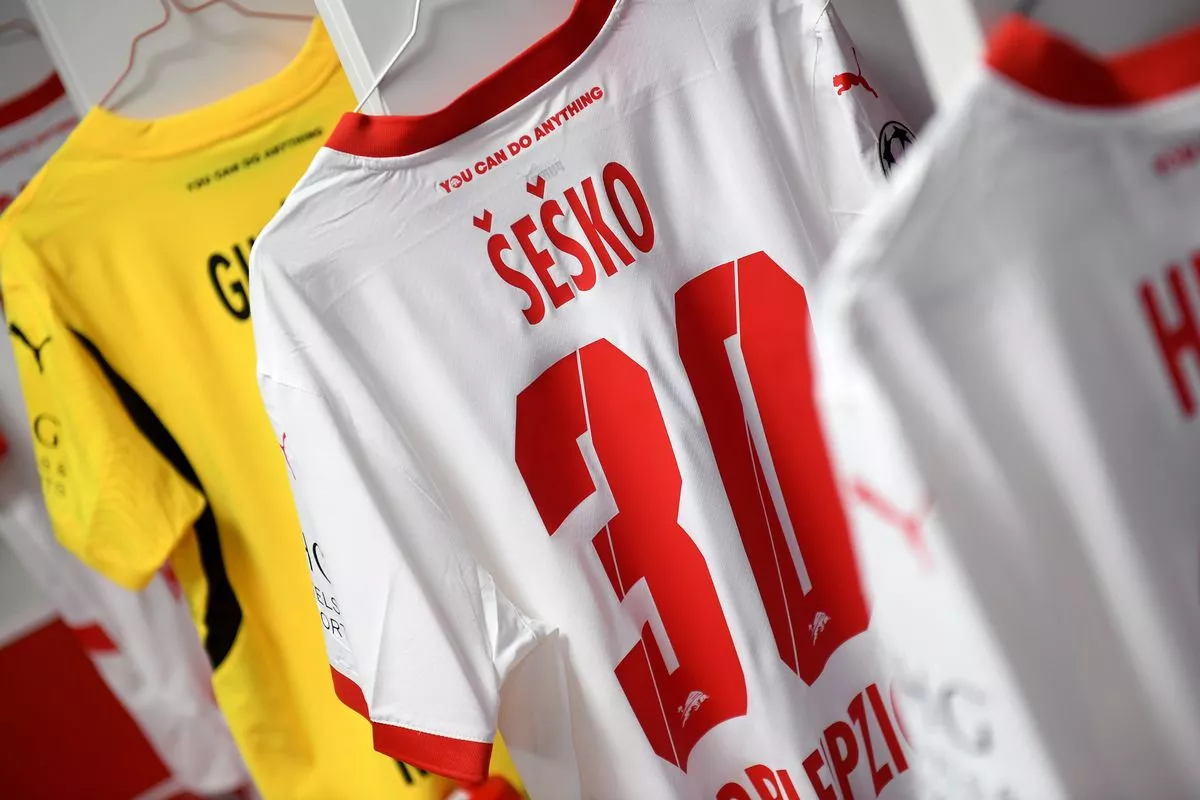
However, a surprising twist has come up. If Sesko joins Manchester United, he may face a jersey number problem. Throughout his career, he has worn the number 30 jersey: first at Red Bull Salzburg and now at RB Leipzig. But at Manchester United, that number has already been taken. 

Diego Leon, a new defensive signing from Cerro Porteño, currently holds the number 30 shirt. This unusual overlap may leave Sesko disappointed as he had likely hoped to continue with his usual number. 

That leaves the young forward with a decision to make. Could he pick a new number at United? On the international stage with Slovenia, he has worn the number 25 and number 11 shirts. Unfortunately, both of those are also already taken at Old Trafford. Manuel Ugarte wears 25, while Joshua Zirkzee holds the number 11 jersey. 

One number that could still be an option is the legendary number 9. This iconic shirt once belonged to Sesko’s football idol, Zlatan Ibrahimović, during his time at United. Sesko has publicly expressed his admiration for Zlatan in the past. 

“Zlatan Ibrahimović was my idol,” said Sesko in an earlier interview. “I’m not saying I play like him, but he was having fun, enjoying himself on the pitch, doing what he wanted. It makes me really happy when I see that kind of player. Every single video I could find, I was looking at him.” 

But even the number 9 shirt may not be available right away. It currently belongs to Rasmus Højlund, who has not yet left the club, even though there have been transfer rumors surrounding him. Unless Højlund leaves or agrees to switch numbers, Sesko may have to settle for a different jersey altogether. 

Despite this jersey hurdle, the potential transfer is still exciting news. Manchester United continue their talks with RB Leipzig, hopeful of bringing Sesko to the Premier League. The striker is coming off a fantastic season in Germany, where he scored 21 goals across all competitions. 

If the deal goes through, Sesko could become one of United’s most important signings this summer. His youth, speed, and finishing skills make him a perfect fit for Ruben Amorim’s rebuild at Old Trafford. 

Manchester United fans will be thrilled at the thought of a new striker in the squad. Even if he doesn’t get the number 30 shirt, Sesko’s arrival could bring the energy, goals, and excitement that Old Trafford has been missing. 

All eyes are now on the ongoing transfer talks. Will United agree on the transfer fee? Will Sesko get a suitable number? More updates are expected in the coming days. 

Regardless of the shirt number, fans are hoping that Sesko can follow in the footsteps of his hero Zlatan and light up the Premier League in a Manchester United jersey. 

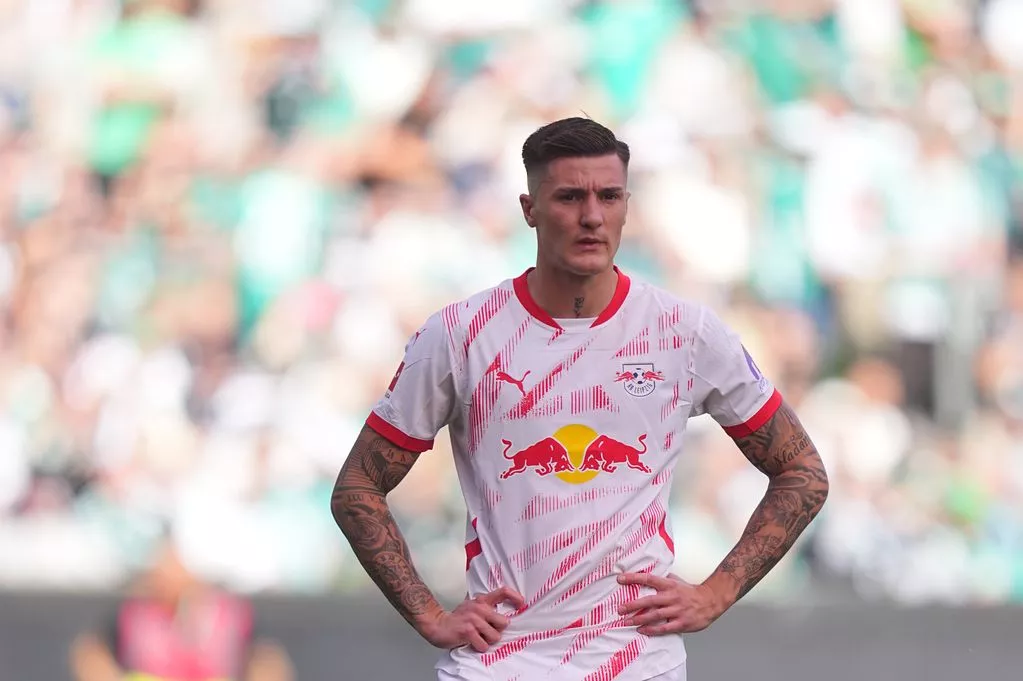
Man United are eyeing a move for Benjamin Sesko(Image: Getty Images)
Benjamin Sesko has worn the number 30 during his time at RB Leipzig (Image: Getty Images)

Big Changes Coming for Gamblers in Kenya as MPs Take Action

0

Kenya may soon change its gambling laws to protect young people from irresponsible betting. Members of Parliament (MPs) have proposed a new law that would raise the legal age for gambling from 18 to 21 years. They also want to set the minimum betting amount at Ksh50 on all gambling platforms. 

This proposal was brought up during discussions on the Gambling Control Bill (National Assembly Bill No. 70 of 2023). The bill is meant to create stronger rules for gambling, betting, and casinos across the country. 

Dagoretti North MP Beatrice Elachi is one of the loudest voices behind this idea. She says that gambling has become too easy for young people. By increasing the age and bet limit, the government can stop youth from wasting money or becoming addicted. 

Elachi explained that even finding Ksh50 is not easy for many young people. “We are allowing our youth to be destroyed by gambling. We must take this seriously and do what is right,” she said during a Parliament session. 

She also criticized how powerful betting companies seem to shape laws in their favor. Elachi warned that without stronger controls, the future of Kenya’s youth is at risk. 

Kikuyu MP Kimani Ichung’wah also supported the bill. He stressed that gambling itself is not evil, but it must be done responsibly. He said, “It is okay to bet once in a while, but not every day. It should not become a lifestyle.” 

Ichung’wah also blamed the media for promoting betting during hours when children and youth are watching or listening. “You can find gambling ads on TV and radio as early as 5am. This must stop,” he said. 

The MPs believe that tighter rules will bring discipline into the gambling sector. They want to prevent betting companies from targeting poor or young Kenyans who may not fully understand the risks. 

The proposed changes include serious penalties for any betting company that allows people under the age of 21 to participate. If the law is passed, these companies could face heavy fines or even lose their licenses. 

The push for change comes shortly after the Betting Control and Licensing Board (BCLB) made similar proposals. The BCLB wants to introduce stricter measures for gamblers and betting companies. 

According to Peter Mbugi, Director of BCLB, gamblers will have to take a selfie while holding their national ID before registering on any betting site. This step is meant to confirm their identity and age. 

The BCLB also wants betting shops to prove they are serious businesses. Small betting shops will need to show a minimum capital of Ksh50 million to be allowed to operate. 

Casinos and public gaming operators will face even bigger demands. The BCLB proposes they must show a capital of Ksh5 billion. These rules are meant to reduce the number of casual or fake operators in the gambling industry. 

Mbugi says these changes will create a safer environment for everyone. “We are not against gambling. But we must make sure it is done in a responsible and controlled way,” he explained. 

Some Kenyans agree with the proposals. Many parents and teachers have seen how gambling affects students. They say students skip school or steal money just to bet. 

Others, especially betting companies, may not be happy. They argue that such strict rules will reduce their business. But MPs say the safety of young people is more important than profits. 

Gambling addiction has been a growing problem in Kenya. With betting apps and SMS-based gambling, it has become easy for anyone to place bets at any time. 

This has led to stories of young people losing their school fees or entire salaries. In some extreme cases, people have even taken their own lives after losing too much money. 

The government now wants to act before things get worse. By raising the age limit and setting a Ksh50 minimum bet, they hope to create a barrier that protects young and poor Kenyans. 

The new Gambling Control Bill is still under discussion. But if it passes, it will be a big win for responsible gambling. 

Kenya will join countries like the United States, where many states only allow people aged 21 and above to gamble. 

As Parliament continues to debate, citizens are being urged to share their views. Public participation will play a big role in shaping the final version of the law. 

The goal is to find a balance, allowing responsible adults to gamble while protecting the vulnerable. 

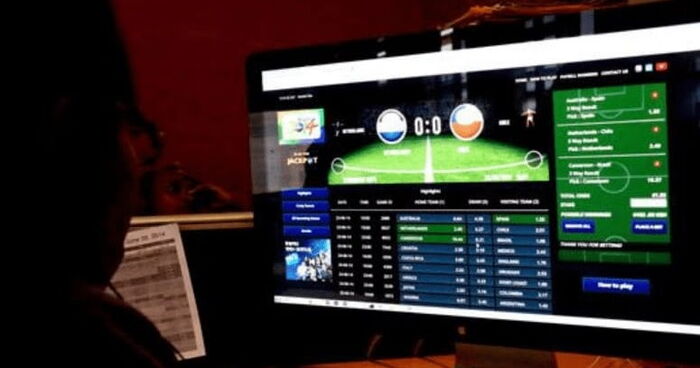
An image of an person on a gambling site. Kenyans.co.ke
File image showing a betting website. File
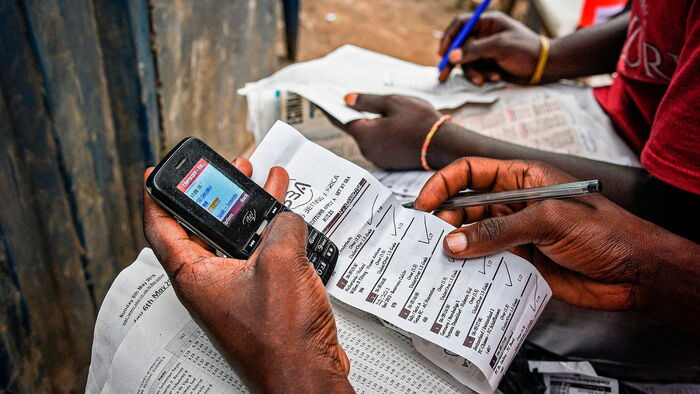
File image of a punter analysing odds. File

New Law to Force All Shops to Accept Cash – Or Face Ksh100K Fines!

0

A new law is coming that could change how you pay for things in Kenya. If it passes, all business owners must accept cash for goods and services, or face a big fine of Ksh100,000. 

This new law is being pushed by Members of Parliament. They say it’s unfair that some shops refuse to take cash. Some people only have cash and get turned away. That could soon change. 

The proposal comes from the Finance and Planning Committee in the National Assembly. They’ve approved the Central Bank of Kenya (Amendment) Bill, 2025. 

This bill wants to change the Central Bank Act. Its goal is to protect the use of cash. Even though many people use M-Pesa or cards, the MPs say cash should always be accepted. 

The bill says that any business selling goods or services in person must accept cash. This rule will apply for payments up to Ksh100,000. 

Also, the bill says no business should charge extra to customers who pay in cash. Some businesses charge more for cash payments, but this law would stop that. 

Suba South MP Caroli Omondi is the person behind the bill. He met with the committee that reviewed it. The committee liked the idea and said it should move forward. 

They’ve now asked the National Assembly Speaker to publish the bill. Once that’s done, it will be debated in Parliament. 

Benjamin Langat, the committee’s Vice Chairperson, said it’s wrong to refuse cash. He said cash is still the country’s legal tender, and all businesses must respect that. 

Langat explained that customers should be free to pay in cash, by card, or by M-Pesa. People should not be forced to use only digital methods. 

Another MP, Peter Kaluma from Homa Bay Town, said that refusing cash hurts people with disabilities and those without access to mobile money. 

Kaluma said, “If our currency is legal, why should someone refuse to accept it?” He said it’s time for businesses to respect everyone. 

To enforce the law, the committee proposed a fine. Any business that refuses to accept cash could pay up to Ksh100,000 as punishment. 

However, not all businesses will be treated the same. MPs say there should be a few exceptions. 

For example, shops in unsafe or high-risk areas may be allowed to avoid cash for security reasons. 

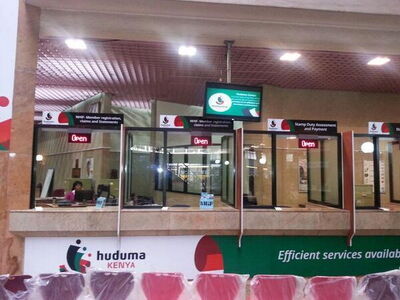
Also, government offices like Huduma Centres should stay cashless. The goal is to reduce corruption, which can happen more easily with cash. 

But the MPs said if someone has a real reason why they cannot use digital payment at a government office, then they should be allowed to pay in cash. 

Large payments over Ksh500,000 will also remain digital. This is to improve safety and make it easier to trace money and prevent money laundering. 

This proposed law comes at a time when Kenya is moving fast toward digital finance. But MPs say people should not be left behind. 

Many Kenyans, especially in rural areas, still rely on cash. If cash is not accepted, these people face problems in buying goods and services. 

By passing this law, MPs hope to make sure every Kenyan, no matter their payment method, is treated fairly. 

If passed, this law will affect supermarkets, petrol stations, restaurants, barbershops, and even street vendors. 

The MPs say this is about fairness, freedom, and access. They believe every Kenyan should choose how they want to pay, without fear of rejection or extra charges. 

Now, all eyes are on Parliament to see if this bill becomes law. If it does, Kenya will be one of the first African countries to legally protect the right to use cash. 

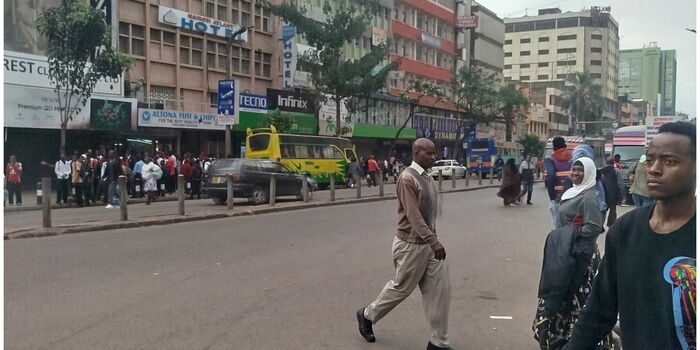
An image of the Nairobi CBD. Photo: Rene Otinga
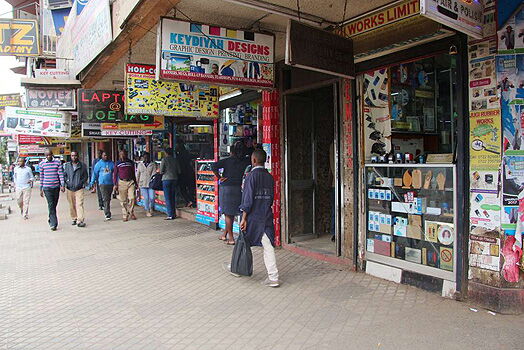
An image of business shops in Nairobi, Kenya
A Huduma centre office in Kenya during operation. Photo: Huduma Kenya

Kenya Bans Tobacco Imports to Protect Public Health – Government Takes Bold Action Amid Rising Concerns

0

In a powerful move to safeguard the health of its people, the Kenyan government has announced a total ban on the importation of tobacco products. Health Cabinet Secretary Aden Duale made the announcement on Wednesday, July 30, during a session with the National Assembly Committee on Delegated Legislation. 

This bold decision comes amid growing fears about the rising health risks caused by tobacco and nicotine-related products in Kenya. 

Speaking firmly, CS Duale said the government has decided to stop the importation of all tobacco products to reduce their presence in the country. He stressed that this action was not just about protecting laws, but about protecting lives. 

“Tobacco products have been flooding our markets, frustrating government efforts to curb their misuse. This is why we decided to ban imports,” he explained. “We are witnessing a growing number of people, especially youth, falling into addiction, and this is simply unacceptable.” 

The ban will also apply to nicotine-related products like shisha, which often enter the country illegally from places like China. CS Duale pointed out that some enforcement agencies are not doing their job due to corruption, making it harder to stop the illegal flow of these products. 

“The weakest link in our crackdown, especially on products like shisha, remains graft within enforcement agencies,” Duale noted, indicating that internal reform and strict accountability will also be part of the solution. 

To make the dangers of smoking and tobacco use clearer, the ministry is working on stronger, more effective graphic health warnings. These warnings will be placed on any allowed products and public campaigns, showing exactly how dangerous smoking and nicotine use can be. 

“What’s even more worrying is the growing vulnerability of our youth,” Duale warned. “They are being lured into addiction through cheap, accessible products. We must act decisively before we lose a whole generation.” 

The National Assembly Committee on Delegated Legislation stood firmly behind CS Duale’s announcement. The chairperson, Samuel Chepkong’a, praised the ministry’s efforts and emphasized the importance of collaboration between the national government, county governments, and NACADA, the National Authority for the Campaign Against Alcohol and Drug Abuse. 

“We recognize that players in the tobacco industry may oppose these stringent measures due to the potential financial losses. But for us, the health of Kenyans comes first. The ministry has our full backing,” said Chepkong’a. 

The latest move comes just two months after the Ministry of Health suspended all licenses related to tobacco and nicotine products. That suspension covered the manufacture, importation, sale, distribution, and even promotion of these items. 

On May 31, the ministry issued a 21-day ultimatum to all companies involved in the tobacco business to reapply for licenses if they wished to continue operations. However, with this full ban on imports now in place, it’s clear the government is taking a much tougher stance. 

“Pursuant to the Tobacco Act 2007 and other applicable laws, I hereby declare suspension of all existing licences and import clearance related to the manufacture, importation, distribution, sale and promotion of nicotine and related products with immediate effect,” said CS Duale in his previous statement. 

This firm stance sends a clear message to the tobacco industry and to the public: Kenya is placing the health of its people above profits. The government is not just talking about change: it is acting. 

As more young people fall victim to the harmful effects of smoking and cheap nicotine products, Kenya’s leaders are choosing to stand up and fight back. By banning imports, strengthening warnings, and cleaning up enforcement, they hope to reverse the growing addiction problem before it becomes even worse. 

The message is simple but strong: Kenya values life, and no industry is too powerful to stand in the way of public health. 

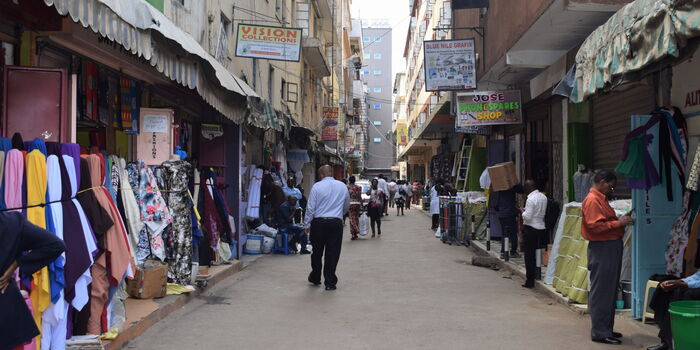
Traders conducting business in a town in Kenya.
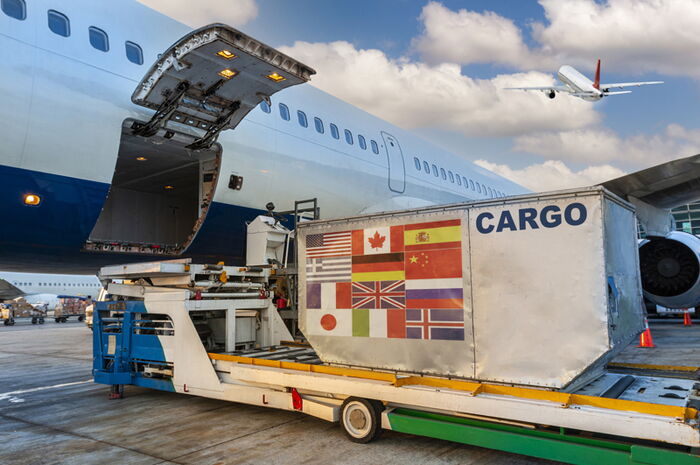
A cargo plane being loaded. Photo: Cargowise
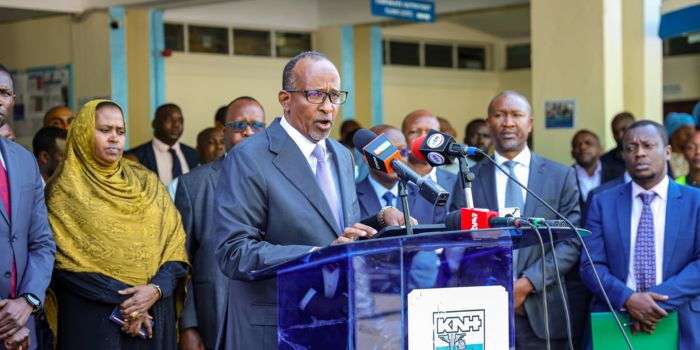
Health Cabinet Secretary Aden Duale during a press briefing outside Kenyatta National Hospital (KNH) on Monday, July 28, in Nairobi, Kenya. Photo: Ministry of Health

The Congolese Special Force in Training to Retake Goma and Bukavu! 60,000 Troops Deployed as Peace Talks Hang by a Thread

0

Tensions are once again boiling over in eastern Congo. The Congolese government has launched a massive military campaign aimed at regaining control of Goma and Bukavu, two key cities in the conflict-ridden provinces of North and South Kivu. 

President Félix Tshisekedi has deployed 60,000 troops, a bold move that has stirred fear, anger, and international concern. The deployment includes the elite Congolese Special Forces, now undergoing intense training for what is shaping up to be the region’s largest military operation since 2013. 

The FARDC (Armed Forces of the Democratic Republic of Congo), ranked as the 8th strongest military in Africa, is preparing for a decisive showdown with the AFC/M23 coalition, which has controlled Goma and Bukavu since early 2025. M23 claims to be defending marginalized communities while pushing for governance reforms, but Kinshasa views their grip on these cities as a threat to national sovereignty. 

As diplomatic efforts stumble, Kinshasa is doubling down militarily. While talks in Doha, Qatar, have been ongoing, but rebel leaders accuse the government of undermining the process by reinforcing frontlines instead of fostering dialogue. 

Ben Mbonimpa, Permanent Secretary of the AFC/M23, warned that Kinshasa’s actions show a preference for war: “Do the reinforcements of troops and military equipment suggest an environment conducive to talks? One thing is certain: Kinshasa wants war, and it will wage it. The ARC will defend itself, no matter what happens.” 

Lawrence Kanyuka, spokesperson for the alliance, accused the government of bad faith and warned of possible crimes against humanity, claiming that government troops and their allies, particularly from Burundi, are deploying heavy weapons near densely populated areas. 

With Goma and Bukavu now at the heart of the conflict, the stakes couldn’t be higher. These strategic cities are not only major commercial hubs but also symbols of control in the volatile east. For Kinshasa, regaining them is a matter of national pride and constitutional duty. 

The troop surge comes in the wake of the February 2025 Washington Accord, signed between Rwanda and the DRC. That deal aimed to neutralize armed groups like FDLR but has since stalled. 

In a notable shift, M23 and DRC recently signed a Declaration of Principles in Doha, marking a potential path forward. The agreement, signed on a Saturday just weeks after the Washington meetings, was hailed by the African Union as “a significant development.” AU Chairperson Mahmoud Ali Youssouf said it offers hope for lasting peace and stability in the Great Lakes region. 

Reporting from Goma, Al Jazeera’s Alain Uaykani described the atmosphere before the deal as “very unstable” and said the declaration may finally open the door to meaningful talks. While it does not yet outline details such as M23’s withdrawal or foreign troop demobilization, it affirms a joint commitment to restoring state authority across all Congolese territory. 

M23, made up largely of ethnic Tutsi fighters, insists the root causes of the conflict, historic discrimination, displacement, and governance failures, must be addressed. Their stance reflects a long and painful legacy, tied in part to the 1994 Rwandan genocide and its aftermath. 

Qatar’s mediation included a surprise meeting in March between Tshisekedi and Paul Kagame, which resulted in a joint call for an “immediate and unconditional ceasefire.” That paved the way for direct DRC–M23 negotiations, despite Kinshasa having previously branded the group as a terrorist organization. 

Still, deep concerns remain. Government spokesperson Patrick Muyaya stated that the agreement respects Congo’s “non-negotiable red lines,” particularly the withdrawal of M23 forces. Talks aimed at finalizing a broader peace deal are set to begin no later than August 8, with an August 18 deadline looming. 

Meanwhile, the United States has also played a key diplomatic role. In June, the U.S. hosted high-level talks between Rwanda and the DRC, culminating in a peace pledge signed by their foreign ministers. U.S. President Donald Trump attended the summit and warned of “very severe penalties” if the agreement is violated. Washington had also pressured both parties to conclude the Doha talks by that time. 

Despite these international efforts, violence and displacement continue. The United Nations reports that more than 7 million people have been uprooted across the country, with North and South Kivu among the worst-affected areas. 

AFC/M23 insists it has no intention of leaving Goma or Bukavu. Instead, the group says it is committed to restoring peace and functioning governance in cooperation with Kinshasa. 

“We are here to stay,” declared Oscar Balinda, deputy spokesperson of the group. “We have no demands from Kinshasa. We are here to find lasting solutions together.” He added that in areas under M23’s control, there is peace, functioning schools, working hospitals, and growing commerce. 

Balinda reaffirmed that AFC/M23 supports the ceasefire but will defend civilians and rebel positions if attacked. When asked about a possible withdrawal from the cities, his answer was clear: “We are here, and we will stay. This is our home.” 

M23 first took Minova in January 2025, then advanced rapidly, defeating a coalition that included the Congolese army, FDLR rebels, Wazalendo militias, European mercenaries, Burundian troops, and SADC forces to capture Goma and Bukavu. 

The group justifies its rise by pointing to the decades-long marginalization of Kinyarwanda-speaking communities and systemic failures in governance. Leaders say their actions are not about rebellion but about restoring order where the state has failed. 

In a bid to normalize life under rebel control, M23-appointed Governor Bahati Musanga Erasto announced in February that Goma and Bukavu’s ports would operate 24 hours a day, starting February 18. The announcement followed M23’s full takeover of Lake Kivu just two days earlier. 

Lake transport had been shut down for over three weeks due to intense fighting. The reopening of trade routes follows pressure from EAC and SADC leaders, who urged access be restored for civilian use. 

Despite these efforts to restore order, the situation remains highly volatile. Kinshasa insists the mission to reclaim Goma and Bukavu is about unity and territorial integrity. M23 counters that it is defending its people and promoting sustainable peace. 

As the Congolese Special Forces complete their final training drills and troops are mobilized for what could be a major offensive, the world watches with concern. Will this standoff end in devastating war, or will it usher in a new era of peace in eastern Congo?