Home Blog Page 108

Man Utd Player Urges Ruben Amorim to Learn from Arsenal’s Deadliest Weapon or Risk Falling Behind

0

Ayden Heaven, Manchester United’s rising young defender, has a clear message for his new club: copy Arsenal’s deadly set-piece tactics or risk falling behind. The 18-year-old, who transferred from Arsenal to Manchester United in January for £1.5 million, believes United must be more ruthless during set-pieces if they want to compete with the best. 

Heaven knows what he’s talking about. During his time at Arsenal, he saw up close how defenders like William Saliba and Gabriel became scoring machines during corners and free-kicks. Arsenal scored 22 goals from set-pieces last season, a number that helped them finish second in the Premier League, just behind Liverpool. 

“I watched them very closely, the likes of Saliba and Gabriel,” Heaven said. “I learned a lot from them. You can see they’re quite good in the air, aren’t they, from corners?” 

Heaven admits he wants to become that kind of threat at Manchester United. He’s working hard to improve his ability in the air and wants to add goals to his game. For him, scoring from set-pieces isn’t just a bonus, it’s a mission. 

“I’ve said in the past I want to score more, and I’m working on that. That’s what I want to add to my game,” he said. 

Ayden made a strong impression after joining United. He had a solid run of starts before an injury against Leicester temporarily stopped his momentum. However, he returned before the season ended and continued to show promise. 

“I just want to focus on the basics at the moment and getting in the United team for the new season,” said Heaven. 

His mindset is simple but powerful, work hard, learn fast, and make an impact. He’s not just focused on defending. He wants to be part of the attack too, using his ball control and movement to create chances and score goals. 

“I can play in the middle, on the left, but the left probably suits me more because of my ability with the ball,” he explained. “I can drive with the ball, I can overlap if I’m needed to and I can get forward more. That’s one of my biggest strengths.” 

Despite being young, Heaven’s confidence and vision stand out. He’s not afraid to speak about what needs to improve at Manchester United. In his eyes, learning from Arsenal’s success is a smart move, not a sign of weakness. 

The teenager’s ambition hasn’t gone unnoticed. United’s manager, Ruben Amorim, sees great potential in the versatile centre-back. Amorim has shown faith in him, and Heaven is ready to repay that trust. 

“I was surprised at the amount of games I played, but I knew when I was going to play, I was going to make an impact,” he said. And make an impact he did. 

As the new season approaches, Heaven is hungry to prove himself further. He wants to become a regular starter, score more goals, and help United challenge for titles. And he believes that copying the set-piece success of his old club could be the secret weapon to help them get there. 

Ayden Heaven’s story is a reminder that football is not just about talent, it’s about learning, adapting, and being bold enough to bring fresh ideas to the table. If Manchester United listens to their young star, they may just unlock a new level of danger at every corner and free-kick. 
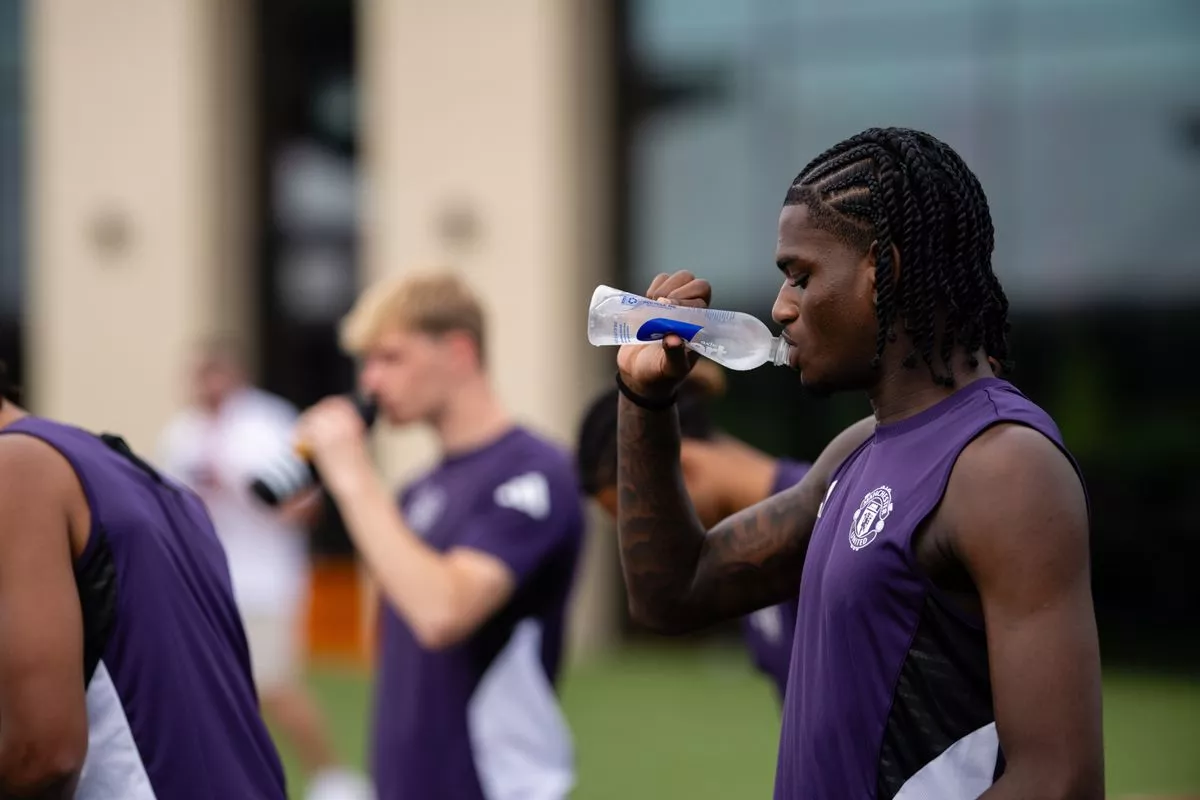
Ayden Heaven joined Manchester United from Arsenal in January (Image: Manchester United via Getty Imag)
Heaven wants to improve in front of goal (Image: Manchester United via Getty Imag)

Arsenal Finally Lands Their Scoring Machine: Mikel Arteta Explains Why Viktor Gyokeres Was Non-Negotiable

0

Arsenal fans, get ready to celebrate! The Gunners have finally signed the striker they’ve been hunting for, Swedish goal machine Viktor Gyokeres. The long wait is over, and the £63.7 million deal is now official. 

Viktor Gyokeres has been one of the hottest names in football this summer. And after weeks of rumors, tension, and negotiations, Arsenal has landed the man they believe can transform their attacking game. 

Mikel Arteta, the manager of Arsenal, couldn’t hide his excitement. He called Gyokeres “absolutely outstanding” and described him as the perfect fit for Arsenal’s playing style. “We’re absolutely delighted to welcome Viktor Gyökeres to the club,” Arteta said. 

The deal wasn’t easy. Gyokeres reportedly went on strike to force his club, Sporting CP, into letting him go for a lower fee. He claimed they had agreed to a smaller amount earlier in the talks. 

Sporting CP’s president, Frederico Varandas, was not pleased with this move. He issued a public statement saying he would not be blackmailed into changing the terms of the transfer. 

One of the turning points in the saga was Gyokeres’ agent, Hasan Cetinkaya, choosing to waive his fee. This helped the two clubs finally come to an agreement. Without this move, the deal might have fallen apart. 

Gyokeres is no ordinary striker. At Sporting, he scored 97 goals in just 102 matches—a record that stunned fans across Europe. Now, Arsenal hopes he can continue that incredible scoring form in the Premier League. 

Arteta explained why this signing was so important. “Viktor has so many qualities. He is quick, powerful, and intelligent. His movement in the box is top class. He brings a clinical edge that we’ve been missing.” 

The manager also said Gyokeres is not only a great player but also dependable. “His consistency and availability have been outstanding,” Arteta added. 

Andrea Berta, Arsenal’s sporting director, also praised the new striker. He said Gyokeres was “an exceptional talent” with the work ethic and mentality of a champion. 

Berta believes Gyokeres is more than just a player. “We are confident Viktor will have a major impact on the pitch and become an important figure in our dressing room,” he said. 

Arsenal fans have long hoped for a striker who could lead the line with confidence and deliver goals consistently. With Gyokeres, they might have finally found their man. 

The Swedish international has signed a long-term contract, signaling that Arsenal sees him as a central figure in their future plans. 

Gyokeres, once a star for Coventry and Brighton, has now stepped into one of the biggest football stages in the world. It’s a massive leap, and one he seems ready for. 

His ability to hold the ball, beat defenders, and find the net with both feet makes him a complete forward. Arsenal has lacked such a presence up front for years. 

Arteta believes the timing is perfect. With a busy summer of signings and improvements in many areas, adding a proven goalscorer was the final piece of the puzzle. 

Many fans believe that Gyokeres could be the key to Arsenal winning trophies this season. The excitement around his arrival is huge. 

His arrival also sends a strong message to rival clubs: Arsenal is serious about competing at the top. 

With this move, Arteta has made it clear: he’s building a team to win, and Viktor Gyokeres is at the center of that vision. 

It remains to be seen how quickly Gyokeres will adapt to the Premier League, but with his past performance and hunger to succeed, the expectations are sky-high. 

One thing is for sure: the red half of North London is buzzing with hope again. And the name on everyone’s lips is Viktor Gyokeres. 

Welcome to Arsenal, Viktor. Let the goals begin! 

Monster in Disguise: Man Gets Death Sentence After Luring Women with Fake Jobs and Attacking Them in Forest

0

A horrifying case has finally come to an end at the Kibera Law Courts, where a man who posed as a job helper was sentenced to death for a series of violent and cruel crimes. The court handed him the death penalty for three counts of robbery with violence and life imprisonment for four other serious charges, including rape and attempted rape. 

The judgment was delivered on Friday, July 25, by Senior Principal Magistrate Hon. Abdul. The court declared that the prosecution had proved its case beyond any reasonable doubt. The man was found guilty of using fake job offers to trick innocent victims into trusting him, only to later attack them. 

According to the prosecution, the man acted like he was helping young women find work. He offered to take them to job interviews using his motorbike. But this was just a trap. Once he reached Ngong Forest, he turned into a predator, robbing the victims at knifepoint and committing sexual assaults. 

For a while, this predator avoided capture. His method was well-planned, and he managed to stay under the radar. But investigators noticed a clear pattern. Many victims had similar stories, and all led to the same suspect. 

This prompted police to act fast. They set up an undercover operation and finally caught him in the middle of another attack. He was armed and ready to harm again. His arrest marked the end of a reign of terror. 

During the sentencing, Hon. Abdul strongly condemned the man’s actions. The magistrate described his behavior as “a complete lack of humanity.” The crimes were not only brutal but repeated, showing that the man was a dangerous serial offender who needed to face the full weight of the law. 

As per Kenyan law, he will now begin serving the death sentence immediately. The other life sentences remain on hold unless the death sentence is reviewed or commuted. His punishment is one of the harshest handed down in recent years. 

Kenya still has the death penalty written in its laws for serious crimes like murder, robbery with violence, treason, and military mutiny. However, the country hasn’t actually executed anyone in many years. This has led to what experts call a “legal contradiction.” 

While people are sentenced to death, executions are not carried out. Instead, those convicted are sent to “death row,” where they wait indefinitely. It’s a grey area in Kenya’s justice system, one where the sentence exists, but the final act of execution does not. 

Data shows the number of death sentences is rising in Kenya. In 2021, 14 people were sentenced to death. That number jumped to 79 in 2022, and by 2023, it increased again to 131. By October 9, 2024, at least 166 people were on death row, including 163 men and three women. 

Despite this, Kenyan Presidents have often used their power of mercy to reduce these sentences. Many death sentences have been commuted to life imprisonment, which explains why death row numbers can drop from time to time. 

Still, the law remains in place. The man in this case will stay on death row unless a future president intervenes. 

This case is a chilling reminder of how predators can use false promises to lure their victims. It also highlights the role of the courts and police in protecting the public and ensuring justice is served. The court’s message was clear: those who prey on others, especially the vulnerable, will face the full force of the law. 

Victims and their families can now begin the process of healing, knowing that their attacker has been held accountable. The case has sparked wider conversations about safety, job scams, and the need for stricter vetting of so-called “recruiters.” 

It has also reopened the debate on whether Kenya should abolish the death penalty or begin enforcing it. Human rights groups remain divided on the issue. 

For now, one thing is certain: a dangerous man is off the streets, and justice, for once, has caught up with him. 

Activist Mwabili Mwagodi Vanishes in Tanzania – Kenyan DCI Says “Not Our Problem” as Public Outrage Grows

0

The disappearance of Kenyan activist Mwabili Mwagodi has triggered public alarm and growing frustration after Kenya’s top investigative agency, the Directorate of Criminal Investigations (DCI), reportedly refused to step in, claiming that the case is “outside their jurisdiction.” 

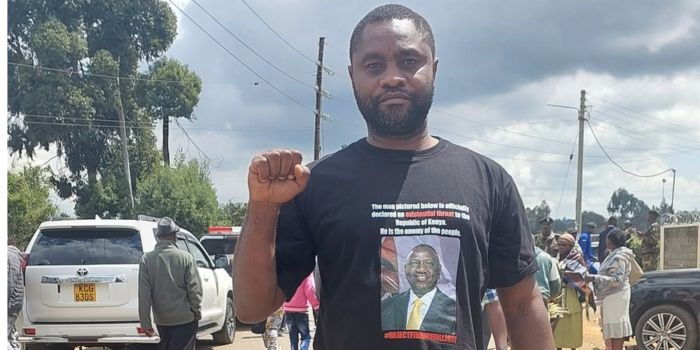
Mwagodi was allegedly abducted on July 23, 2024, in Dar es Salaam, Tanzania, according to Amnesty International Kenya. Known for his bold online activism and as the face behind the “Occupy the Church” campaign, Mwabili often challenged religious institutions that accepted questionable political donations. 

At the time of his abduction, Mwabili was living and working in Tanzania for a hospitality company. Since his disappearance, his phone has remained unreachable, and no one has heard from him. 

On Saturday, July 26, VOCAL Africa, a human rights group, accompanied Mwabili’s family to DCI headquarters in Nairobi to request action. But according to VOCAL Africa CEO Hussein Khalid, the response was a cold shoulder. 

“The DCI told us they cannot take up Mwabili’s matter because it does not fall under their jurisdiction,” Khalid said. “We’ve also reported the case to the police and the Ministry of Foreign Affairs.” 

The refusal to act has left Mwabili’s family in distress and activists across East Africa angry and confused. They argue that DCI’s inaction sends a dangerous message: Kenyan lives abroad don’t matter. 

Many are questioning the Kenyan government’s silence and are demanding that authorities take responsibility in protecting its citizens, regardless of borders. 

Amnesty International released a powerful statement expressing “deep concern” over Mwabili’s disappearance, warning that this case is part of a worrying trend of repression against outspoken voices in the region. 

“This is not just about one activist, it’s about a growing pattern of fear and silence across East Africa,” Amnesty warned. “The safety of human rights defenders must be addressed urgently. We stand with Mwabili’s family and all defenders of justice.” 

In the same statement, Amnesty called on both Kenya and Tanzania to immediately reveal Mwabili’s whereabouts and ensure a transparent and independent investigation is launched without delay. 

Mwabili’s case comes in the wake of similar incidents, including the reported abductions of Kenyan photojournalist Boniface Mwangi and Ugandan journalist Agather Atuhaire, both of whom had been investigating sensitive political matters before they were allegedly seized. Their case is now before the East African Court of Justice. 

For many, these disappearances are no longer isolated events. They symbolize the shrinking civic space in East Africa and a troubling collaboration, or at least silent tolerance, between governments when it comes to suppressing dissent. 

Public anger is growing online, with hashtags like #WhereIsMwabili, #JusticeForMwabili, and #ProtectActivists trending across social platforms. Youth groups, civil society organizations, and fellow activists are demanding accountability, transparency, and cross-border cooperation. 

Legal experts have also chimed in, saying that while DCI may be technically right about jurisdiction, Kenya’s Ministry of Foreign Affairs and the Attorney General’s office can and should intervene. 

“This is a matter of human rights, not borders,” said a Nairobi-based human rights lawyer. “The government has a duty to protect its citizens abroad, especially when their lives are in danger.” 

Meanwhile, Mwabili’s family remains in emotional turmoil, holding on to hope but devastated by the silence from authorities. 

“He was only speaking up for the truth. Is that a crime?” one family member asked through tears. 

Human rights groups are now urging urgent diplomatic engagement between Kenya and Tanzania. They argue that failure to act now will only embolden future abuses. 

As time ticks on with no official updates, Mwabili’s fate remains unknown. But what is clear is that his voice lives on, in the streets, on social media, and in the fight for a freer East Africa. 

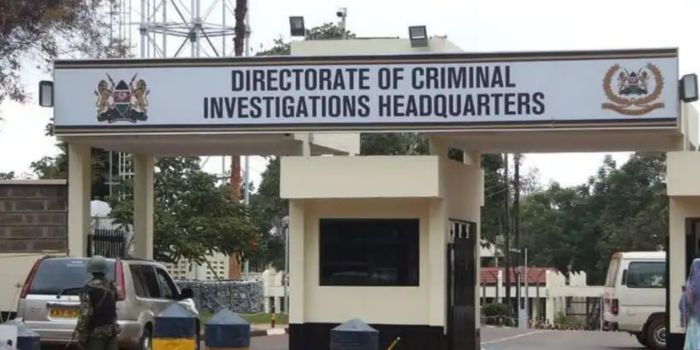
DCI Headquarters, Kiambu Road, Nairobi June 16, 2024. Photo: DCI
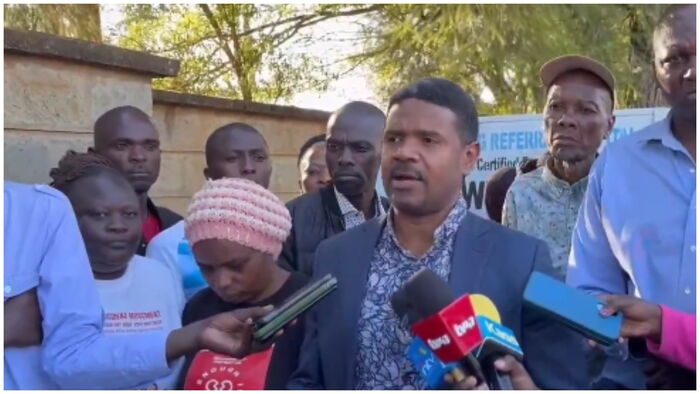
Human rights activist Hussein Khalid at a press conference in December 2024. PHOTO/ Courtesy.
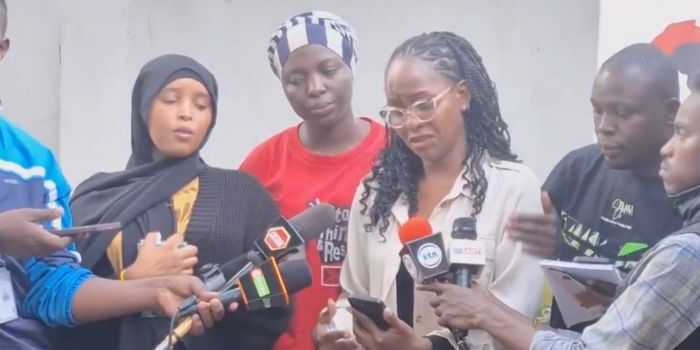
A screengrab of Isabella Kituri, sister to abducted activist Mwabili Mwagodi, speaking to members of the press on Friday, July 25. a Photo: Vocal Africa

Vanished in the Night: Fears Grow After Kenyan Activist Mwabili Mwagodi Disappears in Tanzania

0

The family of Kenyan human rights activist Mwabili Mwagodi is calling for urgent answers after he mysteriously disappeared in Tanzania. The family believes he was abducted by unknown people while traveling for work in Dar es Salaam. 

Mwabili’s sister, Isabella Kituri, spoke to the media, clearly emotional and worried. She said her brother vanished without any trace and that all attempts to find him had failed. 

Isabella fears the worst because Mwabili was openly critical of President William Ruto, especially his church fundraising activities. Mwabili also used his social media platforms to mobilize Gen Z youth across East Africa, calling for accountability and justice. 

“Mwabili served a just cause to defend the integrity of the church,” Isabella said. “He was doing his civic duty as a Kenyan citizen. If he did anything wrong, he should be brought before the law, not disappeared.” 

According to Vocal Africa, a human rights group based in Nairobi, Mwabili’s case is deeply troubling. The organization’s CEO, Hussein Khalid, confirmed the news of Mwabili’s alleged abduction. He said that he was contacted by a family member on July 23 with the disturbing update. 

“A Kenyan has been abducted in Tanzania. Again,” Khalid posted. “Mwabili Mwagodi was vocal against church donations and has now disappeared while in Tanzania. We need answers.” 

Mwabili’s wife also spoke out. She said her husband had planned to travel to Dar es Salaam on the night of Wednesday, July 23, for his job in the hospitality sector. She explained that he had left his car behind and decided to use public transport instead. 

At around 10 p.m., his phone was turned off, and he hasn’t been heard from since. 

“I tried calling him, texting him, everything. His phone just went dead,” she said. “That’s when I knew something was very wrong.” 

The incident comes just weeks after other Kenyan activists, including Boniface Mwangi, were detained while in Tanzania. This has raised serious concerns among human rights defenders in the region, who accuse President Samia Suluhu’s government of targeting foreign activists without legal justification. 

Mwabili’s work focused on protecting civic freedoms and promoting integrity within religious and political institutions. Friends and fellow activists described him as a passionate and fearless voice for truth. 

Isabella said her brother’s social media platforms had recently become more influential. He was amplifying youth voices, especially those of young Kenyans who felt silenced by mainstream politics. 

“He was never afraid to say what others wouldn’t. Maybe that’s what made him a target,” she said. 

This latest case adds to a worrying trend of cross-border intimidation against Kenyan activists, with Tanzania becoming a hotspot for forced disappearances and detentions. 

Human rights groups are now demanding that both the Kenyan and Tanzanian governments work together to locate Mwabili and ensure his safety. Vocal Africa has promised to pursue all legal channels to hold those responsible accountable. 

“Silencing activists will not stop the movement. We want justice for Mwabili, and we will not rest until he is found,” Khalid said. 

So far, neither the Kenyan Ministry of Foreign Affairs nor Tanzanian authorities have issued an official statement on the matter. This silence has only increased tensions between the two countries. 

Mwabili’s disappearance has sparked outrage online, with #WhereIsMwabili and #BringBackMwabili trending across Kenyan Twitter (X) and Instagram. Young people from across East Africa are posting videos, messages, and artwork in support of the activist. 

Meanwhile, his family is growing more desperate by the day. 

“We just want him back,” Isabella pleaded. “Alive, safe, and free.” 

The case is now seen as a test of government accountability on both sides of the border. Will Tanzania come clean about what happened to Mwabili? And will Kenya stand up for its citizens abroad? 

For now, a family waits in fear. A nation watches in silence. And a young activist, Mwabili Mwagodi, remains missing, his voice now echoing through the hearts of those fighting for freedom. 

A screengrab of Isabella Kituri, sister to abducted activist Mwabili Mwagodi, speaking to members of the press on Friday, July 25. a Photo: Vocal Africa
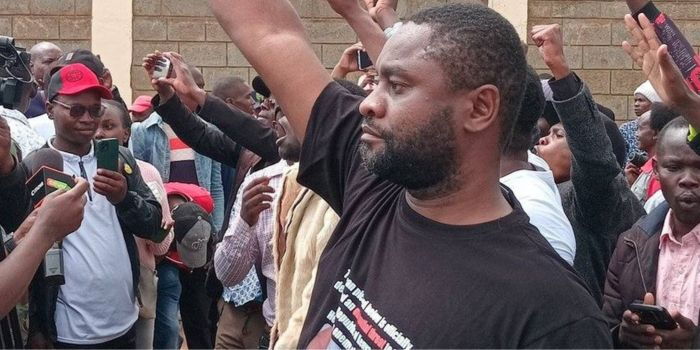
Renowned activist Mwabili Mwagodi during a past protest. Photo: Mwabili Mwagodi
Activist Mwabili Mwagodi during a past anti-government demonstration in Kenya. Photo: Mwabili Mwagodi

No More Talks: AFC/M23 Ends Dialogue with Kinshasa as Storm Brews Around President Ndayishimiye and FDLR in Burundi

0

The AFC/M23 coalition has announced a bold new move in the ongoing Congo crisis. The group says it will no longer hold talks with President Tshisekedi’s government. The reason? Political prisoners are still being held in jails simply because of their background and ethnic identity. 

For AFC/M23, this is the final straw. 

They say they have realized the importance of hitting their enemy where it hurts. Peace talks are off the table until Tshisekedi takes real action, starting with freeing innocent political detainees. 

While this decision shakes regional politics, President Evariste Ndayishimiye of Burundi is confused. He doesn’t understand why his name is not even coming up in these diplomatic discussions. That might soon change. 

Because once the AFC/M23 achieves the release of these prisoners, their next focus will be “the Neva issue”, a topic that remains mysterious but promises more confrontation. 

A high-ranking source close to the movement warned that Burundi should brace for a storm, literally and politically. 

“A nighttime storm with lightning is approaching the Kibira region,” the source said.  

“Two battalions known as Bt 5:1–87 are reportedly training a terrorist group backed by the Congolese government, the FDLR.” 

Meanwhile, a shocking report came from MRDP-Twirwaneho, a self-defense movement in South Kivu province. On July 25, 2025, its spokesperson, Kamasa Ndakize Welcome, made a strong accusation against Burundi. 

He said that fighters from the FDLR, a known terrorist group, had been trained and armed in Burundi. Their mission: to destroy the Banyamulenge community. 

“These fighters were trained in Burundi,” Kamasa stated, “and they were given weapons to carry out an ethnic extermination plan.” 

After receiving training, the FDLR fighters were reportedly deployed to South Kivu. Places like Luvungi, Lubarika, Rurambo, and Minembwe are now hotspots of violence. 

Kamasa said that the FDLR fighters have blended in with local armed groups known as Wazalendo, as well as FARDC soldiers (the official Congolese army). Together, this alliance regularly attacks Banyamulenge civilians. 

“They burn houses, loot livestock, and block humanitarian aid,” Kamasa explained. “This is no longer random violence. This is a well-planned operation.” 

MRDP-Twirwaneho declared that they have the right to defend themselves. Their priority is to protect Banyamulenge lives and property. 

But they also issued a strong message to the world: 

“The international community must not remain silent while this plan of extermination unfolds,” said Kamasa. 

This was backed by Freddy Kaniki Rukema, the President of MRDP-Twirwaneho. Speaking last week, Rukema gave shocking numbers. 

“Since 2017, 357 Banyamulenge villages have been burned to the ground,” he said.
“Over 700,000 cows have been stolen, and the government of the DRC is heavily involved.” 

These are not just numbers, they are the evidence of ethnic persecution and a worsening humanitarian crisis in Eastern Congo. 

The situation is tense. With AFC/M23 breaking ties with Kinshasa, and with Burundi now being accused of training FDLR fighters, the region could be heading toward a much bigger conflict. 

For now, the AFC/M23 alliance is focused, first on freeing political prisoners, and next, dealing with Burundi’s role in the regional chaos. 

And as the storm moves closer to the Kibira forest, one thing is clear: East Africa is on the edge of a new wave of violence, resistance, and reckoning. 

Outrage in Kenya: Chiromo Hospital Shut Down After CEO Susan Njoki’s Shocking Death – Staff Under Investigation

0

In a dramatic turn of events that has shocked the country, Chiromo Hospital’s Braeside branch in Nairobi has been shut down by the Kenya Medical Practitioners and Dentists Council (KMPDC). This follows the mysterious and tragic death of Susan Kamengere Njoki, the CEO of Toto Touch, who died shortly after being forcibly taken from her home. 

KMPDC issued an urgent letter on Friday, July 25, ordering Chiromo Hospital to immediately stop all clinical operations and evacuate all patients within 24 hours. The closure comes after damning reports that a staff member at the hospital may have been involved in Njoki’s death. 

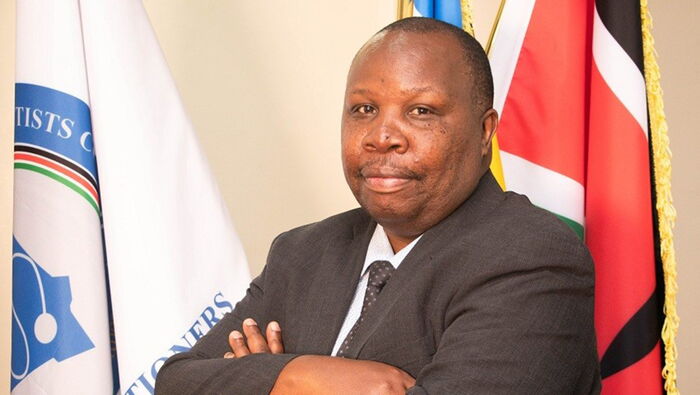
The hospital is now under intense scrutiny. KMPDC, led by CEO David Kariuki, has demanded full cooperation, including the release of Susan Njoki’s post-mortem report and all her medical records from the hospital. These steps were triggered by a hospital inspection on July 18 and chilling evidence that has since emerged. 

According to an audio recording left by Njoki, she was violently abducted from her Kileleshwa home on July 14. In the recording, she describes how several men stormed into her house and forcefully restrained her. Two nurses allegedly injected her with unknown substances without her consent. Terrified and confused, she pleaded to know where she was being taken, but no one answered her cries. 

Njoki died on July 15, just a day after the harrowing incident. Early reports from the Directorate of Criminal Investigations (DCI) suggested she may have died on her way to the hospital. But an autopsy carried out by six pathologists tells a different story. 

The team of medical experts revealed during a press briefing on Tuesday, July 22, that Susan Njoki died due to manual strangulation. They confirmed compression injuries to her neck, which led to a lack of oxygen in her bloodstream, ultimately causing her death. 

In a disturbing detail, the autopsy also found food in Njoki’s stomach, indicating that she had recently eaten before her death. This suggests that she passed away at the hospital, not in transit as initially believed. 

KMPDC’s action signals a serious breakdown in ethical medical conduct and patient safety at Chiromo Hospital. “Following further reports indicating possible involvement of a member of your staff in the death of Susan Kamengere Njoki, the Council issues the following directives effective immediately,” the Council stated in its letter. 

The hospital must now shut its doors indefinitely and fully cooperate with investigators to ensure justice is served. The case has thrown the spotlight on the dark side of Kenya’s private healthcare system, where questions of trust, malpractice, and potential collusion have come to the surface. 

Kenyans across the country have taken to social media to express anger and sadness, calling for a thorough investigation and justice for Susan Njoki. Her story has sparked national conversations around domestic abuse, medical ethics, and the misuse of power. 

As the investigation continues, the pressure is mounting on both the hospital and law enforcement agencies to be transparent and decisive. KMPDC’s quick response is being praised, but the public wants more: accountability, arrests, and answers. 

This tragedy has deeply affected not only Njoki’s family but the larger Kenyan society. The late CEO was known for her passion in women’s empowerment through Toto Touch. Many are mourning her as a beacon of hope silenced too soon. 

Meanwhile, questions remain: Who exactly ordered the forced injection? Why was Chiromo Hospital involved? Was there a cover-up? These are the answers that Kenyans, and Njoki’s loved ones, are desperately waiting for. 

The story of Susan Njoki is not just about one woman. It is about the safety of every patient, the ethics of every doctor, and the dignity of every life. As the dust settles, one thing is clear, this is not the end of the story. 

More developments are expected in the coming days. For now, Chiromo Hospital remains closed, and Kenya watches as investigations unfold into what could be one of the most troubling medical scandals in recent history. 

KMPDC CEO David Kariuki at his offices in Nairobi County. KMPDC
A crime scene tape in a past scene. Photo: Canva

Marcus Rashford Joins Barcelona: Hansi Flick Slaps Down Strict New Rule on Day One

0

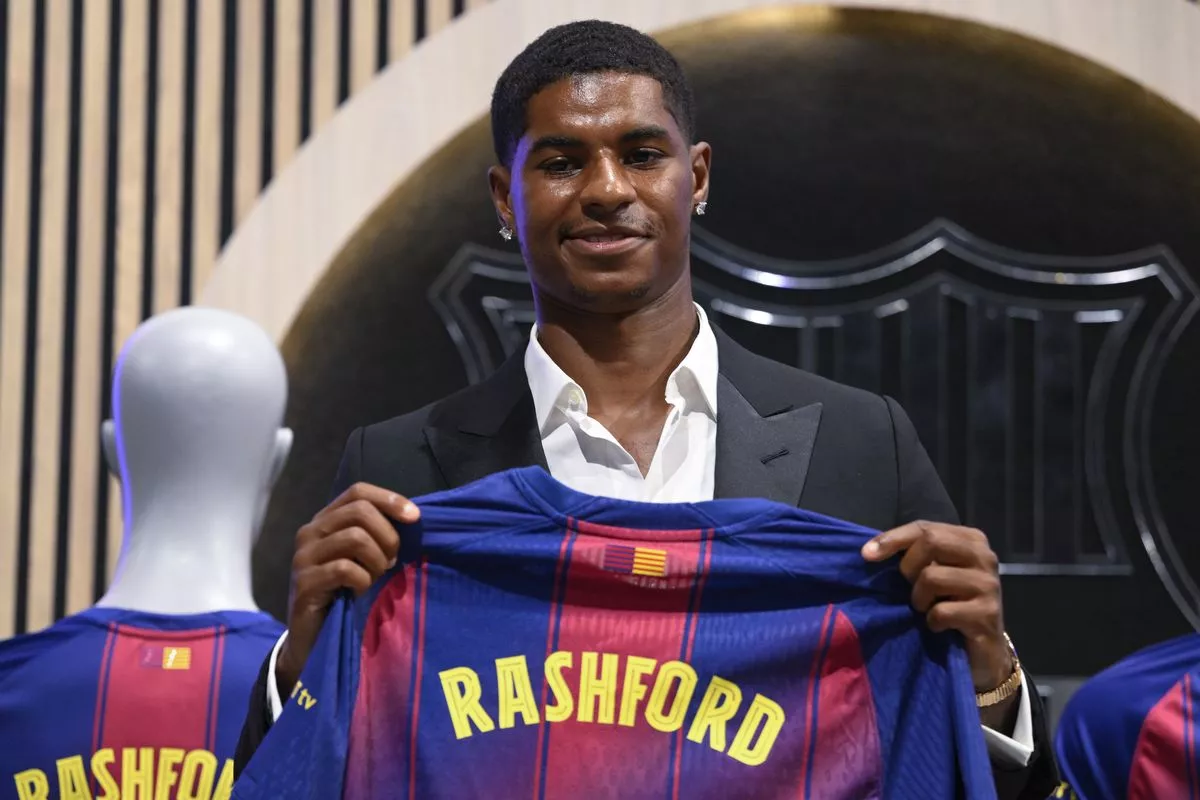
Marcus Rashford has officially joined FC Barcelona and is already facing a strict new rule: no more wild parties. The England forward, who arrived on loan from Manchester United, was all smiles during his welcome to the Spanish champions. But behind the scenes, there’s serious discipline waiting for him. 

Rashford, 27, called his move to Barcelona a “dream come true.” He has taken the number 14 shirt, famous for being worn by Arsenal and Barcelona legend Thierry Henry. But his dream also comes with responsibilities. Under head coach Hansi Flick, Rashford will have to adapt to a very different lifestyle. 

Barcelona enjoyed a spectacular season last year. They won La Liga, the Copa del Rey, and the Spanish Super Cup. Many credit Flick’s leadership and his strict team rules for this success. Flick introduced 10 hard rules for players to follow, and now he’s added an 11th: No excessive partying. 

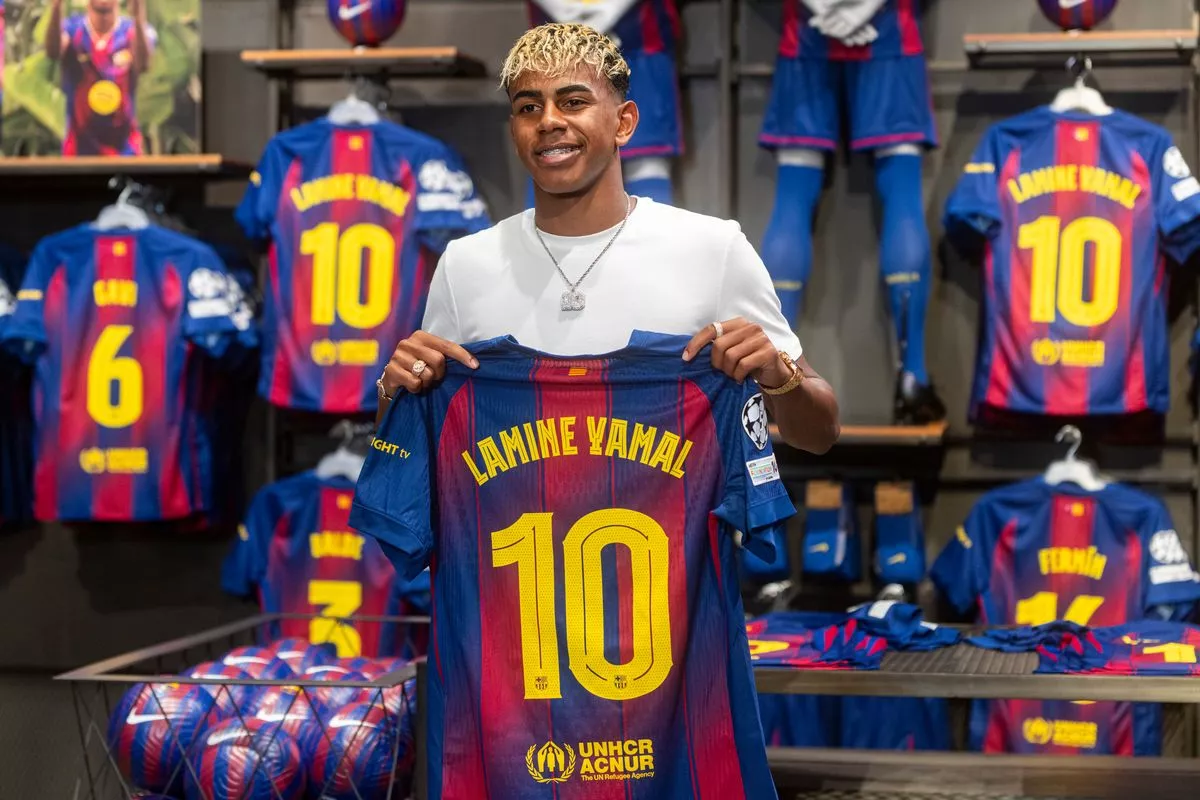
This new rule comes after controversy surrounding rising star Lamine Yamal. At his 18th birthday party, entertainers with dwarfism were reportedly hired, causing backlash in the media. Flick wants to avoid anything that might embarrass the club or distract the players. 

According to Spanish media, Flick hasn’t completely banned his players from going out. But he strongly urges them to be discreet, stay away from cameras, and avoid scandals. His message is clear: Focus on football, not the nightlife. 

Rashford, known in the UK for both his football and off-pitch charity work, now has a new challenge, winning trophies in Spain while following Flick’s no-nonsense rules. This is his first time playing club football outside England, and he’s aware of the expectations. 

At his unveiling, Rashford expressed deep excitement. “I’m very excited. This is a club where dreams come true,” he said. “They win big titles, and what the club stands for means a lot to me.” 

He continued, “It feels like home here. That was a big reason why I chose Barcelona. It’s a family club. The people are welcoming, and it’s the perfect place for players to grow.” 

Rashford added, “I want to help this club win. They did so much last year, and I can feel the ambition to do even more. That’s what you want as a player, to improve every year.” 

His words show determination, but also an understanding of the high standards at Barcelona. With Flick at the helm, that means hard work, discipline, and avoiding headlines for the wrong reasons. 

Sources say Rashford is already adjusting well. He’s been spotted bonding with teammates and enjoying training sessions. The coaching staff believe he can be a key player this season, especially in their hunt for Champions League glory. 

Barcelona hasn’t won the Champions League since 2015, and the pressure is on to bring that trophy back. Flick believes focus, not fame, will be the difference-maker. 

Fans are excited about Rashford’s arrival, especially because of the attacking depth he brings. He joins a talented squad that includes stars like Pedri, Gavi, and Joao Félix. Rashford’s pace and experience in top-level football could make him a standout. 

Still, Rashford knows he’ll be under close watch, not just for his performance on the pitch, but for how he behaves off it. Barcelona is not just another club. It’s a symbol of pride, history, and excellence. 

For now, Rashford seems ready. “I’m full of hunger and passion,” he said. “I want to help the team, score goals, and lift trophies. I’m enjoying every minute so far.” 

As Barcelona prepares for another big season, all eyes will be on their new English star. Can he shine under the bright lights of Camp Nou while staying out of the nightlife headlines? 

One thing’s for sure: under Flick, it’s football first, fun second. 

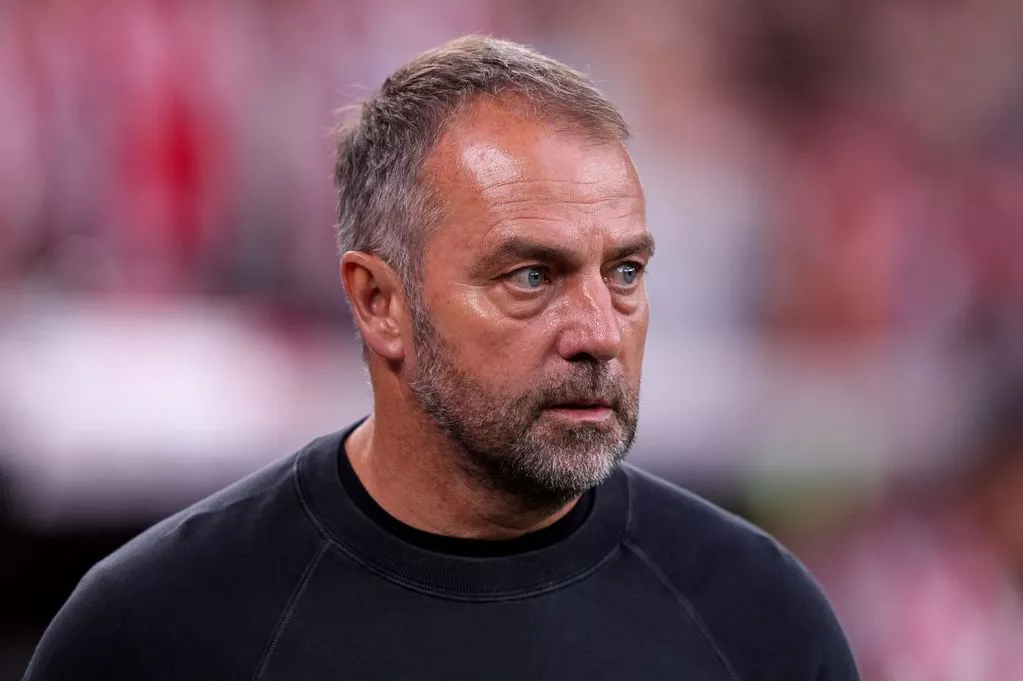
Barcelona boss Hansi Flick has strict rules in place at the Catalan club(Image: Juan Manuel Serrano Arce/Getty Images)
Marcus Rashford joined Barcelona on a season-long loan from Manchester United
Lamine Yamal came under scrutiny for his lavish 18th birthday party earlier this month(Image: Lorena Sopena/Europa Press via Getty Images)

Tensions Reach Boiling Point: Tshisekedi Trapped in Fear as Congo Officers and Civilians Banned from Leaving Amid Coup Rumors

0

The political crisis in the Democratic Republic of Congo (DRC) is growing fast. Tensions have reached a new level after President Félix Tshisekedi became suspicious of a possible coup attempt from within his own military. 

Reports from inside the country say that many senior officers in the army and police are now banned from leaving the country. This decision came directly from the top, after intelligence services allegedly told the president that a group of soldiers may be planning to remove him from power. 

Sources also say that even some civilians and government officials living in the capital city, Kinshasa, are not allowed to leave the city anymore. The government seems to fear that anyone leaving could be heading to join opposition movements, or even worse, to prepare a rebellion. 

The situation has left many wondering: is President Tshisekedi in full control of his government and military? Or is his regime slowly falling apart from the inside? 

It is being whispered in military circles that several officers currently in Congo are thinking about joining the AFC/M23 rebel coalition. These are the same rebels who recently took control of large parts of eastern Congo and have been in peace negotiations with the government in Doha, Qatar. 

AFC/M23 has gained strong influence on the ground and now claims they have the power to decide how state authority should be restored in eastern Congo. They believe the current government in Kinshasa is illegitimate and incapable of bringing peace. 

Some insiders say these military officers no longer believe in Tshisekedi’s leadership. They see the M23 as a more serious and powerful actor with a clear vision and real control. This has made the situation in Kinshasa even more fragile. 

The big question now is: will these discontented officers take action? Will they actually join M23 and try to remove Tshisekedi? Or will they remain silent out of fear of arrest? 

For now, no one knows. But the atmosphere in Kinshasa is full of tension, suspicion, and fear. People close to the government say trust between leaders and soldiers is breaking down quickly. 

These developments come just days after AFC/M23 leaders accused the government of continuing attacks in the east even while peace talks were underway. The rebels say they cannot trust a government that talks peace but acts like it’s at war. 

A few weeks ago, during peace talks in Doha, it was reported that Kinshasa officials begged M23 to at least let them keep control of a small area like Lubero or even a forest. One official allegedly pleaded, “Please, have pity on us.” 

This showed just how weak the Kinshasa regime has become in the face of M23’s military strength. 

The idea that soldiers inside Congo would want to join M23 is shocking, but not impossible. The army has long been accused of corruption, poor leadership, and low morale. Many soldiers are tired of fighting endless wars without seeing results. 

If senior officers begin to defect to M23, the whole balance of power in Congo could change. It would no longer be just a rebel group versus the government. It would become a full-on internal power struggle. 

Analysts say Tshisekedi’s decision to ban officers from traveling is a sign of deep fear. He is not just worried about external enemies, but about betrayal from within his own forces. 

There are also concerns that Tshisekedi’s leadership style has alienated key parts of the country, including communities that feel ignored, such as the Kinyarwanda-speaking Congolese. These groups have often supported M23’s demands for justice and inclusion. 

In addition, regional dynamics are playing a big role. Rwanda has been accused of supporting M23, and the DRC signed a peace agreement with Rwanda in Washington in June. But the Doha process between M23 and the DRC government seems disconnected from the Washington deal. 

Without coordination between these peace efforts, real peace becomes harder to achieve. 

People in eastern Congo, especially in places like Goma, Bukavu, and Uvira, continue to suffer. They are the ones paying the highest price while politicians and soldiers fight for power. 

A coup, if it were to happen, would throw the country into deeper chaos. But for many Congolese, the current situation already feels like a silent war. 

For now, all eyes are on the Congolese army. Will it stay loyal to Tshisekedi? Or will cracks begin to show? 

Only time will tell. But one thing is clear—Congo is standing on the edge of a dangerous turning point. 

“Please, Have Pity on Us” – DRC Begs AFC/M23 Amid Escalating Conflict and Collapsing Peace Talks

0

A new conflict is growing in the eastern part of the Democratic Republic of Congo (DRC), as the rebel coalition AFC/M23 says the Kinshasa government is no longer fit to restore peace and lead the country. According to the group, only a new government, made up of different political leaders, can bring real change after the root causes of the war are solved. 

The statement comes after a tense meeting in Doha, Qatar, where peace talks between the government and the AFC/M23 group were held. During the discussions, DRC government officials reportedly begged AFC/M23 to let them keep at least a small piece of land. One official was quoted as saying, “Please, have pity on us,” while asking for control of Lubero or even a forested area. 

The AFC/M23 says it now has the final say over who controls the eastern region of Congo. With strong military power and control over major cities like Goma and Bukavu, the group believes the current government has lost its authority and credibility. 

Tensions have grown after AFC/M23 accused the Kinshasa government of increasing attacks on civilian areas, even while the peace talks were still ongoing. The group’s spokesperson, Lawrence Kanyuka, said that while international leaders were busy discussing peace principles, the Congolese army was attacking villages. 

“These offensives are happening in places where many people live,” Kanyuka said. He also pointed out attacks in the Uvira Highlands, especially in Banyamulenge villages like Rurambo, saying the government forces were joined by militias and even the Burundi Defence Force. 

Many civilians have reportedly died, and the humanitarian crisis is getting worse. The fighting has caused thousands to flee their homes in fear, creating more suffering in a region already hurt by years of violence. 

On July 17, AFC/M23 warned that Kinshasa was not serious about peace. Just two days before, they had accused government forces of killing four of their members during what should have been a ceasefire period. 

In a video message, Kanyuka said the movement would continue defending civilians and would not be intimidated by “a bloodthirsty regime” that, in his words, only cares about itself. 

Meanwhile, Benjamin Mbonimpa, the head of the AFC/M23 delegation at the peace talks, spoke about the challenges they faced in Doha. He said that every time they came to Qatar, they expected to sign a ceasefire agreement. But each time, the DRC government refused. 

Mbonimpa also said that the DRC kept blaming Rwanda for the war, even though the AFC/M23 is focused only on problems inside Congo. “We want to talk with the Congolese government. We believe peace can come through honest dialogue,” he explained. 

However, at the same time that peace talks were happening, Mbonimpa said the government was preparing for war. He claimed that foreign mercenaries, including Colombians and Americans, were in Kisangani to help launch new attacks. 

He also accused the Congolese government of giving weapons, including drones, to local militias such as Mai-Mai and Wazalendo, to retake areas controlled by M23. 

Adding to the tension, Mbonimpa said that the DRC delegation in Doha did not even have official documents showing they were sent by the government. “They didn’t bring any appointment letters or proof. We were negotiating with people who weren’t even official representatives,” he said. 

This lack of seriousness, according to AFC/M23, shows why the peace process is failing. The most important step should have been signing a ceasefire. But the government refused, even while accusing M23 of being the ones who rejected peace. 

In fact, M23 says they have already declared ceasefires five times since 2022, unilaterally, meaning without any agreement from the other side. But the DRC government, they say, has never done the same. 

In July 2025, both sides signed a Declaration of Principles in Doha, promising to reach a peace deal by August 18. While this gave some people hope, others say the timeline is unrealistic. 

Experts warn that rushing to finish peace talks in just ten days is not wise. The war in eastern Congo is not only about fighting, it’s about years of injustice, the exclusion of certain communities, and deep divisions between ethnic groups. 

The M23 group is mostly made up of Congolese people who speak Kinyarwanda. They say they have been treated unfairly, denied citizenship, and excluded from government jobs. These are not problems that can be fixed in one meeting. 

The group also says that their control of key cities like Goma and Bukavu must be recognized as part of the negotiation. Asking them to put down their weapons without real political change is dangerous, they argue. 

The situation is made even more complicated by international politics. In June 2025, the DRC and Rwanda signed a peace deal in Washington. But the Doha talks are moving separately from that deal, and many worry the two processes are not coordinated. 

The United States, which hosted the Washington agreement, is being urged to step in and make sure both peace efforts support each other. Without coordination, peace agreements could become meaningless. 

Finally, for peace to be real, AFC/M23 says it must include justice. Not just prisoner swaps or rebuilding roads, but allowing their people to return home safely, take part in politics, and enjoy equal rights. 

Without these changes, they say, any peace deal will only be temporary. It will be a pause before the next round of war. 

The people of eastern Congo deserve more than that. They deserve peace with dignity, not just silence between gunshots.