Home Blog Page 12

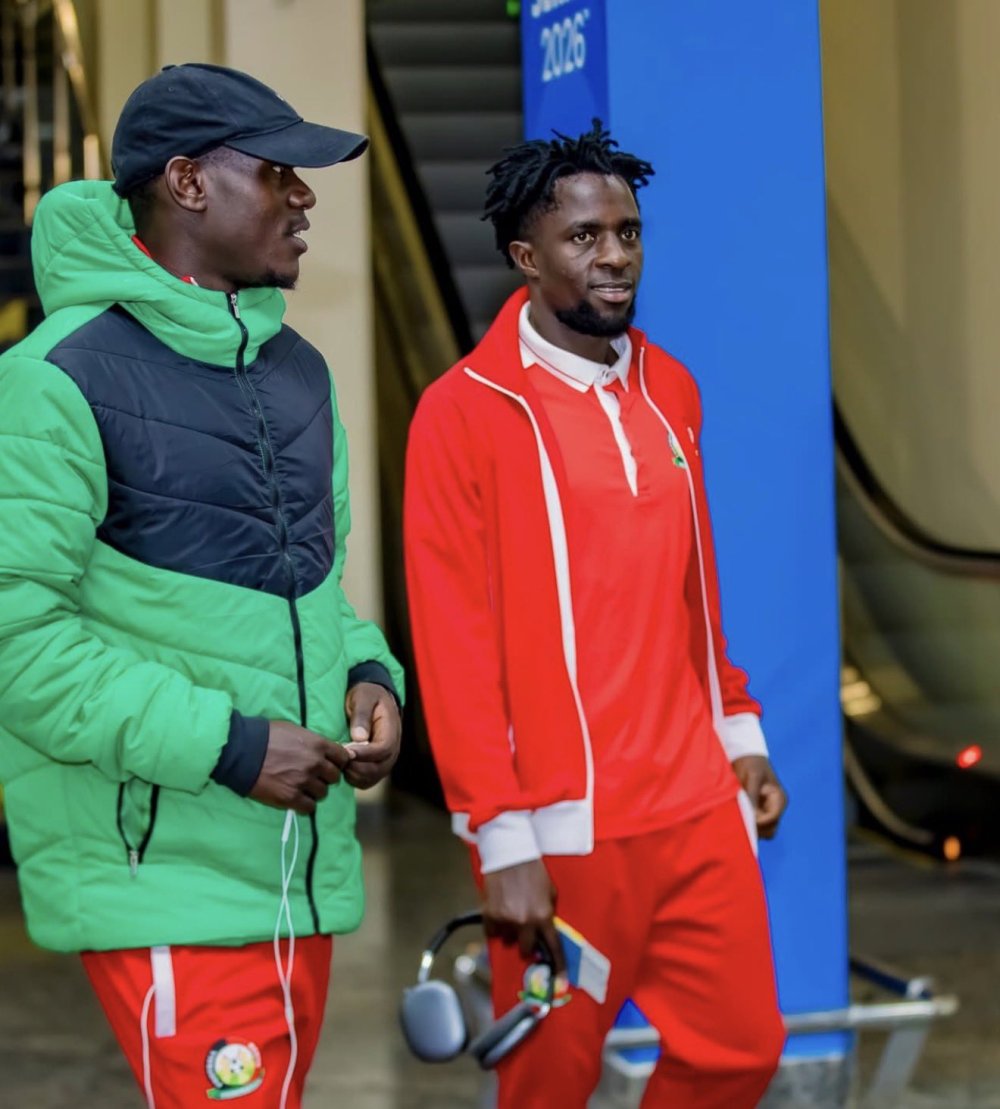
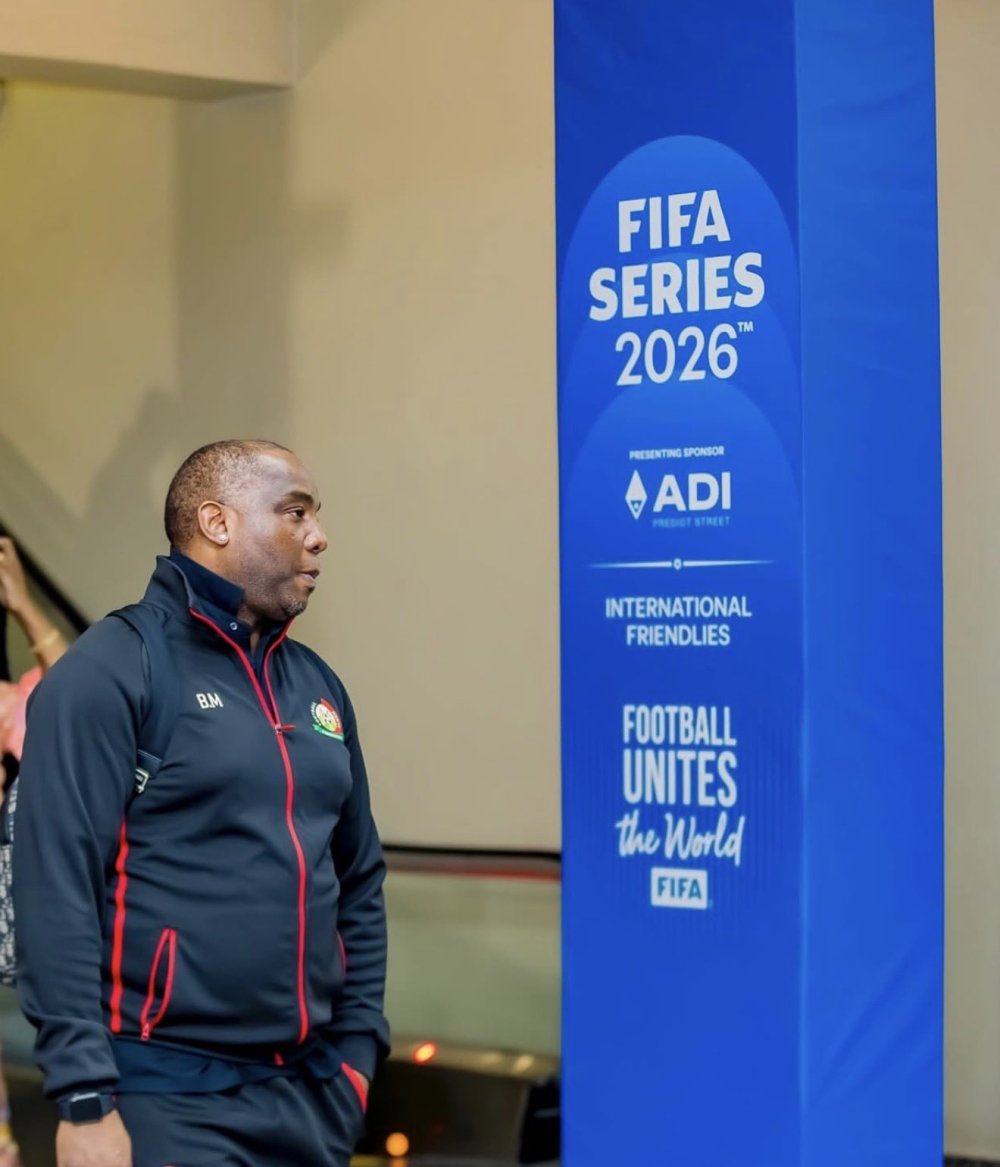
Kenya national team arrives in Kigali for FIFA Series 2026, coach McCarthy promises improvement

0

The Kenya national football team, Harambee Stars, has arrived in Kigali, Rwanda, to participate in the upcoming FIFA Series 2026 tournament. Head coach Benni McCarthy has reassured Kenyan fans that the mistakes seen in their previous heavy defeat will not be repeated.

The team, alongside its technical bench, landed in Kigali on Tuesday, March 24, 2026, ahead of the international friendly competition scheduled to take place from March 26 to March 30.

Prior to their departure, the squad held a training session on Monday evening, March 23, at Nyayo National Stadium in Nairobi. The preparations are expected to continue in Rwanda as the team fine-tunes its strategy for the tournament.

Speaking after the training session, McCarthy acknowledged the teamโ€™s recent struggles, particularly the 8-0 loss to Senegal in their last friendly match, but emphasized that the upcoming tournament presents a fresh opportunity.

โ€œWe all know how our last match went,โ€ he said. โ€œThis is an opportunity to do something positive for the Kenyan fans who support us. As you know, there are things we have been working on up to this point.โ€

The coach expressed confidence in the teamโ€™s progress, noting that despite recent setbacks, the overall direction remains promising.

โ€œWe have rebuilt as much as possible, and I believe the team is heading in the right direction. Todayโ€™s result does not define our future, and it should not discourage us,โ€ he added.

Kenya will also use the FIFA Series as part of its preparations for the 2027 Africa Cup of Nations (AFCON), which the country will co-host alongside Uganda and Tanzania.

The FIFA Series 2026, organized by FIFA, aims to provide international friendly matches for national teams that have limited opportunities to compete regularly.

Harambee Stars will face Estonia at Amahoro Stadium on Friday, March 27, before taking on either Rwanda or Grenada both in Group B on March 30.

Can Arsenal make history at Wembley? In-depth analysis of the EFL Cup final

0

London, United Kingdom ย ย all eyes will be on Wembley Stadium this Sunday as Arsenal take on Manchester City in the final of the EFL Cup Final, a clash that carries both immediate silverware stakes and broader implications for the balance of power in English football.

Arsenal arrive at this stage with a renewed sense of identity, shaped by a disciplined tactical structure and a squad blending youthful intensity with growing maturity. In recent seasons, the North London side has demonstrated the capacity to compete against top-tier opponents, yet questions remain about their ability to translate that progress into decisive victories on the biggest stage. The Wembley final presents not just an opportunity to lift a trophy, but a moment to validate a long-term project that has steadily rebuilt the clubโ€™s competitive edge.

Their path to success, however, is narrow and demands near-perfection. Arsenalโ€™s most credible route lies in disrupting Manchester Cityโ€™s rhythm, limiting their dominance in possession, and capitalizing on transitional moments. The pace and verticality in Arsenalโ€™s attacking play could prove decisive if executed with precision, particularly against a City side that occasionally leaves exploitable spaces when advancing aggressively. Efficiency in front of goal will be critical, as chances are expected to be limited.

Manchester City, by contrast, enter the final with the composure of a team accustomed to such occasions. Their tactical coherence, technical superiority, and experience in high-pressure matches give them a structural advantage. Cityโ€™s ability to control tempo and dictate phases of play often forces opponents into reactive positions, a dynamic Arsenal must resist if they are to remain competitive throughout the contest. At the same time, Cityโ€™s dominance is not without vulnerabilities, especially when confronted with rapid counter-attacks and well-organized defensive blocks.

The presence of referee Peter Bankers adds another layer of significance, as his firm approach to officiating could influence key moments in a tightly contested encounter. In matches of this magnitude, marginal decisions whether disciplinary or procedural can alter momentum and ultimately determine the outcome.

While Manchester City may hold a statistical and experiential edge, the margin between the two sides is not insurmountable. Arsenal possess the tactical tools and psychological motivation required to challenge effectively, but their success will depend on composure, discipline, and the ability to execute under pressure. In finals, superiority on paper often yields to performance on the day, and Arsenalโ€™s ambition will be to ensure that this occasion marks a turning point rather than a missed opportunity.

Can Arsenal make history at Wembley? In-depth analysis of the EFL Cup final

Rwanda strengthens unity in diaspora as High Commission engages religious leaders in Kenya

0

Nairobi- In a clear demonstration of Rwandaโ€™s commitment to strengthening unity and preserving identity among its citizens abroad, the High Commission of Rwanda in Kenya convened Rwandan religious leaders for a strategic engagement aimed at deepening collaboration and community cohesion.

The meeting, hosted by High Commissioner ย ย Ernest Rwamucyo, brought together faith leaders who play a pivotal role in guiding and influencing the Rwandan diaspora in Kenya. More than a ceremonial gathering, the session reflected a deliberate effort to align community leadership with national values and long-term development goals.

At the heart of the discussions was the need to reinforce Rwandan cultural identity in the diaspora a responsibility the High Commissioner placed firmly in the hands of religious leaders. He called on them to remain steadfast in nurturing unity, discipline, and shared values among Rwandans under their leadership.

The engagement also served as a platform to bridge gaps between the community and diplomatic services. Religious leaders were introduced to the various services offered by the High Commission, while also voicing their expectations on how the institution can better respond to the evolving needs of Rwandans living in Kenya.

In a strong message, Ambassador Rwamucyo urged the leaders not to remain passive observers but to actively contribute to national programmes, positioning themselves as key partners in Rwandaโ€™s ongoing transformation journey.

This initiative underscores a broader strategy: ensuring that wherever they are in the world, Rwandans remain connected to their roots, united in purpose, and actively engaged in building their nation.

As Rwanda continues to consolidate its global presence, such engagements highlight the governmentโ€™s recognition that diaspora communities ย ย and especially faith leaders ย ย are not just followers, but essential actors in safeguarding national identity and advancing collective progress.

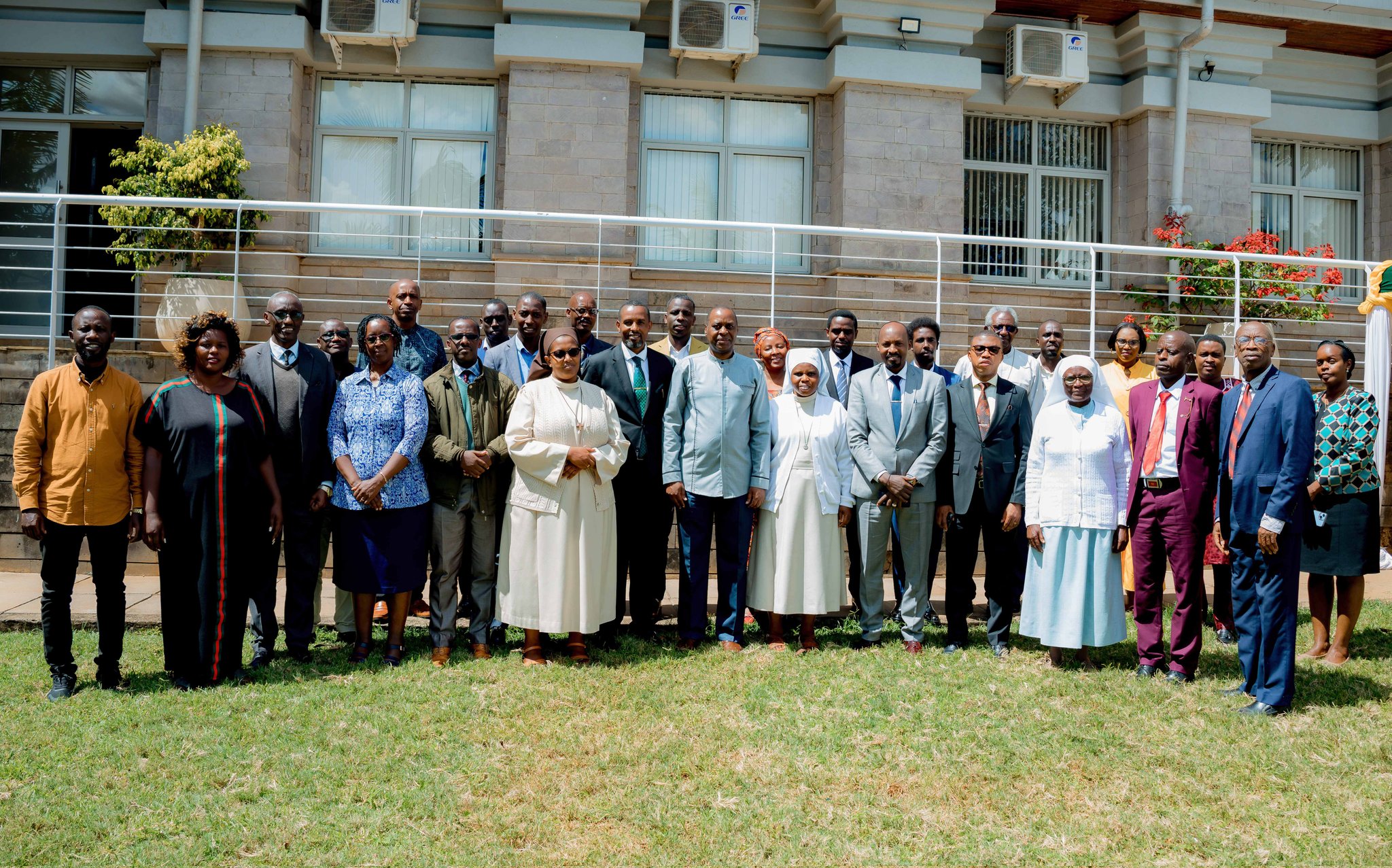
Rwandan High Commissioner to Kenya, Ernest Rwamucyo, poses for a group photo with Rwandan religious leaders following a strategic engagement at the High Commission in Nairobi, aimed at strengthening unity, cultural identity, and collaboration within the diaspora.

Linda Mwananchi platform nears 25,000 sign-ups in first week, signaling strong political traction

0

Nairobi Senator Edwin Sifuna has revealed that the Linda Mwananchi digital platform attracted nearly 25,000 registrations within its first week of launch, describing the figures as both impressive and politically significant.

In a statement shared online, Sifuna said the platform closed its first week with just under 25,000 members. He emphasized that such numbers should not be viewed in isolation, but rather within the context of Kenyaโ€™s electoral dynamics, where voter mobilization and turnout often determine electoral success.

Drawing from the 2022 election data, the senator argued that a support base of this size already reflects meaningful political strength. According to him, approximately 25,000 votes can secure a Member of County Assembly (MCA) seat in most wards, a parliamentary seat in some constituencies, and even a senatorial position in counties such as Lamu and Isiolo.

Sifuna disclosed that 24,619 people had registered on the platform so far, underscoring the growing momentum behind the initiative.

His remarks come as the Linda Mwananchi campaign prepares to resume its nationwide mobilization efforts following a brief pause. The senator announced a series of public engagements set to begin in Narok on Sunday, March 22, before moving to Nairobi on Friday, March 27, and later to Mombasa on Sunday, March 29.

According to the Programme, the Narok visit will run from 10 a.m. to 1 p.m., starting with a church service at Covenant Church International (CCI) in Ntulele, followed by a public rally in Narok town from 2 p.m. to 5 p.m.

Sifuna signaled a renewed push for both grassroots and digital engagement, stating that the campaign is returning โ€œon the road, online, and everywhere.โ€ He urged supporters particularly those in Narok to register through the official platform in order to be formally counted as part of the movement.

The relaunch comes shortly after the introduction of a digital fundraising and mobilization system that allows supporters to contribute as little as KSh10 while signing up for campaign activities.

Earlier, Sifuna had praised the platformโ€™s strong debut, noting that thousands of users signed up shortly after it went live an indication of widespread interest across the country.

However, he acknowledged that the launch was not without challenges. The website experienced technical disruptions, including what he described as coordinated malicious attacks aimed at interfering with its operations.

He added that the platform was temporarily taken offline to resolve the issues and incorporate user feedback, with the aim of improving its performance, security, and overall user experience before scaling further.

Iran-Israel war sparks fuel shortage fears in Kenya as global oil supply tightens

0

The escalating conflict between Iran and Israel, with the involvement of the United States, is beginning to send shockwaves through global energy markets. Countries heavily reliant on imported petroleum products, including Kenya, are now feeling the pressure as supply chains face uncertainty.

Fuel importers in Kenya have raised concerns over dwindling petroleum stocks, warning that delays in shipments could significantly disrupt the countryโ€™s energy stability. The conflict in the Middle East has heightened security risks along key maritime routes used for transporting crude oil and refined petroleum products, increasing the likelihood of shipment delays.

Martin Chomba, head of the Petroleum Outlets Association of Kenya, revealed that rural regions are already experiencing the harshest effects of the shortage. Several fuel stations in remote areas have reportedly shut down after running out of petrol and diesel.

He noted that major fuel importers have begun scaling down the volumes they bring into the country, while small-scale distributors in rural areas are struggling to maintain supply. As a result, some fuel stations have suspended operations entirely.

The decline in fuel availability threatens to trigger broader economic consequences. Kenyaโ€™s transport sector, which depends heavily on petroleum products, may face rising operational costs. This could lead to increased fares, higher food prices, and a general rise in the cost of living as businesses pass on the additional expenses to consumers.

Economic analysts warn that even minor delays in oil shipments due to instability in the conflict zone could push Kenya into a period of economic strain. For a country already navigating inflationary pressures, a sustained fuel shortage would place additional burden on households and businesses alike.

In some parts of the country, reports indicate that fuel stations have begun rationing supplies to manage limited stocks. This move aims to prevent panic buying but has also fueled public anxiety over the reliability of fuel availability in the coming weeks.

As tensions between Iran and Israel continue to unfold, Kenya is closely monitoring the situation while exploring measures to cushion its economy from external shocks. However, experts emphasize that long-term resilience will require strategic diversification of energy sources and stronger contingency planning to reduce dependence on volatile global oil markets.

Kenya and Rwanda strengthen cooperation to combat human trafficking

0

Senior immigration officials from Kenya and Rwanda have agreed on a series of joint measures aimed at intensifying the fight against human trafficking, following high-level talks held in Nairobi.

Lynder Nkuranga, Rwandaโ€™s Commissioner General of Immigration and Emigration, who is currently on an official visit to Kenya, met with her Kenyan counterpart, Evelyn Cheluget, to discuss deeper collaboration between the two agencies.

In a statement shared on social media, Kenyaโ€™s immigration department said the discussions focused on key areas including border security and management, capacity building, and the use of technology to enhance operational efficiency.

The two leaders also reached a consensus on strengthening intelligence sharing mechanisms, a move seen as critical in dismantling transnational trafficking networks.

Kenya, which serves as a major regional and international travel hub, is often considered a transit point used by human traffickers to move victims to destinations across the globe. This makes bilateral and regional cooperation increasingly essential.

Although Kenya and Rwanda do not share a common border, both countries are members of the East African Community, a regional bloc that facilitates free movement and economic integration.

In recent years, movement between the two nations has significantly increased, both through air travel and overland routes. The number of Rwandan nationals residing in Kenya has also grown steadily.

During Rwandaโ€™s most recent elections, more than 4,000 Rwandans living in Kenya registered to vote, although the total number of Rwandans residing in the country is believed to be much higher.

The renewed cooperation signals a strategic shift toward regional coordination in addressing human trafficking, a challenge that continues to evolve alongside increased mobility across East Africa.

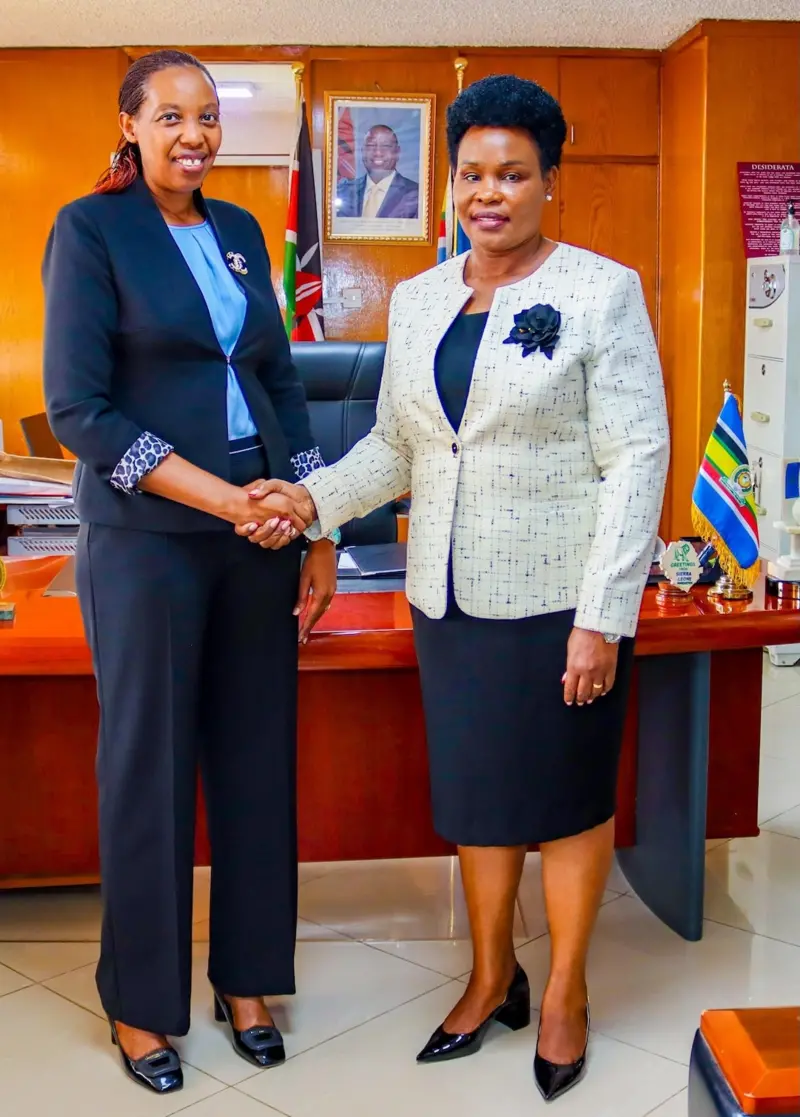
Lynder Nkuranga (left) and Evelyn Cheluget

Kenya politics heats up: Gachagua claims he pushed Ruto into โ€˜losing presidential composureโ€™ amid escalating war of words ahead of 2027 elections

0

Former Deputy President Rigathi Gachagua has publicly claimed responsibility for provoking President William Ruto into what he describes as a loss of presidential composure, intensifying an already heated political standoff.

Speaking during a public engagement in Mau Narok, Nakuru County, on Tuesday, March 17, 2026, the Democracy for the Citizens party leader framed the ongoing verbal clashes as a calculated political strategy aimed at exposing what he termed the Presidentโ€™s โ€œtrue character.โ€

Addressing residents in Njoro Constituency, Gachagua used sharp and provocative language, likening President Rutoโ€™s recent tone to that of a โ€œcornered rat.โ€ He asserted that sustained criticism from his camp had pushed the Head of State away from measured leadership communication into reactive and emotionally charged rhetoric.

โ€œI have pressed him until he is crying like a rat,โ€ Gachagua declared, arguing that his objective was to strip the presidency of what he described as a carefully maintained public image. According to him, the Presidentโ€™s increasing engagement in personal attacks signals a shift from institutional leadership to confrontational politics.

Gachagua further accused the President of abandoning policy-driven discourse in favor of what he described as โ€œblogger-levelโ€ communication. He pointed to recent remarks targeting the private lives of opposition figures as evidence of a broader decline in political standards.

โ€œHe is no longer presidential,โ€ Gachagua said, adding that the Head of State had descended into โ€œpropaganda and fitina,โ€ a Swahili term denoting discord and divisive rhetoric.

The remarks come in direct response to President Rutoโ€™s own fiery address earlier the same day in Cheptais, Mt. Elgon, where he launched an unusually personal attack on opposition leaders. In his speech, the President mocked their physical fitness and lifestyles, urging some to โ€œgo to the gymโ€ while accusing others of indulging in comfort rather than engaging in national development.

In a particularly pointed jab, Ruto singled out one opposition figureโ€”without naming himโ€”suggesting he relied on inherited wealth and should instead focus on building a home and family responsibilities rather than criticizing the government.

The escalating exchange underscores a noticeable shift in Kenyaโ€™s political discourse, as the country inches closer to the 2027 general elections. Both camps appear to be moving away from policy-centered debate toward highly personalized confrontations, signaling a more aggressive and polarized campaign environment ahead.

Senegal demands international probe after CAF awards AFCON 2025 title to Morocco in controversial ruling

0

Dakar ย ย Senegal has escalated its response to one of the most controversial decisions in recent African football history, calling for an independent international investigation into alleged corruption within the Confederation of African Football (CAF).

The demand follows CAFโ€™s decision to strip Senegal of the 2025 Africa Cup of Nations (AFCON) title and award it to Morocco, overturning the result of a dramatic final played in January.

Senegal had initially secured a 1โ€“0 victory over Morocco, with Pape Gueye scoring the decisive goal in extra time. However, the match was overshadowed by a tense moment late in regulation time, when Senegalese players walked off the pitch in protest after a stoppage-time penalty was awarded to host nation Morocco.

Play was suspended for 17 minutes before the players returned. The penalty, taken by Brahim Dรญaz using a Panenka attempt, was saved. Senegal went on to win the match, seemingly sealing the continental title.

But in a stunning reversal, CAF later ruled in favor of Morocco following an appeal by the Royal Moroccan Football Federation (FRMF). The governing body declared that Senegal had forfeited the match due to the walk-off, officially recording a 3โ€“0 victory for Morocco.

In a strongly worded statement, the Senegalese government condemned the decision as โ€œunprecedented and excessively severe,โ€ arguing that it was based on a โ€œmanifestly flawed interpretationโ€ of CAF regulations. Authorities in Dakar described the ruling as โ€œgrossly unlawful and deeply unjust,โ€ rejecting what they called an attempt to illegitimately strip the nation of its title.

โ€œThe Government of Senegal firmly rejects this unfounded decision,โ€ the statement said, while urging the international community to support efforts for transparency and accountability in African football governance.

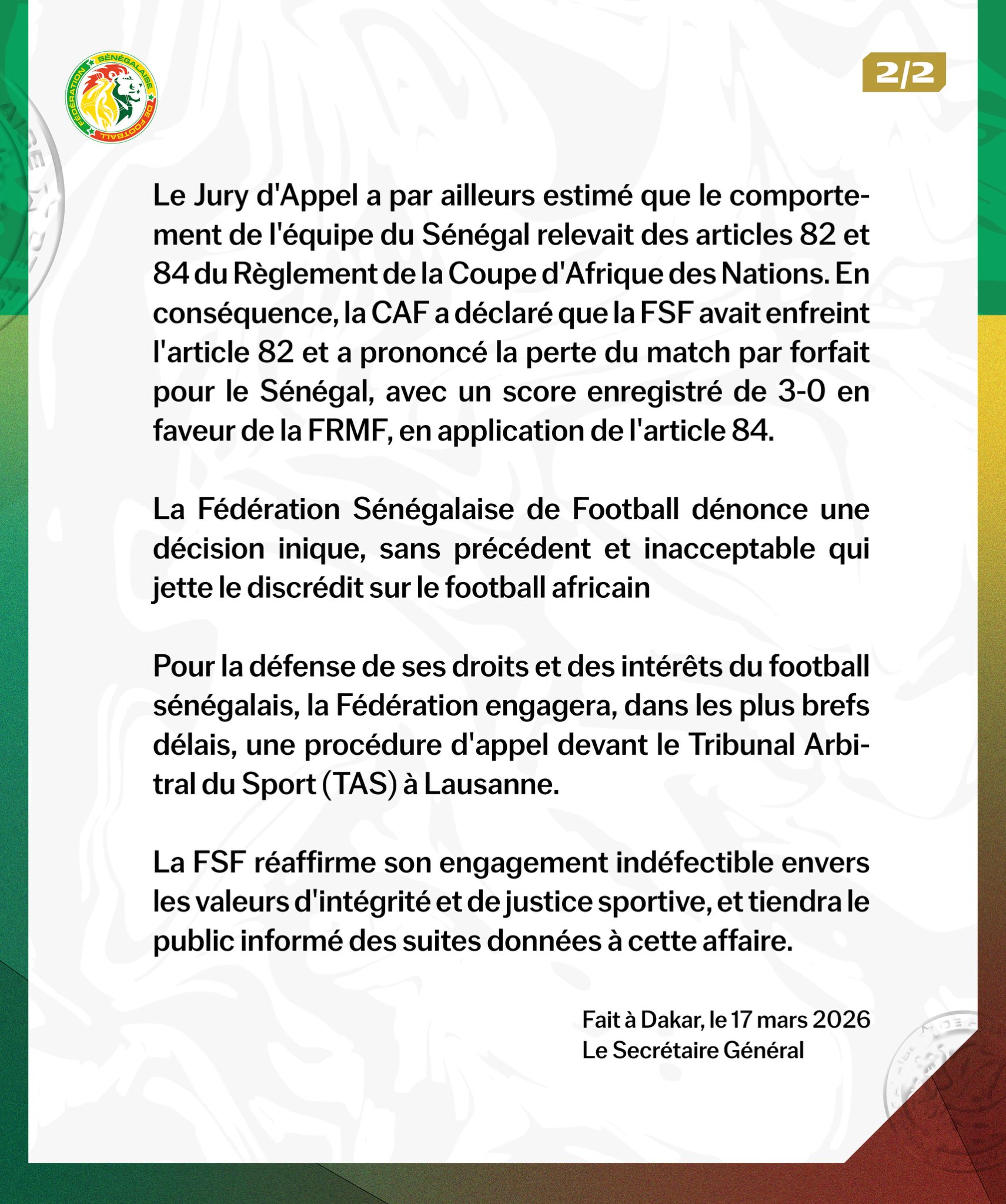
The Senegalese Football Federation (FSF) has confirmed it will file an appeal at the Court of Arbitration for Sport (CAS) in Lausanne, Switzerland, signaling the beginning of a high-stakes legal battle that could reshape the outcome of the tournament.

On the other side, Moroccoโ€™s football federation welcomed CAFโ€™s decision, stating that it upholds the rules governing international competitions and strengthens discipline within African football.

CAF President Patrice Motsepe acknowledged that the events surrounding the final had raised concerns about governance and credibility. He stressed the importance of respecting decisions taken by CAFโ€™s disciplinary and appeals bodies, emphasizing integrity as a core principle of the organization.

โ€œNo country in Africa will be treated preferentially or unfairly,โ€ Motsepe said.

The case now moves toward international arbitration, where the Court of Arbitration for Sport will determine whether CAFโ€™s decision stands or is overturned an outcome that could have lasting implications for the credibility of African football and the integrity of its flagship competition.

Breaking: Senegal rejects CAF decision awarding AFCON 2025 title to Morocco, moves to CAS

0

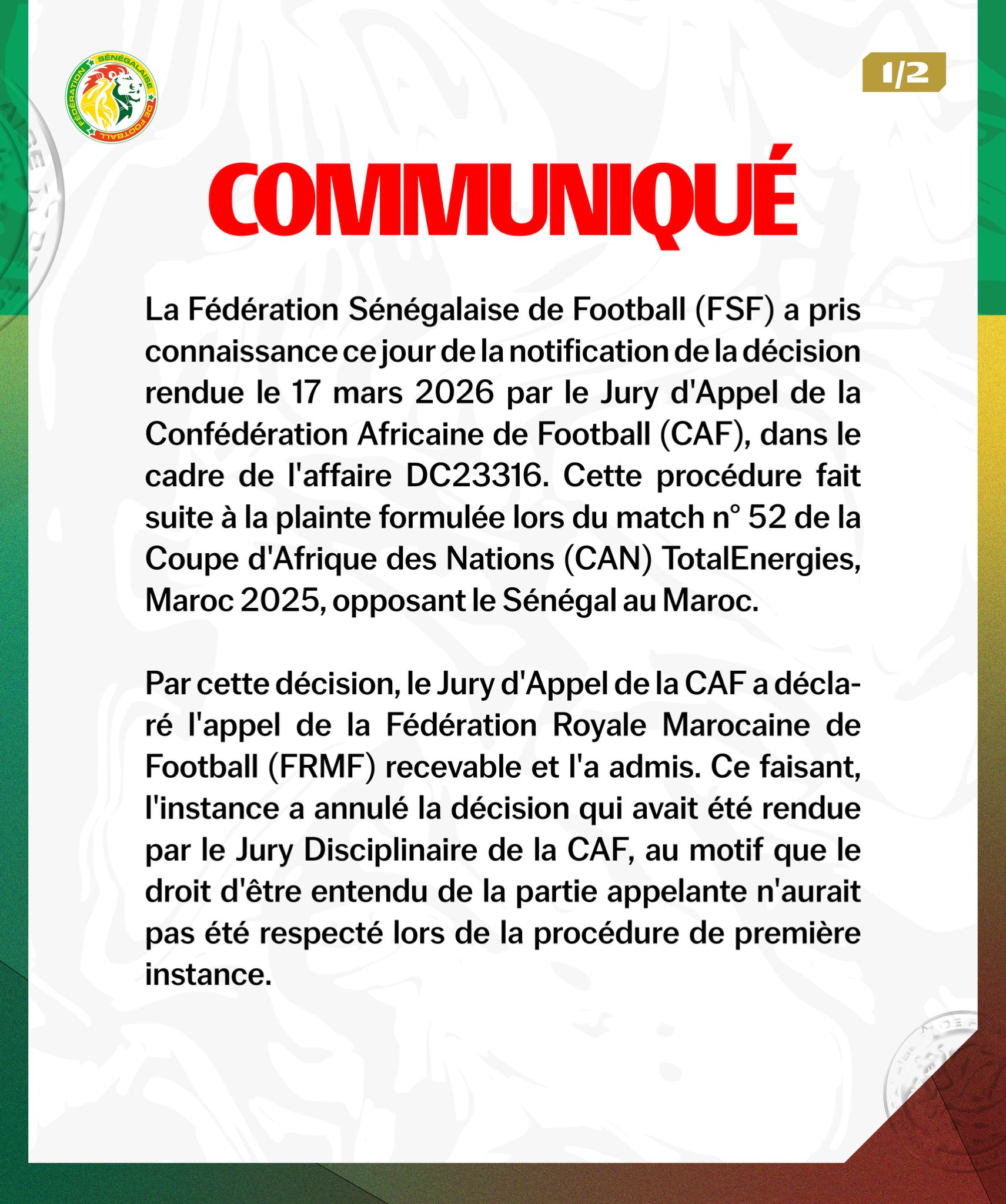
Dakar โ€” Senegalโ€™s Football Federation (FSF) has firmly rejected the Confederation of African Football (CAF)โ€™s decision to award the 2025 Africa Cup of Nations (AFCON) title to Morocco, describing the ruling as unjust and damaging to the integrity of African football.

The decision, delivered by CAFโ€™s Appeals Jury on March 17, 2026, declared Senegal to have forfeited the final match and awarded Morocco a 3-0 victory. This effectively hands the AFCON 2025 title to the North African side, following a controversial sequence of events during the final.

According to CAF, Senegal breached Articles 82 and 84 of the tournament regulations, which govern team conduct and disciplinary sanctions. The ruling stems from an incident in which Senegal players reportedly refused to continue the match after a disputed refereeing decision, prompting Morocco to file an appeal.

The Appeals Jury upheld Moroccoโ€™s case and overturned an earlier decision by CAFโ€™s disciplinary body, citing procedural shortcomings, including the failure to respect the appellantโ€™s right to be heard. This reversal paved the way for the final verdict that is now being contested by Senegal.

In an official statement, FSF strongly criticized the outcome, calling it โ€œunjust, unprecedented and unacceptable,โ€ and warned that such a decision undermines confidence in the governance of football on the continent. The federation maintains that the ruling not only affects Senegal but also sets a troubling precedent for future competitions.

Senegal has confirmed that it will challenge the decision before the Court of Arbitration for Sport (CAS) in Lausanne, signaling the beginning of a potentially decisive legal battle. The move reflects the federationโ€™s determination to defend what it describes as its legitimate rights and the interests of Senegalese football.

The case is already generating widespread debate across Africa and beyond, with analysts raising concerns over consistency in disciplinary processes, transparency in decision-making, and the broader credibility of CAF competitions. The outcome of the CAS proceedings could prove pivotal, with the potential to either uphold or overturn one of the most controversial decisions in recent AFCON history.

Until a final verdict is reached, the status of the 2025 AFCON title remains at the center of an escalating dispute that is likely to have lasting implications for African football governance.

AFCON 2025: CAF awards Morocco title after overturning Senegalโ€™s controversial final victory

0

Morocco have been officially crowned winners of the 2025 Africa Cup of Nations (AFCON) after the Confederation of African Football (CAF) overturned the result of the final, citing a regulatory breach by Senegal following a dramatic walk-off during the match.

Senegal had initially secured a 1-0 victory in the final played on January 18, in a tense encounter overshadowed by controversy. With the match goalless deep into stoppage time, the referee awarded Morocco a penalty after a VAR review. The decision triggered protests from Senegalโ€™s players and technical staff, who briefly left the pitch in protest.

After a delay of approximately 17 minutes, Senegalโ€™s players returned to the field. Moroccoโ€™s Brahim Diaz saw his penalty saved, before Senegalโ€™s Pape Gueye scored what appeared to be the decisive goal in extra time, sealing what was believed to be a second AFCON title in five years.

However, CAFโ€™s Appeals Board has now nullified that result.

In an official statement, CAF declared that Senegal had forfeited the final, with the match recorded as a 3-0 victory in favour of Morocco. The decision followed an appeal lodged by the Royal Moroccan Football Federation (FRMF), which CAF deemed admissible and subsequently upheld.

CAF ruled that Senegalโ€™s conduct violated Article 82 of the AFCON regulations, which states that any team refusing to continue a match or leaving the field without the refereeโ€™s authorization is considered to have lost. Article 84 further stipulates that such violations result in automatic forfeiture, with a 3-0 loss applied.

The FRMF welcomed the ruling, emphasizing that its appeal was not intended to undermine Senegalโ€™s sporting performance but rather to ensure strict adherence to competition rules.

โ€œThe federation reaffirms its commitment to respecting the regulations, ensuring clarity in the competitive framework, and maintaining stability within African competitions,โ€ the Moroccan body said, while also praising all participating nations for contributing to a memorable tournament.

As of now, the Senegalese Football Federation has not issued an official response. However, Senegalโ€™s national team shared a video on social media showing players celebrating their initial triumph during a victory parade, accompanied by a symbolic โ€œOKโ€ emoji an apparent indication of defiance amid the controversy.

Football analyst Maher Mezahi noted that while the legal outcome has changed, the emotional reality of the match remains intact.

โ€œWe cannot erase what happened on the pitch,โ€ he said. โ€œSenegal lifted the trophy, celebrated with their fans, and lived that moment. That cannot simply disappear.โ€

The controversy stems from a highly charged sequence late in regulation time. Referee Jean-Jacques Ndala awarded Morocco a penalty in the eighth minute of added time following a VAR review of a challenge by Senegal defender El Hadji Malick Diouf on Diaz.

The decision came shortly after a Senegal goal by Ismaila Sarr had been disallowed, further inflaming tensions. Senegal coach Pape Thiaw, visibly frustrated, instructed his players to leave the pitch in protest.

Despite efforts by senior players, including Sadio Manรฉ, to convince teammates to continue, the team temporarily abandoned the match before eventually returning.

Diazโ€™s penalty attempt was saved by goalkeeper Edouard Mendy, and the referee immediately signaled full-time. Senegal then went on to score in extra time, initially securing victory.

In the aftermath, Morocco coach Walid Regragui described Senegalโ€™s actions as โ€œshameful,โ€ while FIFA president Gianni Infantino condemned the scenes as โ€œugly.โ€

Thiaw later acknowledged his mistake, admitting he acted โ€œin the heat of the moment,โ€ although his immediate post-match press conference had been cancelled following chaotic scenes in the media area.

The situation has since taken another turn, with Morocco parting ways with Regragui on March 5 just months before the upcoming World Cup.

With CAFโ€™s Appeals Board representing the final internal avenue for dispute resolution, attention now shifts to whether Senegal will escalate the matter to the Court of Arbitration for Sport (CAS).

If they do, the 2025 AFCON final could evolve into one of the most significant legal battles in African football history further blurring the line between results decided on the pitch and those determined in the courtroom.