Manchester City’s shocking 4-3 defeat to Al-Hilal in the FIFA Club World Cup may have stunned fans worldwide, but one unexpected moment stole the spotlight, a cheeky post-match transfer plea from Erling Haaland.
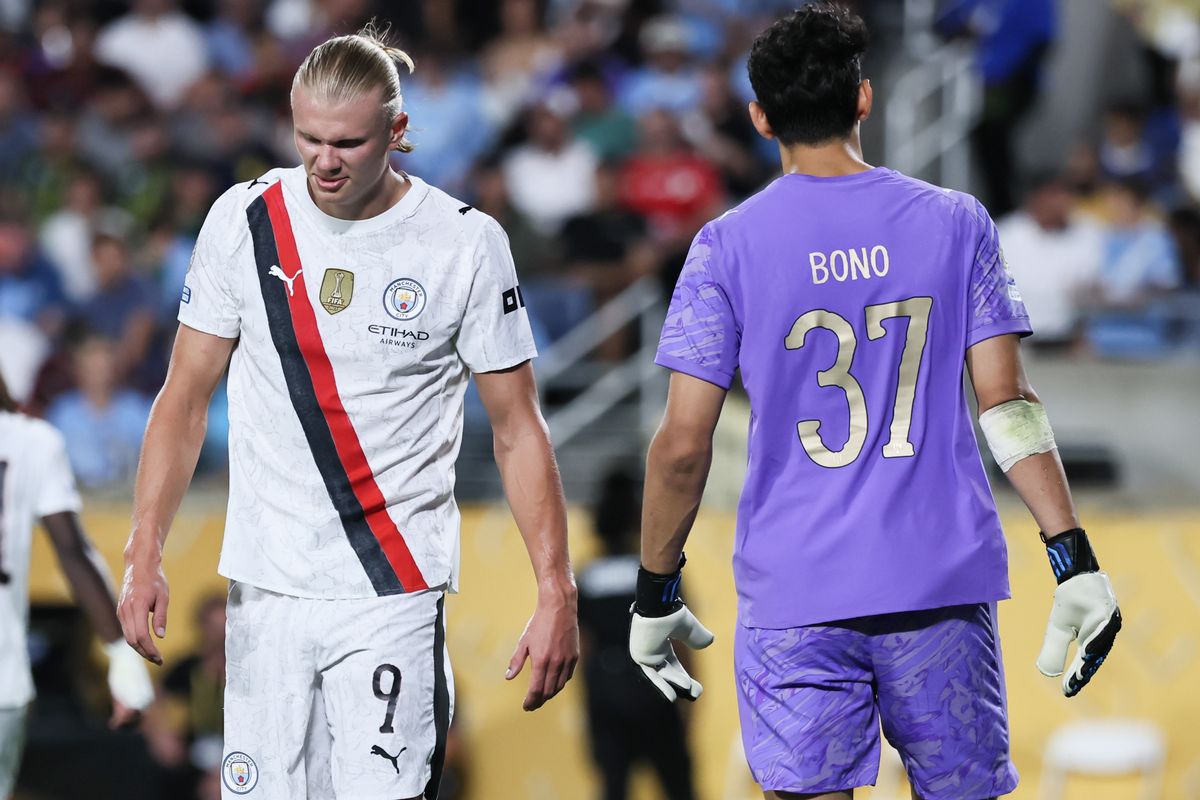
Following the dramatic extra-time loss, Haaland was spotted in a light-hearted exchange with Al-Hilal’s standout goalkeeper, Yassine Bounou. Cameras captured the Manchester City striker seemingly urging Bounou to “come and join us” in a playful gesture, moments after the final whistle.
Despite City’s early exit from the tournament, Haaland managed to find a moment of humor. Bounou, 34, had just delivered a heroic performance, making save after save to deny City and help the Saudi Pro League side complete one of the competition’s biggest upsets.
While the Norwegian forward’s comment appeared to be tongue-in-cheek, it added fuel to growing speculation about Manchester City’s goalkeeper situation.
City’s No.1, Ederson, had a forgettable evening and has been the subject of persistent transfer rumors linking him to the Saudi Pro League. With only one year left on his contract at the Etihad, whispers of a summer exit have refused to die down.
Just last week, however, the Brazilian attempted to shut down the speculation:
“My future is here,” Ederson said. “My head is with City. It gives me everything to go back to the Premier League again and try to win the Champions League as well.”
Still, in football, things change fast. And with performances like Bounou’s, combined with Haaland’s “recruiting” skills, fans can’t help but wonder.
The Premier League champions won’t play again until the new domestic season kicks off on Saturday, August 16, when they face Wolves away. That gives Guardiola and his coaching staff time to regroup and possibly rethink the goalkeeper department.
Haaland and City were dumped out of the tournament in a shock result (Image: Qian Jun/Sports Press Photo)Erling Haaland and Yassine Bounou shared a moment after Al-Hilal’s win over Manchester City
Manchester City’s Club World Cup campaign ended in shocking fashion as they were dumped out by Al-Hilal in a stunning 4-3 extra-time thriller, and Pep Guardiola isn’t hiding his frustration.
Despite dominating the first half and producing a fluid attacking performance, City were undone by two quickfire goals in the second period and failed to recover, crashing out in what many fans are calling a humiliating early exit. It was a sudden twist in fortunes for the reigning Premier League champions, especially after their emphatic 5-2 win over Juventus, which Guardiola had called “our best performance in a long time.”
But what came after the defeat was even more telling.
Speaking after the shock loss, Guardiola hinted that the squad overhaul isn’t over, and in fact, could just be getting started.
“We have a big squad and we’ll see what happens,” Pep told DAZN. “I’m disappointed for many players that we would have loved to have let them play but it was not possible.”
That comment, subtle as it sounds, sent shockwaves across the Manchester City camp and fanbase. With a 27-man traveling squad, Guardiola now admits the numbers are bloated and major cuts are coming before the Premier League season kicks off.
And with Kyle Walker, Kalvin Phillips, and Jack Grealish already missing the trip amid growing speculation about their futures, the writing is clearly on the wall: a squad shake-up is underway at the Etihad.
City’s early exit from the Club World Cup means they now have six weeks before their Premier League opener against Wolves, an unexpected stretch of downtime that could prove decisive for transfer activity. While that offers time to rest and reset, it also piles pressure on Guardiola to finalize squad decisions.
The City boss already brought in four new signings this summer, but it’s evident more changes are coming, especially exits. The squad must be trimmed, and with some players already eyeing the exit door, fans should brace for more surprises.
The defeat to Al-Hilal wasn’t just a rare misstep for a team used to winning, it was a loud wake-up call. Simone Inzaghi, now managing the Saudi side, got his revenge for the 2023 Champions League final loss, masterminding a performance that exposed City’s defensive lapses and raised questions about depth and focus.
Now, Guardiola finds himself balancing rest, recovery, and a ruthless reshaping of his squad. With the Premier League crown to defend and a bruised ego to mend, the next few weeks at the Etihad could define City’s 2025 season.
One thing is clear: After the Al-Hilal embarrassment, no one is safe, and Pep is ready to swing the axe. Stay tuned, because Manchester City’s transfer window drama is just heating up.
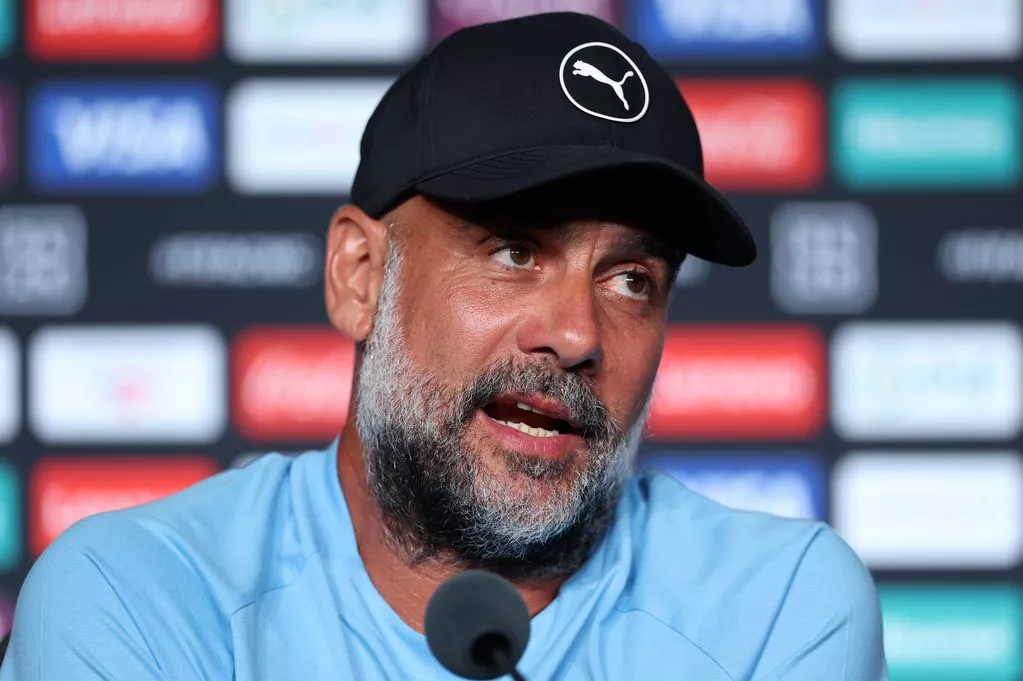
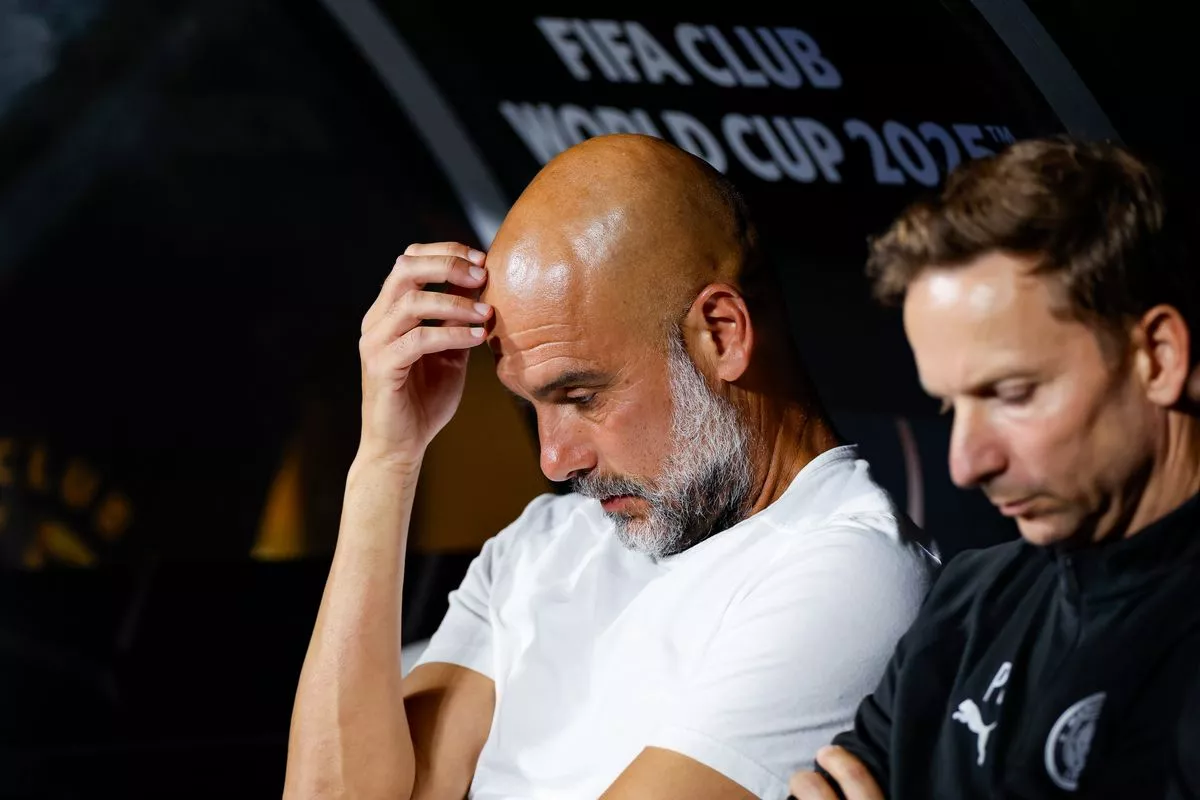
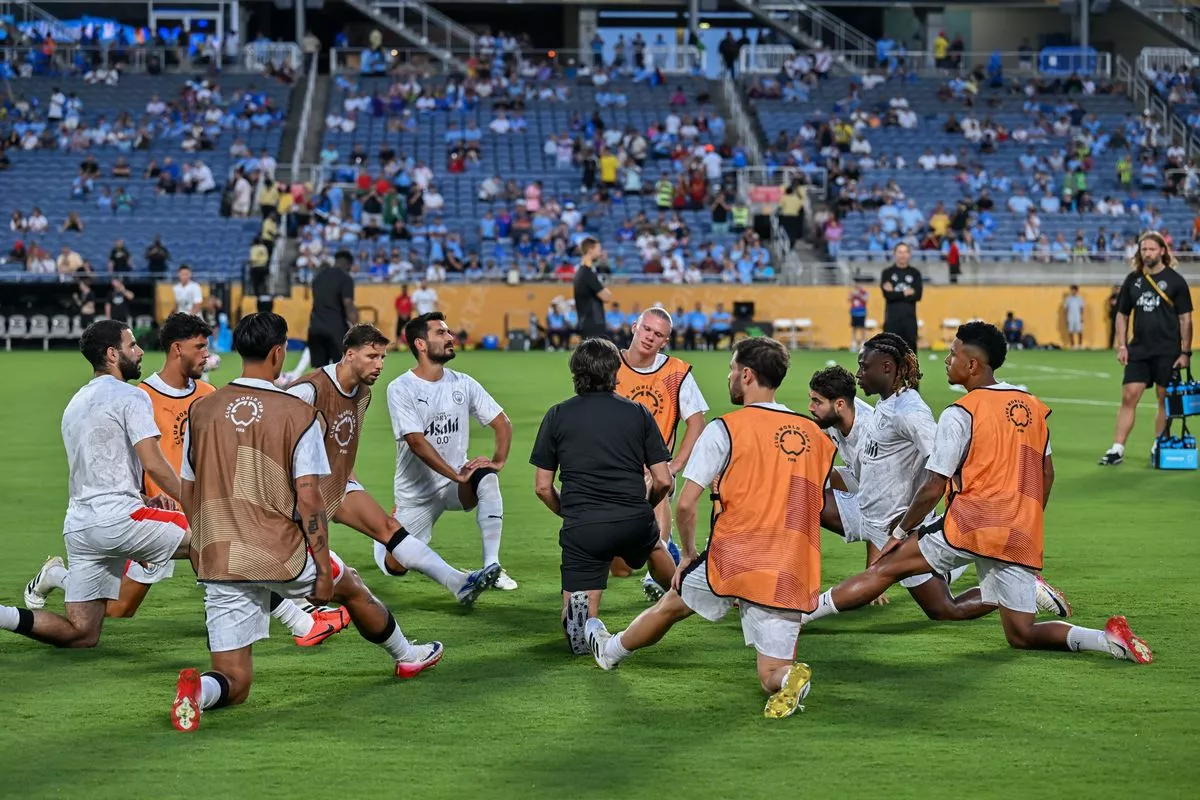
Pep Guardiola admits more Manchester City stars could be on their way out the door this summer (Image: Justin Setterfield – FIFA/FIFA via Getty Images)Pep Guardiola’s side were knocked out by Al-Hilal in extra time (Image: Martín Fonseca/Eurasia Sport Images/Getty Images)Guardiola admitted that his 27-man City squad was still too large for the Club World Cup (Image: Waleed Zein/Anadolu via Getty Images)
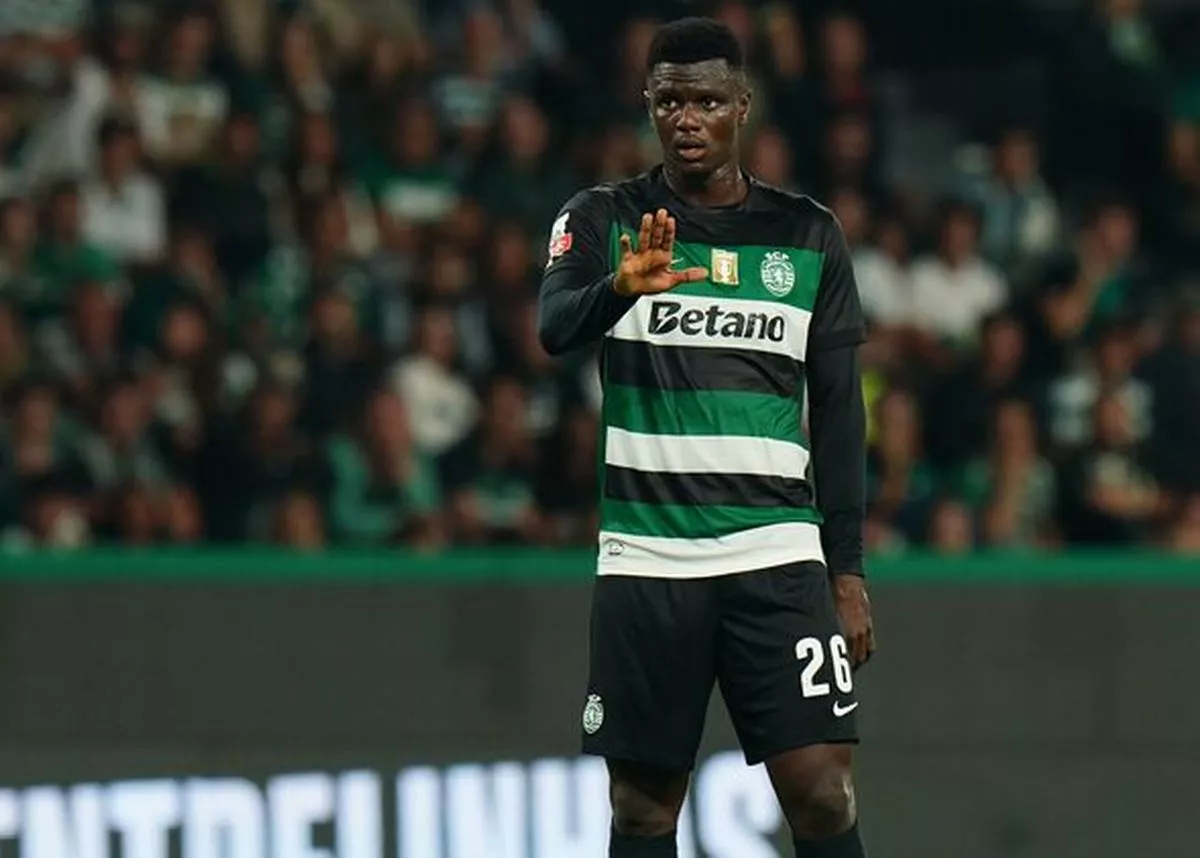
Arsenal and Manchester United have been hit with a major setback in their pursuit of Swedish striker Viktor Gyokeres after Sporting Lisbon sealed a lucrative deal for star defender Ousmane Diomande, drastically reducing any financial pressure to offload their top scorer.
The Portuguese giants are poised to finalise a €55m (£47.2m) agreement with Crystal Palace for Diomande, a move that now strengthens their bargaining position in the transfer window. With that financial cushion, Sporting remain firm in demanding the full £85m release clause for Gyokeres, a figure neither Arsenal nor United have been willing to meet so far.
Both English clubs had been leading the race to land Gyokeres, who has emerged as one of Europe’s most dangerous forwards. Arsenal, in particular, had a £60m bid rejected last month, sparking a war of words between Sporting’s president, Frederico Varandas, and the striker’s agent.
“Threats, blackmail and insults don’t work with me,” Varandas said, taking a firm public stance. Gyokeres, who joined Sporting two years ago, is contracted until 2028 and remains a central figure in the club’s plans.
The Diomande deal itself is also a statement of intent by Crystal Palace, who are reportedly including a significant sell-on clause to sweeten the deal for Sporting. The Ivorian defender, previously earning just €500,000 (£429,000) per year, is expected to receive a major pay bump as he heads to Selhurst Park.
But the arrival of Diomande could trigger another domino effect. Palace captain and England international Marc Guehi is now expected to be on the move, with Liverpool in pole position to secure his signature. Guehi, who turns 25 this month, is in the final year of his contract and is unlikely to sign an extension.
While Newcastle had been rebuffed in their pursuit of Guehi, Palace now face the choice of selling the center-back this summer or risk losing him on a free next year.
Liverpool’s interest in Guehi aligns with their ongoing summer overhaul. The Reds have already splashed out £150m on Bayer Leverkusen duo Florian Wirtz and Jeremie Frimpong, as well as £40m on Bournemouth’s Milos Kerkez. Despite the big spending, exits from the squad have kept the club in the clear with financial regulations.
As Liverpool reload, Palace restructure, and Sporting Lisbon fortify their finances, both Arsenal and Manchester United must now return to the drawing board. If they hope to land Gyokeres, it’ll take nothing less than £85m, and fast.
The summer saga continues.
Viktor Gyokeres is still being eyed by Man United and Arsenal (Image: Getty Images)Ousmane Diomande set for Premier League move as Sporting Lisbon agree £47.2m deal with Crystal Palace amid transfer domino effect. (Image: Getty)
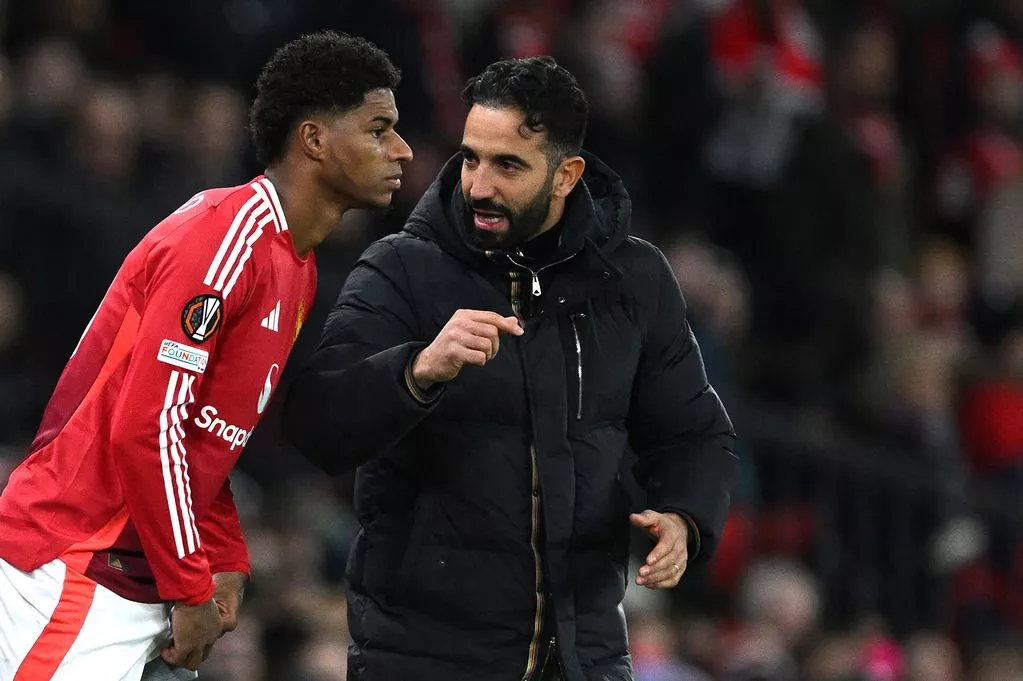
Marcus Rashford may have just six days to escape what could be a tense reunion with Manchester United’s new head coach Ruben Amorim, and Bayern Munich could offer him the perfect getaway.
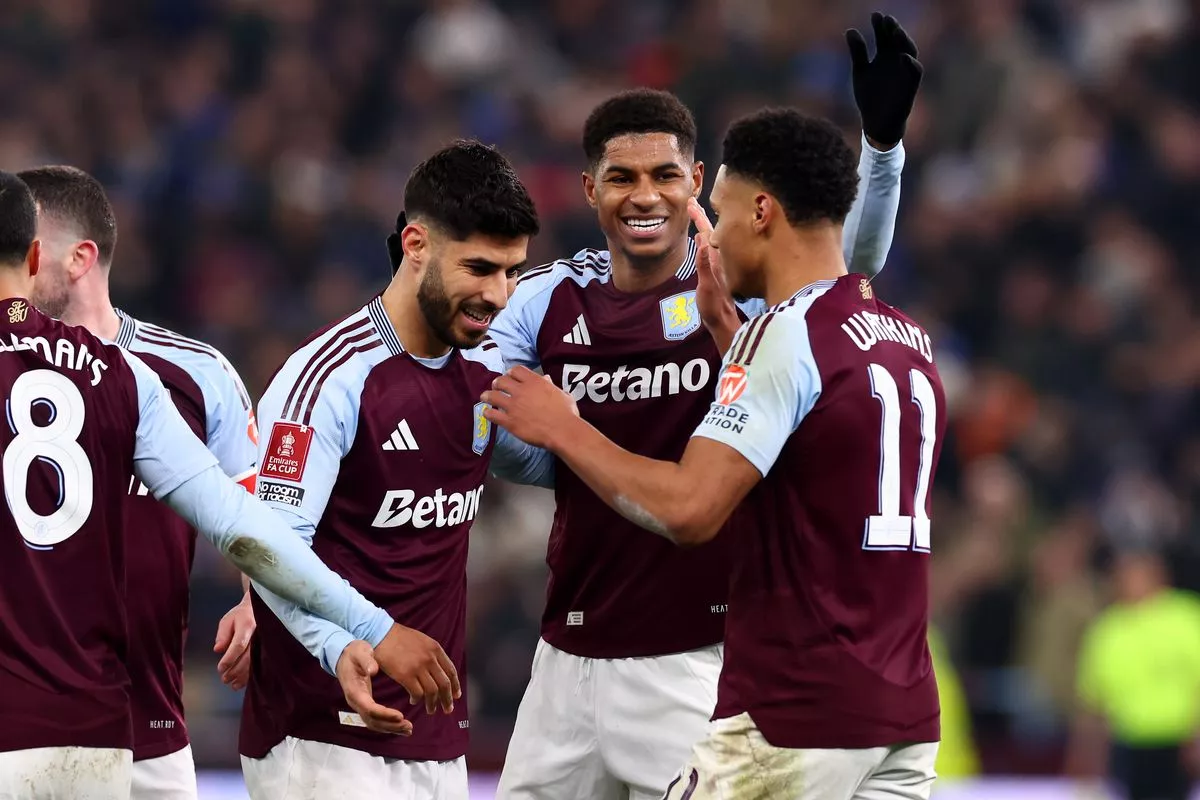
The England forward’s loan spell at Aston Villa officially ended on June 30 after Unai Emery’s side declined to activate the £40 million purchase clause, despite Rashford netting four goals before injury cut his campaign short. Villa confirmed his release alongside four other players, signaling a clear end to the short-lived partnership.
With pre-season set to begin on Monday, July 7, time is running out for Rashford to secure a new club before facing Amorim again at Carrington. The duo’s last interactions were less than ideal: Rashford’s final appearance came on December 12 in a Europa League clash against Viktoria Plzen. He was benched for the Manchester derby soon after, and Amorim appeared to publicly question his commitment following a dismal team display against Fulham in January, just days before Rashford’s move to Villa.
Now, German giants Bayern Munich have entered the frame as the most serious contenders for Rashford’s signature.
The Bundesliga champions, led by Vincent Kompany, are searching for fresh firepower, and Rashford fits the bill perfectly. With Champions League football guaranteed and a fresh start abroad, the move could revive his career, even if it means accepting a significant pay cut from his current £300,000-a-week wage.
Meanwhile, Barcelona continue to monitor the situation closely, eyeing a move that would bring the 27-year-old to La Liga. However, Manchester United are determined to fetch £40 million for their academy graduate, a fee that would count as pure profit for the club’s books.
And Rashford isn’t the only player facing an uncomfortable return next week. Brazilian winger Antony is also set to report for duty after a successful loan stint with Real Betis. United are expected to offload several players this summer as they reshape their squad under Amorim.
So far, United have secured the signing of Matheus Cunha from Wolves and are still pushing for Bryan Mbeumo from Brentford, though the asking price is a sticking point. Meanwhile, talks for Sporting Lisbon striker Viktor Gyokeres have cooled, with the Portuguese side holding firm on their hefty £85 million valuation.
As Manchester United gear up for a packed pre-season, starting with a friendly against Leeds United in Stockholm on July 19, followed by a U.S. tour against West Ham, Bournemouth, and Everton, Rashford’s decision over the coming days could define the next chapter of his career.
Marcus Rashford faces an uncertain future at Manchester United as a potential reunion with new head coach Ruben Amorim looms ahead of pre-season. (Image: Getty Images)Marcus Rashford during his time at Aston Villa. (Image: Shaun Brooks – CameraSport via Getty Images)
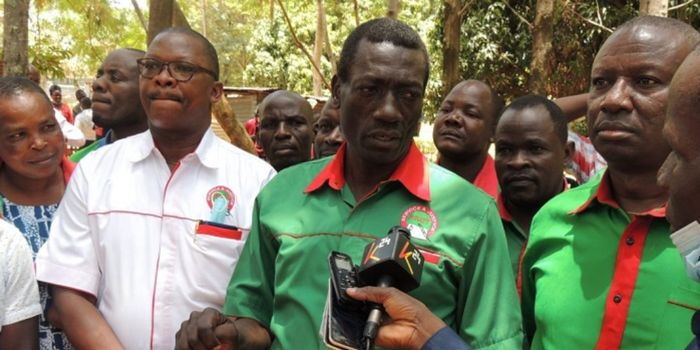
A storm is brewing in Kenya’s education sector after the Kenya National Union of Teachers (KNUT) issued a fiery 7-day ultimatum to the Teachers Service Commission (TSC), demanding the immediate resumption of stalled Collective Bargaining Agreement (CBA) negotiations.
Speaking at a press conference held on Monday, KNUT Secretary General Collins Oyuu didn’t mince his words. He declared that failure by TSC to respond within the seven-day window would trigger a nationwide strike, potentially paralyzing learning activities in public schools.
“We are giving the TSC up to July 7 to convene the National Steering Committee meeting to finalize the CBA process. If nothing happens by then, teachers across the country will down their tools,” Oyuu stated.
At the heart of the impasse is the yet-to-be-finalized 2021-2025 Collective Bargaining Agreement. KNUT claims that despite numerous calls and letters, the TSC has remained silent on critical aspects of the deal, especially on issues relating to salary adjustments and improved working conditions.
Oyuu noted that while the current CBA focused heavily on non-monetary benefits, the economic hardship facing teachers due to inflation and rising cost of living necessitates a financial review.
“We negotiated the current CBA during a tough economic period caused by COVID-19. But things have changed now. Teachers deserve better pay,” he emphasized.
KNUT has accused the TSC of dragging its feet despite teachers showing goodwill during the original CBA talks. According to Oyuu, the union had previously agreed to defer monetary benefits during the pandemic, expecting those to be revisited once the economy stabilized.
But with no movement from the TSC, frustration is growing among teachers, and KNUT is now under pressure to act or risk losing the confidence of its members.
As of now, the TSC has not issued an official response to the 7-day notice. Education stakeholders and parents across the country are now watching closely, fearing the possible disruption of the school calendar.
Analysts warn that a nationwide strike could severely impact thousands of learners, especially those preparing for national examinations later this year.
If the TSC fails to respond by the July 7 deadline, KNUT has made it clear: a full-blown strike will be on the table. The union says it is mobilizing its membership across all 47 counties in anticipation of industrial action.
With tensions at an all-time high and time running out, the ball is now in TSC’s court. Will they respond in time to avert a crisis, or will Kenya’s public schools come to a grinding halt?
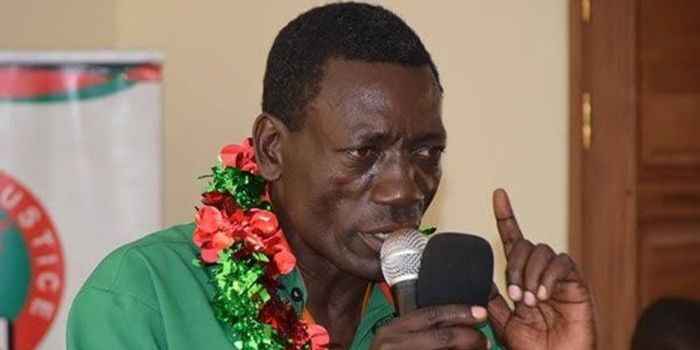
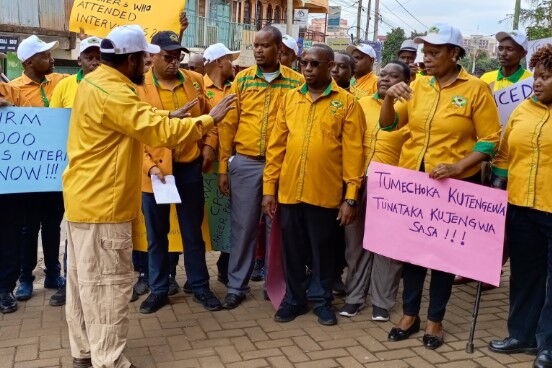
KNUT Secretary General Collins Oyuu with other KNUT Officials. Daily NationA photo of KNUT Secretary General Collins Oyuu addressing the press during a past event. Photo: KNUTTeachers take part in demonstration on August 26, 2024. Photo: Twitter
In a developing story that has sent shockwaves through Kenya’s political circles, close allies of Deputy President Rigathi Gachagua are raising alarm over the sudden disappearance of Peter Kawanjiru, a key political mobiliser in Nyeri County.
The family of Kawanjiru now claims he was abducted by individuals believed to be police officers in a dramatic and mysterious operation that took place in the early hours of Monday, July 1.
According to relatives and eyewitnesses, Kawanjiru was forcefully taken from his home in Nyeri by armed men in plain clothes who neither identified themselves nor presented a warrant. His wife, visibly shaken, told reporters that the men did not disclose where they were taking him and have since gone silent, leaving the family and community desperate for answers.
“He was not resisting. They came in a car with no number plates, said nothing official, and just took him. We are living in fear,” one family member stated.
The troubling incident has sparked outrage among local leaders aligned with Gachagua, who view the alleged abduction as politically motivated. Some insiders suggest that Kawanjiru’s vocal support of the Deputy President and his involvement in recent political mobilizations could have made him a target.
“We are seeing a dangerous return of extra-judicial tactics in the name of law enforcement. If Peter Kawanjiru has committed any crime, let him be taken to court, not vanished like this,” said a local MCA sympathetic to Gachagua’s wing.
The Kenya Police Service has not issued an official statement regarding Kawanjiru’s whereabouts, nor has it confirmed whether he is in custody. Attempts to reach the Directorate of Criminal Investigations (DCI) and the Nyeri County Police Command were met with silence.
The incident comes amid growing tension within Kenya Kwanza’s inner political circles, with Gachagua and his allies feeling increasingly sidelined in national discourse and power arrangements. Some analysts believe the alleged abduction could further fuel internal rifts within the ruling coalition.
Human rights groups have condemned the incident and called for immediate government transparency. “This is not just about one man. It’s about the growing pattern of intimidation that could silence political dissent in Kenya,” said a statement from the Independent Medico-Legal Unit (IMLU).
As calls for Kawanjiru’s release grow louder, the spotlight is now on the national security agencies and their accountability in upholding the rule of law. For now, his family, and the country, await answers in a case that is becoming emblematic of Kenya’s complex political undercurrents.
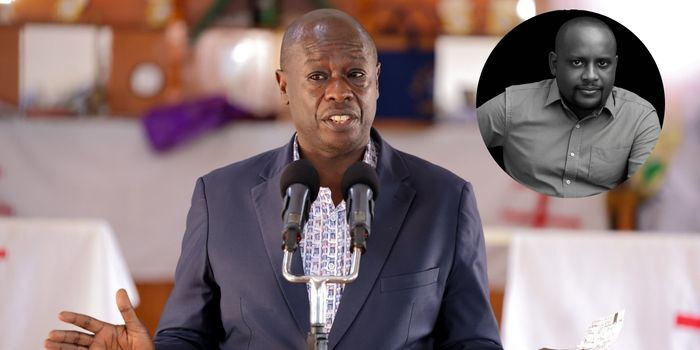
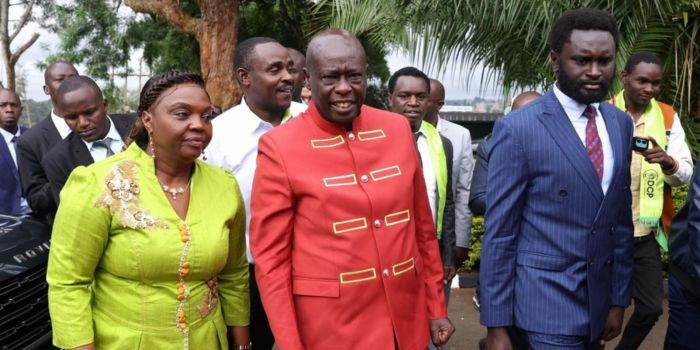
Peter Kawanjiru, Rigathi Gachagua’s ally allegedly abducted at night, June 30, 2025. Photo: Rigathi Gachagua, ScreengrabFormer Deputy President Rigathi Gachagua (centre), his wife Dorcas Rigathi (left) and Nyandarua Senator Joe Methu (right) arriving for the launch of the Democracy for the Citizens Party at Lavington, Nairobi on Thursday, May 15, 2025. Photo: Nyali IconFormer Deputy President Rigathi Gachagua during a hospital visit of Juja MP George Koimburi on Monday, May 26 2025. Photo: Rigathi GachaguaPeter Kawanjiru abduction
Kirinyaga County was plunged into mourning following the sudden and heartbreaking death of renowned businessman Boniface Kariuki, popularly known as “Kakuzi,” in a tragic road accident.
The community, still struggling to come to terms with the loss, has found some comfort in the timely and heartfelt intervention by Governor Irungu Kang’ata, whose powerful gesture of solidarity has stirred national emotion and debate.
Boniface Kariuki’s death came as a shock to many. He was involved in a grisly accident along the Nairobi–Nakuru highway, near Mai Mahiu, an area notorious for its dangerous stretches.
According to eyewitnesses and reports from local authorities, his vehicle collided head-on with a tanker in the early evening hours, resulting in instant fatalities. His sudden passing left an emotional crater in the hearts of friends, business partners, and a public that had come to respect and admire his relentless dedication to uplifting the local economy.
As news of Kariuki’s death spread, a wave of tributes flooded social media platforms and local radio stations. Messages described him as a generous soul, a mentor, a visionary businessman, and, most importantly, a selfless servant of the people.
His impact reached beyond the boardroom and into the very fabric of Kirinyaga life, supporting small businesses, mentoring young entrepreneurs, and championing rural development with quiet determination.
But what truly ignited the public conversation was the response from Governor Kang’ata. In a moment that many described as rare and genuinely moving, the Governor visited Kariuki’s family, offering not only his condolences but also concrete support. Speaking with emotional weight, the Governor vowed to stand by the grieving family and ensure that they receive both emotional and material support during their time of need.
Governor Kang’ata didn’t stop at words. He promised that the county government would assist with funeral arrangements, medical care for those injured in the accident, and psychosocial support to help the family and community cope with the trauma. His response was swift, sincere, and human, cutting through the often-cynical perception of politics with a dose of real empathy.
The gesture has not gone unnoticed. Across Kenya, citizens have lauded the Governor’s actions, calling it a model of leadership grounded in compassion. Some have even called on other governors and national leaders to emulate the move and remember that leadership is not just about policies and projects, but also about presence, being there for people when it matters most.
For Kirinyaga residents, this moment is more than a political headline. It’s a reminder of how deeply one individual can touch lives and how powerfully the community can respond in unity. It’s also a moment to reflect on the dangers that haunt Kenyan highways and the urgent need for infrastructural reforms and stricter road safety enforcement.
The accident that claimed Kariuki’s life has reignited calls for action on Kenya’s roads, especially the treacherous Nairobi–Nakuru highway.
Citizens have begun pressing government agencies to speed up road upgrades, install better signage, and crack down on reckless driving by tanker and long-distance vehicle operators. It’s a call that has grown louder each year, only amplified by each new tragedy.
As the Kariuki family prepares to lay their loved one to rest, Governor Kang’ata’s involvement continues to send ripples through the political and civic spheres. His presence at the family home, his promises, and his tone of respect and solidarity have shown what many have long yearned for in public service, leadership with heart.
In the face of sorrow, Kirinyaga County has shown resilience. And in the face of grief, Governor Kang’ata has reminded the nation that the essence of leadership lies not just in grandstanding or press conferences, but in standing shoulder-to-shoulder with people during their darkest hours.
Boniface Kariuki may be gone, but his legacy endures. Through the tears and tributes, his life continues to inspire action, unity, and the reaffirmation that when leaders care, communities heal.
Boniface Kariuki, a mask vendor in the Nairobi CBD, moments before he was shot by a police officer during protests on Tuesday, June 17, 2025. Photo: KBCMurang’a Governor Irungu Kang’ata addressed residents at a past event in the region. Irungu Kang’ataA screengrab of Susan Njeri, mother to Boniface Kariuki, the mask vendor who was shot by a police officer during protests in Nairobi on Tuesday, June 17, 2025. Photo: NTV
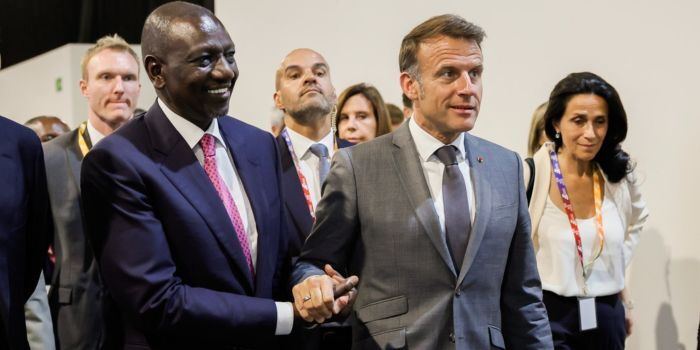
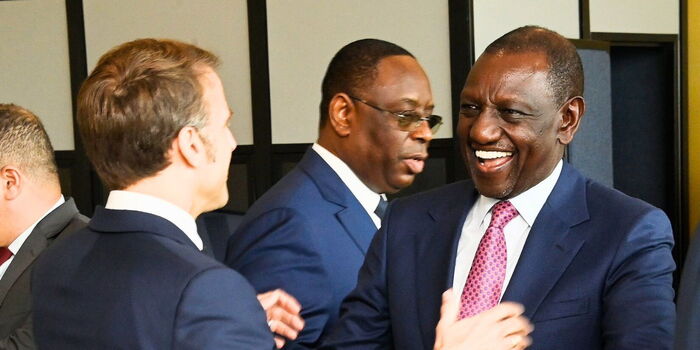
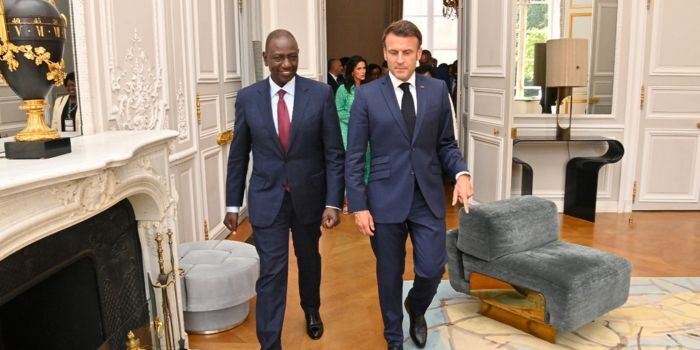
In a landmark diplomatic encounter that signals a new era in Africa-Europe relations, Kenya’s President William Ruto met with French President Emmanuel Macron in Seville, Spain, to discuss a transformative partnership centered on sustainable development, regional peace, and global cooperation.
This high-level meeting, held on the sidelines of the Pact for Prosperity, People, and the Planet forum, has set the stage for the upcoming Africa-France Summit scheduled for 2026 in Nairobi, the first time this prestigious event will be hosted outside France or a Francophone African nation.
The decision to hold the 2026 Africa-France Summit in Nairobi is historic and symbolic. Since its inception in 1973, the summit has traditionally been held in France or Francophone African countries.
By selecting Kenya, a non-Francophone country, as the host, France is signaling a deliberate shift in its engagement strategy with Africa, embracing a more inclusive and pan-African approach that transcends colonial legacies.
This move elevates Kenya’s diplomatic profile on the continent and globally, showcasing its growing influence as a leader in climate diplomacy and regional peace efforts. President Ruto’s leadership during the 2023 African Climate Summit and his role as chairperson of the East African Community have positioned Kenya as a bridge between Africa and the world.
Central to the discussions between Presidents Ruto and Macron was the Pact for Prosperity, People, and the Planet, a joint initiative launched in Paris in 2023.
Both leaders underscored a shared commitment that no country should be forced to choose between economic development and environmental protection. Macron emphasized this vision on social media, stating that this ambition is a cornerstone of their cooperation and will be a key focus at the 2026 summit.
This shared vision aligns closely with Kenya’s green growth agenda and France’s global climate commitments. The two countries are collaborating on several bilateral projects aimed at energy transition, sustainable transport infrastructure, and climate-smart agriculture. These initiatives represent pragmatic, forward-looking solutions to development challenges in Africa, blending economic growth with environmental sustainability.
Beyond economic and environmental cooperation, the leaders addressed pressing security concerns in East Africa and the wider Great Lakes region. Both Presidents reaffirmed their commitment to promoting peace and stability in conflict-affected areas such as Somalia and Sudan.
France pledged continued support for Kenya’s peacekeeping and mediation efforts, recognizing Kenya’s pivotal role in regional diplomacy.
This cooperation on security issues reflects a broader agenda of fostering stability as a foundation for sustainable development and prosperity in Africa.
The upcoming summit in Nairobi is expected to be more than a diplomatic formality. It will convene African heads of state, civil society, and private sector leaders to tackle critical global challenges, including climate change, environmental protection, and reform of international financial institutions.
Kenya, under President Ruto’s stewardship, aims to use the summit to amplify African voices in global decision-making processes, advocating for stronger multilateralism and innovative solutions such as a global carbon tax.
For France, the summit offers an opportunity to reset its relations with Africa, moving beyond historical tensions and anti-French sentiments in parts of the continent.
For Kenya, hosting the summit enhances its geopolitical stature and promises significant economic benefits through increased international engagement and foreign investment in green energy and sustainable development projects.
While the summit presents a diplomatic victory for both leaders, it comes amid domestic challenges. President Ruto faces criticism over his administration’s handling of recent anti-government protests, while President Macron contends with waning influence in West Africa. The summit thus serves as a platform for both to reinforce their legitimacy and leadership on the global stage.
President William Ruto’s meeting with Emmanuel Macron marks a pivotal moment in Africa-France relations, characterized by a renewed partnership focused on sustainable development, peace, and inclusive global governance.
The 2026 Africa-France Summit in Nairobi promises to be a watershed event, redefining diplomatic ties and setting a progressive agenda that aligns economic growth with environmental stewardship and regional stability. This historic collaboration underscores Kenya’s emergence as a key player in shaping Africa’s future and its role on the world stage.
President William Ruto and President Emmanuel Macron engage in diplomatic discussions, June 30, 2025. Photo: Emmanuel MacronPresident William Ruto with French President Emmanuel Macron during the UN General Assembly in New York, September 25, 2024. Photo: PSCPresident William Ruto and his France counterpart Emmanuel Macron in Paris on Friday, June 23, 2023. PCS
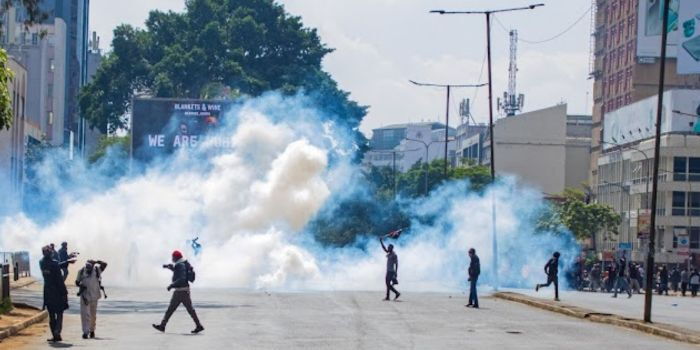
Tensions have sharply escalated between Kenya and several Western countries, led by the United Kingdom, over the handling of recent protests and the role of foreign diplomats in Kenya’s internal affairs.
The dispute centers on a joint statement issued by ambassadors and high commissioners from countries including the UK, the US, Germany, and others, which called for the protection of protesters ahead of the June 25 demonstrations.
The Kenyan government swiftly condemned the statement, accusing the foreign envoys of interfering in the country’s sovereignty and internal political matters.
In a formal diplomatic note, Kenya’s Ministry of Foreign and Diaspora Affairs defended its policing approach and cautioned against what it described as “overly prescriptive” foreign commentary that fails to appreciate Kenya’s complex political and security environment. The government reiterated its commitment to constitutional freedoms but emphasized that the state must maintain law and order with “restraint, legality, and care”.
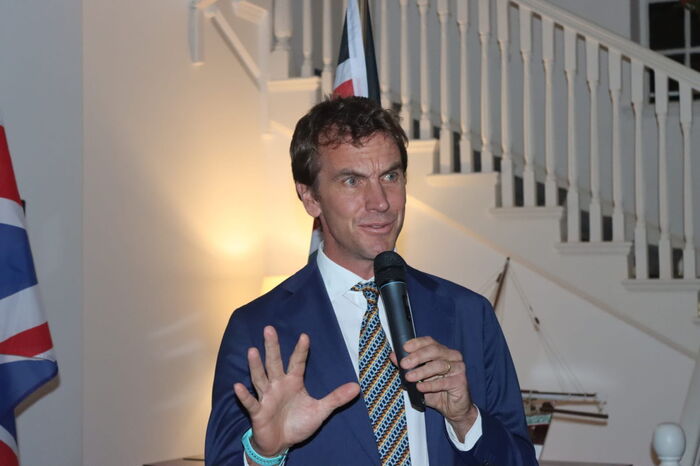
In response, the UK Deputy High Commissioner Dr. Ed Barnett appeared on NTV to defend the joint statement, stressing that it was issued in good faith to encourage peaceful demonstrations and uphold human rights.
Barnett explained that such statements are part of the broader bilateral relationship between Kenya and the UK, which includes open dialogue on difficult issues like governance and human rights. He underscored that the UK’s position reflects long-standing democratic values and is not an attempt to meddle but rather to support Kenya’s rights-based governance.
Barnett also expressed condolences to families who lost loved ones during the protests and called for accountability for all individuals who broke the law, regardless of their affiliation.
He pointed to repeated human rights violations, including the controversial death of Albert Ojwang in police custody, as reasons why diplomatic missions felt compelled to speak out to encourage peaceful protest and protect those exercising their rights.
Meanwhile, Interior Cabinet Secretary Kipchumba Murkomen publicly criticized the international community and church leaders for what he described as partisanship and selective condemnation.
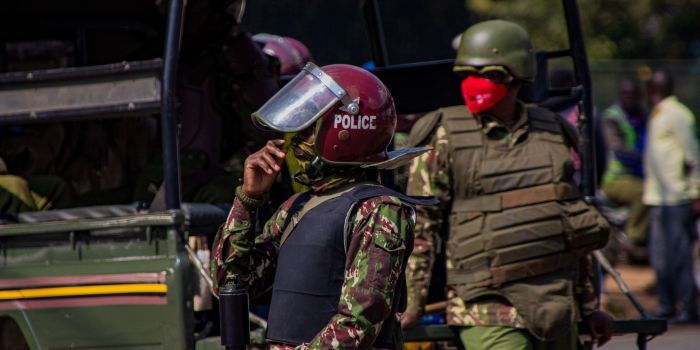
Murkomen argued that foreign actors censured the government’s handling of protesters but remained silent when “goons” hijacked demonstrations and caused chaos. He condemned the use of masked police officers and warned against external interference without due diligence.
This diplomatic rift unfolds against the backdrop of Kenya’s ongoing struggle to balance democratic freedoms with security concerns amid a politically charged environment.
The government insists that alleged violations are addressed by independent institutions such as Parliament, the Judiciary, and oversight commissions, rejecting what it sees as foreign intrusion into domestic governance2.
The episode highlights a broader recalibration in Kenya’s foreign policy tone, signaling growing sensitivity to Western scrutiny and a firm stance on national sovereignty.
As protests and political tensions simmer, the clash between Kenya and its Western partners underscores the delicate interplay between international human rights advocacy and respect for state sovereignty in a complex democratic landscape
Police lob tear gas on protesters in Nairobi CBD, June 25, 2025. Kenyans.co.ke: Japheth KaimenyiDr. Ed Barnett, UK Deputy High Commissioner to Kenya, during an engagement on AI on January 29, 2025. Photo: Dr. Ed BarnettPolice officers in Nairobi CBD during the June 25 protests, June 25, 2025. Kenyans.co.ke: Japheth Kaimenyi
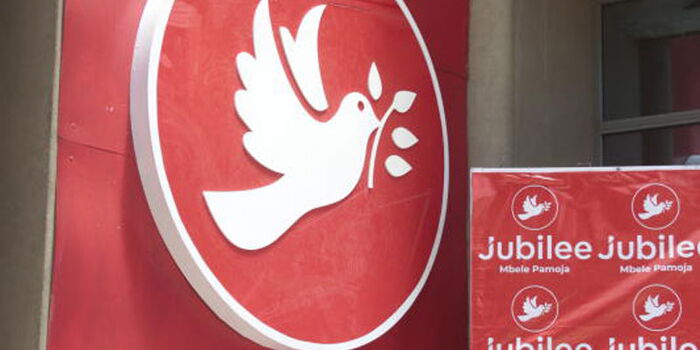
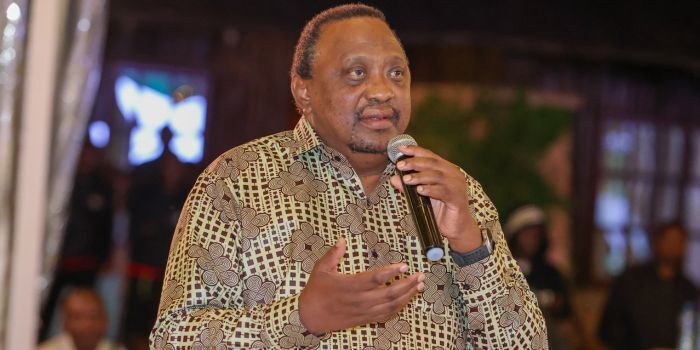
In a dramatic turn of events that has sent ripples through Kenya’s political landscape, former President Uhuru Kenyatta has been officially reinstated as the leader of the Jubilee Party. This decisive move, confirmed by the Office of the Registrar of Political Parties (ORPP) through a gazette notice, conclusively ends a prolonged leadership battle within the party and reasserts Uhuru’s dominance ahead of the crucial 2027 General Election13.
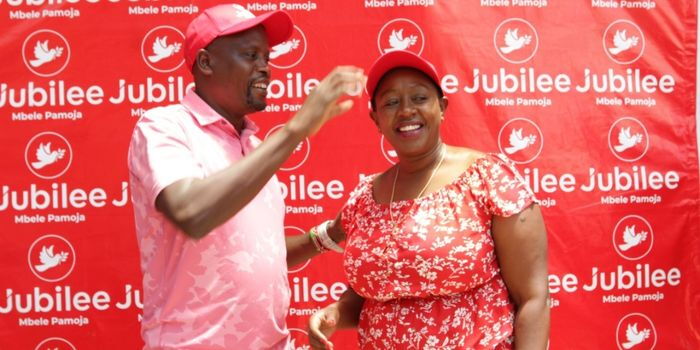
The leadership dispute had pitted Uhuru Kenyatta’s loyalists against a rival faction led by nominated MP Sabina Chege and East African Legislative Assembly MP Kanini Kega.
The opposing group had claimed to have ousted Uhuru’s allies through internal party processes, briefly gaining control after a court ruling in September 2024 favored their claim. However, the recent court decision reversed this, restoring Uhuru’s full control and paving the way for the ORPP to formalize the leadership changes in the Kenya Gazette, making them legally binding.
Key party officials confirmed in the latest gazettement include Jeremiah Kioni, who retains his role as Secretary-General, and David Murathe as Deputy National Chairperson. Notably, Kanini Kega, a central figure in the rival faction, was removed from his position as National Director in charge of elections.
Other significant leadership changes include Beatrice Gambo replacing Jimmy Angwenyi as Deputy Party Leader (Strategy), Saitoti Torome assuming the National Chairperson role from Nelson Dzeya, and Joseph Manje taking over as Deputy Party Leader (Outreach) from Naomi Shaban. Additionally, Yassin Noor and Kados Muiruri were appointed Deputy Secretary General and Deputy Party Leader (Operations), respectively.
These strategic appointments are widely seen as Uhuru Kenyatta consolidating his influence within Jubilee, ensuring the party machinery is firmly under his control as it gears up for the 2027 presidential race. The party is poised to unveil former Cabinet Secretary Fred Matiang’i as its presidential candidate.
Matiang’i, a powerful figure during Uhuru’s administration, enjoys the former president’s strong backing, having served in several key ministries throughout Uhuru’s decade-long rule. This move signals Jubilee’s intent to mount a robust challenge to incumbent President William Ruto.
Since its inception, the Jubilee Party has been a major force in Kenyan politics, credited with significant achievements including infrastructural development, the Big Four agenda, and enhanced devolution that brought services closer to Kenyans. The party’s renewed unity under Uhuru’s leadership is expected to reignite its vision of peace, progress, and prosperity for all Kenyans.
The reinstatement of Uhuru Kenyatta as Jubilee Party leader marks not just the resolution of internal party conflicts but also a critical moment in Kenya’s political narrative. As the 2027 elections approach, all eyes will be on Jubilee’s strategies and how this leadership consolidation will influence the broader political dynamics in the country.
This political revival for Uhuru Kenyatta and Jubilee underscores the enduring influence of the former president and sets the stage for a high-stakes electoral contest that could reshape Kenya’s future.
A photo of the rebranded Jubilee party logo at their former headquarters in Pangani, Nairobi county. The StandardFormer President Uhuru Kenyatta speaking during Gideon Moi’s son’s wedding in Ol Tukai Lodge, Amboseli, May 2, 2025. Photo: Office of the 4th PresidentEALA MP Kanini Kega (left) and nominated MP Sabina Chege (right) during an event at Jubilee Headquarters on April 19, 2023. Photo: Kanini Kega