Home Blog Page 150

Burundi–Elections: Catholic Church Highlights Numerous Irregularities in Parliamentary Elections

0

In a statement released this week, the Catholic Church of Burundi raised concerns about numerous irregularities observed during the parliamentary and communal council elections, questioning whether such issues might undermine the credibility of the announced results.

Archbishop Bonaventure Nahimana, head of the Gitega Diocese and president of the Conference of Catholic Bishops of Burundi, read the statement. While he acknowledged that the elections were held in a generally peaceful environment and that the Independent National Electoral Commission (CENI) carried out its duties well  including offering guidance where needed  he also pointed out several serious irregularities that marred the process.

What the Catholic Church Criticized

The Church reported that in several cases, polling stations were opened earlier than the legally designated time, before the arrival of party representatives and observers. This meant those key stakeholders were unable to verify that ballot boxes were empty or witness the swearing-in of polling station officials.

In other instances, while polling stations opened on time, observers and party agents arrived to find ballot boxes already partially filled in a suspicious manner.

The Church also noted breaches of impartiality expected from election officials. Some officials allegedly pressured voters to vote for certain candidates, cast ballots on behalf of others without their consent, or accompanied voters into the booths  undermining the secrecy of the vote.

There were also reports of some voters using multiple voting cards, voting more than once, or casting votes on behalf of others all clear violations of electoral integrity. Additionally, some party representatives and observers were denied their legal rights, including entry to polling stations and participation in the counting process. In some cases, observers were even forced to sign reports that had not been legally validated.

Moreover, there were polling stations where party agents were denied the right to monitor the vote-counting process, even though they were legally entitled to do so.

The Burundi Bishops’ Conference concluded, “Based on what our observers witnessed, we believe there is still a long way to go in ensuring transparent and fair elections in Burundi. We seriously question whether these irregularities have compromised the legitimacy of the announced results.”

The parliamentary and communal council elections were held on Thursday, June 5, 2025. On Wednesday, June 11, the Independent National Electoral Commission released provisional results.

According to those results, the ruling CNDD-FDD party won a sweeping majority with 96.51% of the vote, effectively securing its control over the National Assembly for the next five years.
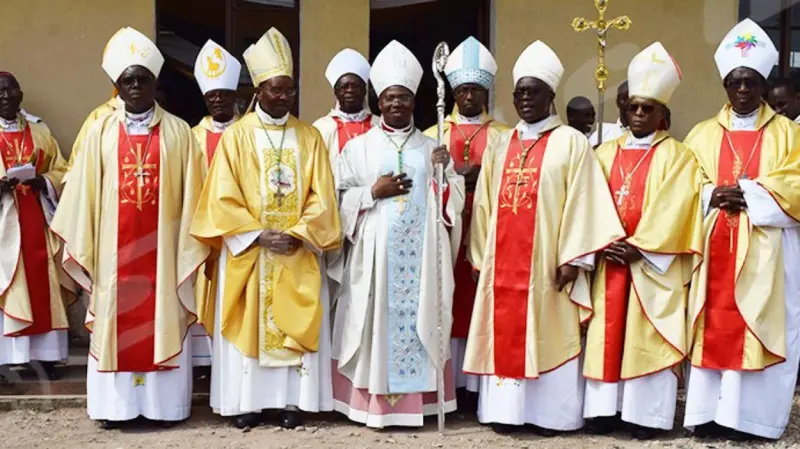
Burundi–Elections: Catholic Church Highlights Numerous Irregularities in Parliamentary Elections

Photo Credit: CATHOLIC CHURCH OF BURUNDI

Justice for Albert Ojwang’: First Arrest Made in Blogger’s Murder Case

0

A significant breakthrough has been made in the chilling murder of Kenyan blogger Albert Ojwang’, whose death has sparked outrage across East Africa. On Thursday, June 12, a police officer from Nairobi’s Central Police Station was arrested in connection with the case. This marks the first official arrest since Ojwang’s body was discovered under mysterious circumstances, triggering a wave of demand for accountability, transparency, and justice. 

The arrest was confirmed by a memo seen by Kenyans.co.ke, which stated: 

“Please be informed that an officer of Central Police Station Nairobi, was arrested today, 12/06/2025 and placed in custody at Capitol Hill Police Station by officers from the Internal Affairs Unit (IAU) and the Independent Policing Oversight Authority (IPOA).” 

This development follows an intense investigation led by IPOA, whose findings were presented before the Administration and Internal Security Committee earlier this week.  

On Wednesday, June 11, the authority had already released the names of six officers who were allegedly involved in Ojwang’s controversial arrest at the Leaders Centre in Homa Bay County on Friday, June 7. 

However, the officer arrested on Thursday was not among those initially named by IPOA’s Vice Chairperson Ann Mwangi during a Senate briefing. This has raised even more questions about the depth of the cover-up and who else might be involved. 

At the center of the investigation are serious irregularities in the handling of Ojwang’s detention: Officers allegedly failed to officially book him when he was brought in on June 7. 

CCTV digital video recorders (DVRs) were suspiciously tampered with, the discs were swapped on June 8, just hours after his arrival at the station. IPOA Chairperson Issack Hassan confirmed the change occurred at precisely 07:23:29 and 07:23:48 AM. 

CCTV cameras were also found to have been unplugged, leaving no footage of the critical hours when Ojwang was held in custody. 

Despite an official record stating that he was booked at 9:35 PM, discrepancies between logs, DVR timestamps, and witness testimonies suggest a calculated effort to erase the truth. 

Kenya’s Inspector General of Police Douglas Kanja further confirmed that technical experts are currently analyzing the CCTV hardware in hopes of reconstructing erased footage that could be key to unlocking the full picture of what transpired that night. 

Albert Ojwang’ was more than just a content creator, he was a voice for the voiceless. His online presence challenged authority, exposed injustice, and gave ordinary citizens a platform. His death has now become a rallying point for bloggers, journalists, civil society, and international observers calling for justice and police accountability in Kenya. 

A photo collage of Nairobi Central Police Station and popular X influencer Albert Ojwang, June 8, 2025. Kenyans.co.ke

Nairobi Cracks Down on Dirty Food Practices: Fish and Mutura Vendors Face Closure Over Public Health Risks

0

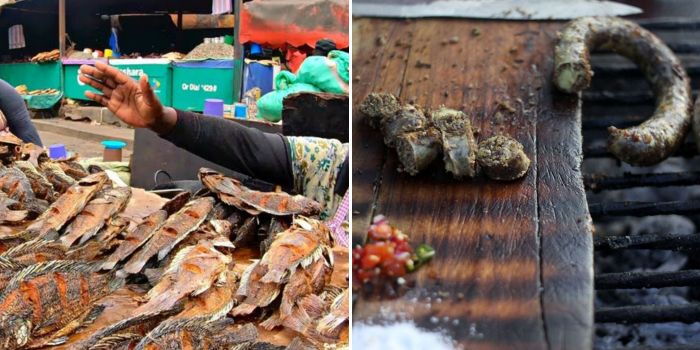
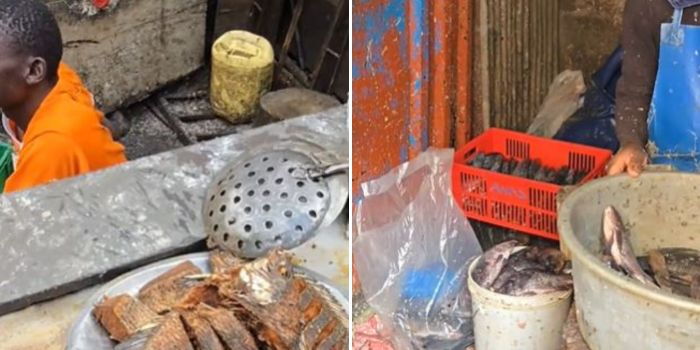
In a sweeping crackdown aimed at protecting public health, Nairobi County officials have shut down several kiosks at Gikomba Market after uncovering disturbing food handling practices. The surprise operation, led by the County Chief Officer for Environment, Geoffrey Mosiria, exposed food vendors preparing and selling products in filthy, unsafe environments, including near open urinals. 

Among the most shocking discoveries was fish being cleaned and sold just steps from open urinals. This appalling scene triggered immediate action, with county officers closing two kiosks and issuing warnings to several others. Seven vendors received official notices demanding urgent improvements or risk permanent closure. 

“We found traders selling fish in extremely unhygienic environments, some even preparing food near areas used as open urinals. This is completely unacceptable,” Mosiria said. 

But it wasn’t just fish vendors under fire. Mutura, a popular Nairobi street delicacy, was also flagged during the inspection. According to county officials, the conditions under which mutura was being prepared were just as alarming. 

“To make matters worse, the mutura being sold in the same vicinity was in a similarly filthy condition, posing a serious risk to public health,” Mosiria added. 

Mutura holds cultural significance and is widely enjoyed by city residents, but its safety has often come into question due to the lack of regulation and poor sanitation among some street vendors. The recent findings now push this issue back into the spotlight, raising important concerns about how beloved street foods are handled in Nairobi. 

In addition to food safety concerns, the county crackdown also uncovered reckless waste disposal practices. Some traders were found dumping garbage into stormwater drains, leading to blocked sewers, environmental degradation, and urban flooding. 

Worryingly, vendors have also been paying street families as little as Ksh50 to illegally dispose of their waste. This behavior was slammed by Mosiria, who called it both “irresponsible and unlawful,” warning that such actions worsen Nairobi’s ongoing waste management crisis. 

The County Government has promised to ramp up routine inspections across Nairobi’s major food markets. Businesses caught violating hygiene standards will face steep penalties—including licence revocations and closures. 

“We are hell-bent on ensuring hygiene practices are followed. Traders who fail to clean up their act will face consequences,” Mosiria warned. 

This operation sends a strong and urgent message: street food in Nairobi must be clean, safe, and prepared under hygienic conditions. With public health and environmental safety hanging in the balance, Nairobi County is taking a stand, and calling on traders to do better. 

A collage of fish and mutura sold in Nairobi streets, June 12, 2025. Photo/ Screengrab
The filthy state of Gikomba market fish selling spots, June 12, 2025. Photo/ Screengrab

“Is This Really New?” – Man Utd Fans Fume as 2025/26 Kit Drops with a Subtle ‘Nod to Old Trafford’

0

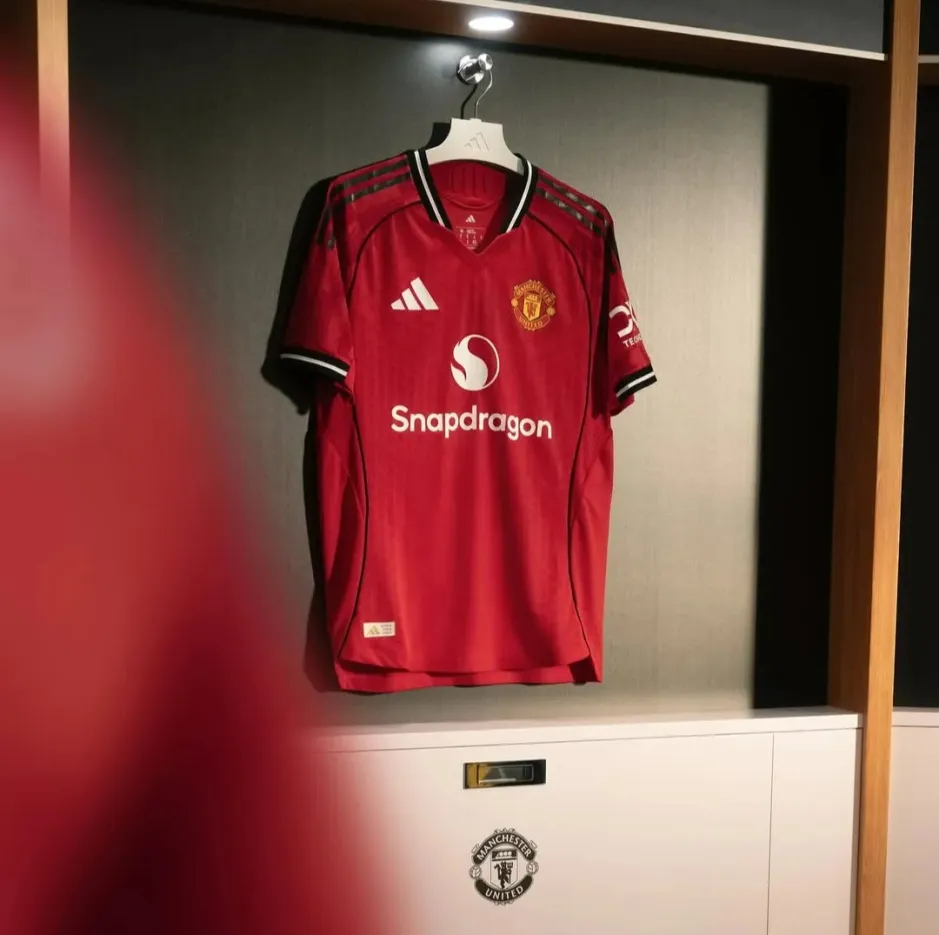
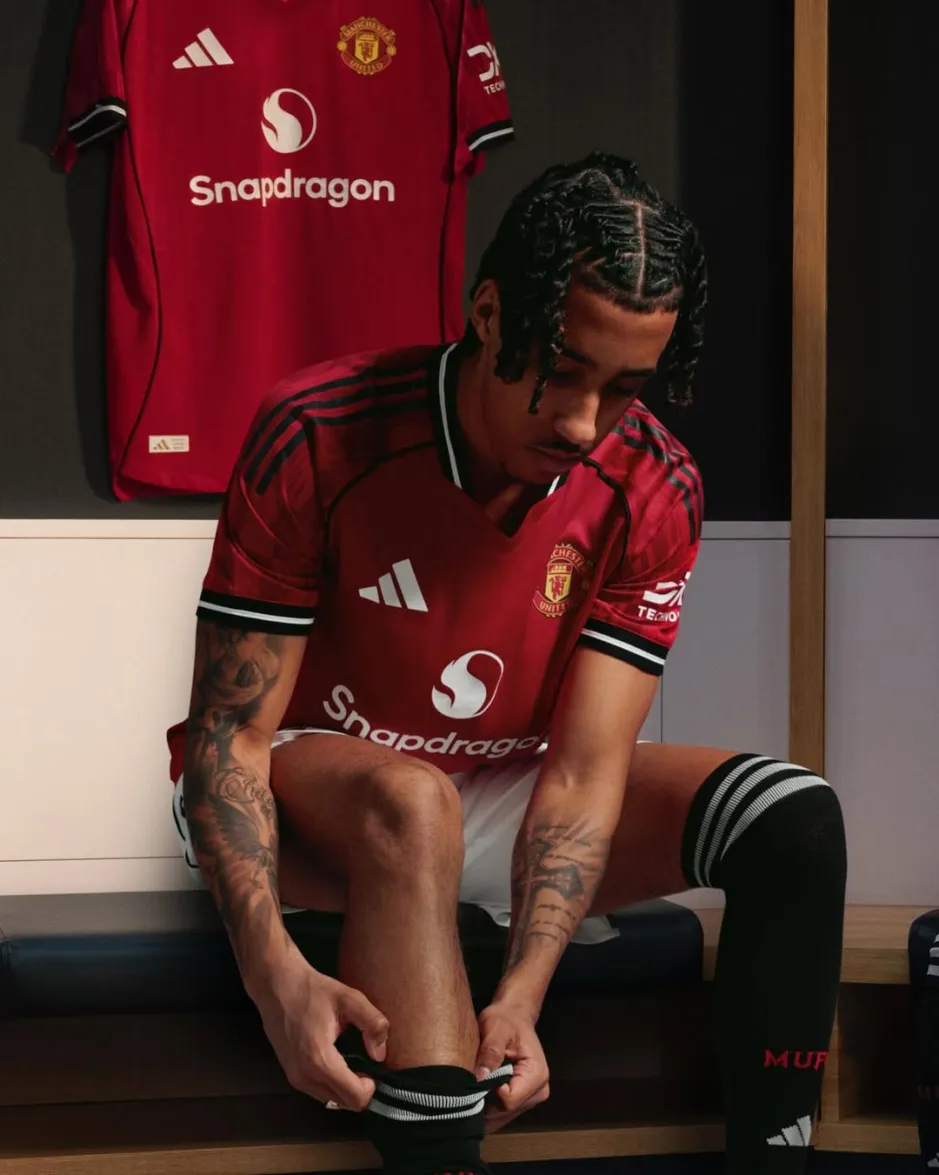
Manchester United have just unveiled their home kit for the 2025/26 season, and while the club insists it’s a heartfelt tribute to Old Trafford, many fans are squinting hard, trying to spot the difference from previous years. 

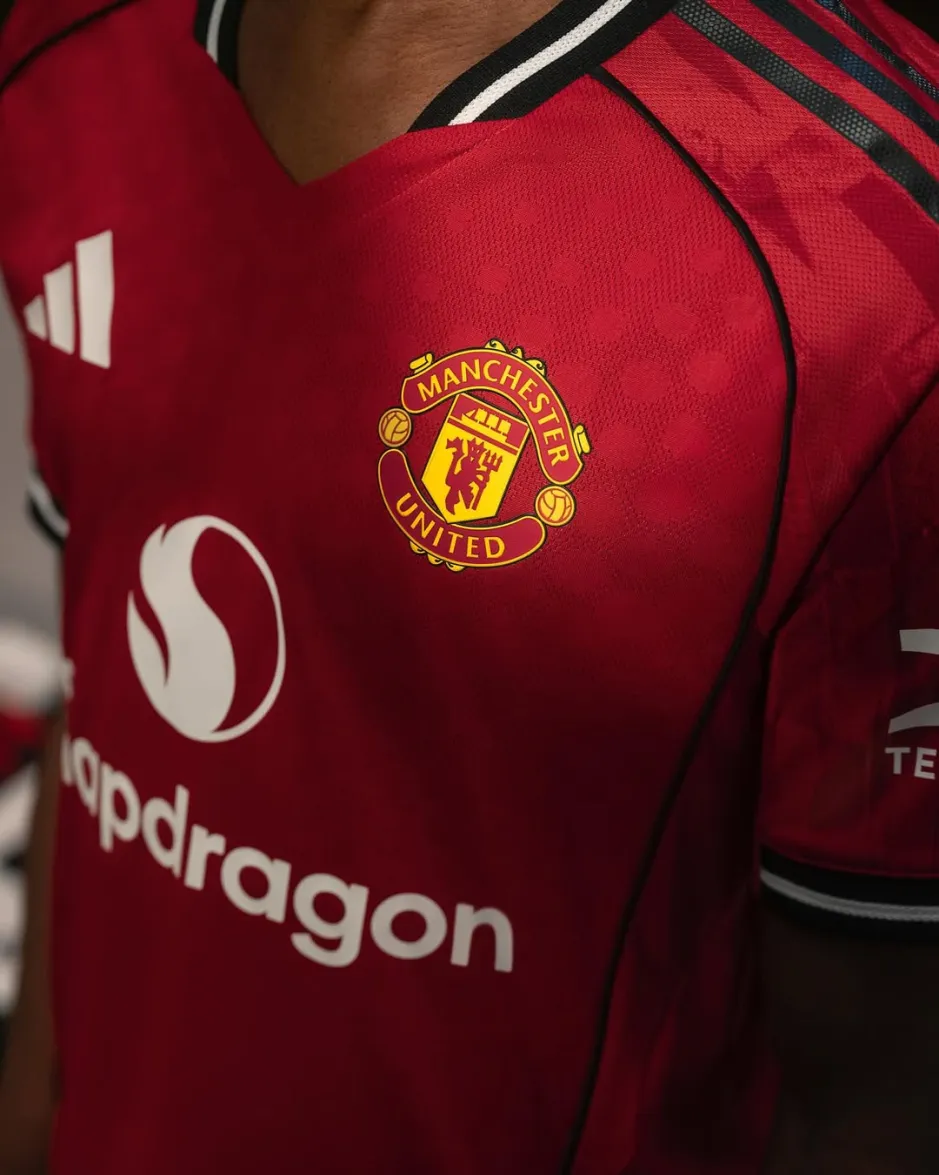
Launched with cinematic flair, the dramatic reveal video showed a massive version of the jersey unfurled inside the iconic stadium. According to Adidas, this kit celebrates the “Theatre of Dreams,” blending tradition with modern design, most notably, a return to black Adidas stripes and black sleeve cuffs. 

“I didn’t spot a difference with the 24/25 kit,” one fan wrote bluntly. 

“It’s the 23/24 kit,” another added. 

Some went even further: “New season. Same shirt. New performance please 🙏.” 

At first glance, it’s easy to see why fans are confused. While Adidas describes the new kit as incorporating “the best of sporting technology” with breathable AEROREADY fabric to keep fans cool whether they’re on the pitch or in the stands, it’s the visuals that have sparked a mini-revolt. 

Despite the outcry, the kit is flying off shelves. The £130 long-sleeve ‘authentic’ version sold out within hours of launch. Standard versions (ranging from £85 to £90) are still available, though it’s unclear if fans are buying for love, loyalty, or collection value. 

The promo campaign features captain Bruno Fernandes alongside Amad, Patrick Dorgu, and Leny Yoro, but even their fresh faces weren’t enough to distract die-hard fans from calling this one out. 

The kit’s supposed nod to Old Trafford remains a mystery to many. Is it the deeper shade of red? The black details? The silhouette of the stands etched in design? Adidas hasn’t revealed much, and maybe that’s intentional. 

After all, a little mystery sparks conversation, and conversation drives sales. 

So while the design may be familiar, the marketing is razor-sharp. Whether fans love it, hate it, or can’t tell it apart from last year’s version, one thing is certain: they’re talking. 

Manchester United have launched their new kit for the 2025-26 season
The Red Devils have returned to black Adidas stripes and trim
Captain Bruno Fernandes took part in the photoshoot alongside Patrick Dorgu
The new top pays tribute to Old Trafford
The shirt retails from £80

BREAKING: Trent Alexander-Arnold Leaves Fans Stunned During Real Madrid Unveiling Speech – and His Mum’s Tears Melt Hearts

0

In a moment that felt like a cinematic football fairytale, Trent Alexander-Arnold was officially unveiled as a Real Madrid player this afternoon—and left fans, media, and even his own mother, completely stunned. 

What truly caught everyone off guard wasn’t just the iconic white jersey or the regal stage of the Santiago Bernabéu. It was Trent’s confident, fluent Spanish that had jaws dropping across the football world. 

“Buenas tardes. Gracias al presidente Florentino Pérez y al club por esta oportunidad,” began the 26-year-old in a composed voice. His minute-long speech, entirely in Spanish, earned rapturous applause from the gathered audience. 

He continued: “Esto no sucede todos los días, es un sueño hecho realidad. Estoy muy feliz y orgulloso de estar aquí. Quiero mostrar a los aficionados del Real Madrid cómo juego. Sé que las exigencias son altas, pero voy a darlo todo. Quiero ganar muchos títulos, quiero ser un ganador aquí. Hala Madrid.” 

Fans in the stadium were visibly impressed, with many taking to social media to share their disbelief. One user posted: “Wait a minute… Trent can speak Spanish?? He’s so ready.” 

Another joked: “He was on Duolingo instead of practising defending… fairs yo.” 

Perhaps the most emotional moment came off the stage. Cameras captured Trent’s mother in tears, overwhelmed with pride as her son officially became a Galáctico. Social media lit up with praise, with many calling it “one of the most wholesome things ever.” 

For a local boy from Liverpool, rising through the ranks to become a Champions League and Premier League winner, now making the leap to arguably the world’s biggest football club—it’s a moment that resonates far beyond football. 

While Trent wore the iconic No66 shirt at Liverpool, LaLiga rules forced a change. He’ll now wear No12, a number once worn by club legends like Marcelo and recently by Camavinga. In another subtle shift, his shirt will simply read “Trent,” aligning with his newly updated Instagram handle: @trent (formerly @trentarnold66). 

Alexander-Arnold announced his Liverpool departure on May 5, with his contract set to expire on June 30. But Real Madrid fast-tracked the deal, paying £10 million to secure his services in time for the Club World Cup. 

The England full-back is expected to make his debut on June 18 against Al-Hilal in Miami, as Real Madrid begins their campaign in the revamped tournament. With fixtures against Pachuca (Mexico) and RB Salzburg (Austria) also lined up, Madrid fans won’t have to wait long to see their new star in action. 

By speaking Spanish on day one and winning over fans in seconds, Trent Alexander-Arnold has already made an impression that suggests he’s ready to embrace the Real Madrid legacy. With titles to chase and history to write, the Merseyside maestro’s new journey begins with both elegance and purpose. 

Kenya’s Used Car Market in Turmoil as KRA Hikes Vehicle Valuation Rates

0

Used car importers in Kenya are ringing the alarm bells following a sharp rise in vehicle valuation rates published by the Kenya Revenue Authority (KRA), set to take effect on July 1. The new Current Retail Selling Price (CRSP) list could dramatically raise the cost of importing used vehicles—an outcome importers warn will hurt low- and middle-income earners who rely on affordable cars. 

According to the new list, taxes for several popular models have increased by over 80%, with some even doubling. For instance: 

Toyota Passo (990 cc): Up to KSh 2.63 million from KSh 1.41 million — an 87% increase 

Nissan Vanette: Now valued at KSh 4.67 million, previously KSh 2.33 million 

Toyota Probox: New rate is KSh 3.36 million, a 91% rise 

Importers say these increases are not just steep—they’re unsustainable. Vehicles that once provided budget-friendly mobility could now be out of reach for many Kenyans. 

According to the Car Importers Association of Kenya (CIAK), import volumes have been falling for years due to rising taxes and valuation disputes. In 2018, CIAK imported 235,000 vehicles. By 2023, this number dropped to 70,000, and by August last year, just 40,000 units had been imported. 

CIAK Chairperson Peter Otieno expressed frustration over the lack of consultation from KRA and its Customs and Border Control department. “We’ve contested these hikes since 2018 and even taken the matter to court multiple times. But the increases keep coming,” he said. 

Otieno also criticized the KRA’s methodology, questioning the alleged reliance on data from the Japanese yearbook without clear justification or transparency. 

In defense of the valuation changes, Dr. Lilian Nyawanda, Commissioner of Customs and Border Control, explained that the 2024 CRSP list reflects several market shifts: New car models entering the market, Fluctuations in exchange rates and Changes in excise duty (now 35% from 30% in 2019). 

She emphasized that the CRSP is grounded in international standards, including the WTO Agreement on Customs Valuation, and noted that the latest version includes 5,200 models, a significant jump from 3,000 in 2019. 

CIAK also raised concerns over key vehicle models omitted from the CRSP list, including: Toyota Vitz (non-hybrid), Toyota Fielder 1800cc, Subaru Impreza GK2, Toyota Hiace, Hilux, Rosa buses, and even some Mazda and Volvo units 

This absence, they argue, creates uncertainty. Without clear valuations, importers may be subjected to inconsistent rulings at the port of entry—further discouraging trade. 

CIAK is urging KRA to engage more directly with stakeholders to develop a CRSP framework that is transparent, fair, and reflective of current market realities. The association proposes forming a joint committee to review valuation data and provide real-time updates as new models enter the market. 

“The goal should be to increase vehicle import volumes, not reduce them,” Otieno stated. 

If the new CRSP is implemented as-is: Import costs may rise significantly, Vehicle affordability could decline, Government tax revenues may fall due to reduced import volumes, The used car market—vital to Kenya’s economy—could shrink further 

As Kenya pushes forward with its economic reforms, striking the right balance between revenue generation and trade facilitation will be crucial. Car importers are not just demanding lower taxes—they’re demanding predictability, fairness, and a seat at the table. 

Kenya’s 2025 Finance Bill Faces Fierce Backlash from Business Sector

0

Kenya’s proposed Finance Bill, 2025, is already stirring tension across the business landscape, with key stakeholders warning that several of its provisions could stifle industrial growth, increase consumer costs, and force more jobs out of the country. 

From manufacturers to tax experts, there’s a growing consensus: the bill appears to be more of a burden than a boost. 

At the center of the storm is the government’s proposal to move certain goods from zero-rated to tax-exempt status. While this may sound technical, the real-world implication is clear—prices will rise. 

“When products become tax-exempt, producers can no longer claim VAT refunds on inputs. That makes everything more expensive,” explained Tobias Alando, CEO of the Kenya Association of Manufacturers (KAM). “It’s the consumer who pays the ultimate price.” 

Another key issue is the removal of the 15% corporate tax incentive for local vehicle assemblers—an incentive that had been instrumental in promoting domestic auto manufacturing. Alando fears this change could deal a serious blow to an already struggling sector. 

He also raised concerns over the proposed excise duty on plastic packaging materials imported from outside the East African Community (EAC). Rather than promoting local alternatives, this could backfire. 

“If it becomes cheaper to import finished packaging than to produce locally, companies will outsource. And that means fewer jobs for Kenyans,” Alando warned. 

The Kenyan manufacturing sector currently employs over 369,000 people directly. However, Alando pointed out that high taxes on raw materials and inputs are crippling its competitiveness. 

“When local manufacturers face a tax burden as high as 60% compared to imported goods, it becomes nearly impossible to scale. We’re asking the government to revisit these duties if we are serious about industrial growth,” he urged. 

Beyond the direct taxes, the Finance Bill also proposes giving the Kenya Revenue Authority (KRA) broader access to business trade secrets and personal data through electronic tax systems. While the government argues this will enhance compliance and transparency, businesses fear it could open the door to overreach and misuse. 

With the government’s annual budget reading set for today, critics say the spending plan lacks meaningful measures to improve the living standards of ordinary Kenyans. And while it sidesteps new direct taxes, the indirect implications of the bill could be just as painful. 

For many in Kenya’s business community, the message is clear: without a rethink, the Finance Bill 2025 could do more harm than good. 

244 People On Board: What Really Happened to the Air India Flight That Crashed Minutes After Takeoff?

0

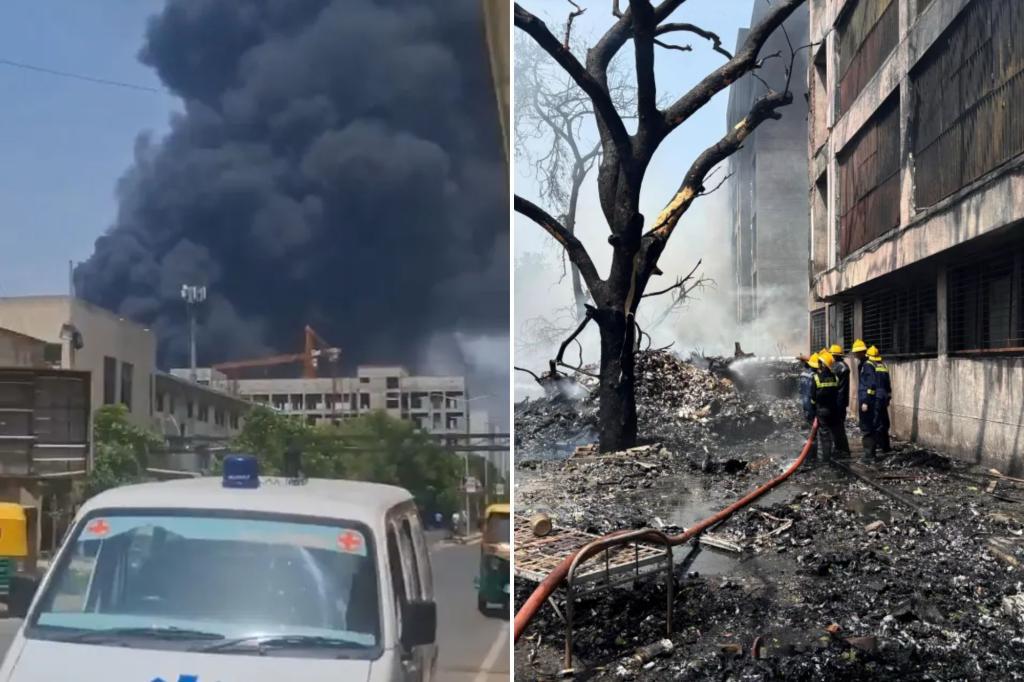
An Air India aircraft, a Boeing 787 carrying 244 people, crashed shortly after taking off from the city of Ahmedabad in western India, heading to London’s Gatwick Airport in the United Kingdom. 

The crash occurred in a densely populated area called Meghani Nagar in Gujarat State, on Thursday, June 12, 2025. Onboard were 232 passengers, including nationals from India, the UK, Canada, Portugal, and 12 crew members. 

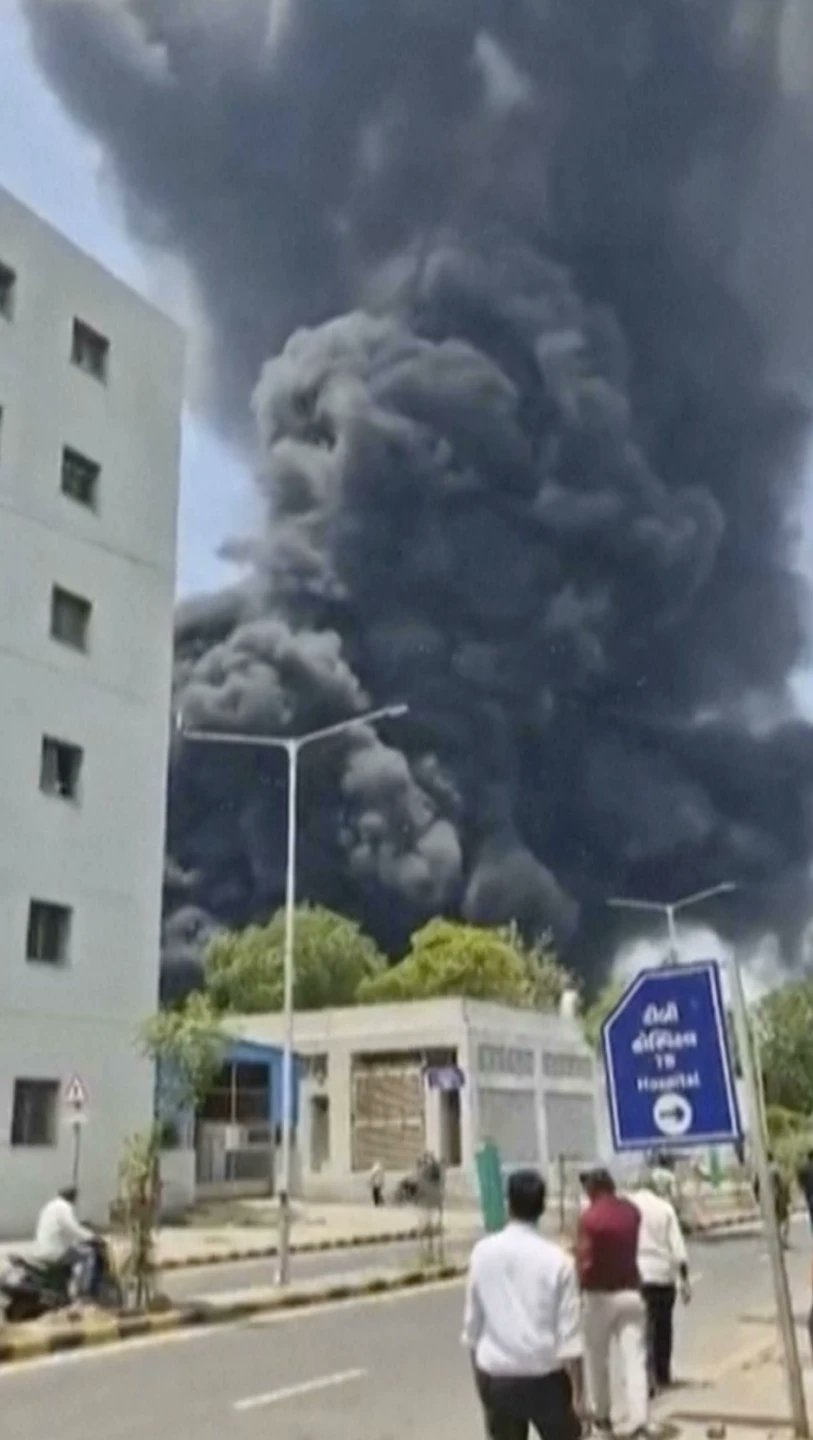
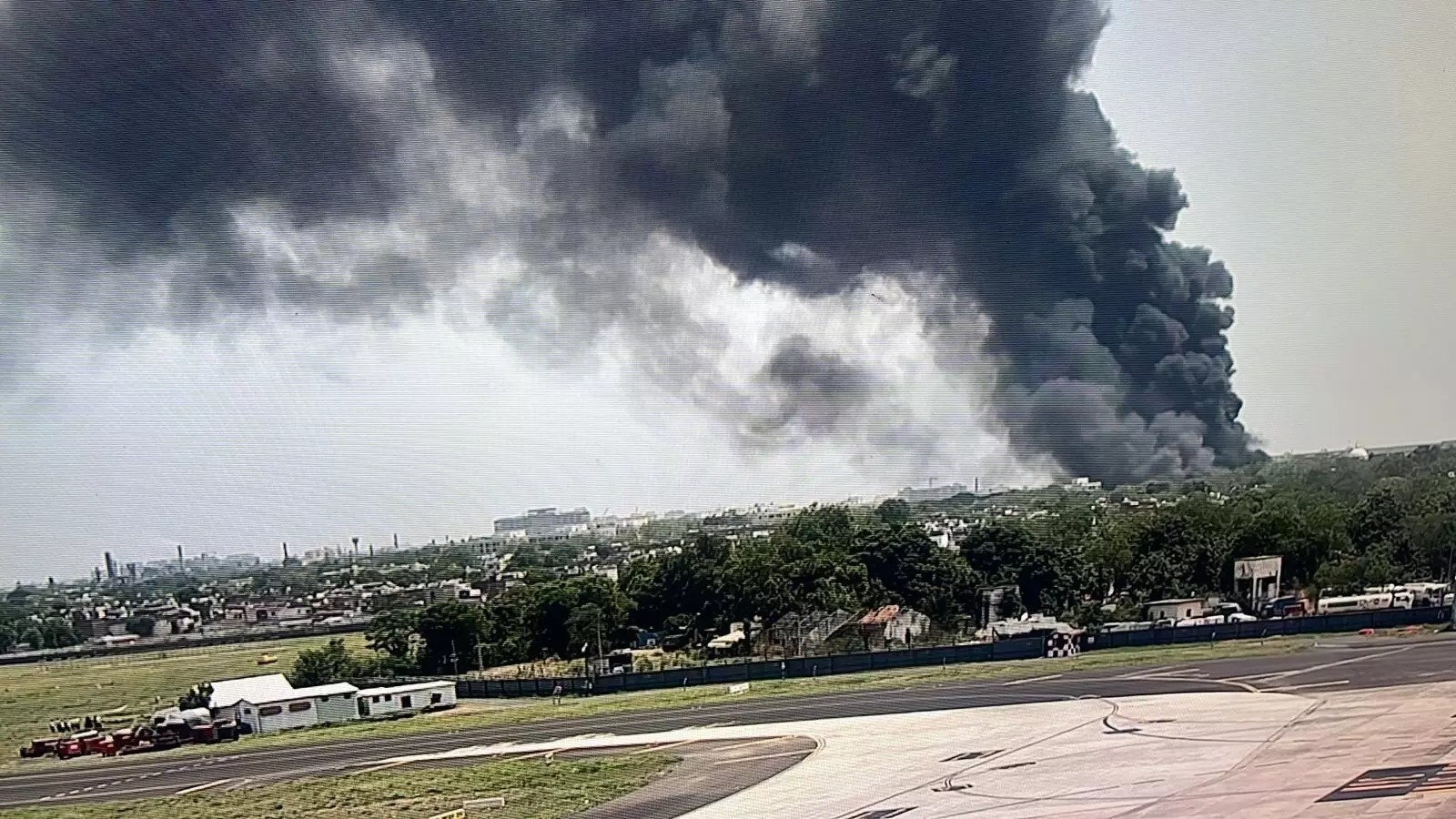
Firefighters in northwestern India told the French news agency AFP that the plane crash-landed at the airport. Early footage broadcast on Indian television showed thick black smoke billowing from the site. 

India’s Directorate General of Civil Aviation announced that the aircraft crashed just minutes after takeoff and veered off the airport premises. 

India’s Minister of Civil Aviation, Ram Mohan Naidu Kinjarapu, expressed shock and deep sorrow over the crash. 

He said: “Rescue services are on alert, and all efforts are being made to deploy medical teams to the site as quickly as possible.” 

UK Prime Minister Keir Starmer stated that he stands in solidarity with the passengers and families of those who were on board the Air India flight heading to London Gatwick, which ended up crashing in Ahmedabad, India. 

He said: “The images emerging of the plane en route to London with many British citizens, which crashed in Ahmedabad, are truly heartbreaking. 

I continue to receive updates on the situation and am thinking deeply of the passengers and their families during this difficult and painful time.” 

Still Standing Strong: Eunice Mwende’s Journey with Stage 4 Cancer

0

When Eunice Mwende Mutiso was told she had breast cancer at just 23 years old in 2016, her life changed drastically. Now, nearly a decade later, she is a mother and a determined fighter, still pushing through despite a terminal diagnosis. 

Initially, Mwende was diagnosed with stage 0 breast cancer during a routine check-up. She had no symptoms or family history of the disease. Following her diagnosis, she underwent a mastectomy and years of treatment, including chemotherapy and targeted therapy from 2016 to 2019. 

The physical side effects were grueling, hot flashes, joint pain, mental fog, and relentless fatigue. She couldn’t sit for long without discomfort. But the emotional toll was even heavier. 

“I was diagnosed with major depression. Losing a breast at 23 shattered me,” Mwende shared. The impact of her surgery hit hard. Just weeks after her mastectomy, still healing, she bought a prosthetic breast and a special bra to help her feel balanced again. 

Even so, depression deepened over time. It wasn’t until she began therapy that Mwende slowly began to heal, both mentally and emotionally. She learned to accept her changed body and redefine her self-worth. “One breast, two, or none, you’re still beautiful,” she said. “I can buy another breast, but I can’t buy my life back.” 

In 2022, financial hardship forced her to stop treatment. She didn’t have private insurance and had been paying all medical expenses herself. In September 2023, her cancer returned—this time under her mastectomy scar and in her lymph nodes. Tests showed it had spread to her lung, advancing her condition to stage 4. 

Stage 4 breast cancer isn’t curable but can be managed. Mwende resumed intensive treatment, including chemotherapy and IV Herceptin every three weeks. The second round was harder than the first: she experienced extreme fatigue, painful swollen feet, blackened nails, and persistent brain fog and depression. Yet, she kept going. 

Amid all this, Mwende discovered she was pregnant. She chose to pause treatment to carry her baby safely to term, under close medical supervision. She later gave birth to a healthy baby and is now preparing to continue her treatment. 

Currently, she’s waiting for a crucial PET scan to assess her condition. However, a shortage of the FDG tracer in Kenya has delayed this. Only one hospital in the country currently offers the scan, making access difficult for patients like Mwende. 

For her and many others, the struggle is not just medical but financial. She’s had to stop treatment more than once due to cost. “Without a good insurance plan, you either delay or stop treatment altogether,” she said. 

Despite everything, Mwende continues her fight, doing scans and tests whenever she can afford them. Her hope is to reach NED status, no evidence of disease. 

Her journey is far from over, but she remains brave and honest about her experience. She shares her story to inspire others and raise awareness. 

“There is life after a diagnosis,” she says. “There is beauty. And there is hope.” 

Eunice Mwende Mutiso, a cancer survivor. [File, Standard]

Stoopid Boy Calls Out Oga Obinna After Ending Their Relationship and Withholding Support.

0

Kenyan artist Stoopid Boy has responded strongly to media personality Oga Obinna after the latter revealed they were no longer working together and that his support for the musician would now be minimal and from a distance. 

The tension began when Stoopid Boy returned to his old home in Gotta City, the same place Obinna and his partners had helped him leave before his stay in rehab. Obinna later addressed the situation, urging Kenyans to support Stoopid Boy and stating that he would sponsor only one music video before ending their professional relationship. 

In a fiery TikTok live, Stoopid Boy criticized Obinna, triggering mixed reactions online.  

He said, “He offered to help with just one video. Does that show someone who cares? I’ll take Obinna and Munez to court, I’m serious. My dad is a lawyer, and I know my rights. People underestimate me. Obinna couldn’t even care for his own family; how would he care for me? Why is he single? Let him first keep a wife before trying to support others.” 

Stoopid Boy also made it clear that he has quit music and is now focusing on content creation, shutting the door on any future collaboration with Obinna. Surprisingly, he also said he has no intention of quitting alcohol, despite claiming he had turned to faith and sobriety less than a month ago during rehab. 

Reactions from social media users included: 

@charming:  

“A donkey’s gratitude is a kick.” 

@bill App developer:  

“Kenyan rehabs seem questionable.” 

@Author Mallic Mwangi:  

“This is why being kind can be risky.” 

@Mamake Adrian:  

“And now he’s turned on Obinna.” 

@Denno 254:  

“Some people just can’t be helped — rehab won’t change them.” 

@Seesay:  

“Relapse is a part of recovery.” 

@Trivion:  

“Not shocked. I saw this coming.” 

@Otivoodeo:  

“Some people just aren’t meant to be helped.” 

@Bryan:  

“So ungrateful after getting a little help.” 

@KOX:  

“You’ll give Obinna a heart attack, after Amber Ray, Mulamwah, now this guy too.” 

@Clifford Nyakundi:  

“He didn’t seem happy with Obinna, just being honest.” 

@Mr Phenomenon:  

“Now you act up after Obinna helped you?” 

Obinna, meanwhile, had even offered to help Stoopid Boy go back to school. 

Stoopid Boy
Oga Obinna