Kiharu MP Ndindi Nyoro has once again strengthened education access in his constituency after unveiling an expanded Masomo Bora 2026 programme that significantly lowers the cost of learning for thousands of students.
Under the new initiative, fees for all public day secondary schools in Kiharu have been standardised at Sh500 per term, a move aimed at cushioning parents from rising education costs and keeping learners in school. The programme now covers all 65 public day secondary schools in the constituency, benefiting more than 12,000 learners from Grade 10 to Form Four.
Beyond fees, the programme introduces a free school feeding scheme, with learners receiving daily meals, including on Saturdays, to improve attendance and concentration.
Additional funding has been set aside for revision materials, science laboratories and learning infrastructure, while some schools will also receive support for uniforms to boost enrolment.
Nyoro said the initiative is meant to protect the right to education, especially at a time when public schools are struggling with delayed and reduced government capitation. He noted that easing the financial burden on parents will help curb absenteeism and dropouts, particularly among learners from low-income families.
The education boost has been widely welcomed by parents, teachers and education stakeholders, who say the Masomo Bora programme continues to set a benchmark for constituency-led support to public education.
The Ministry of Education has officially released the 2025 Kenya Primary School Education Assessment (KPSEA) results, marking a key milestone for learners under the Competency-Based Curriculum (CBC).
In a statement issued on Tuesday, January 13, 2026, the ministry, through the Kenya National Examinations Council (KNEC), confirmed that performance reports for Grade 6 learners are now available for access by schools and parents.
Parents and guardians can view individual learner performance reports online by visiting the KPSEA results portal and entering the learner’s assessment number along with at least one registered name. Schools can also access detailed reports through the Competency-Based Assessment (CBA) portal.
KPSEA replaced the former KCPE examination and is designed to assess learners’ competencies, skills and learning progress rather than rank or place them in secondary schools. The assessment combines formative evaluation (60%), conducted by teachers from Grades 4 to 6, and a summative national assessment (40%) administered by KNEC at the end of Grade 6.
According to KNEC, more than 1.2 million candidates sat the KPSEA exams in 2025. The results are intended to guide learners’ transition to Junior Secondary School (Grade 7) and help parents and teachers identify strengths and areas that need improvement.
The council congratulated all candidates and reiterated its commitment to delivering credible, quality educational assessments in line with the CBC framework.
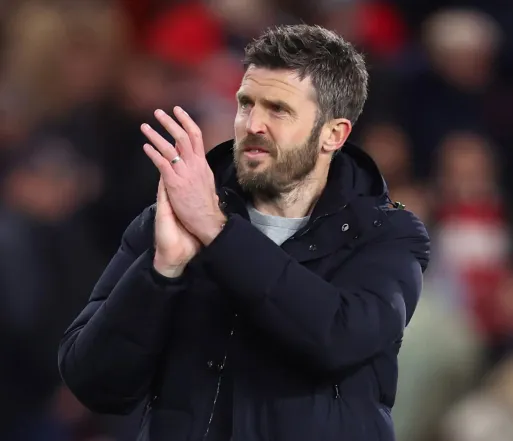
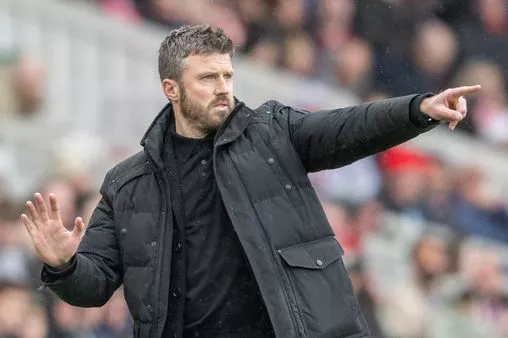
Manchester United have made a big decision at a difficult time. Michael Carrick has agreed to become the club’s interim manager until the end of the season. The former United midfielder will now lead the team from the dugout as the club looks for stability after months of chaos and disappointment.
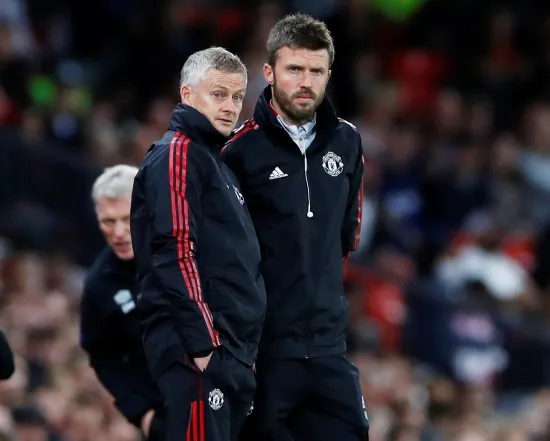
Carrick steps into the role after beating competition from another familiar face. Ole Gunnar Solskjaer was also spoken to by United, but it was Carrick who convinced the club that he was the right man to guide them to the summer. The decision shows that United want calm, experience, and a deep understanding of the club.
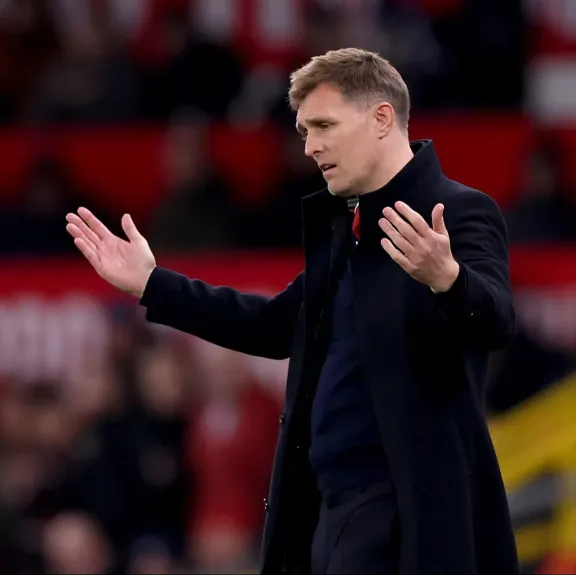
The 44-year-old takes over from Darren Fletcher, his former team-mate. Fletcher had stepped up from his role as Under-18s boss to take charge of the first team following the sacking of Ruben Amorim. It was never meant to be a long-term solution, but Fletcher did his best in a very hard situation.
Under Fletcher, United drew 2-2 away at Burnley. There were moments of fight in that match, but problems remained clear. Just days later, United were knocked out of the FA Cup by Brighton at Old Trafford, a result that deepened the feeling of a club in trouble.
That FA Cup defeat was painful for many reasons. Danny Welbeck, a former United striker, scored the winning goal for Brighton. His strike sealed a miserable night for the home fans and underlined how far United have fallen in recent years.
Now, Carrick takes full control until the end of the season. He will oversee the final 17 games of the campaign, starting with the Manchester derby at Old Trafford this Saturday. It is one of the toughest ways possible to begin an interim spell, but Carrick is no stranger to pressure.
This is not Carrick’s first time leading Manchester United. Back in late 2021, he had a brief spell as caretaker manager after Ole Gunnar Solskjaer was dismissed. During that period, Carrick took charge of three matches before Ralf Rangnick arrived as interim boss.
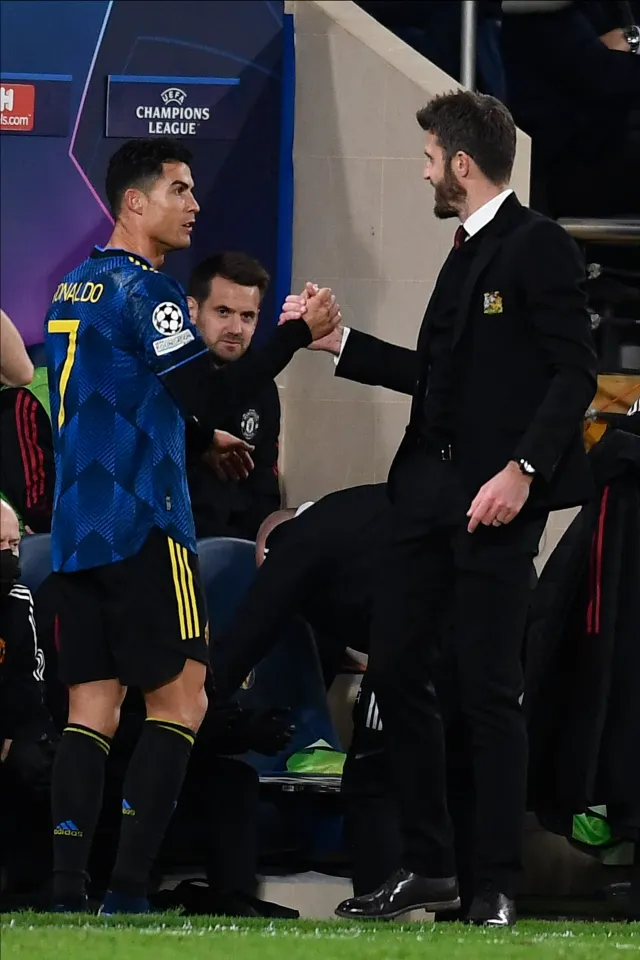
That short run included a famous win away at Villarreal in the Champions League. It was a night that showed Carrick’s calm nature and tactical discipline. Many inside the club felt he handled himself well, even in such a short window.
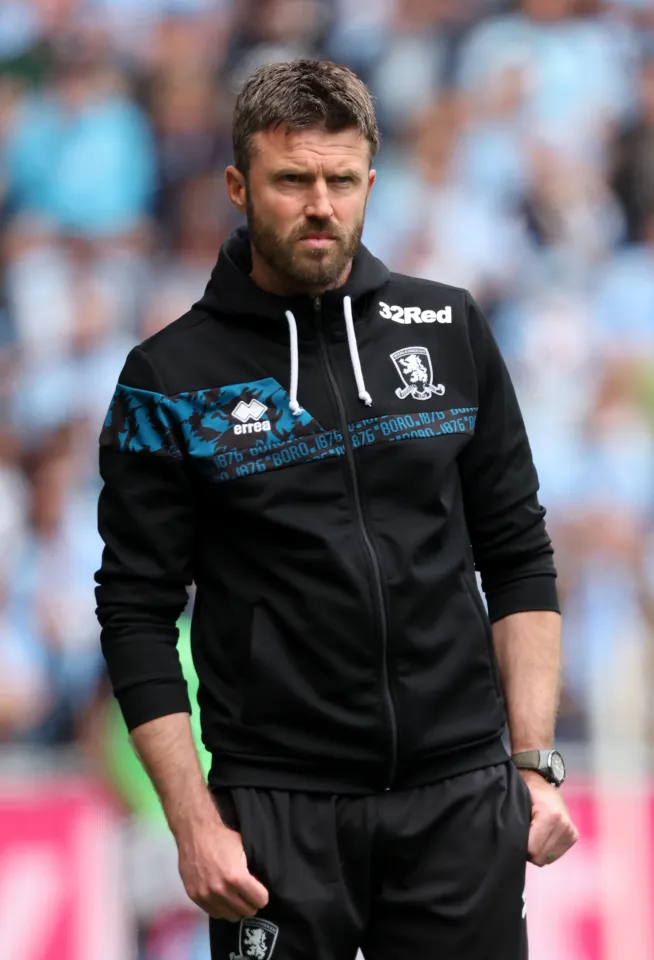
After leaving United, Carrick became Middlesbrough manager. He spent three years at the Championship club, taking charge of 136 matches and winning just under half of them. Boro finished fourth, eighth, and tenth during his time in charge.
Despite those solid finishes, Carrick was sacked at the end of last season. Still, his work at Middlesbrough earned him respect across English football, especially for his calm leadership style and his focus on developing young players.
Manchester United’s current season shows just how much work Carrick has to do. The club are out of both the FA Cup and the League Cup. They also failed to qualify for European competition, which is unthinkable for a club of United’s size.
In total, United will play only 40 matches this season. That includes 38 Premier League games, one FA Cup match against Brighton, and a shock League Cup exit to Grimsby. It is their lowest number of matches in a season since the 1914–15 campaign.
The FA Cup defeat to Brighton was another low point. United were dumped out in the third round for the first time since 2014. It also marked the earliest they have exited both cup competitions since 1982.
The match itself summed up United’s struggles. They started well but were caught sleeping after just 12 minutes. Brajan Gruda reacted fastest to a rebound and fired Brighton into the lead.
Fletcher’s side struggled to respond. The energy dropped, and confidence looked fragile. On 64 minutes, Danny Welbeck struck again, finishing brilliantly to make it 2-0 and silence Old Trafford.
United did find late hope when Benjamin Sesko scored with a back-post header. The goal briefly lifted the crowd and hinted at a possible comeback.
But the night quickly turned worse. Just moments later, 18-year-old debutant Shea Lacey was sent off. The red card killed any remaining momentum and summed up a night of frustration and bad luck.
As Carrick prepares to take over, he does so with the backing of one of the greatest players in the club’s history. Cristiano Ronaldo has publicly supported his former team-mate.
The Portuguese legend took to X to share his thoughts. He posted a picture of himself with Carrick from Carrick’s first game in charge back in 2021, the famous win in Villarreal.
Ronaldo’s words carried weight. He said: “Michael Carrick was a class act as a player and he can become a great coach as well. Nothing is impossible for this guy. Personally, I’m proud to have played with him by my side as well as with him as a manager on our bench.”
That endorsement shows the respect Carrick commands in the dressing room and beyond. Few voices in football carry more influence than Ronaldo’s, and his support could help Carrick earn trust quickly.
For Manchester United, this appointment is about survival and pride. The season cannot be saved with trophies, but it can still be finished with dignity. Carrick’s task is to steady the ship, restore confidence, and remind players what it means to wear the badge.
The coming weeks will not be easy. The derby, tough league fixtures, and intense media pressure all lie ahead. But for now, Michael Carrick carries the baton, and Manchester United hope one of their own can guide them through the storm.
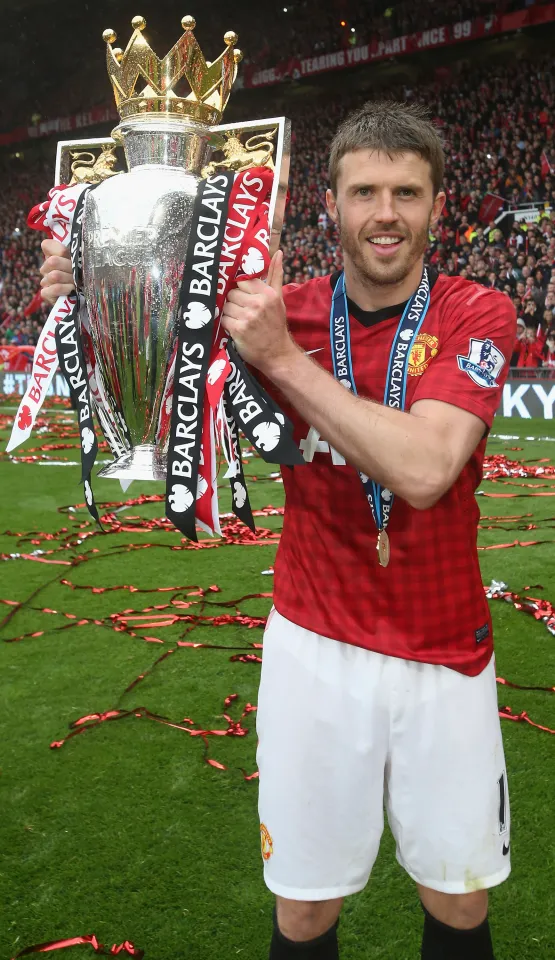
Michael Carrick will be the interim manager at Manchester United. Credit: GettyCarrick won 18 trophies as a player at Old Trafford including five Premier Leagues. Credit: Getty – ContributorCarrick had three matches in charge in 2021 when Cristiano Ronaldo was in the team. Credit: GettyThe ex-midfielder spent three years at Middlesbrough. Credit: GettyDarren Fletcher was unable to win either of his matches in charge. Credit: GettyCarrick pipped Ole Gunnar Solskjaer to the temporary gigCredit: Reuters
Arsenal are top of the Premier League, six points clear, and closer than ever to ending a 22-year wait for the title. On paper, this should be a moment of joy and confidence. Yet inside the Emirates Stadium, the mood tells a different story. There is belief, yes, but also fear. A familiar fear shaped by past collapses when the prize was within reach.
At the center of this unease is Viktor Gyokeres. The striker arrived in July with big expectations and a £54.8million price tag. He was meant to be the final piece of Mikel Arteta’s title puzzle. Instead, months later, doubts are growing louder with every passing game.
Economists call it the “sunk cost fallacy.” It is the idea that once you have invested heavily in something, you feel unable to walk away from it, even when it is clearly not working. Football managers face this problem too, and right now, Arteta is staring straight at it.
The truth is uncomfortable but simple. Gyokeres is not delivering, and there is little evidence to suggest that he suddenly will. The longer Arsenal persist, the greater the risk of throwing away a title that looks theirs to lose.
Against Liverpool in the recent 0-0 draw, the problem was exposed again. Gyokeres played 64 minutes as the central striker for the league leaders. In that time, he touched the ball just eight times. Eight. For a team chasing goals and control, that number tells its own story.
This was not an isolated incident. It was another piece of evidence that Gyokeres has been lifted beyond his true level. In the Premier League, space is tight, defenders are ruthless, and chances must be taken quickly. So far, he has struggled to cope.
Gyokeres arrived with a glowing reputation after scoring 39 league goals for Sporting last season, 48 in all competitions. At 27 years old, with experience at Brighton and Coventry, he seemed ready for the biggest stage. Arsenal believed they were buying a striker entering his prime.
But context matters. Only two of those 39 league goals came against Portugal’s other top-five teams. Much of his success came against weaker opposition. To many observers, he was a flat-track bully rather than a striker proven at the highest level.
In the Premier League, those concerns have become reality. In 19 appearances, Gyokeres has scored five goals. Only three of those have come from open play. He has taken just 31 shots all season, with only 11 on target. For a title-chasing side, those numbers are alarming.
Even more worrying is what the eye test shows. His movement lacks sharpness and penetration. Runs into dangerous spaces are rare. At times, it even appears that his teammates hesitate before passing to him, unsure he will make the right movement or finish the chance.
Arteta may argue that injuries have limited his options. Kai Havertz and Gabriel Jesus have both spent long spells unavailable. Jesus and Mikel Merino, used out of position up front last season, average roughly one goal in four games. Havertz, at his best, scores once every three matches.
But that is exactly why bold action is needed now. The January transfer window offers a chance not just to improve the squad, but to lift the belief of the players and the fans. A decisive move could turn nervous energy into unstoppable momentum.
Inside the Emirates, the noise can be deceiving. The loud chants, the swagger, the sarcastic cries of “set-piece again” when another corner drops in, all hide deeper insecurities. Arsenal fans have been here before, and the scars remain.
They are like the Wizard of Oz, projecting confidence and power to mask doubt. Pull back the curtain, as Liverpool did in that tense second half, and the fear is clear. Supporters are already imagining a repeat of past failures.
They know Gyokeres’ limits. They can see that the jump from the Primeira Liga to the world’s toughest league is a step too far for him. And they fear that this weakness could undo everything else that Arsenal have built so well.
Those fears grow stronger when they look at the competition. When the title race reaches its boiling point, especially with the April 19 trip to the Etihad looming large, Manchester City will likely rely on Erling Haaland. History suggests he will deliver when it matters most.
A top striker does more than score goals. He creates fear. He forces defenders to drop deeper. He opens space for midfield runners and wide players. Opponents change their entire game plan to stop him.
Right now, with Gyokeres leading the line, Arsenal do not have that effect. Despite a squad that looks strong in almost every other position, there is little reason for rivals to fear the spearhead.
Fans can chant “Buy a f***ing striker!” all they want, as they often do, but making the deal is far harder. Gyokeres was supposed to end that debate. Yet there have always been whispers that Arteta preferred another option, with suspicions he believed Benjamin Sesko was the better fit.
Time is running out to correct the mistake. Great managers are not defined by never being wrong. They are defined by how quickly they recognize an error and act decisively.
Despite everything, there is still only one team that can stop Arsenal from winning their first title in 22 years. Unfortunately for them, that team is Arsenal themselves.
The message is clear. Make the brave call now. Cash in the Gyokeres chips, bring in an upgrade, and remove the biggest doubt hanging over this squad.
Do that, and Arsenal can finally fulfill their destiny. Delay, and history may repeat itself once again.
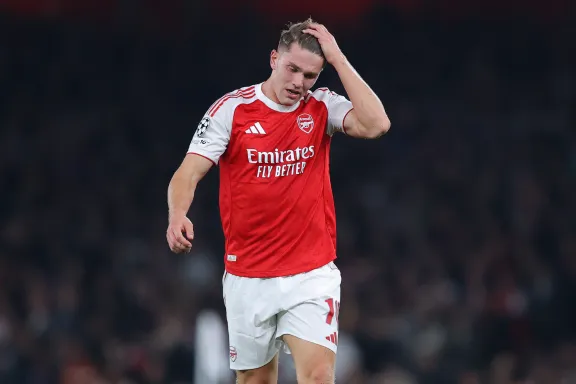
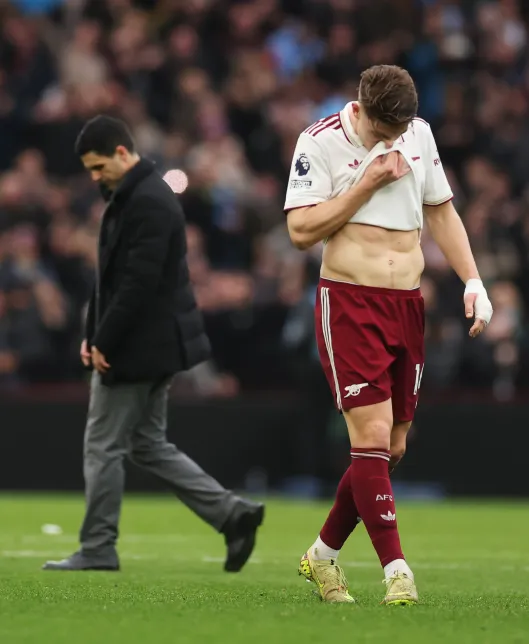
Mikel Arteta has been urged to drop Viktor Gyokeres for good. Credit: GettyThe Arsenal striker has struggled for form since his big-money move over the summer. Credit: Getty
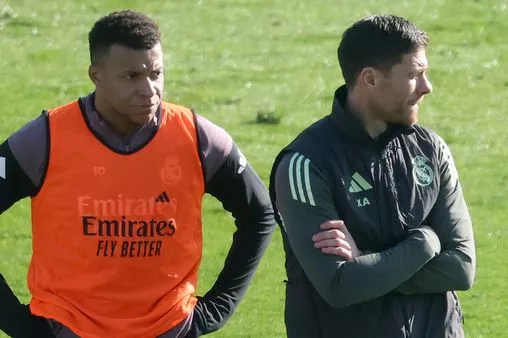
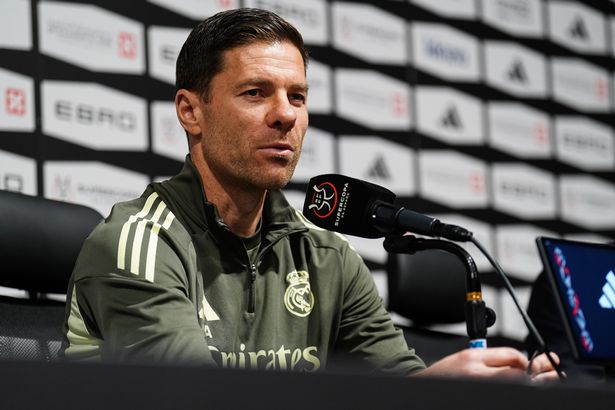
Kylian Mbappe has finally spoken after the shocking exit of Xabi Alonso from Real Madrid, sending an emotional message that has caught the attention of fans around the world. The French superstar did not stay silent after the club confirmed that Alonso had left his role as head coach after just eight months in charge.
Real Madrid announced on Monday that they had officially parted ways with Xabi Alonso. The decision came as a surprise to many, especially considering the short time Alonso had spent at the club since his appointment last summer.
The Spanish giants explained that the separation was reached by mutual agreement. This announcement came only one day after Real Madrid suffered a painful defeat against Barcelona in the Spanish Super Cup final.
That match proved to be Alonso’s final game in charge of Los Blancos. Real Madrid lost 3-2 to their biggest rivals, with Frenkie De Jong scoring the winning goal in stoppage time. The late goal sealed Madrid’s fate and ended Alonso’s short spell at the club.
Soon after the club confirmed Alonso’s exit, Real Madrid also revealed the name of his replacement. Former defender Alvaro Arbeloa has been appointed as the new manager, stepping into one of the most demanding roles in world football.
Following the official announcement, Kylian Mbappe took to Instagram to share his thoughts. The Real Madrid star posted a message on his story to his 129 million followers, alongside a photo of himself with Alonso.
“It’s been short but it was a pleasure to play for you and learn from you,” Mbappe wrote. “Thank you for giving me the confidence since day one.
“I will remember you as a manager who had clear ideas and knows many things about football. Best of luck for your next chapter.”
Mbappe’s message showed deep respect for Alonso, despite their limited time working together. It also highlighted the trust Alonso placed in the forward from the very beginning of his reign.
Xabi Alonso’s future at Real Madrid had been the subject of growing speculation in recent weeks. Questions were raised after mixed results and growing pressure, even though he was only appointed last summer before the FIFA Club World Cup.
Despite the sudden ending, Alonso leaves Real Madrid in second place in the La Liga table. The club currently sits four points behind league leaders Barcelona, showing that the season was far from a disaster.
Real Madrid released a formal statement to explain the decision and pay tribute to their former coach. The club emphasized respect, appreciation, and long-term admiration for Alonso.
“Real Madrid C. F. wishes to announce that, by mutual agreement between the club and Xabi Alonso, it has been decided to bring his time as first team coach to an end,” Madrid’s statement read.
“Xabi Alonso will always carry the affection and admiration of all Madridistas because he is a Real Madrid legend and has always represented the values of our club. Real Madrid will always be his home.
“We would like to thank Xabi Alonso and all his coaching staff for their hard work and dedication throughout this time, and wish them the best of luck in this new stage of their lives.”
These words made it clear that Alonso’s connection with the club remains strong, despite his departure as manager. His status as a Real Madrid legend remains untouched.
For Alonso, the exit marks the end of a challenging chapter in his coaching career. Expectations were high from the start, and managing Real Madrid always comes with intense pressure and little patience.
Meanwhile, attention now turns to Alvaro Arbeloa, who takes over the team at a crucial moment. He faces the difficult task of stabilizing the squad and keeping the club competitive on all fronts.
Real Madrid’s schedule does not allow much time for adjustment. Their next match will see them face Albacete on Wednesday night in the Copa del Rey round of 16.
After that, Madrid will return to La Liga action on Saturday with a clash against Levante. These matches will be the first real test of Arbeloa’s leadership and tactical approach.
Mbappe’s public message has added an emotional layer to the story, reminding fans that behind the headlines are real relationships between players and coaches.
As Real Madrid move forward, the focus will remain on results, trophies, and stability. However, the brief era of Xabi Alonso will not be forgotten quickly, especially after such a heartfelt farewell from one of the world’s biggest stars.
Kylian Mbappe has sent a message to Xabi Alonso after his departure as Real Madrid head coach(Image: Pierre-Philippe MARCOU / AFP via Getty Images)Xabi Alonso left Real Madrid on Monday (Image: Ismael Adnan Yaqoob/Anadolu via Getty Images)
Manchester United are preparing to make a big announcement that could change the direction of their season. Michael Carrick is expected to be confirmed as the club’s new interim manager on Tuesday. This move comes after a difficult period at Old Trafford and has already created strong reactions among fans.
The 44-year-old former midfielder has been in talks with United’s director of football, Jason Wilcox, over the past week. Those discussions are now complete, and everything points to Carrick taking charge of the team until the end of the season.
According to The Guardian, the official announcement is scheduled for Tuesday. Carrick will step into the role at a critical moment, with Manchester United facing major pressure both on and off the pitch.
Darren Fletcher, who has overseen two matches since Ruben Amorim was dismissed last Monday, is expected to stay involved. He is likely to join Carrick’s coaching team as the club looks for stability during this transition period.
Another familiar name could also return to the dugout. Jonathan Woodgate, the former Real Madrid defender and ex-Middlesbrough first-team coach, is being considered as part of Carrick’s backroom staff. His experience could add balance to the coaching setup.
Carrick is set to take his first training session on Wednesday. The squad will return from a two-day break, and there will be little time to settle in. His first challenge is already huge.
Manchester United face Manchester City on Saturday in a massive Premier League clash. Preparing the team for such a high-pressure match will be Carrick’s immediate priority.
Despite the short-term nature of his role, United are ready to back Carrick in the January transfer window. The club believes the squad needs fresh energy, especially in midfield.
Midfield has been clearly identified as an area that needs reinforcement. United want a player who can control the game, bring leadership, and add calmness under pressure.
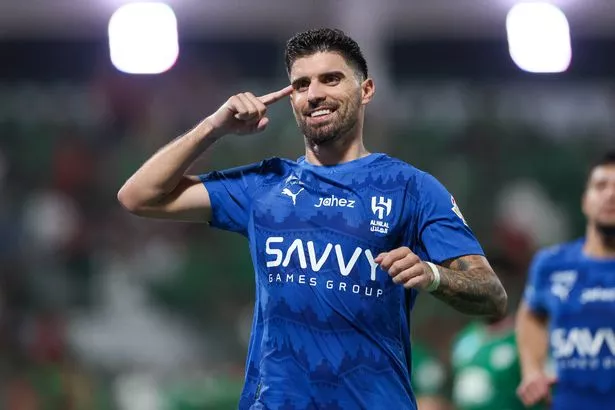
Al-Hilal midfielder Ruben Neves has now emerged as a serious target. The former Wolves and Porto star is valued at around £20 million, making him an attractive option for United.
Neves, who is 28 years old, showed his quality again on Monday night. He scored Al-Hilal’s third goal in their win over Cristiano Ronaldo’s Al-Nassr in the Saudi Pro League.
His contract with the Middle Eastern club is set to expire this summer. Because of this, Manchester United could sign him at a bargain price in January.
For Carrick, Neves would be a familiar type of player. As a former deep-lying midfielder himself, Carrick values intelligence, positioning, and passing ability in the center of the pitch.
This is not Carrick’s first time leading Manchester United. He previously took charge as caretaker manager in November and December 2021 after Ole Gunnar Solskjaer was sacked.
During that short spell, Carrick remained unbeaten. He guided United to a 2-0 Champions League win against Villarreal, a 1-1 draw with Chelsea in the Premier League, and a dramatic 3-2 league victory over Arsenal at Old Trafford.
Many fans still remember that calm and disciplined period. However, Carrick stepped aside once Ralf Rangnick was appointed interim manager until the end of the campaign.
After leaving United, Carrick took on a new challenge. He became Middlesbrough’s manager in October 2022 and stayed at the Riverside Stadium for nearly three years.
His time at Boro was solid and impressive. Carrick recorded 63 wins and 24 draws from 136 matches, earning respect for his tactical approach and man-management.
As a player, Carrick is already a Manchester United legend. From 2006 to 2018, he won 10 major trophies with the club, including five Premier League titles and one Champions League trophy.
That deep connection to United is one reason the club trusts him during this difficult period. Carrick understands the culture, the pressure, and what it means to play at Old Trafford.
United are coming into this week after another disappointment. They were knocked out of the FA Cup by Brighton on Sunday, adding to a growing list of frustrations.
The schedule ahead is brutal. After facing Manchester City, United will travel to Arsenal before returning home to host Fulham in the Premier League.
For Michael Carrick, this interim role is more than just a short-term job. It is a chance to steady the ship, reconnect the team with its identity, and possibly lay the foundation for the future.
Whether Ruben Neves becomes his first signing or not, one thing is clear. Carrick’s return has already brought a sense of calm and hope to a club that desperately needs both.
Michael Carrick is set to be appointed as Manchester United’s interim manager (Image: Getty Images)Ruben Neves has been linked with a move to Manchester United (Image: 2025 Getty Images)
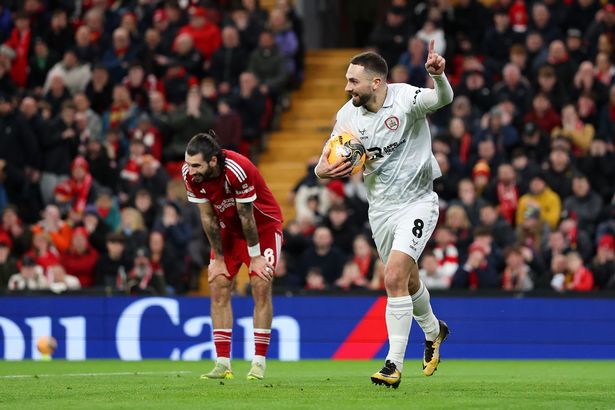
Liverpool booked their place in the fourth round of the FA Cup with a 4-1 win over League One side Barnsley, but the scoreline did not tell the full story of a dramatic and emotional night at Anfield.
The match turned into a rollercoaster for Liverpool midfielder Dominik Szoboszlai, who experienced both the highest praise and the strongest criticism within the same game.
Liverpool started the match with confidence, controlling possession and pushing Barnsley deep into their own half. The pressure paid off when Szoboszlai opened the scoring in spectacular fashion.
The Hungarian midfielder struck a world-class long-range goal, sending the Anfield crowd into celebration. It was his sixth goal of the season and another reminder of his quality from distance.
Soon after, Liverpool doubled their lead through Jeremie Frimpong, whose goal was also a standout moment. At that point, the match looked comfortable for Arne Slot’s side.
However, football can change quickly, and this game was no exception. What followed stunned both the crowd and the Liverpool bench.
Szoboszlai made an inexplicable mistake just yards from his own goal. Instead of clearing the ball safely, he attempted a baffling backheel that went horribly wrong.
The error gifted Barnsley a golden opportunity, and Adam Phillips made no mistake, pulling one back for the visitors and giving them belief.
Suddenly, a match that looked settled became tense. Liverpool still had control, but the mood around Anfield shifted.
Despite the mistake, Liverpool eventually restored their dominance late in the game. Florian Wirtz scored to ease the pressure, and Hugo Ekitike added another to seal a 4-1 victory.
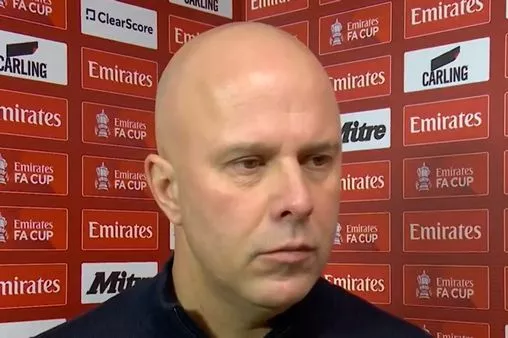
While the result ensured progress in the FA Cup, Arne Slot was clearly unhappy with what he had seen from Szoboszlai.
Speaking after full-time with TNT Sports, Slot addressed the controversy directly after Barnsley boss Conor Hourihane described the action as “disrespectful.”
Slot said: “What does he mean disrespectful? I don’t think you should do that in a Premier League game, League Cup game, friendly game or a training session. It’s a weird choice and I also have my opinion about it but I prefer to keep that to myself and speak about it with Dom.”
The Liverpool manager made it clear that the issue would be handled internally, but his frustration was obvious.
Szoboszlai himself did not hide from responsibility. At the end of the match, he publicly apologized to his teammates for the costly mistake.
He said: “Sorry for the team again, I made it hard for us with an easy mistake I would say but football happens. We move on and take the next round.”
Despite the error, Szoboszlai was proud of his opening goal, which added to his growing collection of long-range strikes for Liverpool.
Reflecting on the goal, he explained: “Yeah finally I got in my position and I didn’t really think much. If I have a chance to shoot so I just take the chance and shot it and finally hit the goal so good.”
Barnsley manager Conor Hourihane, however, was less forgiving when asked if the backheel attempt crossed a line.
He said: “I was a little bit disappointed with our goal. I don’t think a player does that against Chelsea, against Arsenal or in a Champions League game. I’m a little bit disappointed with that to be honest. I thought my lads were top.”
Hourihane went further, adding: “Yeah, potentially [it was disrespectful]. He doesn’t do that against Arsenal, Chelsea or a Champions League game. He doesn’t do that.”
His comments sparked debate among fans and pundits about respect, professionalism, and decision-making at the highest level.
For Liverpool, the focus now shifts forward. The Reds have secured a fourth-round FA Cup clash against Premier League rivals Brighton, a much tougher test than Barnsley.
Arne Slot will hope that the lessons from this match are learned quickly, especially as Liverpool face stronger opposition in the coming weeks.
For Szoboszlai, the night was a reminder of how quickly football can turn. One moment of brilliance can be followed by one costly decision.
Yet, Liverpool’s progress continues, and the FA Cup journey remains alive, even if this Anfield night raised more questions than celebrations.
Arne Slot addressed Szoboszlai’s error vs Barnsley (Image: TNT Sports)Szoboszlai’s error handed Barnsley a foothold back into the game (Image: Getty Images)
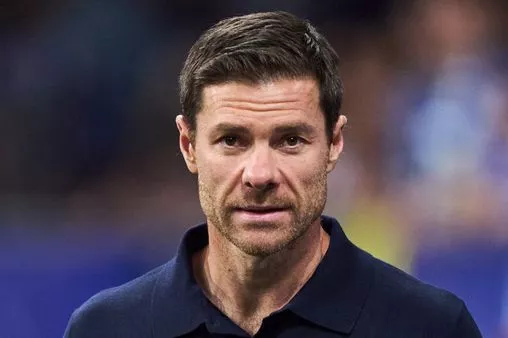
The football world woke up to a major surprise after Real Madrid officially confirmed that Xabi Alonso is no longer the club’s head coach. His time in charge lasted only eight months, but the impact of his exit is already being felt across Spain and beyond. Fans, former players, and pundits are now asking the same question: why did it end so quickly?
Xabi Alonso, a former Liverpool and Real Madrid midfielder, took over the job after Carlo Ancelotti stepped aside. Many supporters believed Alonso was the right man to start a new era at the Santiago Bernabéu. He was young, intelligent, respected, and deeply connected to the club’s identity.
However, his short spell as manager was far from smooth. From the very beginning, Alonso faced intense pressure, both on and off the pitch. Real Madrid is a club where success is not optional, and patience is very limited.
One of the moments that increased the pressure was a 1-0 defeat to Liverpool at Anfield in November. For Alonso, that loss was especially painful because of his strong history with the English club. The result raised doubts among Madrid fans and the club’s hierarchy about his ability to handle the biggest nights.
Despite that setback, Alonso managed to win many games afterward. Real Madrid even defeated Atletico Madrid in the Spanish Super Cup semi-final, a result that briefly eased the tension around the club. Still, the atmosphere remained fragile.
Everything came to a head on Sunday night when Real Madrid lost the Spanish Super Cup final to Barcelona. The match was close, and Madrid pushed hard until the final minutes. Many felt they deserved an equaliser late in the game, but it never came.
Soon after that defeat, the club decided to act. Real Madrid released an official statement confirming Alonso’s departure. The statement read: “Real Madrid CF announces that, by mutual agreement between the club and Xabi Alonso, it has been decided to end his time as first team coach.”
The club also made it clear that there was no bad blood. They added: “Xabi Alonso will always have the affection and admiration of all Madrid fans because he is a Real Madrid legend and has always represented the values of our club. Real Madrid will always be his home.”
Former Liverpool winger Steve McManaman offered an interesting theory about why Alonso’s exit happened so suddenly. Speaking on TNT Sports, McManaman suggested that Alonso’s strong personality may have played a key role.
McManaman explained: “We heard it [Alonso’s potential departure] when they played Manchester City. But since then he’s won a lot of the games. They beat Atletico Madrid in the semi-final the other day. Of course they lost last night [vs Barcelona] but it was a very close game and they probably should have equalised late on.”
He then pointed to deeper issues behind the scenes. “The only thing I would say is that Xabi doesn’t take any nonsense off the people upstairs and he’s quite happy to argue back. So I think in the end it’s probably the best conclusion to what’s been a messy affair.”
According to McManaman, Alonso’s confidence may have worked against him in a club where power politics matter. He added: “Xabi will get another job very quickly, I think he knows that. That’s why he was in a position of power really.”
There had also been rumors linking Alonso with a return to Liverpool following Jurgen Klopp’s departure. Many fans believed it was only a matter of time before he went back to Anfield. However, Alonso himself made it clear that such a move was never close, and Liverpool eventually appointed Arne Slot as Klopp’s successor.
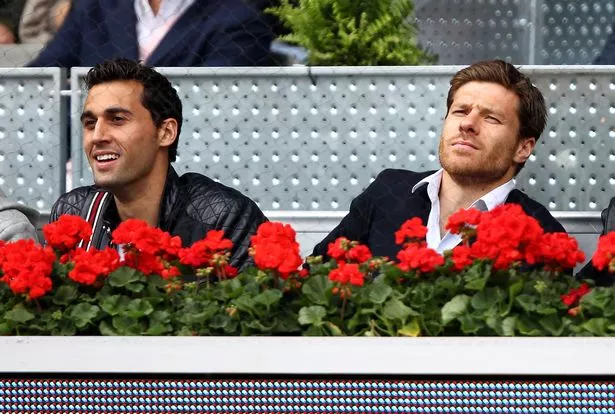
With Alonso gone, Real Madrid moved quickly to name a replacement. Once again, the club turned to a former Liverpool player. Alvaro Arbeloa, Alonso’s old teammate, has been promoted from the youth setup to become the new first team coach.
In another official statement, Real Madrid said: “Real Madrid CF announces that Alvaro Arbeloa is the new first team coach.” The club highlighted his deep roots within Madrid’s system and his success at youth level.
Arbeloa has managed Castilla since June 2025 and has spent his entire coaching career inside Real Madrid’s academy since 2020. He has won league titles at different youth levels and achieved an impressive treble with the Juvenil A team in the 2022–2023 season.
As a player, Arbeloa was part of one of the most successful periods in Real Madrid’s history. Between 2009 and 2016, he made 238 official appearances and won eight major trophies, including two Champions League titles.
His experience is not limited to club football. With the Spanish national team, Arbeloa was part of a historic generation that won the 2010 World Cup and two European Championships in 2008 and 2012. He earned 56 caps for Spain, showing his consistency at the highest level.
For Real Madrid, this appointment feels like a return to familiar values. Arbeloa understands the club’s culture, expectations, and pressure. Unlike Alonso, he has grown within the system and may be more aligned with the club’s leadership.
Xabi Alonso’s story at Real Madrid may have ended quickly, but it is far from over. Many believe he will soon find another top job, possibly in Spain, England, or even Germany. His ideas, leadership, and confidence still make him one of the most exciting young coaches in football.
For now, Real Madrid moves on once again, proving that at this club, even legends are never safe when results, power, and personality collide.
Xabi Alonso has left Real Madrid with immediate effect (Image: Getty Images)Alvaro Arbeloa and Xabi Alonso played together for Liverpool, Real Madrid and Spain (Image: Clive Brunskill/Getty Images)
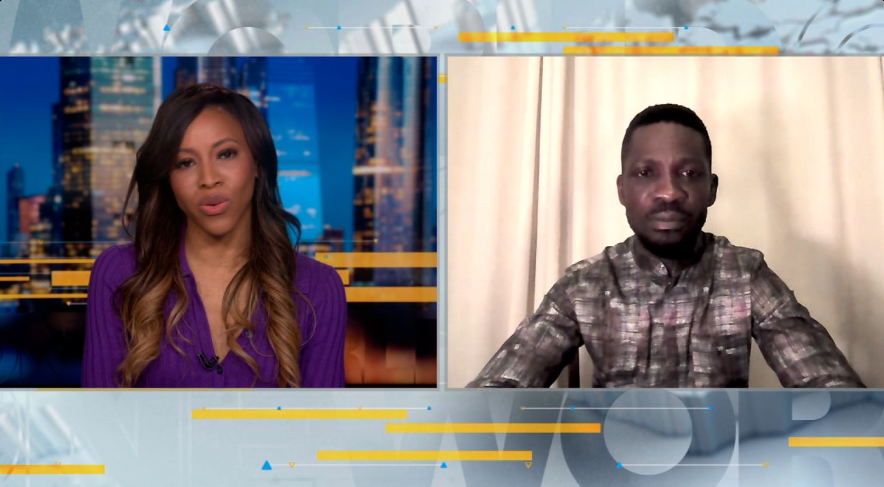
Ugandan opposition leader Bobi Wine has reaffirmed his determination to challenge President Yoweri Museveni in the upcoming elections, saying that confronting authoritarian rule is a necessary and continuous struggle for freedom. Speaking in an interview with CNN from Kampala, Bobi Wine said that failing to challenge dictatorship would amount to surrendering the future of Uganda.
He noted that nearly 75 percent of Ugandans are under the age of 40 and have known only one president throughout their lives. According to him, this reality underscores the urgency of political change in a country where elections have repeatedly been marred by voter intimidation, electoral manipulation, and the capture of state institutions by the ruling elite. Despite acknowledging that the military, police, and key institutions remain firmly under President Museveni’s control, Bobi Wine insisted that the people of Uganda are increasingly standing behind the forces of change.
Bobi Wine explained that his decision to run again is also aimed at removing what he described as “pseudo-legitimacy” that the current government continues to enjoy internationally. He argued that by consistently challenging flawed elections, the opposition exposes the truth to the global community and empowers Ugandans to demand their rights with international solidarity. He said that while the odds are heavily stacked against the opposition, persistence is the only path toward eventual freedom.
Reflecting on the disputed 2021 elections, Bobi Wine said the experience taught him that dictators rarely fall after a single challenge. Instead, he said, sustained pressure and resilience are required. He recalled being placed under house arrest immediately after voting in 2021 and said he expects similar treatment again. He revealed that more than 730 of his colleagues are currently detained, while others have been abducted, gone missing, or killed. Despite this, he said the movement remains resolute.
This time, Bobi Wine emphasized that the struggle is no longer centered on one individual. While he remains the presidential candidate and leader of the movement, he said responsibility has been deliberately shifted to the people. Ugandans, he explained, have been tasked with taking charge of campaigning, voting, and protecting the vote. He warned that if the election is rigged again, citizens must be prepared to peacefully rise up and demand their victory.
Addressing young Ugandans who feel disillusioned with politics, Bobi Wine said democracy only works when people are willing to defend it. He rejected violence as a means of change, arguing that it has never delivered lasting solutions for any nation. Instead, he called on citizens to vote in large numbers and firmly defend the outcome. He cited Uganda’s Constitution, particularly Article 29, which guarantees the right to peaceful and unarmed protest against injustice, and said this provision must be exercised if electoral fraud occurs.
Looking ahead to governance, Bobi Wine said leading Uganda is not a question of “if” but “when,” expressing confidence that the country is ready to entrust leadership to a new generation. He argued that while Uganda’s past challenges were centered on ignorance, disease, and poverty, the country’s current crisis can be traced to one root cause: entrenched corruption. He described corruption as institutionalized and normalized, serving as both a currency and a tool for maintaining power.
He pledged that tackling corruption would be a top priority if he assumes office, alongside restoring the independence of state institutions. According to Bobi Wine, empowering the judiciary and parliament to act independently is essential to ending state capture and dismantling one-man rule. He concluded by saying that only through strong, independent institutions and inclusive leadership can Uganda harness the talents of its people and move forward as a united and democratic nation.
Bobi Wine on CNN: Why Uganda’s Youth Must Keep Challenging Museveni’s Rule Ahead of Elections
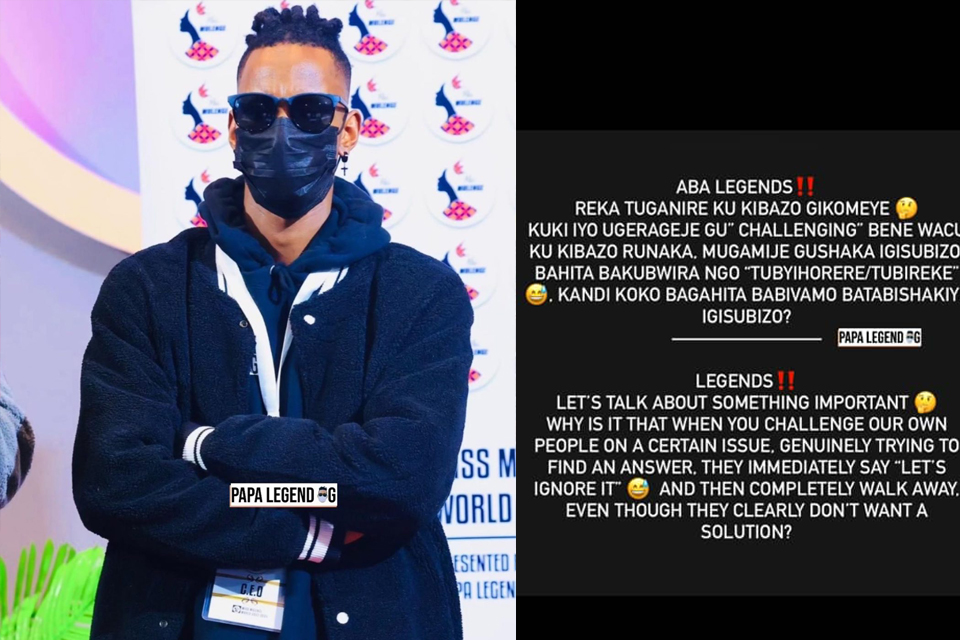
The WhatsApp Status messages shared by Papa Legend OG should not be read as abstract reflections on society at large. They are rooted in a very specific context: the internal dynamics of the Banyamulenge community, a space where he holds a significant voice and where these patterns of behavior are increasingly visible. His remarks emerge from lived observation rather than theory, shaped by ongoing interactions within a community that often struggles to balance unity with accountability.
By questioning why those who raise sensitive issues are quickly labeled as “challenging,” Papa Legend OG was addressing a familiar reflex within the Banyamulenge community. There is a strong tendency to discourage open debate in the name of cohesion, especially when discussions touch on leadership, collective decisions, or uncomfortable truths. In such an environment, silence is frequently framed as loyalty, while questioning is perceived as betrayal.
The reactions that followed his posts reinforce this reality. Several community members openly acknowledged that ignoring problems has become a common coping mechanism. Rather than engaging with difficult conversations, many prefer to withdraw, believing that avoidance preserves harmony. Yet these responses also reveal an underlying awareness that such harmony is fragile and often temporary.
What becomes clear from this exchange is that the issue is not disagreement itself, but the community’s discomfort with scrutiny. Individuals who ask questions are not necessarily seeking conflict; more often, they are responding to visible gaps in accountability and direction. However, the prevailing response is to isolate these voices, allowing unresolved issues to persist beneath the surface.
Some reactions went further, pointing out that this behavior has long-term consequences for the Banyamulenge community. When internal challenges are repeatedly ignored, collective learning stalls. Younger voices grow cautious, elders grow defensive, and meaningful dialogue becomes rare. Over time, this erodes trust and weakens the community’s ability to adapt in moments of crisis.
The discussion also exposes a critical misunderstanding: that choosing not to engage is a neutral act. Within the Banyamulenge context, silence often functions as passive endorsement of existing practices. Ignoring a problem does not make it disappear; it allows it to mature quietly until it becomes more difficult, and more costly, to address.
Papa Legend OG’s intervention, therefore, should be understood as a call for introspection rather than confrontation. His critique is directed inward, toward a community he belongs to and cares about. By speaking out, he challenges the assumption that unity requires silence and suggests instead that sustainable cohesion can only be built through honest conversation and mutual accountability.
Ultimately, this exchange reflects a broader crossroads for the Banyamulenge community. The choice is not between unity and debate, but between superficial calm and genuine progress. If difficult questions continue to be ignored, the cost will be borne collectively. If they are confronted openly, even at the risk of discomfort, the community stands a better chance of strengthening itself from within.
Papa Legend OG Speaks Out: The Banyamulenge Community and the Dangerous Comfort of Silence