At the highly anticipated presidential debate, Ugandan opposition leader Robert Kyagulanyi Ssentamu, popularly known as Bobi Wine , delivered a powerful address portraying a nation “at crossroads” and calling for a complete reset of Uganda’s governance.
Speaking with measured confidence, Bobi Wine began by thanking the moderators and fellow candidates before emphasizing that he stands not for the elite but “for the common people.”
“As a person who comes from the ghetto and rose to represent the nation at the highest level, I cannot take any further pride than that,” he told the country.
“63 Years of Independence, 40 Under One Man”
In one of his sharpest lines of the night, Bobi Wine accused President Yoweri Museveni—who did not attend the debate—of presiding over a prolonged decline of the nation.
“We had independence 63 years ago, and 40 of those years have been covered by one man who has reduced our country to a failed state,” he said.
He argued that Uganda’s youth, who make up the majority of the population, made their political decision long ago—only for that will to be “stifled” by a captured state machinery.
A Country Burdened by Debt and Division
Painting a picture of a nation on the brink, Bobi Wine highlighted Uganda’s economic crisis and demographic pressures:
Over 1.5 million babies born annually
Nearly half of the national budget devoted to debt servicing
Growing divisions that threaten national cohesion
Yet he insisted the people remain “committed and ready to unite.”
Call for a ‘New Uganda’
The opposition leader framed his campaign as a transformational project aimed at reclaiming the country for its citizens.
“What we promise is a new Uganda… a nation that has been completely messed up and needs to start afresh.”
He claimed that all institutions have been captured by those in power, stripping citizens of their voice.
“Ugandans don’t have a vote, they don’t have a voice, and they don’t have power over their nation.”
Bobi Wine said his movement intends not only to liberate ordinary people but even those in government who have become “captives of a system sliding downward.”
A Direct Challenge to President Museveni
The National Unity Platform leader lamented President Museveni’s absence from the debate, saying he had hoped to confront him face-to-face.
“I wanted to hear from him straight—what is he protecting after 40 years? The potholes? The rotten hospitals? The broken schools? His right to torture citizens?”
He insisted the current president belongs to Uganda’s past, while the debate focused on the future.
A Message to the Youth: “Take Back Your Destiny”
Bobi Wine ended his statement with an emotional appeal to the young generation he says he represents.
“The new generation is committed to changing their country and taking back the right to determine their destiny.”
Declaring himself ready to lead that change, he closed with:
“I am ready and committed to lead the charge to change Uganda. So help us, the Almighty God.”
Bobi Wine Uses Presidential Debate to Deliver Defiant Message: “Uganda Must Reset and Start Afresh” — AfroVera.com
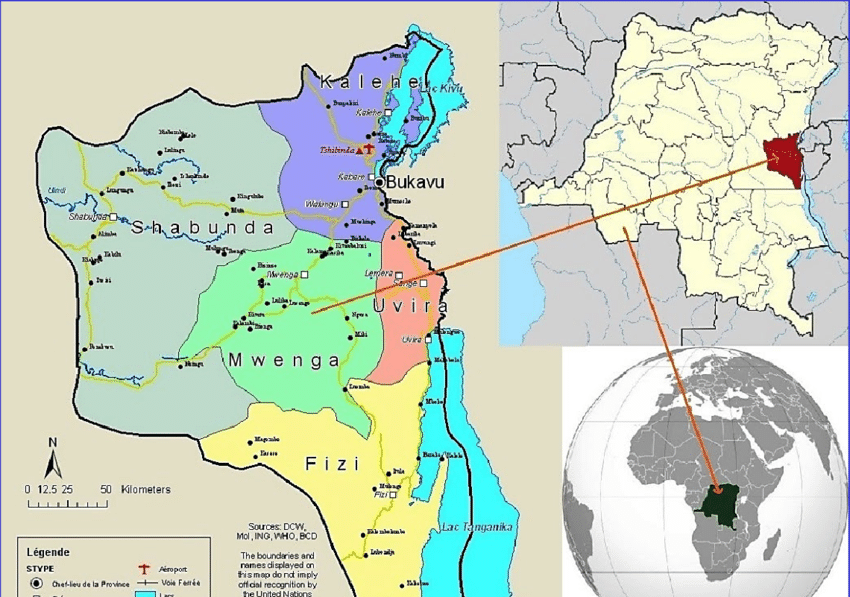
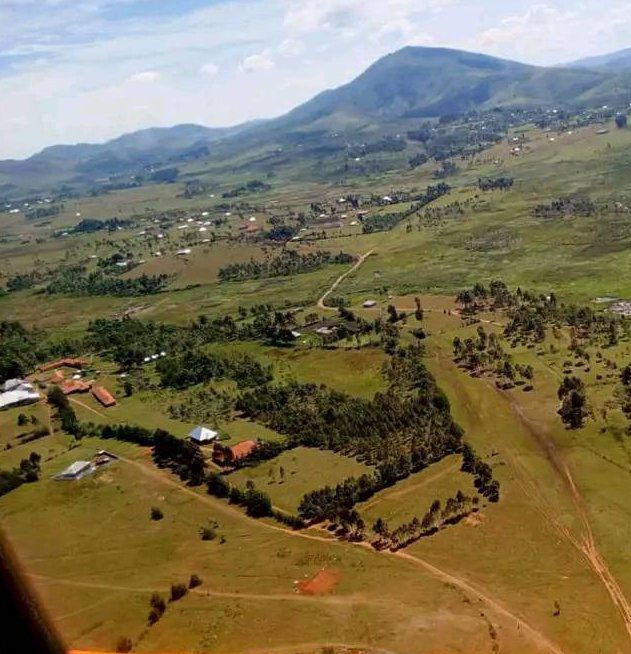
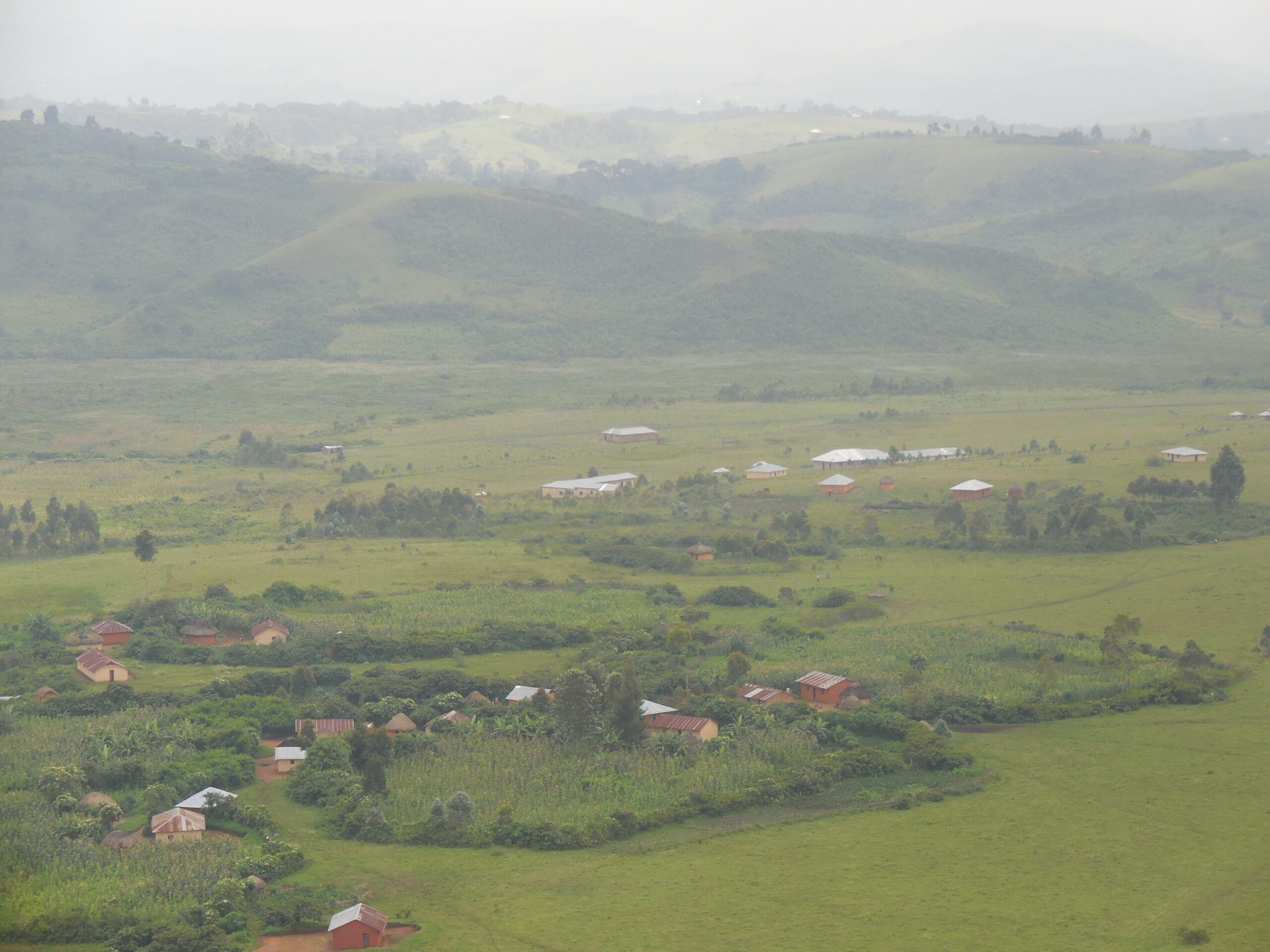
Minembwe, a mountainous commune in South Kivu, eastern Democratic Republic of Congo, rarely appears in international headlines. Yet beneath its rolling hills and isolated villages lies a crisis that has shaped generations an unending conflict that has displaced thousands, destroyed entire communities, and left the Banyamulenge ethnic group fighting for its very existence.
Local self-defense groups, most prominently TWIRWANEHO, have become the last line of protection for civilians in a region where state authority is weak, trust in national institutions is broken, and armed groups operate with near-total impunity.
As one of the most vocal community figures in the diaspora, CEO Officer Jean de Dieu, Ambassador of Peace of Banyamulenge in Australia, places the situation in stark terms:
“TWIRWANEHO is not an army it is a lifeline. Without them, the hills of Minembwe would be silent.”
This investigation examines why diaspora communities across Europe, the United States, Australia, and East Africa are being urged to intensify support for TWIRWANEHO, and why analysts warn that failure to do so could accelerate the disappearance of the Banyamulenge from their ancestral highlands.
A Region at the Edge: The View from Minembwe
To reach Minembwe, one must travel through days of treacherous roads, long patches of insecurity, and forests controlled by various militias. Villages often sit atop ridges exposed to attacks from multiple directions.
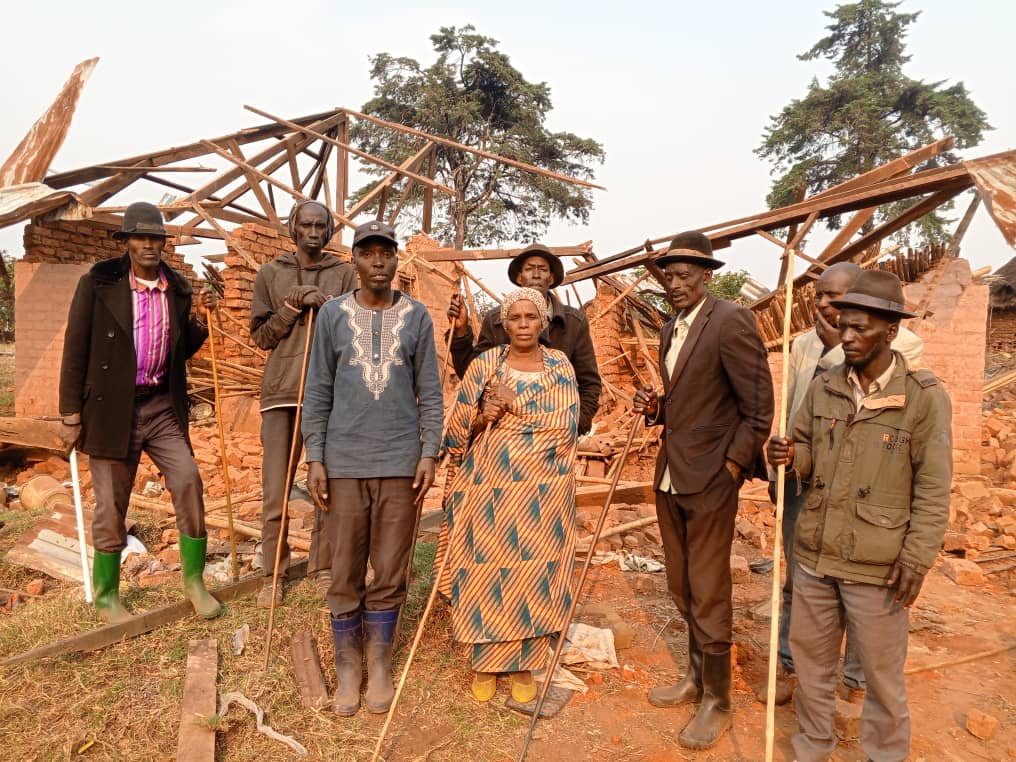
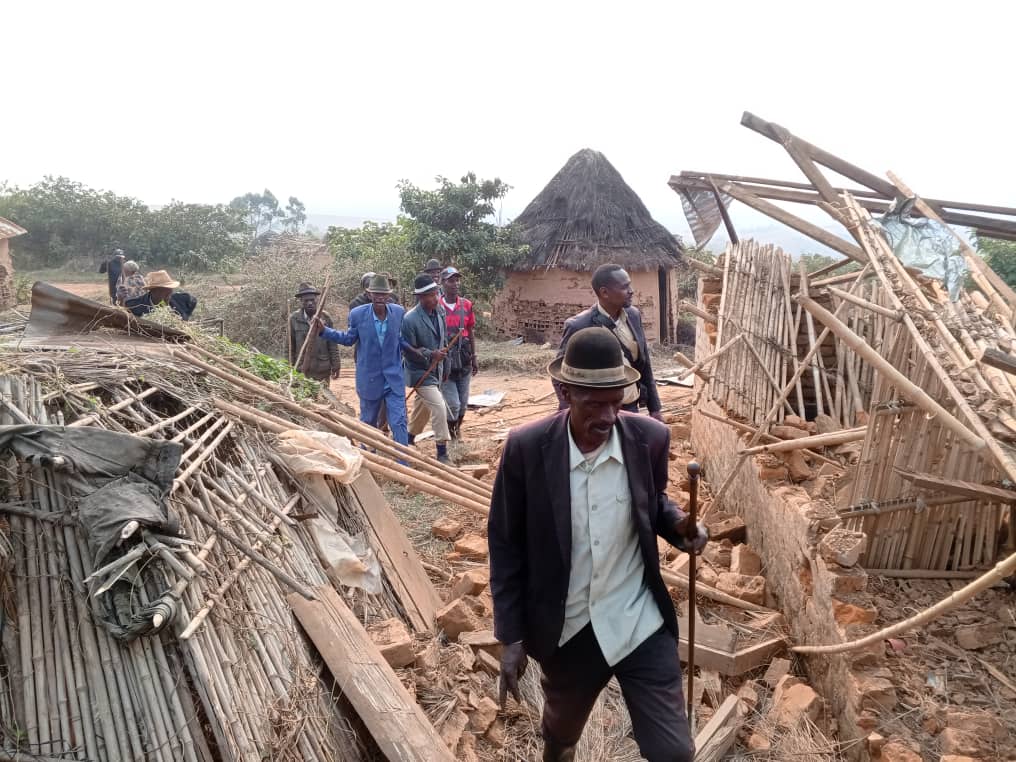
Local sources describe a pattern: armed groups surround cattle-herding communities, burn villages, steal livestock, and force families into makeshift camps on nearby hills.
For many residents, the Congolese national army (FARDC) is either absent, overwhelmed, or viewed with suspicion due to previous allegations of selective protection.
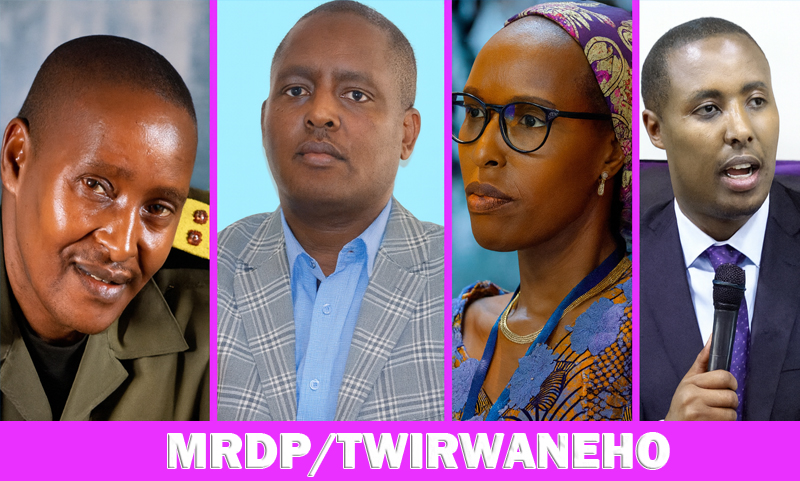
Inside MRDP/Twirwaneho: How the Banyamulenge Resistance Movement Became a Voice for Survival, Dignity, and Peace in Eastern Congo
It is in this vacuum that TWIRWANEHO literally “Let us defend ourselves” emerged.
Unlike formal armed groups, TWIRWANEHO is composed primarily of young men defending their parents’ farms, churches, and grazing lands. Their existence is controversial in a country where armed groups proliferate, but for local civilians, they remain the only force standing between survival and annihilation.
CEO OFFICER Jean de Dieu captures this sentiment:
“People misunderstand TWIRWANEHO because they judge from a distance. But for a grandmother sleeping in the bush with her grandchildren, they are the reason she is alive.”
The Silence of the World
Despite decades of conflict, Minembwe remains largely invisible on the international stage. Humanitarian agencies operate in limited capacities; media access is almost nonexistent; and political attention in Kinshasa centers on national elections rather than remote conflicts.
Analysts say this silence is not accidental.
“Crises in eastern Congo that are geographically isolated rarely receive attention unless they affect regional geopolitics,” explains one researcher at the Great Lakes Observatory.
However, for the Banyamulenge diaspora, scattered from Nairobi to Brussels, from Minneapolis to Sydney, silence is no longer an option.
Why the Diaspora Matters Now More Than Ever
A Community with Global Reach
Over the last 25 years, waves of displacement have led thousands of Banyamulenge to seek refuge abroad. Many have gained education, employment, and political connections in their new host countries.
This global presence has created what Jean de Dieu describes as a strategic advantage:
“Our people abroad have something that those in Minembwe do not access. Access to information, to institutions, to lawmakers, to media. These are tools of protection.”
A Crisis of Existence, Not Politics
Interviews conducted for this investigation indicate growing anxiety among residents of Minembwe. As cattle theft rises and villages continue to vanish, families fear that without support, TWIRWANEHO will lack the capacity to withstand sustained pressure from larger armed coalitions.
Diaspora communities are being urged to provide:
Humanitarian assistance for displaced families
Strategic communication to counter misinformation
Advocacy to push the conflict into international forums
Direct support for community safety initiatives
Experts warn that without diaspora involvement, local defense efforts may weaken, leaving civilians exposed to mass displacement.
Humanitarian Fallout: Life on the Hillsides
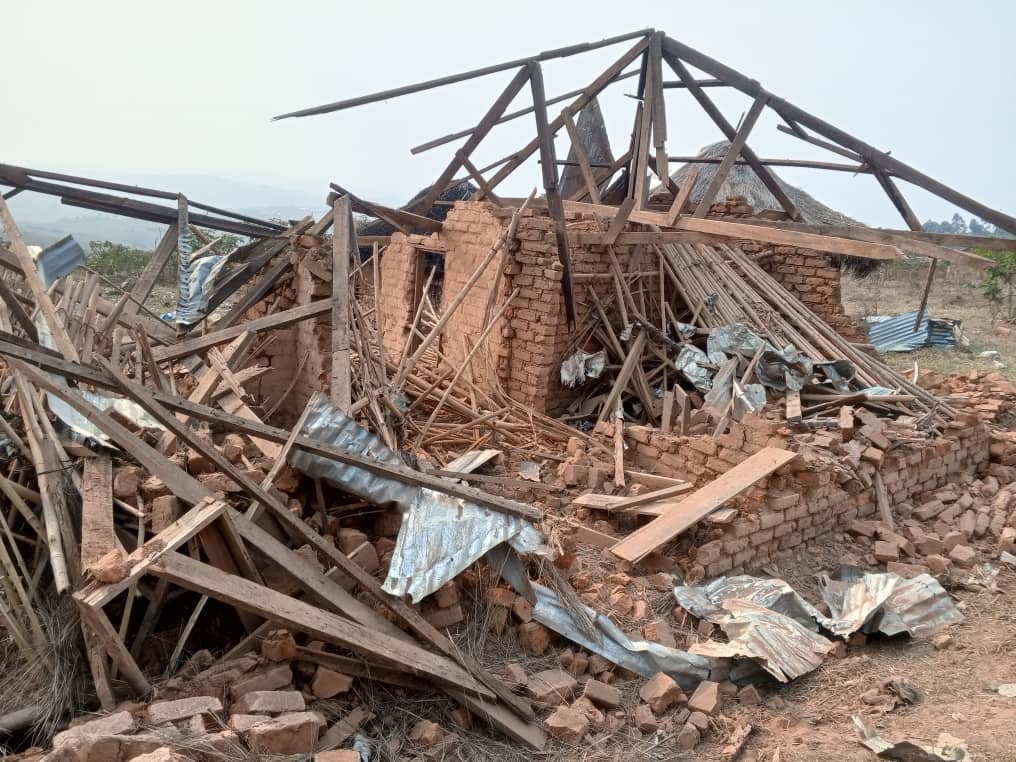
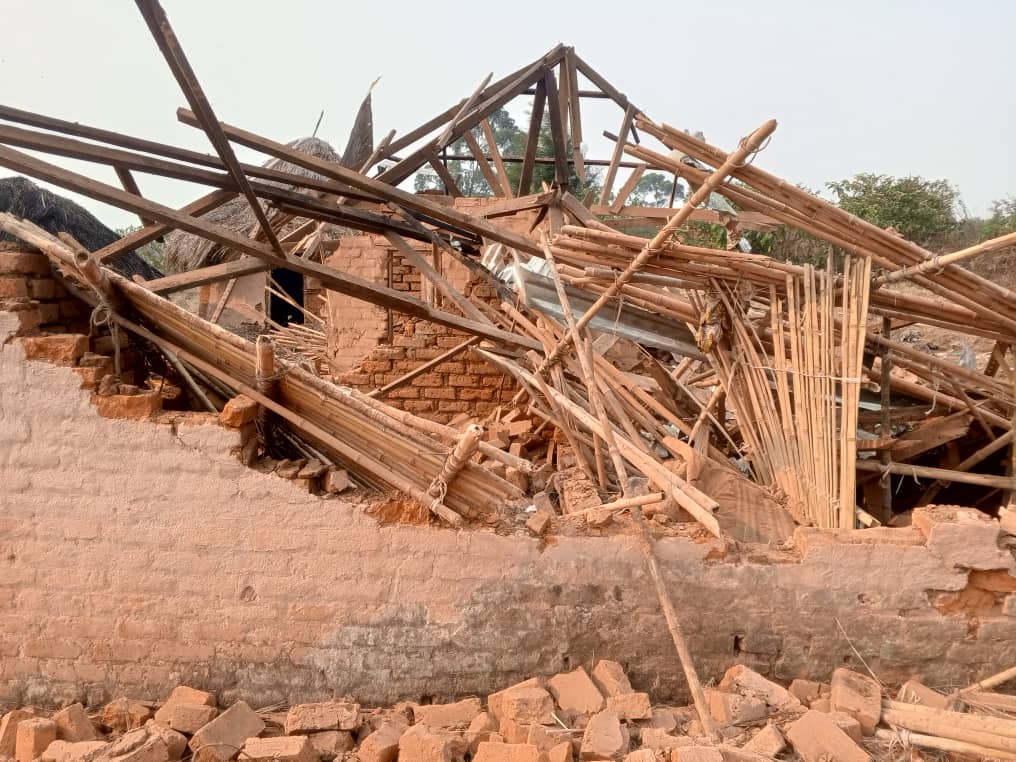
In the hills outside Minembwe centre, dozens of families gather nightly around makeshift fires. Their homes, once filled with livestock and harvests, now lie in ashes.
Children suffer most malnutrition, malaria, and trauma are widespread. A local pastor who requested anonymity told Afrovera Investigations:
“Every time armed groups approach, we flee. Sometimes we flee twice in the same week. We have lost our animals, our crops, even our graves.”
TWIRWANEHO fighters often escort civilians to safer locations, then return to repel attacks.
However, their ability to perform such tasks depends heavily on whether they have basic supplies boots, food, communication tools much of which has historically come from the diaspora.
The Diplomatic Front: Where Diaspora Influence Is Decisive
Diplomacy plays a central role in shaping how conflicts are understood and addressed. Banyamulenge diaspora advocacy has already produced incremental progress, including briefings with UN rapporteurs and meetings with lawmakers in Europe and the U.S.
However, analysts say these efforts remain fragmented and insufficiently coordinated.
“Other communities in the region lobby aggressively,” says a political observer in Brussels. “If the Banyamulenge want international recognition of their suffering, they must match or exceed that level of organization.”
CEO OFFICER Jean de Dieu agrees:
“Our survival cannot depend on chance. It must depend on strategy. The diaspora must speak with one voice firm, factual, and fearless.”
Internal Divisions: An Obstacle More Dangerous Than Bullets
Every conflict produces its share of political fractures, and Minembwe is no exception. Personal rivalries and ideological differences within diaspora groups have repeatedly undermined collective action.
Experts say this internal fragmentation is among the most dangerous threats to the community.
“We have seen communities lose everything not because of external enemies, but because they could not unite,” warns a historian at the Centre for Genocide Prevention.
CEO-Officer Jean de Dieu and Ambassador of Peace for the Banyamulenge community in Australia
CEO OFFICER Jean de Dieu has repeatedly called for unity:
“We can disagree on politics, but we cannot disagree on survival. Minembwe must be protected full stop.”
What Afrovera’s Investigation Reveals: A Turning Point
All evidence from field interviews, humanitarian reports, survivor testimonies, and diaspora assessments suggests that the Banyamulenge are approaching a defining moment.
If the diaspora increases its support through advocacy, humanitarian aid, and strategic communication the balance of survival may tilt in favor of civilians.
If they do not, analysts warn that the region may witness irreversible demographic and cultural loss. TWIRWANEHO’s continued resilience is tied directly to whether the diaspora views Minembwe not as a distant memory, but as an urgent responsibility.
CEO OFFICER Jean de Dieu’s closing message to Afrovera Investigations is unambiguous:
“If we abandon Minembwe, we abandon our history. And a people without history has nowhere to go.”
Conclusion: A Call Heard Across Continents
Minembwe’s war may be invisible to much of the world, but it is painfully visible to those who call it home. With each passing month, the stakes rise.
For the diaspora, this is no longer a matter of sentiment it is a strategic, moral, and historical imperative. TWIRWANEHO stands on the front lines, but they cannot stand-alone.
The question, then, is no longer, whether the diaspora should act, but how quickly and how decisively it will move.
Because in the words of CEO Officer Jean de Dieu:
“Our survival begins the moment we decide to stand together wherever we are in the world.”
President Donald J. Trump has launched a blistering attack on South Africa, saying his administration did not attend this year’s G20 summit in Johannesburg and announcing that the country will be barred from the 2026 gathering in Miami.
In a lengthy post on his @realDonaldTrump account on X, Trump said the United States “did not attend the G20 in South Africa” because, in his view, the South African government “refuses to acknowledge or address the horrific Human Right Abuses endured by Afrikaners, and other descendants of Dutch, French, and German settlers.” He went on to allege that authorities are “killing white people, and randomly allowing their farms to be taken from them.”
Trump described the situation as “genocide” and accused international media of ignoring it. He singled out The New York Times and what he called the “Fake News Media,” claiming they “won’t issue a word against this genocide,” and insisting that “Liars and Pretenders of the Radical Left Media” are “going out of business.”
Claims at Odds With Available Data
The president’s language echoes long-running claims by right-wing groups that white farmers in South Africa are being targeted in a state-backed campaign of killings and land seizures. Those claims have been repeatedly rejected by South African authorities, independent crime researchers and international fact-checkers.
Police statistics and multiple analyses show that violent attacks on farms affect both white and Black farmers, workers and dwellers, and form part of South Africa’s wider violent-crime crisis rather than a racially targeted campaign. Recent government data for rural areas recorded a small number of murders in farming communities over a three-month period, with victims from different racial and social groups.
A series of fact-checks and court rulings have also dismissed the notion of a “white genocide” as a myth unsupported by evidence, even as it continues to circulate in far-right circles and on social media.
Boycott of Johannesburg Summit
Trump’s post provided his most direct explanation so far for why the United States did not send a senior delegation to the 2025 G20 summit in Johannesburg. Nineteen other member states and the European Union attended and signed a joint declaration on global economic cooperation, climate and debt relief.
According to Trump, Washington’s absence was a deliberate boycott linked to his human-rights accusations against Pretoria. He said South Africa had “demonstrated to the World they are not a country worthy of Membership anywhere.”
South African President Cyril Ramaphosa’s government has repeatedly rejected that characterization, saying there is no government policy targeting white citizens and stressing that crime and land reform are being handled within a constitutional, democratic framework.
Dispute Over G20 Handover
Trump also claimed there was a breach of protocol at the end of the Johannesburg meeting. In his post, he said South Africa “refused to hand off the G20 Presidency to a Senior Representative from our U.S. Embassy, who attended the Closing Ceremony.”
South African officials, however, say the presidency’s handover to the United States for 2026 was completed symbolically during the closing session, despite Trump’s absence, and that diplomatic procedures for the transition are under way. Reporting from the summit described Ramaphosa’s closing remarks as an appeal to maintain unity in the forum despite political tensions with Washington.
Threat to Bar South Africa From 2026 G20
In response to the alleged snub and his stated concerns over farm violence, Trump announced that South Africa would “NOT be receiving an invitation to the 2026 G20, which will be hosted in the Great City of Miami, Florida next year.” He did not explain how such a decision would be enforced, as membership and invitations are normally determined collectively by G20 states.
Reports in U.S. media say the 2026 summit is scheduled to take place in Miami, with Trump National Doral widely expected to serve as the main venue, a choice that has already prompted criticism from ethics watchdogs because of the potential financial benefit to the president’s private business.
Aid and “Subsidies” to Be Cut
Trump concluded his post by declaring that the United States would halt financial support to South Africa.
“We are going to stop all payments and subsidies to them, effective immediately,” he wrote, without specifying which aid programs he was referring to. The United States is one of South Africa’s major trading partners and has provided assistance in areas including health, education and security; analysts say major changes would likely require congressional involvement and could have diplomatic and economic repercussions for both countries.
South Africa has not yet issued a detailed public response to Trump’s latest message, but officials have previously called similar statements “misinformed” and vowed to continue participating in the G20 as a full member. The president’s post nevertheless signals a further escalation in tensions between Washington and Pretoria, and raises fresh questions about how a U.S.-hosted G20 summit will proceed if one of the group’s longstanding members is effectively told it is no longer welcome
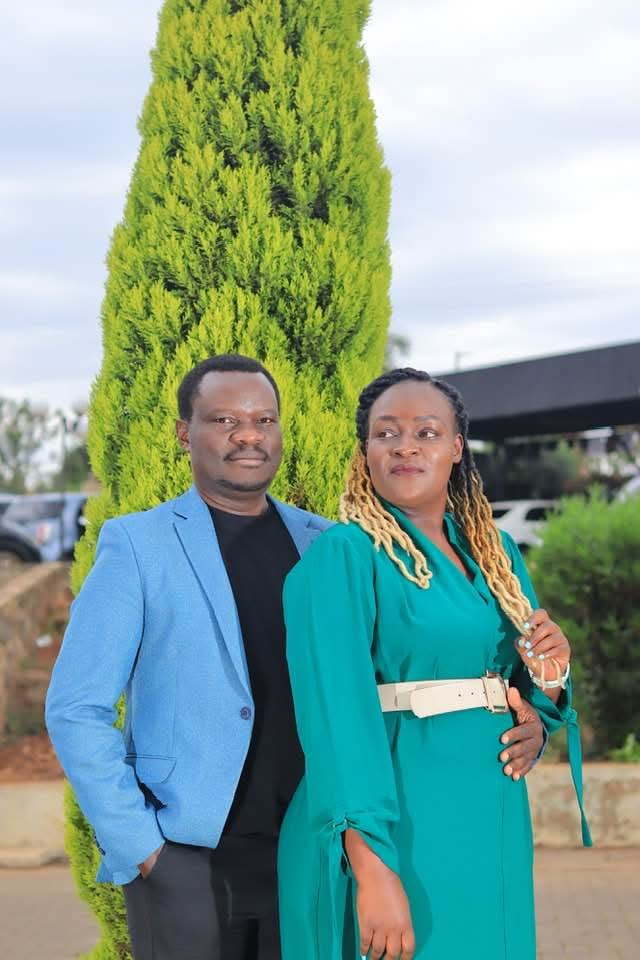
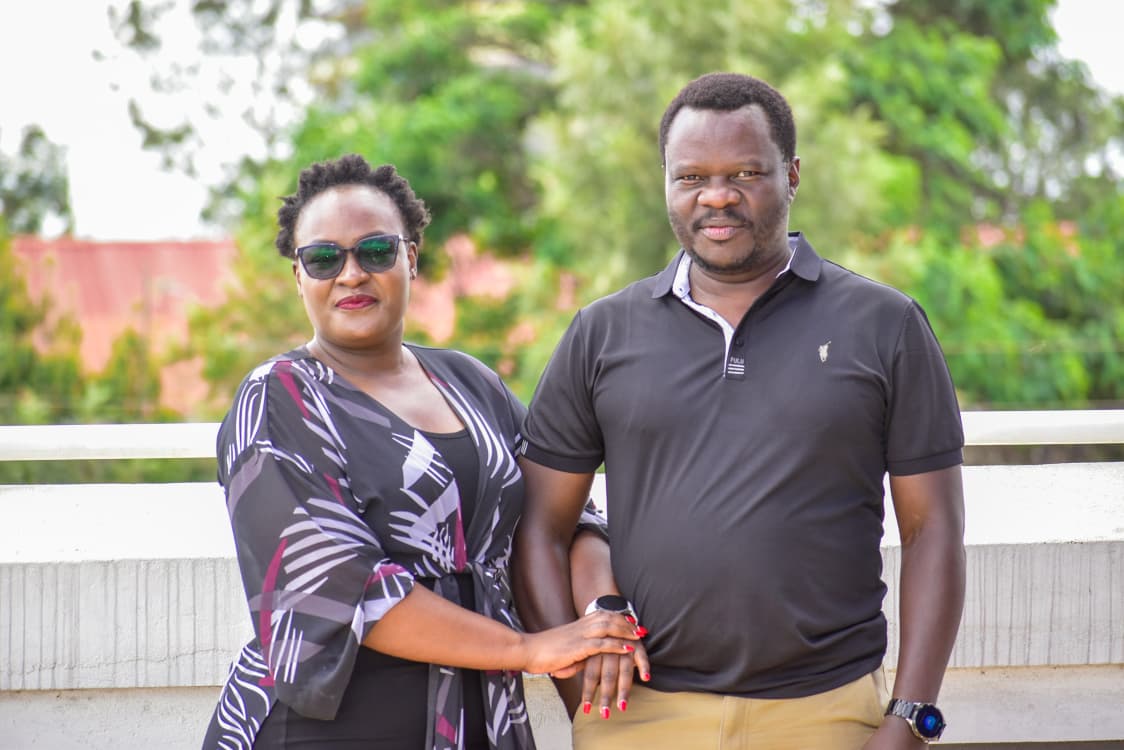
On the 5th, the gentle winds of Sori, Karungu will carry songs of joy as two hearts, long intertwined by purpose and destiny, take a beautiful step into tradition. Mr. Barack Ongondo and Ms. Eveline Achieng Muo; esteemed directors of Trevors Academy, will be honoured in a dowry ceremony that promises both colour and grace.
From Kasarani to the shores of Lake Victoria, the journey is more than travel; it is a pilgrimage of love. Grace Tabernacle Church members, teaching and non-teaching staff of Trevors Academy, and colleagues from the University of Nairobi will walk this path with them; each step, a testament to the lives the couple has touched.Their lives have shaped many.
In Sori, families prepare with warmth. Elders dust off ancient wisdom, ready to speak blessings that have carried generations. Women hum traditional melodies as the air fills with anticipation, and neighbours gather with smiles that speak louder than celebration drums.
“A day like this reminds us of the beauty of our heritage,” noted family elder. “We come not just to witness, but to honour the joining of two beautiful paths.”
This is not just a ceremony; it is a tapestry of heritage woven with affection. A bridge between yesterday’s customs and tomorrow’s promises. A moment where culture dances hand in hand with love.
“What Barack and Eveline share is more than companionship; it is a blessing that radiates to everyone around them,” said Trevors Academy teacher, Naomy Ndiema.
When the sun rises on the 5th, it will shine on two families becoming one, on a community coming together, and on a couple beginning a new chapter; rooted in tradition, crowned in joy, and guided by grace.
In the bride’s family, excitement is palpable, with so much expectations. May the day be memorable, the journey blessed, and the union ever flourishing.
Grace in their steps, purpose in their journey. Barack and Eveline walking into a future as beautiful as their bond.Where love speaks softly, understanding speaks louder. A partnership built on laughter, vision, and unwavering support.Two hearts, one story. Standing side by side as they step into a new chapter blessed with joy, unity, and grace.
Rwanda’s President has addressed growing speculation surrounding the country’s decision not to renew its long-standing tourism partnership with Arsenal, insisting the move was purely commercial and unrelated to external political pressure. The partnership, anchored under the “Visit Rwanda” brand, has run for eight years and has been one of the most visible sponsorships in global football.
Responding to questions about whether the end of the deal was influenced by European political pressure linked to regional tensions, the President dismissed that interpretation entirely.
“Eight years is not a short period,” he said, emphasizing the natural lifecycle of commercial agreements. “This partnership was commercial. A commercial partnership can be reviewed on different grounds. Either party may say: I am not comfortable with this or that. That is normal.”
He explained that contracts of this nature involve ongoing negotiations, and renewal terms depend on evolving expectations from both sides. “You negotiate today, maybe it goes two years or three years, then you come back to review it. New conditions may demand different things. One side can say: from our experience, we did not get enough in this area and we cannot continue paying for it. The other side can say the same,” he noted.
According to him, the most recent talks with Arsenal involved proposed adjustments to the agreement adjustments on which both sides failed to reach consensus. “There was a negotiation that went on. There were adjustments to be made. Our people and theirs disagreed on a particular thing and said: ‘No, we can’t have this instead of what we have been having, or what we are demanding to have.’ Therefore, they reached a point where they said: instead of disagreeing too much, maybe you can find another partner who will satisfy you. If you do not want to listen to our demands. This is really what happened.”
He insisted that politics played no role, despite accusations from some circles that pressures from European lawmakers may have influenced the decision. “We still have Atletico Madrid, we still have PSG. These are European clubs. So that can’t be the issue,” he said.
The President also referenced repeated attempts by authorities in the Democratic Republic of Congo (DRC) to lobby European institutions against Rwanda’s football sponsorships. “DRC went to the UK complaining about our partnership with Arsenal, saying they can’t work with a country like Rwanda and telling stories. They repeatedly made it an issue,” he said. “They even went to PSG. It did not work. People explained and we continued the partnership.”
He added that while those efforts failed, DRC later pursued their own club partnerships. “When it failed, they started looking for clubs to have partnerships with,” he remarked, citing recent commercials involving AS Monaco. “You are attacking a partnership and saying it is wrong. When you fail, you go looking for a similar thing. It shows they were doing it just to malice Rwanda.”
Even humor found its way into the President’s explanation, as he joked that if politics were involved, perhaps the real influence came from football rivalry. “Unless we want to overstretch it and assume that among the people who have influence were Tottenham fans. So you can understand—they would want to kill this one,” he laughed.
Despite the end of the Arsenal relationship, the President emphasized that Rwanda’s global sports tourism strategy is expanding, not shrinking. “If this partnership doesn’t work, it means we have opportunity with this money to open up another partnership somewhere else,” he said. “You’ve seen how we’ve been going as far as the United States. We are having beautiful partnerships with the NFL, with the NBA. And more will come.”
He added that his personal loyalty to Arsenal remains unchanged. “I will continue being an Arsenal fan, of course. I even go and watch in the stadium when I have time,” he said.
The President concluded by reaffirming that Rwanda’s sports-driven branding strategy is only widening. “By the time we realize, we are into many other partnerships,” he said.
Pope Leo XIV is set to embark on his first international journey, beginning with a visit to Türkiye before travelling to Lebanon, in a trip that Vatican officials describe as a major test of his diplomatic instincts. The newly elected pontiff will start in the city of Iznik historical Nicaea where global Christian leaders will commemorate the 1,700th anniversary of the Council of Nicaea, the foundational gathering that produced the Nicene Creed and established central doctrines of the Christian faith.
The itinerary, originally planned under Pope Francis, was built around the theme of “building unity” a message Pope Leo has embraced since assuming the papacy in May. While his first six months have been marked by a notably cautious tone, this visit is expected to reveal how he intends to navigate the Church’s role in global diplomacy.
The emotional centerpiece of the journey will be the ceremony in Iznik, where more than 200 bishops met in 325 AD and affirmed that Jesus is the Son of God one of the most consequential decisions in Christian history. Despite centuries of doctrinal and geopolitical divisions between Eastern and Western Christianity, Vatican officials say the gathering will symbolically promote reconciliation and confront religious fragmentation.
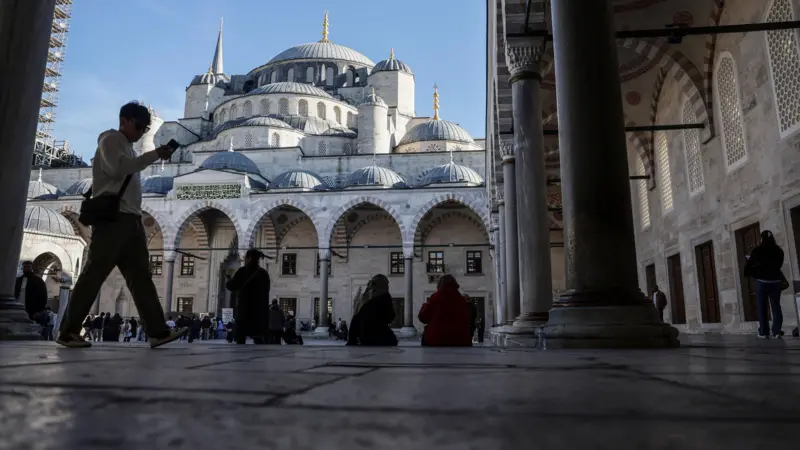
In Türkiye, Pope Leo will follow in the footsteps of Popes Francis and Benedict XVI by visiting the iconic Blue Mosque. He is also scheduled to meet leaders of other faiths in an effort to further strengthen interreligious dialogue.
The visit to Lebanon will come just days after Israeli airstrikes in southern Beirut events that briefly raised questions about safety but did not alter Vatican plans. Once there, Pope Leo is expected to meet leaders from various religious communities as well as Lebanese youth. The trip holds deep significance for the Middle Eastern nation, where roughly one-third of the population identifies as Christian.
On the final day, he will celebrate Mass along the Beirut seafront, near the site of the 2020 port explosion that killed more than 200 people and injured over 7,000. Vatican officials say the location was chosen to honor the victims and reaffirm the Church’s solidarity with families still recovering from the tragedy.
Although Pope Leo has addressed issues such as migrants’ rights, he has deliberately avoided detailed political commentary unlike his predecessor, known for forceful interventions on global crises. His restraint has made him a unifying figure among cardinals with differing ideological leanings. Supporters of Church reforms and defenders of long-standing doctrine both view him as attentive to their concerns.
During this trip, however, regional conflicts may force him to take clearer positions. In meetings with Turkish President Recep Tayyip Erdoğan and Lebanese officials, the Pope may be pressed to articulate his views on war, security, and ongoing instability across the Middle East. He has often called for ceasefires worldwide but typically in more muted language than Pope Francis, who regularly issued urgent appeals during moments of crisis such as the war in Gaza.
Pope Leo is expected to speak English throughout most of the journey, switching to French during several engagements in Lebanon. Though he is known to speak multiple languages fluently, he has until now delivered his major addresses exclusively in Italian.
As is customary, he is likely to hold an airborne press briefing with journalists on the return flight to Rome an opportunity that may shed light on what moved him most during his first major global mission and how he hopes to shape the Church’s role in an increasingly fractured world.
The Pope is also expected to visit the Blue Mosque, a more than 400-year-old landmark built in the heart of Istanbul.
President Kagame Responds to Macron’s Remarks on Goma Airport: “The Issue Is Deeper Than Administrative Procedures”
President Paul Kagame has issued a sharp and detailed response to French President Emmanuel Macron’s recent remarks suggesting that M23 rebels and those in control of Goma Airport have not made the necessary efforts to reopen it, despite the Democratic Republic of Congo (DRC) having met “administrative conditions.”
Responding to a question from Romain Gras, a Jeune Afrique journalist specializing in the DRC and the Great Lakes region, Kagame appeared visibly puzzled by Macron’s assertions, questioning both their accuracy and their logic.
“I don’t know what is being referred to as the government of DRC having met… what? What administrative need? I don’t understand the meaning of it,” he said, challenging the premise that Kinshasa had fulfilled all requirements for reopening the airport.
Kagame noted that the situation is far more complicated than suggested by the French leader, drawing attention to a critical fact: the DRC itself has closed the airspace over Eastern Congo.
“Are you aware that the airspace in Eastern Congo is actually closed? Planes don’t overfly Eastern Congo because the DRC government closed the airspace. Now you want to open an airport in a closed airspace?” he asked. “I don’t understand the meaning of it.”
He went on to question Macron’s framing of who controls Goma Airport and who controls M23, pointing to what he described as selective narratives often advanced by external actors.
“Those M23 and others who control… who controls M23 and others? Could I equate it with saying the government of DRC, FARDC and FDLR actually have big control in that area?” Kagame said. He added that FDLR forces have long operated in the region and are “being fought every day by the M23 even before those ‘others’ who control the airport come in.”
Kagame accused some European actors of downplaying or avoiding discussion about the FDLR, a group composed of remnants of the perpetrators of the 1994 Genocide against the Tutsi who fled into the DRC.
“You know the reason there is a whole story about FDLR, and those others in Europe talk about the airport. Those others who control it, other than M23. There are those others from Europe who control the airport. That’s why they are always quiet about FDLR,” he said. “When issues come up about so-called ‘Rwanda-backed M23’, they talk loudly; when it is about FDLR, they whisper.”
He linked this silence to what he described as a historical pattern of external interference that has shaped conflict dynamics in both Rwanda and the eastern DRC.
“These same actors were part of the problem 31 years ago, the origin of the tragedy we had here,” he said, referring to the 1994 genocide. “If they think we can be silenced to not talk about their historical role and responsibility in the tragedies in Rwanda and the region, they are welcome to try.”
Kagame said Rwanda would not hesitate to revisit the historical record if political narratives continue to distort the current situation.
“If those things keep coming up the way they have been, we will say more about it,” he said.
He also questioned the consistency in how international actors assign responsibility, noting that far greater influence from abroad shapes the operations of armed groups and even state actors in the DRC.
“There are those others also who control, from the same place where the voice came… who control the government of DRC and control FDLR,” he said. “That’s why people keep quiet about it.”
Kagame concluded by warning that selective framing of the crisis in eastern Congo only deepens the problem, reinforcing misunderstandings and emboldening actors who benefit from instability.
“This selective way of presenting issues and wanting to address sensitive matters based on how you have chosen to handle it becomes part of the problem,” he said.
The exchange underscored escalating diplomatic tensions surrounding the conflict in eastern DRC and highlighted the widening gap between local realities and global narratives shaping international responses.
President Kagame Responds to KNC on DRC Commitments and Prospects for Peace Talks in Washington
During a press briefing this week, President Paul Kagame delivered a candid assessment of the ongoing diplomatic efforts aimed at resolving the persistent insecurity in eastern Democratic Republic of Congo (DRC). The remarks came in response to a question from journalist Kakoza Nkuriza Charles (KNC) of TV1 and Radio 1, who asked about Kinshasa’s refusal to implement the Washington Commitments of June 27 and whether an anticipated meeting between President Kagame and U.S. officials could influence regional peace.
“A Pattern of Saying One Thing and Doing Another”
President Kagame pointed to what he described as a long-standing pattern of inconsistency by the DRC government agreeing to commitments in international forums, only to publicly reject or reverse them shortly thereafter.
“People may say one thing and do a different thing altogether. Sometimes it even becomes a pattern committing to actions and then refusing to implement them,”
Kagame said.
He noted that Kinshasa often makes public declarations contradicting agreements reached behind closed doors, a contradiction that undermines trust and complicates peace processes.
“You agree to something in Washington or even in Doha, and the next week you publicly deny it. If what you said is on record, then you have a problem explaining why you would agree in a room and then reject it when speaking to the media.”
Washington Talks: “A Step in the Right Direction”
Despite the setbacks, Kagame expressed cautious optimism about the possibility of renewed talks in Washington under U.S. mediation.
“The fact that there is even a possibility of meeting in Washington and discussing or signing anything is a good effort. For years, we had nothing like that.”
He emphasized that these Washington and Doha processes represent more structured engagement compared to past years, when diplomatic interventions often failed to deliver tangible results.
Kagame also commended the Trump administration for what he described as “a huge effort” in trying to help move the process forward.
“Peace Will Not Come From Abroad The Responsibility Is Ours”
The President stressed that no peace agreement whether mediated by Washington, Doha, the UN, or regional blocs can succeed unless the leaders directly involved are genuinely committed.
“Until the people concerned DRC, Rwanda, and others in the region commit to achieving stability and peace, even the most powerful actors will be left frustrated.”
He questioned why regional mechanisms such as EAC, SADC, and AU have struggled to make meaningful progress, pointing to a deeper issue within the DRC’s own governance and political will.
Critique of Kinshasa’s Focus on Blaming Rwanda
Kagame strongly criticized what he views as DRC’s repeated attempts to shift blame outward rather than address internal challenges.
“They keep asking for sanctions sanctions for Rwanda. But if you sanction Rwanda, how does that solve your mismanagement? How does that give citizenship rights to people who have been complaining for decades? How does it stop you from importing mercenaries to fight for you?”
He urged observers to “see things for what they are” instead of accepting political narratives that obscure the root causes of the conflict.
Balancing Optimism and Preparedness
In his closing remarks, Kagame said that despite the setbacks, he remains hopeful about the possibility of genuine progress but equally ready to defend Rwanda’s interests.
“I’m always optimistic. I hope for a chance each day. But I remain prepared to take care of the business I have to take care of.”
The Rwanda Investigation Bureau (RIB) has announced the arrest of Cyprien Uzabakiriho ,popularly known as “Djihad” on social media, and Kwizera Nestor , also known as “Pappy Nesta” , over their alleged role in circulating an intimate video of artist Yampano and his partner.
Their arrest brings the number of suspects in the case to five .RIB Spokesperson Dr. Murangira B. Thierry confirmed to InyaRwanda that the two were apprehended on Wednesday, November 26, 2025.
“They were arrested as part of an ongoing investigation into the distribution of pornographic content—specifically the leaked intimate video involving artist Yampano and his partner,” he said.
Djihad and Pappy Nesta are currently detained at the RIB Kicukiro station in Kigali as their case file is being prepared for submission to the Prosecution Authority.
The investigation began shortly after Yampano formally filed his complaint on November 9, 2025 . The first arrest in the case was Ishimwe Patrick , known as Pazzo Man , who was taken into custody on November 11.
The probe continued with the arrest of Kalisa John , alias K. John , on November 14.
On November 18, Ishimwe François Xavier was also arrested for allegedly soliciting money from individuals in exchange for access to the leaked video.
So far, five individuals have been detained in connection with the unlawful circulation of the footage.
RIB has reiterated that the investigation will continue until every person who shared, forwarded, or distributed the explicit content is identified , whether they did so recently or in the future.
Legal Framework
RIB cites Law No. 60/2018 of 22/08/2018 governing the prevention and punishment of cyber-enabled crimes in Rwanda.
Article 34 states that publishing or distributing sexually explicit images or videos using a computer or digital network constitutes a criminal offense.
Anyone who shares such material—whether images, audio, or video—or solicits or encourages a child to engage in sexual activity online commits an offense.
Upon conviction, the penalty is 3 to 5 years in prison and a fine ranging from 1,000,000 Rwf to 3,000,000 Rwf .
Article 38 criminalizes sending, publishing, or transmitting any form of pornographic content through a computer or digital network. Convicted offenders face 6 months to 2 years imprisonment and a fine of at least 2,000,000 Rwf .
If the explicit content is false or involves a minor, the penalty increases to 3 to 5 years imprisonment and fines between 1,000,000 Rwf and 3,000,000 Rwf.
In an exclusive phone interview with Afrovera Media, CEO Officer Jean de Dieu, Ambassador of Peace of the Banyamulenge community in Australia and a senior member of MRDP–Twirwaneho, issued a sharp warning over what he describes as a “calculated siege” imposed on the Banyamulenge population in Minembwe, South Kivu.
According to CEO Officer Jean de Dieu, Burundian armed forces (FDNB) operating inside the Democratic Republic of Congo, together with allied Mai-Mai groups, have blocked key roads, prevented market access, and cut off humanitarian corridors actions he says are aimed at inflicting mass civilian suffering.
CEO-Officer Jean de Dieu and Ambassador of Peace for the Banyamulenge community in Australia
“What is happening in Minembwe is not accidental. Burundian forces are intentionally blocking roads and preventing our people from reaching markets or receiving humanitarian relief. This is a deliberate strategy to starve the Banyamulenge population,” he told Afrovera Media.
His claims closely align with newly released humanitarian reports from the United Nations (OCHA) and a detailed appeal by Réseau UMOJA , a coalition of 17 humanitarian organizations operating in the region.
UN: Over 172,000 People Trapped Without Access to Aid
A humanitarian access note published by OCHA on 24 November 2025 confirms a severe deterioration in South Kivu:
172,000+ people are isolated and deprived of essential assistance.
Humanitarian access to Minembwe, Itombwe, and the Hauts Plateaux is now classified as “extremely limited to nearly impossible.”
Since June 2025, main supply routes including Fizi–Lusuku–Point Zéro–Mikenke–Minembwe have been closed for months due to the presence of armed foreign forces.
More than 1,000 newly displaced civilians have arrived around Minembwe after renewed violence.
OCHA specifically states that humanitarian convoys cannot reach Minembwe because of Burundian forces and Mai-Mai militias, confirming Jean de Dieu’s assertions.
“Even the United Nations has publicly said it cannot access Minembwe because of Burundian forces and Mai-Mai presence. This proves the scale of the crisis. Our people have been abandoned to hunger and insecurity,” he said.
Réseau UMOJA: A Humanitarian Catastrophe
In a formal letter addressed to the UN Humanitarian Coordinator, the Réseau UMOJA coalition documented the following:
Over 2,000 civilians killed in recent years
More than 450 homes burned
68 villages attacked or destroyed
Entire communities displaced for months
Systematic targeting of the Banyamulenge people
Collapse of health services , with some emergency surgeries performed without anesthesia due to supply blockages
Continuous drone attacks and bombardments , with up to 10 attacks per month
UMOJA described the situation as:
“A dramatic humanitarian catastrophe unseen in years in this region.” Ceo–Officer Jean de Dieu agreed with this assessment: “Hospitals have no medication. Women are giving birth without anesthesia. Children are dying from hunger. This is no longer a simple conflict this is an organized assault on an entire community.”
Starvation, Price Inflation, and Medical System Collapse
According to OCHA and UMOJA, the blockade has triggered a devastating rise in prices:
1 kg of salt: 2,500 FC → 35,000 FC
1 bar of soap: 2,000 FC → 30,000 FC
1 kg of sugar: 400 FC → 35,000 FC
25 kg cassava flour: 15,000 FC → 50,000 FC
Jean de Dieu called these figures direct evidence of a siege:
“When a bar of soap costs fifteen times more than it used to, when basic foods become luxury items that is not normal market fluctuation. That is starvation used as a weapon of war.”
Health conditions have collapsed:
Malnutrition is rising sharply among children under five.
Pregnant and lactating women face life-threatening shortages.
Vaccination programs have stopped entirely.
In Minembwe’s hospital, nearly 60% of child deaths recorded between July and September 2025 were linked to severe malnutrition.
Roads Blocked by Armed Groups and Foreign Forces
Both OCHA and UMOJA listed the main humanitarian routes now cut off. These include:
Ceo – Officer Jean de Dieu said these blockades amount to an economic and humanitarian siege:
“Every single route to Minembwe is blocked. There is no way for traders, aid groups, or even sick people to move. This is a multi-layered blockade designed to suffocate the Banyamulenge community.”
A Call for Immediate Action from UN, AU, and Kinshasa
Ceo–Officer Jean de Dieu urged the Congolese government and the international community to act swiftly:
“We are calling on the United Nations, the African Union, the European Union, and the government of Kinshasa to intervene. Burundian forces must withdraw from Minembwe, and all armed groups must stop obstructing humanitarian corridors.”
He warned of a looming mass-casualty disaster if urgent measures are not taken:
“This is a life-or-death situation. Children are dying. Mothers are dying. If the world does not act now, history will remember that an entire population was starved in plain sight.”
Conclusion
The convergence of:
firsthand testimony from community leaders,
verified UN and NGO reports,
And the documented actions of armed groups and foreign troops
Demonstrates that Minembwe is facing a man-made, preventable humanitarian emergency.
Afrovera Media will continue to follow the situation closely, amplify the voices of affected communities, and report on new developments as they unfold.
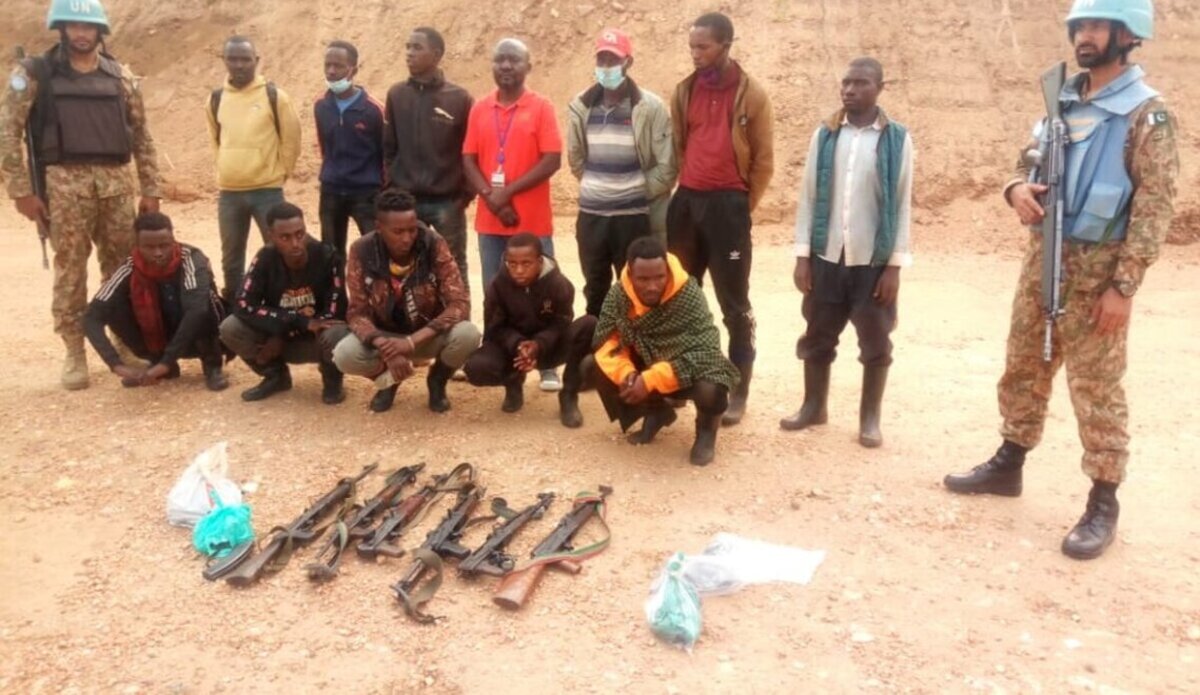
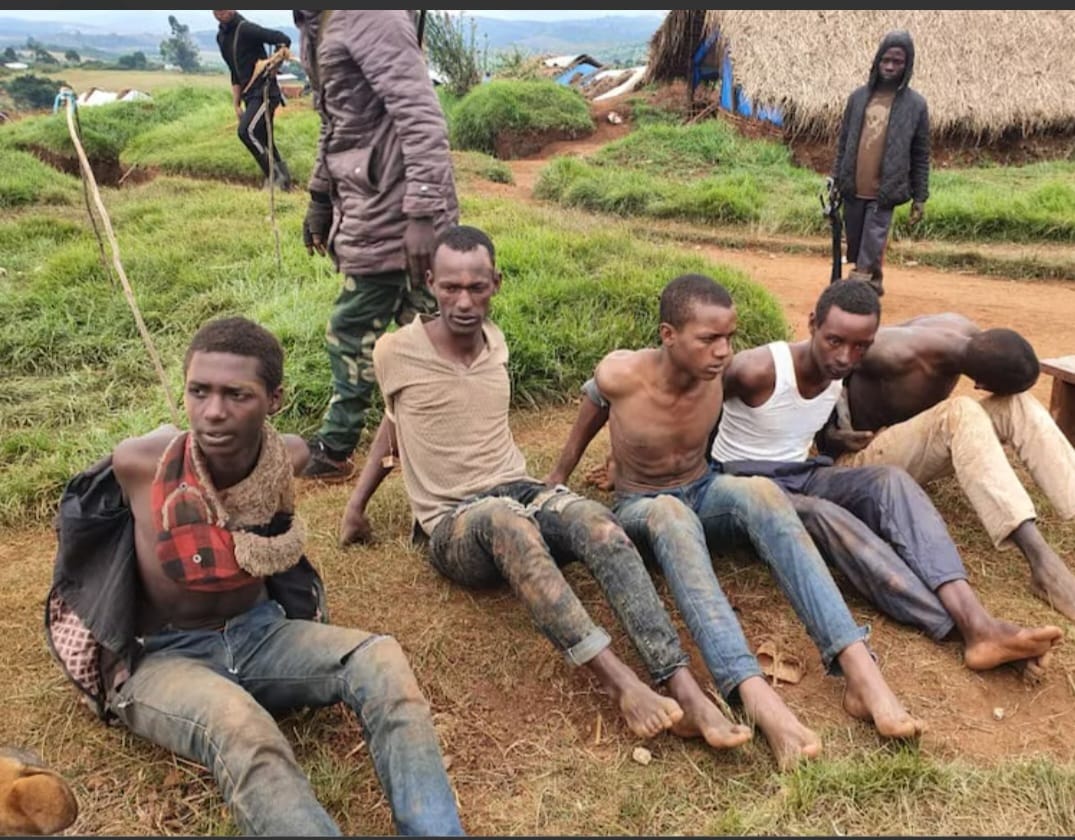
Young Banyamulenge men sit with their hands tied behind their backs as armed fighters stand guard in a village near Minembwe, South Kivu.