Home Blog Page 58

UN Warns of Humanitarian Crisis in Minembwe as Blocked Roads Trap 172,000 Civilians

0

The United Nations Office for the Coordination of Humanitarian Affairs (OCHA) has issued an urgent call for the reopening of access routes to the Minembwe health zone and surrounding highland areas, where thousands of civilians remain trapped without essential supplies. In a statement released Monday evening, OCHA urged all armed actors to protect civilians, halt indiscriminate or targeted attacks, and end any form of intimidation or coercion that has forced many residents to flee their homes.

Earlier this month, residents of Minembwe in South Kivu staged demonstrations protesting the closure of vital roads connecting the region to supply centers, including the town of Uvira. Demonstrators accused Burundian troops of blocking those routes and cutting off the population from food, trade, and humanitarian assistance.

Burundian forces operating inside the Democratic Republic of Congo acknowledged closing the roads, saying the decision was taken “to protect Uvira and the Burundian border.” They urged residents of Minembwe to “cut ties with enemies” allegedly present in the region.

OCHA reports that humanitarian access to Minembwe, Itombwe and other high-altitude areas has become extremely difficult if not impossible in recent months. The agency notes that armed conflict in the region has intensified since January, severely disrupting daily life and civilian movement.

Since May 2025, Minembwe and nearby areas have been almost completely sealed off. Major supply routes including the Fizi–Lusuku–Point Zéro–Mikenge–Minembwe road are reportedly blocked by various armed groups active in the region. This has left the civilian population isolated for months.

According to OCHA, strict and arbitrary restrictions have prevented traders from bringing in goods, while humanitarian workers have been unable to deliver aid to communities in need. Many humanitarian organizations have withdrawn from the area due to threats and insecurity. Data from the Provincial Population Movement Commission, cited by OCHA, indicates that nearly   172,000 people   in Minembwe are trapped with no access to basic supplies.

The blockade has triggered severe shortages of food, medicine and other essentials. OCHA cites dramatic price increases as evidence of the crisis: in January, one kilogram of sugar cost   5,000 Congolese francs  , but by October the price had risen to   30,000 FC  . A 25-kg bag of cassava flour, which previously cost   15,000 FC  , now sells for   50,000 FC  . The agency describes the inflation as “alarming” and warns of worsening food insecurity.

OCHA is calling for protection of humanitarian workers and medical facilities, as well as unhindered passage of medical supplies, relief items and personnel into the affected zones.

Residents, facing acute hunger, continue to plead for the opening of humanitarian corridors, insisting that armed actors should pursue their objectives without blocking civilian movement or access to lifesaving goods.

Burundian forces, however, maintain that civilians in Minembwe must “distance themselves from enemies.” Speaking to BBC News Gahuzamiryango, Burundian army spokesperson Brigadier General Gaspard Baratuza stated: “Anyone coming from Minembwe is considered to be working with the enemy and cannot be allowed to pass. If they cut ties with these enemies and wrongdoers, then they will regain their freedom of movement.”

Without providing evidence, he added: “As long as they remain in the strongholds of Red-Tabara and others they collaborate with, it is clear they are at risk of being targeted.”

The Burundian military says its presence in the DRC is part of ongoing operations against Burundian armed groups, including Red-Tabara and FNL-Nzabampema, which it accuses of working alongside local self-defense groups such as Twirwaneho and the AFC/M23. All these groups have publicly denied such alliances.

With no clear timeline for reopening the roads and humanitarian conditions worsening by the day, OCHA warns that the population of Minembwe and the surrounding highlands risks sliding into an even deeper crisis unless immediate, coordinated actions are taken.


 

Inside the Love Story of Reuben Mutuku & Peace Mbatha: Nairobi Couple Set for Pre-Wedding Celebration at SCORM Basilica

0

A heartwarming celebration of love and commitment is set to take place on   7 December 2025   at   SCORM Basilica in Githurai 45, Nairobi  , where family, friends and the organizing committee will converge for the   pre-wedding ceremony of Reuben Mutuku and Peace Mbatha.

The event, which has already drawn significant attention across the Nairobi community, symbolizes more than a milestone it marks the union of two people whose journey has been defined by faith, patience, and shared purpose.

Ahead of the ceremony,  Peace Mbatha  , who teaches at Trevors Academy in Kasarani  , spoke exclusively to an Afrovera.com journalist in Nairobi, offering rare insight into the couple’s relationship and the road that led them here.

A Relationship Built on Faith and Steadfast Commitment 

Soft-spoken and composed, Peace described the months leading to the ceremony as both emotional and humbling.

“This season has reminded me that God’s timing is perfect,”   she told Afrovera.com.

“I’m entering this chapter with gratitude, peace, and confidence in the man I love.” 

Known among colleagues and parents for her dedication to her students, Peace says her profession has profoundly shaped her approach to love and partnership.

“Teaching has taught me patience, empathy, and the power of listening,”   she said.

“With Reuben, these lessons have helped us grow a relationship that is thoughtful and respectful.” 

Her fiancé Reuben Mutuku is described by those close to him as calm, intentional, and unwavering in his devotion. The couple’s friends say the two balance each other well her gentle nature complementing his steady personality.

 “His Love Is Something I Could Trust” 

During the interview, Peace opened up about the moment she realized Reuben was the man she wanted to marry.

“He is God-fearing, dependable, and incredibly kind,”   she said.

“Reuben makes me feel safe not just physically, but emotionally and spiritually. His love is something I could trust from the very beginning.” 

For the couple, the unveiling of the pre-wedding invitation card marked a turning point.

  “Seeing our names together made everything real,”   she reflected.

“It felt like the beginning of something sacred our families’ support has meant the world to us.” 

A Community Ready to Celebrate 

The ceremony at SCORM Basilica is expected to draw a large turnout, with the couple’s friends, extended family and church community expressing excitement and blessings for the union.

Located along Do’s Road, next to El-Shaddai Children’s Home, the venue holds symbolic significance for the couple due to its spiritual atmosphere and its strong ties to community values. The organizing committee says preparations have been ongoing for months to ensure the day reflects the couple’s vision of a meaningful, faith-centered celebration.

Looking Ahead to December 7th 

As the couple prepares to walk into their next chapter, Peace shared her anticipation for the day. “I’m excited to stand beside the man I love and declare our intentions before God,”   she said.

 “It is a day of joy, prayer, and blessings and I cannot wait.” 

Their story, marked by humility and mutual devotion, continues to inspire those around them. With just days remaining to their ceremony, the couple stands on the threshold of a future they have built with intention and love.

Afrovera.com will continue to follow their journey as Nairobi prepares to witness one of the season’s most anticipated celebrations of love.

Reuben Mutuku and Peace Mbatha pose for their official pre-wedding portrait ahead of their December 7th ceremony at SCORM Basilica in Githurai 45.
Peace Mbatha shares a warm moment with Reuben Mutuku during their pre-wedding photoshoot, reflecting the couple’s calm, affectionate bond.
Peace Mbatha embraces her fiancé in a joyful pose, capturing the lighthearted and intimate side of their relationship as they prepare for their upcoming celebration.
Peace Mbatha strikes a graceful pose in an elegant gown, highlighting her natural poise ahead of her pre-wedding ceremony.
Reuben Mutuku appears confident and composed in his formal pre-wedding portrait, reflecting his steady and grounded presence.

Kenya Secures Historic 1-2-3 Sweep in Men’s 5000m at Tokyo Deaflympics

0

Kenya recorded a historic sporting triumph on 24 November 2025 after sweeping all three podium positions in the men’s 5000 metres final at the 25th Summer Deaflympics in Tokyo, Japan. The emphatic victory reaffirmed the country’s long-standing dominance in long-distance running while setting a new global benchmark in deaf athletics.

Ian Wambui Kahinga powered to gold in a spectacular performance, clocking 13:52.83, a time that shattered both the Deaflympics record and the world deaf record, previously standing at 14:02.90. His commanding run placed him well ahead of compatriot James Mwanza Musembi, who secured the silver medal after posting an impressive 14:15.28.

Rounding off the sweep was Nelson Kipkorir Rotich, who claimed the bronze medal with a personal best time of 14:43.35, sealing Kenya’s dominance in the race and completing one of the nation’s most memorable performances on the international stage.

Kenya’s Sports Cabinet Secretary, Salim Mvurya, led the tributes, describing the achievement as a “moment of national pride” and commending the athletes for lifting Kenya’s flag high on the global platform. The clean sweep is expected to inspire more investment and attention toward deaf sports in Kenya.

The Tokyo Deaflympics performance marks one of the strongest outings by Team Kenya in recent years, reaffirming the country’s global leadership in middle- and long-distance events while highlighting the talent and determination of its deaf athletes.

Pastor Kanyari Faults Fellow Clergy for Silence After Death of Ex-Wife Betty Bayo

0

Controversial city preacher Pastor Victor Kanyari has taken a swipe at fellow church leaders, accusing them of abandoning him during one of the darkest moments of his life ;the death of Betty Bayo, the mother of his two children.

Speaking during a Sunday service at his Salvation Healing Ministry church, Kanyari expressed deep disappointment that only a handful of pastors reached out to console him or stand with his family following Bayo’s passing. His sentiments were first highlighted by TUKO, which reported that the preacher felt let down by colleagues he expected would show compassion in his hour of need.
Kanyari argued that many pastors often demand prayers, financial assistance, and emotional support from their congregations and fellow ministers when they face personal challenges, yet fail to offer the same empathy in return.

His comments have since sparked a wave of mixed reactions online, with many Kenyans expressing sympathy while others criticized him for generalizing the behaviour of church leaders. Supporters noted that Kanyari’s message highlights an uncomfortable truth about the lack of unity within the religious community, especially in moments of grief.

However, some critics argued that the preacher’s own controversial reputation may have contributed to the silence he experienced. Others maintained that mourning should remain a private family affair, and that expecting public support from all clergy might be unrealistic.

The debate widened after The Standard reported that a section of religious leaders had previously taken issue with Kanyari’s remarks during his public tribute to Bayo, describing parts of it as “out of place” and insensitive to the solemnity of the moment.

Despite the ongoing controversy, Kanyari maintains that the experience has taught him valuable lessons about friendship and loyalty within the church. He said that while he had hoped for solidarity, he now understands that true support often comes from unexpected places.

He urged church leaders to cultivate a culture of compassion and to stand with their colleagues consistently, not only during celebrations and public events but also during times of loss, pain, and vulnerability.

The death of Betty Bayo, a well-known gospel artist, continues to send shockwaves through Kenya’s entertainment and religious communities. As tributes continue to pour in, Kanyari has pledged to continue honouring her memory while raising their children with love and support.

Kenya’s Smallest Tribe: How the El-Molo Community Is Fighting Extinction One Birth at a Time

0

Kenya’s smallest ethnic community, the El-Molo, continues to draw the attention of anthropologists, cultural scholars, and the general public for both its rich cultural heritage and its critically low population. Believed to number fewer than 100 people, the Cushitic-speaking group historically linked to the greater Turkana region remains one of the country’s most endangered indigenous identities.

For decades, the El-Molo have recorded almost no population growth. Community elders often share a sobering reality:  “When one is born, one dies.”  This fragile balance has kept their numbers stagnant and fueled deep concern about cultural and demographic survival. While intermarriage with neighbouring communities has provided some avenues for continuity, traditionalists worry that such assimilation may dilute the purity of the El-Molo lineage.

Living along the southeastern shores of Lake Turkana, the El-Molo have built a way of life entirely shaped by the lake. Unlike most pastoral communities in northern Kenya, they rely heavily on fishing, using hand-carved wooden boats and traditional tools passed down through generations. Their attachment to water runs so deep that some members rarely travel far from the lake; locals often remark that when El-Molo people leave their homes, they carry tins of water an act that reflects both practical need and spiritual connection.

Their settlements, usually composed of small clusters of reed and papyrus huts, mirror the simplicity and resilience demanded by the harsh environment. Their diet is predominantly fish, particularly tilapia and Nile perch, which have sustained them for centuries. Yet, this dependence is increasingly challenged by climate change, declining fish stocks, and the slow erosion of cultural practices.

Cultural experts warn that without deliberate, well-funded preservation initiatives, Kenya risks losing one of its oldest and most distinctive indigenous communities. As modernization accelerates across the country, the El-Molo story serves as a poignant reminder of the fragile line between cultural survival and extinction.

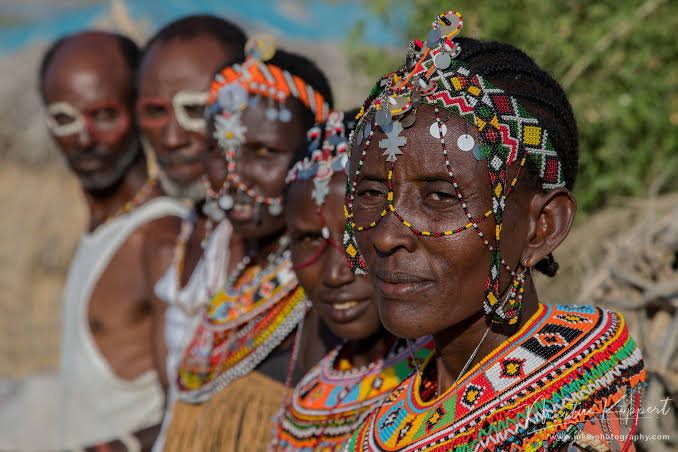
Members of the El-Molo community on the shores of Lake Turkana, adorned in traditional beadwork and facial ornaments that reflect one of Kenya’s oldest and smallest cultural identities.
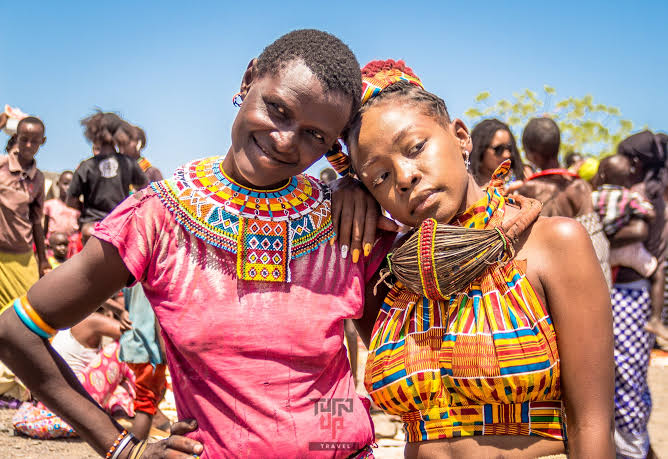
Young El-Molo women share a moment during a community gathering, showcasing vibrant beadwork and attire that symbolize the heritage and resilience of this endangered tribe.

AFC/M23 Spokesperson Accuses Kinshasa of Doha Ceasefire Violations and ‘Systematic Massacres’ in Eastern DR Congo

0

Lawrence Kanyuka, spokesperson of the Armed Forces of Congo/M23 (AFC/M23) movement, has accused the government in Kinshasa of repeatedly violating the ceasefire it signed in Doha, warning that continued attacks on civilians’ amount to war crimes and crimes against humanity.

In a strongly worded statement shared on X (formerly Twitter), Kanyuka said the Kinshasa regime “continues to violate the ceasefire” and remains “locked in a belligerent drift,” allegedly ignoring urgent appeals from regional leaders and international partners for a peaceful settlement to the conflict in eastern Democratic Republic of Congo (DRC).

According to Kanyuka, AFC/M23 is “bearing witness before the Congolese people” to what it calls ongoing massacres and widespread attacks targeting civilians along multiple frontlines. He claims these operations are being carried out by a coalition of forces loyal to Kinshasa, including the Congolese army (FARDC), elements of the FDLR, various Mai-Mai Wazalendo groups, mercenaries, and units of Burundi’s National Defence Force.

The statement alleges that these forces are using fighter jets, combat drones and heavy artillery in their operations, leading to repeated civilian casualties. Kanyuka describes the killings as “systematic” and says they “deliberately target innocent civilians,” arguing that such acts clearly constitute both war crimes and crimes against humanity under international law.

“A barbarity that can no longer be tolerated,” he added, calling for accountability and a renewed commitment to a negotiated, peaceful solution.

The allegations come amid renewed tension in eastern DRC, where cycles of violence, displacement and mutual accusations between the Congolese government and the AFC/M23 movement have continued despite previous regional mediation efforts. The Doha ceasefire cited in Kanyuka’s message was intended to de-escalate hostilities and open space for political dialogue, but both sides have since traded blame for its breakdown.

While AFC/M23 accuses Kinshasa and its allies of bombing civilian areas and pursuing a military-only strategy, the Congolese authorities have consistently framed AFC/M23 as an armed movement destabilising the region and have vowed to defend the country’s territorial integrity. Regional leaders and international organisations have repeatedly urged all parties to respect ceasefire commitments, protect civilians and return to negotiations.

Humanitarian agencies have long warned that renewed fighting in the east is worsening an already dire situation for civilians, with mass displacement, limited access to basic services and recurring reports of abuses by multiple armed actors.

In his latest message, Kanyuka calls on the Congolese population and the wider international community to recognise the scale of the violence and press for accountability. He insists that, in the face of what he terms “generalised attacks” and “massacres,” silence and inaction are no longer acceptable.

Independent verification of the latest claims from either side remains difficult due to insecurity and restricted access to front-line areas. However, the statement underscores how fragile the ceasefire remains and how far the region still is from a sustainable political solution.

If Traoré Can Lead Burkina Faso, Why Not Bobi Wine?” Why Ugandans Are Demanding Change

0

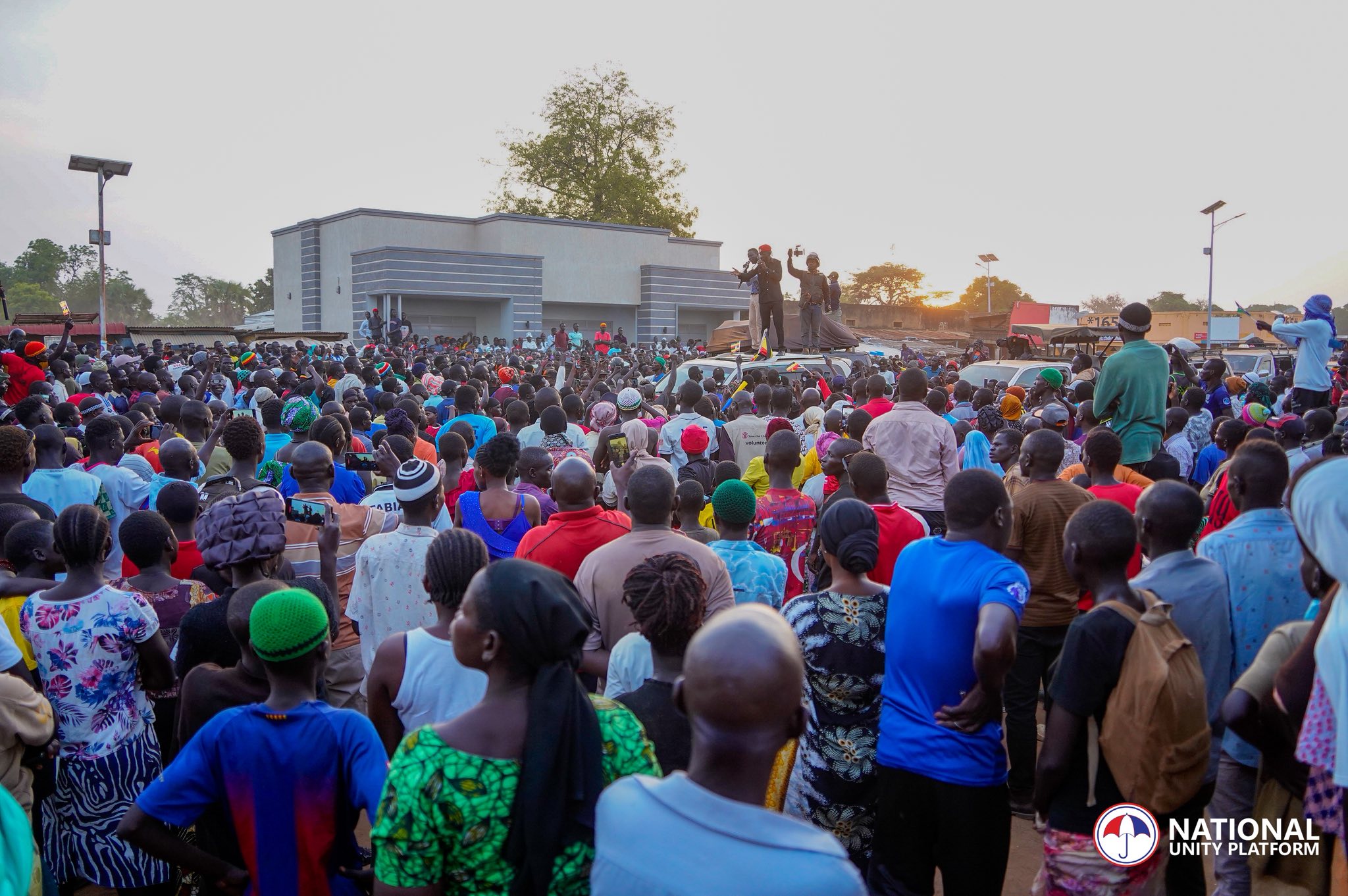
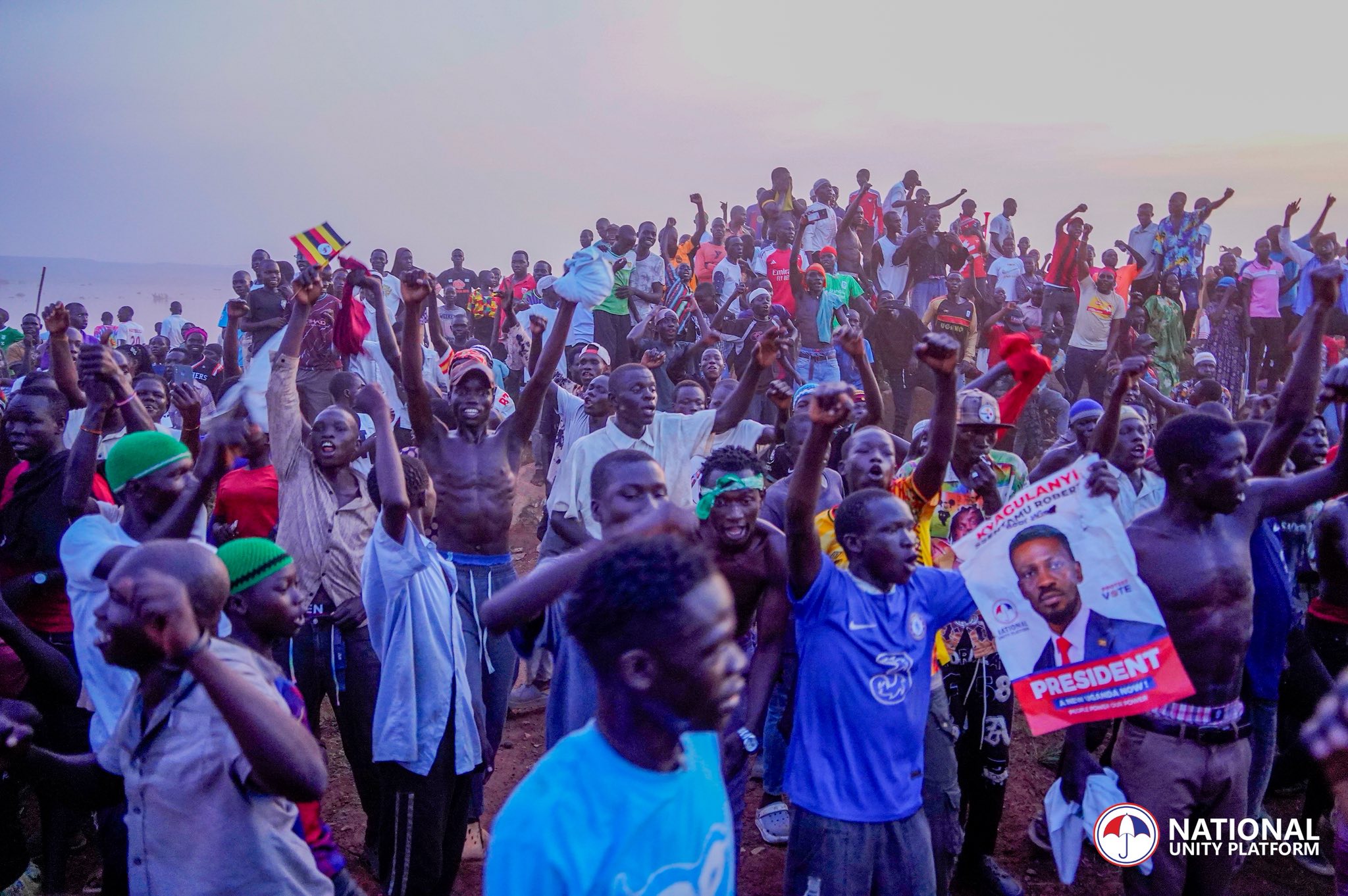
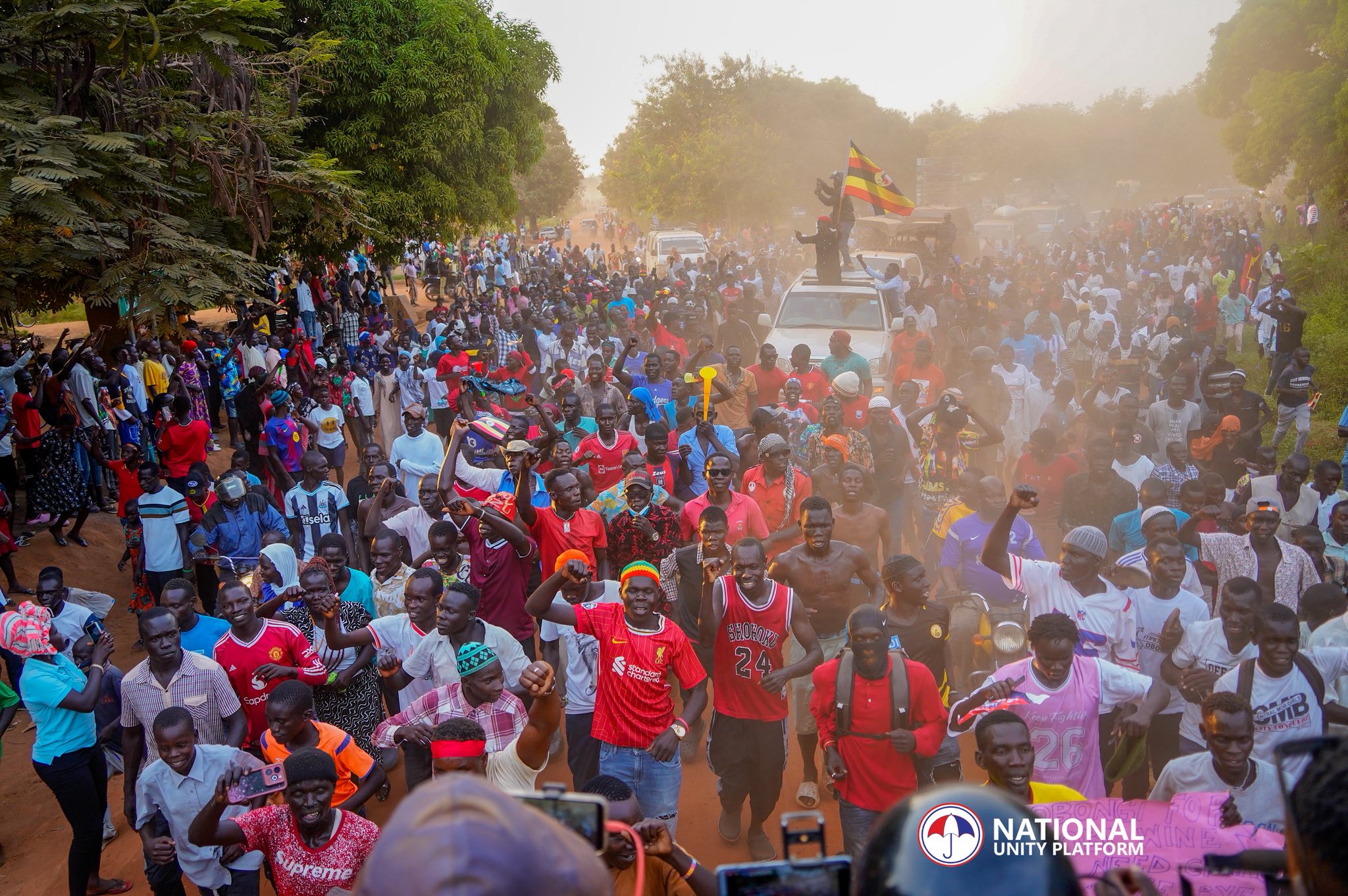
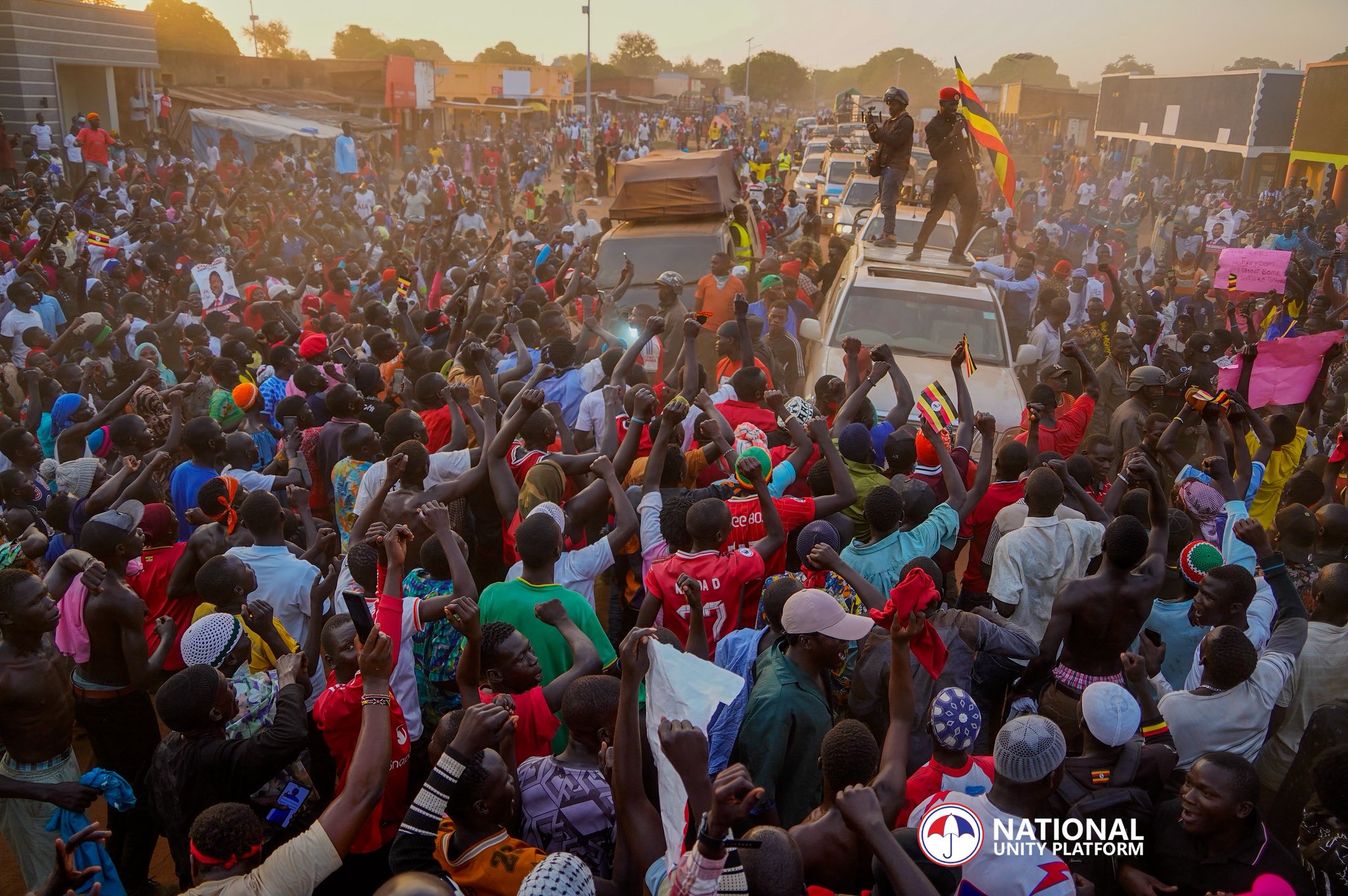
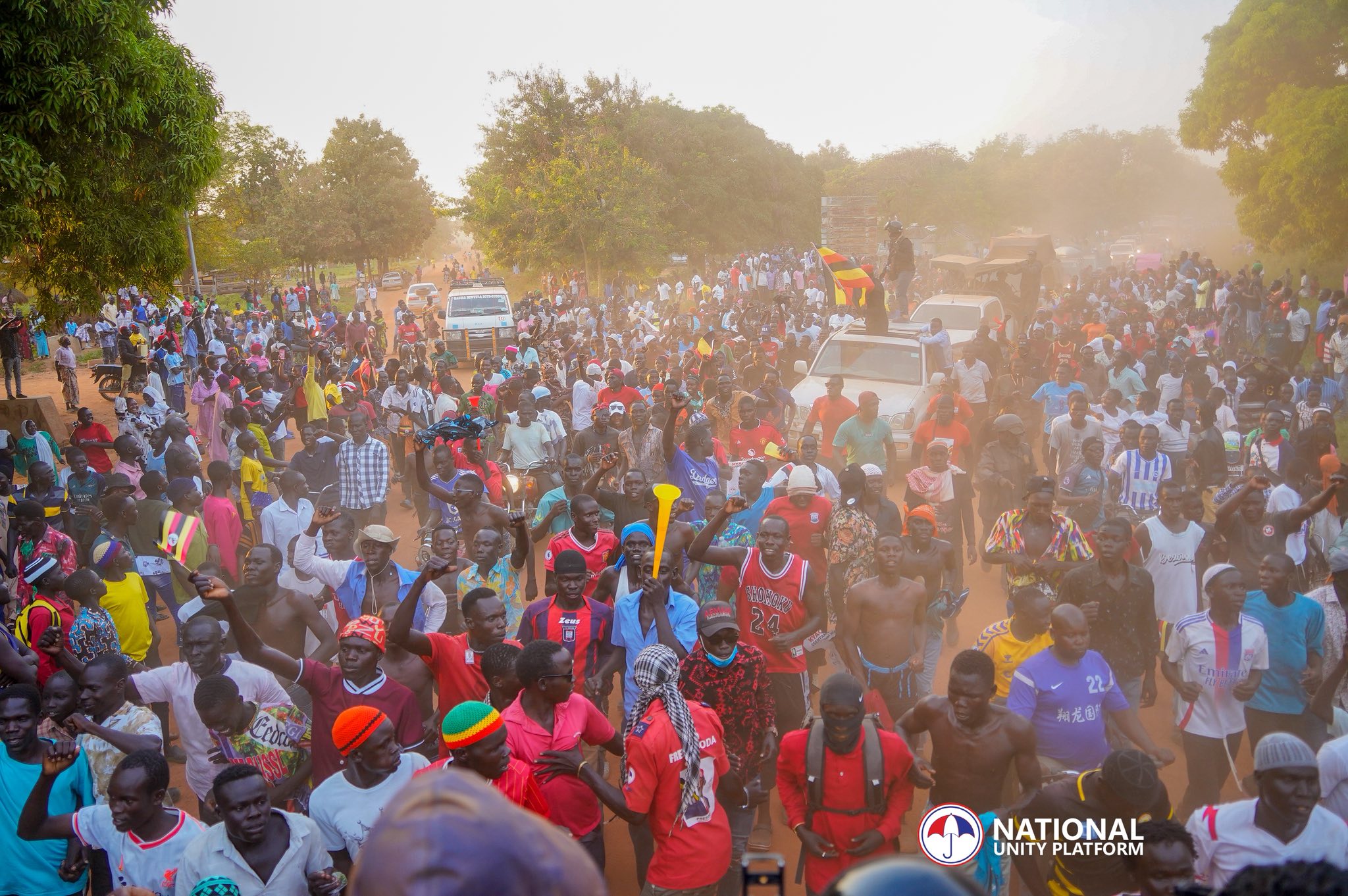
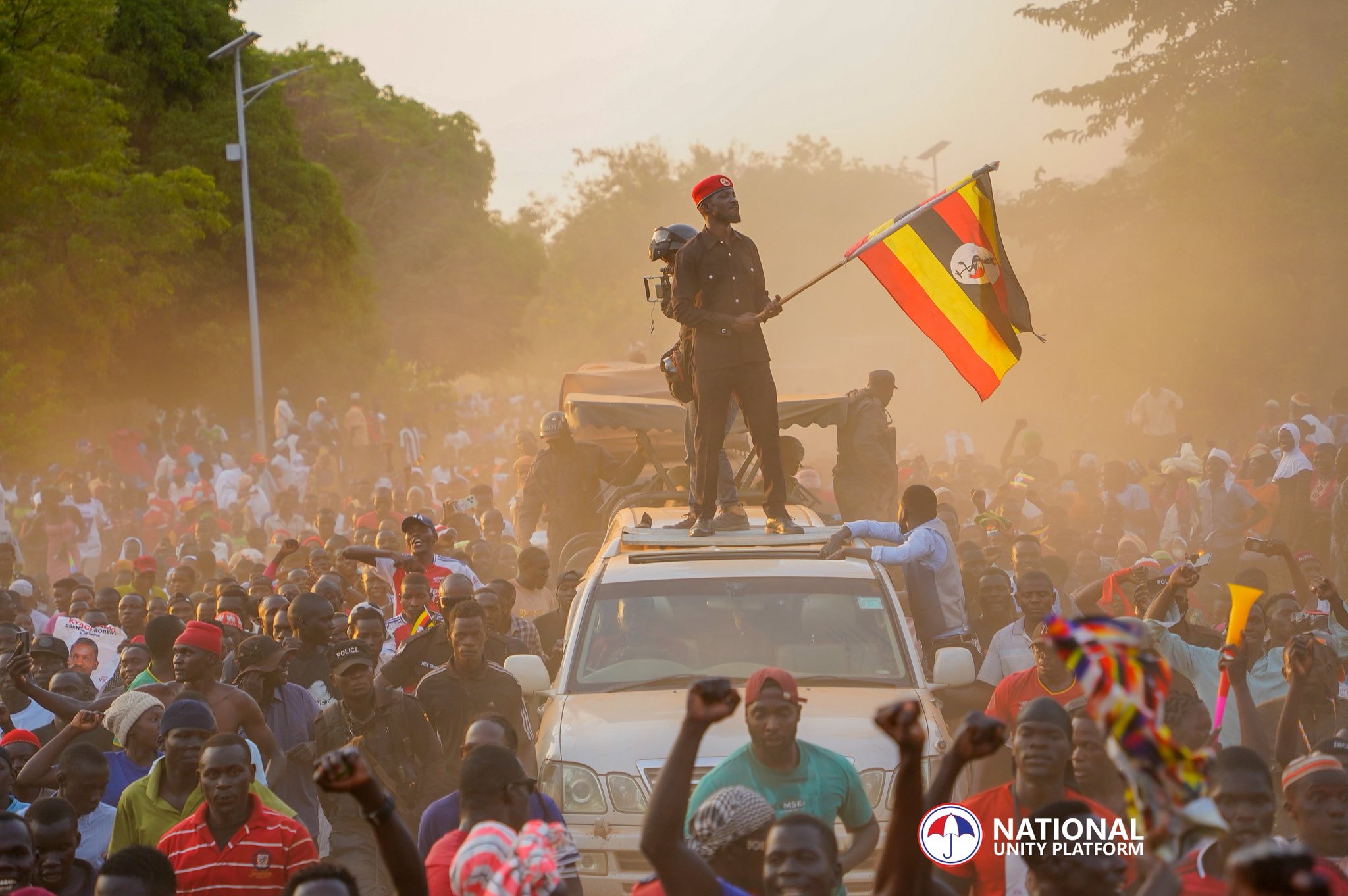
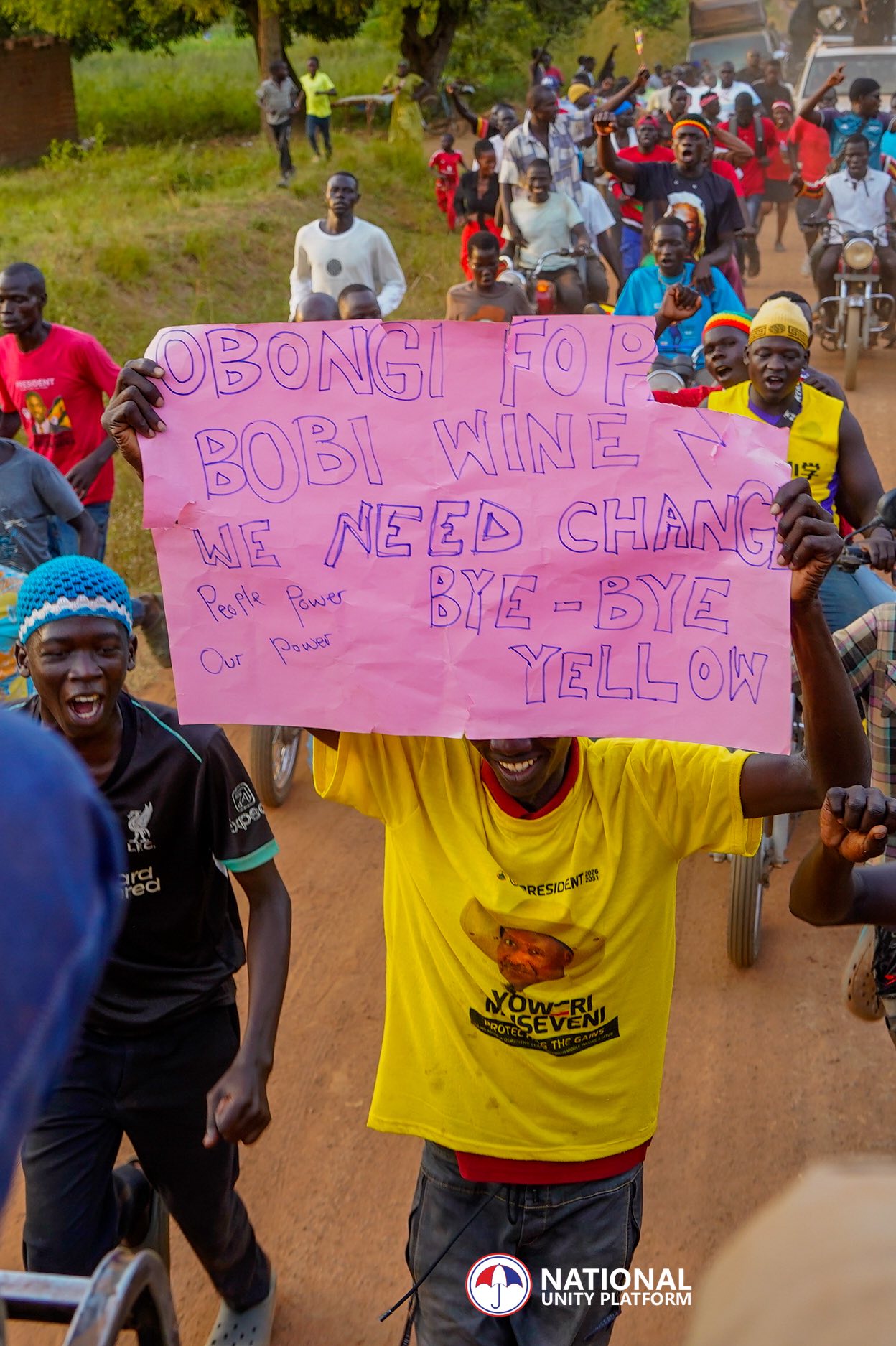
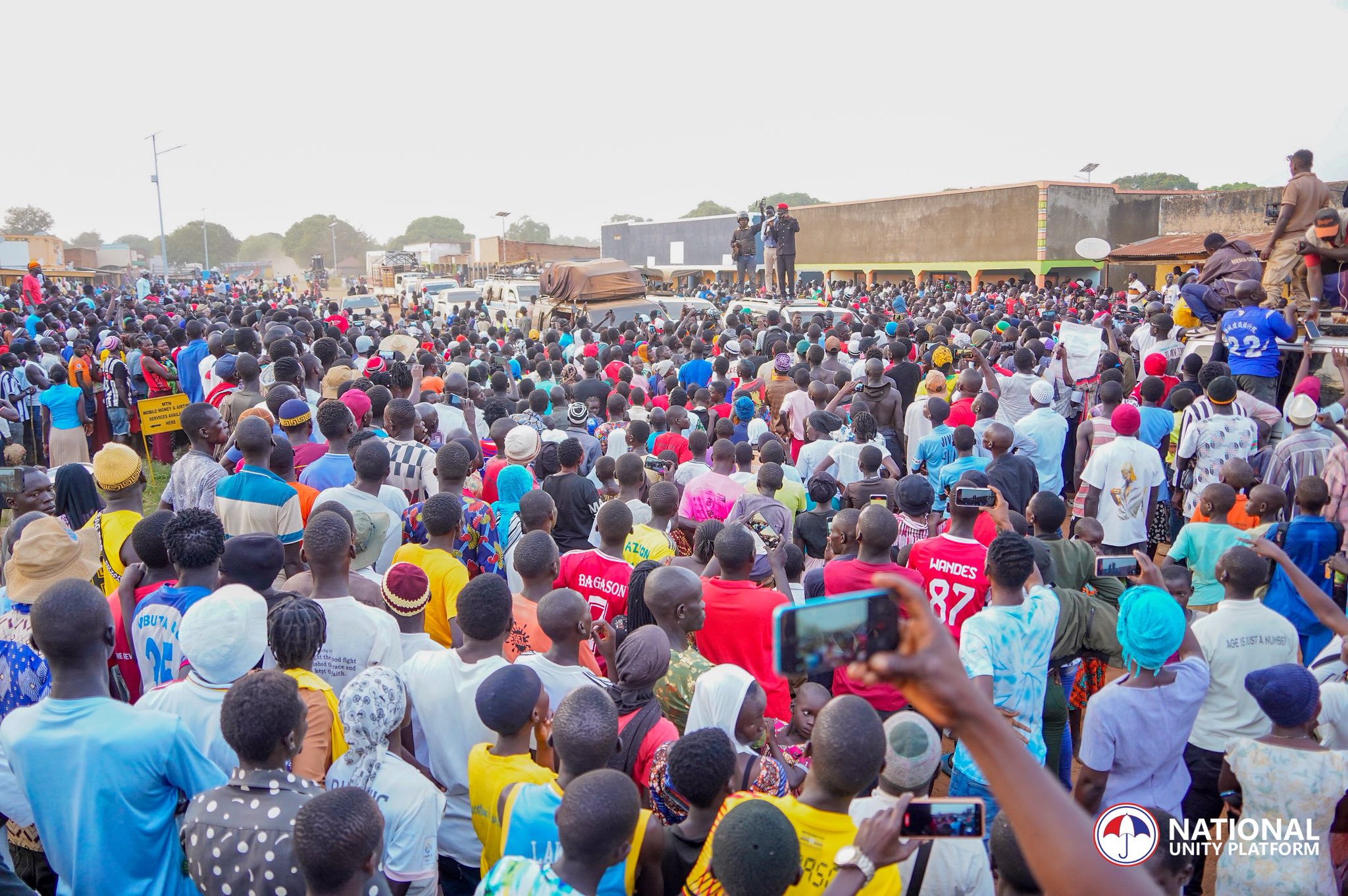
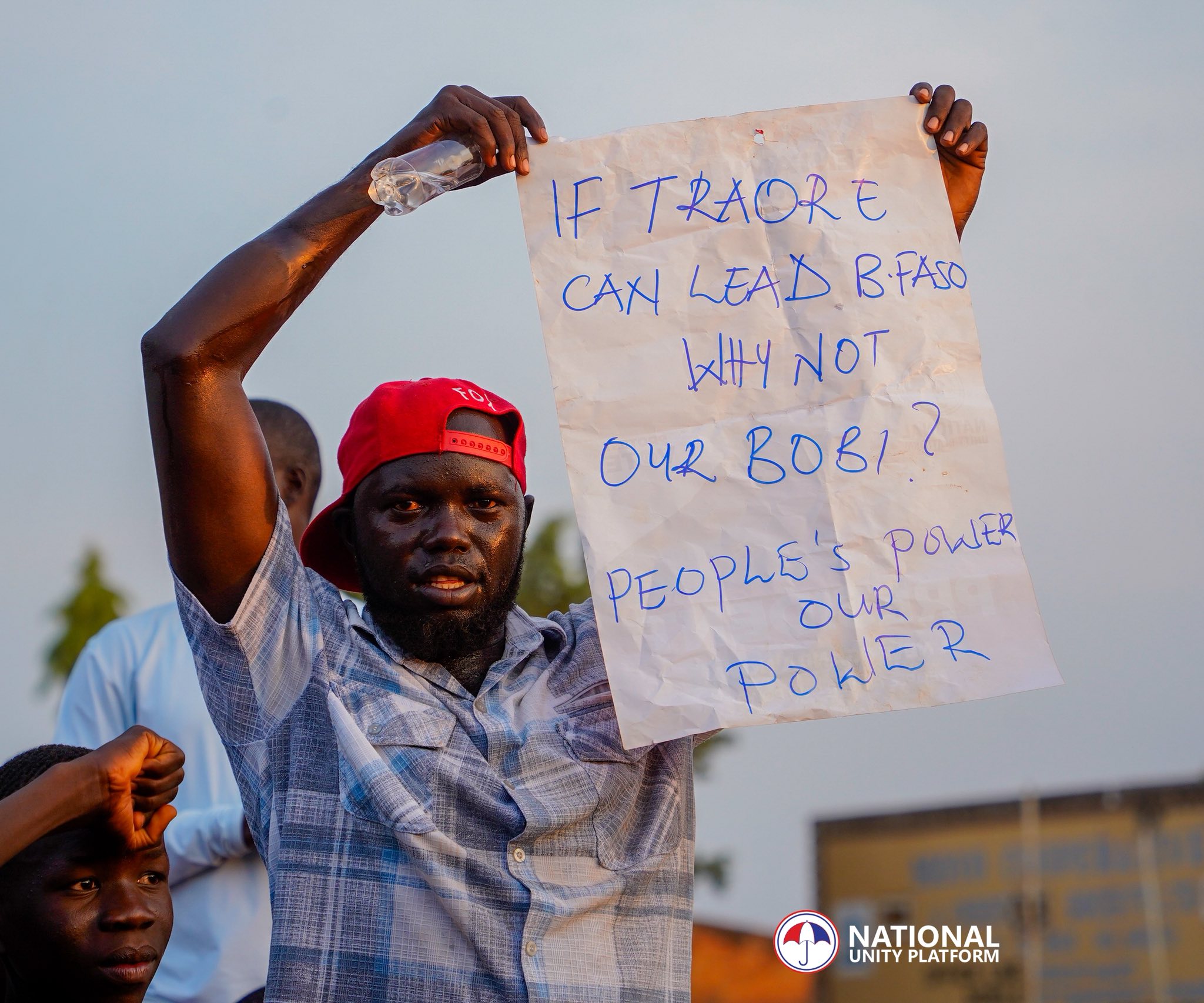
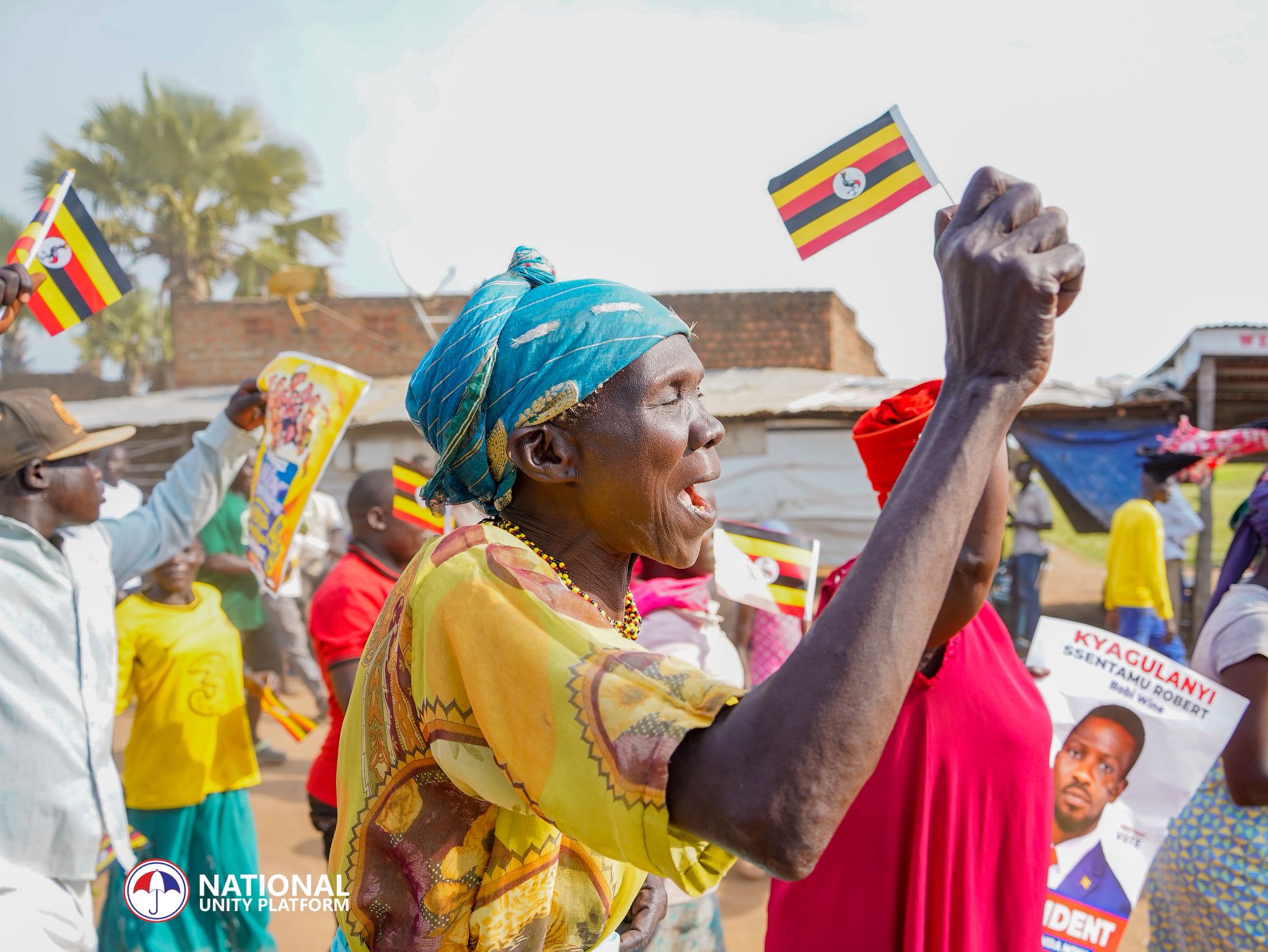
Crowds of Ugandans have been pouring into the streets, waving national flags, lifting handwritten placards, and chanting messages of hope as momentum around opposition figure Bobi Wine continues to grow. The scenes captured across rural districts and small trading centers reveal more than political excitement they expose a population hungry for change and searching for a leader who speaks their language, understands their daily struggles, and reflects their aspirations.

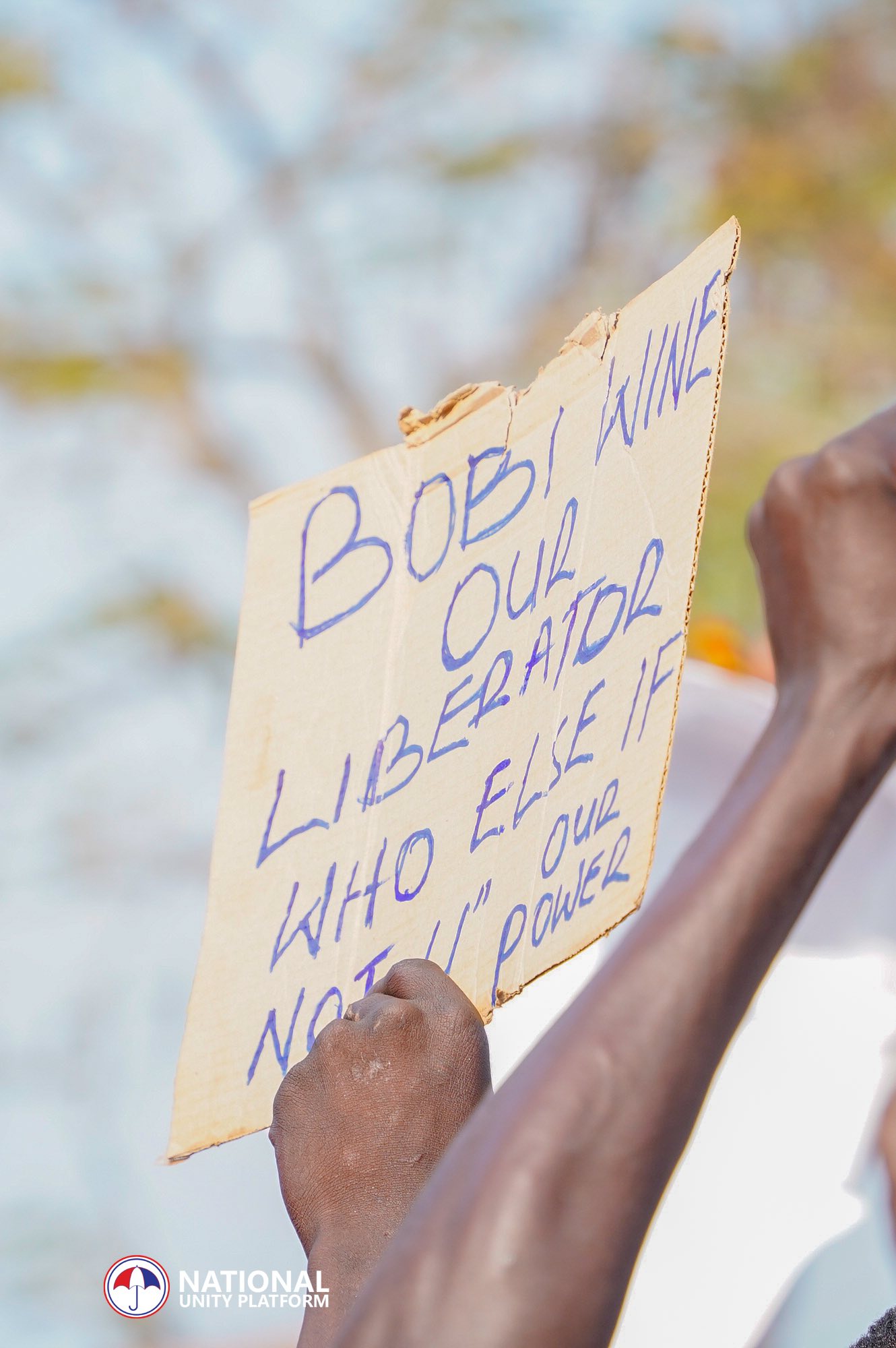
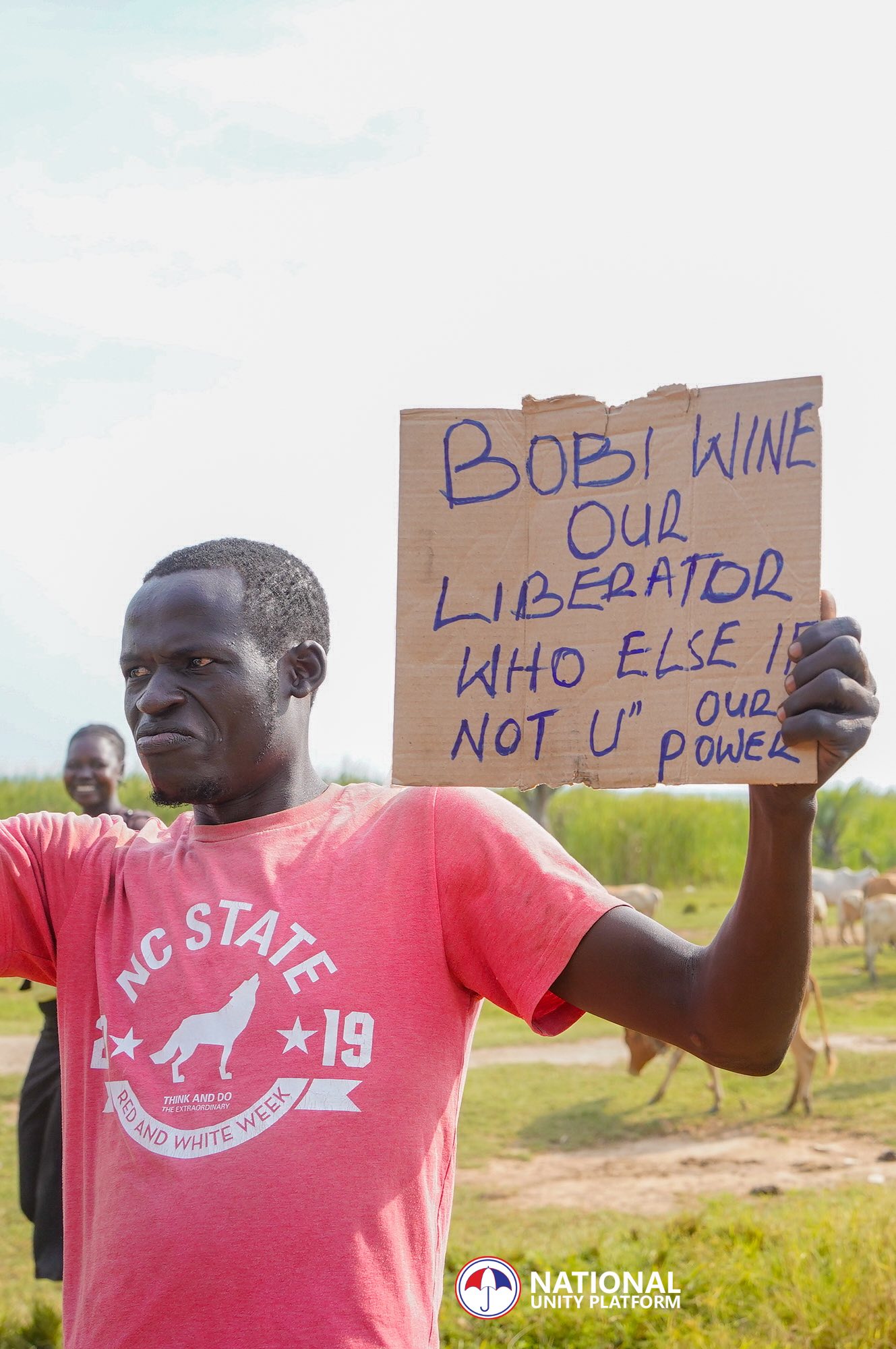
Many of those gathering are ordinary citizens: young men in dusty football jerseys, women carrying infants on their backs, elderly villagers wrapped in colorful gomesis, and teenagers running alongside pickup trucks with unrestrained enthusiasm. Their placards, written on torn cardboard and notebook sheets, tell a story that is raw and unfiltered. One man raises a sign reading,  “If Traoré can lead Burkina Faso, why not our Bobi?”  Another elderly woman waves the Ugandan flag as she shouts,  “People Power, Our Power!”  A young man on a dirt road holds a cardboard message:  “Bobi Wine our liberator, who else if not you?”

These words, though simple in structure, reflect a political mood that has been building quietly but powerfully across the country. Many of those taking part in these gatherings say they are motivated not by political parties but by daily realities unemployment, poverty, the rising cost of living, and a sense of stagnation after decades under the same leadership. A youth leader in one of the rallies explains that what they want is “a chance to breathe, a chance to dream again.”

The visible presence of young people, who make up the largest demographic in Uganda, highlights a critical shift. Many of them say they see in Bobi Wine someone who understands their frustrations because he has lived them. He rose from the ghettos of Kampala, made a career in music speaking against inequality, and eventually stepped into politics on a platform that centers the struggles of ordinary citizens. To many, he represents an alternative they have not had before.

An elderly farmer who walked several kilometers to join a gathering says,  “We are tired of promises. We want someone who knows our problems, not someone who talks from above.”  Her voice echoes a sentiment increasingly heard across rural Uganda regions long considered secure political strongholds for the ruling establishment.

Even the improvised nature of the gatherings loudspeakers mounted on boda bodas, pickup trucks converted into mobile platforms, and crowds surging behind dusty convoys demonstrates a movement powered not by state machinery but by community effort. There is little sign of staged choreography or paid mobilizations. Instead, the images show spontaneity, authenticity, and a sense of urgency driven by lived experience.

To many of those who attend these rallies, Bobi Wine represents not just a candidate but a symbol. A symbol of generational frustration, a symbol of unfulfilled potential, and a symbol of hope for democratic renewal. One young man holding a plastic horn says,  “We have been waiting too long. If change is coming, we want to be part of it.”

The gatherings also parallel shifts seen across parts of Africa, where younger leaders and people-powered movements have challenged long-standing governments. The reference to Burkina Faso’s Ibrahim Traoré on several signs is a reflection of how citizens interpret regional political winds winds of change that they believe could reach Uganda as well.

As the sun sets in one of the districts, thousands continue marching through clouds of red dust, chanting Bobi Wine’s name and hoisting posters with his portrait. There is a sense that these communities are not simply participating in a political rally they are expressing a collective longing for a different future.

A young mother holding a small Ugandan flag summarizes the mood simply:  “We want a country that listens to us.”

For many in these crowds, Bobi Wine has become the vessel through which that longing is expressed. Whether that energy will translate into political change remains uncertain, but the message carried in rural roads, crowded markets, and village paths is unmistakable: a growing number of Ugandans believe it is time for something new, and they believe Bobi Wine may be the one to lead that journey.

High-Profile Generals Arrested in DR Congo as Government Confirms Detention of Lt. Gen. Pacifique Masunzu

0

The Armed Forces of the Democratic Republic of Congo (FARDC) have confirmed the arrest of several top-ranking military officials, including Lieutenant General Pacifique Masunzu, one of the country’s most senior Banyamulenge officers and former commander of the Third Military Zone, which covers North Kivu, South Kivu, and Ituri—regions long troubled by insecurity.

The announcement was made late Thursday during a press briefing held at the FARDC headquarters in Kinshasa, led by Major General Sylvain Ekenge, the military spokesperson, alongside the head of the National Human Rights Commission (CNIDH), Paul Nsapu.

Ekenge told journalists that “a significant number” of high-ranking officers had been detained, though he declined to disclose their names, ranks, or the exact number of those arrested. He said the matter is still under investigation and protected by confidentiality rules.

“I can confirm that General Masunzu is among those detained, but I cannot reveal the reasons. The law forbids us from disclosing details that could compromise the ongoing investigation,” Ekenge said in a separate interview with BBC Gahuzamiryango.

General Masunzu, a powerful figure within the Banyamulenge military elite, was appointed in 2024 to oversee operations in the volatile eastern provinces. His arrest has sparked widespread concern, especially after weeks of unconfirmed reports about his disappearance.

No Details on the Charges

While FARDC’s spokesperson refrained from revealing the specific reasons behind the arrests, he stated that the generals are accused of “serious offenses related to national security.”

“Yes, many senior military officers and generals have been suspended and are under investigation for serious acts linked to state security,” Ekenge told reporters.

“Because the cases involve many individuals and require deep investigation, we cannot answer questions at this stage.”

Journalists were told in advance that the press conference would not allow questions, allegedly to protect the integrity of the ongoing investigations.

Families Raised Fears of Enforced Disappearance

For weeks, families of the arrested officers expressed deep concern, fearing that their relatives had been killed or forcibly disappeared. Human rights organizations also raised alarm, urging transparency about the fate of the generals.

Paul Nsapu, head of CNIDH, said he personally visited all detained officers and confirmed they are alive and in good health.

“We visited all the officers. Some people reported they had been kidnapped or killed, but I confirm that all of them are alive and held in conditions far better than typical detention centers,” Nsapu noted.

According to Ekenge, the generals are being held in a special facility designed for such cases.

“They are held in a secure, appropriate facility and treated in accordance with law and human rights standards,” he said.

Broader Context of Tension in FARDC

The arrests come at a moment of heightened tension within the military, with accusations circulating about plots, financial mismanagement, and internal power struggles.

  • Local media previously reported that two prominent officers General Christian Tshiwewe Songesha, former FARDC Chief of General Staff, and
  • General Franck Ntumba, former military intelligence chief were among those detained.

Ekenge neither confirmed nor denied these names, saying only that details will be made public “at the appropriate time.”

A Sensitive Case with National Implications

The detention of Lt. Gen. Pacifique Masunzu is particularly significant. He is one of the most influential Banyamulenge officers in the history of the Congolese military and has played critical roles in past operations in the eastern region.

His arrest deepens the uncertainty surrounding FARDC’s internal cohesion at a time when the country is battling multiple armed groups in the east and navigating sensitive security reforms.

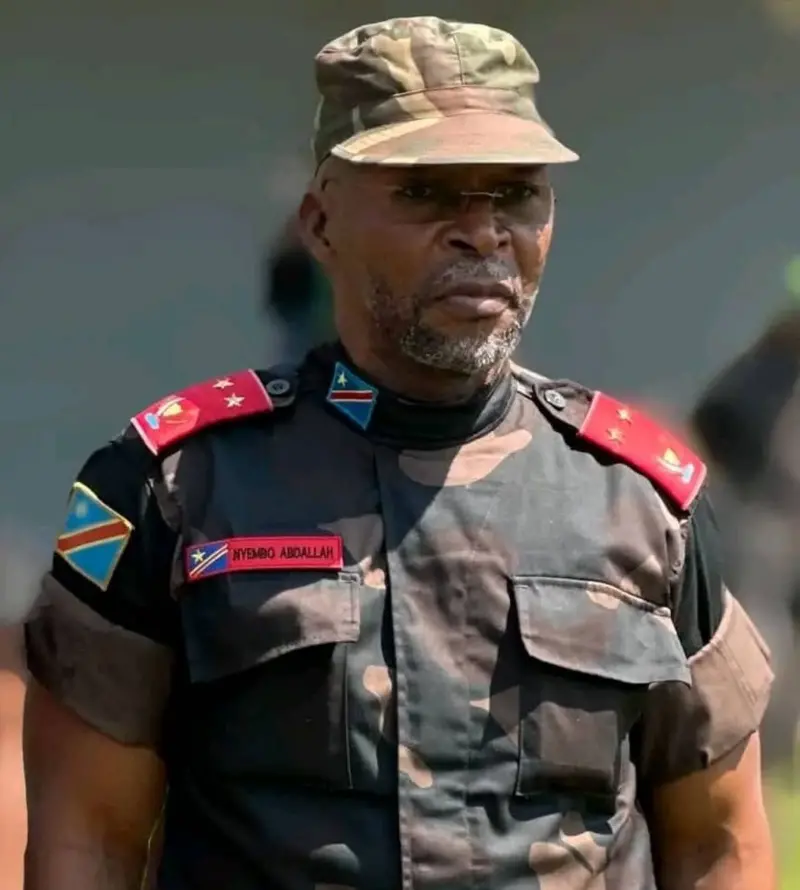
As investigations continue, the military has appointed Major General Nyembo Abdallah as interim commander to replace Masunzu.

DR Congo’s government has yet to provide a detailed statement on the political or security implications of these arrests, while public speculation continues to grow.

Newcastle Stun Manchester City 2–1 at St. James’ Park in Electrifying Premier League Clash

0

Newcastle United delivered one of their most impressive performances of the season as they defeated reigning Premier League champions Manchester City 2–1 in a high-intensity clash at St. James’ Park on Saturday evening. The result showcased Newcastle’s maturity, discipline, and growing self-belief as they continue their push for European football.

Manchester City started the match with their characteristic control, dictating possession and pushing Newcastle deep into their own half. Their early dominance paid off in the 12th minute when Julián Álvarez latched onto a precise Bernardo Silva pass and calmly slotted a low finish past Martin Dúbravka, giving the visitors a deserved lead.

But Newcastle refused to be shaken. As the first half progressed, Bruno Guimarães and Sean Longstaff gradually took command in midfield, enabling the Magpies to build momentum and push City back. Their response arrived in the 27th minute when Alexander Isak reacted quickest to a loose ball in the box, firing a sharp low effort beyond Ederson to restore parity and reawaken the home crowd.

The goal transformed the energy inside St. James’ Park, with Newcastle pressing aggressively and creating several half-chances before the break.

The second half saw both teams raise the tempo, with City maintaining possession but struggling to break through Newcastle’s compact and disciplined defensive structure. Eddie Howe’s side defended Haaland with exceptional organisation, denying him space and limiting opportunities for City’s creative outlets.

Newcastle’s commitment to direct, fast transitions was rewarded in the 71st minute. Substitute Miguel Almirón burst down the right wing and delivered a perfectly weighted cross into the penalty area. Anthony Gordon arrived with impeccable timing, smashing a first-time strike into the net to put Newcastle ahead and spark wild celebrations.

City pushed relentlessly in the final stages, with Kevin De Bruyne and Phil Foden combining dangerously in search of an equaliser. Erling Haaland briefly thought he had levelled the match with a late header, but the goal was rightly ruled out for offside after a VAR check.

Newcastle managed the closing moments with calmness and tactical discipline, resisting City’s pressure through five tense minutes of added time. When the final whistle sounded, St. James’ Park erupted as Newcastle sealed a memorable victory over one of Europe’s elite teams.

The win pushes Newcastle further up the Premier League table and reinforces their European ambitions. For Manchester City, the defeat serves as a reminder of the increasing competition at the top and marks an unexpected stumble in their title defence.

Gor Mahia Beat Tusker 1–0 to Extend Lead at the Top of the Kenya Premier League

0

Gor Mahia FC extended their impressive run in the 2025 Kenya Premier League with a narrow but crucial 1–0 victory over Tusker FC on Saturday, 22 November 2025, reinforcing their position at the top of the league standings.

The match, played under an electric atmosphere, showcased the resilience and discipline that have come to define K’Ogalo this season. From the opening whistle, both sides approached the game with measured intensity  Gor Mahia seeking to tighten their grip on the summit, while Tusker aimed to revive their campaign with a statement win.

Gor Mahia struck early, capitalising on a moment of hesitation in the Tusker defence to take the lead. The early goal set the tone for the remainder of the match, pushing Tusker to chase the game while giving Gor Mahia the confidence to dictate the tempo.

In the second half, Tusker increased their pressure as they searched desperately for an equaliser. However, Gor Mahia’s back line remained disciplined, absorbing waves of attacks while maintaining their defensive structure. Goalkeeper performance and solid coordination between defenders ensured that Tusker’s threats were neutralised before reaching dangerous levels.

The result means Gor Mahia now boast six wins, one draw, and only one defeat in their opening eight matches, a record that cements their ambition of pursuing yet another Premier League title. Their consistency, especially in tight matches like this one, continues to set them apart from their rivals.

While the team has displayed strong organisation and mental fortitude, the narrow scoreline also highlights areas for reflection. Converting chances into goals remains a department that could see improvement. As the league progresses and competition intensifies, Gor Mahia will need to sharpen their attacking edge to maintain their momentum.

Even so, their ability to close out difficult matches is a testament to their championship pedigree. With the season gaining pace and rivals trailing closely behind, every point becomes increasingly vital.

Gor Mahia’s latest victory is more than just another three points — it is a clear statement of intent. The champions remain hungry, focused, and determined to extend their dominance in Kenyan football.