Home Blog Page 67

Kenya engages Tanzania as political tensions escalate across the border

0

Kenyaโ€™s High Commission in Tanzania has assured citizens of their safety amid reports of violent demonstrations and growing political tension across parts of Tanzania. The mission said it is in constant communication with Tanzanian authorities to monitor the situation and ensure the protection of Kenyans living and working there.

In a statement issued Thursday, the High Commission emphasized that it is working closely with Tanzanian officials to safeguard Kenyan nationals and urged all citizens to remain calm, vigilant, and compliant with local laws. โ€œWe are maintaining active engagement with Tanzanian authorities to ensure Kenyans remain safe. We advise all citizens to avoid areas affected by unrest and follow official directives,โ€ the statement read.

The move comes as several Tanzanian towns experience sporadic clashes between protesters and security forces. Opposition groups have accused the government of suppressing political freedoms, leading to heightened unrest that has drawn regional concern. Eyewitnesses report blocked roads, burning barricades, and heavy police deployment in some areas, although authorities insist the situation is under control.

Kenyaโ€™s swift diplomatic response reflects growing sensitivity to instability in neighbouring states, particularly given the strong economic, cultural, and social ties between the two nations. Thousands of Kenyans live and work in Tanzania, many engaged in trade and cross-border business that could be disrupted by prolonged turmoil. Analysts say the High Commissionโ€™s proactive engagement is both a protective measure and a strategic move to prevent diplomatic friction.

Regional policy observers note that Nairobi has adopted a cautious tone, avoiding direct criticism of Tanzaniaโ€™s handling of the protests while quietly seeking assurances about the safety of its nationals. This approach underscores Kenyaโ€™s commitment to maintaining stable relations within the East African Community, where both countries play leading roles.

The Tanzanian government has meanwhile maintained that its actions are aimed at preserving order and protecting citizens, denying claims of political repression. International human rights organizations have, however, called for restraint and dialogue to prevent further escalation.

Diplomatic experts warn that persistent unrest could undermine regional integration efforts and disrupt trade through key border routes. Kenyaโ€™s High Commission has reiterated its readiness to provide assistance to any citizen in distress and will continue issuing updates as the situation evolves.

โ€œThe safety and well-being of Kenyans in Tanzania remains our top priority,โ€ the mission said. โ€œWe urge all Kenyans to remain calm and cooperate fully with local authorities as we work with our Tanzanian counterparts to ensure stability.โ€

As tensions continue to unfold, both Nairobi and Dar es Salaam face a delicate balancing act, maintaining mutual cooperation while navigating political pressures that could shape the regionโ€™s diplomatic future.

Museveniโ€™s final bid for power: after 39 Years, Uganda awaits the end of an era

0

After 39 years in power, Ugandan President Yoweri Kaguta Museveni has hinted that his next election bid will be his last. In an emotional address that blended authority and nostalgia, the veteran leader urged Ugandans to โ€œcome out in large numbersโ€ and support him one last time vying for the presidency.

โ€œI urge all Ugandans to come out in large numbers. This will be my last time vying. Letโ€™s finish this journey together and secure the future of our nation,โ€ Museveni declared, his voice calm but firm, standing before the Ugandan flag and presidential seal.

Museveni first rose to power in 1986, after leading a successful guerrilla war that ended years of political turmoil. Since then, he has become one of Africaโ€™s most enduring and controversial figures, praised by supporters for stabilizing Uganda, but criticized by opponents for overstaying in power and shrinking democratic space.

Across Uganda, reactions to Museveniโ€™s message have been mixed. To some, his leadership symbolizes continuity, peace, and experience. To others, it represents exhaustion, stagnation, and a fading democracy.

One opposition politician commented, โ€œIf this truly is his final term, he must prepare Uganda for a peaceful transition. The future of this nation cannot depend on one man.โ€

For nearly four decades, Museveni 39 years in power have shaped Ugandaโ€™s modern history, from economic recovery and regional influence to an increasingly centralized political system. But his longevity has not been without controversy. Amendments to the constitution in 2005 (removing term limits) and 2017 (lifting the age cap) opened the door for him to contest indefinitely, sparking national debate about the end of the Museveni era.

Analysts suggest that Museveniโ€™s statement about his last time vying could be as strategic as it is emotional. It may serve both as a legacy message to his loyal base and as a subtle way to control the political narrative ahead of the Uganda elections 2026.

Dr. Fredrick Mwesigwa, an independent political analyst, noted: โ€œMuseveni understands the power of legacy. His words may be designed to prepare Ugandans for change, while ensuring that transition happens under his guidance.โ€

As the 2026 elections approach, Uganda stands at a crossroads. For millions of citizens born after 1986, President Museveni is the only leader they have ever known. Whether this declaration marks a genuine turning point or just another political manoeuvre, the country waits, suspended between hope for renewal and the weight of nearly 40 years under one manโ€™s rule.

Where is John Mnyika? Tanzaniaโ€™s opposition leader vanishes after exposing mass killings

0

The air in Dar es Salaam has grown heavier with fear, silence, and unanswered questions. Just days after issuing a powerful statement condemning alleged mass killings by Tanzanian security forces, CHADEMA Secretary General John Mnyika has reportedly gone missing under mysterious circumstances , sending waves of panic through opposition ranks and sparking outrage among citizens and human rights defenders.

Mnyikaโ€™s disappearance, described by party members as โ€œdeeply suspicious,โ€ comes barely forty-eight hours after he signed and released a public statement accusing the government of mass killings and systematic cover-ups during protests that have rocked the nation.

โ€œHe was the voice we needed most right now. And now heโ€™s gone,โ€ said one CHADEMA official, her voice breaking as she spoke to journalists under anonymity.

In the statement dated Saturday, November 2, 2025, Mnyika denounced what he called โ€œan oppressive regime under President Samia Suluhu Hassan.โ€ The letter detailed horrifying scenes ,bodies scattered on the streets, hospitals overwhelmed by corpses, and police allegedly moving from hospital to hospital to collect the dead, supposedly to erase evidence of state brutality.

โ€œFollowing the large number of deaths and the many civilians with life-threatening injuries in different parts of the countryโ€ฆโ€ the letter began, before condemning the governmentโ€™s actions as an outright assault on the peopleโ€™s right to life and liberty.

That statement now feels eerily like a final message, a desperate cry before silence swallowed its author.

Sources close to Mnyika say he was last seen leaving CHADEMA headquarters in Mikocheni late on Saturday evening. His phone has been off since, and his family has been unable to locate him. The police have issued no statement, and the government remains silent, a silence that many Tanzanians interpret as complicity.

Opposition members now fear that Mnyika may have been abducted for his outspoken criticism of the governmentโ€™s handling of the protests. In a country where dissent increasingly invites danger, his disappearance has deepened a growing sense of dread among activists and journalists.

โ€œWhen the man who speaks truth disappears, itโ€™s not just him who is missing, its democracy itself,โ€ said a CHADEMA youth leader in Mwanza.

Across Tanzania, tension continues to simmer. Videos circulating online, some quickly taken down, show chaotic scenes: demonstrators running from tear gas, bodies lying motionless on the streets, and hospitals filled with the wounded. Reports from the ground suggest that internet access remains heavily restricted, further isolating citizens and blocking communication between affected regions.

CHADEMAโ€™s statement had pleaded with the international community, especially the United Nations and the International Criminal Court (ICC), to open an independent investigation into the alleged killings. Now, with Mnyika missing, that plea feels more urgent than ever.

โ€œWe appeal to the international community to take immediate action before more lives are lost,โ€ the statement had said.

But with its author unaccounted for, that call risks fading into silence, another story buried beneath fear.

Families of missing protesters are also coming forward, saying theyโ€™ve received no word from loved ones since the demonstrations began. Some have been told to โ€œstop asking questions.โ€ Others have found bodies in morgues, bruised, lifeless, and tagged only with numbers.

Mnyikaโ€™s disappearance adds to this grim pattern, a pattern of intimidation, suppression, and fear that human rights organizations have warned about for years. Tanzania, once praised as a symbol of East African stability, is now facing its most serious human rights crisis in decades.

For many Tanzanians, John Mnyika was more than a political figure, he was a symbol of courage, a man who dared to speak truth in a time of growing silence. His disappearance is being felt not just in political circles, but in homes, churches, mosques, and markets where people whisper: โ€œWhere is John?โ€™โ€™

Online, despite censorship, the hashtag Where Is John Mnyika has begun trending among activists and diaspora communities, as Tanzanians abroad demand answers from their government and the international community.

As night falls, CHADEMA headquarters remain heavily guarded. Inside, party members hold prayer vigils, clutching copies of the same statement Mnyika signed, the last public trace of his voice. They vow to continue the struggle he stood for: freedom, justice, and truth.

โ€œThey can silence one man,โ€ said one supporter. โ€œBut they canโ€™t silence a nation.โ€

For now, the question echoes across Tanzania and beyond, a question that defines not just the fate of one man, but the fate of an entire nationโ€™s conscience: Where is John Mnyika?

Sud-Kivu : CEO Officer Jean de Dieu, Ambassadeur de la Paix, rรฉagit aux manifestations de Minembwe contre les troupes burundaises

0

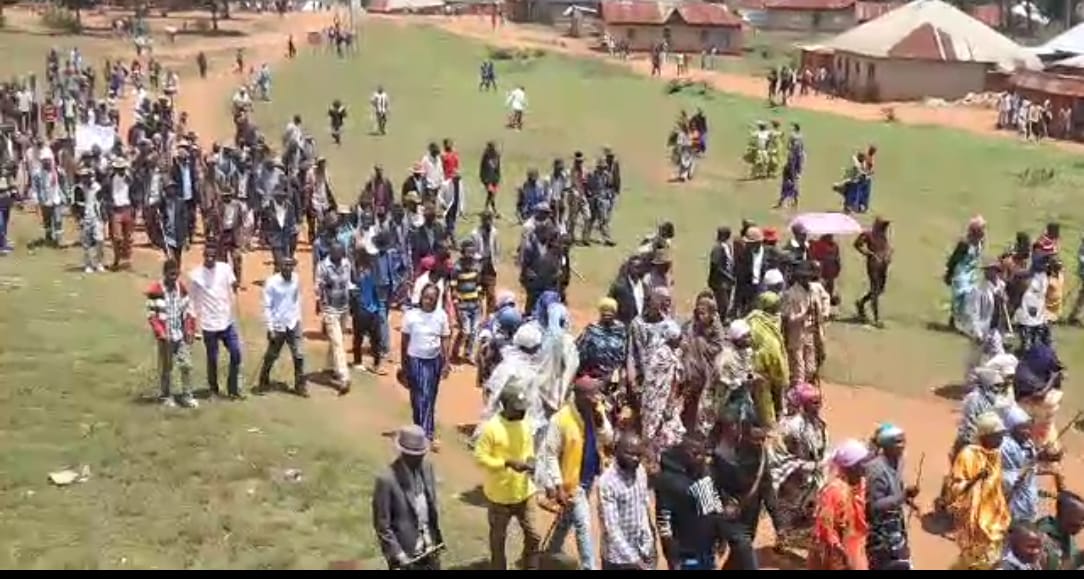
Les habitants du territoire de Minembwe, dans la province du Sud-Kivu, se sont massivement mobilisรฉs ce mardi 4 novembre 2025 pour dรฉnoncer la prรฉsence prolongรฉe des forces armรฉes burundaises dans leur rรฉgion. Selon les manifestants, ces troupes bloquent les principales voies commerciales et empรชchent la population dโ€™accรฉder librement aux marchรฉs, aggravant ainsi les conditions de vie dรฉjร  prรฉcaires dans les hauts et moyens plateaux.

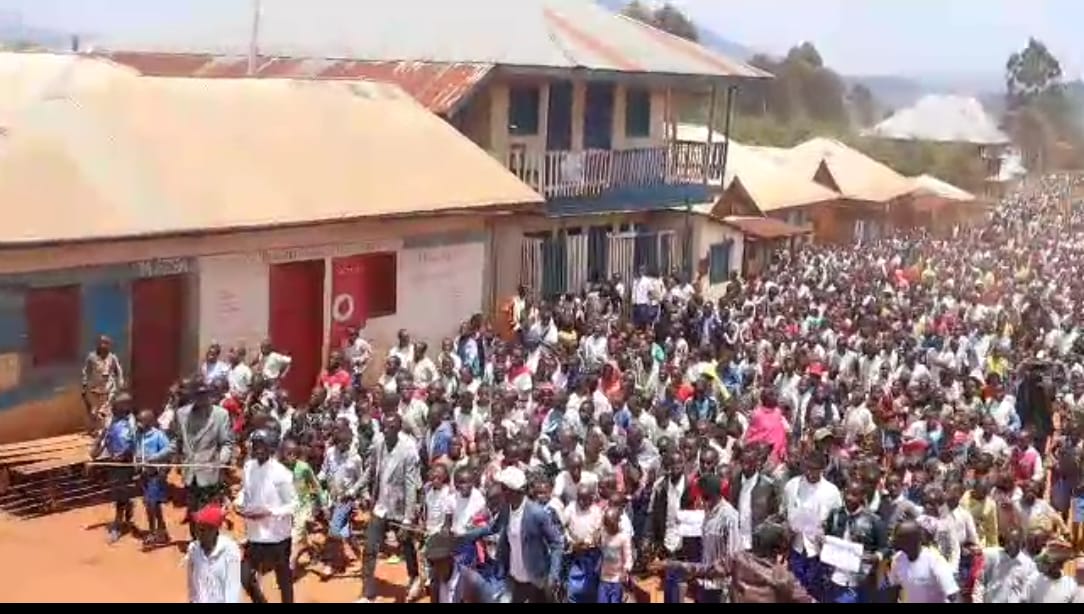
La manifestation, dรฉbutรฉe tรดt dans la matinรฉe, sโ€™est dรฉroulรฉe au centre de Madegu, cล“ur administratif et commercial de Minembwe. Elle a rassemblรฉ des centaines dโ€™habitants issus de diverses communautรฉs localesย  Banyamulenge, Bashi, Babembe et Bapfulelo venus de Gakenke, Kabingo, Gahwela, Kalingi, Rundu et dโ€™autres villages environnants.

Depuis fรฉvrier 2025, aprรจs la reprise de plusieurs zones de Minembwe par le mouvement MRDP-Twirwanehoย  , les forces armรฉes congolaises (FARDC) et burundaises, repoussรฉes du front, auraient รฉtabli des positions militaires le long des routes principales reliant Minembwe ร  Baraka et Uvira. Les habitants affirment que ces postes de contrรดle ont transformรฉ les axes commerciaux en zones interdites, coupant lโ€™approvisionnement en vivres, en mรฉdicaments et en produits de premiรจre nรฉcessitรฉ.

Des tรฉmoins sur place rapportent que les militaires burundais ont รฉrigรฉ des barrages ร  Mikarati, Nyamara, Point-Zero, Gipupu et Birarombili, limitant fortement la circulation. Les marchรฉs de Ndondo et dโ€™autres localitรฉs voisines seraient devenus inaccessibles, provoquant une flambรฉe des prix et une crise humanitaire latente.

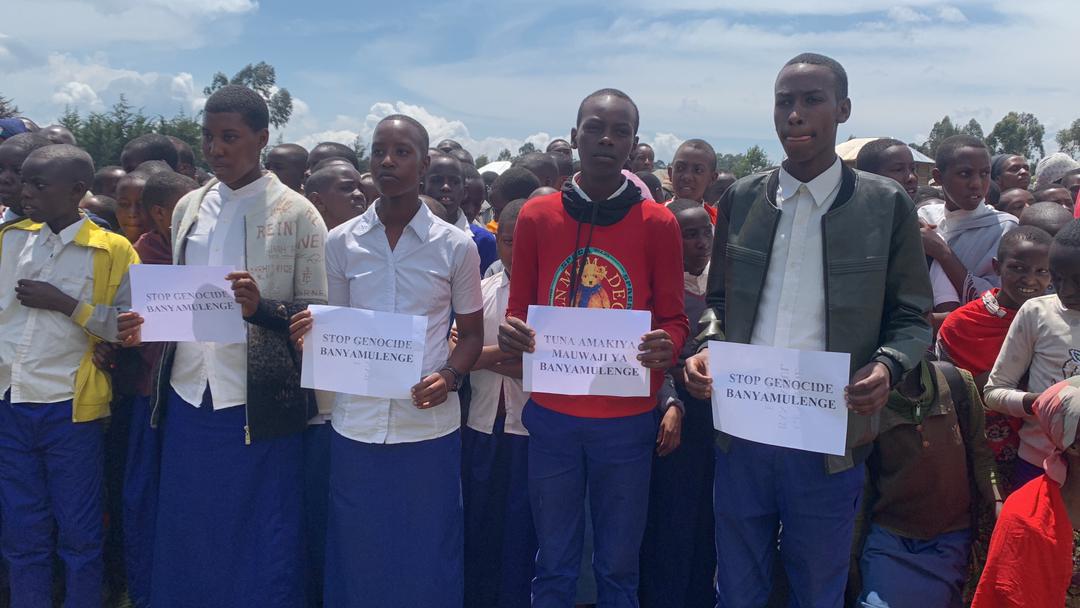
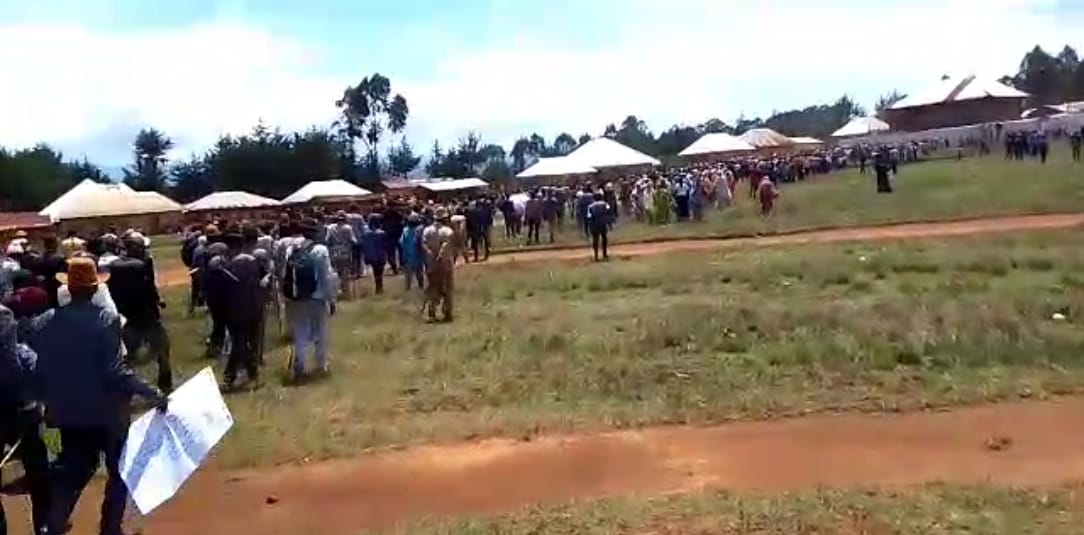
Les manifestants, munis de drapeaux blancs en signe de paix, ont parcouru les rues en chantant des hymnes appelant ร  la libertรฉ et ร  la coexistence pacifique. Leur message principal : ย ย le retrait immรฉdiat des troupes burundaisesย  ย et la rรฉouverture des routes commerciales.

ยซ Nous voulons simplement la paix et la libertรฉ dโ€™aller au marchรฉ. Nous ne sommes pas des ennemis, nous voulons vivre comme tous les citoyens du Congo ยป, a dรฉclarรฉ une manifestante interrogรฉe sur place.

Interrogรฉ par ย ย le journaliste dโ€™Afrovera.com , CEO Officer Jean de Dieuย  , ย ย Ambassadeur de la Paix des Banyamulenge en Australie et membre du mouvement MRDP-Twirwanehoย  , a saluรฉ le courage des habitants de Minembwe et condamnรฉ avec fermetรฉ les exactions prรฉsumรฉes des troupes รฉtrangรจres dans la rรฉgion.

ยซ Les Banyamulenge et toutes les communautรฉs de Minembwe ont droit ร  la dignitรฉ et ร  la sรฉcuritรฉ. Empรชcher les citoyens dโ€™accรฉder aux marchรฉs revient ร  les condamner ร  la faim. Nous appelons le gouvernement congolais et la communautรฉ internationale ร  exiger le retrait immรฉdiat des troupes burundaises et ร  protรฉger la population civile ยป, a-t-il dรฉclarรฉ.

Pour CEO Officer Jean de Dieuย  , cette manifestation traduit un profond malaise social : celui dโ€™une population abandonnรฉe ร  son sort, privรฉe de ses droits fondamentaux. Il a รฉgalement rappelรฉ que la mission des troupes รฉtrangรจres devait รชtre strictement axรฉe sur le maintien de la paix, et non sur la privation รฉconomique ou les abus envers les civils.

Jusquโ€™ร  prรฉsent, ni le gouvernement congolais ni le commandement militaire nโ€™ont rรฉagi publiquement ร  cette mobilisation. Toutefois, plusieurs observateurs estiment que le silence officiel pourrait exacerber les tensions locales, alors que la population multiplie les appels ร  la justice et ร  la reconnaissance de ses droits.

La manifestation de Minembwe, bien que pacifique, apparaรฎt comme un cri dโ€™alarme collectif face ร  la militarisation prolongรฉe du territoire et ร  la restriction des libertรฉs รฉconomiques. Pour beaucoup, cette journรฉe du 4 novembre 2025 restera dans lโ€™histoire comme celle oรน la voix des habitants de Minembwe sโ€™est รฉlevรฉe avec force pour rรฉclamer paix, libertรฉ et dignitรฉ.

The immigrant who made history: Zohran Mamdaniโ€™s journey from Uganda to New Yorkโ€™s city hall

0

Zohran Mamdani, a 34-year-old Ugandan-born politician, has made history after winning the New York City mayoral race on the Democratic Party ticket, becoming the first Muslim and South Asian to lead Americaโ€™s largest city. His victory represents a remarkable shift in the cityโ€™s political landscape and a powerful statement about diversity, representation, and the evolving face of American leadership.

Born in Kampala, Uganda, in 1991, Mamdani moved to the United States with his family at a young age. His father, Professor Mahmood Mamdani, is a world-renowned academic and political theorist, while his mother, Mira Nair, is an acclaimed filmmaker. Growing up in a family deeply rooted in activism and social consciousness, Mamdani was exposed early to issues of justice, migration, and identity, values that would later define his political career.

Before running for mayor, Mamdani served as a New York State Assemblyman representing the diverse neighbourhood of Astoria in Queens. During his tenure, he earned respect for his outspoken advocacy on behalf of working-class families, immigrants, and young people struggling with housing and employment challenges. He championed affordable housing reforms, police accountability, and access to education for marginalized communities. His grassroots organizing skills and ability to connect with ordinary citizens became the foundation of his mayoral campaign.

When he announced his candidacy, many political observers considered it a long shot. New Yorkโ€™s political establishment has historically favoured seasoned insiders with deep financial backing, yet Mamdaniโ€™s campaign gained momentum through a people-cantered message of inclusivity, justice, and change. His rallies drew thousands of young voters, progressives, and immigrant families who saw in him a reflection of their own experiences and struggles.

In his victory speech, delivered to a jubilant crowd in Queens, Mamdani expressed heartfelt gratitude to New Yorkers for entrusting him with their hopes and dreams. โ€œThis victory is not mine alone,โ€ he said. โ€œIt belongs to every immigrant who has ever been told they donโ€™t belong, to every Muslim child who dreams without fear, and to every New Yorker who believes that government should serve the people, not the powerful.โ€ His words captured the emotion of the moment, symbolizing not just a political triumph but a cultural milestone.

Mamdaniโ€™s win has been hailed by political analysts as a defining moment in U.S. urban politics. His leadership represents a generation of new progressives who are challenging old power structures and emphasizing equity over privilege. For many, his journey from an immigrant child in a foreign land to the helm of one of the worldโ€™s most influential cities embodies the true essence of the American Dream.

As he prepares to take office, Mamdani faces immense expectations. New York City, a metropolis of over 8 million people, continues to grapple with issues such as housing affordability, homelessness, public safety, and economic inequality. Yet Mamdani has promised to approach these challenges with empathy and inclusion. He has pledged to expand access to affordable housing, improve mental health services, and strengthen community-based policing while ensuring transparency and accountability in governance.

His victory also holds symbolic weight beyond the borders of New York. For millions of Muslims and South Asians across the world, Mamdaniโ€™s ascent to one of the most powerful municipal offices in America stands as proof that identity need not be a barrier to leadership. It reinforces a growing belief that diversity in government is not merely a token of representation but a vital component of a more equitable society.

From the streets of Kampala to the skyline of Manhattan, Zohran Mamdaniโ€™s story is one of resilience, conviction, and transformation. His rise marks a moment of pride not only for his supporters but for all who believe that leadership rooted in compassion and justice can reshape the future of modern cities. In a country often divided by politics and race, his election serves as a reminder that unity and progress are still possible when people dare to imagine a different kind of leadership.

Banyamulenge Protest to Demand Immediate Withdrawal of Burundian Forces from South Kivu

0

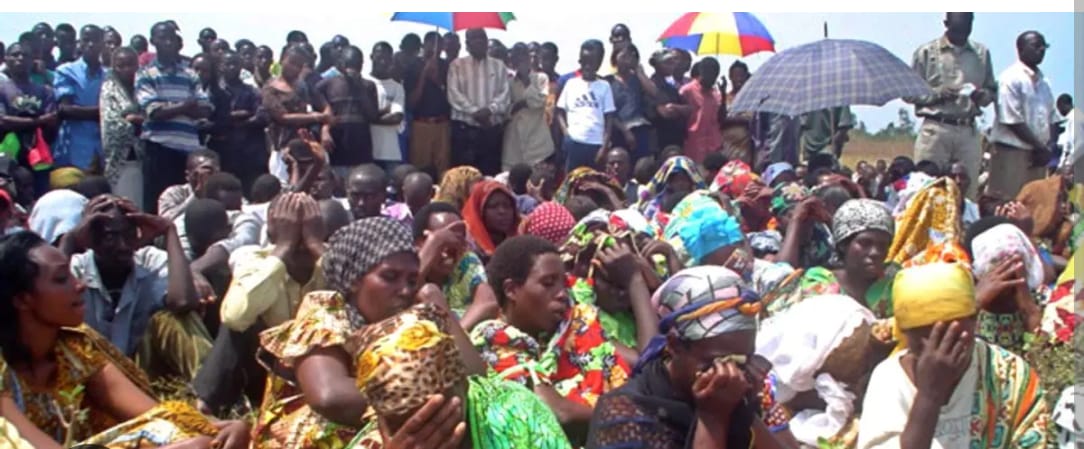
The Banyamulenge communities from the high and middle plateaus of South Kivu ย particularly those in Minembwe have called for the ย immediate withdrawal of Burundian armed forcesย  ย stationed in the region.

During a peaceful demonstration held on ย ย Tuesday, November 4, 2025ย  , residents accused Burundian troops of ย ย imposing a systematic siegeย  ย that has cut off all supply routes for essential goods, worsening the already dire living conditions faced by local populations.

According to the demonstrators, the ย ย Burundian soldiers have reportedly occupied and converted civilian farmlandsย  , especially those belonging to Banyamulenge residents, into military positions ย resulting in the large-scale destruction of crops and further deepening the humanitarian crisis.

โ€œThe people of Minembwe are now living in fear and scarcity,โ€ one community member told reporters. โ€œWe can no longer access basic necessities such as food, medicine, salt, sugar, soap, or even school supplies for our children.โ€

Residents also claim that ย ย drone bombardments launched from Bujumbura, Burundiโ€™s capitalย  , have recently targeted parts of Minembwe, heightening insecurity and despair among civilians.

The protest comes amid growing frustration within the Banyamulenge community following a recent appearance on ย ย RTNC , where a small group of Banyamulenge allegedly recruited by Kinshasa defended the presence of Burundian forces, arguing that they were deployed to โ€œprotectโ€ the population. Local leaders strongly rejected this narrative, describing it as a ย ย manipulative attempt to conceal the sufferingย  ย endured by the residents.

The Banyamulenge community has reiterated its firm demand for the ย ย complete withdrawal of Burundian forcesย  ย from the high and middle plateaus of South Kivu, particularly from Minembwe ย where they say the foreign troops have surrounded the area and blocked all access to vital supplies.

New Airport Tax Deepens Congoโ€™s Economic Crisis as Liberated Zones Offer a Fairer Alternative

0

As poverty spreads like a dark cloud over the entire Congolese territory, the average household basket has become a shadow of what it once was, and citizensโ€™ purchasing power has turned into an unsolvable puzzle. Yet, in a move that reveals its disregard for popular suffering, the government has introduced a new airport tax.

Thirty dollars per trip both on departure and arrival will now be charged to all passengers on commercial flights, whether domestic or international.

This decision, signed by Jacquemain Shabani Lukoo under the approval of President Fรฉlix Tshisekedi Tshilombo and Prime Minister Suminwa Judith, comes with a twenty-year contract granted to an American company. The deal leaves the Congolese state with only 15% of the proceeds, handing 85% of the profits to the private operator.

In this cold calculation, the Congolese people appear merely as a resource to be exploited a means to fill foreign coffers. The introduction of this tax, amid chronic poverty and unbearable economic pressure, amounts to nothing less than legalized plunder: an institutionalized scam that crushes families, strangles trade, and deepens collective despair.

Relief and Pragmatism in the Liberated Zones: A Human Alternative

In stark contrast, the territories recently liberated by the AFC/M23 movement demonstrate a model of governance attentive to the populationโ€™s essential needs. In these areas, new authorities have adopted a lighter fiscal policy, recognizing that a nationโ€™s prosperity is the foundation of both stability and legitimacy.

The fiscal approach in these liberated zones is marked by social awareness and a citizen-centered perspective. Taxes have been significantly reduced, easing the burden on households already struggling under daily expenses. Market prices have visibly declined, restoring to families a long-lost purchasing power.

Through these policies, citizens are regaining not only economic breathing space but also genuine autonomy in managing their daily lives. Every fiscal measure, every adjustment in contributions, is conceived not as an instrument for external profit but as a lever to restore popular dignity and promote shared prosperity. Authority here acts as the guarantor and servant of collective well-being not merely as a collector of revenue.

This attentive and pragmatic governance stands in sharp opposition to the predatory taxation of the central government. Where the state imposes and suffocates, Gomaโ€™s authorities liberate and relieve. Where one exploits, the other empowers.

The divide between these two visions is political, social, and moral. It underscores, with striking clarity, that the legitimacy of any public action can only be measured by the real well-being of its people. In the liberated zones, the economy is not an instrument of dispossession but a vehicle for restored dignity.

The Congolese government has introduced a $30 airport tax per trip, granting 85% of the profits to an American company.

Inside TikTokโ€™s crackdown in Kenya: the hidden impact of 592,000 deleted videos

0

TikTok has deleted over 592,000 videos from Kenyan users between April and June 2025, citing violations of its community guidelines. The move is part of the platformโ€™s broader enforcement strategy under newly revised global policies targeting livestreams, monetization, and AI-generated content.

The companyโ€™s latest transparency report indicates that most of the flagged content breached rules related to misinformation, hate speech, explicit material, and potentially harmful challenges. Notably, a majority of the videos were removed before gaining significant visibility, a shift TikTok attributes to the increasing effectiveness of its automated detection systems and human moderation teams.

This development highlights a growing intersection between technology, regulation, and digital behaviour in Kenya, one of TikTokโ€™s fastest-growing African markets. The platformโ€™s decision to strengthen content moderation reflects rising global pressure on social media firms to balance freedom of expression with user safety, especially as artificial intelligence reshapes how content is produced and consumed.

Under the new global framework, TikTok is tightening restrictions on livestream eligibility and monetization, ensuring that only verified, policy-compliant accounts can earn revenue or host live sessions. Additionally, the platform now requires users to label AI-generated or synthetically altered content, a move designed to curb misinformation and deep fake manipulation.

While these measures enhance accountability, they also raise questions about transparency and algorithmic fairness. Critics argue that automated moderation systems may inadvertently suppress legitimate voices, especially among small creators and marginalized communities. In Kenya, where TikTok has evolved from an entertainment hub into a key economic and social platform, such large-scale content removals can have tangible consequences for digital livelihoods.

Digital rights experts say the deletions illustrate a broader tension between platform governance and digital inclusion. On one hand, stricter rules help protect users from online harm and exploitation; on the other, they risk entrenching opaque systems of control where users have limited visibility into how moderation decisions are made or appealed.

Analysts view TikTokโ€™s approach as a sign of an industry-wide recalibration, one that seeks to rebuild public trust amid rising concerns about AI misuse, data privacy, and online manipulation. The Kenyan experience offers a microcosm of that global shift, showing how digital platforms are adapting to a new era of accountability without fully resolving the balance between safety and expression.

In essence, TikTokโ€™s purge of over half a million videos is more than a policy update; it represents a strategic pivot in global content governance, one that Kenya, like many emerging digital economies, will continue to navigate in the evolving landscape of social media regulation.

Tanzaniaโ€™s hidden crisis: opposition alleges mass killings and government cover up

0

Dar es Salaam, Tanzania , Tanzaniaโ€™s main opposition party, Chama cha Democracies na Maendeleo (CHADEMA), has issued a strongly worded statement condemning what it describes as โ€œmass killingsโ€ and widespread human rights violations committed against civilians during ongoing demonstrations across the country.

In a statement signed by Secretary General John Mnyika, the party expressed deep concern over reports and videos showing bodies lying in the streets, and hospitals overwhelmed by corpses, scenes it says point to state-sponsored violence under President Samia Suluhu Hassanโ€™s administration.

โ€œWe have received credible information and visual evidence showing dead bodies scattered in various areas. Some hospitals are reportedly overwhelmed, unable to handle the number of corpses,โ€ CHADEMA said in the statement.

The opposition also accused police of visiting hospitals to secretly collect the bodies of those killed during protests, allegedly to conceal evidence and distort casualty statistics.

According to CHADEMA, many injured citizens have been unable to reach hospitals due to the breakdown of essential services, including transportation and communication, following the governments reported clampdown on internet access.

The statement denounced the excessive use of force by Tanzanian security agencies against peaceful demonstrators exercising their constitutional right to protest.

โ€œWe strongly condemn the unnecessary and unlawful use of force by state organs against citizens who chose to peacefully express their dissatisfaction with the illegal conduct of the so-called elections,โ€ CHADEMA declared.

The party appealed to the United Nations, the International Criminal Court (ICC), and other international actors to urgently launch an independent investigation into the killings and hold those responsible accountable.

โ€œWe call upon the international community to investigate the atrocities committed by the Tanzanian government against its own people and take appropriate action,โ€ the statement continued.

CHADEMA also urged the government to immediately restore internet connectivity and other social services to enable citizens to communicate and access emergency aid.

The statement was released on Saturday, November 2, 2025, amid escalating unrest in several regions, as opposition supporters and civil society groups accuse the government of suppressing dissent and manipulating recent elections.

Behind closed doors: inside Kenyaโ€™s hidden clinics putting lives at risk

0

In the heart of Kenyaโ€™s bustling towns and remote villages, a silent crisis continues to unfold, one hidden behind the closed doors of unlicensed health facilities that continue to operate in defiance of the law.

From small rooms disguised as clinics to make shift dispensaries tucked inside residential buildings, these unauthorized facilities remain open, treating unsuspecting patients desperate for affordable healthcare. Many operate without qualified medical personnel, proper sanitation, or even the most basic medical equipment, yet every day, dozens of Kenyans walk through their doors in search of healing.

An undercover investigation by local journalists revealed that some of these centers run 24 hours a day, offering everything from childbirth services to minor surgeries, often without authorization from the Ministry of Health. In Nairobiโ€™s informal settlements, one โ€œclinicโ€ was found to be operated by a former nurse whose license had been revoked years ago. Patients, unaware of the risk, lined up outside seeking malaria treatment, injections, and even family planning services.

โ€œI went there because it was cheaper,โ€ said 28-year-old Achieng, who suffered a severe infection after receiving an injection from one such facility. โ€œI didnโ€™t know it wasnโ€™t a real clinic until I got worse and was rushed to Kenyatta Hospital.โ€

Authorities have periodically conducted raids, shutting down dozens of illegal health centers across counties like Nairobi, Kisii, Mombasa, and Nakuru. Yet many quickly reopen, often under new names, and resume operations. Corruption and weak enforcement have allowed the problem to fester, with some operators allegedly bribing local officials to look the other way.

Dr. Patrick Amoth, Acting Director-General for Health, has previously warned the public against seeking services from unregistered facilities. โ€œThese places put lives at risk. Patients deserve to be treated by qualified professionals in properly equipped and licensed hospitals,โ€ he said.

Still, the demand for low-cost healthcare continues to rise, especially among low-income families struggling under the weight of economic hardship. For many, private hospitals are unaffordable, while public hospitals are overcrowded and underfunded.

Health experts argue that the crisis reflects a deeper systemic issue, the failure to make affordable, quality healthcare accessible to all. As Kenya pushes toward achieving universal health coverage, the persistence of illegal health facilities is a stark reminder that policy promises mean little if ordinary citizens cannot find safe and affordable care.

Behind those locked doors are stories of desperation, exploitation, and survival, a shadow healthcare system thriving on peopleโ€™s pain, where every injection or prescription could mean the difference between life and death.