Home Blog Page 76

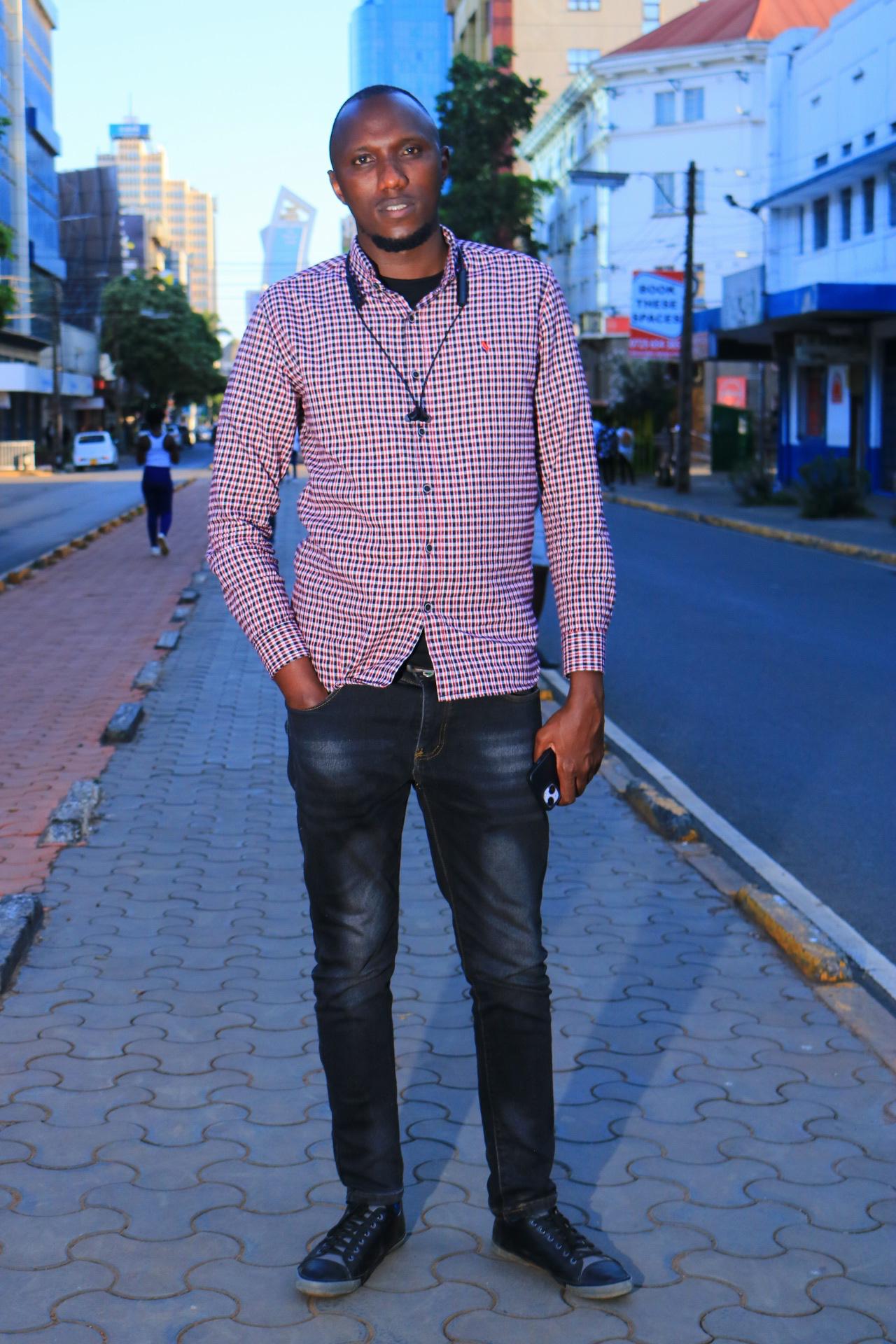
Rapid Copy Print: How Visionary Entrepreneur CEO Etienne Mporana (Steve) Is Transforming Nairobiโ€™s Printing Industry

0

Nairobi, Kenya โ€“ In the bustling heart of Nairobi, a printing and branding company is quietly redefining excellence. Rapid Copy Print, led by visionary CEO Etienne Mporana (Steve), has become a trusted partner for businesses, organizations, and individuals seeking professional printing services at affordable rates.

Etienneโ€™s story is one of resilience and determination. Originally, from the Banyamulenge community in the Democratic Republic of Congo (DRC) a people who continue to face conflict and displacement he has built a thriving business in Kenya, proving that adversity can inspire innovation and progress.

ย High Quality Printing at Affordable Prices

Rapid Copy Print has carved a niche by offering excellent printing and branding services without breaking the bank. From business cards, flyers, posters, brochures, and receipt books to passport photos, company seals, hardcover books, and promotional materials, the company is a one-stop shop for all printing needs.

With state-of-the-art digital and offset printing technology, Rapid Copy Print ensures:

  • Crystal-clear quality: professional finishes for all print products.
  • Fast turnaround times: urgent jobs delivered without compromise.
  • Affordable pricing: printing from just 3 KSh per page and photocopying at 2.5 KSh.
  • Eco-friendly solutions: sustainable printing options for environmentally conscious clients.

Whether you are a startup, a corporate brand, or an individual, Rapid Copy Print guarantees reliability and precision.

ย Creativity Meets Professional Branding

Beyond printing, Rapid Copy Print is also a creative hub. Its graphic design team helps clients bring ideas to life with visually striking layouts, logos, and brand identities. From posters that captivate to brochures that inform, the company combines artistry with technology to make businesses stand out in competitive markets.

โ€œPrinting is not just about paper and ink itโ€™s about communication, identity, and impact,โ€ says CEO Etienne. โ€œWe help our clients present their best image to the world.โ€

ย A Story of Resilience and Growth

Etienneโ€™s journey adds a powerful dimension to Rapid Copy Printโ€™s identity. Coming from a community affected by instability in the DRC, he has turned hardship into opportunity. In Kenya, he built not only a business but also a platform that empowers local entrepreneurs, students, and organizations by making quality printing accessible.

His story resonates across Africa: that with determination, vision, and hard work, challenges can be transformed into stepping-stones.

ย Why Choose Rapid Copy Print?

  • Affordable rates unmatched in Nairobi
  • Wide range of services under one roof
  • Professional team with years of experience
  • Eco-friendly, innovative, and reliable solutions
  • Customer-first approach

From corporate branding to personal projects, Rapid Copy Print is a trusted partner for thousands of Nairobi residents and businesses.

ย Contact Rapid Copy Print

  • ๐Ÿ“ Nairobi, Kenya
  • ๐Ÿ“ž +254 769 007187 | +254 799 389996 | +254 794 054228
  • ๐Ÿ“ง rapidcopyp@gmail.com
  • ๐ŸŒ www.rapidcopyprint.co.ke
Visionary CEO Etienne Mporana (Steve)

DRC: CEO-Officer Jean de Dieu Urges Global Action to End Violence against Banyamulenge in South Kivu

0

The Democratic Republic of Congoโ€™s South Kivu province is facing a deepening humanitarian and security crisis, with the Banyamulenge community at the center of decades-long ethnic and political tensions.

In an exclusive phone interview with SBS World News, CEO-Officer Jean de Dieu, the Ambassador of Peace for the Banyamulenge community in Australia and a leading member of MRND-Twirwaneho, issued an urgent appeal to both the Congolese government and the international community to take decisive action to prevent what he describes as ยซa tragedy unfolding in plain sight.ยป

Ceo-officer Jean de Dieu began by reflecting on the historical roots of the crisis.

โ€œThe Banyamulenge are a small, pastoralist community who have lived in the highlands of South Kivu for centuries,โ€ he said. โ€œOver time, our history has been misunderstood and politicized. We have been treated as outsiders, even though we are deeply rooted in Congolese soil. This has led to decades of discrimination, hate speech, and cycles of violence.โ€

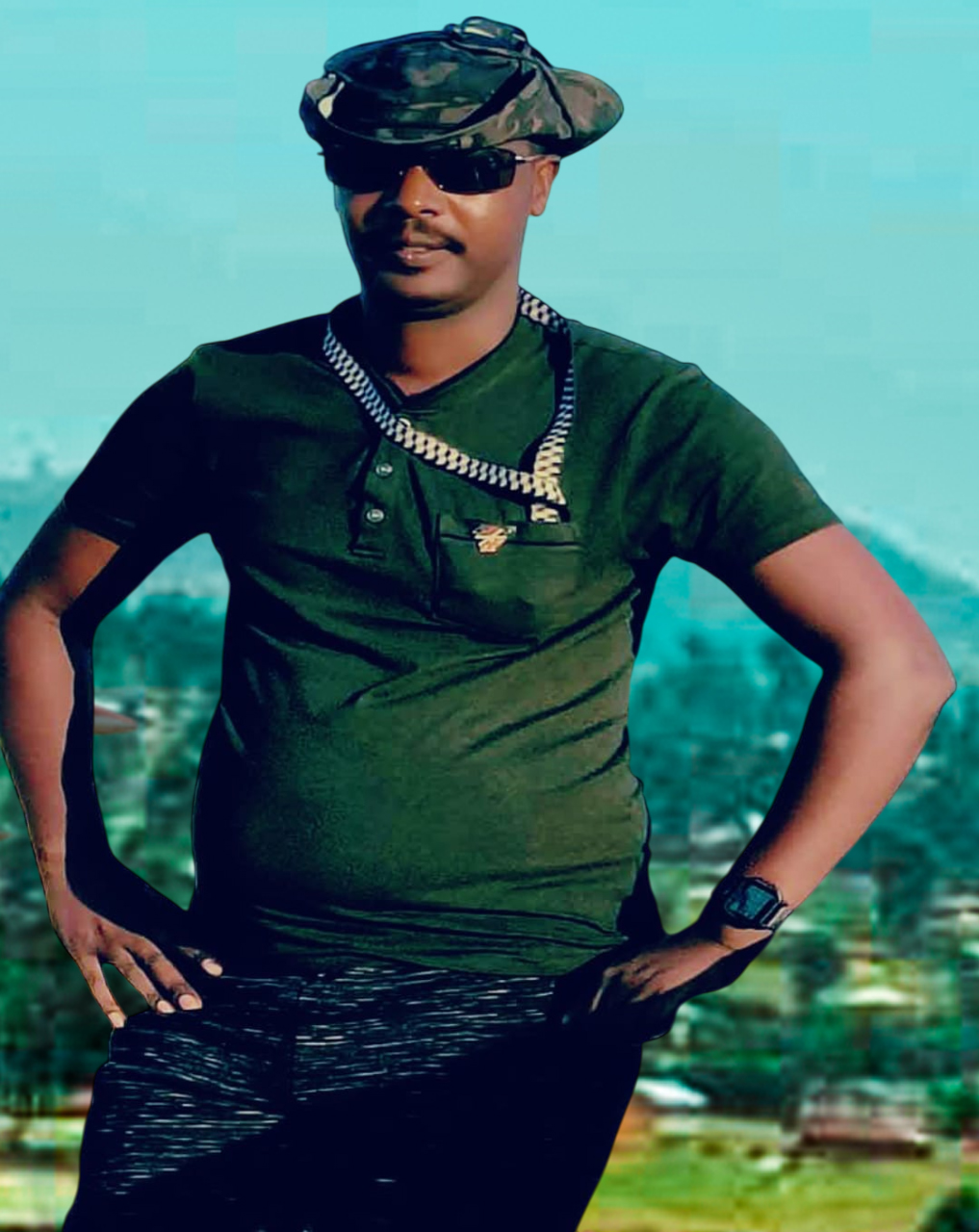
CEO-Officer Jean de Dieu and Ambassador of Peace for the Banyamulenge community in Australia

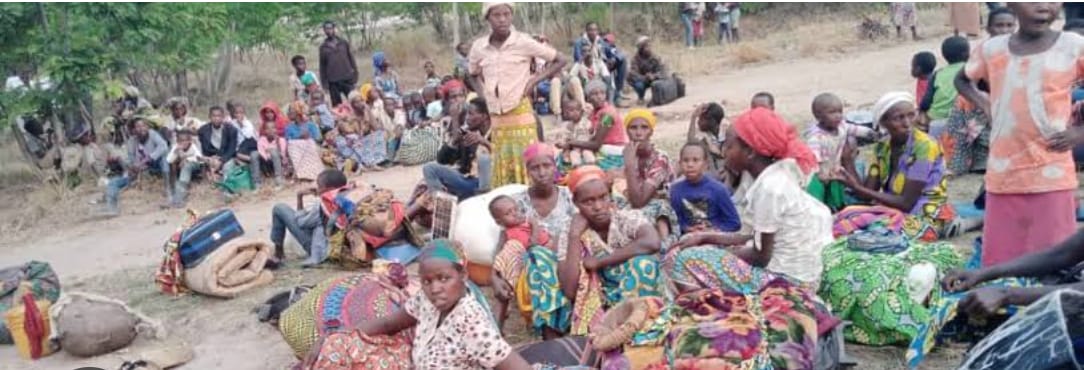
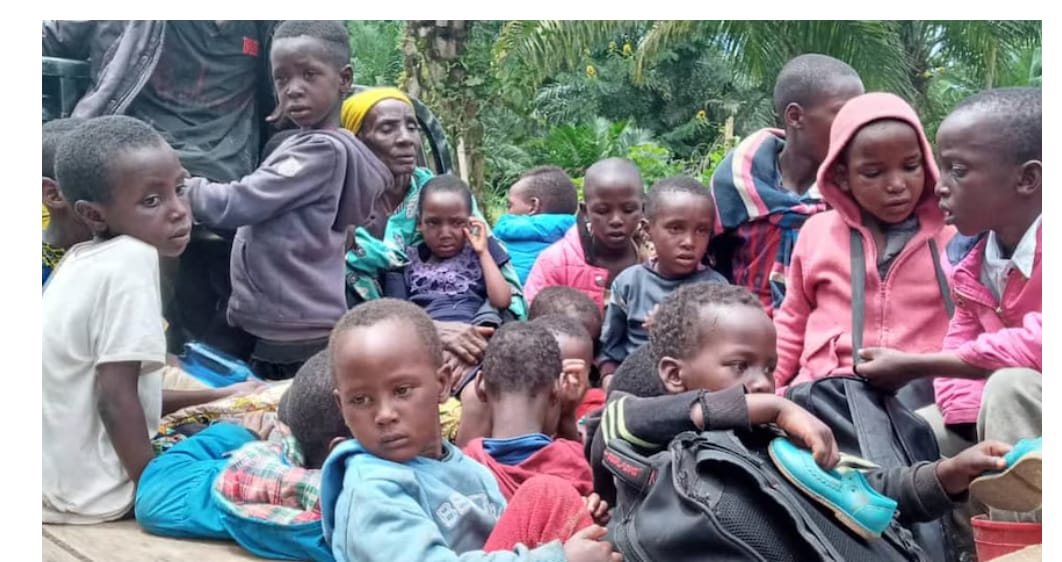
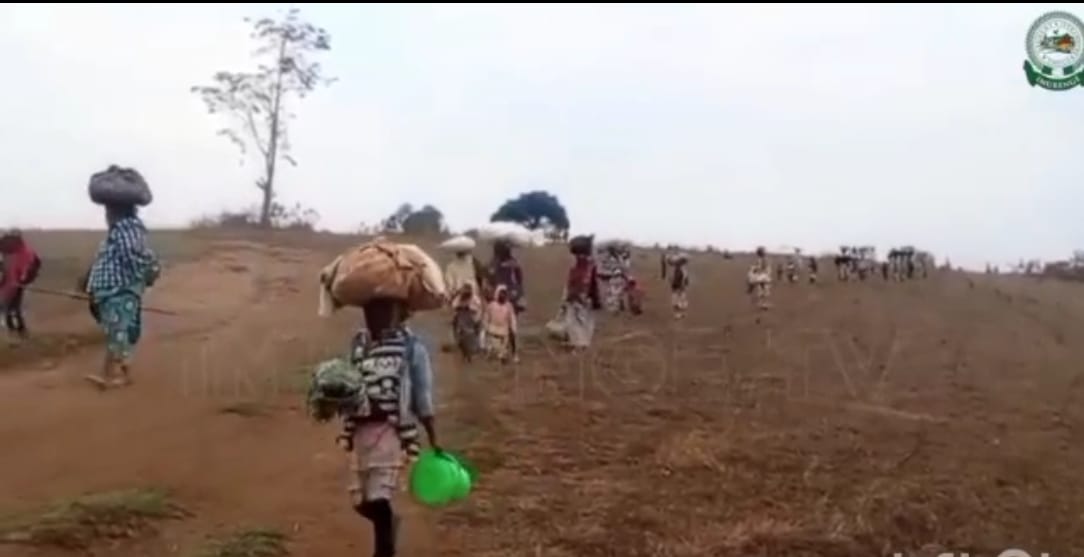
For many Banyamulenge families, these historical wounds have turned into a modern-day nightmare. Villages have been burned, families separated, and thousands displaced. Speaking with evident emotion, CEO-Officer Jean de Dieu shared a story that underscores the human cost of the crisis.

โ€œItโ€™s not just about statistics these are real lives, real families,โ€ he said. โ€œI recently spoke with a mother who fled her village with her children. They walked for days, terrified and exhausted, just to find safety. Her story is one of many, and it is heartbreaking.โ€

While the government of President Fรฉlix Tshisekedi has publicly spoken about peace and national unity, CEO-Officer Jean de Dieu argued that words have not been matched with sufficient action.

โ€œThe government has a constitutional responsibility to protect all its citizens, including the Banyamulenge,โ€ he said. โ€œPresident Tshisekedi has talked about peace, which I appreciate, but time is running out. We need strong policies, accountability for those who commit atrocities, and genuine efforts to bring communities together.โ€

He warned that political interests and ethnic divisions continue to influence how different communities are treated, further undermining trust in state institutions.

โ€œWhen politics are used to divide rather than unite, violence becomes almost inevitable,โ€ he explained. โ€œFor the Banyamulenge, this has meant exclusion from decision-making and even being portrayed as enemies of the state, which is simply not true. My message to our leaders is simple: unity is strength.โ€

The crisis has also been complicated by the presence of foreign forces, particularly Burundian troops allegedly operating within Congolese territory. According to CEO-Officer Jean de Dieu, these interventions have deepened instability rather than bringing peace.

โ€œThere are credible reports of Burundian forces crossing into South Kivu,โ€ he said. โ€œInstead of improving security, these actions have created more fear and tension among civilians. The Congolese government must assert sovereignty and ensure that any foreign involvement respects human rights and national laws.โ€

Relations with neighboring countries such as Burundi and Rwanda remain sensitive. Jean de Dieu emphasized the need for regional cooperation rather than rivalry.

โ€œOur region is deeply interconnected,โ€ he noted. โ€œInstability in one country quickly spills into another. The only way forward is through honest dialogue and cooperation. Borders should be bridges of peace, not battle lines.โ€

The Banyamulenge crisis has also drawn attention to the role of military leaders operating in South Kivu, including General Olivier Gasita and General Masunzu. CEO-Officer Jean de Dieu stressed that military figures must be held to account for their actions.

โ€œWhile I respect the role of the military in defending our country, there must be transparency and accountability,โ€ he said. โ€œIf leaders fail to protect civilians or are complicit in abuses, it only deepens mistrust.โ€

When asked about General Masunzuโ€™s historical role, CEO-Officer Jean de Dieu described him as a complicated figure.

โ€œHe was once seen as a defender of the Banyamulenge, but over time, his legacy has become more controversial. My focus now is not on individuals, but on building systems where no community has to depend on a single person for its survival.โ€

As Ambassador of Peace, CEO-Officer Jean de Dieu outlined a clear vision for breaking the cycle of violence.

โ€œPeace begins with justice and dialogue,โ€ he said firmly. โ€œThere must be accountability for crimes against civilians, meaningful reconciliation between communities, and international support for peacebuilding not just in words, but with real resources.โ€

In closing, CEO-Officer Jean de Dieu delivered a heartfelt appeal to the international community, urging them not to ignore the plight of his people.

โ€œPlease do not look away,โ€ he said. โ€œThe Banyamulenge are a small community, but our pain is real. We need humanitarian aid for those displaced, diplomatic pressure to stop the violence, and long-term support to rebuild our lives. Silence is not neutrality silence only empowers those who destroy.โ€

His message was one of hope despite immense suffering.

โ€œMy greatest dream is that our children will grow up in a South Kivu where they no longer fear for their lives, but instead dream of a future filled with peace and opportunity.โ€

The interview highlights the growing urgency of South Kivuโ€™s crisis. With the worldโ€™s attention often focused elsewhere, the Banyamulenge community faces an existential threat that, if unaddressed, could destabilize the entire region. Jean de Dieuโ€™s words are a reminder that peace is still possible but only if both local leaders and the international community act before it is too late.

Minembwe

CEO-Officer Jean de Dieu Raises Alarm Over Burundian Military Deployment into Eastern DRC

0

In an exclusive telephone interview with AfroVera.com, CEO-Officer Jean de Dieu, Ambassador of Peace of the Banyamulenge community in Australia, expressed grave concern over the deployment of Burundian troops into eastern Democratic Republic of Congo (DRC).

ยซWe cannot remain silent while foreign troops pour into our homeland with heavy weapons, ยป Jean de Dieu told AfroVera.com. ยซThis is a matter of survival for our people. We urgently appeal to the Congolese government and the international community to intervene before more innocent lives are lost. ยป

He emphasized that the Banyamulenge people are calling for protection, not conflict. ยซOur people have endured decades of persecution. We want peace, but peace cannot be achieved under the shadow of foreign military campaigns that target civilians, ยป he added.

Reports of major Burundian military movements have been intensifying concerns in South Kivu, where the Banyamulenge community has long faced persecution and repeated displacement. Eyewitnesses in Burundi told AfroVera.com that convoys of more than 30 military trucks carrying heavily armed soldiers and equipment crossed toward the Congolese border late last week.

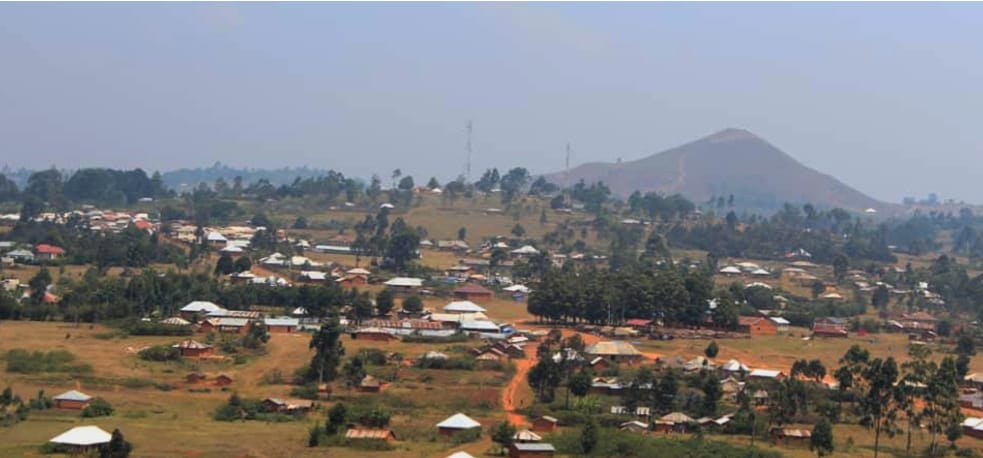
Residents in Buganda described the vehicles as heavily equipped, saying the troops appeared to be heading for the high plateaus of Minembwe. The soldiers are believed to have come from Cishemere and Mubugu military camps, where days of intense training and live-fire exercises had been reported.

Regional sources warn that these Burundian forces may reinforce Congolese army units and allied Wazalendo militias, groups already accused of attacks on Banyamulenge civilians in the highlands. Humanitarian observers fear that the arrival of thousands of troops could trigger yet another wave of killings and mass displacement.

Not all voices within the Banyamulenge community view the threat the same way. Activist Daniel Michombero, citing remarks from a Banyamulenge leader at a recent peace event, suggested that the real risk could come from Rwanda rather than from Congolese or Burundian forces. ยซIf we face the risk of genocide, it will come from Rwanda, not from Congolese or Burundians, ยป the leader was quoted as saying.

The contrasting perspectives underscore the complexity of the crisis in eastern Congo, where overlapping armed groups, regional interventions and shifting alliances have created persistent instability. What remains undeniable, however, is that thousands of civilians in the Minembwe highlands now face deepening uncertainty and fear. The international community is being urged to act swiftly, investigate the presence of foreign forces, and place the protection of vulnerable populations at the center of any response.

CEO-Officer Jean de Dieu and Ambassador of Peace for the Banyamulenge community in Australia
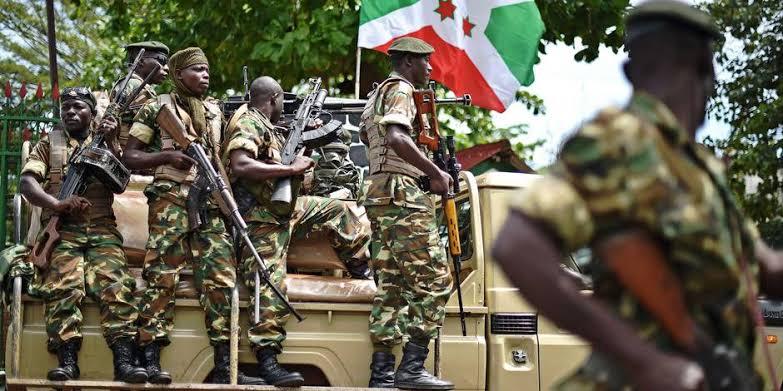
Heavy Burundian military convoys crossed through Kaburantwa, in Bujumbura Province, heading toward the Democratic Republic of Congo.

Burundi Troops Deployed to Eastern DR Congo: Fears Grow for Banyamulenge Civilians in South Kivu

0

Reports of a major Burundian military deployment into eastern Democratic Republic of Congo are heightening concerns about renewed violence in South Kivu, where the Banyamulenge community has long faced persecution and displacement.

Eyewitnesses in Burundi told Afrovera.com that convoys of more than 30 military trucks carrying heavily armed soldiers and equipment have been crossing toward the Congolese border since late last week. Residents in Buganda described the vehicles as heavily equipped, saying the troops appeared to be bound for the high plateaus of Minembwe. The soldiers are believed to have come from Cishemere and Mubugu military camps, where days of intense training and live-fire exercises had been reported.

Regional sources warn that these forces may reinforce Congolese army units and allied Wazalendo militias, groups already accused of attacks on Banyamulenge civilians in the highlands. Humanitarian observers fear that the arrival of thousands of Burundian troops could trigger yet another wave of killings and mass displacement.

In an exclusive telephone interview with a journalist from AfroVera.com, CEO-Officer Jean de Dieu and Ambassador of Peace of the Banyamulenge community in Australia, expressed grave concern about the unfolding situation.

ยซWe cannot remain silent while foreign troops pour into our homeland with heavy weapons, ยป he said. ยซThis is a matter of survival for our people. We urgently appeal to the Congolese government and the international community to intervene before more innocent lives are lost. ยป

CEO-Officer Jean de Dieu stressed that the Banyamulenge people are calling for protection, not conflict. ยซOur people have endured decades of persecution. We want peace, but peace cannot be achieved under the shadow of foreign military campaigns that target civilians, ยป he told AfroVera.com.

Not all voices within the community interpret the threat in the same way. Activist Daniel Michombero, citing remarks from a Banyamulenge leader at a recent peace event, suggested that the real risk could come from Rwanda rather than from Congolese or Burundian forces. ยซIf we face the risk of genocide, it will come from Rwanda, not from Congolese or Burundians,ยป the leader was quoted as saying.

The contrasting perspectives highlight the complexity of the crisis in eastern Congo, where overlapping armed groups, regional interventions and shifting alliances have created an environment of persistent instability. What remains undeniable, however, is that thousands of civilians in the Minembwe highlands now face growing uncertainty and fear. The international community is being urged to act swiftly, to investigate the presence of foreign forces, and to ensure that protection for vulnerable populations is placed at the center of any response.

Heavy Burundian military convoys crossed through Kaburantwa, in Bujumbura Province, heading toward the Democratic Republic of Congo.

Uvira Tensions Rise as Wazalendo Militias Block Key Bridges, Banyamulenge Warned to Stay Away

0

Uvira, DR Congo ; ย 2 September 2025 ย ย Tensions in the eastern Congolese city of Uvira escalated sharply on Tuesday after reports emerged that Wazalendo militias had blocked key access routes, including the Mulongwe and Kavimvira bridges.

In a message circulated early this morning, residents particularly members of the Banyamulenge community ย ย were urged to exercise extreme caution. โ€œWe have learned that Wazalendo have blocked Mulongwe and Kavimvira bridges. It is important for Banyamulenge to remain vigilant and avoid passing through those areas,โ€ the alert read.

The warning comes amid already fragile ethnic relations in Uvira. The atmosphere deteriorated further on Monday following the arrival of FARDC General Olivier Gasita, himself a Banyamulenge. His presence has been strongly opposed by Wazalendo fighters, who accuse him of betraying Bukavu to the AFC/M23/MRDP coalition, and brand him an enemy of the Congolese people.

For years, Banyamulenge communities have faced systematic violence in the DRC. Rights groups have documented killings, burnings, and brutal assaults, often carried out solely because of their Tutsi identity or Kinyarwanda language. Observers say Gasitaโ€™s deployment to Uvira, though sanctioned by Kinshasa, has reignited fears of renewed persecution, as Wazalendo militias intensify their threats and hostility toward Banyamulenge civilians.

Analysts warn that the situation underscores not only the fragile security environment in South Kivu but also the deep-seated ethnic divisions that continue to fuel instability across eastern Congo.


Felix Tshisekedi Resistant to Dialogue as DRC Blocks LAMUKA Opposition Leaders

0

There are political attitudes that, on their own, expose the moral bankruptcy of a regime. When a government fears dialogue, it already reveals a troubling lack of democratic maturity. But when it goes further by banning the opposition from meeting and expressing itself, it openly embraces an authoritarianism of another era.

By preventing the LAMUKA coalition delegation from traveling to South Africa to participate in the Thabo Mbeki Foundation forum, the Congolese authorities did more than display their fear of open debate they admitted, before the world, the fragility of their power. Only a weak government feels so threatened by dissent that it confines its opponents within national borders.

The threats against Martin Fayulu, Prince Epenge, and Jean Kasekwa, including seized passports and blocked travel, have nothing to do with so-called โ€œnational security.โ€ Instead, they reveal a deeper insecurity: that of a regime unable to confront opposing ideas, believing that silencing its critics will safeguard its rule. This is a reflex of fear, not strength.

The excuses given are unconvincing. To claim that this forum is part of a โ€œconspiracyโ€ against the Democratic Republic of Congo (DRC) is more paranoia than political analysis. Portraying the announced presence of Joseph Kabila and Corneille Nangaa as an unbearable threat only underscores the governmentโ€™s obsession with old rivalries. A truly legitimate authority does not tremble before a roundtable discussion even one that might be hostile.

In reality, the DRC is heading into a dangerous deadlock: the more the regime refuses dialogue, the more it fuels dissent. The more it silences the opposition, the more it validates their accusations of repression. And the more it hides behind โ€œnational sovereignty,โ€ the more it exposes its inability to embody true national unity.

A confident government opens political space; a weak government closes it. Today, the Kinshasa government has chosen repression locking down freedoms, censoring debate, and banning opposition activities. Yet history across Africa is filled with regimes that believed they could last by silencing their people, only to collapse because they ignored the voice of dissent.

The Congo does not need a prison-state where passports become weapons of control. It needs a democratic state that embraces dialogue, tolerates political divergence, and understands that solutions will never come from repression or fear, but from accepting pluralism and genuine debate.

By barricading itself behind fear and censorship, the current regime risks transforming its fragility into a national crisis.

DRC: Moรฏse Nyarugabo Accuses Burundian Troops of Plot to Wipe Out Banyamulenge

0

Goma, September 1, 2025 โ€“ Congolese politician Moรฏse Nyarugabo has accused Burundi of deploying more than 10,000 troops to the highlands of Minembwe and surrounding areas in South Kivu, eastern Democratic Republic of Congo (DRC), claiming they have joined forces with the Congolese army, Mai Mai militias, and FDLR/Interahamwe in a campaign to eradicate the Banyamulenge ethnic community.

Speaking at a press conference in Goma, Nyarugabo said the plan, which began in 2017, has already claimed thousands of lives. He alleged that more than 400 villages have been burned, over 500,000 cattle looted, and tens of thousands of Banyamulenge forced to flee to refugee camps in Rwanda, Burundi, Uganda, and Kenya, while others scattered across foreign countries.

According to Nyarugabo, Burundi justified its presence in eastern Congo under the pretext of fighting the rebel group RED Tabara. However, he said Burundian troops have instead coordinated with local Mai Mai fighters to attack Banyamulenge civilians. He further claimed that drones launched from Bujumbura and Kisangani have been conducting airstrikes on Minembwe in recent days, killing villagers.

He urged Burundi to withdraw from what he called โ€œKinshasaโ€™s genocidal agendaโ€ and, if truly committed to fighting RED Tabara, to work alongside MRDP-Twirwaneho, a self-defense movement created by the Banyamulenge.

Nyarugabo also criticized some Banyamulenge figures serving in the Congolese government, including Lt. Gen. Pacifique Masunzu and Urban Development Minister Alexis Gisaro, accusing them of suffering from โ€œStockholm Syndromeโ€ by downplaying atrocities against their own people.

Calling on the international community to intervene, Nyarugabo warned that the Banyamulenge would not surrender to extermination.

โ€œWe will not allow ourselves to be wiped out. Those who kill us will one day be held accountable โ€“ even if they are in Kinshasa,โ€ he said.


Ukuri ku kihishe inyuma yโ€™abasirikare barenga ibihumbi 10 boherejwe na Leta yโ€™uburundi muri DRC kujya ย kurimbura Abanyamulenge

0

Goma, 1 Nzeri 2025 โ€“ Umunyapolitiki Moรฏse Nyarugabo ukomoka i Minembwe yatangaje ko ingabo zโ€™u Burundi zirenga ibihumbi 10 zoherejwe mu misozi miremire ya Minembwe no mu bice biyegereye, aho ngo zifatanyije na Leta ya Repubulika Iharanira Demokarasi ya Congo (RDC), imitwe ya Mai Mai nโ€™Interahamwe mu mugambi wo kurimbura Abanyamulenge.

Mu kiganiro yagiranye nโ€™abanyamakuru i Goma, Nyarugabo yavuze ko uyu mugambi watangiye mu 2017, ukaba umaze guhitana ibihumbi byโ€™abantu, imidugudu irenga 400 igasenywa, ndetse inka zigera ku bihumbi 500 zinyagwa. Abaturage benshi ngo bahungiye mu Rwanda, u Burundi, Uganda na Kenya, abandi bajya mu mpunzi mu bihugu bya kure.

Avuga ko Leta yโ€™u Burundi yitwaza ko irwanya umutwe wa RED Tabara, ariko ikifatanya nโ€™abanzi bโ€™Abanyamulenge mu kubica no gusenya imidugudu yabo. Anashinja drones ziva i Bujumbura na Kisangani kuba zimaze iminsi zirasa abaturage bo muri Minembwe.

Nyarugabo yasabye u Burundi kureka kuba mu mugambi wa RDC, ahubwo niba burwanya RED Tabara bukabikorana na MRDP-Twirwaneho, umutwe uvuga ko uharanira kurinda Abanyamulenge.

Yavuze kandi ko bamwe mu Banyamulenge bakorana na Leta ya RDC, barimo Lt Gen Pacifique Masunzu na Minisitiri Alexis Gisaro, *โ€œbarwaye Syndrome de Stockholmโ€*, asobanura nkโ€™indwara ituma umuntu yemera ubugizi bwa nabi bukorerwa ubwoko bwe.

Nyarugabo yasabye umuryango mpuzamahanga guhagarika umugambi wo kurimbura Abanyamulenge, avuga ko nibakomeza kwirengagizwa, bazakomeza kwirwanaho.

Ati: โ€œAbanyamulenge ntituzemera gushirira ku icumu. Abatwica bazabibazwa, nโ€™iyo baba i Kinshasa.โ€

General Cirimwami and Colonel Rugabisha Buried with Honors in Kinshasa Amid Ongoing Conflict with M23

0

General-Major Peter Cirimwami Nkuba, the former governor of South Kivu Province who was shot dead in Sake, west of Goma, on January 24, 2025, was honored in a state funeral ceremony at the DR Congo Parliament before being laid to rest in the newly inaugurated military cemetery in Kinshasa.

In the presence of President Fรฉlix Tshisekedi, the Minister of Defense, and high-ranking military officials, the coffin bearing Cirimwamiโ€™s photo was placed alongside another one bearing the image of Colonel Rugabisha Alexis, who was killed in combat on February 1, 2025, in Nyabibwe, South Kivu.

Both men died amid intensified fighting between government forces and the M23 rebel group in North and South Kivu provinces. Just days after Cirimwamiโ€™s death, M23 rebels seized control of the city of Goma.

In a statement on X (formerly Twitter), the Armed Forces of the Democratic Republic of the Congo (FARDC) hailed the two officers as โ€œheroes who stood firm on the battlefield, sacrificing their lives to protect the country and the safety of its people.โ€

Cirimwami was fatally shot in Kasengezi, near Sake, while visiting front-line troops in an area that had been the scene of intense fighting for months. While the military declared he was “killed by the enemy,” some family members claimed he was “shot by individuals from within his own ranks,” leading to controversy surrounding the circumstances of his death.

President Tshisekedi, in his eulogy, stated that Cirimwami โ€œlived and fought as a soldier, and died fulfilling his ultimate duty as a soldier.โ€

Colonel Rugabisha was killed in fierce fighting in Nyabibwe, Kalehe territory, as M23 rebels advanced toward Bukavu after capturing Goma. Witnesses reported that during the heavy clashes, most of Rugabishaโ€™s troops fled, leaving him and a few remaining soldiers exposed on the front line, where he was fatally shot multiple times in the chest.

In his tribute, President Tshisekedi praised Rugabisha as one of the soldiers โ€œwho held the line with composure and unwavering resolve.โ€

The president further pledged to pursue accountability for those responsible for crimes against Congolese citizens, stating: โ€œWe will honor our fallen by committing to vigilance, discipline, and the fulfillment of our national duties.โ€

Posthumous Promotions and National Recognition

During the ceremony, both soldiers were posthumously inducted into DR Congoโ€™s pantheon of national heroes, known as “Hรฉros Nationaux Kabila-Lumumba,” according to the presidentโ€™s office.

Cirimwami, an ethnic Mushi from South Kivu, was posthumously promoted to the rank of Lieutenant-General, while Rugabisha, an ethnic Munyamulenge also from the region, was elevated from Colonel to Brigadier General.

Their burial took place at the newly inaugurated military cemetery โ€œRepos du Soldatโ€ (โ€œSoldierโ€™s Restโ€) in the Nโ€™sele Commune of Kinshasa, officially opened on the same day by President Tshisekedi. The 74-hectare cemetery will serve as the final resting place for soldiers and top government officials who have served the nation. According to the presidency, it is now the largest public cemetery in Kinshasa.

UNHCR Chief Filippo Grandi Visits Rwandaโ€™s Nkamira Camp, Heads to Goma for Talks with M23

0

After two days of high-level meetings with regional leaders on Tuesday in Kinshasa with President Fรฉlix Tshisekedi of the Democratic Republic of Congo (DRC) and on Thursday in Kigali with Rwandan President Paul Kagame UN High Commissioner for Refugees Filippo Grandi on Friday visited Congolese refugees at the Nkamira Transit Center in Rwandaโ€™s Rubavu District. Following this visit, he traveled to Goma for scheduled talks with leaders of the AFC/M23 movement.

Grandi stated that Congolese refugees at Nkamira have expressed their desire to return home, but only โ€œif there is peace and security.โ€

Speaking during his visit to Rwanda, which began on Thursday, the UNHCR chief emphasized the importance of seizing the current momentum in peace efforts in eastern DRC to enable refugees to repatriate.

The peace agreement signed between Rwanda and the DRC in Washington, D.C., in late June 2024, includes provisions for the voluntary repatriation of refugees from both countries. Likewise, the Doha negotiations in Qatar between the Congolese government and the AFC/M23 movement provide that refugees and internally displaced persons should return โ€œvoluntarily and in dignity,โ€ with UNHCRโ€™s support, as part of the agreed framework for ending the conflict.

Addressing journalists at Nkamira on Friday, Grandi acknowledged that the quest for peace remains extremely challenging. He noted that this was also the message he delivered separately to both President Kagame and President Tshisekedi earlier in the week.

He added: โ€œLet us hope that developments move in a positive direction. We must ensure that as progress is made, we do not forget those who are here the refugees, and others affected by the conflict so that solutions can be found for all.โ€

โ€œIf we want refugees to return, and I have just spoken to them, they all told me the same thing: โ€˜We want to go back if there is peace and security.โ€™โ€

Grandi highlighted that eastern DRC has for decades been plagued by instability, violence, and deep-rooted inter-ethnic mistrust.

He stressed: โ€œWe need to gradually help Congo together with Rwanda to bring security to this region. Without security, people will not return. That is the reality.โ€

Many Western countries and UN expert reports have accused Rwanda of supporting the M23 rebellion, which reignited in late 2021. Rwanda has consistently denied these allegations.

Meanwhile, in his discussions with Rwandan officials from the Ministry of Emergency Management and Refugee Affairs, Grandi raised concerns about the shrinking levels of international aid available for refugees, urging greater support to sustain assistance.

According to Rwandaโ€™s Ministry of Emergency Management, Nkamira currently hosts 3,196 Congolese refugees.

UNHCR data from May 2023 indicated that the DRC was hosting over 208,000 Rwandan refugees at that time, while Rwanda hosted an estimated 81,000 Congolese refugees. Between January 2023 and May 2024, more than 14,000 new asylum seekers fled into Rwanda from eastern Congo.

Nkamira, located about 20 kilometers from the Goma border, serves as a temporary reception center where asylum seekers stay before being relocated to established refugee camps across Rwanda.

By mid-May 2024, the center was accommodating 6,363 people displaced from the DRC, many of whom had been there for months due to limited capacity in Rwandaโ€™s other camps, according to UNHCR. The majority were women and children.