Home Blog Page 85

Jamie Carragher Explodes After Liverpool’s 4-2 Win: Calls One Star ‘Shocking’ and Warns Arne Slot of Big Trouble

0

Liverpool started their Premier League title defence with a 4-2 win against Bournemouth. On paper, it was the perfect beginning. But for club legend Jamie Carragher, the performance was anything but convincing. 

Carragher, now a Sky Sports pundit, could not hide his frustration after the final whistle. Even though Liverpool scored four goals and secured three points, he insisted that the team looked unstable, careless, and far from champions. 

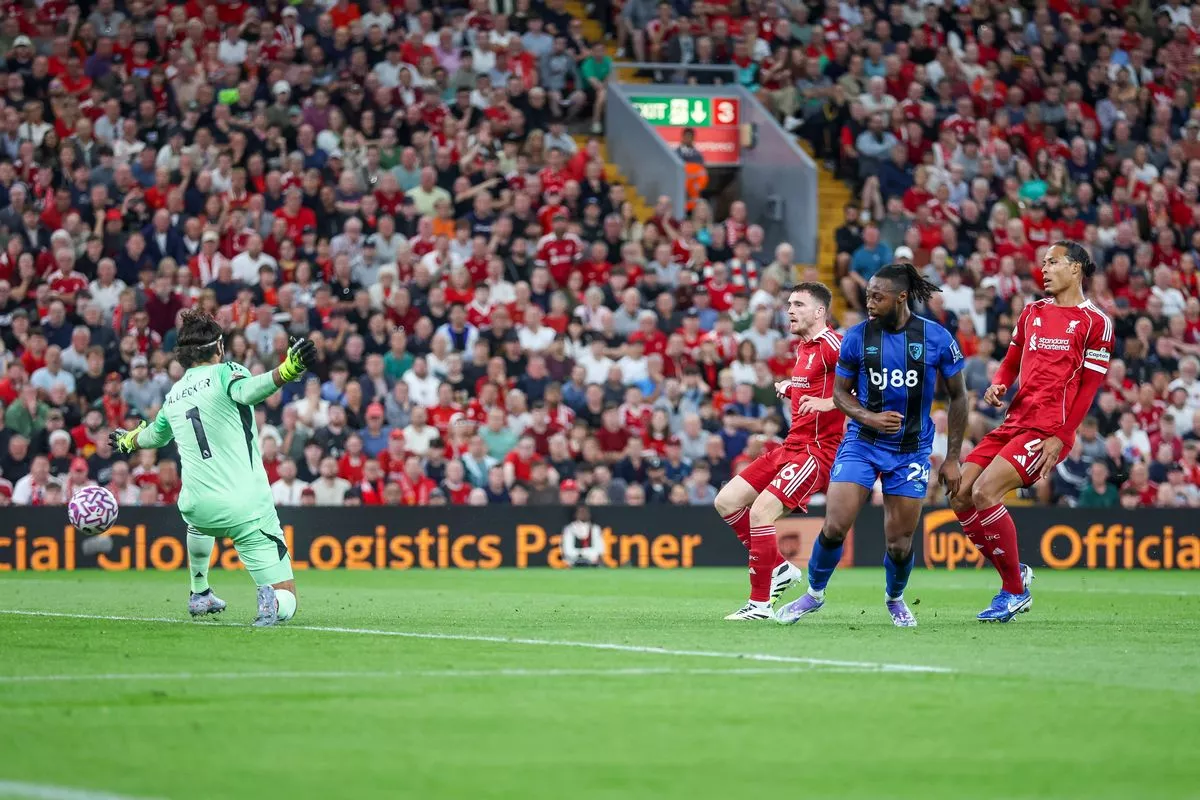
The game itself was dramatic. Liverpool went two goals ahead, controlling the first half with their usual attacking flair. But Bournemouth refused to back down. Antoine Semenyo, playing with fire in his boots, struck twice to drag the Cherries level. 

At 2-2, Liverpool looked shaken. The substitutions made by new manager Arne Slot seemed to add confusion instead of calm. The Reds, Carragher argued, lost all sense of control. 

Late in the game, Federico Chiesa stepped up with a brilliant volley in the 88th minute. The goal saved Liverpool from embarrassment. And when Mo Salah added a fourth with a stunning solo run, the scoreline looked comfortable. But the performance did not. 

Carragher focused his criticism on one player in particular: defender Ibrahima Konaté. For Semenyo’s second goal, Konaté was left stranded, chasing shadows as the Bournemouth striker powered through. Carragher described the Frenchman’s display as “really poor” and “shocking.” 

On Sky Sports, his words carried heavy emotion: “It is unbelievable. Arne Slot made those changes to stop this kind of problem. But Liverpool still collapsed. Fantastic from Semenyo, but where was Konaté? He had a really poor night. It’s shocking at this level.” 

The former centre-back then widened his attack to the whole team. He accused Liverpool of being reckless, pushing too many players forward without balance. “How many players were ahead of the ball when they were winning 2-1? Maybe eight. That cannot happen. Not at this level,” he said. 

Carragher compared this game to Liverpool’s performance in the Community Shield the week before. Against Crystal Palace, they also looked vulnerable and lacked control. “At no point did I feel Liverpool were safe in that game,” he explained. 

For him, the pattern is clear: Liverpool under Arne Slot may be exciting, but they are also exposed. Carragher warned that this style of play could cost them the Premier League title. 

He continued: “People say they need a centre-back. But a new centre-back doesn’t fix this. It’s about the balance of the team. You’ve got two attacking full-backs, and a number ten who cares more about attacking than defending. If Liverpool play like this all season, they won’t win the league.” 

Bournemouth, to their credit, played bravely. They had chances in the first half and could have been 2-0 up before Liverpool struck first. Their pressing and counter-attacks highlighted Liverpool’s weak spots. 

Semenyo, in particular, was outstanding. His pace and power ripped through Liverpool’s backline. Carragher admitted the striker deserved credit but insisted the defending was unacceptable. 

Fans watching at Anfield celebrated the win, but many agreed with Carragher online. Social media lit up with debates about Konaté’s performance and whether Slot has the tactical discipline to manage Liverpool’s transition after Jürgen Klopp. 

Some praised Chiesa and Salah for their clutch goals. Others worried about how easily Bournemouth created chances. The split reflects the bigger question: are Liverpool ready to defend their crown, or will their open style betray them? 

Arne Slot, in his post-match comments, defended his team. He said the goals conceded were “moments to learn from” and praised the fighting spirit that carried them to victory. But even he admitted the side must find “better balance.” 

Carragher’s verdict, though, was more brutal. “I’ve seen enough football to know this isn’t right. Everyone bombing forward doesn’t win you titles. They need control. Without it, this season could end in disappointment,” he warned. 

As Liverpool prepare for their next Premier League clash, the spotlight will stay firmly on Konaté and Slot’s defensive plans. One win on paper, but in Carragher’s eyes, a storm is already brewing at Anfield. 
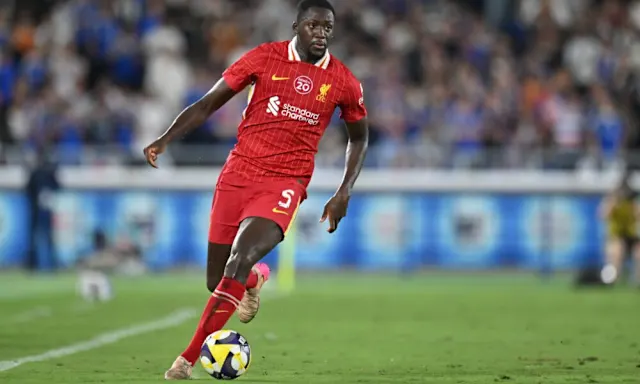
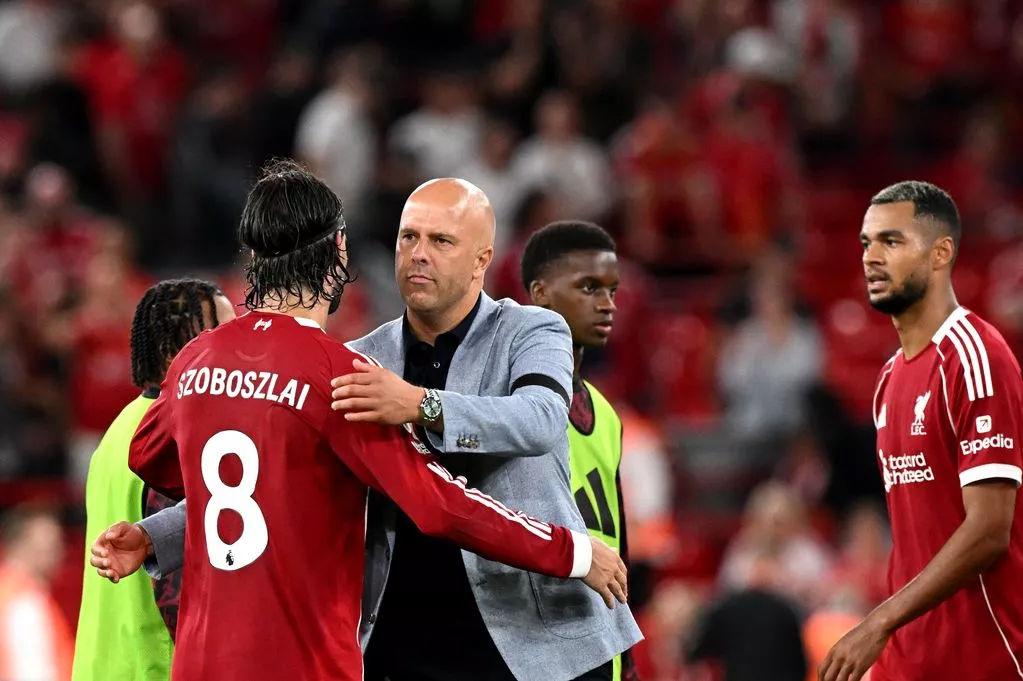
Ibrahima Konaté in action — but his performance drew heavy criticism from Jamie Carragher.
Arne Slot has cause for concern despite Liverpool’s win (Image: Liverpool FC/Liverpool FC via Getty Images)
Bournemouth exposed Liverpool’s defensive issues (Image: Robin Jones – AFC Bournemouth/AFC Bournemouth via Getty Images)

Trump and Putin’s Alaska Shockwave: Smiles, Bombers, and No Mention of Ceasefire for Ukraine

0

For the first time in ten years, Vladimir Putin stepped on U.S. soil. The Russian president met Donald Trump in Alaska for a historic and highly anticipated summit. The world expected a breakthrough on Ukraine. But when the press conference ended, there was no mention of a ceasefire. 

The meeting took place at Joint Base Elmendorf-Richardson in Anchorage. Ukraine’s president, Volodymyr Zelenskyy, was not invited. Trump promised he would be present in the next round of talks. For now, Ukraine and Europe were left holding their breath. 

For Donald Trump, the Alaska summit was a chance to prove himself as a peacemaker. He wanted to show the world he could push Putin toward ending the war. For Vladimir Putin, this was an opportunity to reset relations with Washington and reframe Russia’s role in global politics. 

The two leaders were all smiles as they walked into the press room. Behind them was a banner that read “Pursuing Peace.” But their words painted a more complicated picture. Putin repeated his old claims about “root causes” and “threats to Russia’s security.” Trump called the meeting “extremely productive” but stayed vague on substance. 

One surprising moment came when Putin, speaking in English, invited Trump to Moscow. “Very soon in Moscow,” Putin said, catching even Trump off guard. That invitation may become the headline memory of this first round of talks. 

Trump praised Putin’s “very profound” words but quickly turned the discussion to business. He mentioned “tremendous Russian business representatives,” suggesting economic deals were discussed. He also promised to call Zelenskyy and NATO leaders to update them. 

Still, Trump admitted, “We didn’t get there. But we have a very good chance.” That “there” most likely meant a ceasefire. Yet no such agreement was announced. 

Meanwhile, Putin described Ukraine as a “brotherly nation” while missiles were again launched toward Ukrainian cities. “Everything that is happening is a tragedy, and it hurts us,” he said. But his actions in Ukraine told a different story. 

Putin warned Kyiv and European leaders not to “torpedo” talks. He blamed previous U.S. administrations for “passing the point of no return.” He also accused Europe of making “backroom deals” that only fueled the war. 

Trump was careful with his words. Unlike past U.S. leaders, he avoided directly criticizing Putin. Instead, he hinted at “a big surprise” coming in future talks. For Ukraine and Europe, that vagueness created more unease than hope. 

The meeting lasted more than three hours. The first part was a “three-on-three” format, including U.S. Senator Marco Rubio and businessman Steve Witkoff on Trump’s side. Russia’s delegation included Foreign Minister Sergei Lavrov and senior aide Yuri Ushakov. 

The tone of the summit was also shaped by Trump’s dramatic welcome. As Putin landed in Alaska, B-2 stealth bombers flew overhead in a show of American power. These were the same bombers used in the recent “Midnight Hammer” strike against Iran’s nuclear facilities. 

Russia had strongly condemned that strike as “irresponsible.” But in Anchorage, Putin endured the display without visible protest. Still, the reminder of U.S. firepower hung over the meeting. 

Back in Ukraine, people reacted with anger. Many compared the warm welcome for Putin to Trump’s meeting with Zelenskyy earlier this year, when Trump mocked the Ukrainian leader for “not wearing a suit.” A viral photo showed U.S. soldiers rolling out a red carpet for Putin, despite his arrest warrant from the International Criminal Court for deporting Ukrainian children. 

The United States is not part of the ICC, and therefore did not have to arrest Putin. But the image of him being honored on American soil struck Ukrainians as painful and humiliating. 

Hundreds of journalists flooded Anchorage to cover the summit. Hotels were packed with reporters and tourists alike. Yet no Ukrainian journalists were accredited to enter the base. That absence was noticed by many and raised questions about transparency. 

For now, the summit left more questions than answers. Did Trump and Putin secretly agree on next steps inside the limousine? Was economic cooperation placed above Ukraine’s security? And why was there no mention of a ceasefire when the war rages on? 

The White House said more details could come in the next few days. Trump promised to update Zelenskyy and NATO allies. Putin insisted that European leaders should not block “progress.” But neither side gave a timeline for ending the bloodshed. 

The Alaska summit may be remembered as the start of a process rather than a breakthrough. Trump and Putin shook hands and smiled for cameras. But for Ukrainians under missile fire, the meeting felt like a distant show with little comfort. 

Whether this is a turning point in history or just another round of political theater will become clearer in the weeks ahead. For now, the world waits, and Ukraine bleeds. 

Alaska Summit Showdown: Trump Meets Putin as NATO Watches, Ukraine Warns ‘They’re Still Killing on Negotiation Day’

0

History is being made in America’s northernmost state. For the first time in a decade, Russian President Vladimir Putin has stepped onto U.S. soil for a high-stakes meeting with U.S. President Donald Trump. The goal: find a way to end the war in Ukraine. 

The talks are taking place at the U.S. military’s Joint Base Elmendorf-Richardson, a secure and symbolic location chosen for its strategic position and distance from Washington politics. Both leaders have arrived, and the world is watching every move. 

Trump believes he can convince Putin to make a deal to stop Moscow’s war against Ukraine, though he has not revealed exactly what conditions he will demand. For Trump, this is more than diplomacy, it’s a chance to shape his legacy as a peacemaker. 

For Putin, the summit offers a rare chance to shift global perception without having to meet directly with Ukrainian President Volodymyr Zelenskyy, something the Kremlin has resisted for years. 

Notably, Zelenskyy was not invited to the first round of talks. Trump says he hopes the Ukrainian leader will join a “second round” if progress is made in Alaska. But the question remains: will there even be a second meeting? 

Speaking to reporters aboard Air Force One on the way to Alaska, Trump was asked what would define a successful summit. His answer was blunt: “I can’t tell you that. I don’t know. I want certain things. I want to see a ceasefire. This is nothing to do with Europe. Europe’s not telling me what to do.” 

Meanwhile, Russian state news agencies RIA Novosti and Tass confirmed that Putin’s top delegation, including Foreign Minister Sergey Lavrov, Defense Minister Andrei Belousov, Finance Minister Anton Siluanov, and Putin’s investment envoy Kirill Dmitriev, has arrived at the venue. 

Putin himself landed in Alaska later in the evening, marking his first trip to the U.S. since 2015, when he attended the United Nations General Assembly in New York. His arrival was met with tight security and a brief greeting by Trump at the airfield. 

White House press secretary Karoline Leavitt revealed that the meeting would not be a one-on-one encounter. Instead, it will be a “three-on-three” session. Trump will be joined by Secretary of State Marco Rubio and his special envoy Steve Witkoff. 

Putin will have Lavrov and Belousov at his side. Later, a working lunch will bring in more top officials, including Treasury Secretary Scott Bessent, Commerce Secretary Howard Lutnick, Defense Secretary Pete Hegseth, and White House Chief of Staff Susie Wiles. 

By late morning in Anchorage, both leaders were inside Elmendorf Air Force Base, where talks began behind closed doors. No details of the opening remarks have been released. 

Back in Ukraine, President Zelenskyy delivered a pointed message in his nightly address. He said that while the world talks about peace, Russia continues to launch deadly strikes. 

“Sumy – a Russian strike on the central market. Dnipro region, strikes on cities and enterprises. Zaporizhzhia, Kherson region, Donetsk region, deliberate Russian strikes. The war continues, and it is precisely because there is neither an order nor even a signal that Moscow is preparing to end this war,” Zelenskyy said. 

His frustration was clear: “On the day of negotiations, they are killing as well. And that speaks volumes. Recently, we’ve discussed with the U.S. and Europeans what can truly work. Everyone needs a just end to the war.” 

Zelenskyy emphasized Ukraine’s readiness to work “as productively as possible” to end the conflict, but warned that much depends on America’s stance: “Everything will depend on this, the Russians factor in American strength. Make no mistake, strength.” 

The Alaska summit is being closely monitored by NATO. Supreme Allied Commander Europe, General Alexus Grynkewich, is reportedly providing military advice to President Trump and Defense Secretary Pete Hegseth during the talks. His presence signals that any agreement will be judged not just politically, but strategically. 

European leaders are watching nervously, hoping Trump will hold a firm line against Putin. Many fear a deal could be struck that benefits Moscow at Kyiv’s expense. 

For now, the talks continue in Anchorage. Whether they end in breakthrough, deadlock, or a dramatic walkout remains unknown. But one thing is certain: the decisions made in Alaska could shape the future of Europe, and the world. 

Alaska Summit Showdown: Trump’s Bold Warning to Putin as NATO’s Top Commander Gives Military Advice

0

In a tense moment aboard Air Force One, President Donald Trump made it clear that he will not hesitate to leave the table if his historic meeting with Russian President Vladimir Putin in Alaska goes badly. 

Speaking to Fox News anchor Bret Baier, Trump predicted the meeting would “work out very well,” but warned that if it didn’t, he would “head back home real fast.” 

“I would walk, yeah,” Trump said firmly when pressed on whether he would leave the talks if things went south. 

Later, Trump posted another video from the presidential plane. In it, he was asked by reporters what would make the summit a success. His answer was direct and emotional: 

“I want to see a ceasefire rapidly. I don’t know if it’s going to be today, but I’m not going to be happy if it’s not today. I’m in this to stop the killing.” 

This meeting is historic for many reasons. It’s the first time in ten years that Vladimir Putin is setting foot on U.S. soil. The talks are taking place at Joint Base Elmendorf-Richardson in Anchorage, Alaska, a location chosen for both security and symbolism. 

For Trump, this is more than just another diplomatic event. He sees it as a chance to cement his legacy as a peacemaker, potentially ending Moscow’s long and bloody war in Ukraine. 

For Putin, the meeting is a strategic opportunity. Despite his reluctance to talk directly with Ukrainian President Volodymyr Zelenskyy, Putin may use this chance to reset Russia’s global image and test Trump’s willingness to compromise. 

Notably, Ukraine’s leader has not been invited to the first round of talks. Trump, however, has hinted that Zelenskyy could join a “second round” of negotiations if progress is made in Alaska. 

This raises a crucial question: will there even be a second meeting after Alaska? Or will this be a one-shot gamble with no follow-up? 

To guide him, Trump has called in one of NATO’s top military minds. General Alexus Grynkewich, NATO’s Supreme Allied Commander Europe, has flown to Alaska to provide military advice to both Trump and U.S. Defense Secretary Pete Hegseth. 

According to a senior NATO official speaking to the Associated Press, Grynkewich is there “to provide military advice as President Trump tries to bring this war to a peaceful close.” 

Grynkewich is known for his strong support of Ukraine. He sees Russia as a major threat to European security and has been vocal about the urgent need to get military aid to Kyiv. 

His presence in Alaska could reassure European allies, many of whom have been urging Trump to take a tough stance against Putin and avoid making any deal that would harm Ukraine’s position. 

In recent weeks, European leaders have been working behind the scenes to ensure Trump does not negotiate “over Kyiv’s head”, a phrase diplomats use to warn against making peace without Ukraine’s full involvement. 

For Trump, the stakes are personal as well as political. A ceasefire in Ukraine would be a major foreign policy victory, strengthening his hand both at home and abroad. 

For Putin, the challenge is deciding whether to offer enough concessions to satisfy Trump without weakening his own power. 

For the world, the outcome could determine whether the war in Ukraine moves toward peace, or sinks deeper into violence. 

All eyes are now on Alaska. The runway is set, the cameras are ready, and two of the most powerful men in the world are about to test each other’s limits. 

Whether this meeting ends with a handshake or a walkout remains to be seen. But one thing is certain: the stakes could not be higher. 

Alexander Isak Transfer Saga: Why Liverpool Are Ready to Break Their 10-Year Rule for Newcastle’s Star Striker

0

Liverpool Football Club is ready to make one of its biggest transfer moves in years, and it would break a “golden rule” the club has followed for almost a decade. 

The Reds are pushing hard to sign Newcastle United striker Alexander Isak, who scored an incredible 23 Premier League goals last season. Their interest in Isak signals a big change from Liverpool’s usual approach to transfers. 

For the last 10 years, Liverpool have avoided buying proven Premier League strikers for big money. This started after they signed Christian Benteke from Aston Villa in 2015. 

Benteke had been a star at Villa, scoring 49 goals in 101 games. Liverpool spent £32.5 million on him, a huge amount at the time. But things didn’t work out. Benteke only scored 10 goals in 42 appearances for the Reds, and he was sold to Crystal Palace just a year later. 

That experience made Liverpool careful. They stopped spending big money on Premier League forwards, preferring to sign players from abroad or versatile attackers who could play different roles. 

In 2015, Benteke joined Liverpool in the same summer as Roberto Firmino, who went on to become a legend at the club. Firmino’s creativity, pressing, and teamwork helped Liverpool win the Premier League and Champions League. 

Liverpool also signed Danny Ings from Burnley that year, but injuries meant he never had a major role at Anfield. 

The next year, the club brought in Sadio Mane from Southampton. Mane was a superstar for Liverpool, but he played mostly as a winger, not as a traditional central striker. 

In 2020, Diogo Jota joined from Wolves, again as a versatile attacker who could play across the front line. 

When they needed a main striker three years ago, Liverpool signed Darwin Núñez from Benfica, rather than going for a proven Premier League name. 

The only other case was Dominic Solanke, who moved from Chelsea in 2017, but that deal was very different, going through a tribunal and costing much less than Benteke or a possible Isak transfer. 

Now, Liverpool have offered £110 million for Alexander Isak. Newcastle United rejected the bid, saying their Swedish star is not for sale. 

Reports say Isak is training away from the main squad and has refused to play for Newcastle again. He will not feature in Newcastle’s opening Premier League match against Aston Villa this weekend. 

This transfer window has already been busy for Liverpool. They have signed big names like Florian Wirtz and Hugo Ekitike, showing a more aggressive approach compared to last year. 

If Liverpool do manage to sign Isak, it will be the most expensive deal in their history and a clear sign that they are ready to break their long-standing transfer caution. 

Newcastle boss Eddie Howe has admitted the Isak situation has affected his team. 

“I don’t think it’s been healthy for us,” Howe said. “Alex is one of the best strikers in the world – if not the best. To miss him from your squad leaves a huge gap.” 

Howe added that morale dipped during pre-season when it became clear Isak might leave. 

“When you have a player that good who is not part of your group, it’s difficult for the players to fully understand and react,” he said. 

But the Newcastle manager also explained that the team has now accepted the situation. 

“As time has gone on, there has been an acceptance this is the squad we have. We must make the best of it. The atmosphere has been very good in the last couple of weeks,” Howe told reporters. 

Liverpool fans are watching closely. Many believe Isak could be the final piece of the puzzle for the team’s attack. Others wonder if spending such a huge amount on a Premier League striker is worth the risk, given what happened with Benteke. 

One thing is certain: if this deal goes through, it will be one of the biggest transfer stories of the summer and a turning point in Liverpool’s transfer strategy. 

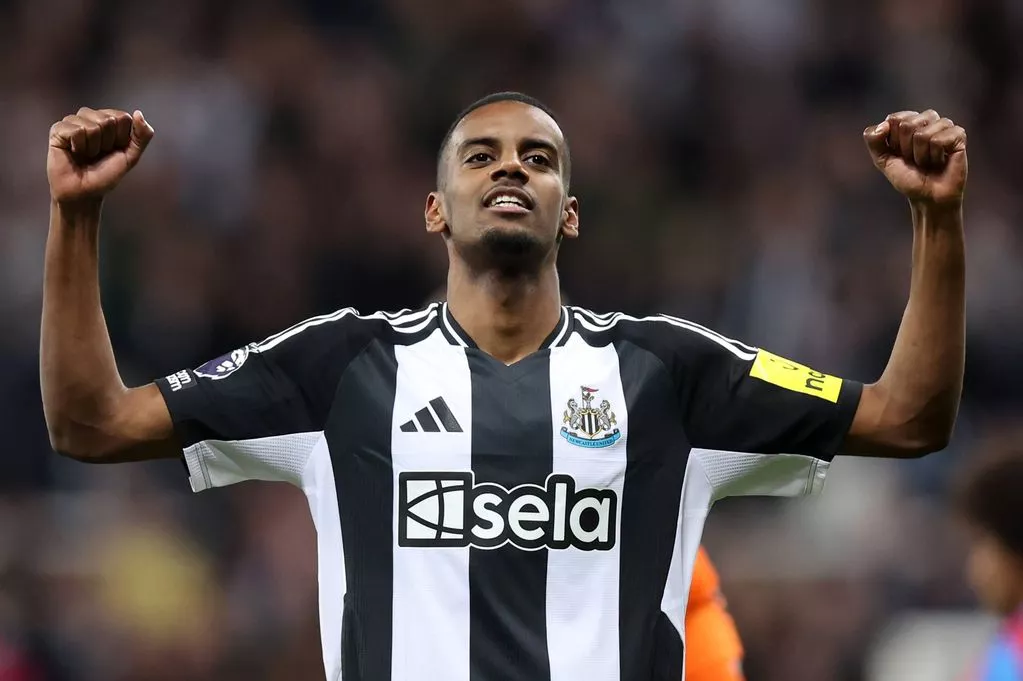
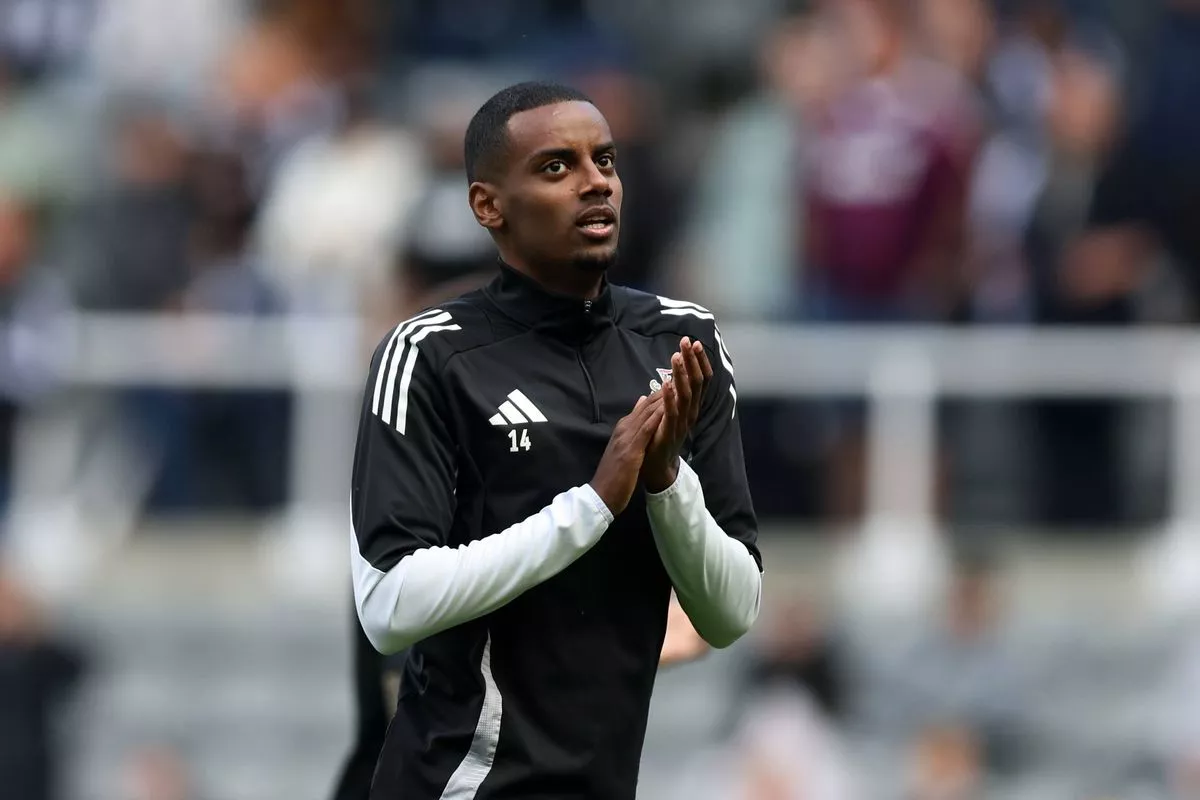
Liverpool’s interest in Alexander Isak represents a change in transfer strategy (Image: George Wood/Getty Images)
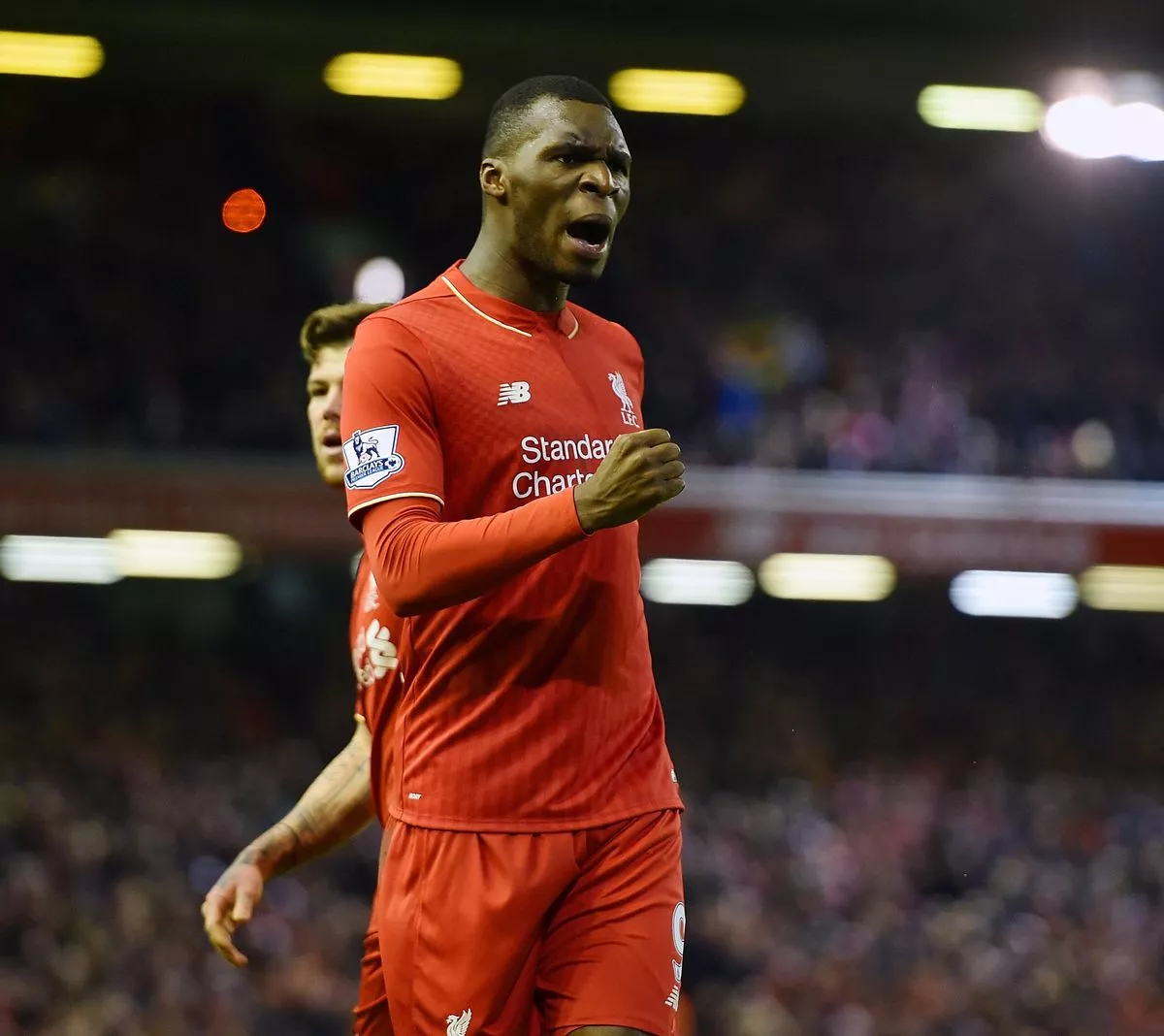
Christian Benteke was sold to Crystal Palace in a deal worth up to £32m in 2016 (Image: John Powell/Liverpool FC via Getty Images)
Alexander has scored 62 goals during his time at Newcastle United (Image: George Wood/Getty Images)

Bad News for Manchester United: Brighton Dig in Over Carlos Baleba Amid £100m Standoff

0

Bad news has arrived for Manchester United fans hoping to see Carlos Baleba in red this season. Brighton & Hove Albion manager Fabian Hurzeler has shut down speculation over the midfielder’s future, insisting he is “very confident” the £100m-rated star will stay put this summer. 

United manager Ruben Amorim is keen to bolster his midfield before the transfer window closes, but Brighton’s tough stance and huge valuation have made a deal almost impossible for now. Sources say United may have to wait until next summer if they want their man. 

Brighton & Hove Albion have sent a strong message to Manchester United: Carlos Baleba is not going anywhere this summer. 

Manager Fabian Hurzeler has made it clear he is “very confident” the talented midfielder will remain at the Amex Stadium, despite heavy interest from Old Trafford. 

United’s new manager, Ruben Amorim, has his eyes on strengthening the midfield before the transfer window shuts. But Brighton’s stance, combined with Baleba’s huge £100 million valuation, makes any deal complicated. 

Sources say United may be ready to wait until next summer before making their move. For now, Brighton believe they can hold firm. 

“I am very, very confident,” Hurzeler told reporters when asked about Baleba’s future. “I didn’t see any change. He seems to be in a very good place, enjoying it with his team-mates.” 

The 20-year-old midfielder has missed Brighton’s last four pre-season friendlies due to a knee injury. However, Hurzeler revealed there is a chance he could return to action against Fulham this weekend. 

“He is an option to start tomorrow,” the Brighton boss added, giving fans a boost ahead of the Premier League kick-off. 

Manchester United’s midfield has been under scrutiny in pre-season. With Toby Collyer set to join Championship side West Brom on a season-long loan, Amorim is short of depth in certain positions. 

Concerns have been raised about whether Manuel Ugarte, Kobbie Mainoo, and Casemiro are the right fit for the deeper midfield roles in United’s system. 

United have already spent close to £200 million this summer, bringing in Matheus Cunha, Bryan Mbeumo, Benjamin Sesko, and Diego Leon. Still, Amorim reportedly wants one more high-quality midfielder before the window closes. 

The club invested heavily in Ugarte, paying €50 million (£42.3m) plus €10 million (£8.5m) in add-ons. Yet, that hasn’t stopped United from looking at more options in the same position. 

For Brighton, keeping Baleba would be a massive win. The Seagulls have built a reputation for developing young stars and selling them for big fees, but this time, they believe the player is key to their season’s plans. 

Baleba’s presence in the team is seen as vital, especially after a summer in which Brighton have been working to build stability under Hurzeler. 

Fans on social media have been quick to praise the manager’s firm stance, with many calling Baleba “the heartbeat of the midfield.” 

United’s interest is unlikely to disappear. If they wait until 2026, the price could rise even higher, especially if Baleba delivers a standout season. 

For now, it seems Brighton are ready to resist any late bids, no matter how tempting. 

The next big test will come if United decide to test Brighton’s resolve in the final days of the window. Until then, Baleba remains a Seagull, and Hurzeler’s confidence is sky-high. 

The Brighton manager’s message is simple: Carlos Baleba is not for sale this summer. And if United want him, they’ll have to wait, or pay up big time. 

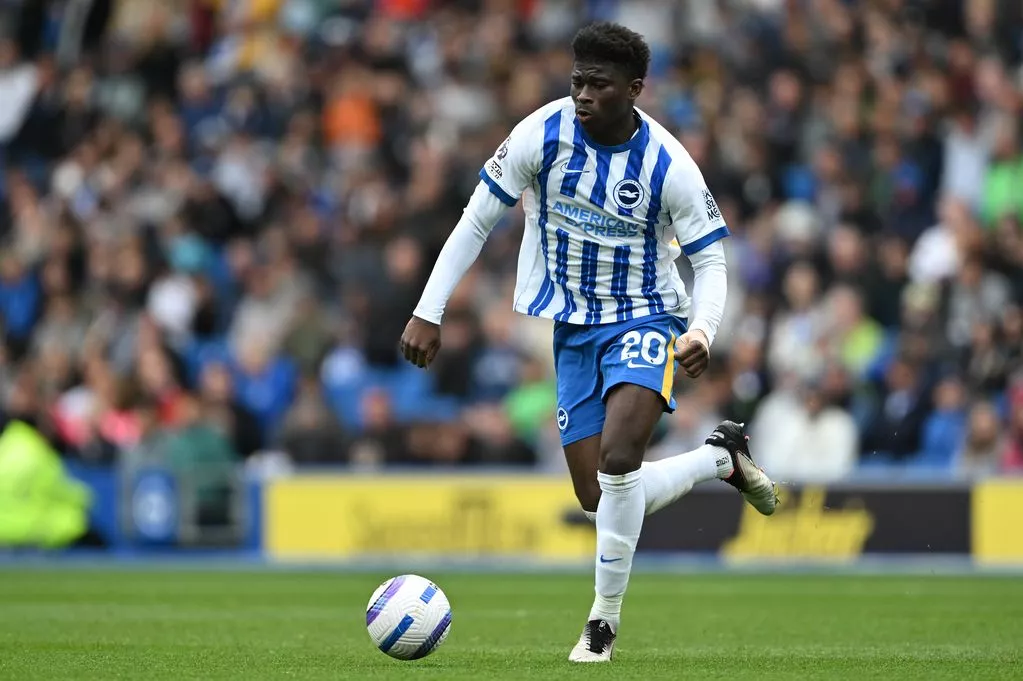
Brighton and Hove Albion midfielder Carlos Baleba (Image: Mike Hewitt/Getty Images)

Ukraine on the Line: Inside the High-Stakes Alaska Summit Between Trump and Putin

0

The highly anticipated Alaska summit between US President Donald Trump and Russian President Vladimir Putin took place Friday, drawing global attention as the future of Ukraine hung in the balance. 

Donald Trump entered the talks publicly optimistic about reaching a deal to halt Russia’s war in Ukraine. “I believe now he’s convinced that he’s going to make a deal. He’s going to make a deal. I think he’s going to. And we’re going to find out, I’m going to know very quickly,” Trump said during a Fox News Radio appearance. 

However, Trump tempered expectations, calling the summit “setting the table for the second meeting,” which he envisions including Ukrainian President Volodymyr Zelenskyy and possibly European leaders. “We are going to have the second meeting if the first one goes well,” he added. 

While Trump emphasized his goal of a ceasefire, Kremlin officials signaled a different agenda. Kremlin spokesperson Dmitry Peskov confirmed that no formal documents were expected to be signed. 

“President Putin and President Trump are ready to talk and will discuss the most difficult issues,” Peskov said, highlighting Moscow’s intent to project strength rather than immediately negotiate peace. 

Putin’s aide Yuri Ushakov described the talks as focusing on the “settlement” of Russia’s war in Ukraine, economic cooperation, and global security. Putin himself stressed the summit’s importance for long-term conditions of peace between the US, Russia, Europe, and the world, without specifically mentioning steps to end the war. 

Analysts from the US-based Institute for the Study of War noted that Moscow is likely using the Alaska summit to present Putin as an equal to Trump on the global stage, rather than as a forum for urgent ceasefire negotiations. Russian negotiator Kirill Dmitriev drew historical comparisons, referencing the 1945 Yalta Conference, suggesting that Putin and Trump could prevent a “World War III” through their talks. 

Trump rejected the notion that the summit could be seen as a reward for Putin. He insisted that his presence serves to ensure accountability, stating, “Without me he would take over all of Ukraine. But I am president and he is not going to mess with me.” 

Ukraine’s leadership, meanwhile, sought to influence the summit despite not being present. President Zelenskyy and European partners held a virtual summit days prior, emphasizing that “nothing about Ukraine without Ukraine.”  

Zelenskyy stressed the urgent need for a ceasefire, adding, “President Trump said this is one of his priorities in conversation with President Putin.” 

Germany’s Chancellor Friedrich Merz underscored the importance of sequence in negotiations: first a ceasefire, then a framework agreement, and finally potential discussions on territorial issues. He reiterated that Ukraine must have a seat at the table if substantive progress is to be made. 

Trump has expressed frustration over Russia’s ongoing attacks on civilians, warning of “severe consequences” if the Alaska summit does not influence Moscow’s military decisions. Yet he acknowledged the limits of his influence: “I guess the answer to that is no, because I’ve had this conversation (with Putin).” 

The summit was held at the US Air Force’s Joint Base Elmendorf-Richardson in Anchorage, beginning with a one-on-one discussion at 9:30 pm CEST, followed by a working breakfast. Talks then continued in a broader format with delegations from both nations. 

Russia’s delegation included top officials such as Foreign Minister Sergey Lavrov, Defence Minister Andrei Belousov, Finance Minister Anton Siluanov, and Kirill Dmitriev. Notably absent was Vladimir Medinsky, who previously led Russia’s direct talks with Ukraine, signaling Moscow’s limited willingness for direct dialogue with Kyiv. 

Trump described the Alaska summit as a precursor to a second, more consequential meeting with Zelenskyy, potentially involving European leaders. The US president suggested that this follow-up could be bilateral or trilateral, depending on Ukraine’s participation. 

Ushakov highlighted the symbolic location of the summit, “near the graves of Soviet pilots in Alaska,” while Ukraine’s Centre for Countering Disinformation warned that Russia may bring pseudo-historical materials, including maps suggesting Ukraine is an “artificial state.” 

Zelenskyy, after a call with Trump and European leaders, stressed that Putin is “bluffing” about sanctions’ effectiveness, emphasizing that the Russian president’s ultimate goal remains the occupation of Ukraine. European leaders, including France’s Emmanuel Macron, echoed the need for Ukraine’s inclusion in any follow-up talks. 

Despite the high stakes, expectations remained measured. Trump repeatedly downplayed the immediate outcomes of the Alaska meeting, framing it as a strategic step toward a more meaningful negotiation with Zelenskyy. 

Analysts say the summit reflects a larger geopolitical chessboard, with Trump seeking to negotiate peace, Putin aiming for prestige, and Europe and Ukraine pushing for tangible actions to end the war. 

As global attention focuses on Alaska, the summit could either mark the beginning of serious diplomatic progress or another display of political theater. For Ukraine, the world is watching, and the stakes could not be higher. 

Mikel Arteta Could Do Ruben Amorim a Favour on Sunday – The Match That Could Shake the Premier League

0

Manchester United are set to kick off the 2025/2026 Premier League season with a blockbuster clash against Arsenal at Old Trafford this Sunday. 

Fans are excited, the stadium will be buzzing, and optimism is high after a busy summer transfer window. 

United have signed a striker, two attacking midfielders for the No.10 role, and a left-back. But one question remains: who will control the midfield? 

The midfield is the heart of any team, and United have not strengthened this area as much as they might have hoped. 

Ruben Amorim, United’s head coach, is facing a challenge. His midfield options may be exposed immediately against Arsenal, who boast two of the league’s finest midfielders: Declan Rice and Martin Odegaard. 

Arsenal have also added Martín Zubimendi, another top-class midfielder, making United’s midfield gap even more concerning. 

United’s current midfield options include Bruno Fernandes, Manuel Ugarte, Kobbie Mainoo, and Casemiro. But will this group be enough in a tough opening game? 

Amorim likes to play with two midfielders in the pivot. Fernandes has occasionally filled one of these spots, but pairing him with Ugarte, Mainoo, or Casemiro may not provide enough balance or protection. 

Ugarte’s situation is telling. United signed him from Paris Saint-Germain just a year ago for €50million (£42.3m), plus €10m (£8.5m) in add-ons. Yet, the club is already looking for another player like him. 

His performances have been mixed, and he hasn’t completely nailed down his role in the team. 

Brighton midfielder Carlos Baleba is reportedly on United’s radar. But he comes with a hefty price tag. 

Brighton value the 21-year-old at around £100million and are keen to keep him for at least another season. 

United are expected to test Brighton’s stance, but negotiating such a high-profile transfer will not be easy. Tony Bloom’s team has a reputation for hard bargains and high transfer fees. 

The opening game against Arsenal could be a defining moment. If Arsenal dominate the midfield, it may show just how urgent United’s need for a new midfielder really is. 

A similar situation occurred in the 2022/2023 season. United lost 2-1 to Brighton and were hammered 4-0 by Brentford in the first two games. 

Those defeats exposed the midfield weakness and led to the signing of Casemiro for defensive cover. United are unlikely to face the same disaster this season, but the first match against Arsenal could highlight the gap again. 

Amorim, naturally, would prefer to start the season with a win rather than have a defeat push the board into action. 

The atmosphere at Old Trafford is expected to be electric, giving United a potential boost even if midfield concerns linger. 

Speaking after United’s final pre-season friendly, Amorim hinted at the need for reinforcements. 

He told MUTV: “I think it was a perfect game for preparation to show us we need to improve in different areas that we are going to struggle in some moments. But sometimes we have players who can make a play and elevate the stadium.” 

It’s clear Amorim was referring to the midfield. The comments suggest that he wants a new signing to strengthen the engine room of his team. 

United’s fans will be watching closely to see if the club can bridge the midfield gap before the season truly begins. 

The opening weekend clash with Arsenal will not only be a test for the players but also for the club’s transfer strategy. 

If United fail to secure a new midfielder soon, the early games could expose vulnerabilities that could haunt them all season. 

Yet, hope remains. With strong attacking options and an electric crowd behind them, United have the tools to make a statement, even if the midfield is not yet fully settled. 

Ruben Amorim’s challenge is clear: navigate the season successfully while pushing for reinforcements to finally solve United’s midfield puzzle. 

The coming weeks will reveal whether Manchester United can turn optimism into results or if the midfield dilemma will continue to shadow Old Trafford. 

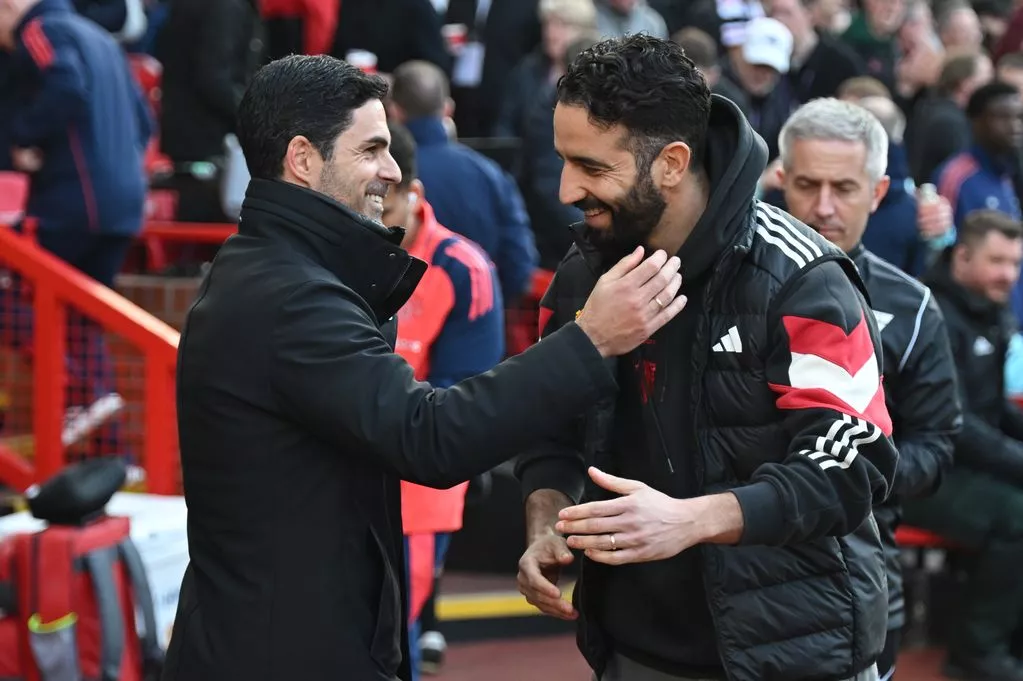
Mikel Arteta with Ruben Amorim. (Image: 2025 The Arsenal Football Club Plc)
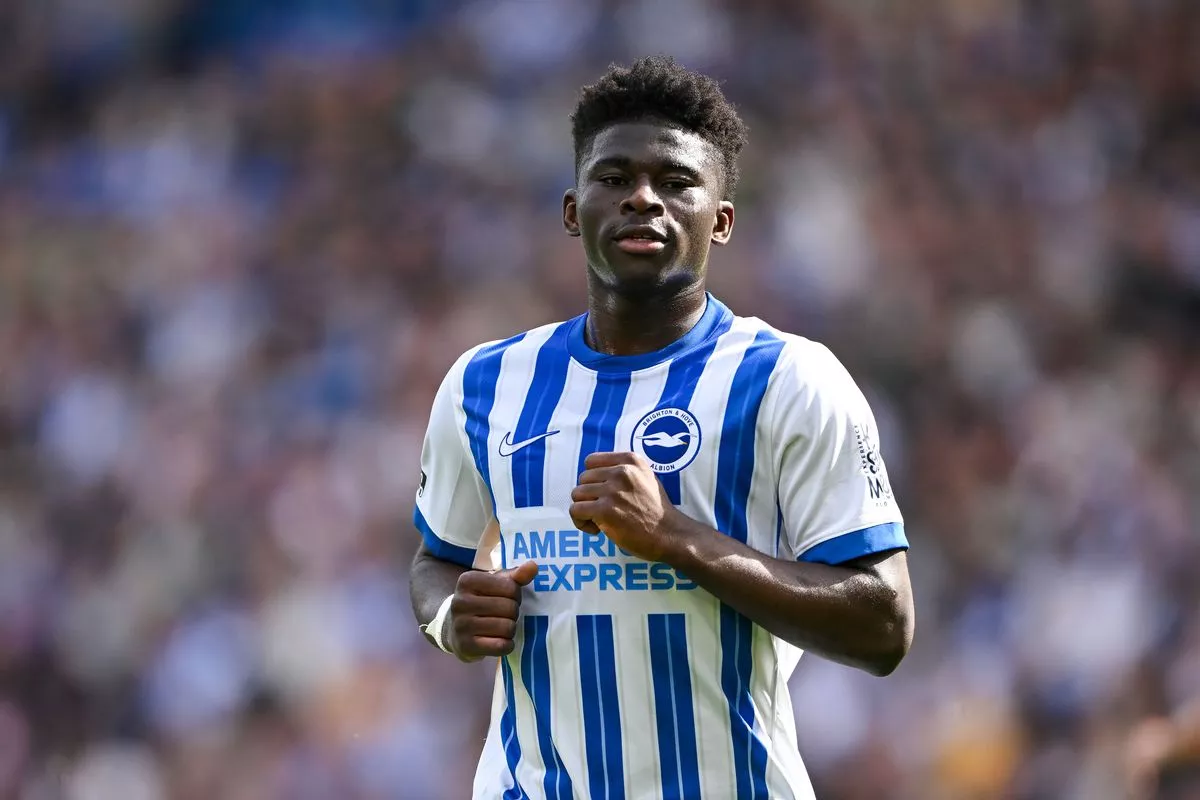
Carlos Baleba is being linked with a switch to Man Utd. (Image: Mike Hewitt/Getty Images)

Kindu: Heavy Clashes Between FARDC and Wazalendo Leave Several Dead, Including a Police Officer

0

On Thursday, August 14, the city of Kindu awoke to intense fighting between Wazalendo militias and the Congolese security forces.

The clashes, pitting Wazalendo fighters against the FARDC forces that normally work together in the fight against M23 began in the Tokolote area of Mikelenge Commune. The gunfire created widespread panic and brought daily life to a standstill across large parts of the city.

The exact death toll remains unknown, but videos circulating on social media showed three bodies lying on the ground, including that of a police officer. Other reports suggest between five and ten people may have been killed, although no official figure has been released, according to Actualite.cd.

Sources from the area indicate that the fighting started in Katako, the headquarters of the Bangengele chiefdom, about seven kilometers from Kindu. It is reported that Wazalendo fighters stationed there had begun forcibly demanding food from local residents.

This behavior prompted intervention by a police officer manning the Katako checkpoint, triggering a confrontation. In Tokolote, where the gunfire first broke out, residents immediately took shelter in their homes. In the city center, markets closed abruptly, streets emptied, and tensions escalated.

Gunfire was reportedly heard for several hours, making Kindu feel like a war zone. Calm only began to return in the early afternoon, although tensions remained high.

Alaska Summit Showdown: Putin Charms Trump, Lavrov Brings Russia’s Hard Line – But Will It Change Anything?

0

Russian President Vladimir Putin has sent warm words to U.S. President Donald Trump just a day before they meet in Alaska to talk about ending the war in Ukraine. The unexpected praise comes as both sides prepare for tense, high-stakes talks that could reshape global politics. 

Putin told Russian media that Trump’s efforts to bring peace were “energetic and sincere.” The comments are seen by many as part of a charm offensive ahead of the summit. While the main focus will be Ukraine, Putin has signaled he also wants to discuss trade, arms control, and broader U.S.–Russia relations. 

The meeting will be held at Joint Base Elmendorf-Richardson in Anchorage, the closest U.S. state to Russia, just a short distance across the Bering Strait. Kremlin aides say it’s a symbolic location, with Soviet pilots from World War II buried nearby as a reminder of past cooperation between the two nations. 

Russian Foreign Minister Sergey Lavrov has already arrived in Alaska and says Moscow will present a “clear and well-defined” position. He declined to predict the outcome, telling Rossiya 24 TV: 

“We know that we have arguments. Our stance is clear. We will present them.” 

Lavrov noted that Trump’s special envoy, Steve Witkoff, has visited Russia five times since Trump took office. Their last meeting, just a week ago, lasted three hours and focused heavily on Ukraine. 

Moscow has made it clear that any lasting peace in Ukraine must meet several strict conditions. The first is that Ukraine must never join NATO. Russian officials argue that NATO membership would put a hostile military alliance right on Russia’s doorstep, a threat they say could reignite old tensions with the West. From Moscow’s perspective, preventing this is crucial for the country’s security and for maintaining regional stability. 

The second condition Moscow insists on is that Ukraine be “demilitarized” and “denazified.” In practical terms, this means significantly reducing Ukraine’s military capabilities and removing groups that Russia claims hold extremist or anti-Russian views. While Ukraine and its allies reject these claims as propaganda, Russian leaders argue that such measures are necessary to avoid future conflicts and to lay the groundwork for lasting peace. 

Finally, Russia demands that Ukraine formally recognize Crimea, Donetsk, Lugansk, Kherson, and Zaporozhye as part of the Russian Federation.  

The Kremlin points to referendums held in 2014 and 2022 as proof that these regions chose to join Russia, though Kyiv and most of the international community consider the votes illegal. By seeking official recognition, Moscow hopes not only to end the current war but also to secure diplomatic and legal acknowledgment of the borders it has established on the ground. 

These regions voted to join Russia in referendums held in 2014 and 2022, votes that Ukraine and the West reject as illegal. Russia also currently controls parts of Kharkov, Sumy, and Dnepropetrovsk regions. 

Trump has suggested the idea of a land-swap deal between Russia and Ukraine, but Russia firmly rejects giving up any territory. 

Trump has been lashing out at critics ahead of the talks. On Truth Social, he accused the media of quoting “fired losers” like his former national security adviser John Bolton, who said Putin has “already won” simply by being invited to U.S. soil. 

“What’s that all about? We are winning on EVERYTHING,” Trump posted, calling such reports “Fake News.” 

Bolton, in a recent interview, called the summit a “big win for Putin” and described him as a “pariah leader” being given an undeserved platform. 

Speaking from the Oval Office, Trump said the Ukraine conflict “should never have started” and insisted that “everybody” is to blame, including previous U.S. administrations, Ukraine, and Russia itself. 

“Everything that we did was wrong. Everybody’s to blame. Putin’s to blame. They’re all to blame,” Trump said. 

He emphasized that the war was never discussed during his first four years in office and that he hopes the Alaska talks can at least set the stage for peace. 

The Russian delegation will include Lavrov, Defense Minister Andrey Belousov, Finance Minister Anton Siluanov, investment envoy Kirill Dmitriev, and Kremlin aide Yury Ushakov. Experts will also be on hand for technical discussions. 

The U.S. delegation has not yet been fully announced, but the White House says it will include top national security and economic officials. 

The summit will begin with a private one-on-one meeting between Putin and Trump, each joined only by an interpreter. Larger five-on-five talks will follow. 

Both Washington and Moscow are warning against expecting an instant breakthrough. Putin’s spokesman Dmitry Peskov said there will likely be no documents signed. Trump has described it as a “feel-out meeting” to better understand Putin’s position. 

Despite this, the very fact that the meeting is happening is being called historic. Relations between the U.S. and Russia had been nearly frozen since 2022 under President Joe Biden, when Washington tried to “isolate” Moscow over the Ukraine war. 

Beyond geography, Alaska has deep historical symbolism. During World War II, it was a key transit point for U.S. planes delivered to the Soviet Union under the Lend-Lease program. For both sides, meeting there sends a message: there was once a time when America and Russia fought side by side. 

European leaders, particularly in NATO states, have been wary of the Alaska meeting. Moscow accuses them of “militarizing Europe” and preparing for “a real war against Russia,” in Lavrov’s words. Peskov added that Russia does not expect “a sensible response” from European capitals to any peace proposals discussed in Alaska. 

Trump has made it clear that he wants the war in Ukraine to end. Putin has made it clear he will not give up territory. Whether there’s a middle ground is the big question, and Alaska could be the first step toward finding it. 

As the two leaders prepare to shake hands in Anchorage, the world will be watching closely. The stakes are high, the positions are far apart, and yet both men are signaling they’re ready to talk.