Kenyans who commit crimes in the United Kingdom will now face immediate deportation after sentencing. This comes after the UK government announced strict new laws on Sunday, August 10, aimed at fast-tracking the removal of foreign criminals.
Under the old system, foreigners sentenced for crimes could serve part of their jail time in the UK before being considered for deportation.
In June 2025, that threshold was cut to just 30% of the sentence. Now, the rules have changed again, in some cases, deportation will happen right after sentencing.
The move is part of the UK’s “Plan for Change” strategy, which focuses on stronger border control, lower prison costs, and keeping the public safe. Officials say too many people were abusing the old immigration system to avoid being sent home.
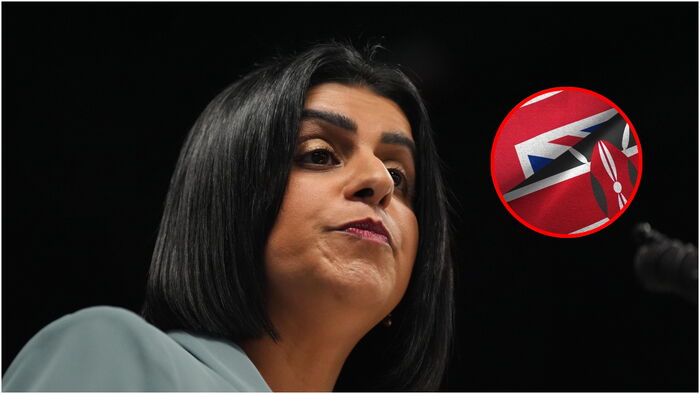
UK Justice Secretary Shabana Mahmood strongly supports the new law. She said:
“If you abuse our hospitality and break our laws, we will send you packing.”
According to the UK government, prisons are almost full, at nearly 100% capacity. It costs around Ksh 9.4 million (£54,000) per inmate each year, all paid by taxpayers.
Since July 2024, the UK has deported 14% more foreign national offenders compared to the previous year. In total, about 5,200 foreigners have been removed in the last 12 months.
Kenya is now one of 15 countries newly added to the UK’s “Deport Now, Appeal Later” list. This means that Kenyans, along with citizens from Uganda, Malaysia, Canada, India, and others, can be deported first and only appeal from outside the UK.
The UK says the crackdown is necessary. Figures show 12.3% of prisoners in England and Wales are foreign nationals, that’s 10,700 inmates. Albanians and Irish citizens make up the largest groups, but the inclusion of Kenyans shows rising concern over crimes linked to them.
This policy shift follows a global trend. The United States also recently toughened its immigration stance. In January 2025, it was revealed that over 1,200 Kenyans in the U.S. had exhausted all legal appeals and now face deportation.
For Kenyans living abroad, the message is clear: any criminal offence could mean losing the right to remain, instantly.
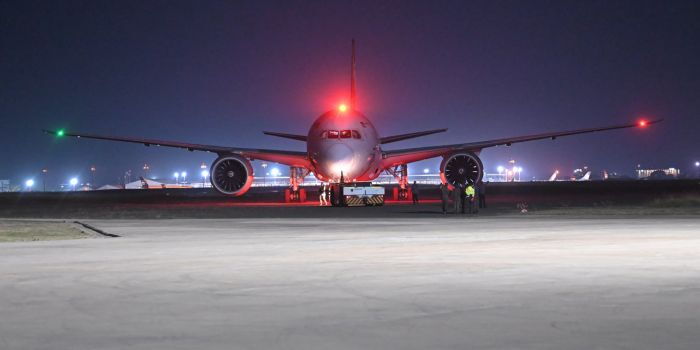
A Kenya plane about to take off at the Jomo Kenyatta International Airport (JKIA) for Haiti on Saturday, January 18, 2025. Photo: Ministry of InteriorUK’s Justice Secretary, Shabana Mahmood. Photo: The Independent
Health authorities in Rwanda have confirmed that the rollout of a bi-monthly HIV prevention injection is progressing, albeit slowly, due to its current availability in only a few health facilities in Kigali. Plans are underway to expand access nationwide.
The injectable medication, known as CAB-LA, is administered every two months to prevent new HIV infections. Approved by the World Health Organization (WHO) in 2022, CAB-LA provides long-acting protection by preventing the virus from entering and multiplying within the body’s cells. The program in Rwanda officially began in January 2025 and is currently available at Busanza and Gikondo health centers in Kicukiro District.
The treatment is currently prioritized for groups at higher risk of contracting HIV, including sexually active youth with high infection rates, sex workers, men who have sex with men, and discordant couples—where one partner is HIV-positive and the other is not.
According to The New Times, Dr. Zephanie Nzeyimana, an official at the Rwanda Biomedical Centre (RBC), said the slow pace is due to the limited number of facilities offering the service. “Distribution is still slow because it’s currently available at only two health centers, and we are conducting an evaluation before expanding the program to other areas,” he explained.
This year-long pilot phase includes monitoring how the medication is administered, assessing any potential side effects, and determining the feasibility of nationwide distribution. Dr. Nzeyimana reported that 90% of individuals who have received the injection responded positively, with most finding it more convenient than taking daily preventive pills.
As of June 30, 2025, a total of 15,525 people in Rwanda were on Pre-Exposure Prophylaxis (PrEP)—a preventive treatment for HIV-negative individuals at high risk of infection.
While international studies indicate possible side effects such as fever, headaches, and diarrhea, patients in Rwanda have mainly reported mild pain at the injection site lasting up to three days. Dr. Nzeyimana advised those experiencing discomfort to take over-the-counter pain relievers such as paracetamol or ibuprofen.
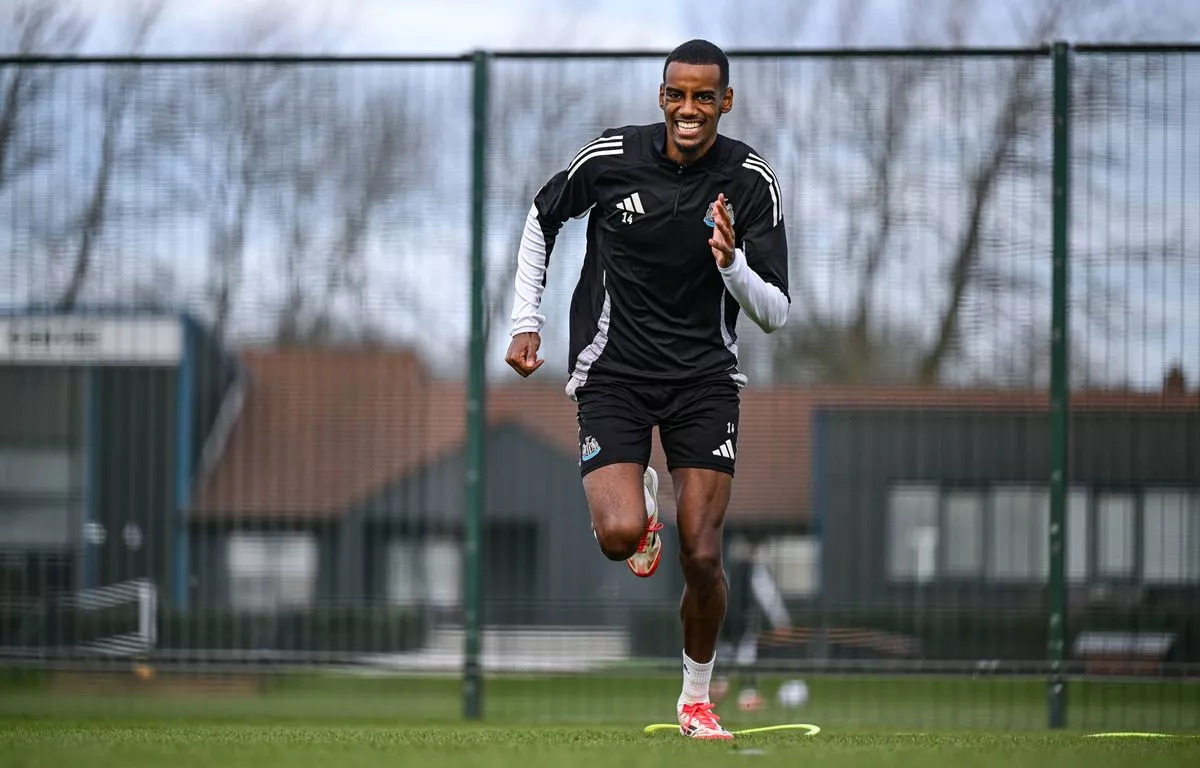
Alexander Isak is training alone at Newcastle United’s Benton base this pre-season. Manager Eddie Howe has given the Swedish striker a clear ultimatum: without a serious transfer offer, Isak will not return to the team. This comes as Liverpool steps up their interest with a big-money bid.
Isak’s situation has become a major story ahead of Newcastle’s Premier League opener against Aston Villa. Howe made it clear that getting Isak back in the squad has been difficult. “If it was possible, it would have happened by now,” Howe said. The striker is not expected to play the opening match.
Newcastle United are actively looking for a new striker to replace Isak. One name linked with the club is Benfica’s Vangelis Pavlidis, but several other options are also being considered. The club needs a fresh forward to fill the gap left by their top scorer from last season.
Liverpool’s latest offer for Isak came on August 1. It was a massive £110 million bid, but Newcastle rejected it quickly, according to reports from Chronicle Live. Now, Liverpool may increase their offer to around £130 million with add-ons or even as high as £150 million.
Despite the high stakes, Isak has been told there will be no transfer without a serious bid. Until then, the door is open for him to return to training and play for Newcastle, though he has shown no interest in doing so during pre-season.
This uncertainty affects the team deeply. Isak scored 27 goals last season and helped Newcastle reach the Champions League for the first time. Losing him, even temporarily, leaves a huge hole in the squad.
Newcastle fans have also noticed Isak’s absence off the pitch. Pictures of the striker have been removed from the club shop, and sales of the new Newcastle jersey with his name have dropped sharply. Adidas staff revealed to the Newcastle Chronicle that sales plummeted after Isak missed the team’s trip to South Korea.
Isak was once the face of the club’s new third kit launch and featured in Adidas advertisements alongside club legend Tino Asprilla. But all of that changed after his agent pushed for a move away from Newcastle.
While Bruno Guimaraes and Joelinton remain popular with fans, the club hopes bringing in a new striker will boost both the team’s performance and merchandise sales.
On the training ground, Howe faces a tough challenge. The team is missing its star forward, and the group’s focus has been shaken. Howe said, “I think the group has been disrupted, of course, but I think whenever you have a player in this situation, it’s unsettling for the team.”
He added that despite the situation, team harmony has remained strong. “I don’t think we’ve been in that position since I’ve been here. The harmony and togetherness of the group has been at its highest.”
Howe described the transfer saga as “a distraction” and admitted the team has lost a key player in Isak’s position. “You’ve seen a big gap,” he said.
Still, Howe praised the players for continuing to train hard. “Training has been of a really high level,” he said. “I haven’t seen a negative output on the pitch, but I am aware of the feeling around the group that there’s something there that’s not to the benefit of the group.”
Newcastle now faces a critical moment. They start the season without their top scorer mentally ready to play and with questions hanging over Isak’s future. Meanwhile, Liverpool pushes to secure one of the most expensive transfers in recent Premier League history.
The coming weeks will show if Newcastle can find a replacement and if Isak will finally make the move to Liverpool. Fans watch closely, hoping for good news but preparing for uncertainty.
This transfer drama highlights the pressure on clubs and players in modern football. Money talks loudly, but team spirit and fan loyalty remain powerful forces. For now, Isak’s future hangs in the balance, and Newcastle must adapt quickly to life without their star striker.
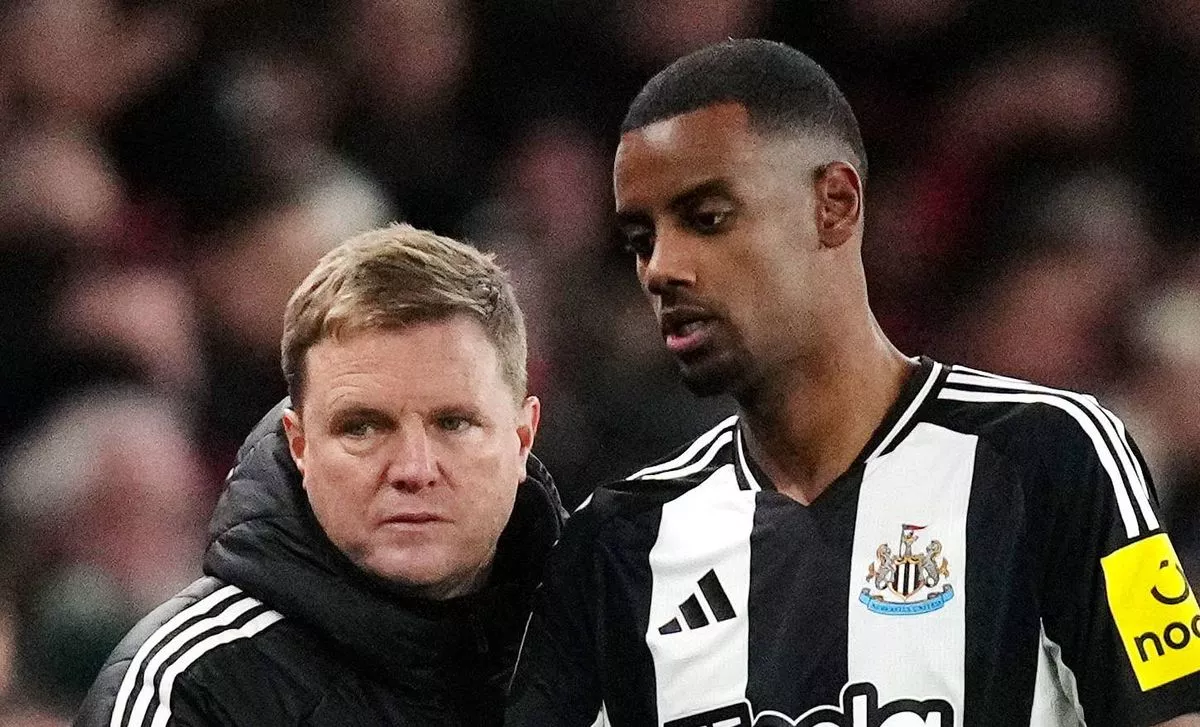
Alexander Isak has been training alone at Newcastle’s facilitiesEddie Howe desperately wants to keep Alexander Isak on the team (Image: PA)Alexander Isak is still hoping to leave Newcastle for Liverpool (Image: Getty Images)
Crystal Palace is facing a tough time this summer. The club’s chairman, Steve Parish, has made it clear that the future of their captain and England defender, Marc Guehi, hangs in the balance. With the transfer window closing soon, big decisions have to be made, and it all depends on the right price being offered.
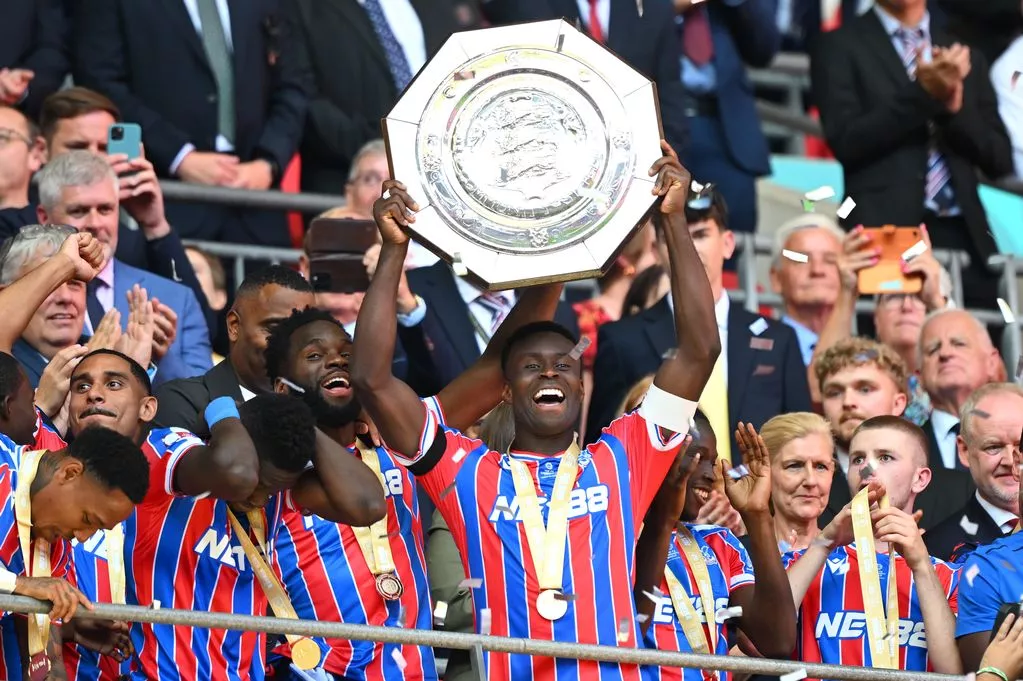
Marc Guehi, just 25 years old, has been a key player for Palace. He helped lead the team to recent wins in the FA Cup and Community Shield. However, his contract is ending soon, and if Palace cannot reach an agreement, they risk losing him for free next year. This would be a huge loss for the club.
Last summer, Newcastle made a third bid of £70 million for Guehi, but Palace turned it down. Parish revealed that another offer came in January, but the club found it difficult to make a decision. Now, Liverpool, who won the Premier League and Carabao Cup, as well as Guehi’s former club Chelsea, are interested in signing him. Chelsea especially needs a defender after Levi Colwill suffered a serious injury.
Speaking after Palace’s penalty win over Liverpool at Wembley, Parish said plainly, “Yes, yes,” when asked if Guehi would be sold if the price is right. He explained, “For players of that calibre to leave on a free, it is a problem for a football club. There is no doubt about it unfortunately.”
Palace also sold Joachim Anderson for £30 million last summer, which affected their finances. Parish admits that losing both Anderson and Guehi would be too much for the club. “We had another bid in January but that was a difficult decision as well. We will just have to see what happens. It needs a new contract or a conclusion of some kind.”
The club still wants around £50 million for Guehi. At the same time, they are dealing with interest from Arsenal in another star player, Eberechi Eze, who helped Palace reach the FA Cup final.
Parish explained the tricky situation at Palace. “People trade players. That is what football clubs do. If you don’t care about tomorrow and put it all off, we are a fantastic team. If we had four more players, I don’t know what we could achieve. Unfortunately, it is not always as simple as that.”
One of the main reasons Palace is cautious is because of the large money they owe for previous signings. Parish described the transfer fees as “crazy” and “nuts.” The club’s spending is limited because they still pay fees for players they already have. This means that any new transfer must be smart and careful.
Manager Oliver Glasner is feeling the pressure. So far this summer, Palace has only made two signings, including a backup goalkeeper who joined on a free transfer. Glasner has voiced his frustration with the slow transfer activity, wanting more reinforcements to compete in four competitions this season.
Parish showed respect for Glasner’s ambition. “I admire Oliver so much. He just wants to win trophies. I don’t mind that he wants to do that and I think someone at the football club should do that. I have other things to worry about, and the Premier League is crazy, what people spend.”
Palace’s financial reality means they must recycle their squad carefully. Parish promised, “We will do everything we can in the next few weeks to give ourselves the best chance. It is a really tough one… But the money we have is not infinite.”
Adding to Palace’s challenges, UEFA recently demoted them from the Europa League to the Conference League for this season. The club has appealed this decision to the Court of Arbitration for Sport in Switzerland. The verdict is expected on Monday, and Parish hopes for a positive outcome.
“It will be good to put it behind us,” Parish said, “but I don’t want that to come across as fatalism. I am determined that we will get the right outcome. If we don’t, we will have to look at steps after that.”
He also expressed confusion about UEFA’s decision. “I do not understand how we cannot be in that competition. It is up to the judges to decide, we trust them. Let’s see.”
As the transfer window ticks down and Palace awaits the court’s decision, the future of Marc Guehi and the club’s spending plans remain uncertain. Fans will be watching closely to see if Palace can hold on to their captain or if they will need to rebuild in a “crazy” market full of financial challenges.
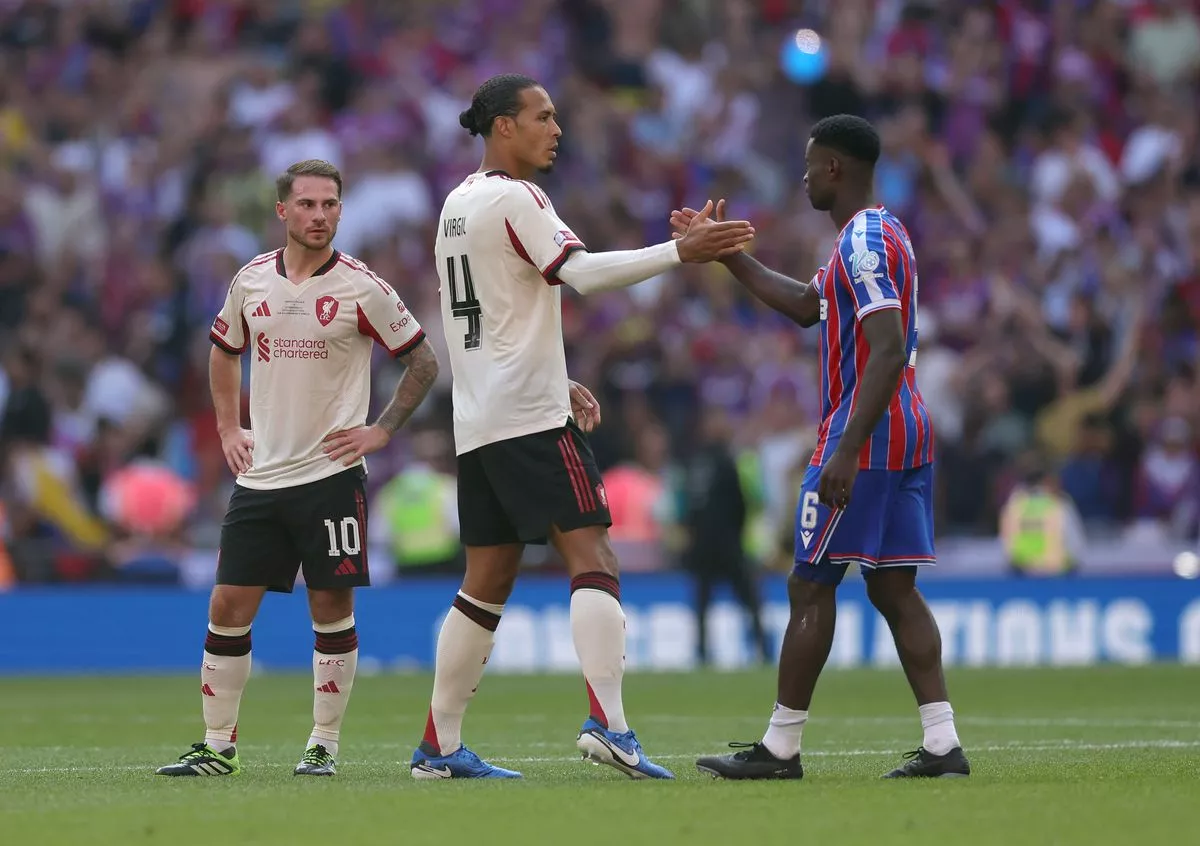
Marc Guehi of Crystal Palace lifts the FA Community Shield on Sunday after the defeat of Liverpool (Image: 2025 Getty Images)Virgil van Dijk of Liverpool embraces Marc Guehi of Crystal Palace – could they be team-mates soon?(Image: 2025 Getty Images)
The United Nations Office for the Coordination of Humanitarian Affairs (OCHA) says more than three million people displaced by conflict in eastern Democratic Republic of Congo have returned home since the start of this year.
In its latest report, OCHA says that in North Kivu Province alone, around two million people have gone back to their homes, though over one million remain internally displaced including nearly 500,000 who fled their homes this year.
In South Kivu, more than 600,000 people have returned, but an estimated 1.5 million remain displaced. Among them, over 550,000 were uprooted by fighting since January. Most of those returning in South Kivu have gone back to areas such as Minova, Kalehe, and Idjwi Island in Lake Kivu.
On social media platform X, Bertrand Bisimwa, a senior leader of the M23/AFC movement, claimed the group had resolved a “humanitarian crisis” by enabling the return of more than two million people. Following M23’s capture of the city of Goma in late January, several major displacement camps including Bulengo, Kimashini, Kanyaruchinya, and Lushagara were closed. These sites had hosted over a million people, many of whom had fled fighting between M23 and government forces since 2022 in Rutshuru, Masisi, and Lubero territories.
Humanitarian organisations working in Goma and its outskirts condemned the mass return, alleging that many people were forcibly removed by M23 fighters. M23 leaders, however, accused aid groups of exploiting the displaced population for funding and job opportunities, claiming they were reluctant to see people go home.
Both North and South Kivu remain volatile, with frequent clashes between M23 now controlling large parts of both provinces and government-aligned militias, particularly groups known collectively as the Wazalendo.
Although both sides agreed last month to basic principles for a ceasefire, fighting continues to force thousands from their homes. OCHA reports that in North Kivu’s Masisi territory alone, around 44,000 people fled since July 13, with at least eight civilians killed in the violence.
In South Kivu, renewed clashes in the territories of Uvira, Walungu, and Kalehe are also driving displacement. The province has recorded the highest number of newly displaced people this year compared to other regions.
OCHA also reports alarming levels of sexual violence. On 1 August, at least 35 women and girls were abducted and raped by armed groups in three locations in Uvira territory, based on information from local health workers and officials.
While millions have managed to return to their homes, OCHA warns that many still face severe shortages of food, medicine, and basic services.
Liverpool’s recent Community Shield loss to Crystal Palace revealed a glaring weakness in their team and their transfer plans. Despite scoring twice, Liverpool’s defense crumbled twice, allowing Palace to come back and eventually win on penalties.
This match shows why Liverpool should think twice before spending big money on striker Alexander Isak.
The famous saying “attacks win games, but defenses win titles” was clear in this game. Liverpool went ahead twice, but poor defending let Palace equalize each time.
Virgil Van Dijk, usually a rock at the back, made a costly mistake inside the box that allowed Jean-Phillipe Mateta to score a penalty just before halftime. Later, Ismaila Sarr easily broke through Liverpool’s defense to make it 2-2 with only 13 minutes left.
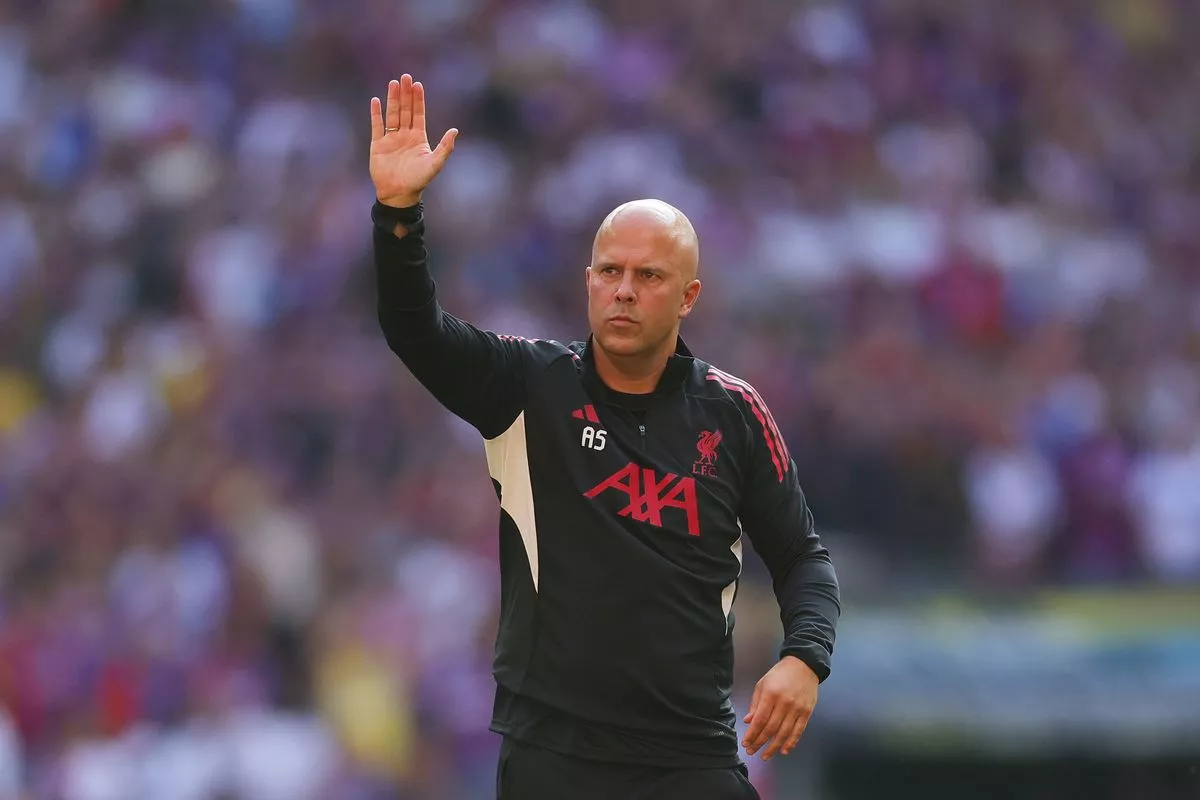
Liverpool had chances to score again but it was their defense that let them down repeatedly. This defensive weakness is the real problem Liverpool manager Arne Slot must fix.
The Reds have made waves this summer with big transfers, losing stars like Trent Alexander-Arnold, Darwin Nunez, and Luis Diaz but signing exciting new players such as Florian Wirtz, Jeremie Frimpong, Milos Kerkez, and Hugo Ekitike.
All four new signings started in the Community Shield. Wirtz and Ekitike combined early to give Liverpool the lead in less than four minutes. Ekitike, who cost Liverpool up to £79 million, celebrated by cupping his hand to his mouth, a clear message to critics amid the ongoing chase for Alexander Isak from Newcastle.
Despite Liverpool’s interest in Isak and a bid reportedly rejected at £110 million, Ekitike’s performance suggested Liverpool may not even need another striker. The team already has many attack-minded players, and adding Isak could make the forward line crowded without solving their real issues.
Crystal Palace’s equalizer by Sarr was no surprise since Palace controlled much of the game after Liverpool’s early lead. The match highlighted how Liverpool’s defense continues to give their opponents easy chances.
Liverpool fans and experts alike wonder: why spend so much on a striker when the defense is leaking goals? The team was more solid last season under Slot, which helped them win their 20th league title. But now, the focus seems to be on bolstering the attack while the defense remains shaky.
History warns Liverpool about this approach. Former Newcastle manager Kevin Keegan tried building a team focused on attack but ended up struggling with defensive weaknesses. Liverpool risks repeating the same mistake if they sign Isak without fixing their defense first.
Isak may be eager to join Liverpool, but the club’s real need is for a world-class defender, not just another forward. Spending over £100 million on a striker when their backline is vulnerable could backfire badly.
Liverpool’s transfer window has been praised for signing big names, but the Community Shield showed that flashy signings alone don’t guarantee success. Defending and keeping a strong, balanced squad is what wins titles.
The Premier League is tough and competitive. If Liverpool continue to neglect their defense while focusing on attack, they could lose the edge that brought them recent glory.
For Liverpool to challenge again this season, they must rethink their transfer priorities. Investing in a strong defender should come before adding more forwards.
The Community Shield defeat to Crystal Palace was a warning shot. Liverpool’s management must listen and act wisely, because titles are won by teams that defend well, not just by those who score goals.
For days, Burundi has been plunged into near-total darkness. The nationwide power cuts go far beyond domestic inconvenience they are crippling hospitals, freezing commerce, paralyzing banks, disrupting essential services, and choking the economy.
Generators, the last lifeline for businesses and institutions, have run out of fuel. Telecommunications are collapsing, petrol stations are dry, and shop shelves are emptying at an alarming rate.
This is not the aftermath of a natural disaster or armed conflict it is the bitter harvest of years of political and economic decay. The blackout is simply the visible symptom of a deeper, more dangerous breakdown: the failure of the state itself.
Predation, Incompetence, and the Collapse of Public Service
The crisis is no accident. It stems from a combination of structural poverty and the systematic plunder of scarce public resources. Aging infrastructure has been left to rot, with no investment for modernization. State revenues are siphoned off to fund political patronage instead of essential services.
To make matters worse, the government has shown neither the technical competence nor the political will to manage a crisis of this scale. In a state captured by private interests and clan politics, the common good has been abandoned.
Social and Political Fallout
The blackout’s impact stretches far beyond inconvenience. Small traders are losing perishable goods, hospitals are cutting back on life-saving care, and rural communities are being pushed deeper into poverty.
The growing public anger meets only official silence a silence that speaks of arrogance and denial. As the government clings to its privileges, the gap between rulers and ruled widens dangerously.
A Symbol of State Failure
Burundi’s prolonged blackout is not just an energy crisis it is proof of functional state failure. A nation that cannot guarantee electricity, fuel, or basic services is a nation whose sovereignty is hollow.
Energy is the lifeblood of a country. When that flow stops, national life itself begins to fade.
Breaking the Cycle
Ending this crisis will require far more than patchwork solutions. Burundi must dismantle the cycle of institutionalized plunder, invest in infrastructure, secure supply chains, enforce transparency in public spending, and purge the political system of clan-based power networks.
This is not simply about turning the lights back on it is about reigniting the flame of national purpose, built on competence, integrity, and service to the common good.
Burundi does not just suffer from a power shortage it suffers from a governance shortage. And until that deeper darkness is lifted, every blackout will remain a stark reminder that in Burundi, the darkness is not an accident it is a system.
The conflict in the Democratic Republic of Congo (DRC) continues to shake the region, especially in the Kivu provinces. Recent battles between the government forces and the AFC/M23 coalition have revealed a surprising new factor: the use of many drones.
Since August 7, 2025, heavy fighting erupted in the Walungu territory of South Kivu. The AFC/M23 coalition managed to take control of several key areas, including Kaniola, Mulamba, Muzinzi, and Ciruko. This move shocked many who thought the government had a stronger hold on these zones.
The government of the DRC denied that it was defeated by AFC/M23 drones. Lieutenant Reagan Mbuyi Kalonji, a military spokesman in South Kivu, called the reports “lies” made up by AFC/M23 to create confusion among soldiers. He assured people living in the hills of Uvira, Fizi, and Mwenga to trust the government forces. He said, “Our soldiers protect the country’s sovereignty and will not give up.”
However, Didier Kabi Bashizi, a government spokesman for South Kivu, admitted that government forces and allies had left some areas to avoid bloodshed.
This retreat happened because AFC/M23 used many drones and tanks in the fight. Speaking to the French radio RFI, Bashizi said the coalition controlled places like Muzinzi and Ciruko, and that fighters were present in Kaniola and parts of Mulamba.
By August 10, government troops tried to recapture AFC/M23 bases in Walungu. But despite their efforts, they did not succeed. Many local residents fled, hoping to find safety elsewhere. Others chose to stay home despite the dangers.
In North Kivu, the situation is also tense. In territories like Rutshuru and Masisi, fierce battles continue between AFC/M23 and other armed groups. These groups include FDLR and those with similar beliefs such as Nyatura CMC and APCLS.
On August 7, AFC/M23 warned people in some areas of Rutshuru’s Butanda groupement and Bwito sector to leave within five days. They said heavy fighting could break out soon. This warning caused panic and uncertainty for many residents.
At a press conference on the same day, AFC/M23’s deputy leader Bertrand Bisimwa accused the DRC government and its allied forces of attacking their fighters.
He said, “Kinshasa must stop the games. If we decide to fight back, it should not be seen as breaking the ceasefire. Patience has limits. If Kinshasa continues, we will defend ourselves, and they know how capable we are.”
This conflict remains active despite a ceasefire agreement signed on July 19, 2025, by both the DRC government and AFC/M23. The agreement called for a permanent stop to all fighting. Negotiations to finalize peace talks, supported by Qatar, were set to begin by August 8 but have yet to start. The new date remains unknown.
The use of drones in this conflict marks a new chapter in warfare here. These unmanned aerial vehicles give AFC/M23 an edge, allowing them to monitor enemy movements and launch attacks with precision. This technology’s presence has forced government forces to rethink their strategies and, in some cases, retreat to save lives.
The people living in these conflict zones face a harsh reality. Many have been displaced, losing homes and livelihoods. The ongoing violence threatens peace and stability, making the region one of the world’s most fragile.
While the international community watches closely, the future of the DRC’s eastern provinces remains uncertain. Will peace talks bring a lasting solution? Or will the drones continue to fly over battlefields, changing the face of war and leaving more families caught in the crossfire?
Some events, though draped in the appearance of order and legality, conceal the seeds of deep systemic decay. The Democratic Republic of Congo’s presidential and legislative elections of December 2018 belong to this category.
Initially presented as a historic opportunity for a peaceful transfer of power after Joseph Kabila’s eighteen-year rule, the process instead became an institutional trauma from which the Congolese society has yet to recover.
Conducted in an atmosphere of mistrust, marred by unexplained delays, and riddled with irregularities, the vote was managed by an Independent National Electoral Commission (CENI) whose opaque operations deepened suspicion rather than dispelled it. Disputed voting machines, technical anomalies, and incomplete turnout figures created fertile ground for backroom arrangements.
From the earliest hours, the anticipated breath of democratic renewal was tainted by the scent of fraud. Both national and international observers notably the Catholic Church reported significant discrepancies between independent tallies and the official results. The prevailing perception was that the outcome was dictated not by the ballot box, but by political arbitration at the highest level.
The Republic as Hostage: Secret Pacts and the Survival of the Old Order
Unofficial accounts pointed to a discreet agreement between the outgoing regime and one of the main candidates a narrative never officially confirmed, yet reinforced by the post-electoral power structure. Félix Tshisekedi, declared the winner, inherited a state apparatus whose most critical levers remained firmly in the hands of Kabila’s coalition.
This scenario epitomizes the perversion of a captured electoral process: political alternation becomes purely symbolic, networks of influence endure, and transitions are conducted behind closed doors, far removed from citizen aspirations. Elections cease to be instruments of popular sovereignty and instead become arenas for political bargaining a market where power is negotiated rather than won.
The Fallout: Erosion of Legitimacy, Radicalization, and Political Deadlock
The most corrosive legacy of the flawed 2018 elections was the irreversible erosion of political legitimacy. A president born of controversy lacks both the moral authority and the institutional stability to drive transformative reforms. Distrust, rather than fading over time, became entrenched in the political and social fabric.
Two outcomes followed. First, weakened institutions were reduced to tools of predation, serving clans and individuals who valued loyalty to networks over service to the public good. Second, parts of the political opposition, seeing no prospect for honest elections, turned to extra-parliamentary and in some cases armed forms of resistance.
Perhaps the most telling symbol of this democratic decay was the trajectory of a key CENI figure, who, after overseeing the disputed vote, later joined a rebel movement. This transformation from electoral official to armed actor starkly illustrates the collapse of a system in which peaceful political competition has become a dead end.
Breaking the Cycle: Rebuilding the Republic on Merit
Perpetuating “cosmetic elections” to sustain the illusion of democracy is an act of destructive cynicism. If the DRC is to break free from this vicious circle, it must embark on a deep reform of its electoral system both technically and ethically.
Such reform must be accompanied by moral restoration: the establishment of electoral truth commissions, judicial proceedings against perpetrators of fraud, and a genuine national dialogue to redefine the democratic rules of the game. The Republic of merit will not emerge from superficial adjustments but from a decisive break with falsification, influence-peddling, and the commodification of votes.
The 2018 election was not simply a missed opportunity it was the genesis of an enduring political crisis, the original sin of a governance model built on shaky legitimacy. Until this chapter is closed with a clear act of truth and reform, the DRC will continue to drift between the façade of democracy and institutional paralysis.
Restoring the primacy of merit over backroom calculations and returning the ballot box to its sacred role as the people’s voice is the moral and political imperative without which no real alternation of power can occur, and no Republic can stand firm.
Nicolas Jackson is making waves in the football world by showing interest in a move to Newcastle United. This news has excited Liverpool fans, as it could help the Reds complete a high-profile transfer for Alexander Isak.
Liverpool have been chasing Alexander Isak for some time. The Swedish striker wants to leave Newcastle but has faced difficulties because the club is firm on keeping him. Newcastle rejected a £110 million bid from Liverpool, insisting Isak is not for sale. They value him at around £150 million.
Isak has shown frustration with Newcastle’s refusal to sell him. Reports say he is training away from the first team and does not want to play for Newcastle again. He is focused on joining Liverpool, who are the only club he wants to move to this summer.
The problem for Liverpool is that Newcastle must find a replacement striker before letting Isak go. So far, Newcastle’s efforts to sign new forwards have failed. They missed out on Hugo Ekitike, who joined Liverpool, and lost out on other targets like Liam Delap and Joao Pedro, both now at Chelsea, and Benjamin Sesko, who chose Manchester United.
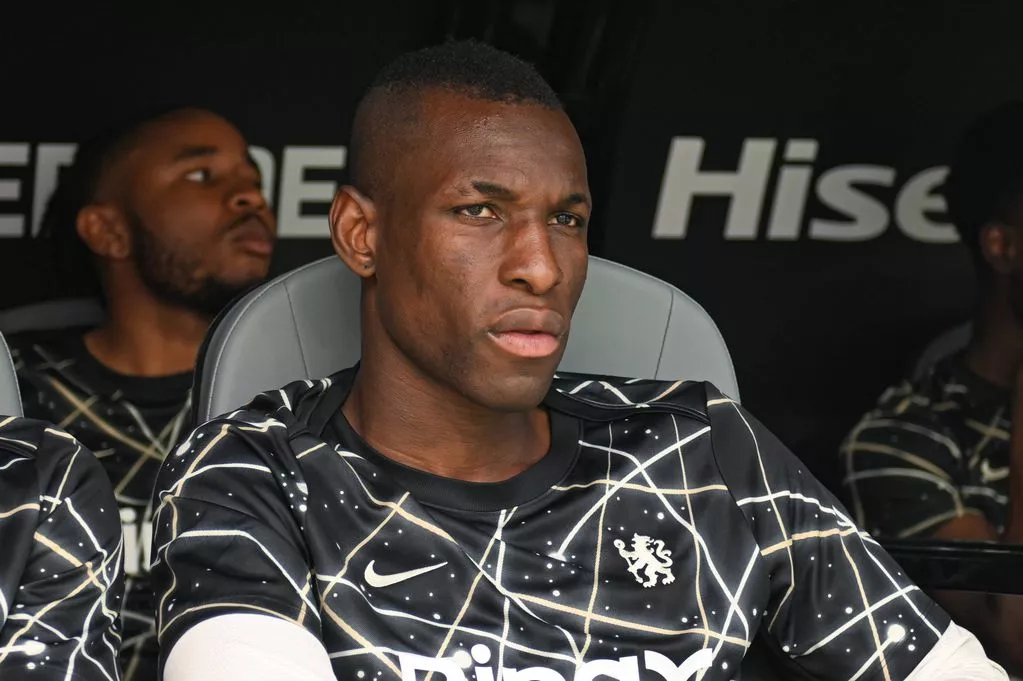
Here is where Nicolas Jackson’s situation could help. The Senegalese striker, currently at Chelsea, is reportedly open to joining Newcastle. Jackson was sidelined by Chelsea after new signings Delap and Pedro arrived. He has been training separately and was left out of Chelsea’s squad for their recent friendly against Bayer Leverkusen.
Chelsea bought Jackson from Villarreal last year for £32 million. Despite his promising record of 30 goals and 12 assists in 81 matches for Chelsea, the club is considering selling him. Chelsea are not rushing to sell, having previously valued Jackson at £100 million, which surprised many. Manchester United had earlier shown interest in Jackson after talks with his agent.
If Jackson moves to Newcastle, it would give the Magpies a much-needed striker to fill the gap. Newcastle lost Callum Wilson on a free transfer to West Ham and have struggled in the transfer market. Their only significant signing so far has been winger Anthony Elanga from Nottingham Forest for £55 million.
Newcastle manager Eddie Howe has expressed frustration with the club’s current transfer situation. The team also faces leadership challenges, with their sporting director Paul Mitchell and chief executive Darren Eales leaving recently. These changes add to the difficulties in strengthening the squad.
Howe spoke openly about the ongoing conflict with Isak, saying that the striker is not currently involved with the first team. With just five days left before Newcastle’s first Premier League game of the season against Aston Villa, uncertainty surrounds the team.
“We’ve had discussions and it’s clear at the moment that we can’t involve him with the group,” Howe said. “I don’t know how long that will be for, but that’s the latest.”
Liverpool fans will watch closely as this transfer saga unfolds. If Nicolas Jackson agrees to join Newcastle, it may finally open the door for Liverpool to sign Alexander Isak. Both clubs and players appear to be at a delicate crossroads.
This summer transfer window is proving to be one of the most exciting and complicated in recent memory. Players like Isak and Jackson are at the center of a web of negotiations, hopes, and frustrations. The coming days will be critical for all involved.
Football fans around the world eagerly await updates on these moves. The success or failure of these transfers could have a big impact on the Premier League season ahead.
Liverpool’s determination to sign Isak shows how much they want to strengthen their attack. The Reds see Isak as a key player who can help them challenge for top honors.
At the same time, Newcastle must rebuild quickly after losing key players and staff. Bringing in a striker like Jackson could be a positive step for them.
Chelsea’s decision to let Jackson go, despite his talent, shows how competitive and changing the transfer market is this summer.
With time running out, all parties must make tough decisions. Will Jackson join Newcastle and pave the way for Isak’s dream move to Liverpool? Or will the drama continue?
The Premier League is about to witness a thrilling transfer ending. Fans can only hope for the best outcomes for their favorite players and clubs.
Nicolas Jackson has fallen down the pecking order at Chelsea (Image: 2025 Stephen Nadler/ISI Photos)Alexander Isak is still hoping to leave Newcastle for Liverpool (Image: Getty Images)