



Pope Leo XIV is set to embark on his first international journey, beginning with a visit to Türkiye before travelling to Lebanon, in a trip that Vatican officials describe as a major test of his diplomatic instincts. The newly elected pontiff will start in the city of Iznik historical Nicaea where global Christian leaders will commemorate the 1,700th anniversary of the Council of Nicaea, the foundational gathering that produced the Nicene Creed and established central doctrines of the Christian faith.
The itinerary, originally planned under Pope Francis, was built around the theme of “building unity” a message Pope Leo has embraced since assuming the papacy in May. While his first six months have been marked by a notably cautious tone, this visit is expected to reveal how he intends to navigate the Church’s role in global diplomacy.
The emotional centerpiece of the journey will be the ceremony in Iznik, where more than 200 bishops met in 325 AD and affirmed that Jesus is the Son of God one of the most consequential decisions in Christian history. Despite centuries of doctrinal and geopolitical divisions between Eastern and Western Christianity, Vatican officials say the gathering will symbolically promote reconciliation and confront religious fragmentation.
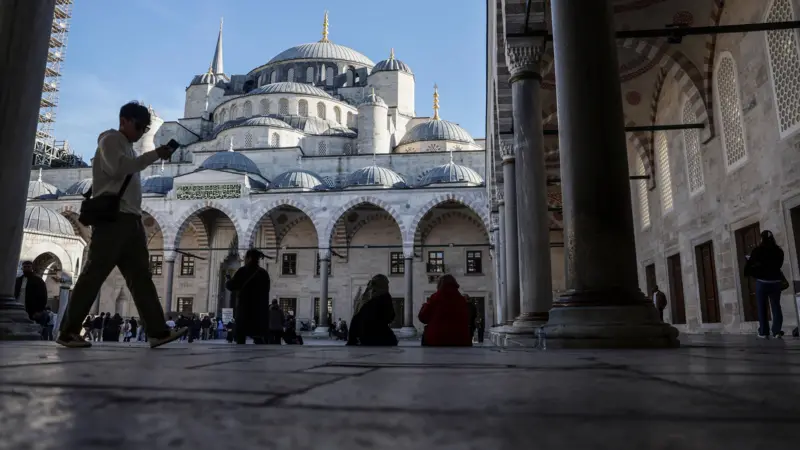
In Türkiye, Pope Leo will follow in the footsteps of Popes Francis and Benedict XVI by visiting the iconic Blue Mosque. He is also scheduled to meet leaders of other faiths in an effort to further strengthen interreligious dialogue.
The visit to Lebanon will come just days after Israeli airstrikes in southern Beirut events that briefly raised questions about safety but did not alter Vatican plans. Once there, Pope Leo is expected to meet leaders from various religious communities as well as Lebanese youth. The trip holds deep significance for the Middle Eastern nation, where roughly one-third of the population identifies as Christian.
On the final day, he will celebrate Mass along the Beirut seafront, near the site of the 2020 port explosion that killed more than 200 people and injured over 7,000. Vatican officials say the location was chosen to honor the victims and reaffirm the Church’s solidarity with families still recovering from the tragedy.
Although Pope Leo has addressed issues such as migrants’ rights, he has deliberately avoided detailed political commentary unlike his predecessor, known for forceful interventions on global crises. His restraint has made him a unifying figure among cardinals with differing ideological leanings. Supporters of Church reforms and defenders of long-standing doctrine both view him as attentive to their concerns.
During this trip, however, regional conflicts may force him to take clearer positions. In meetings with Turkish President Recep Tayyip Erdoğan and Lebanese officials, the Pope may be pressed to articulate his views on war, security, and ongoing instability across the Middle East. He has often called for ceasefires worldwide but typically in more muted language than Pope Francis, who regularly issued urgent appeals during moments of crisis such as the war in Gaza.
Pope Leo is expected to speak English throughout most of the journey, switching to French during several engagements in Lebanon. Though he is known to speak multiple languages fluently, he has until now delivered his major addresses exclusively in Italian.
As is customary, he is likely to hold an airborne press briefing with journalists on the return flight to Rome an opportunity that may shed light on what moved him most during his first major global mission and how he hopes to shape the Church’s role in an increasingly fractured world.