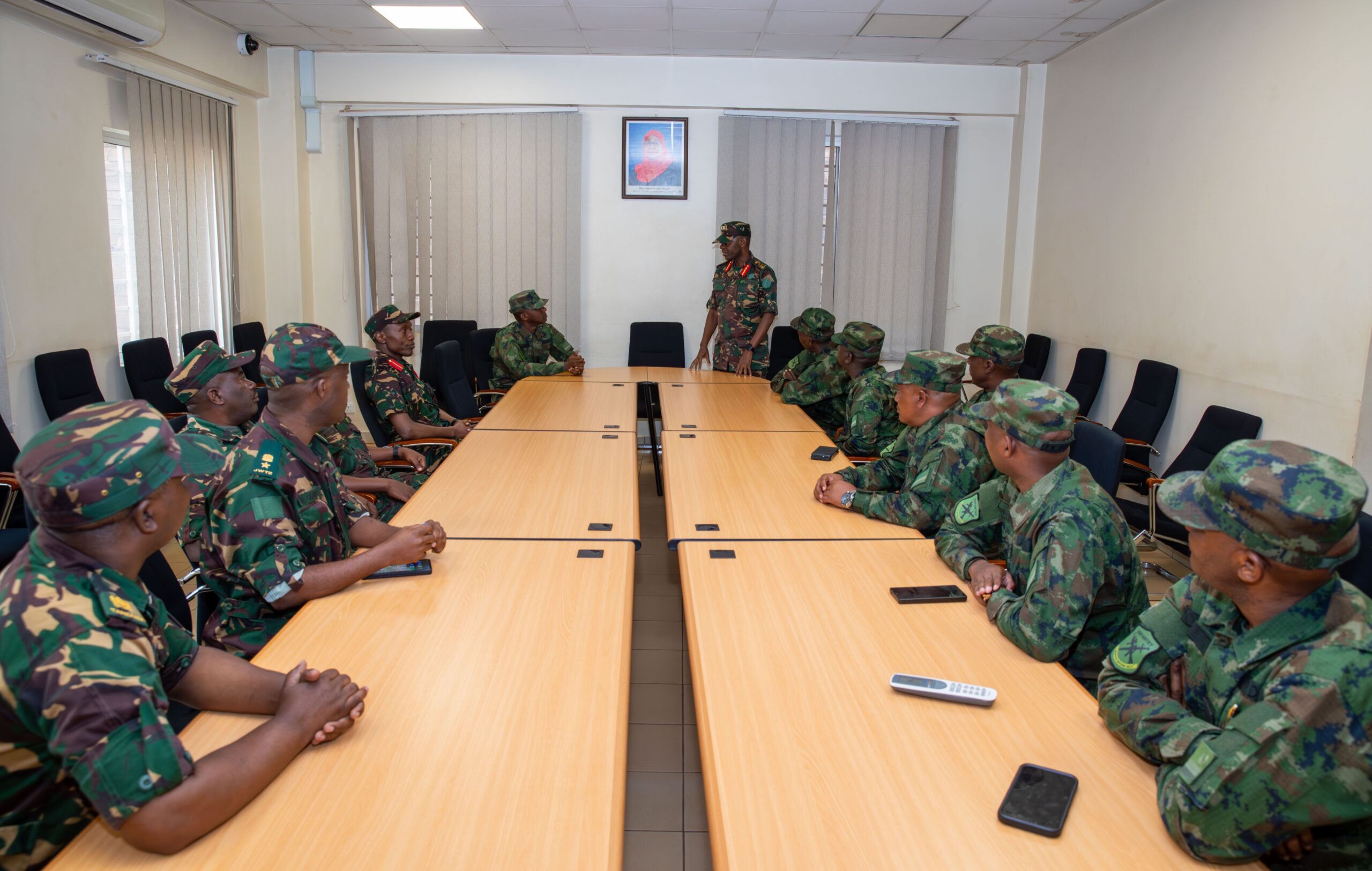




Rwanda and Tanzania have stepped up joint efforts to secure their shared border, as senior military commanders from both countries convened in Karagwe District for the 15th Proximity Commanders’ Security Meeting.
The high-level engagement, running from March 24 to 26, 2026, brings together the Rwanda Defence Force (RDF) 5th Infantry Division and the Tanzania People’s Defence Force (TPDF) 202 Infantry Brigade two units directly responsible for safeguarding the porous frontier between the two nations.
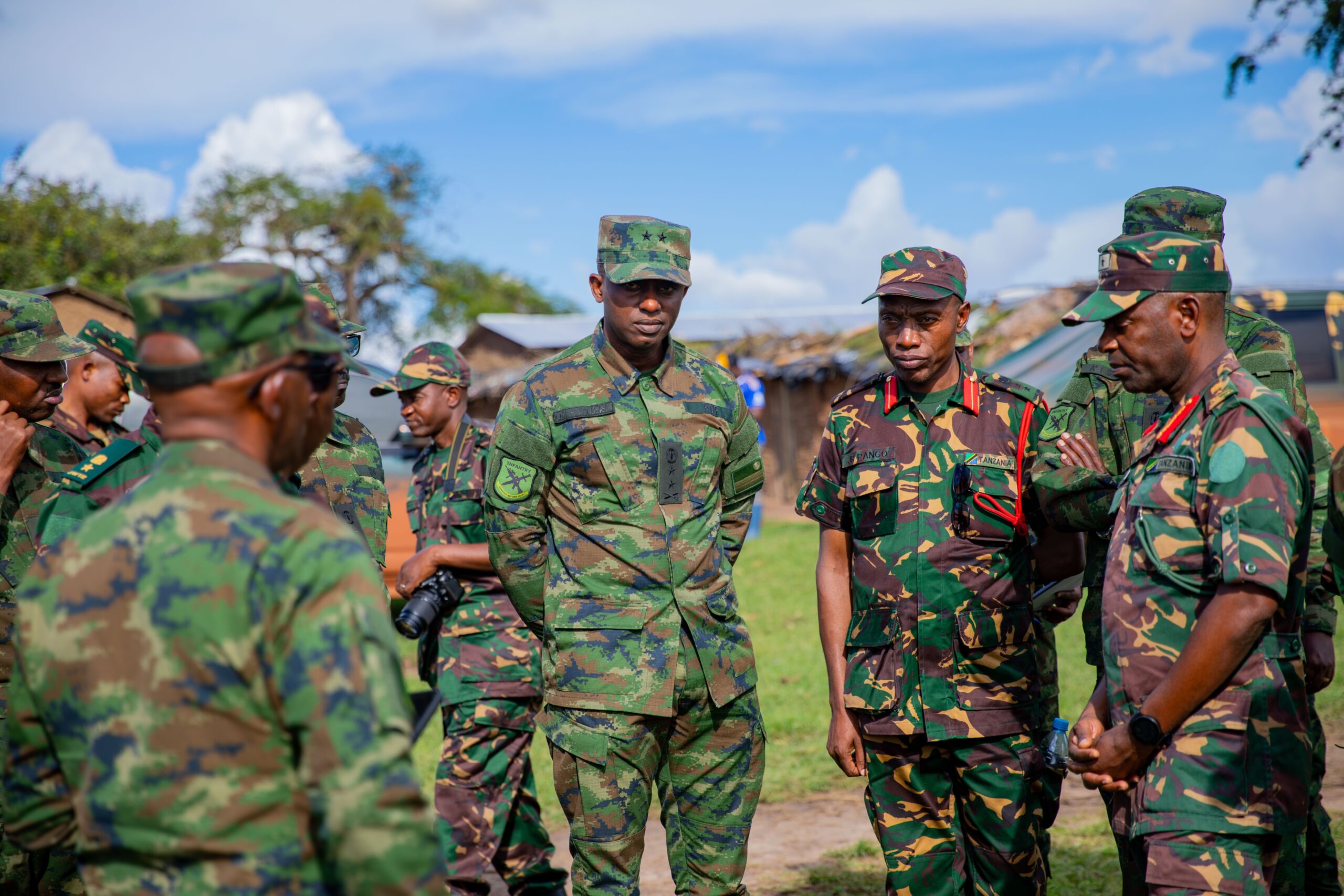
The RDF delegation is led by Major General Ruki Karusisi, while Brigadier General Gabriel Elias Kwiligwa heads the Tanzanian side, signaling the strategic importance both countries attach to this bilateral security framework.
From the outset, the meeting has focused on addressing persistent cross-border threats, including smuggling networks, illegal fishing, and unauthorized population movements issues that continue to undermine stability in border communities.
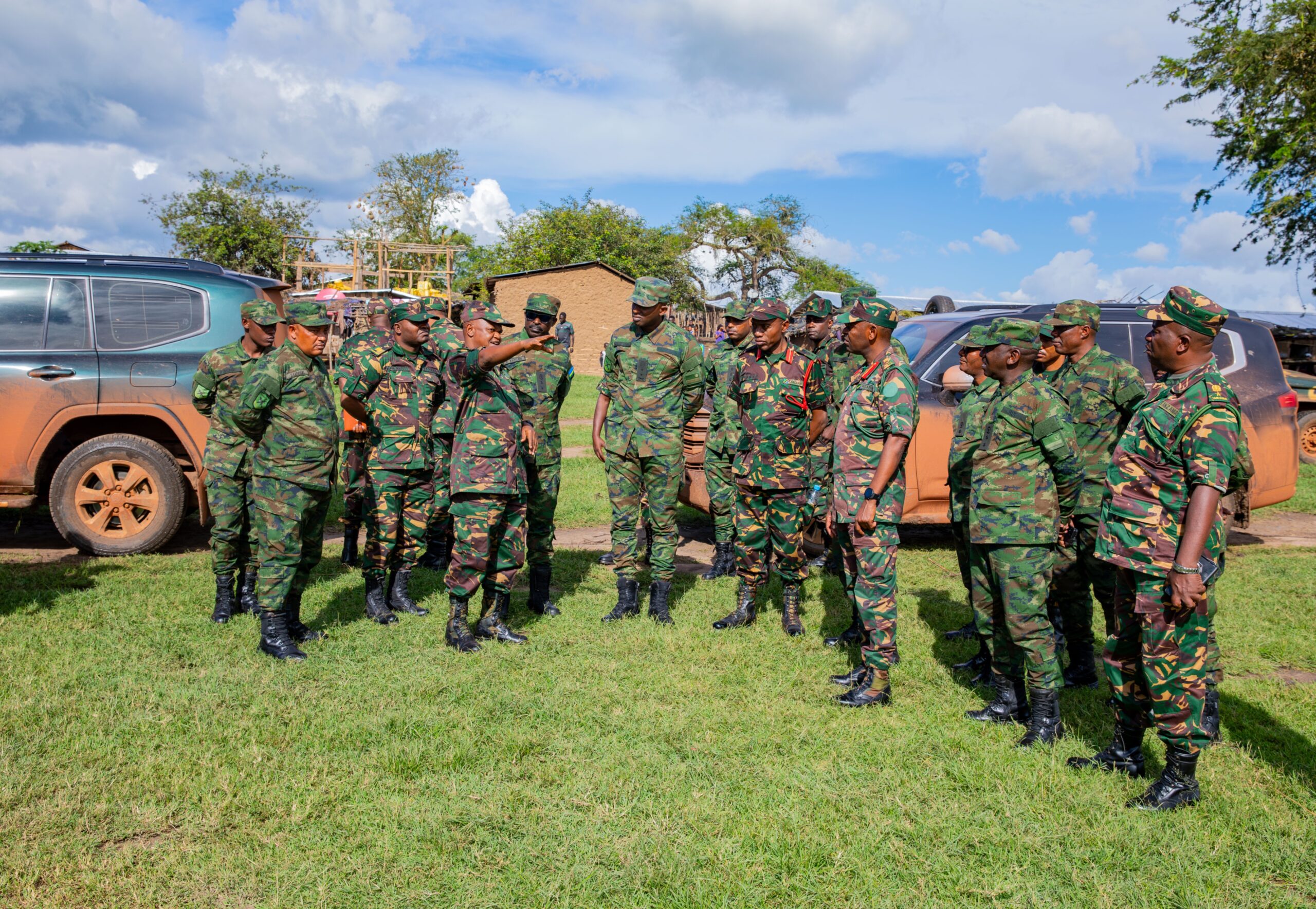
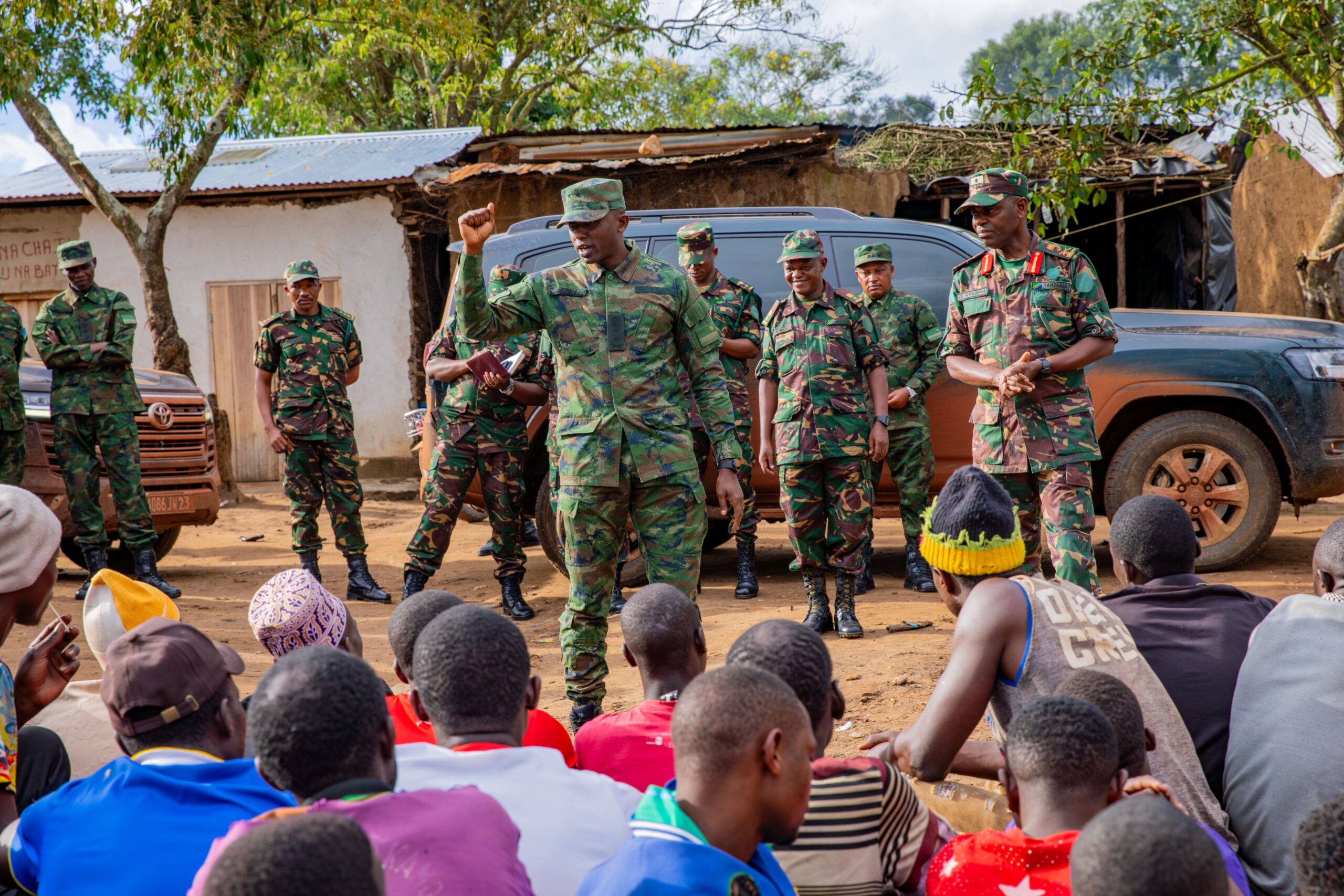
On the first day, commanders carried out joint field visits to key hotspots, engaging directly with local populations in Nyarubare and Katwe villages in Kyerwa District, as well as Nyakakoni Village in Kayisho Sector on the Tanzanian side, opposite Rwanda’s Rwimiyaga Sector.
These areas, characterized by lakes, rivers, and swamps particularly the Akagera River have long served as informal crossing points, making them vulnerable to illicit activities.
During the visits, military leaders emphasized awareness campaigns aimed at discouraging illegal crossings and unsafe exploitation of shared natural resources. Communities were urged to cooperate with security forces to ensure sustainable peace along the border.
Commanders identified the visited zones as critical flashpoints where smuggling and other transnational crimes frequently occur. They stressed the urgency of reinforcing coordinated patrols, intelligence-sharing mechanisms, and community-based surveillance to close security gaps.
The meeting reflects a broader commitment by Kigali and Dodoma to prioritize preventive security measures over reactive responses, in a region where instability often exploits weak border controls.
As regional dynamics continue to evolve, such joint military engagements are increasingly seen as essential tools not only for maintaining order but also for strengthening diplomatic trust and long-term cooperation between neighboring states.