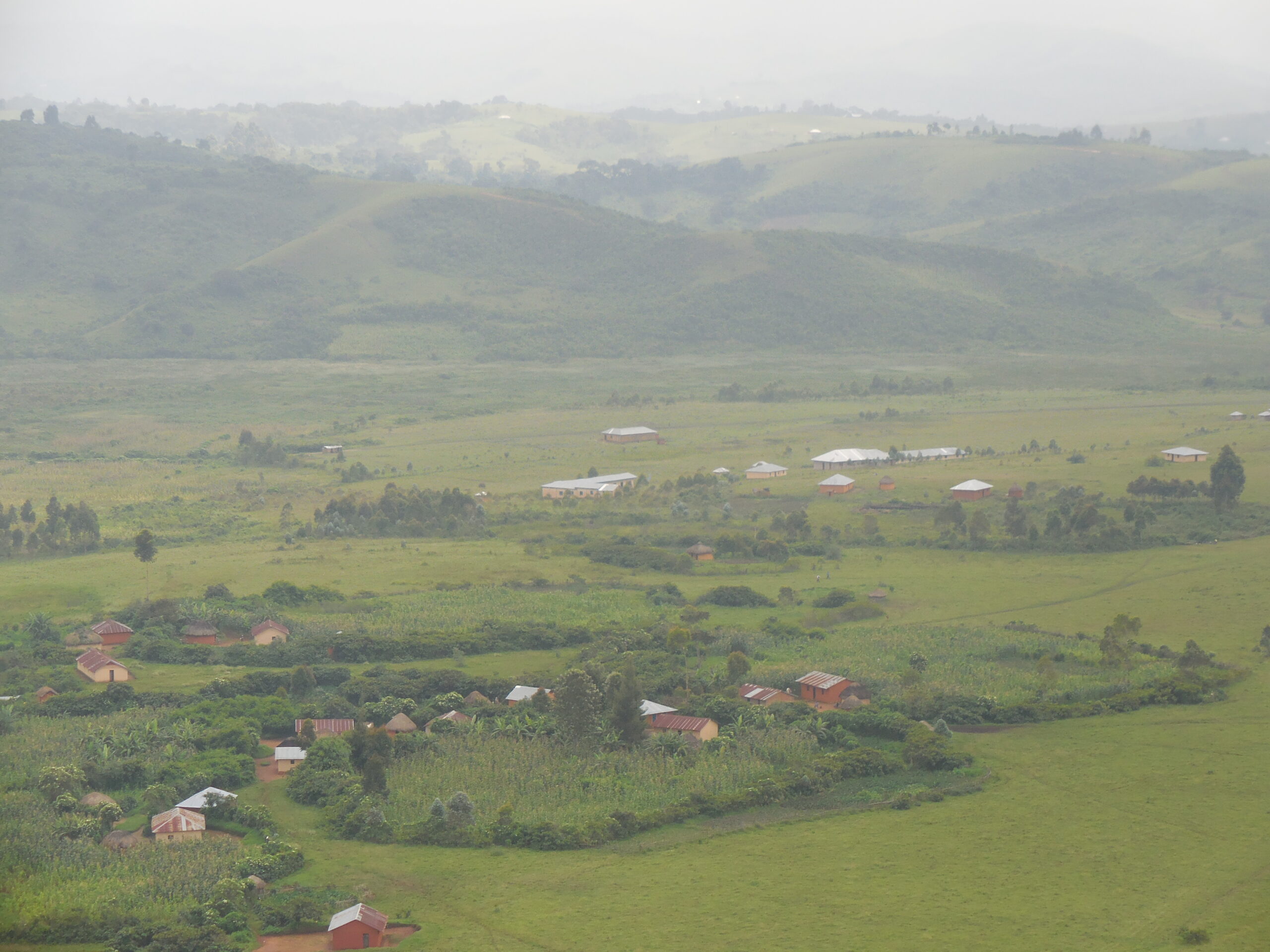




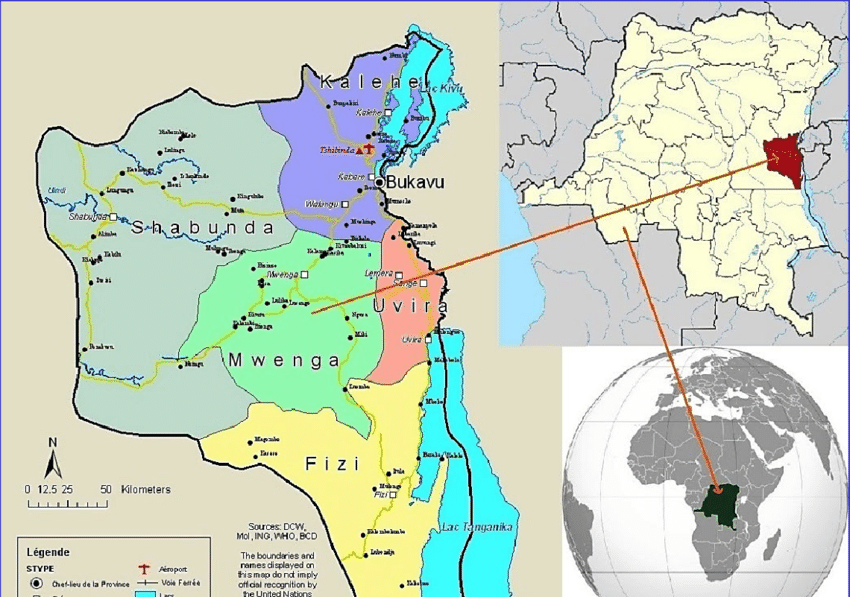
Minembwe, a mountainous commune in South Kivu, eastern Democratic Republic of Congo, rarely appears in international headlines. Yet beneath its rolling hills and isolated villages lies a crisis that has shaped generations an unending conflict that has displaced thousands, destroyed entire communities, and left the Banyamulenge ethnic group fighting for its very existence.
Local self-defense groups, most prominently TWIRWANEHO, have become the last line of protection for civilians in a region where state authority is weak, trust in national institutions is broken, and armed groups operate with near-total impunity.
As one of the most vocal community figures in the diaspora, CEO Officer Jean de Dieu, Ambassador of Peace of Banyamulenge in Australia, places the situation in stark terms:
“TWIRWANEHO is not an army it is a lifeline. Without them, the hills of Minembwe would be silent.”
This investigation examines why diaspora communities across Europe, the United States, Australia, and East Africa are being urged to intensify support for TWIRWANEHO, and why analysts warn that failure to do so could accelerate the disappearance of the Banyamulenge from their ancestral highlands.
A Region at the Edge: The View from Minembwe
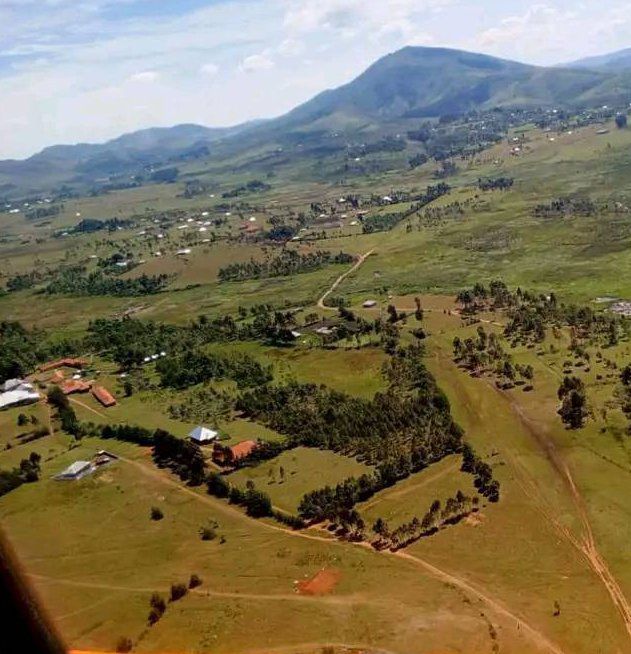
To reach Minembwe, one must travel through days of treacherous roads, long patches of insecurity, and forests controlled by various militias. Villages often sit atop ridges exposed to attacks from multiple directions.
Local sources describe a pattern: armed groups surround cattle-herding communities, burn villages, steal livestock, and force families into makeshift camps on nearby hills.
For many residents, the Congolese national army (FARDC) is either absent, overwhelmed, or viewed with suspicion due to previous allegations of selective protection.
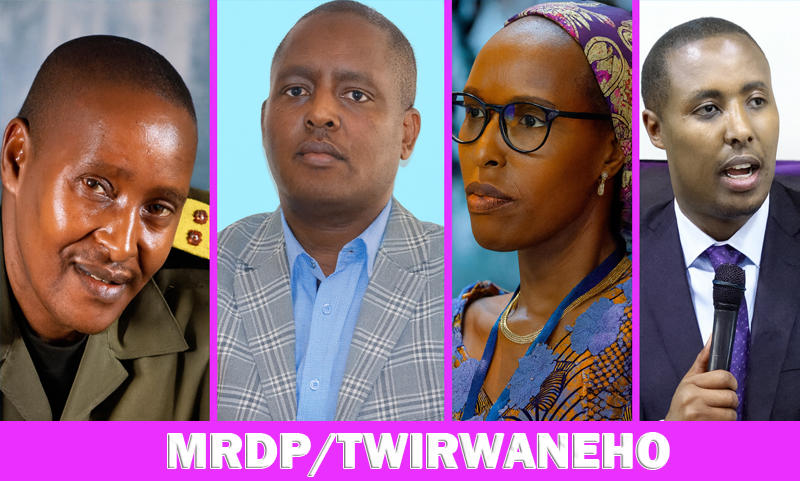
It is in this vacuum that TWIRWANEHO literally “Let us defend ourselves” emerged.
Unlike formal armed groups, TWIRWANEHO is composed primarily of young men defending their parents’ farms, churches, and grazing lands. Their existence is controversial in a country where armed groups proliferate, but for local civilians, they remain the only force standing between survival and annihilation.
CEO OFFICER Jean de Dieu captures this sentiment:
“People misunderstand TWIRWANEHO because they judge from a distance. But for a grandmother sleeping in the bush with her grandchildren, they are the reason she is alive.”
The Silence of the World
Despite decades of conflict, Minembwe remains largely invisible on the international stage. Humanitarian agencies operate in limited capacities; media access is almost nonexistent; and political attention in Kinshasa centers on national elections rather than remote conflicts.
Analysts say this silence is not accidental.
“Crises in eastern Congo that are geographically isolated rarely receive attention unless they affect regional geopolitics,” explains one researcher at the Great Lakes Observatory.
However, for the Banyamulenge diaspora, scattered from Nairobi to Brussels, from Minneapolis to Sydney, silence is no longer an option.
Why the Diaspora Matters Now More Than Ever
A Community with Global Reach
Over the last 25 years, waves of displacement have led thousands of Banyamulenge to seek refuge abroad. Many have gained education, employment, and political connections in their new host countries.
This global presence has created what Jean de Dieu describes as a strategic advantage:
“Our people abroad have something that those in Minembwe do not access. Access to information, to institutions, to lawmakers, to media. These are tools of protection.”
A Crisis of Existence, Not Politics
Interviews conducted for this investigation indicate growing anxiety among residents of Minembwe. As cattle theft rises and villages continue to vanish, families fear that without support, TWIRWANEHO will lack the capacity to withstand sustained pressure from larger armed coalitions.
Diaspora communities are being urged to provide:
- Humanitarian assistance for displaced families
- Strategic communication to counter misinformation
- Advocacy to push the conflict into international forums
- Direct support for community safety initiatives
Experts warn that without diaspora involvement, local defense efforts may weaken, leaving civilians exposed to mass displacement.
Humanitarian Fallout: Life on the Hillsides
In the hills outside Minembwe centre, dozens of families gather nightly around makeshift fires. Their homes, once filled with livestock and harvests, now lie in ashes.
Children suffer most malnutrition, malaria, and trauma are widespread. A local pastor who requested anonymity told Afrovera Investigations:
“Every time armed groups approach, we flee. Sometimes we flee twice in the same week. We have lost our animals, our crops, even our graves.”
TWIRWANEHO fighters often escort civilians to safer locations, then return to repel attacks.
However, their ability to perform such tasks depends heavily on whether they have basic supplies boots, food, communication tools much of which has historically come from the diaspora.
The Diplomatic Front: Where Diaspora Influence Is Decisive
Diplomacy plays a central role in shaping how conflicts are understood and addressed. Banyamulenge diaspora advocacy has already produced incremental progress, including briefings with UN rapporteurs and meetings with lawmakers in Europe and the U.S.
However, analysts say these efforts remain fragmented and insufficiently coordinated.
“Other communities in the region lobby aggressively,” says a political observer in Brussels. “If the Banyamulenge want international recognition of their suffering, they must match or exceed that level of organization.”
CEO OFFICER Jean de Dieu agrees:
“Our survival cannot depend on chance. It must depend on strategy. The diaspora must speak with one voice firm, factual, and fearless.”
Internal Divisions: An Obstacle More Dangerous Than Bullets
Every conflict produces its share of political fractures, and Minembwe is no exception. Personal rivalries and ideological differences within diaspora groups have repeatedly undermined collective action.
Experts say this internal fragmentation is among the most dangerous threats to the community.
“We have seen communities lose everything not because of external enemies, but because they could not unite,” warns a historian at the Centre for Genocide Prevention.
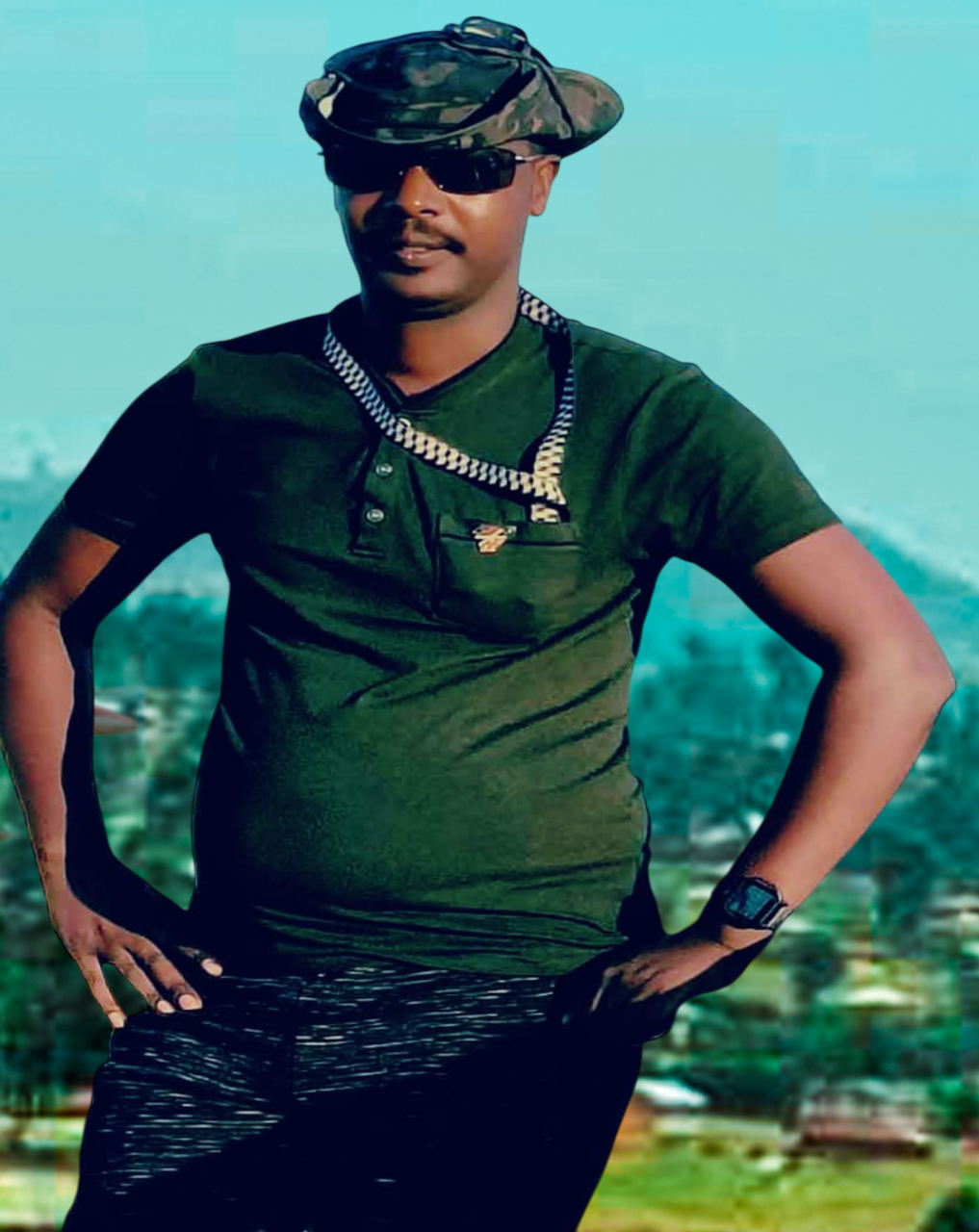
CEO OFFICER Jean de Dieu has repeatedly called for unity:
“We can disagree on politics, but we cannot disagree on survival. Minembwe must be protected full stop.”
What Afrovera’s Investigation Reveals: A Turning Point
All evidence from field interviews, humanitarian reports, survivor testimonies, and diaspora assessments suggests that the Banyamulenge are approaching a defining moment.
If the diaspora increases its support through advocacy, humanitarian aid, and strategic communication the balance of survival may tilt in favor of civilians.
If they do not, analysts warn that the region may witness irreversible demographic and cultural loss. TWIRWANEHO’s continued resilience is tied directly to whether the diaspora views Minembwe not as a distant memory, but as an urgent responsibility.
CEO OFFICER Jean de Dieu’s closing message to Afrovera Investigations is unambiguous:
“If we abandon Minembwe, we abandon our history. And a people without history has nowhere to go.”
Conclusion: A Call Heard Across Continents
Minembwe’s war may be invisible to much of the world, but it is painfully visible to those who call it home. With each passing month, the stakes rise.
For the diaspora, this is no longer a matter of sentiment it is a strategic, moral, and historical imperative. TWIRWANEHO stands on the front lines, but they cannot stand-alone.
The question, then, is no longer, whether the diaspora should act, but how quickly and how decisively it will move.
Because in the words of CEO Officer Jean de Dieu:
“Our survival begins the moment we decide to stand together wherever we are in the world.”