Home Blog Page 110

Alexander Isak Misses Newcastle Pre-Season Tour as Liverpool Transfer Rumors Heat Up

0

Alexander Isak, one of Newcastle United’s top players, has not joined his team on their pre-season tour of Asia. This comes just after reports that Liverpool is very interested in signing him. 

Newcastle says Isak is staying home because of a thigh injury. But the timing has raised eyebrows, especially since Liverpool made an approach to sign him just a week ago. 

Before this, Newcastle manager Eddie Howe had already removed Isak from the squad before a friendly match against Celtic. That game ended in a 4-0 loss for Newcastle. 

Isak had been training with the team during their camp in Austria. But because of the rising speculation around his future, Howe decided it was better to send him home. 

After the loss to Celtic, Howe told reporters: “It was my decision to send him home. With all the rumors about his future, it wouldn’t have been fair for him to sit and watch in the stands.” 

Now, the Magpies are heading to Singapore to face Arsenal. After that, they will travel to South Korea to play against the K-League All-Stars and Tottenham Hotspur. 

Isak will miss all these matches. Medical staff are worried that flying long distances could make his injury worse. 

Even though he’s injured, many fans and experts believe Isak is being kept away due to the transfer rumors. His absence has only fueled more talk. 

Liverpool, who recently signed Hugo Ekitike for £79 million, are said to still be very keen on Isak. Ironically, Ekitike was also a Newcastle target. 

Reports suggest that Isak is open to joining Liverpool. He is believed to be excited about the idea of playing at Anfield for the Premier League champions. 

Arsenal also likes Isak, and Saudi Arabia’s Al-Hilal is reportedly ready to offer big money for him. 

Despite all this, Newcastle says Isak is not for sale. But if they were forced to let him go, they would ask for at least £125 million, a new British transfer record. 

Isak used to play for big European clubs like Real Sociedad and Borussia Dortmund. He signed a long-term contract with Newcastle, which runs until 2028. 

He also didn’t play in a secret match against non-league side Carlisle United before the Austria tour. That game was behind closed doors. 

After the Celtic game, Howe added: “Alex is happy here. He loves the team, the club, and the city. I’ve had talks with him, and I’m confident he’ll still be with us when the season starts.” 

Still, Howe admitted that he can’t give full clarity on any player’s future. “There’s always noise during transfer windows,” he said. 

Isak has stayed professional during training, according to the club. But the situation is clearly sensitive, and his future is now a major talking point in football circles. 

On social media, fans are debating whether Isak is truly injured or just being protected while a transfer is being discussed. 

With the transfer window still open for several weeks, the story is far from over. 

Isak’s next move, whether to stay at Newcastle or leave for Liverpool, could shape the upcoming Premier League season. 

For now, Newcastle will play their pre-season matches without him, and fans will wait and watch. 
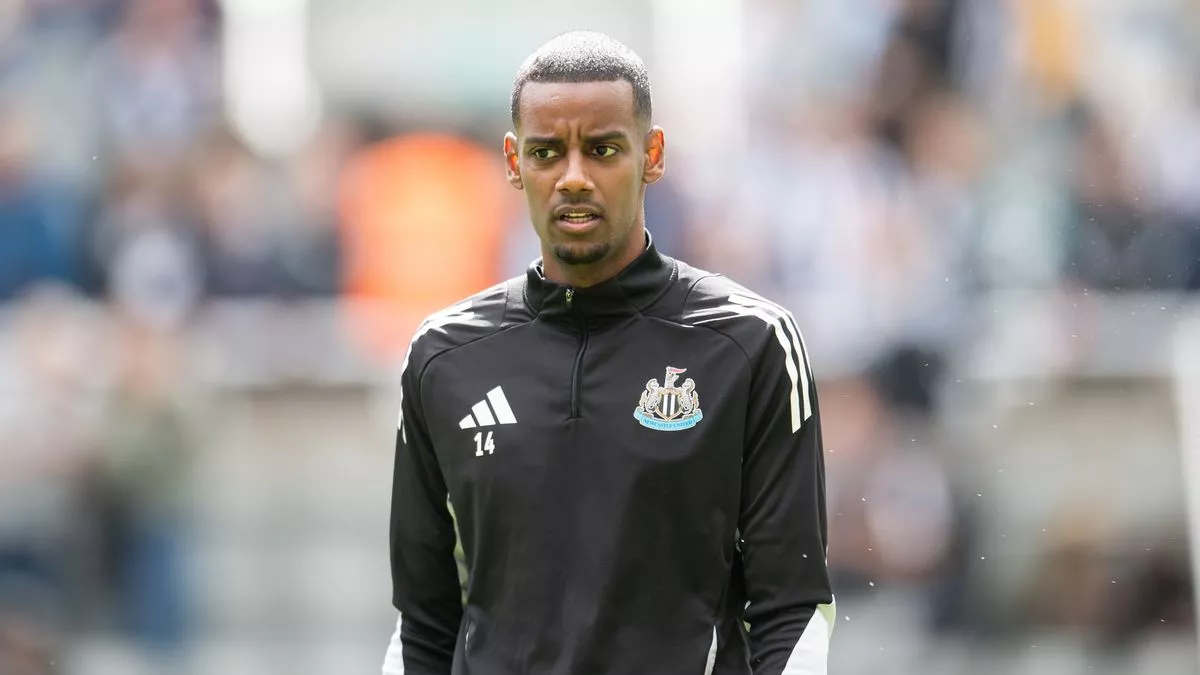
Alexander Isak hasn’t travelled with Newcastle (Image: Scott Llewellyn | MI News/NurPhoto via Getty Images)
Alexander Isak is reportedly nursing a thigh injury ( Image: George Wood/Getty Images)

U.S. Warns DR Congo against Collaborating with Sanctioned FDLR Rebel Group

0

The United States has warned the government of the Democratic Republic of Congo (DRC) against cooperating with the FDLR, a rebel group it has designated as a terrorist organization and subjected to sanctions.

This message was delivered on July 23, 2025, by Tammy Bruce, spokesperson for the U.S. Department of State, while outlining America’s role in supporting peace efforts in the DRC and the broader Great Lakes region.

Bruce reminded the DRC of the key provisions in the peace agreement signed between Rwanda and the DRC on June 27with U.S. facilitationincluding the disbanding of the FDLR and the removal of defensive measures imposed by Rwanda.

“The United States urges the DRC to immediately cease all cooperation with the FDLR, an armed group under U.S. and UN sanctions, and to hold accountable those collaborating with it,” she stated.

The FDLR was formed by remnants of the former Rwandan army (Ex-FAR), Interahamwe militia, and political figures from the regime of former President Juvénal Habyarimanamany of whom played a key role in the 1994 Genocide against the Tutsi.

While operating under its former name, ALiR, the group launched a deadly attack in Uganda’s Bwindi National Park in 1999, killing nine people, including two American tourists. That incident led to the U.S. officially designating the group as a terrorist organization.

For over two decades, the U.S. has imposed sanctions on various FDLR leadersfreezing any assets they may hold in the United States and barring them from receiving U.S. visasdue to their destabilizing activities in the DRC.

In August 2023, the U.S. sanctioned several senior FDLR figures, including Apollinaire Hakizimana, then-FDLR military commissioner; Brig. Gen. Sebastien Uwimbabazi, the group’s intelligence chief; and the late Col. Ruvugayimikore Protogene, alias “Ruhinda”, who commanded FDLR’s elite unit known as CRAP.


DR Congo: M23 Movement Takes Control of Luke and Katobotobo in Masisi

0

On Wednesday, the M23 movement gained control of the areas of Luke and Katobotobo in Masisi Territory, North Kivu province of the Democratic Republic of Congo, according to a civil society representative who spoke to the BBC.

This followed intense fighting on Monday, Tuesday, and Wednesday in the western parts of Masisi between M23 and the Wazalendo self-defense groups, who are generally supported by the national army (FARDC).

The BBC attempted to contact M23 for comment but has not yet received a response.

Local civil society organizations report that since the beginning of the week, large numbers of civilians have fled their homes in areas including Osso Banyungu in the Nyamaboko groupement, Katoyi, Katobotobo, and neighboring villages.

Some Congolese media outlets confirmed that M23 took control of Katobotobo and Luke on Wednesday.

Radio Okapi reports that this week’s clashes involved M23 and Wazalendo fighters affiliated with a faction of the Résistants Patriotes Congolais (PARECO) led by a commander known as Mutayomba.

Meanwhile, gunfire was heard overnight from Monday to Tuesday in the Rusayo groupement, north of the city of Goma, reportedly due to a Wazalendo attack on that area.

Later, in a video statement, the Wazalendo faction known as CMC claimed that its positions in Rusayo were attacked by M23 and that it responded in self-defense. The BBC has not independently verified this information.

Fighting between M23 and Wazalendo CMC was also reported on Monday and Tuesday in Bukombo groupement, within Bwito chiefdom in Rutshuru Territory, also in North Kivu. These clashes reportedly led to further displacement of civilians.

Toward a Permanent Ceasefire

These recurring confrontations come shortly after M23 and the Kinshasa government agreed to a permanent ceasefire during peace negotiations held in Doha, Qatar. The agreement is intended to pave the way for a comprehensive peace accord expected next month.

It remains difficult to determine which party initiates the fighting, as each side regularly accuses the other of being the aggressor.

The Doha agreement, signed by both parties, stipulates that the ceasefire must apply to all combatants involved in the conflict. Both sides also committed to avoiding any actions that could hinder the ceasefire, including attempts to seize new territory by force.

While analysts consider the ceasefire agreement a significant step, they note that the main challenge lies in its enforcement.

A joint monitoring mechanism is expected to be established to oversee compliance with the ceasefire and ensure accountability on both sides.

Representatives of M23 and the Kinshasa government are scheduled to return to Doha for further talks, aiming to conclude and sign a final peace agreement by August 18, 2025, as agreed in documents signed last weekend.

Kenya’s Growing Debt Crisis: Moody’s Warns Local Borrowing May Deepen Economic Trouble

0

Kenya is walking a dangerous financial tightrope, according to a new report by global credit rating agency Moody’s. The agency has raised red flags over the country’s growing debt and its continued strategy of borrowing from the local market to stay afloat. 

In a detailed outlook released on Wednesday, July 23, Moody’s warned that Kenya’s dependence on domestic borrowing is not a long-term solution and may damage the country’s credit profile. The government, which faces mounting debt repayments, is leaning heavily on the local financial market to fund its operations, but at a serious cost. 

Moody’s highlighted that around two-thirds of the government’s financing, or nearly four percent of GDP each year, is coming from domestic sources. This reliance is expected to keep the cost of repaying debts high. Simply put, Kenya is borrowing money at home to repay old loans, which is not a sustainable plan. 

“Kenya will rely predominantly on the domestic market to meet its fiscal financing needs,” the report stated. “But this approach will continue to weigh on debt affordability, a key constraint in Kenya’s credit profile.” 

One of the key challenges, Moody’s noted, is Kenya’s weak tax system. The country collects taxes equal to only 17% of its GDP, a low rate for an economy trying to support such high levels of debt. With limited income and a rising need for funds, the government ends up using a large portion of its revenue just to pay interest on previous loans. 

According to Moody’s, one-third of the government’s total revenue now goes to interest payments. Add in the high public wage bill, payments to counties, and pensions, and over half the national budget is locked in routine expenses, leaving little room for meaningful development or cost-cutting. 

In June, Treasury Cabinet Secretary John Mbadi presented Kenya’s biggest-ever national budget, totaling Ksh4.2 trillion. To finance this, the government plans to borrow Ksh923.2 billion, of which Ksh287.7 billion will come from foreign lenders, and Ksh635.5 billion from local sources. 

Out of Kenya’s total debt, which now stands at Ksh11 trillion, around Ksh5 trillion is borrowed locally, and Ksh5.09 trillion is from foreign lenders. Local debt is made up mostly of Treasury Bills and Bonds. External loans are owed to foreign governments, development banks, and private lenders. 

Kenya’s debt has now reached 63% of its GDP, well above the 55% limit that experts consider manageable for emerging economies. While the Treasury insists the country is still able to meet its obligations, Moody’s disagrees, pointing to troubling indicators. 

One such indicator is Kenya’s interest-to-revenue ratio, which stands at a worrying 33%. This means that for every 100 shillings the government collects, 33 shillings go to pay interest alone. No money from this figure goes toward repaying the original loan, just the interest. 

This level of debt pressure puts Kenya sixth globally in terms of the share of revenue spent on interest payments, according to Moody’s. It paints a picture of a country that is working harder just to stay in the same place, like a person using all their salary to pay credit card interest while the debt keeps growing. 

The situation is made worse by falling Treasury yields over the past year. Lower yields mean that investors are less confident in lending money to the government, which could further limit available options for financing. 

To avoid a full-blown debt crisis, Moody’s says Kenya needs to urgently secure more support from international lenders. A key step would be negotiating a new financial assistance programme with the International Monetary Fund (IMF). 

Currently, Kenya is facing annual external debt repayments of about $3.5 billion (around Ksh450 billion), which further strains the budget. A deal with the IMF could help Kenya cover these costs and ease the pressure on the local economy. 

The government is expected to resume talks with the IMF this coming September. Observers hope these discussions will lead to new funding arrangements that can slow the country’s debt spiral and restore confidence in its financial future. 

In the meantime, ordinary Kenyans may continue to feel the squeeze as the government prioritizes debt repayments over services like health, education, and infrastructure. Moody’s message is clear: unless bold steps are taken, Kenya risks falling deeper into a financial hole from which it may struggle to escape. 

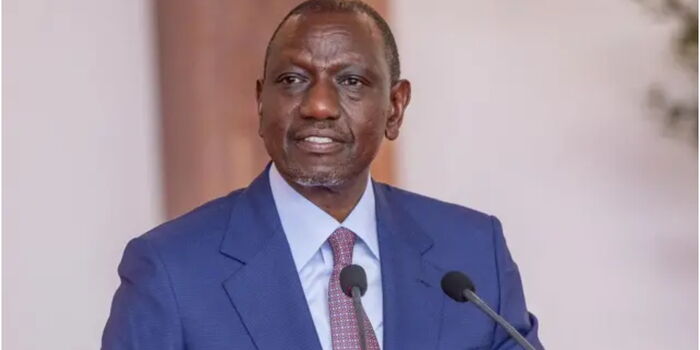
President William Ruto during a recent address on July 8, 2025. PCS
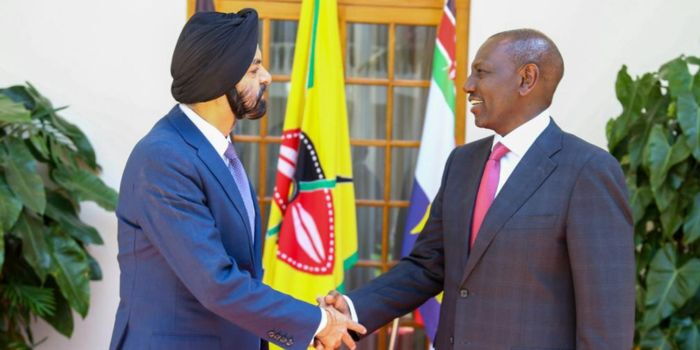
President William Ruto and World Bank President Ajay Banga at State House, Nairobi on March 8, 2023. PCS
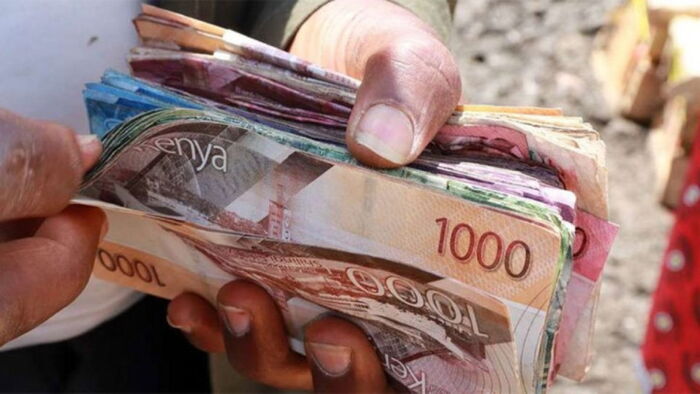
A person counting money in Kenyan currency. Photo: Kenyans.co.ke

Has Kenya Found the Game-Changer in HIV Prevention? New Injection Coming in 2026 at a Surprisingly Low Cost

0

A new HIV prevention injection called Lenacapavir is coming to Kenya, and it may change everything. This powerful shot only needs to be taken twice a year and will cost Sh6,000 per dose, according to Andrew Mulwa, the head of Kenya’s National AIDS and STD Control Programme (NASCOP). 

Speaking on NTV Kenya, Dr. Mulwa explained that the new injection is a major breakthrough in the fight against HIV. Unlike daily pills, which some people forget or stop taking, this shot gives protection for six months with just one jab. But he also warned that Lenacapavir does not protect against other sexually transmitted infections (STIs), it’s only for HIV. 

Kenyans will be able to get this injection starting January 2026. Many health experts are calling this a big step forward in protecting people who are at high risk of getting HIV, especially young women and adolescent girls in vulnerable communities. 

The World Health Organization (WHO) announced on July 14 that Lenacapavir is a good option for preventing HIV. They said it should be offered alongside other methods like condoms and daily pills. WHO also praised the convenience of the new injection, only two shots a year are needed. 

This new HIV prevention drug is especially important for Kenya. The country ranks 7th in the world for HIV burden. Around 1.4 million people in Kenya are living with HIV. Because of this, Kenya was chosen as one of only nine African countries to receive Lenacapavir through special health programs funded by international partners. 

Other African countries in the program include Nigeria, South Africa, Zimbabwe, Zambia, Lesotho, Mozambique, Uganda, and Eswatini. These are places where HIV rates are still very high, and new prevention tools are urgently needed. 

The programs supporting this rollout include the Global Fund, Tiko Africa, and UNAIDS. These groups aim to make Lenacapavir affordable and widely available, especially for young women and girls who are at high risk of HIV infection. 

According to the Global Fund, at least 2 million doses of Lenacapavir will be supplied worldwide. Most of these will go to sub-Saharan Africa, where HIV infection rates are among the highest. 

This global deal became possible after the U.S. Food and Drug Administration (FDA) officially approved Lenacapavir for HIV prevention in June 2025. Experts say this is one of the most important developments in HIV prevention in decades. 

The Global Fund said that Lenacapavir gives people more choices in how they protect themselves. It’s especially helpful for those who have trouble taking pills every day, face stigma when using HIV prevention methods, or simply want something more private and convenient. 

Instead of worrying every day about remembering pills, a person can get one shot, and be safe for six full months. Then they only need to return for another shot later in the year. This could help millions of people stay protected without the stress of daily medication. 

Kenyan health officials hope that Lenacapavir will be a life-saving option for many. It will also help reduce the number of new HIV infections in the country, especially in areas where HIV is still spreading quickly. 

The rollout of Lenacapavir will also give doctors and nurses new tools to support their patients. With more prevention choices, healthcare workers can better tailor their advice and treatment to each person’s needs. 

While the Sh6,000 price tag may sound high for some people, the government and partners hope that the cost will be reduced or covered through donor programs and health subsidies, especially for poor or rural communities. 

Lenacapavir won’t replace condoms or pills. But it offers another layer of protection. Experts say that using a mix of prevention methods is the best way to slow and stop the HIV epidemic. 

Already, many Kenyans are asking when and where they can get the shot. The Ministry of Health says more information about the rollout plan will be shared in late 2025. 

If the program is successful, Lenacapavir may become one of the most trusted tools in the fight against HIV, not only in Kenya but across Africa and the world. 

For now, Kenyans are being encouraged to stay informed, keep using current prevention methods, and prepare to talk to their doctors or health workers about Lenacapavir in the coming months. 

This could be the beginning of a new chapter in Kenya’s long fight against HIV. 

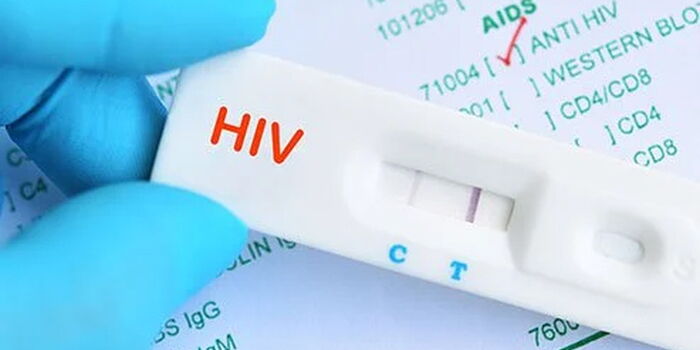
A medic holding an HIV testing kit. Photo: GCAPP
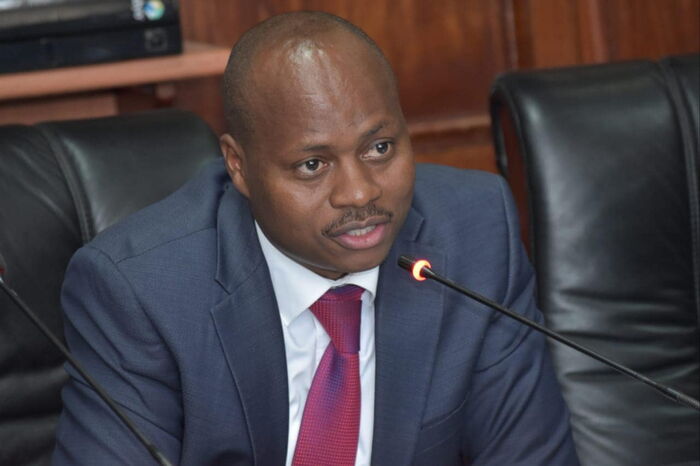
Director of Medical Services and head of preventive and promotive health, Andrew Mulwa, appeared before a Parliamentary committee on Tuesday, September 5, 2023. Photo: Parliament of Kenya
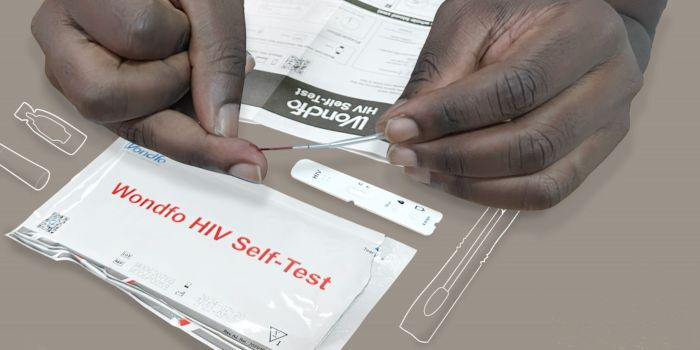
An HIV self testing kit. Photo: MedAccess

Has KDF Scrapped Free Soldier Lunches? Army Commander David Ketter Breaks Silence on PAYE Rumors

0

The Kenya Defence Forces (KDF) has strongly denied rumors that it is cutting lunch allowances from soldiers’ payslips. This came after rising concerns among service members and the public about a new meal program launched on July 1. 

Lieutenant General David Ketter, Commander of the Kenya Army, spoke during his first official baraza at the Kenya Army Headquarters in Ngao Gardens, Nairobi, on Tuesday, July 23. He addressed the ongoing confusion about the new Pay-As-You-Eat (PAYE) meal system. 

General Ketter made it clear that KDF has not scrapped free meals nor started deducting money from soldiers’ salaries. “There is no deduction from payslips, and lunch allowances are not being redirected through DESACCO,” he said. “These are just false stories that have caused unnecessary panic.” 

The PAYE system had sparked fear, with some claiming that it was a hidden plan to remove soldiers’ free meals. This led to tension within army camps and even sparked discussions on social media. Some soldiers reportedly skipped meals in protest, worried that their already tight salaries were being reduced further. 

However, the Commander explained that the PAYE system is about giving soldiers more freedom. Instead of a one-size-fits-all meal plan, the new system allows each soldier to decide what they want to eat, when they want to eat, and where. 

“The PAYE model is built on the idea of choice,” Lt Gen Ketter said. “Each service member can now select food that fits their personal taste, culture, and health needs. Food is deeply personal, and we understand that.” 

He also assured everyone that all soldiers, whether officers or lower-ranking personnel, receive the same meal allowance. This allowance is not disappearing, just being redirected into a system that offers flexibility and fairness. 

To make this process smooth, KDF has introduced a mobile app that soldiers can use to book and pay for meals quickly and easily. This, the commander said, will improve convenience and reduce confusion. 

Lt Gen Ketter also said KDF cafeterias in military camps will be upgraded. The goal is to provide clean, fast, and reliable dining services so that soldiers can enjoy their meals without long waits or bad service. 

His message was clear: the well-being of soldiers is a top priority. “We understand that a hungry soldier cannot fight,” Ketter said. “That’s why this new system is about improving, not removing, your access to food.” 

The baraza also gave the Commander a chance to outline his leadership vision. He emphasized the importance of discipline, honesty, and teamwork in achieving KDF’s goals. His speech was well-received, especially because it directly addressed the fears many soldiers had been whispering about in recent weeks. 

Some soldiers had earlier told local media that they were shocked to see lower payslips this month and feared it was tied to the new meal system. But KDF has now officially denied those claims and asked soldiers not to panic. 

“We want our personnel focused on their mission, not distracted by false rumors,” said Lt Gen Ketter. 

He also criticized those spreading lies about DESACCO, saying the Defense Savings and Credit Cooperative Society has not been involved in any meal deductions. 

As part of his reforms, Lt Gen Ketter has promised more open communication with troops. This includes more regular baraza meetings, where soldiers can ask questions and get straight answers from leadership. 

In conclusion, the PAYE system is not a punishment, but a modern way to give Kenya’s soldiers better meal choices. It is also part of a wider reform effort aimed at increasing transparency and improving service delivery within the KDF. 

By setting the record straight, Lt Gen David Ketter has brought calm to the camps and reaffirmed that KDF stands by its soldiers. The lunch table is still open, and no one is going hungry, unless they choose to. 

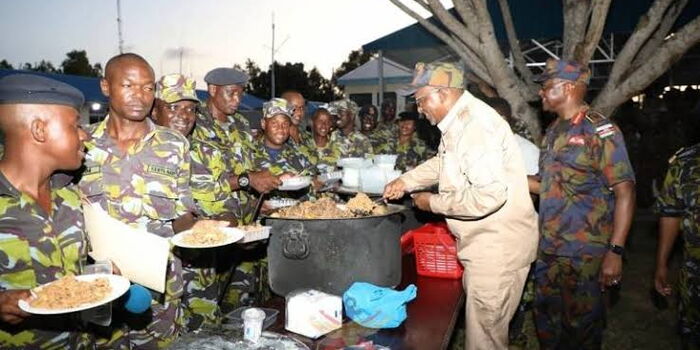
Kenya Defense Forces soldiers serving their meals, January 27, 2025. Photo: MOD
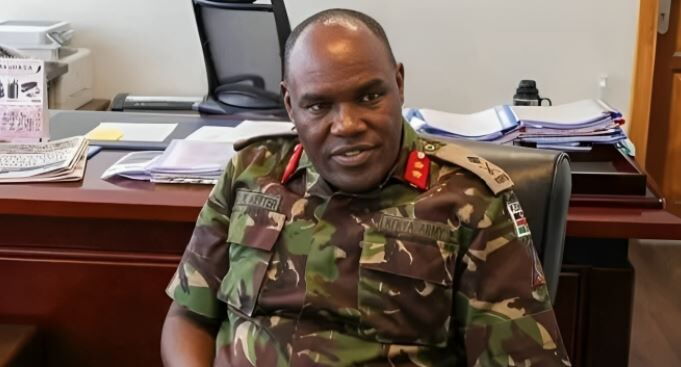
Kenya Army Commander Lieutenant General David Ketter, July 23, 2025. Photo: MOD
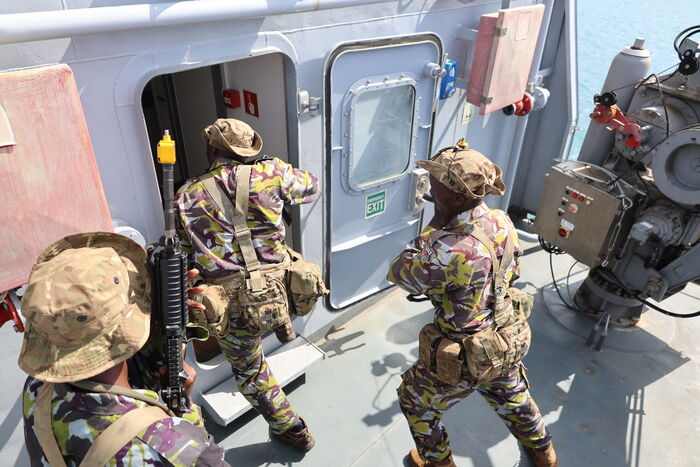
Kenya Defence Forces officers from the Navy during a past drill session. Photo: KDF

Kenyan Teacher Vanishes After Shocking Grooming Scandal at Alliance Girls – CS Ogamba Speaks Out Amid National Outrage

0

A growing storm is shaking Kenya’s education system after disturbing reports emerged from Alliance Girls High School, where a male teacher has been accused of grooming and inappropriate conduct toward students.  

The scandal has sparked national outcry, and now the whereabouts of the teacher are unknown, according to Education Cabinet Secretary Julius Ogamba. 

On Wednesday, July 23, CS Ogamba addressed the nation during an official function. He confirmed that both internal and police investigations had been launched. But the most alarming part? The accused teacher has disappeared. 

“We are working closely with police. As a government, we have a strict policy of no grooming and no inappropriate advances towards students,” Ogamba said. “If we find any teacher involved, male or female, legal action will be taken.” 

This case has gained massive attention after a detailed report from Africa Uncensored surfaced. It revealed disturbing patterns: the accused teacher, who also led the Christian Union at the school, allegedly used his position to target vulnerable girls. These actions reportedly led to non-consensual encounters that went beyond mentorship. 

The scandal has brought renewed calls for accountability and protection in Kenya’s top academic institutions. Several former and current students came forward in the report, sharing painful stories of manipulation and abuse. 

Education CS Ogamba acknowledged the gravity of the matter and said that field officers from the Ministry had already been deployed. They are working with Boards of Management and school principals to identify others who might have been involved. 

“We’ve told our officers to go into schools and work with headteachers and boards to ensure that anyone implicated faces the full force of the law,” Ogamba stated. 

Women’s rights organizations, including FIDA-Kenya, have put pressure on the government to act swiftly. In a strongly worded statement, FIDA demanded that not only the teacher but also those who protected or ignored his actions be held responsible. 

“The Ministry must also implement institutional mechanisms for students to report malpractice without fear of retaliation,” FIDA-Kenya said. “Finally, clear and enforceable measures must be introduced to ensure the safety and dignity of all learners.” 

The case has deeply shaken parents, students, and alumni of Alliance Girls High School, one of Kenya’s most respected institutions. Many feel betrayed that a teacher could exploit his role in such a setting. 

Ogamba didn’t only address the grooming case. He also commented on the recent wave of student unrest that’s affecting several schools across the country. The most recent disruption occurred at Nakuru Girls High School, which was closed indefinitely after students protested over upcoming exam schedules. 

“Normally, when exams are around the corner, some unrest arises. But we’ve advised headteachers and field officers to listen to students and support them, so they don’t panic,” Ogamba said. 

The twin crises, grooming at Alliance Girls and strikes in schools, have drawn attention to the mental health and safety of students. Parents are calling for more transparency, better protection systems, and safer learning environments. 

The Ministry of Education is now under immense pressure to act not only with speed but with integrity. The public wants to know: How could this happen at a top school? And why did it take so long for someone to sound the alarm? 

As investigations continue and the teacher remains missing, Kenya watches and waits, hoping that justice will be served, and such tragedies prevented in the future. 

This case is a wake-up call. The nation must not forget the voices of the girls who came forward. Their courage demands action. 

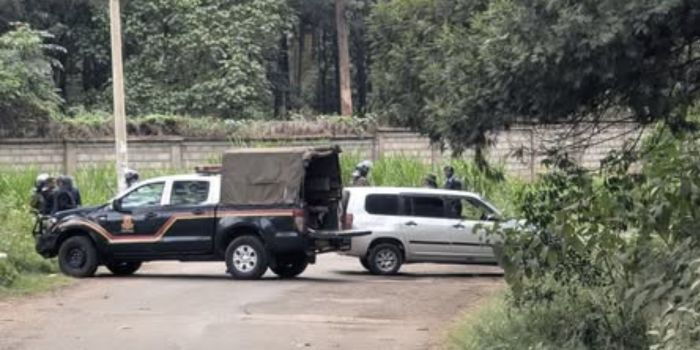
A police vehicle parked outside Alliance Girls High School. Photo
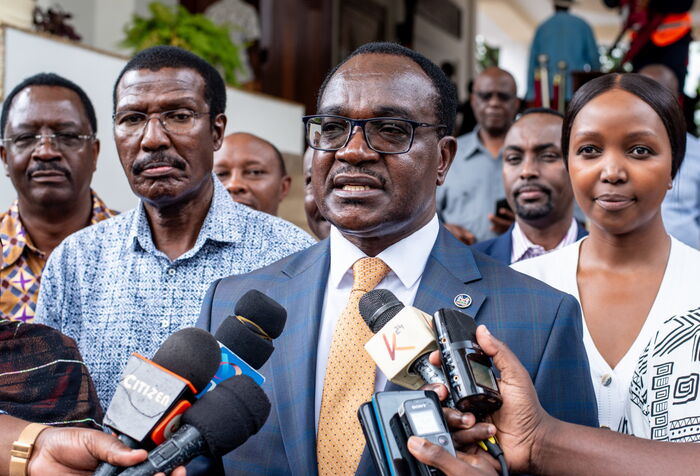
Education CS Julius Ogamba addressing the press after a retreat with Chairpersons of Councils of Public Universities in Mombasa County on June 17, 2025. Photo: Ministry of Education
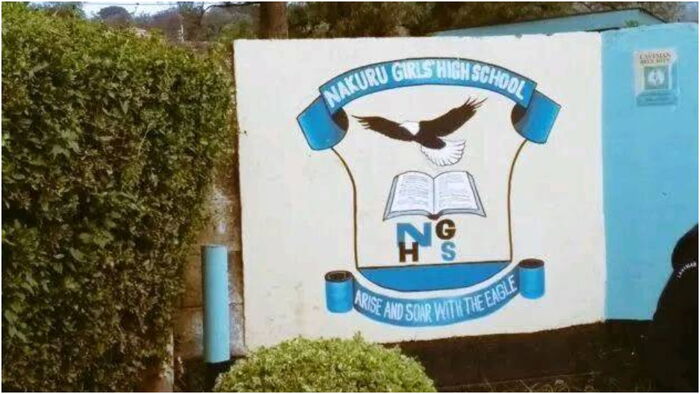
The entrance of Nakuru Girls’ High School. Photo: Nakuru Girls

Global Virus Alert: WHO Warns of Incurable Mosquito-Borne Disease Spreading Fast from Kenya, Echoing 2005 Disaster

0

A fresh wave of concern is sweeping across the global health community as the World Health Organisation (WHO) warns about a dangerous virus re-emerging in Africa. Chikungunya, a mosquito-borne disease known for causing severe fever and long-lasting joint pain, has returned with force, this time hitting Kenya’s coastal regions. 

Health authorities in Mombasa County have confirmed that the disease is already spreading. Out of 45 samples collected and tested by the Kenya Medical Research Institute (KEMRI), 25 people were found to be infected.  

The most affected parts of Mombasa include the densely populated sub-counties of Mvita, Nyali, Likoni, and Kisauni. These areas are now under serious watch as health officials rush to contain the outbreak. 

Chikungunya is not a new virus. It was first identified in 1952 in Tanzania. But now, more than 70 years later, it is threatening a return on a much larger scale. According to WHO, nearly 5.6 billion people across 119 countries live in areas that are at risk. This includes not just African nations but also places in Asia, Europe, and beyond. 

The current outbreak began earlier in 2025 in several Indian Ocean islands, such as La Reunion, Mayotte, and Mauritius. These are the same islands that were at the heart of a devastating chikungunya epidemic two decades ago. That past epidemic affected nearly half a million people and eventually spread far beyond its point of origin. 

Now, WHO says it sees disturbing signs of history repeating itself. Diana Rojas Alvarez, a medical officer at the organisation, said the current outbreak mirrors the same pattern seen in 2004 and 2005. Back then, the world was caught off guard. Today, the organisation is sounding the alarm early, hoping to avoid another global crisis. 

In Kenya, the confirmation of the virus has raised major concern. The hot and humid climate of coastal regions provides the perfect environment for the mosquitoes that transmit the virus.  

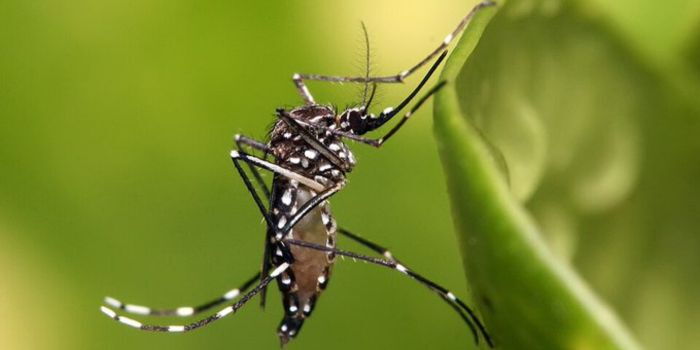
Unlike the malaria-transmitting mosquitoes that bite at night, the ones responsible for chikungunya prefer to strike during the day. These mosquitoes, Aedes aegypti and Aedes albopictus, are aggressive daytime biters that thrive in standing water and urban environments. 

For many infected people, the disease begins with high fever and intense joint pain. These symptoms usually appear about four to eight days after being bitten. But unlike many other viral illnesses, the pain caused by chikungunya can linger for weeks, months, or even years. In some cases, the pain never fully disappears, leaving victims with long-term disabilities. 

Other symptoms include muscle aches, fatigue, headache, skin rashes, nausea, and swelling in the joints. In most cases, the disease is self-limiting, meaning it can clear up on its own.  

But for babies, the elderly, and those with pre-existing medical conditions, chikungunya can be extremely dangerous. Organ damage and death are possible when the body cannot manage the effects of the infection. 

There is no vaccine and no specific cure for chikungunya. The best doctors can offer are treatments to manage the symptoms. The WHO recommends the use of paracetamol or acetaminophen to reduce fever and relieve pain. Proper rest and staying well-hydrated also play a key role in recovery. 

In areas like Mombasa, where the virus has been confirmed, residents are being encouraged to take immediate preventive steps.  

Wearing long-sleeved clothing, closing windows and doors, using repellents, and removing stagnant water from around the home can help reduce exposure to mosquitoes. In homes with elderly people, children, or sick patients who sleep during the day, mosquito nets are highly recommended. 

The fear now is that if no action is taken, the virus could quickly spread from Kenya to other countries. With modern travel and trade routes, an infected person or mosquito could carry the virus across borders in a matter of hours. This is why WHO’s alert is being taken so seriously by governments, health ministries, and aid organisations. 

Kenya’s Ministry of Health is already working with WHO and KEMRI to monitor and control the outbreak. Public awareness campaigns are being launched to educate people on the symptoms of the disease and how to protect themselves and their families. Medical teams are on the ground in the affected regions to respond quickly to new cases. 

Still, there is concern that many people do not fully understand the threat. Because the name chikungunya may sound unfamiliar or unimportant, some residents may ignore early symptoms or delay seeking treatment. Experts say that early diagnosis and care can greatly reduce the long-term impact of the disease. 

For Kenya, this outbreak comes at a difficult time. The health system is already stretched thin by other public health challenges. Adding chikungunya to the list raises the risk of overburdening hospitals and clinics, especially in poorer coastal communities. 

The international community is also watching closely. WHO’s warning is not only about Kenya, it’s about what could happen next. Just like in 2005, what starts in one part of the world can quickly spiral into a global emergency if not addressed in time. 

This is not just a Kenyan problem. It is a shared global responsibility. Every country must take steps to ensure that chikungunya does not gain a foothold. Whether it’s better disease monitoring, mosquito control efforts, or public education, the time to act is now. 

As the virus spreads quietly but quickly, WHO’s message is loud and clear: prepare now, or pay the price later. 

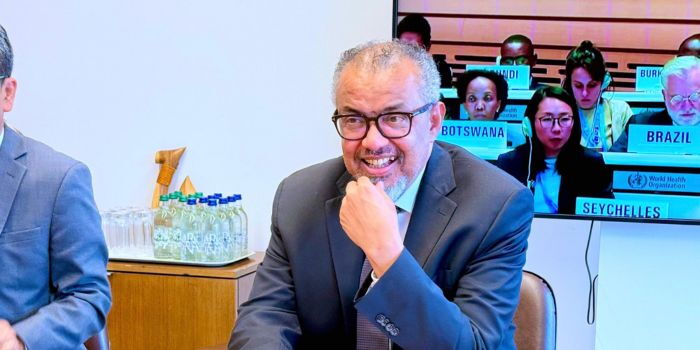
World Health Organisation Director-General Dr. Tedros Adhanom Ghebreyesus on Wednesday, May 22, 2025. Photo: Aden Duale
An undated photo of the Aedes aegypti mosquito. Twitter
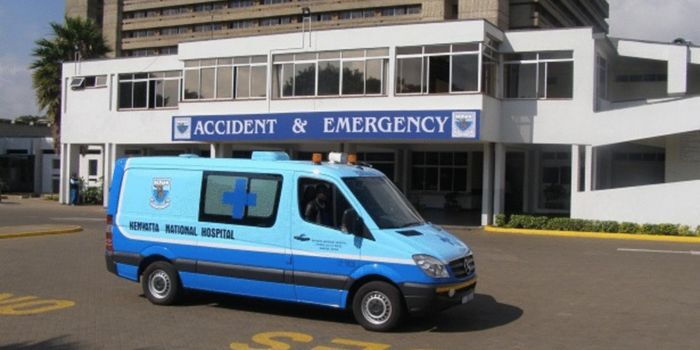
Kenyatta National Hospital Emergency Wing entrance. Photo: KNH

AFC/M23 Halts Wazalendo Attack in Goma

0

The AFC/M23 coalition has stopped an attack launched by the Wazalendo armed groups supported by the government of the Democratic Republic of Congo in the western part of Goma city.

During the night of July 21 to 22, 2025, Wazalendo fighters, suspected to have come from Virunga National Park, launched an assault in the Mugunga area and in the Rusayo groupement.

That night, gunfire echoed for about three hours as AFC/M23 forces pursued the Wazalendo fighters attempting to destabilize the security of Goma.

Residents in other neighborhoods of the city, such as Ndosho and Kyeshero, could hear the gunshots and feared that the attack might reach their areas. However, during that night, AFC/M23 successfully repelled all the Wazalendo fighters.

AFC/M23 has been in control of Goma since January 2025. On July 22, Manzi Willy, the Governor of North Kivu Province appointed by the coalition, announced that their forces were continuing to eliminate all threats to the city’s security.

He said, “Our security forces are relentlessly and dutifully carrying out the mission of dismantling the criminal elements trying to destabilize the safety of our citizens.”

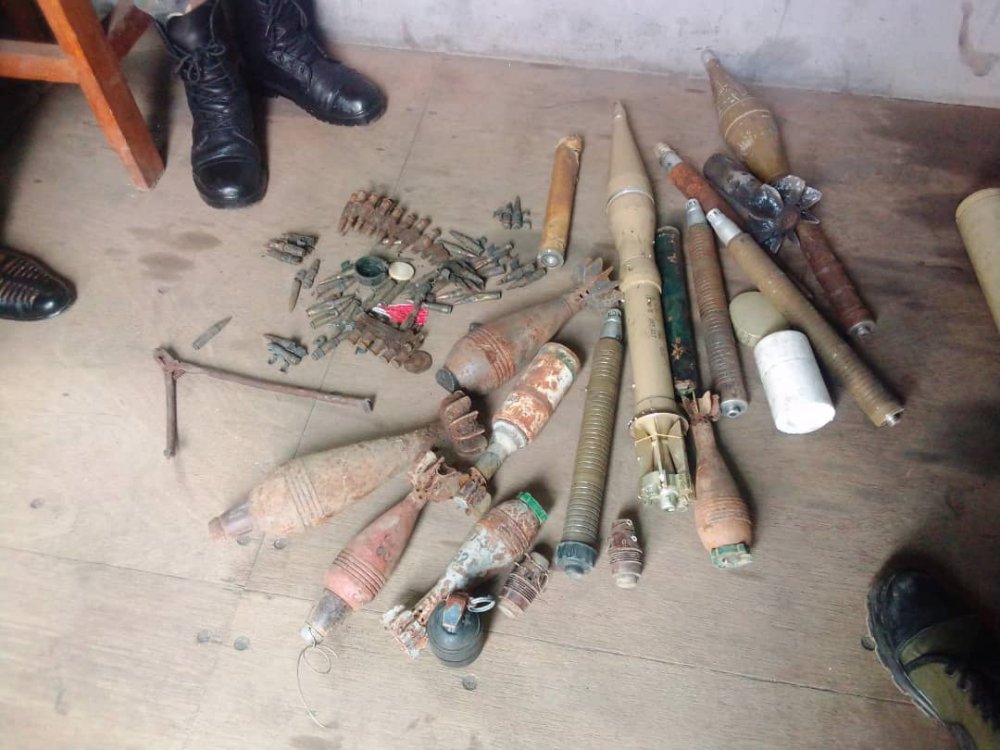
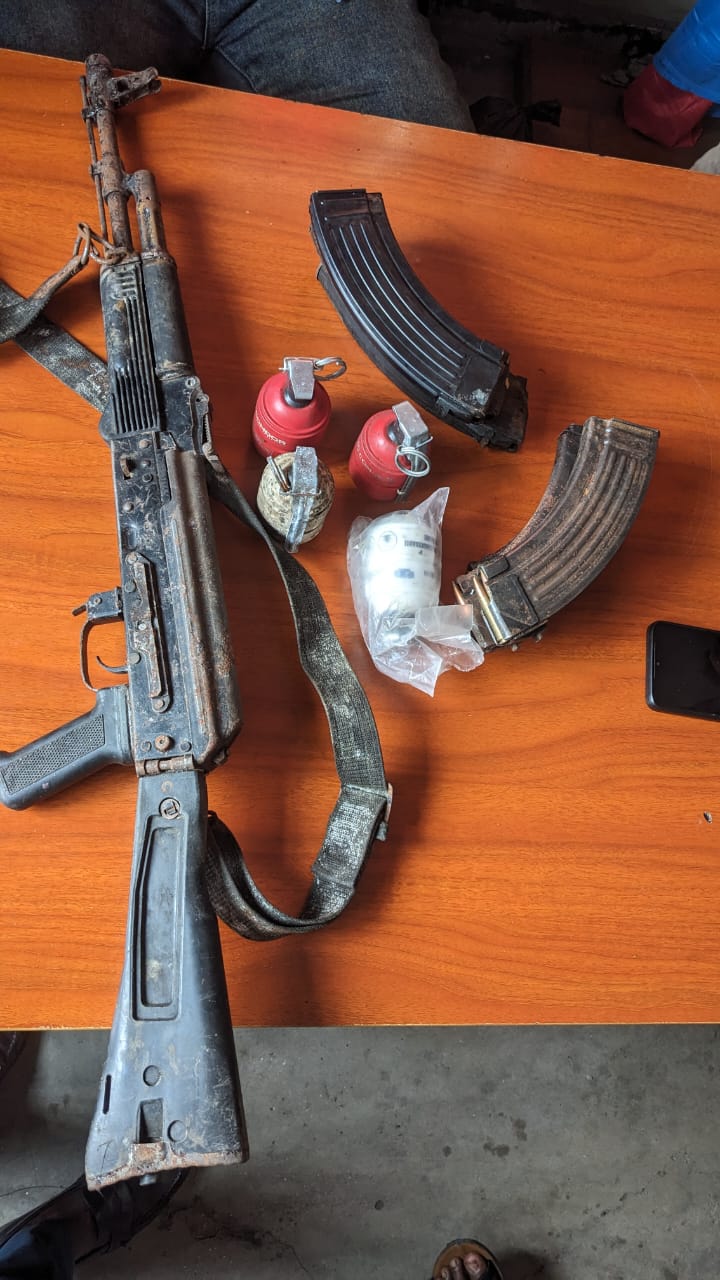
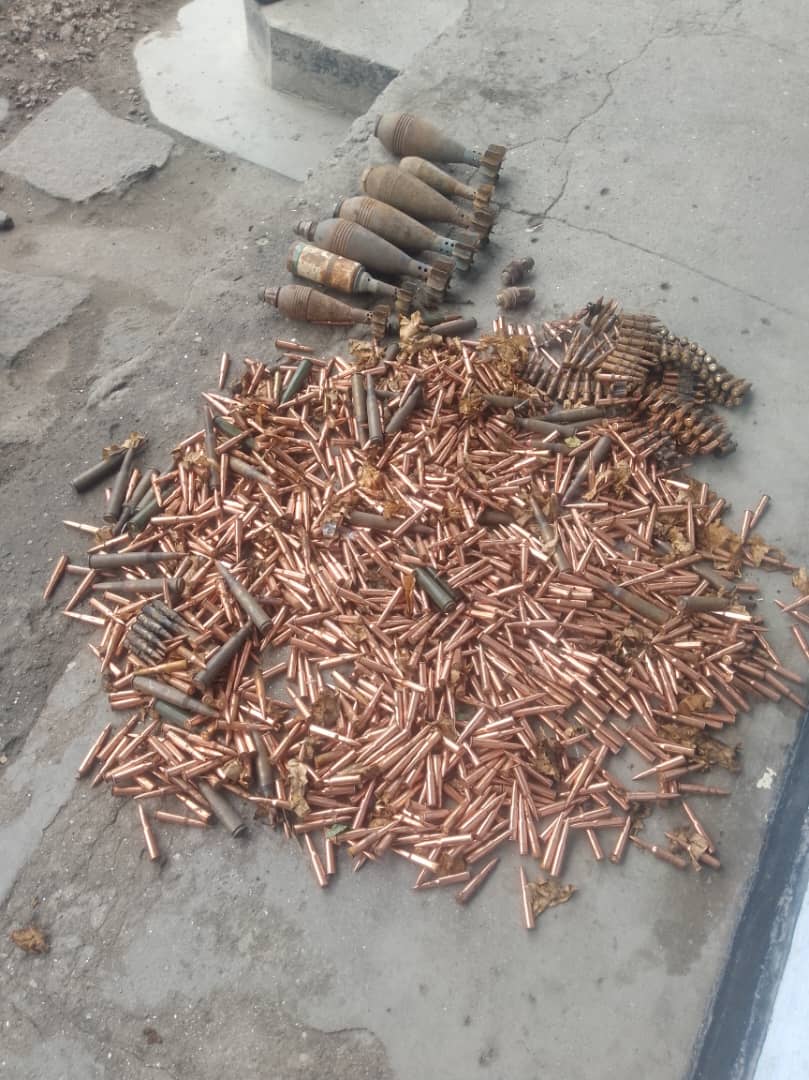
Manzi explained that when AFC/M23 took over Goma, the opposing troops had hidden weapons, ammunition, bombs, and other lethal materials among the population, and that day by day, the coalition has been uncovering them.

These are the bullets AFC/M23 discovered in civilians’ homes.
These weapons were hidden in civilians’ homes by the DRC army and Wazalendo fighters.

South Kivu: Rescuers Dig With Bare Hands to Search for Trapped Miners in Collapsed Gold Mine

0

In eastern Democratic Republic of Congo, residents in a gold mining area are using only their bare hands and rudimentary tools in a desperate attempt to rescue miners trapped underground.

Six people have been pulled out alive one of them seriously injured since the mine in Lomera collapsed on Sunday morning, according to local journalist Ashuza Barack who spoke to the BBC.

There are conflicting reports regarding the number of fatalities. While one local source claimed that 12 bodies had been recovered, Barack reported that no bodies had yet been retrieved. The number of people still missing remains unknown.

The affected area, located in South Kivu province, has been under the control of the M23 rebel group since early this year, when they seized large parts of eastern DRC, a region rich in mineral resources. M23 has denied reports suggesting that hundreds of people may be trapped inside the mine.

Since the discovery of gold in nearby hills late last year, Lomera has seen an influx of fortune seekers. What was once a quiet village has been transformed into a chaotic and makeshift mining settlement, according to the international medical organization Médecins Sans Frontières (MSF).

Thousands of people have flocked to the site in search of wealth either as artisanal miners or prospectors creating a densely packed area filled with unstable pits and temporary shelters. MSF recently described the site as an “overcrowded zone of unsafe mines and inadequate shelter” in a statement issued last month, following a cholera outbreak in the area.

Reports indicate that a series of sudden landslides buried at least 15 mine shafts without warning.

Rescue operations have slowed significantly due to debris and large rocks obstructing entry into the collapsed shafts. Journalist Barack told the BBC that the lack of proper equipment has severely hindered recovery efforts. Survivors have said many miners remain trapped underground.

“We’ve been digging since Sunday night, but we haven’t been able to retrieve any bodies. We’re exhausted,” one miner told the Afrovera.

M23 officials visited the site and ordered a suspension of mining activities in some parts of the area.

Dozens of mines across this region of the DRC supply essential minerals to the global electronics industry. Most of these mines operate with little oversight, and safety regulations are rarely enforced.

The region has been plagued by conflict for decades, with various armed groups and the government fighting for control of its valuable resources.

Earlier this year, M23 seized significant territories, including the strategic city of Goma, capital of North Kivu province. The group is widely accused of receiving support from Rwanda allegations that both M23 and the Rwandan government deny.


Last weekend, M23 and the DRC government signed a framework aimed at ending the ongoing conflict, in negotiations mediated by Qatar.