Home Blog Page 111

Félix Tshisekedi’s Government Faces Backlash Over Illegal KoBold Mining Deal in Manono

0

The recent revelations by Reuters regarding a signed agreement between the Democratic Republic of Congo (DRC) government and the U.S.-based company KoBold Metalsconcerning the development of a portion of the lithium-rich Manono deposithave cast a harsh spotlight on the institutional dysfunction at the highest levels of Congolese governance.

Far from being a minor procedural oversight, this political act marks yet another milestone in a concerning trend of executive behavior that treats legality as an optional courtesyan empty formality to be brushed aside when immediate political or economic interests are at stake.

AVZ Minerals, the majority stakeholder in the contested project, has emphasized that this new agreement flagrantly violates an active international arbitration ruling, which explicitly prohibits unilateral action pending the resolution of ongoing legal proceedings.

By disregarding this legally binding injunction, Kinshasa not only exhibits blatant contempt for international law but also signals an alarming indifference to its own contractual and legal commitments. This is more than a mining disputeit reflects the unraveling of governance itself, with arbitrariness becoming the operating model of the state.

This is not an isolated incident. It is symptomatic of a deeper malaisea regime that, across nearly every domain, from public finance to natural resource management, from electoral processes to market regulation, is navigating blindly, lacking both ethical compass and institutional grounding.

The law, once the backbone of the state, has been reduced to a manipulable toolbent, ignored, or weaponized depending on short-term political calculations. When legal frameworks are treated as façades, the very foundation of the republic begins to erode.

What’s particularly disturbing is the government’s willingness to trample on arbitration mechanisms it voluntarily agreed to, to violate the established rights of investors who followed due legal process, and to broker opaque deals with carefully chosen partners outside public scrutiny.

This ad hoc style of governancedriven by collusion, haste, and improvisationcontinues to isolate the DRC from international norms and devastates its credibility in the global economic arena.

It must be said, with the utmost seriousness: a regime that no longer respects its own word, disregards the laws that bind it, and routinely violates its freely undertaken commitments, becomes a source of legal insecurity. It delegitimizes itself from within and discredits itself on the global stage. When the rule of law is dissolved in a tide of private and partisan interests, society pays the price through capital flight, investor distrust, andmore profoundlythe erosion of the social contract.

The KoBold affair is not just another governance misstep; it could mark a decisive fracture. If lessons are not drawn from this violation of international lawif the slow disappearance of norms and principles is not met with firm resistancethen the Democratic Republic of Congo will cease to function as a true state. Instead, it will become a chaotic arena of competing interests, absent of regulation, justice, or a shared national vision.

It is long past time to reaffirm that the law is not a rhetorical ornament. It is the very foundation of legitimate political coexistence. To abandon it is to undermine the very basis of national sovereignty.

The recent revelations by Reuters about an agreement between the DRC and KoBold Metals expose a serious institutional failure at the highest levels of the Congolese state.


Viktor Gyokeres Transfer Takes Twist After Sporting’s Shocking Update Revealed

0

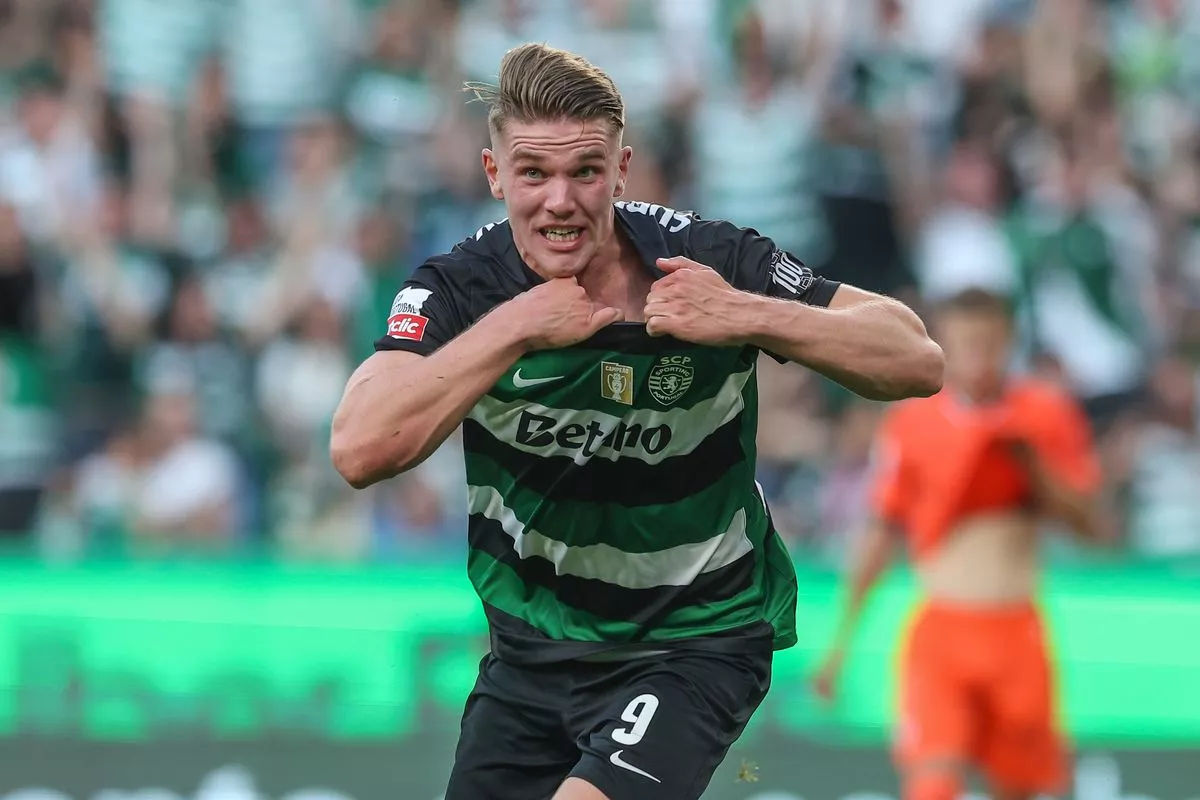
Arsenal fans are buzzing with excitement as the club inches closer to signing Viktor Gyokeres, the star striker from Sporting Lisbon. After weeks of back-and-forth talks, a deal is finally about to happen. Sporting Lisbon have now taken steps to replace the Swedish goal machine, signaling that the transfer is nearly done. 

Gyokeres had an unbelievable season last year, scoring 54 goals in just 52 games. His performance made him one of Europe’s most wanted forwards. Arsenal, eager to add firepower to their frontline, have been in long negotiations with Sporting to bring him to North London. Now, everything is falling into place. 

According to trusted sources, Arsenal and Sporting Lisbon have agreed on a deal that could reach £63.8 million, including add-ons. The final details of how the bonuses will be structured are still being worked out. However, reports say an official announcement is expected very soon. 

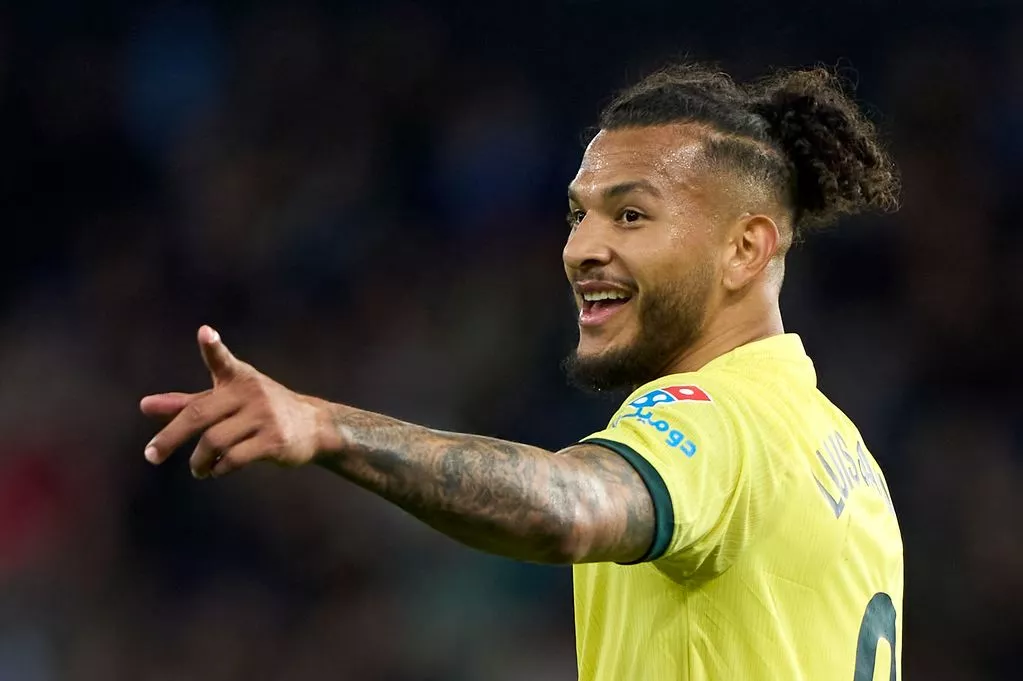
Sporting didn’t wait to act. Knowing they’re about to lose their top scorer, they have already made a move for Colombian striker Luis Javier Suarez.  

The club submitted a £20 million bid, including £4.3 million in add-ons, to Almeria for Suarez. He scored 31 goals last season in Spain’s Segunda Division and has experience playing for clubs like Watford, Granada, and Marseille. 

Portuguese media report that Suarez has already agreed to join Sporting as Gyokeres’ replacement. He has traveled with Almeria to their pre-season camp in Marbella, but is hoping that the two clubs will finalize the transfer soon. 

Meanwhile, Arsenal manager Mikel Arteta remains tight-lipped when asked about the Gyokeres deal. Speaking ahead of Arsenal’s pre-season tour of Asia, which kicks off in Singapore, Arteta said:
“I cannot comment on any player who is not part of our group yet. When we have something concrete to offer, we will do that. We are constantly looking in the market. Until then, I’m focused on the players we already have.” 

The signing of Gyokeres is seen as a major piece in Arteta’s plan to win the Premier League next season. Arsenal came very close last year but lacked a reliable number 9. With Liverpool narrowly beating them to the title, this summer is all about closing the gap and taking the final step to become champions. 

Gyokeres’ arrival will follow Arsenal’s other recent big moves. The Gunners have already secured the signings of Martin Zubimendi, Kepa Arrizabalaga, and Noni Madueke. Defender Cristhian Mosquera is also expected to join soon. 

Arteta wants a striker who can deliver consistent goals. With Gyokeres’ record, he might be the man to take Arsenal to the next level. His strength, speed, and killer instinct in front of goal make him a perfect fit for Arteta’s system. 

Sporting’s aggressive move to sign Suarez shows how serious they are about filling Gyokeres’ shoes. Even though Suarez has moved around during his career, his recent form has impressed Sporting’s scouts. 

Arsenal fans are already dreaming of seeing Gyokeres in the famous red and white jersey. His potential link-up play with Saka, Odegaard, and Martinelli is mouthwatering. The pressure will be on, but Arsenal supporters believe he’s ready. 

The transfer drama is nearly over. All that remains is for Arsenal to finalize the structure of the add-ons and announce the deal. Sporting’s quick action confirms what everyone has been waiting to hear: Gyokeres is coming to the Premier League. 

The club is confident this signing can help them finally lift the trophy that has eluded them for years. With Gyokeres leading the line, the Gunners hope their time is now. 

Stay tuned as Arsenal prepares to welcome one of Europe’s hottest strikers, and possibly their next Premier League hero. 

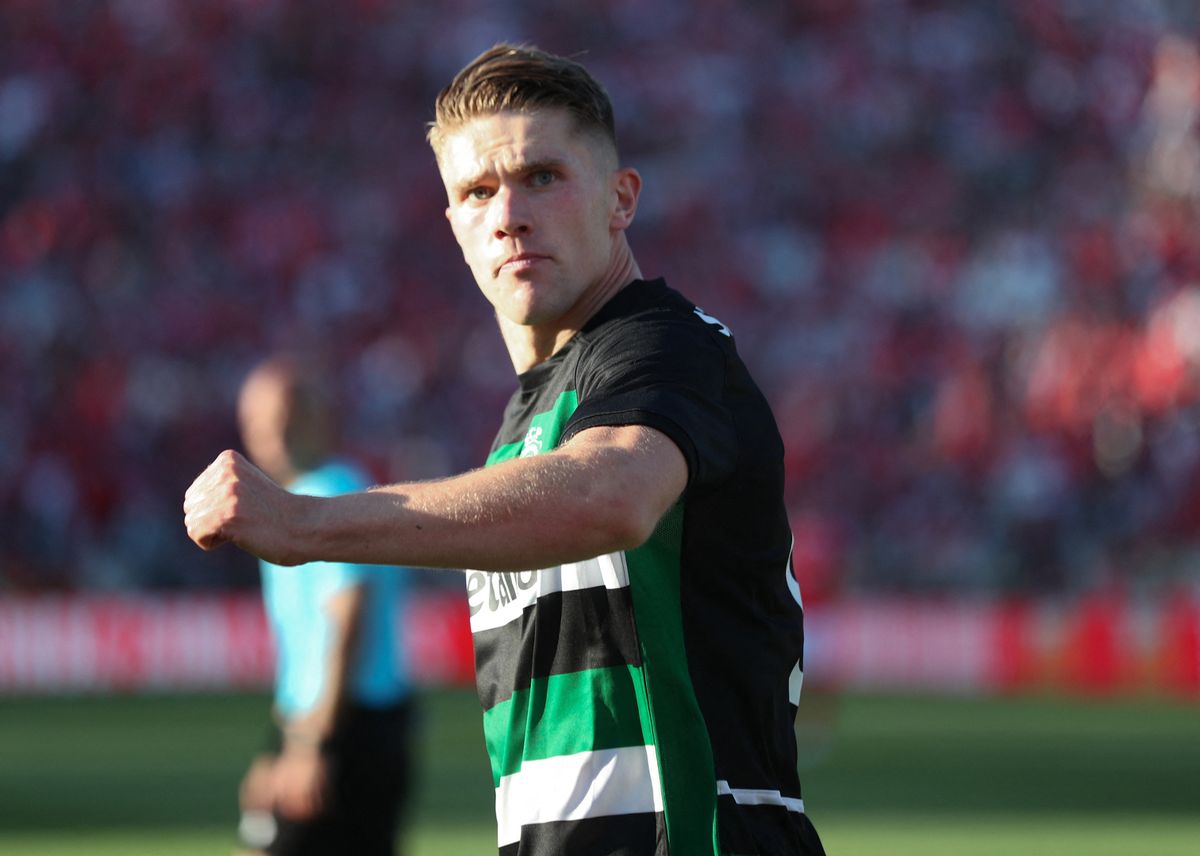
Gyokeres is on the verge of joining Arsenal after the club agreed a £63m deal with Sporting (Image: AFP via Getty Images)
Sporting Lisbon have submitted a bid for Almeria striker Luis Suarez as they bid to replace the outgoing Viktor Gyokeres
Viktor Gyokeres is expected to join Arsenal in a deal worth £54.8million (Image: Carlos Rodrigues/Getty Images)

Rashford Transfer in Trouble after Huge Gyokeres Twist – Man Utd Seal £71M Mbeumo Deal

0

Manchester United are making big moves in the summer transfer window, but not everything is going as planned. While the Red Devils have completed a massive signing of Bryan Mbeumo, they’ve also been hit with bad news about Marcus Rashford’s move to Barcelona. 

 Meanwhile, Arsenal are closing in on Viktor Gyokeres, a striker that United had been keeping an eye on. 

Manchester United confirmed their second major signing of the summer on Monday. After tough negotiations, they finally reached a deal with Brentford to sign Bryan Mbeumo.  

The Cameroon forward joins United for a fixed fee of £65 million, with an extra £6 million to be paid depending on his performance. That means the total deal could reach £71 million. 

Mbeumo becomes the second big-name player to join United this summer. The first was Matheus Cunha, who was signed from Wolves after United activated his £62.5 million release clause. Cunha’s move was fast and easy compared to Mbeumo’s. The third new face is Diego Leon, a young left wing-back who made his unofficial debut during a dull 0-0 friendly against Leeds over the weekend. 

With these arrivals, United are now turning their attention to selling players. Manager Ruben Amorim is trying to clear out what some are calling his “bomb squad”, players who are no longer part of his plans. These include Marcus Rashford, Alejandro Garnacho, Jadon Sancho, Antony, and Tyrell Malacia. However, only Rashford looks close to leaving at this point. 

Rashford’s situation took a turn this week. The 27-year-old forward arrived in Barcelona on Sunday and was expected to be officially unveiled as a new Barca player on Wednesday. He even filmed his announcement video on Tuesday. But now, there’s a problem. 

According to Sky Sports, Barcelona are currently unable to register Rashford with La Liga due to financial issues. This isn’t the first time Barca has faced such problems, they’ve struggled to register players in past seasons because of spending limits and debt problems. This delay could push Rashford’s debut in Spain further back than expected. 

Meanwhile, Arsenal are making progress on signing Viktor Gyokeres, the talented Swedish striker from Sporting Lisbon. Just a few days ago, it was rumored that Manchester United were trying to hijack the deal and bring Gyokeres to Old Trafford. That no longer seems likely. 

According to The Athletic, Arsenal and Sporting Lisbon are very close to finalizing the agreement. Only a few final details remain. Once the deal is done, Gyokeres will be ready to play his first official match for Arsenal, ironically, against Manchester United at Old Trafford on August 17. 

Gyokeres was brought to Sporting by Ruben Amorim in 2023 and has since grown into one of Europe’s most exciting forwards. Amorim had hoped to reunite with him at United, but it looks like Arsenal will win this race. 

In other news, United are still looking to strengthen their goalkeeper position. Emiliano Martinez from Aston Villa is a top target. However, Villa have made it clear that they won’t let him go cheaply. United’s first offer was a loan deal, which Villa immediately rejected. 

Now, The Mail reports that Villa want at least £40 million for Martinez. At 32 years old, the Argentine World Cup winner would bring experience and confidence to United’s backline. But with United trying to stick to a strict budget this summer, it’s unclear whether they can match that asking price. 

The club’s summer activity shows that they are serious about rebuilding and competing at the top level again. However, it also highlights the financial balancing act they must perform. Big signings like Mbeumo and Cunha cost a lot, so selling players and being careful with spending is now the focus. 

It’s a summer of change at Manchester United, and while some plans are falling into place, others are facing big delays. What happens next will shape the Red Devils’ season and could decide whether this rebuild is a success or another false start. 

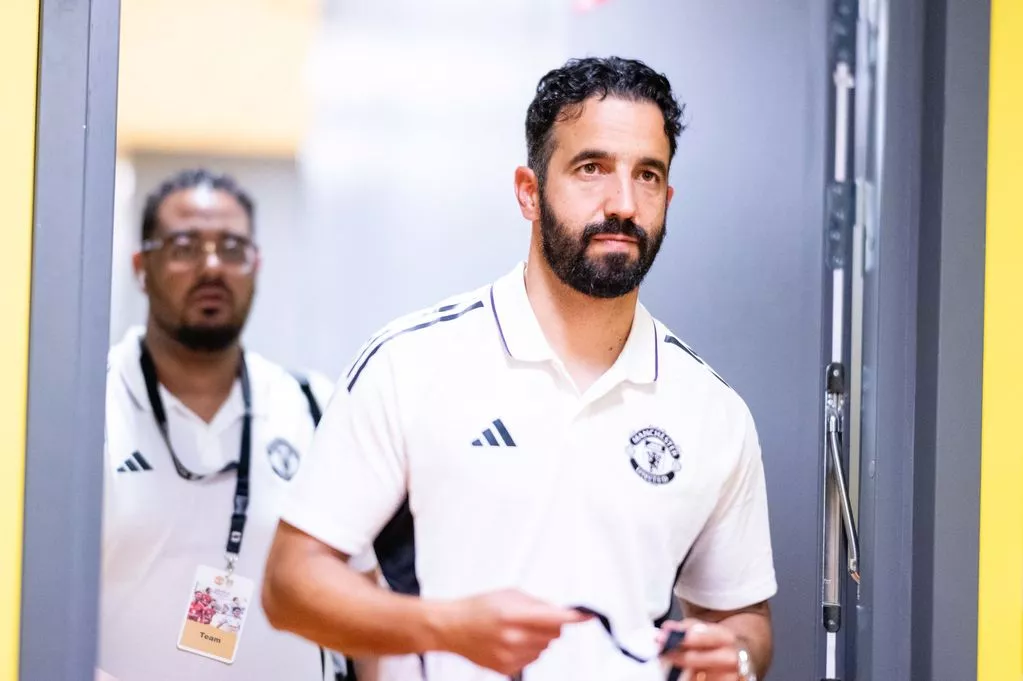
Ruben Amorim had hoped to reunite with Viktor Gyokeres (Image: Ash Donelon/Manchester United FC)
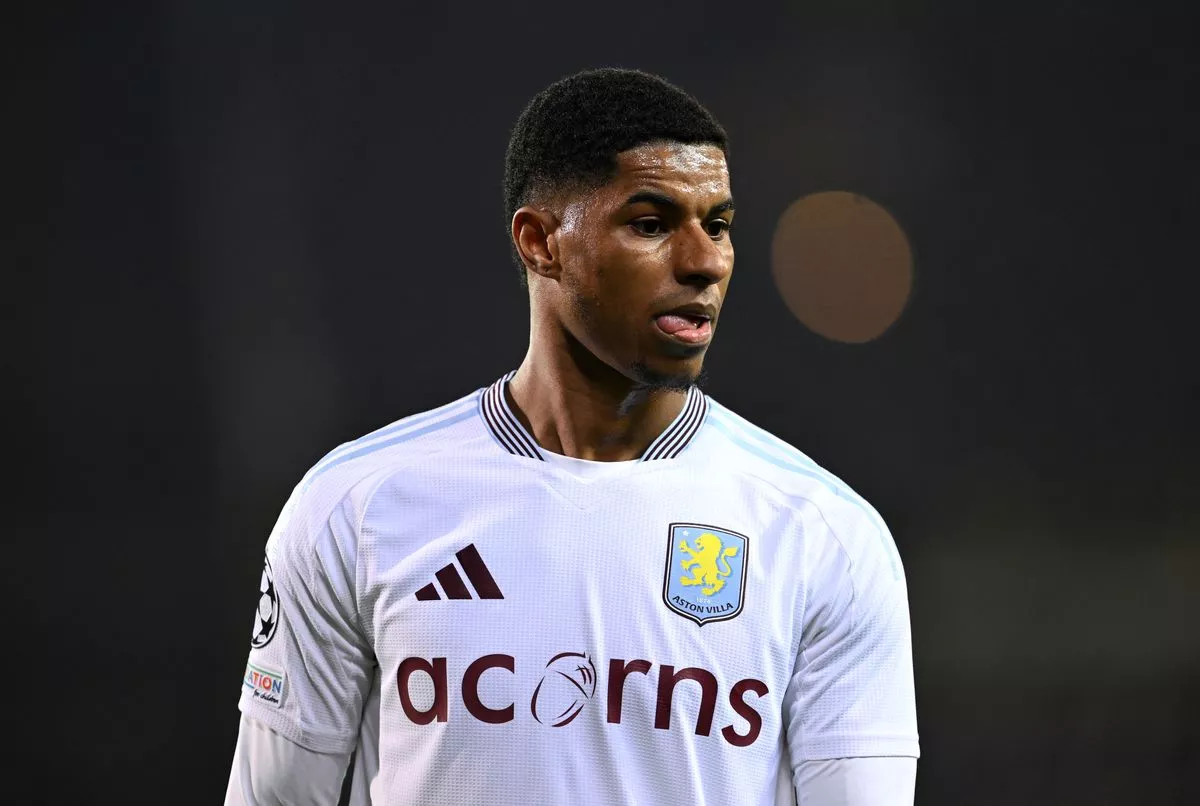
Marcus Rashford is currently in Barcelona to complete his loan move (Image: Mike Hewitt/Getty Images)
Viktor Gyokeres is expected to join Arsenal in a deal worth £54.8million (Image: Carlos Rodrigues/Getty Images)

“He Was So Much More Than Theo”: Why Malcolm-Jamal Warner’s Death Shattered the Black Community

0

The news of Malcolm-Jamal Warner’s sudden death has deeply hurt the Black community. He died on Sunday at the age of 54 while on vacation with his family in Costa Rica. According to reports, he drowned in an accident while swimming. 

His death feels very personal to many people, especially in the Black community. Just like when we lost Prince, Kobe Bryant, or Chadwick Boseman, this tragedy feels like losing a family member. 

Warner was not just an actor. He was a symbol of pride, talent, and legacy. From a young age, people saw something special in him. His talent and charm were clear early on. 

He became famous as a teenager when he played Theo Huxtable on The Cosby Show. Theo was the lovable, sometimes silly, but always kind-hearted son of Cliff and Clair Huxtable. People didn’t just watch Theo, they felt like they knew him. 

For many Black families, The Cosby Show was a huge part of growing up. It showed a successful, happy Black family on TV, something that wasn’t very common before. Warner’s role helped bring positive images of Black life into American homes. 

Unlike many child stars, Warner stayed grounded. He avoided the dark side of fame and grew up to become a successful and respected adult actor. 

After The Cosby Show ended in 1992, he kept working. He starred in shows like Malcolm & Eddie, The Resident, and 9-1-1. He never stopped acting and always brought strong performances. 

His co-stars and friends have shared touching tributes since his death. Actor Morris Chestnut said he was heartbroken. Tracee Ellis Ross and Eddie Griffin also shared their sadness and love for Warner. 

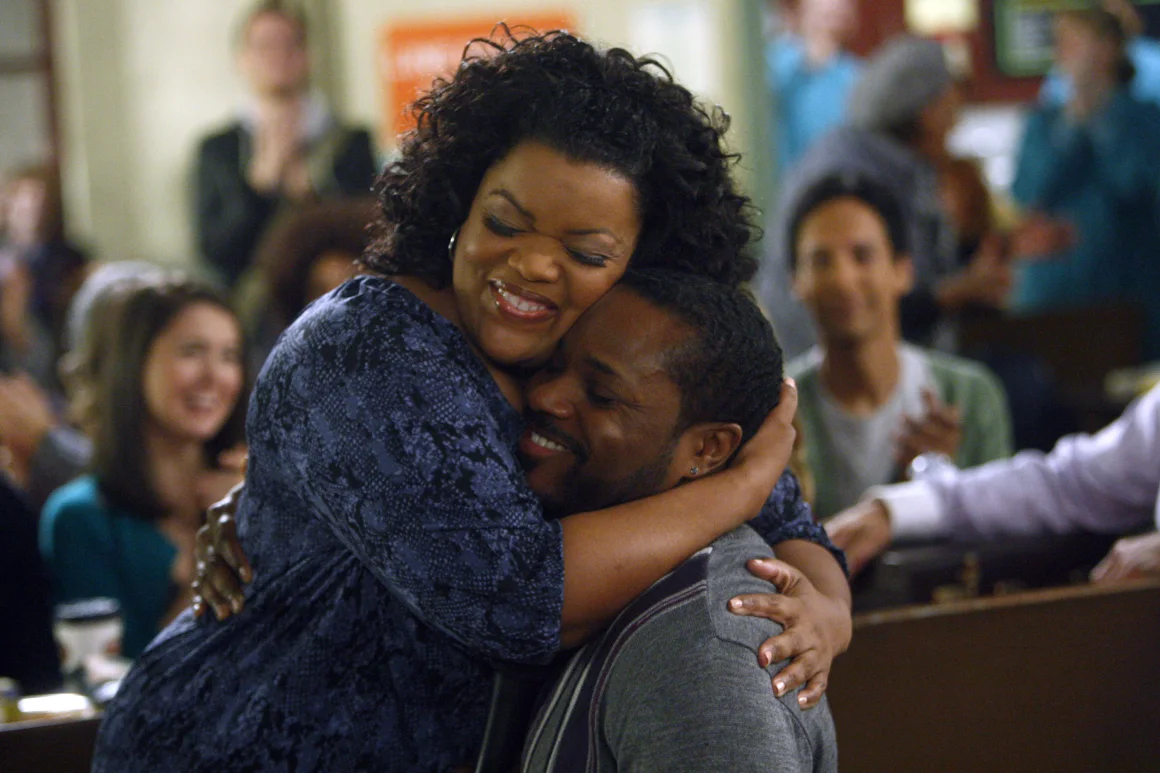
Yvette Nicole Brown, who worked with him on Community, said she was devastated. She called Warner “a blessing from God” and said he was “one of one,” meaning there was no one else like him. 

For many in the Black community, his death is more than the loss of an actor. It feels like the loss of a role model, a brother, a friend. 

Samantha Sheppard, a professor at Cornell University, said Warner’s death is a “significant cultural loss.” She said his role on The Cosby Show helped change how Black families were shown on TV. 

But his work didn’t stop there. Warner was also a poet and a musician. He built a strong career after his childhood fame, and many people don’t know just how much he did outside of acting. 

In 2013, Warner said in an interview that he had “peace of mind” with how his life had turned out. He said that meant more than money or fame. 

He spoke lovingly about his wife and daughter, who have stayed out of the public spotlight. In May 2025, on the podcast Hot & Bothered with Melyssa Ford, he shared how happy he was with his family life. 

He said he never doubted his choice to marry his wife. He also spoke about building a legacy for his daughter and his fans. Warner believed in leaving behind a memory of being a good man. 

He once said that Bill Cosby told him, “I gave you immortality.” That was because Theo Huxtable was a role that would live on forever. But Warner didn’t just want to be remembered as Theo. 

He wanted people to know that he lived a full life after that show. He wanted to leave another legacy, one of love, growth, and kindness. 

“I want to be remembered as a good person,” he said. And everyone who knew him, or even just watched him on screen, would agree that he was. 

Malcolm-Jamal Warner gave the world more than acting. He gave us hope, warmth, and strength. That’s why his loss hurts so much. He was family to so many, even if we never met him in person. 

The Black community is mourning not just a talented man, but someone who helped shape how we see ourselves. He gave us joy. He gave us pride. And now, we carry his memory in our hearts. 

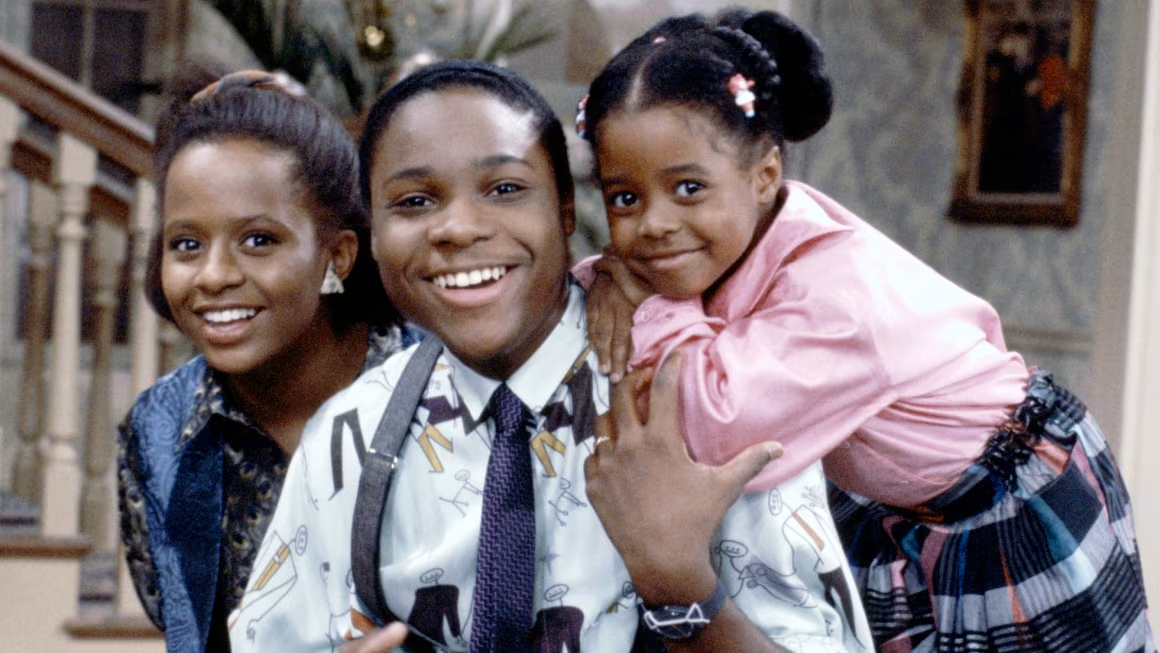
Tempestt Bledsoe as Vanessa Huxtable, Malcolm-Jamal Warner as Theodore ‘Theo’ Huxtable, Keshia Knight Pulliam as Rudy Huxtable on “The Cosby Show.” NBC/Getty Images
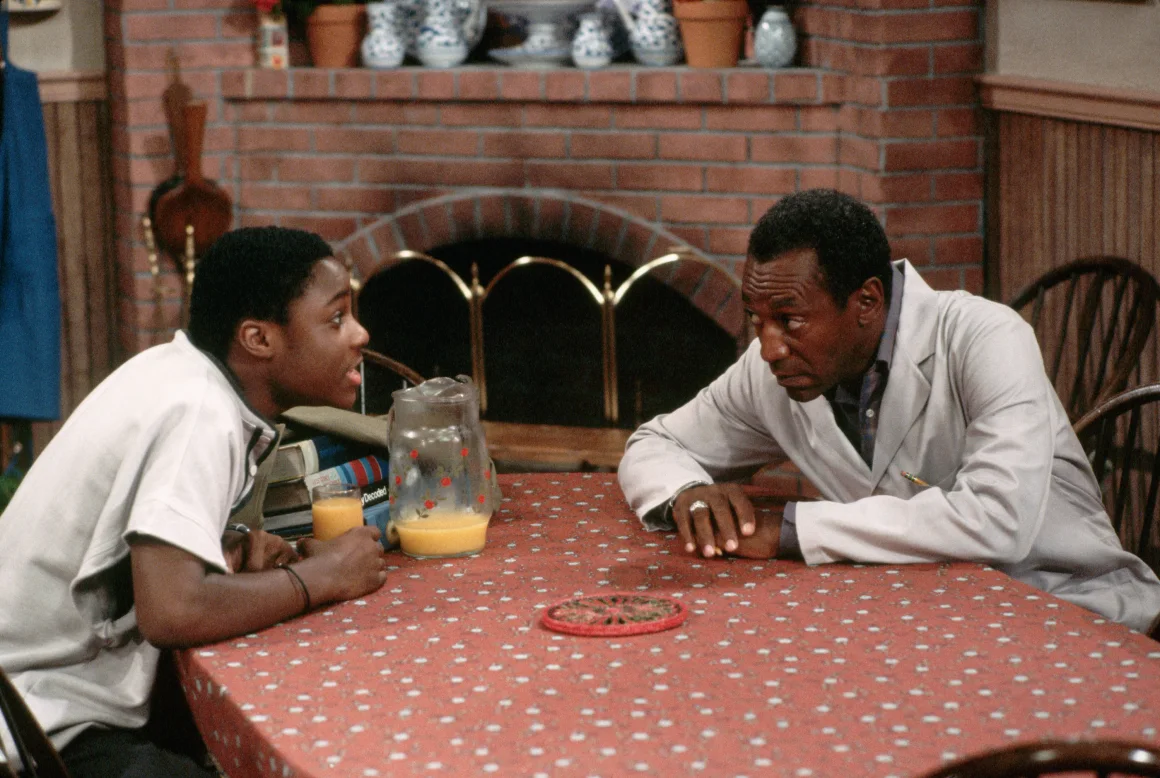
Warner and Bill Cosby in a scene from the “Cosby Show.” Cheryl Chenet/Corbis/Getty Images
Yvette Nicole Brown and Warner in a scene from “Community.” Jordin Althaus/NBC/Getty Images
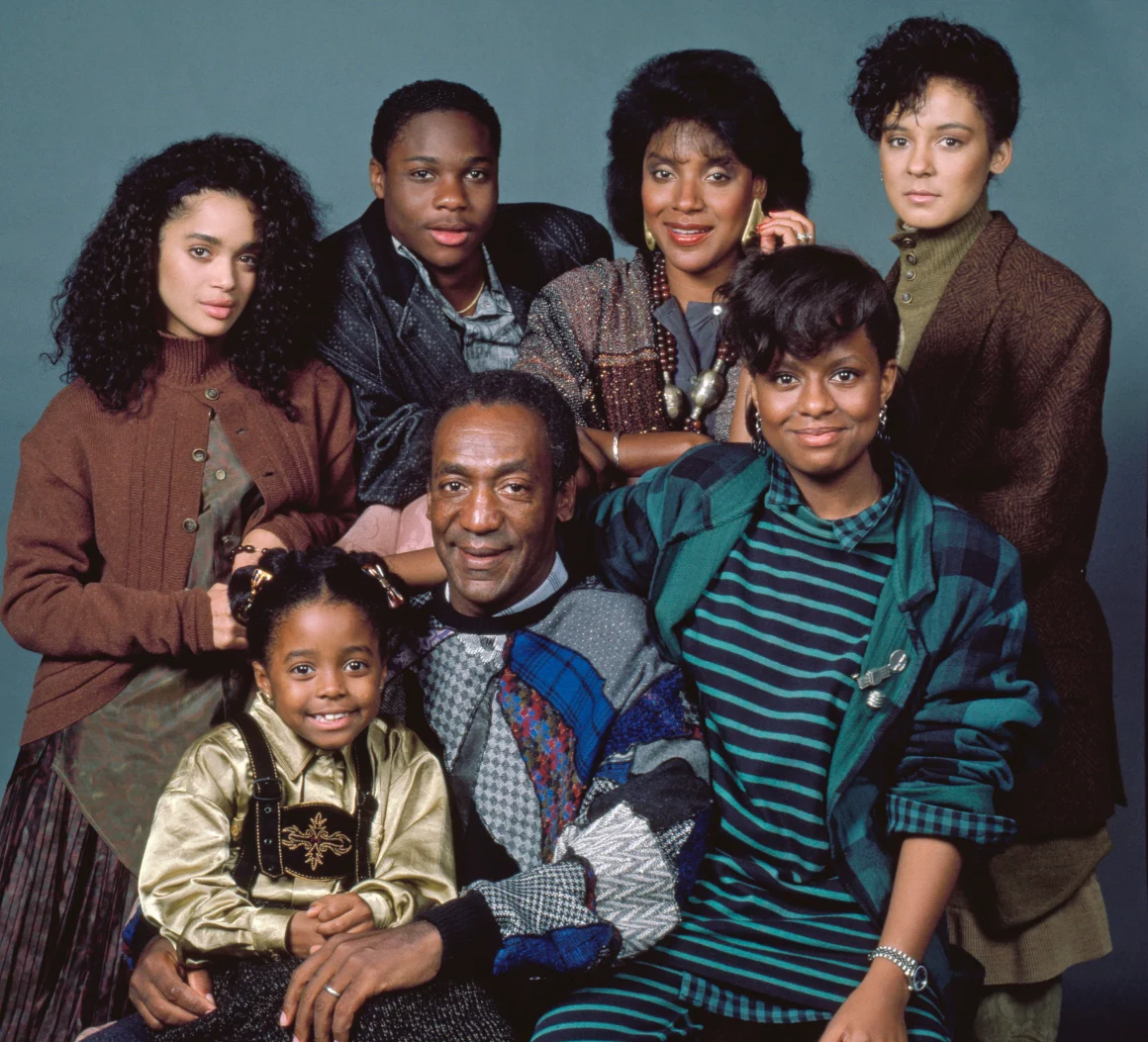
Warner poses with the cast of “The Cosby Show.” Alan Singer/NBC/Getty Images

President Félix Tshisekedi Faces Deepening Security and Power Crisis in DR Congo after U.S. Terror Alert and Coup Plot Arrests

0

The recent security alert issued by the United States Embassy in the Democratic Republic of Congo (DRC), warning its citizens of potential terrorist attacks targeting places of worship, represents far more than a routine consular precaution. It underscores a deteriorating security climate in Kinshasa, where the cracks in the Congolese state apparatus are growing increasingly visible, profound, and alarming.

The embassy’s recommendation for American nationals to avoid large religious gatherings is a stark acknowledgment of a breakdown in the capital’s security continuum. It also reflects a growing concern among international partners about the volatility of the Congolese environment. This is no longer perceived as a marginal or external threat it is now considered internal, fueled by chronic institutional instability and the erosion of centralized authority.

This warning comes at a highly sensitive moment, following the arrest of General Franck Ntumba, a senior military figure accused of plotting a coup against President Félix Tshisekedi. The implication of several other high-ranking military officers in the alleged conspiracy amplifies the gravity of the situation and cannot be dismissed as an isolated event.

These developments point to a troubling fragmentation within the nation’s security apparatus  a structure meant to serve as the backbone of the republic. This is not merely a crisis of loyalty; it is a crisis of legitimacy. Allegiances are shifting, loyalties are renegotiated, and the state’s monopoly on force is splintering.

This dual alarm  the embassy’s terrorism alert and the ongoing purge within the military hierarchy  reveals a dangerous double insecurity: insecurity of the territory and insecurity of power. Governance in Kinshasa increasingly appears to be operating under a cloud of mistrust, isolation, and fear-driven decision-making, rather than through national consensus.

Each arrest now seems less like justice and more like a calculated display of dominance. Each accusation becomes a piece in a broader strategic chessboard, where preventive measures, personal vendettas, and intimidation tactics converge.

As a result, international perceptions of the DRC continue to deteriorate, with its institutions seen as trapped in reactive and often improvised crisis management. The signal to the global community is clear: Kinshasa is a fragile seat of power, plagued by internal discord so severe that it justifies preemptive alerts for both political and terrorist threats.

The situation is further complicated by the lack of transparency surrounding the arrests, the opaque legal procedures involved, and the absence of coherent institutional communication. These factors contribute to the growing sense that the DRC is facing a systemic threat to its national stability.

To the already precarious military landscape is added the weight of public mistrust a sentiment born of past political manipulations, fatigue from overused security narratives, and the glaring absence of a unifying political vision.


In this climate, there is an urgent need not only to rebuild a professional and cohesive security architecture, but also to restore a social contract between the state and its citizens. Without such a moral and institutional renewal, the Democratic Republic of Congo risks sliding into a perilous cycle where suspicion overrides transparency, coercion replaces dialogue, and a government, shackled by its own fears, clings to authority through force at the cost of its legitimacy.


Ozzy Osbourne Dead at 76: The Godfather of Heavy Metal – From Birmingham’s Streets to Global Immortality

0

Born John Michael Osbourne on December 3, 1948, in the working-class city of Birmingham, England, he would grow up to become one of the most iconic figures in music history. On Tuesday, at the age of 76, Ozzy passed away surrounded by his loved ones. The world has lost the “Prince of Darkness,” but what he created with his voice, soul, and madness will echo for generations. 

His family shared the heartbreaking news: 

“It is with more sadness than mere words can convey that we have to report that our beloved Ozzy Osbourne has passed away this morning. He was with his family and surrounded by love.” 

His death came just weeks after his final performance, a farewell concert titled Back to the Beginning, held in his hometown of Birmingham. There, he reunited with his original Black Sabbath bandmates: Geezer Butler, Bill Ward, and Tony Iommi. It was a historic night. Nobody knew it would be his last. 

Ozzy grew up in a blue-collar household. His dad was a toolmaker; his mom worked in a factory. Life was tough. School wasn’t his thing. By age 15, Ozzy had dropped out and bounced between odd jobs — from construction sites to slaughterhouses. He even tried burglary, but after a six-week stint in prison (because his dad refused to pay his fine), he realized he needed something else. 

That something was music. The Beatles’ “She Loves You” was his moment of revelation. “I knew I wanted to be a rock star,” Ozzy wrote in his 2009 autobiography I Am Ozzy. 

In 1967, bassist Geezer Butler invited Ozzy to join his band along with guitarist Tony Iommi and drummer Bill Ward. After a few name changes, they settled on Black Sabbath, inspired by horror movies and their love of the eerie. Their debut album was recorded in just two days in 1969 — raw, real, and revolutionary. 

Their second album Paranoid exploded. With dark riffs and occult themes, Black Sabbath created a new genre: Heavy Metal. Ozzy’s haunting voice, paired with the band’s heavy sound, turned fear into art. 

Ozzy didn’t care for the “heavy metal” label, he preferred “Prince of Darkness.” But no matter what you called him, he became the soul of a sound that shocked, thrilled, and inspired millions. 

Black Sabbath dominated the ’70s, but internal struggles and Ozzy’s substance abuse caught up with them. In 1979, he was fired. Most would’ve fallen. Ozzy rose. 

With Sharon Arden (his future wife and manager) at his side, he launched a solo career that was just as powerful, maybe more. Albums like Blizzard of Ozz and songs like Crazy Train, Mr. Crowley, and Mama, I’m Coming Home proved Ozzy was a force of his own. 

On January 20, 1982, Ozzy bit the head off a bat during a show in Des Moines, Iowa. He thought it was fake. It wasn’t. That moment would haunt, and define, his image. He didn’t care. “What do bats taste like?” he joked later. “Like my mother-in-law’s cooking.” 

Through it all, the drugs never left. Nor did the chaos. But neither did the genius. 

Ozzy was wild, often dangerous to himself, but always authentic. “Looking back, I should have died a thousand times,” he admitted in the documentary God Bless Ozzy Osbourne. 

Sharon Osbourne, daughter of music manager Don Arden, was just 28 when she began managing Ozzy in 1979. Their romance turned serious fast. They married in 1982, against her father’s wishes. As a “wedding gift,” Don gave Sharon Ozzy’s contract. She returned the favor by pulling Ozzy from his father-in-law’s label and signing him to CBS. 

The feud lasted decades. But Sharon became Ozzy’s backbone, his savior during dark times. She helped him battle addiction, raise their children, and build a media empire. 

In 2002, The Osbournes premiered on MTV. It was chaotic, hilarious, and heartfelt. Audiences loved it. Ozzy, confused and stumbling through everyday life, became an unlikely TV star. Sharon, Kelly, Jack, and Aimee all gained fame. 

The show won an Emmy and turned the Osbournes into pop culture royalty. It also showed the world that behind the bat-biting madman was a husband and dad who deeply loved his family. 

Ozzy’s career spanned over five decades. He sold over 100 million records. He won multiple Grammy Awards, solo and with Black Sabbath. In 2006, the band was inducted into the Rock and Roll Hall of Fame. 

His final Grammy wins came in 2023, a remarkable feat for someone who once doubted he’d live to see 30. That same year, he officially ended his touring career due to health problems but continued to hope for one final performance. 

“I just want to be well enough to do one show,” he told Rolling Stone. “And if I drop dead at the end of it, I’ll die a happy man.” 

In recent years, Ozzy faced a series of health issues: pneumonia, a severe fall, multiple surgeries, and Parkinson’s disease, which he revealed in 2020. Still, he performed at the closing of the 2022 Commonwealth Games in Birmingham, because Ozzy never gave up. 

Even when he had to cancel shows, his spirit remained fierce. “I’m taking it one day at a time,” he said. “If I can perform again, I will.” 

And perform he did, one last time, in the summer of 2024. At Back to the Beginning, thousands cheered as Ozzy took the stage in Birmingham with Sabbath. Tony, Bill, and Geezer were there. The crowd cried, roared, and sang along. 

That night was magic. It was history. It was goodbye. 

Ozzy leaves behind six children, his wife Sharon, and a global family of fans. His bandmates shared emotional tributes: 

Geezer Butler: “Goodbye dear friend… 4 kids from Aston, who’d have thought?” 

Tony Iommi: “There will never be another like him. We’ve lost our brother.” 

Bill Ward: “Never goodbye. Thank you forever.” 

Ozzy Osbourne wasn’t just a musician. He was a symbol of rebellion, a survivor of madness, and a voice for outsiders everywhere. He changed music forever, and he did it his way. 

He once said: 

“By 12 o’clock in the old days, I’d have powder up my nose, s**t in my veins… I should have died a thousand times, but never did.” 

Now, the Prince of Darkness rests. But his music? His madness? His heart? Those live on. 

Rest in Power, Ozzy. You gave us everything. We’ll never forget. 

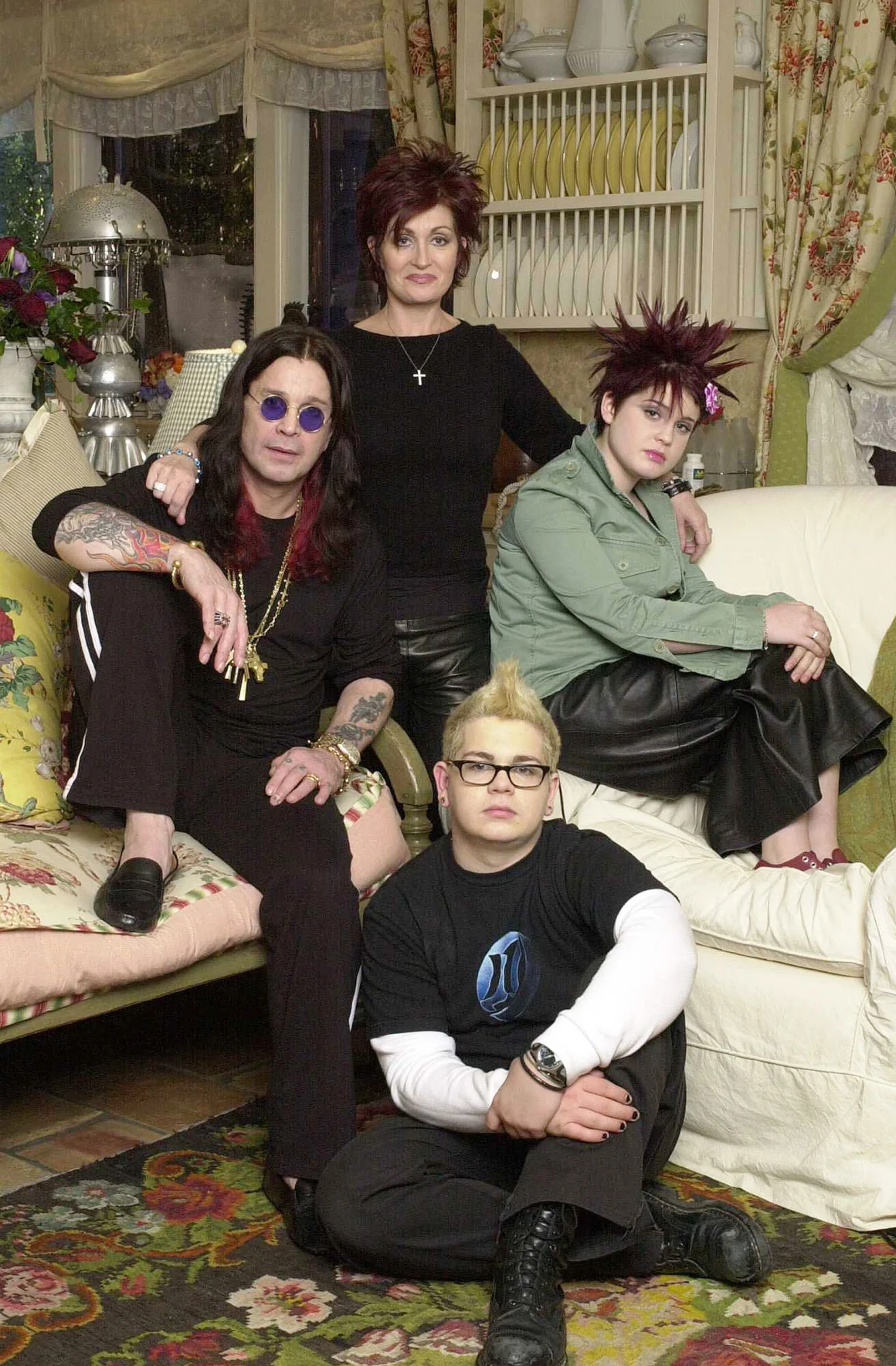
The Osbournes, Ozzy (L), Sharon, Jack, and Kelly are shown in this undated photo. Michael Yarish/MTV/Getty Images
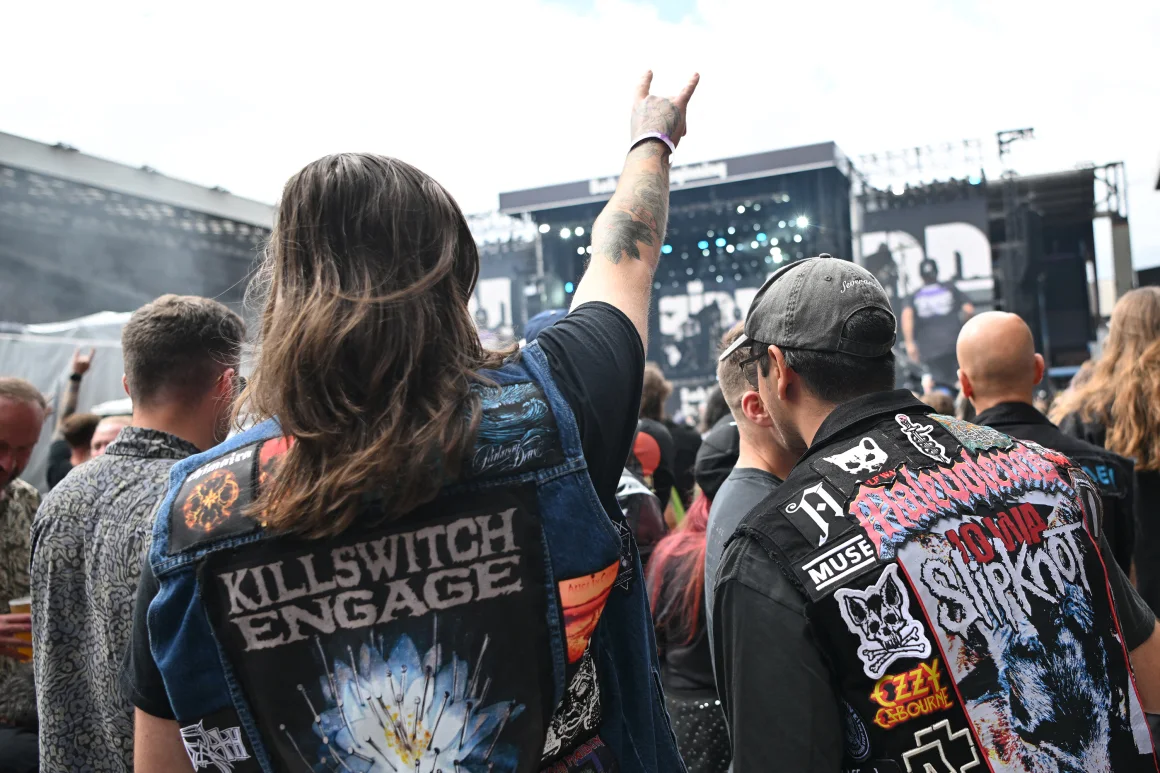
The Villa Park crowd watch support acts, during British rock band Black Sabbath’s “Back to The Beginning” concert, Ozzy Osbourne’s final ever gig as Black Sabbath’s frontman at Villa Park in Birmingham, central England on July 5, 2025. Andy Buchanan/AFP/Getty Images
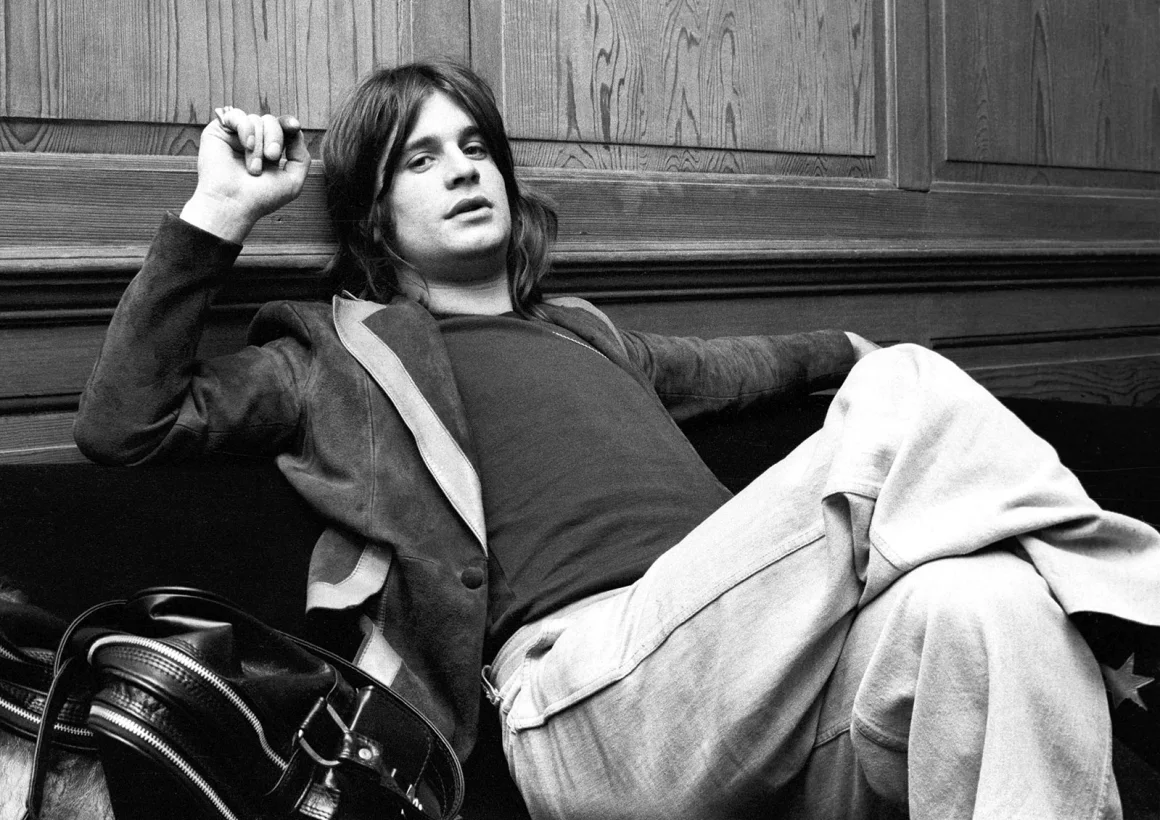
Ozzy Osbourne of Black Sabbath. Ian Dickson/Redferns/Getty Images

Ozzy Osbourne Dies at 76: The Prince of Darkness, GodFather Leaves the World in Tears After One Final Roar

0

Ozzy Osbourne, the legendary frontman of Black Sabbath and global icon of heavy metal, has died at the age of 76. Known by fans as the “Prince of Darkness,” Ozzy passed away in the UK surrounded by family, just weeks after his emotional farewell concert in Birmingham, his hometown. 

The heartbreaking news was confirmed by his family, who described his final moments as peaceful and full of love. “It is with more sadness than words can express that we report our beloved Ozzy Osbourne has passed away this morning,” their statement read. “He was with his family and surrounded by love.” 

For many fans and musicians, Ozzy was more than just a singer, he was a pioneer. As the voice of Black Sabbath, he helped create a new kind of music: heavy metal. Songs like Paranoid, War Pigs, and Iron Man still echo around the world today. After leaving the band in 1979, he launched a successful solo career, delivering hits like Crazy Train and Mr. Crowley. 

Tributes have poured in from around the world. Black Sabbath co-founder Tony Iommi said, “We’ve lost our brother.” Bassist Geezer Butler recalled their final gig together, while drummer Bill Ward posted an emotional message: “Where will I find you now? You’re forever in my heart.” 

Ozzy’s farewell concert in early July brought together music’s biggest stars, including Metallica, Guns N’ Roses, The Smashing Pumpkins, and Van Halen. Even country star Dolly Parton sent him a video message, saying: “I love you. Good luck and God bless you.” 

Sammy Hagar, lead vocalist of Van Halen, said Ozzy performed while being “close to death” on July 5. “He did it like he promised. That puts him in a category of his own,” Hagar wrote. “Talk about commitment and loyalty to your fans. Nobody will ever out-do that.” 

On social media, Metallica called Ozzy “a hero, icon, mentor, and most of all, a friend.” They added: “Ozzy and Sharon believed in us and changed our lives forever.” Rock legends Aerosmith said Ozzy “changed music forever” and called him “our brother in rock.” 

In Birmingham, thousands of fans gathered for his final show, some getting tattoos in his honor. Ozzy sat on a black throne as he sang to 40,000 emotional fans. “You have no idea how I feel. Thank you from the bottom of my heart,” he told the crowd. 

Fans have also laid flowers on Ozzy’s star at the Hollywood Walk of Fame in Los Angeles. “His star will now shine even brighter,” said Ana Martinez, the Walk of Fame producer. “Ozzy was more than a rock legend, he was a cultural icon.” 

Sony Music, home to Ozzy’s solo records, said: “He redefined the sound and spirit of rock music. His voice and music will live on forever.” 

Nick Ruskell from Kerrang! magazine called his passing “devastating,” adding: “He was a figure who seemed like he would live forever.” Ruskell compared Ozzy’s influence to The Beatles. “It’s that big,” he said. 

Aston Villa Football Club, where Ozzy was a lifelong fan, also paid tribute. “Growing up near Villa Park, Ozzy always held a special connection to the club and the community,” they said in a statement. “We mourn with his family, friends, and fans.” 

Ozzy is survived by his wife Sharon and six children, three from each of his two marriages. Sharon once said, “If it wasn’t for me, he would be dead.” Ozzy himself agreed. Their long and often turbulent marriage included moments of pain and forgiveness. In 1989, he was arrested for attacking Sharon while intoxicated, but she dropped the charges. 

Despite his dark image, many remember Ozzy as kind and real. Henry Rollins, frontman of Black Flag, said Ozzy was “genuine” and “what you saw on stage was who he really was.” He added, “He was wild, but he wasn’t mean. He did it so we didn’t have to.” 

Jem Aswad, an editor from Variety, recalled the first time he met Ozzy. “He came in at noon, wearing a bathrobe and tons of gold,” he laughed. “But he was perfectly friendly and nice.” 

Other musicians like Anthrax, AC/DC, and Motörhead shared tributes too. Motörhead posted a photo of Ozzy and their late frontman Lemmy, saying: “We lost our dear friend. His loss is seismic.” 

The Smashing Pumpkins’ Billy Corgan said playing at the farewell concert was one of the greatest moments of his life. “Ozzy created genres that can’t be repeated. You have to look at him like Sinatra, his voice was more than just music.” 

With over 100 million records sold worldwide, Ozzy Osbourne’s music is timeless. His greatest songs like Paranoid, Crazy Train, Changes, Mr. Crowley, and Sabbath Bloody Sabbath defined generations. His final album, Patient Number 9, left fans with one last masterpiece. 

Today, the world mourns a giant of music. But Ozzy’s voice, his spirit, and his fire will live on. His name will echo forever in every scream of a guitar and every headbang in a crowded stadium. 

Rest in peace, Ozzy. You truly did it all. 

Wambui Nyutu Fired From NCIC for Political Ties Linked to Gachagua. New Vice Chair Appointed Instantly

0

Wambui Nyutu has been officially removed from her position as the Vice Chairperson of the National Cohesion and Integration Commission (NCIC). Her dismissal came after the commission accused her of being involved in partisan political activities, something strictly forbidden for NCIC officials. 

This decision was made on Tuesday, July 22, 2025, during a Special Commission Meeting called specifically to discuss her conduct. The meeting was chaired by NCIC Chairperson, Dr. Samuel Kobia. 

According to Dr. Kobia, Ms. Nyutu broke the law and went against her oath of office by engaging in political affairs and aligning herself with political figures. He said that all the commissioners agreed to remove her from her position with immediate effect. 

“After a thorough discussion, the Commission unanimously resolved to relieve Ms. Nyutu of her role,” Dr. Kobia said in an official statement. He emphasized that this was done to protect the integrity and neutrality of the commission. 

This issue had been brewing for a while. Earlier in the year, the NCIC had already held three meetings about Ms. Nyutu’s political behavior. These meetings were triggered by her public comments and her visible links to political leaders, which were seen as being biased. 

At that time, Ms. Nyutu apologized to the commission and promised not to repeat the same behavior. However, recent actions suggest that she did not keep her word. 

During the July 22 meeting, the commission expressed “deep concern” that she had continued to take part in partisan activities. The NCIC said she even attended political meetings linked to a specific political party. 

Due to her continued involvement in politics, the NCIC initiated formal removal proceedings using Section 23 of the National Cohesion and Integration Act (CAP 7N). This section allows the commission to remove a member if they break the law or fail in their duties. 

Although the NCIC did not give full details of her political involvement, sources say that Ms. Nyutu has been frequently seen with former Deputy President Rigathi Gachagua. 

In May 2025, during a church service, Nyutu praised Gachagua, calling him “one of the best leaders in the country.” This statement raised eyebrows, considering her role at the NCIC is meant to be politically neutral. 

Even before that, in November 2024, Nyutu held a formal meeting with Gachagua at his private home. In that meeting, she was referred to as a “daughter of the mountain,” a phrase often used in political circles to describe allegiance to Mount Kenya region politics. 

Such actions have been viewed by the commission as direct violations of her role. As a senior official in NCIC, Nyutu was expected to remain politically neutral and avoid showing support for any party or leader. 

Following her dismissal, the commission moved quickly to fill the vacant position. Dorcas Kedogo was elected as the new Vice Chairperson of NCIC. Her appointment took effect immediately after the announcement. 

This change in leadership marks a new chapter for the commission. Many are now watching to see if the NCIC will regain public trust and maintain its mandate of promoting peace and unity without political influence. 

The NCIC is a government agency that was created to help build harmony in the country. It investigates hate speech, political incitement, and tribalism. Its officials are expected to be completely independent of politics. 

The firing of Wambui Nyutu sends a strong message that political bias will not be tolerated within the commission. It also shows that accountability still matters in government institutions. 

Public reactions have been mixed. Some people feel the decision was fair and necessary. Others say the commission might have acted under political pressure, especially since the name of Rigathi Gachagua came up multiple times. 

Despite the controversy, Dr. Kobia insists that the process was legal, fair, and done in the best interest of the country. 

With Dorcas Kedogo stepping in as the new Vice Chair, Kenyans will be watching closely to see if she can restore neutrality and continue the NCIC’s important mission. 

The NCIC said it remains committed to promoting national unity and protecting Kenyans from any form of discrimination based on tribe, religion, or political affiliation. 

For now, Wambui Nyutu has not issued an official response to her removal. However, observers expect she may speak out in the coming days. 

As the situation develops, the focus will be on whether political leaders continue to respect the independence of oversight institutions like the NCIC. 

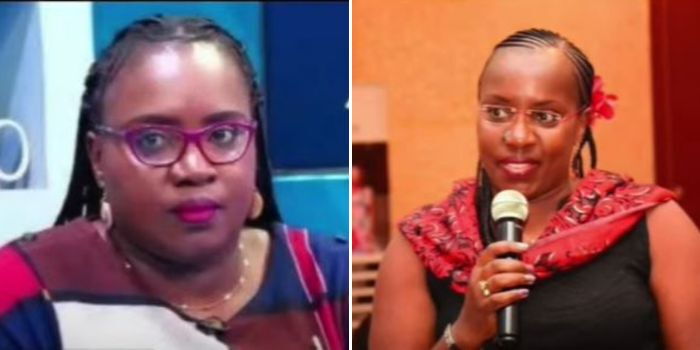
Former National Cohesion and Integration Commission Vice Chair Wambui Nyutu during a past meeting with Rigathi Gachagua. Photo: Rigathi Gachagua
Former NCIC Vice chair Wambui Nyutu. Photo: Wambui Nyutu
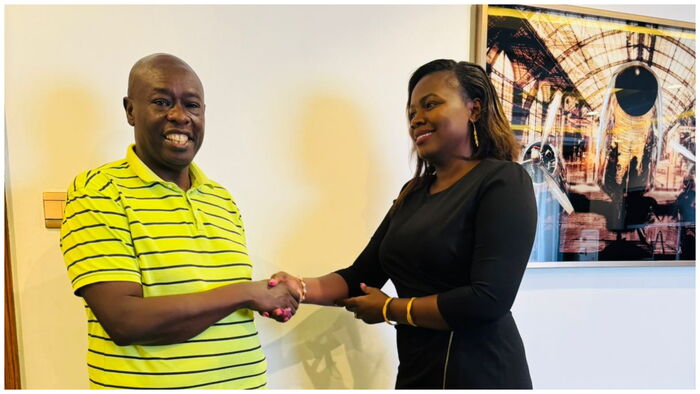
Former Deputy President Rigathi Gachagua and ex NCIC Vice Chair Wambui Nyutu during a meeting in December 2024. Photo: Rigathi Gachagua

Big Relief Coming! SHA Promises to Pay All Healthcare Facilities in 3 Weeks Amid Growing Crisis

0

Kenyans may soon breathe a sigh of relief as the Social Health Authority (SHA) has officially announced that all outstanding payments to healthcare facilities will be cleared within the next three weeks. This move is expected to bring hope to many hospitals struggling under financial pressure. 

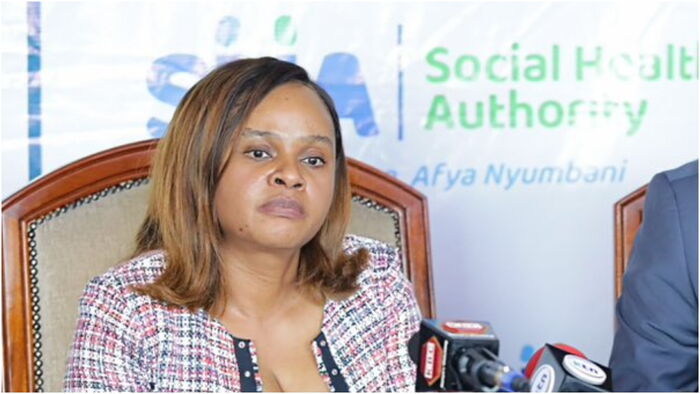
SHA CEO Mercy Mwangangi, speaking on Tuesday, July 22, said that the authority is working day and night to complete the review of all health service claims made by July 1. Over 9,000 healthcare facilities had submitted claims under the national health insurance system. 

So far, the SHA has already finalized and disbursed funds for the primary healthcare fund and the maternity package. Payments for these categories were released on the same day, July 22. Mwangangi confirmed that more reviews are underway for other services. 

The next payments will cover inpatient care, surgeries, and other specialized treatments. These are now being reviewed for compliance with SHA rules and regulations, especially under Social Health Insurance Regulations 59 and 61. 

Mwangangi noted that Ksh3 billion has already been paid out. This covered services like emergency care, cancer treatments (oncology), blood-related illnesses (haematology), and kidney care (renal services). 

However, this announcement comes after weeks of complaints from hospitals. Many facilities said they were struggling to operate due to the slow payment process. Some hospitals were on the verge of shutting down, while others were already in serious debt. 

The Rural and Urban Private Hospitals Association of Kenya (RUPHA) recently conducted a study that painted a grim picture. It revealed that only 20% of the health centers contracted under SHA’s Primary Health Care (PHC) model received full monthly payments. 

The Ministry of Health also released shocking statistics. Out of the 9,365 facilities contracted under SHA, 5,219 are public, 3,650 are private, and 496 are faith-based institutions. Many of them are feeling the heat of delayed payments. 

RUPHA explained that 36% of these facilities had taken loans to stay open. Sadly, 30% are at risk of not paying back those loans. Even worse, 13% are close to being auctioned, 9% are facing court cases from unpaid suppliers, and 1% have already closed down. 

Health Cabinet Secretary Aden Duale also gave an update on SHA’s coverage. According to him, over 24 million Kenyans have now signed up for the insurance plan. 

Out of these, 4.5 million have already received treatment for common illnesses and maternity care. An additional 2.2 million Kenyans have been treated for more complex medical needs under the scheme. 

Duale said the government is committed to fixing all challenges around the SHA to ensure that healthcare is not only available but also affordable for every Kenyan. 

Healthcare workers and hospital managers hope this promise by SHA will finally be fulfilled. For many, this is not just about money, it’s about saving lives. Some hospitals had already started turning away patients due to lack of drugs and staff. 

The three-week timeline is now a critical countdown for the country. If the payments are made on time, it will restore faith in the health insurance system and help many facilities bounce back. 

SHA’s efforts to clean up and verify claims are seen as necessary, but many believe they should be quicker in handling payments. After all, delays in healthcare financing can be deadly. 

Meanwhile, Kenyans continue to seek treatment through the system with hope that better days are coming. With over 24 million already registered, the system’s success or failure will affect millions of families across the country. 

If the authority delivers on its promise, it will mark a turning point for the national health insurance system. It will also give confidence to healthcare workers who have been struggling to keep their services running. 

As the countdown begins, all eyes are now on SHA to see if this promise will finally be fulfilled. 

The Social Health Authority(SHA) building, October 1, 2024. Photo: Social Health Authority

Mystery Deepens in Tragic Death of Toto Touch CEO Susan Njoki – She Was Strangled, Not Sick, Autopsy Reveals

0

The recent death of Susan Kamengere Njoki, CEO of Toto Touch, has shocked the nation. What many thought was a normal health emergency has turned into a suspected murder case. 

An autopsy has now confirmed that Susan did not die from a natural illness, she died from manual strangulation. This shocking revelation was made public during a press conference on Tuesday, July 22, by a group of six experienced pathologists. 

Dr. Joseph Ndungu, speaking on behalf of the pathologists, said they all agreed that Susan’s death was caused by “compression injuries on the neck.” This type of injury shows someone used their hands to strangle her. 

The doctors said that the strangling stopped oxygen from reaching her blood, which led to her death. This lack of oxygen was what ultimately killed her. 

“There was strong pressure on her neck,” Dr. Ndungu explained. “We are all in agreement that this was manual strangulation.” 

The doctors also found that some other health conditions were present in her body, but they were not what caused her death. These were labeled as “unrelated findings.” 

Another important detail from the autopsy is that Susan had eaten not long before she died. Food was still in her stomach, which suggests that she died less than four hours after having her last meal. 

One of the pathologists said, “The time between her last meal and death is quite short. This helped us to figure out more details about her final hours.” 

The biggest surprise came when the team confirmed that Susan actually died in the hospital. This information goes against earlier statements made by the Directorate of Criminal Investigations (DCI), which had said she died on the way to the hospital. 

Susan died on July 15. That was just one day after she was reportedly taken from her house in Kileleshwa by force. According to reports, several men stormed her home, restrained her, and injected her with unknown medicine. 

Chilling audio recordings, now with KTN News, feature Susan’s own voice. In the recordings, she talks about being grabbed by strangers in her home. She said the attackers tied her down while two nurses injected her with something. 

Even more shocking, Susan claimed in the recording that her husband had ordered the attack. She believed the forced injection and hospital trip were part of a bigger plan. 

Susan said in the audio, “They refused to tell me where they were taking me. I was so scared. I felt helpless.” 

She also linked the terrifying event to a past incident involving her husband. In that case, she had completed treatment, but he allegedly insisted she stay in the hospital against her will. 

Friends, family, and the public are now demanding justice for Susan. Many are asking why she was taken from her home like a criminal, and why no one stopped it. 

Activists and women’s rights groups are also raising their voices. They say Susan’s death is a clear example of how even powerful women can become victims of violence. 

“Being a CEO didn’t save her,” one activist said on Twitter. “We must protect women from violence, no matter who the abuser is.” 

Police have now opened a deeper investigation. There is growing pressure on the DCI to find and punish those involved in Susan’s death, including those who might have helped cover it up. 

Toto Touch, the company Susan led, has also released a statement mourning her loss. “We have lost a visionary leader, a kind soul, and a true warrior,” the statement read. 

As more facts come out, one thing is clear, Susan Njoki’s death was not an accident. It was violent, painful, and planned. 

Her story has sparked national outrage and opened discussions about domestic violence, abuse of power, and the need for stronger protections for women. 

Many are now asking: who killed Susan Njoki? And will justice be served? 

Susan Kamengere Njoki, July 15, 2025. Photo: Screengrab
A police vehicle moves through the streets of Nairobi’s central business district (CBD) during protests on June 25, 2025. Photo: Kenyans.co.ke