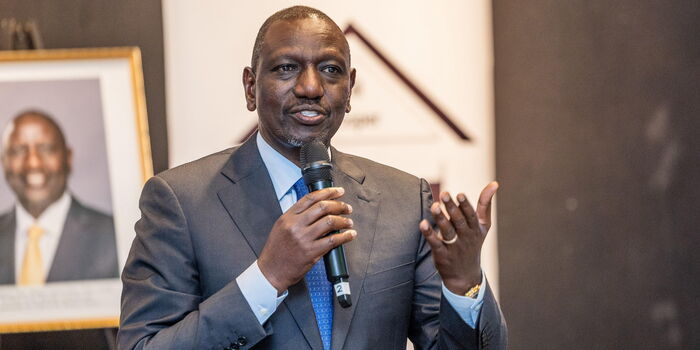
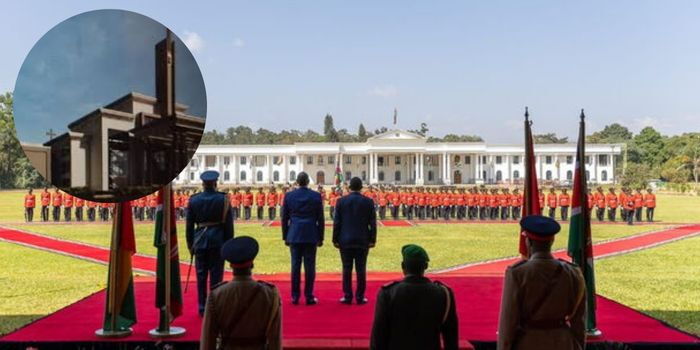
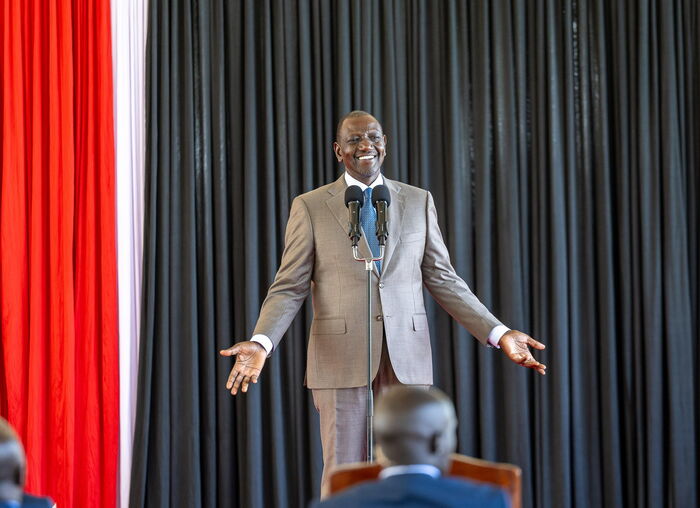
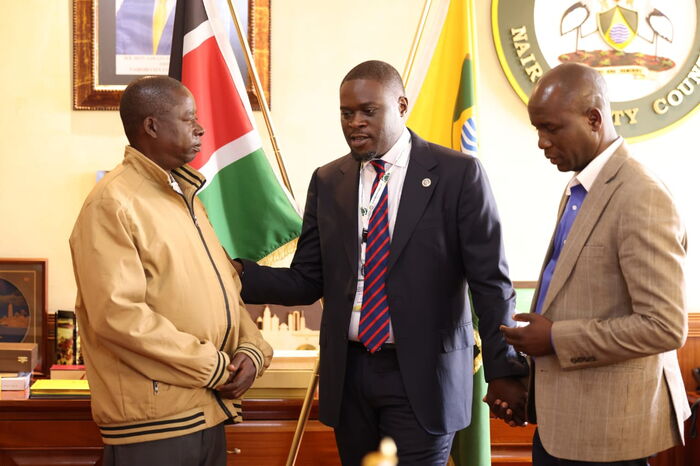
President William Ruto has ignited fresh national debate after publicly defending the construction of a Ksh1.2 billion church at State House Nairobi, following days of growing public criticism and outrage.
Addressing the nation on Friday, July 4, from State House, the Head of State firmly dismissed concerns over the cost and timing of the ambitious project. “When I was elected, we came in to find an iron sheet church in State House. I have no apologies to make for building a church at State House,” Ruto boldly declared.
With many Kenyans raising concerns over whether the massive structure is being funded by taxpayers, especially during one of the worst economic periods in recent memory, Ruto was quick to clarify the source of the funds.
Ruto insisted that no public money is being used in the construction of the church. “The construction of the Church is not costing the government a single cent. I will build the church with my own money because the church of God is something that demands respect,” he noted, citing his deep-rooted Christian faith as the driving force behind the initiative.
He went further to describe the backlash from critics as the “works of satan,” reaffirming that he remains committed to building a sanctuary at the nation’s highest seat of power.
The initial report, broken by the Daily Nation, revealed that the monumental church will be able to accommodate up to 8,000 people. Its grand design includes tall stained-glass windows and crosses, architectural elements meant to reflect deep religious symbolism.
But it’s not just for Sunday services. The planned church is expected to serve multiple roles, from hosting national prayer services and diplomatic gatherings to interfaith ceremonies, making it a multipurpose spiritual and state venue.
Despite Ruto’s explanations, public anger continues to swell. Many Kenyans have taken to social media to accuse the president of having severely misplaced priorities, especially at a time when millions are grappling with the high cost of living, fuel hikes, and unemployment. Critics argue that the president appears increasingly disconnected from the harsh realities facing the average citizen.
The timing of the church’s construction adds more fuel to the fire. It coincides with ongoing State House renovations funded by taxpayers. According to the Controller of Budget, Ksh775 million had already been spent on renovations by September 2024, from a total budget of Ksh1.7 billion.
The new 2025/2026 national budget has raised even more eyebrows. Over Ksh800 million has been earmarked for the facelift of State House and other State Lodges, with Ksh680 million specifically dedicated to State House Nairobi alone.
Budget estimates show that out of the Ksh2.3 billion set aside for the Executive Office of the President, a significant portion continues to be channeled into refurbishment and high-end maintenance — a trend that started soon after Ruto assumed office in 2022.
As the controversy rages on, the conversation now shifts beyond architecture and religion. For many, it’s a defining moment to reflect on the administration’s moral compass and its understanding of the daily struggles of the people it claims to serve.
President William Ruto addressing Kenyans living in the United Kingdom on July 3, 2025. PCSPresident William Ruto and DP Kithure Kindiki at State House, July 4, 2025. PCSPresident William Ruto reacts during a meeting with leaders from the African Independent Pentecostal Church of Africa (AIPCA) at State House, Nairobi on June 10, 2025. PCS
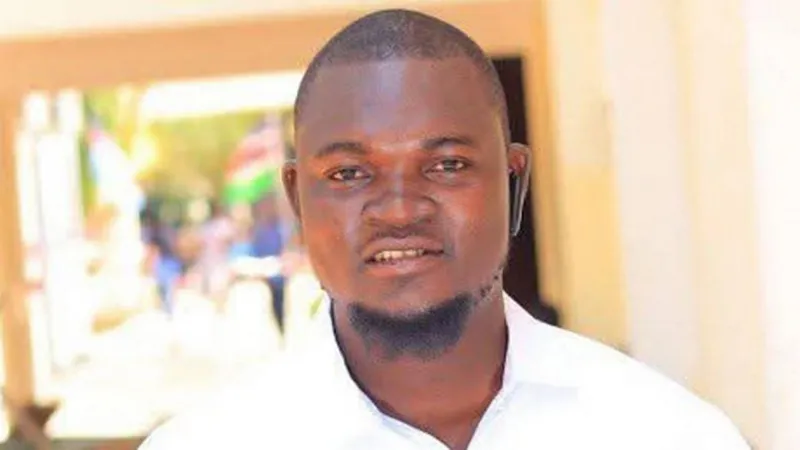
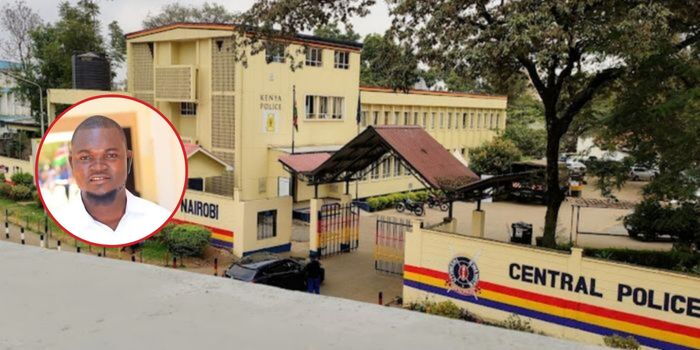
Albert Ojwang had a dream, one deeply rooted in love for his people, community empowerment, and youthful leadership. But that dream was tragically extinguished before it could take flight.
The 31-year-old teacher and social media influencer, who recently lost his life under controversial circumstances while in police custody, was preparing to run for Kokwanyo Ward Member of County Assembly (MCA) in the upcoming 2027 general election.
This revelation was made by his uncle during an emotional burial ceremony held on Friday at their family home in Kakoth Village, Homa Bay County.
Speaking to mourners, the uncle described Ojwang as “focused and optimistic,” stating that his nephew’s political ambition was not just a fleeting thought, but a mission they had already begun planning for.
“We had so many plans. He was serious about it,” the uncle said, his voice filled with grief and frustration.
Ojwang, who was based in Mombasa, made it a point to always visit his uncle whenever he returned to his rural home. It was during one of those heartfelt meetings that he disclosed his political aspirations.
“He sent me Ksh500 for transport so we could meet at Obambo,” the uncle recounted. “We sat and talked for hours. That’s when he told me, ‘I want to vie for MCA next year. Even if I lose, I’ll still run. It doesn’t have to be through Ruto’s party.’”
The uncle emphasized that Ojwang was motivated not by power or fame, but by a genuine desire to uplift the youth of Kokwanyo and bring their voices to the County Assembly. His campaign strategy, they believed, would center on grassroots mobilization and bold community outreach.
But all of that came to an abrupt and devastating end.
Ojwang was arrested on June 7 by officers from the Directorate of Criminal Investigations (DCI) after he allegedly defamed Deputy Inspector General Eliud Lagat. He was taken to Mawego police station and later transported to Nairobi Central police station, where he died the following day under mysterious circumstances.
An autopsy later revealed damning findings: signs of blunt trauma and strangulation, sparking nationwide outrage and renewed calls for justice and police accountability.
The public’s reaction was swift and furious. On Thursday, June 13, enraged youths marched with Ojwang’s body to Mawego police station and set the building ablaze.
Emotions also ran high at the burial, with mourners ejecting police officers, arguing they should not be present since he died in their custody.
Albert Ojwang’s death is now etched into the growing list of young lives lost in the shadows of state power and systemic impunity. His story is no longer just about a man with political dreams, it is a symbol of a broader fight for justice, transparency, and dignity.
As his community continues to mourn, his vision for Kokwanyo Ward may yet live on, not in silence, but through the voices of those he inspired.
An image of popular X influencer Albert Ojwang. Photo/ Albert OjwangNairobi Governor Johnson Sakaja meets Albert Ojwang’s father at City Hall, Nairobi, June 11, 2025. Photo: Johnson SakajaA photo collage of Nairobi Central Police Station and popular X influencer Albert Ojwang, June 8, 2025. Kenyans.co.ke
Trump’s Senior Africa Advisor Says Kinshasa–M23 Talks Could Reach “Final Stage” This Week
The United States is intensifying diplomatic efforts to resolve the conflict in eastern Democratic Republic of Congo (DRC), with President Donald Trump’s senior advisor on African affairs, Massad Boulos, stating that peace talks between the Congolese government and the M23 rebel movement could reach their “final stage” this week.
Speaking to France24 , Boulos said: “This time, we expect it to be the final round of talks. Senior officials from both sides will be attending, and we will also be present.”
The Doha-led negotiations had stalled early last month, with Reuters reporting that Qatari mediators presented a draft peace agreement to both delegations for review with their respective leaderships. The new round of talks, set to resume in Doha later this week, is seen as a pivotal moment following the U.S.-brokered peace agreement signed in June between Rwanda and the DRC.
President Félix Tshisekedi recently expressed gratitude for Qatar’s discreet mediation, acknowledging the low-profile yet critical role played by the Gulf nation. Previous sessions in April and May yielded little progress, and details of the dialogue have remained tightly guarded.
For the first time, the M23-led alliance, known as AFC/M23, has publicly released a list of eight key demands to the Congolese government. In a Thursday press briefing, the group accused Kinshasa of not committing seriously to the Doha talks or acknowledging their concerns. Nonetheless, M23 leaders expressed readiness to return to the negotiation table.
DR Congo’s Foreign Minister, Thérèse Kayikwamba, confirmed on Thursday that her government would participate in the upcoming talks but declined to share details, only saying, “We hope for a positive outcome.”
Analysts note that this renewed momentum comes under mounting pressure from Washington, which has strategic political and economic interests in a swift resolution to the conflict—particularly as former President Trump eyes global diplomacy successes ahead of the upcoming U.S. elections.
Boulos revealed that the U.S. is preparing to host a high-level summit later this month in Washington, D.C., bringing together Rwandan President Paul Kagame and President Tshisekedi. “We believe the Doha talks will reach an agreement by then,” he added.
Despite the Washington deal between Rwanda and the DRC, sporadic fighting continues in North and South Kivu between M23 forces and the Congolese-aligned Wazalendo militia. Political rhetoric on both sides reflects lingering distrust over implementation of the accord.
Kinshasa has insisted Rwanda must withdraw its troops from Congolese territory, while Kigali maintains that any demobilization depends on Kinshasa dismantling the FDLR, a Rwandan rebel group it considers a national security threat.
Boulos stressed that the Washington agreement must be implemented swiftly, asserting that the FDLR “can be dismantled within months.”
Foreign Minister Kayikwamba, during her Thursday remarks, questioned Rwanda’s alarm over the FDLR. “If the FDLR truly poses a threat… the agreement outlines how to address it permanently just as Rwandan troops in the DRC, who have no legitimate presence, must return home.”
All eyes are now on Doha as renewed negotiations commence, under tighter timelines and increased pressure from Washington to reach a lasting peace.
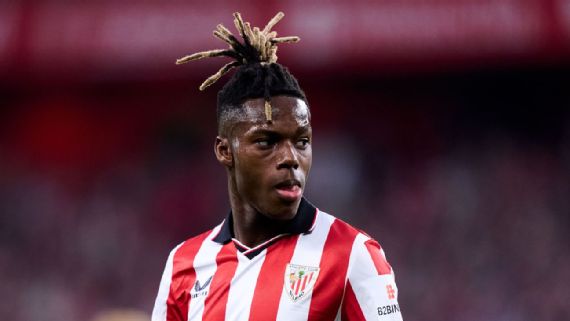
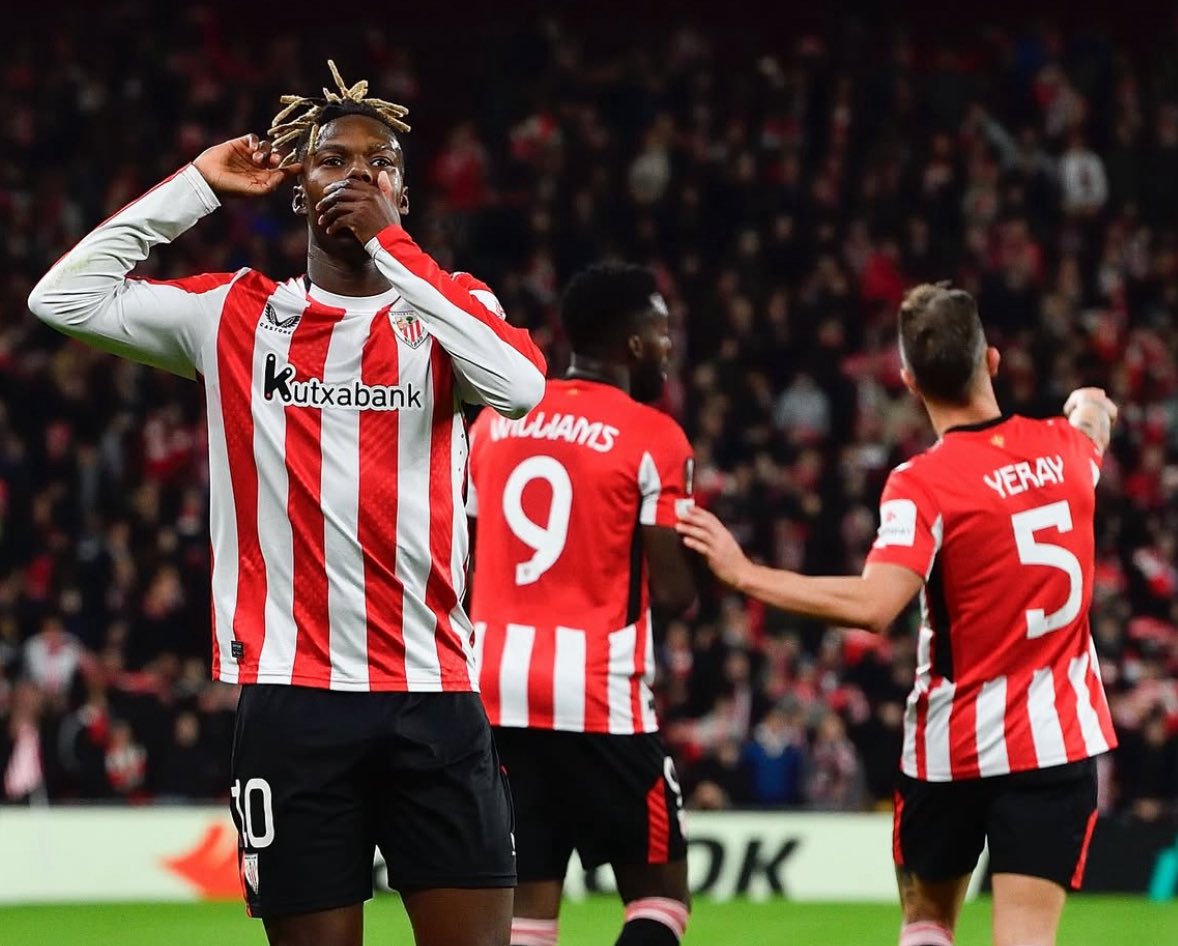
In a dramatic turn of events that has shaken the summer transfer window, Spain international Nico Williams has signed a new long-term contract with Athletic Club until 2035, ending months of speculation linking him with a high-profile move to Barcelona.
The Catalan giants, led by sporting director Deco and club president Joan Laporta, were confident they had convinced the 22-year-old winger to join the reigning La Liga champions.
Reports even suggested Barça were prepared to activate his €58 million ($68.3m) release clause and had begun financial preparations for the move.
Deco publicly stated that Williams had expressed a strong “desire to join” the Camp Nou outfit, while Joan Laporta reiterated the club’s willingness to make the transfer happen.
But in a shocking twist on Friday, Athletic Club announced that Williams had not only turned down Barça’s offer but signed a fresh deal, reportedly increasing his release clause by over 50%.
The winger made his decision known in a powerful video posted on Athletic’s social media, spray-painting “2035” over a defaced mural of himself while declaring:
“When you have to make decisions, for me, what weighs most is the heart. I am where I want to be, with my people. This is my home. Aupa Athletic!”
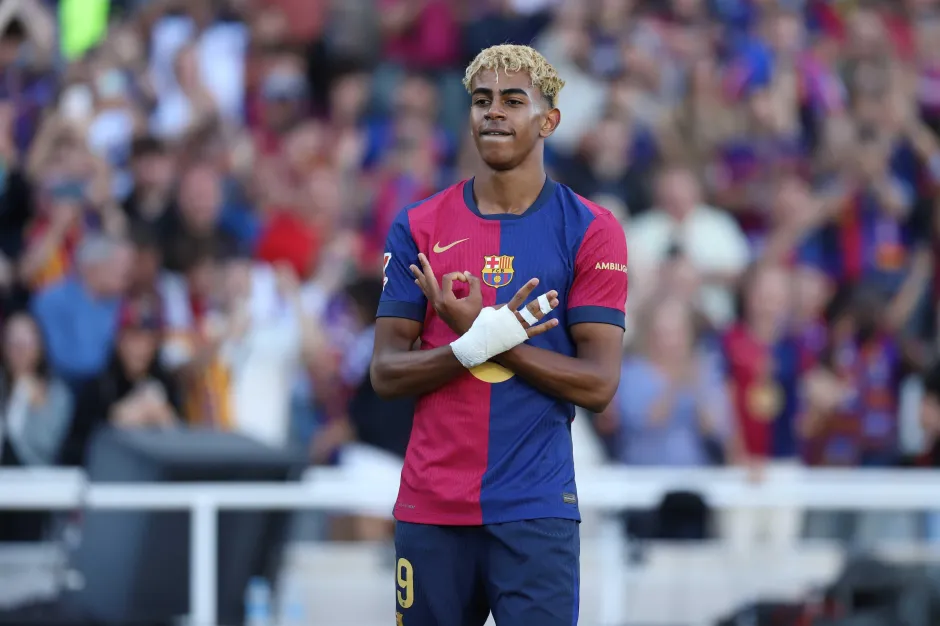
Williams’ decision comes after intense pressure from fans and fellow players. Barcelona supporters had high hopes after Spain’s Euro 2024 triumph, where Williams formed close bonds with Barcelona stars Lamine Yamal, Alejandro Balde, and Pedri. Yamal, in particular, had been actively encouraging Williams to make the switch, even posting cryptic messages on social media to tease the potential transfer.
The failed move is a major setback for Barça, who had prioritized signing a top winger this summer to reduce the workload on young star Yamal and Brazilian forward Raphinha. With Williams now off the table, Deco and new coach Hansi Flick must reassess their attacking targets.
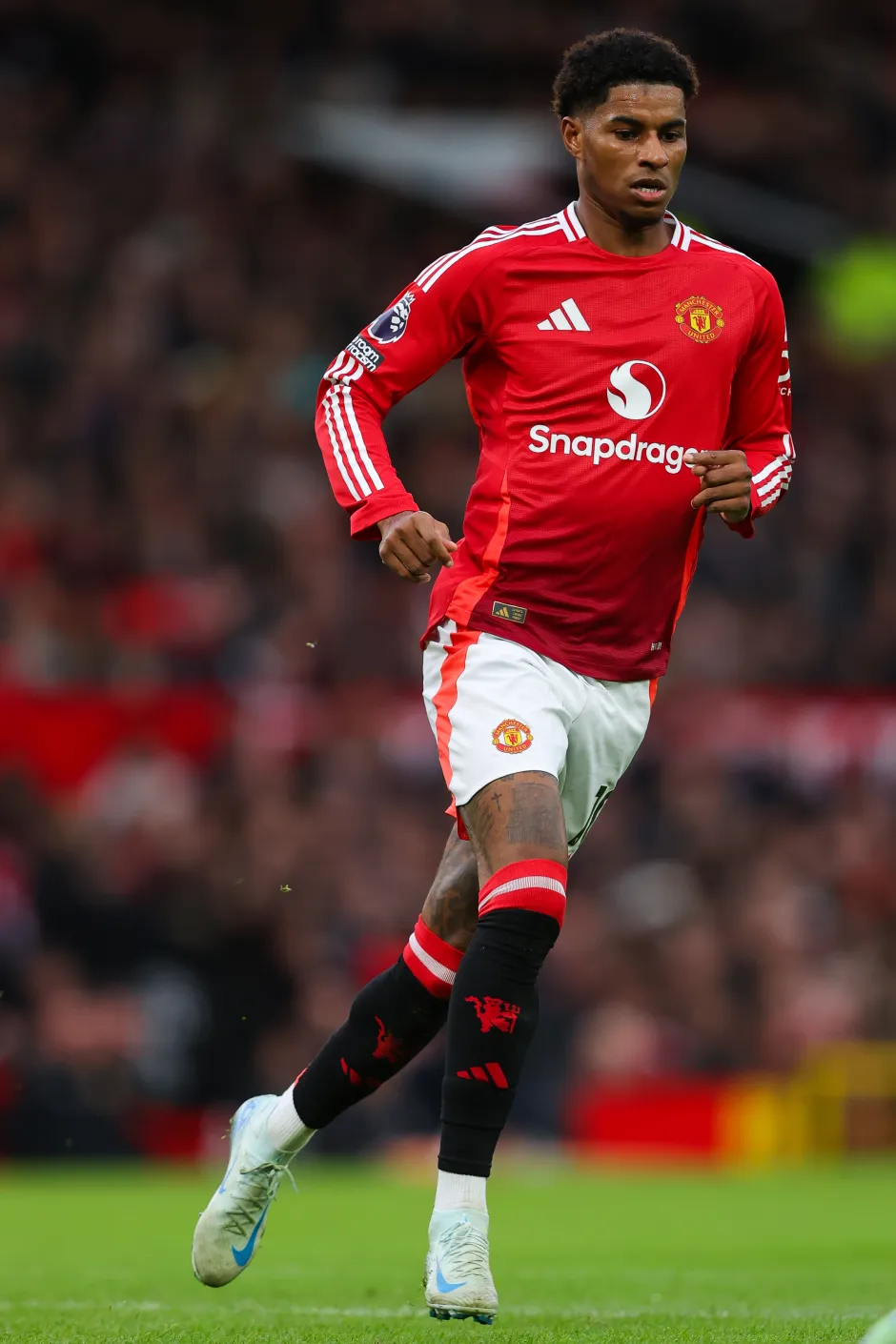
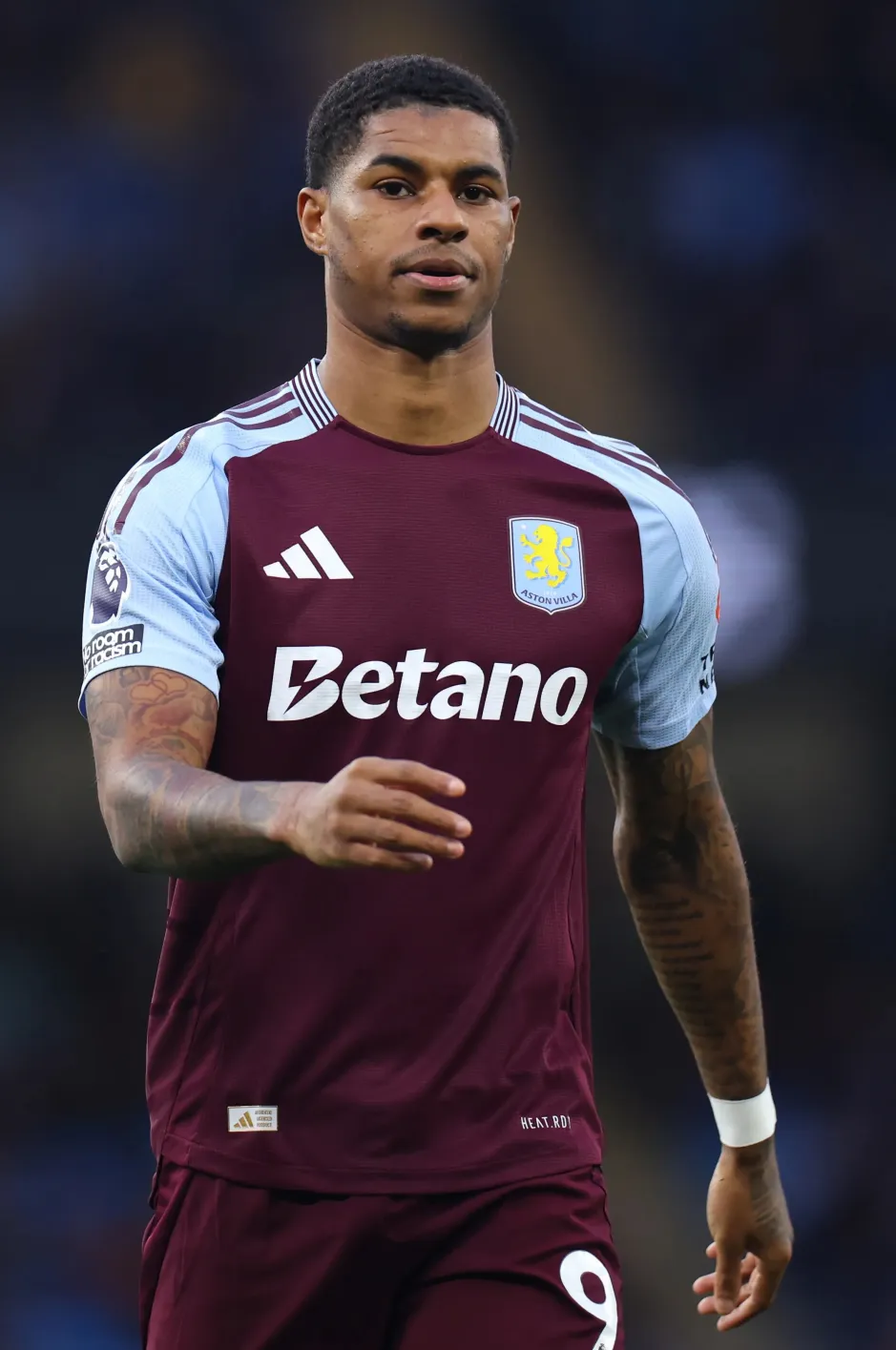
One name that has suddenly become more relevant is Manchester United forward Marcus Rashford.The England international recently fueled speculation by saying he “hopes” to one day play alongside Yamal.
Barcelona are now considering a loan deal for the 27-year-old, with an option to buy, especially as their financial situation makes a permanent transfer challenging.
Rashford is currently out of favor at Old Trafford, and United are reportedly eager to offload his hefty £370,000-a-week wages. While United would prefer a full sale, they may accept a structured deal just to reduce their wage bill.
Along with Rashford, Jadon Sancho and Antony are on United’s priority sales list as the club works to balance the books.
Meanwhile, Rashford has other suitors. Newcastle United are believed to be keeping tabs on the situation, with manager Eddie Howe seeing the forward as a potential reinforcement for their Champions League campaign, especially as interest in Alexander Isak intensifies from Arsenal and Liverpool.
Jose Mourinho’s Fenerbahce has also joined the transfer frenzy, tabling a £15 million bid for Sancho, another sign of United’s potential summer overhaul.
As for Barcelona, their failure to sign Nico Williams might force them to double down on the Rashford option. With Flick looking for players who can slot across the front three and offer reliable depth, Rashford’s versatility is appealing, especially if they can negotiate favorable loan terms.
Still, the sting of losing Williams, a player who seemed destined for the Camp Nou, will linger. Barcelona now face the tough task of rebuilding their summer strategy from scratch, and Rashford may be their next big gamble.
Nico Williams has committed the next 10-years of his career to Athletic Club. Juan Manuel Serrano Arce/Getty ImagesMan Utd outcast Marcus Rashford might get the move he most craves. Credit: GettyRashford fancies playing alongside Barcelona’s Lamine Yamal. Credit: AlamyRashford thrived for Aston Villa in the second half of last term. Credit: Getty
In a dramatic and unexpected turn of events, Spain international Nico Williams has dealt a major blow to Barcelona’s summer transfer plans by rejecting their lucrative offer and signing a new long-term deal with Athletic Club until 2035.
Williams, 22, had been heavily linked with a blockbuster move to the Catalan giants, with Barça’s sporting director Deco confirming that the winger had expressed a strong “desire to join” the Spanish champions. President Joan Laporta even revealed the club was ready to activate his €58 million ($68.3m) release clause.
Barcelona’s confidence in securing the signature of the talented winger was so high that Athletic Club reportedly filed a formal complaint to LaLiga over Barça’s financial conduct last week. Tensions reached boiling point in Bilbao, with frustrated fans twice vandalizing a mural of Williams amid speculation that he was destined for Camp Nou.
But the narrative flipped on its head this Friday when Athletic Club confirmed they had successfully extended Williams’ contract. The new deal reportedly includes a release clause more than 50% higher than the previous one, a staggering increase that may now put the player well out of Barcelona’s financial reach.
In a powerful and symbolic video posted to Athletic Club’s social media, Williams is seen spray-painting “2035” onto the very mural that was defaced, reclaiming it with pride and emotion.
“When you have to make decisions, for me, what weighs most is the heart,” said Williams. “I am where I want to be, with my people, this is my home. Aupa Athletic!”
Having joined Athletic at the age of 11, Williams has already racked up 167 appearances and scored 31 goals since breaking into the first team in 2021. He played a pivotal role in the club’s historic Copa del Rey triumph in 2024, which ended a 40-year wait for a major trophy.
On the international stage, he has emerged as a key figure under Luis de la Fuente, earning 28 caps and scoring six goals, including one in Spain’s thrilling Euro 2024 final victory over England. His growing bond with Barcelona stars like Lamine Yamal, Alejandro Balde, and Pedri had only fueled rumors of an imminent transfer.
Last summer, Yamal and Balde even tried to convince him to join Barça, while Yamal posted multiple Instagram stories this year hinting at a potential move. Despite the peer pressure and heavy interest, Williams has chosen loyalty over glamour.
Barcelona must now return to the drawing board in their pursuit of a winger to ease the burden on Yamal and Raphinha. Deco had previously named this position as a top priority.
Alternatives being considered include Liverpool’s Luis Díaz, although the Premier League champions have already rebuffed offers from both Barça and Bayern Munich. Manchester United’s Marcus Rashford is another name in the mix, with the English star hinting at a desire to one day link up with Yamal.
For now, however, it’s Athletic Club celebrating the biggest win of the summer, keeping their homegrown superstar and Copa del Rey hero for the next decade.
Nico Williams proudly announces his contract extension with Athletic Club until 2035, turning down a high-profile move to Barcelona.
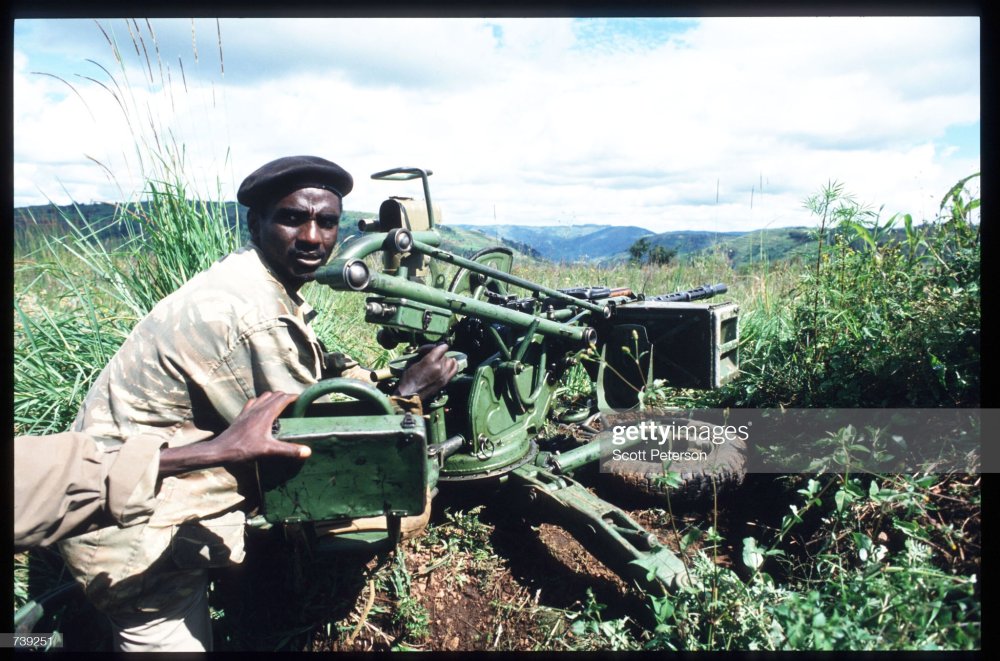
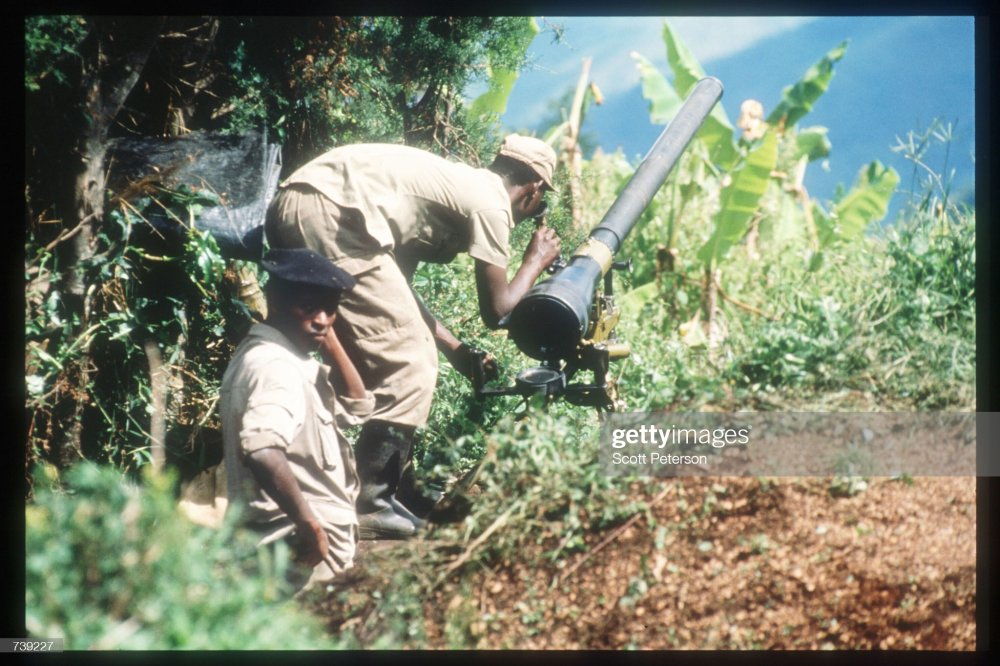
“Initially, we fought in a conventional way, we fought like terrorists. Habyarimana’s troops would position themselves on the hills with anti-aircraft guns, machine guns, tanks, and planes overhead. Meanwhile, we advanced with our small rifles, holding our chests high, all the way to their heavy weapons. Many died. This was in the Mutara region, which was wide open. They’d shoot you from three or four kilometers away before you even reached them. That’s why the Zairians said the RPA were terrorists […] and in reality, it was true. Then the Head of State changed that method of warfare, shifting from conventional to guerrilla warfare, mobile tactics, hit-and-run attacks, striking the enemy where he didn’t expect, attacking where he couldn’t see us, ambushing him, shooting at night, at dawn, while he was on the move, disorienting him, keeping our location hidden.”
These are the words of Gen (Rtd) James Kabarebe explaining the combat tactics that enabled the Rwandan Patriotic Army (RPA) to win the liberation war, a victory now 31 years old.
Every battle requires specific tactics, especially in military warfare where life and death are at stake.
In 1990, when the RPA began its offensive, it had been reorganizing and training for many years. Many of those who launched the war had served in the Ugandan army in various capacities.
Gen. Maj. Fred Rwigyema led the RPA on the first day of the war, October 1, 1990. He was experienced, having served as the deputy commander in Uganda’s liberation war under Gen. Elly Tumwine, who was shot in the eye on the second day and taken to the UK for treatment, leaving Rwigyema in command.
But the Rwandan liberation war didn’t unfold as expected. Fred Rwigyema was shot by the enemy on October 2, just one day after the war began.
Other senior officers, including Maj. Chris Bunyenyezi (Operations Chief) and Maj. Peter Bayingana, were also killed. Bayingana was ambushed en route from Kagitumba to Gabiro, while Bunyenyezi was killed on the road from Kahi through Nyakigando to Ngarama, having left Nyagatare.
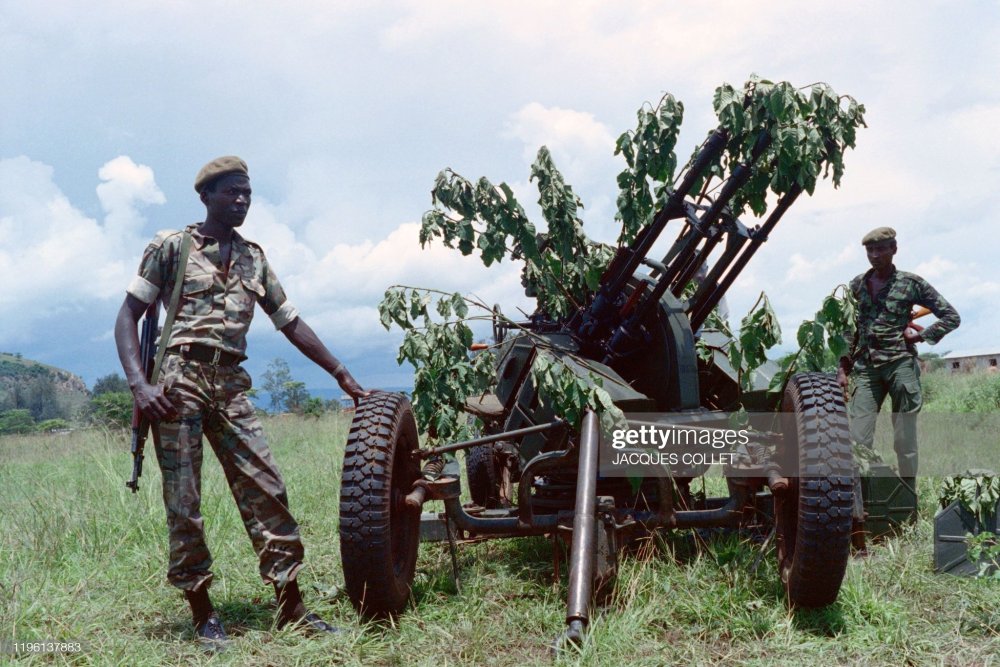
In the early days, RPA used Conventional Warfare, a traditional military tactic where opposing armies face each other directly in battle.
This method has existed for centuries. In ancient times, warriors used spears and swords to fight face-to-face, stabbing each other until one side triumphed.
As warfare evolved, people began using poison and later conventional firearms. By the 20th century, long-range artillery and guns became common, capable of destroying structures from a distance. Some of these are now seen in European ceremonial parades, mounted on carts.
Eventually, warfare became more mobile, but still largely face-to-face. In World Wars I and II, tanks and aircraft were used, but still involved opposing forces clashing head-on, each trying to push the other from its positions.
Conventional warfare is costly and risky. Soldiers are often grouped in one area, making them easy targets, leading to high casualties. It also requires expensive equipment and logistics, and because troop positions are often known, enemies can easily track and attack them.
This was the method used by the RPA in the early days, until Gen. Maj. Paul Kagame returned from military training in the U.S. and assumed leadership.
Upon arrival, he found the army demoralized. He quickly ordered troops to withdraw and regroup. He held a meeting with the senior officers, asking about the challenges in the early fighting.
Gen. (Rtd) Fred Ibingira admitted that he thought the war was lost and had planned to return to Uganda.
Most soldiers were demoralized. Some wanted to stop fighting and go back to Uganda, though it wasn’t possible since they had secretly fled Uganda and couldn’t return safely.
He said, “The commander found us in Kagitumba, and everyone was trying to find an escape route. I had come from Gulu in northern Uganda, in the 4th Division, 21st Battalion. I was marching, hoping to reach my battalion by morning. The battle had overwhelmed us.”
Kagame, then nicknamed “Afande PC,” boosted morale. He asked who was ready to continue fighting, explained that tactics had to change, and insisted that retreat was not an option. The mission was to liberate the country and stop the genocide against the Tutsi that had already begun.
At the time, the FAR (Rwandan Armed Forces) celebrated, believing they had crushed the “Inyenzi” rebels completely.
Kagame changed tactics from conventional warfare to mobile and guerrilla warfare.
The first attack under this new approach was launched to capture Gatuna in early November. The operation was led by Col. (Rtd) Twahirwa Ludovic, also known as Dodo.
Historians say this was a well-planned and executed attack that raised morale among RPA troops, many of whom had not witnessed the disastrous early days.
The same day Gatuna was captured, it was officially announced that Fred Rwigyema had died. Though many were heartbroken, the victory boosted their spirits.
Mobile and guerrilla warfare tactics made it possible to win the war. RPA forces moved from Mutara to the Virunga mountains, launching attacks and training there.
Guerrilla warfare was used to capture Ruhengeri, the country’s second most important city after Kigali and home to many top government leaders.
At the time, some detained political leaders in Ruhengeri Prison were also freed.
Guerrilla warfare involves small units striking specific targets and quickly retreating. Even just three soldiers can create chaos in an area, making it appear as if hundreds attacked.
It’s also used for ambushes, laying traps for the enemy, or destroying key enemy infrastructure like bridges. However, RPA didn’t destroy infrastructure during the liberation because they knew rebuilding would be difficult after victory.
The main goal was to confuse and destabilize the enemy, forcing them to abandon their positions and scatter.
Former FAR soldiers have testified that RPA’s tactics disoriented them, they often didn’t know where the attacks were coming from.
Mobile warfare, while similar to guerrilla warfare, is more focused on identifying enemy weaknesses and striking precisely.
In mobile warfare, troops cut off all support routes, encircling the enemy and forcing surrender.
This tactic was famously used by Germany in WWII’s Blitzkrieg (Lightning War) from 1939 to 1941 against Poland, France, and the Soviet Union, quickly seizing large territories.
During the Korean War (1950–1953), Chinese forces used similar methods, night-time surprise attacks by the Chinese People’s Volunteer Army (PVA), overwhelming enemy troops with speed and agility.
In the 1967 Six-Day War, Israeli forces used mobile warfare to defeat neighboring Arab countries.
The main goal of mobile warfare is to defeat the enemy quickly. It relies on good intelligence, unified command, and clear communication up and down the ranks.
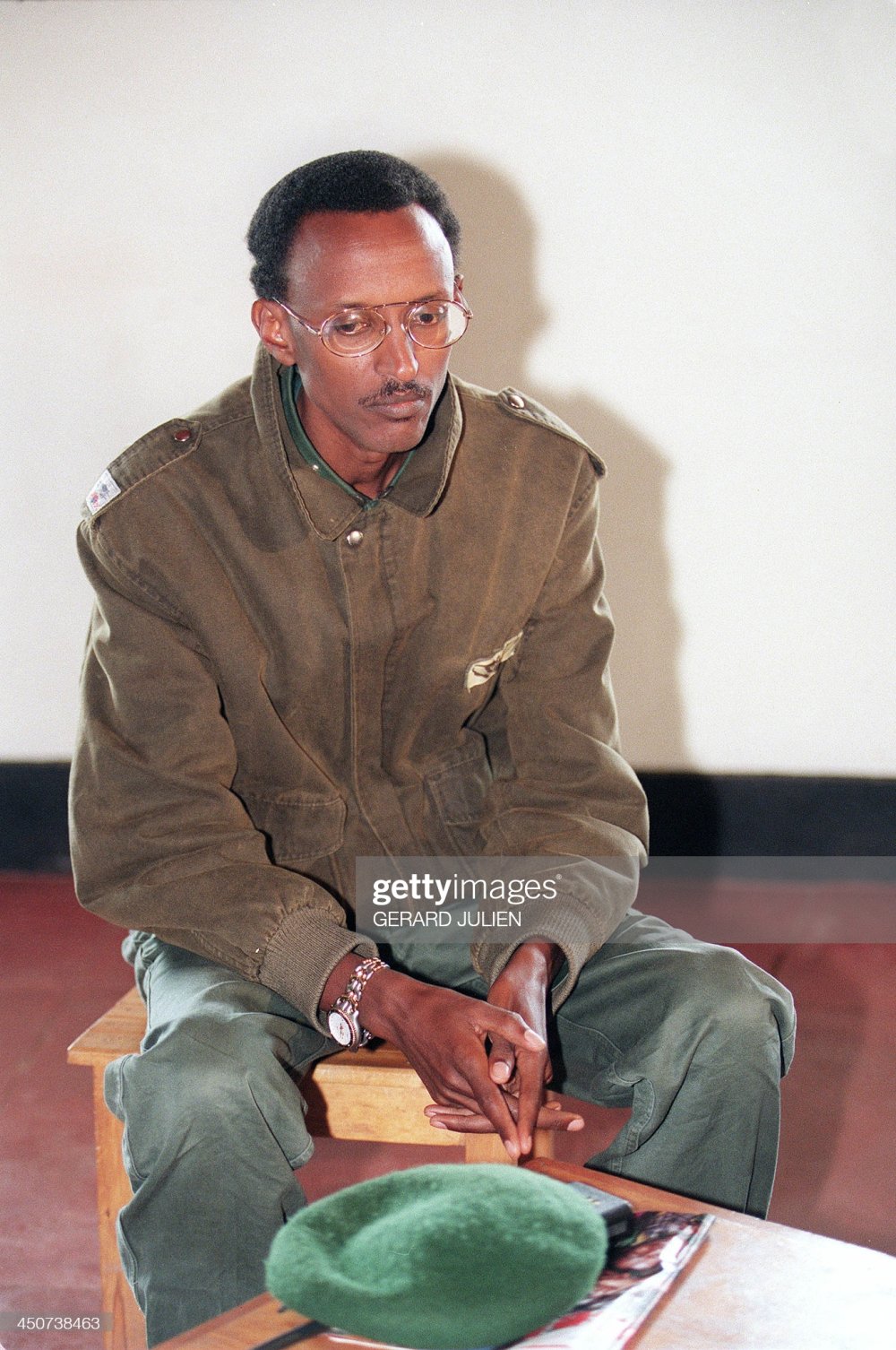
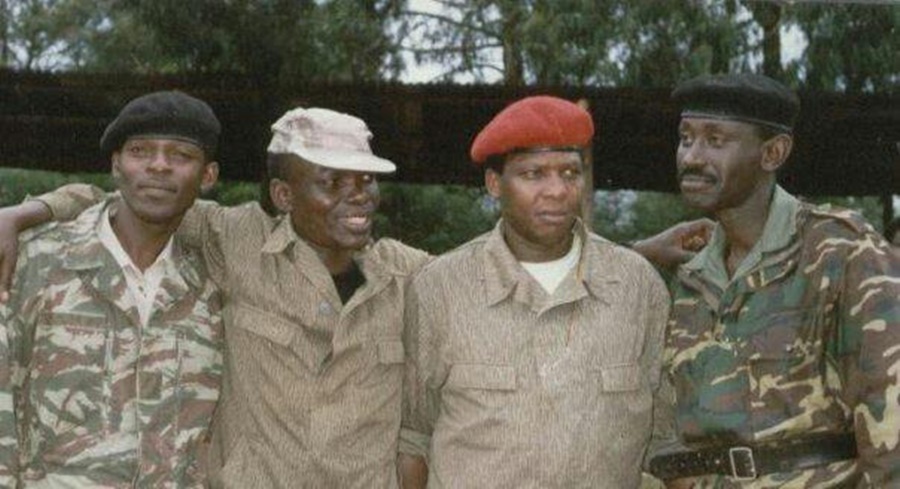
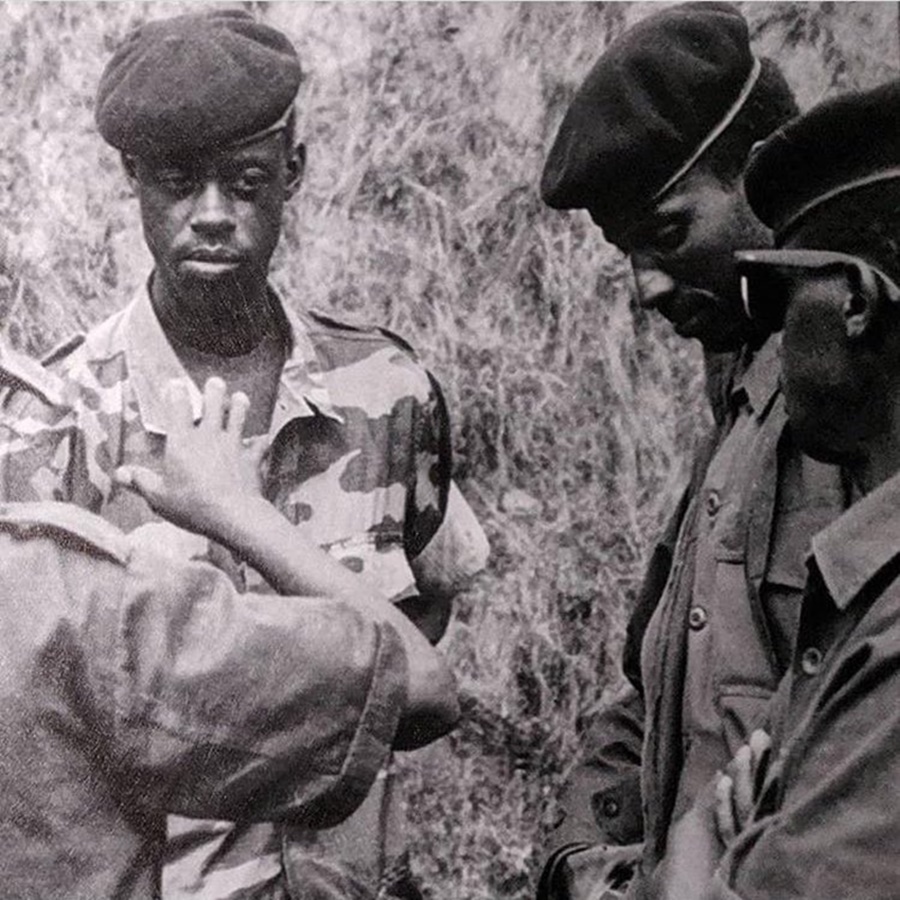
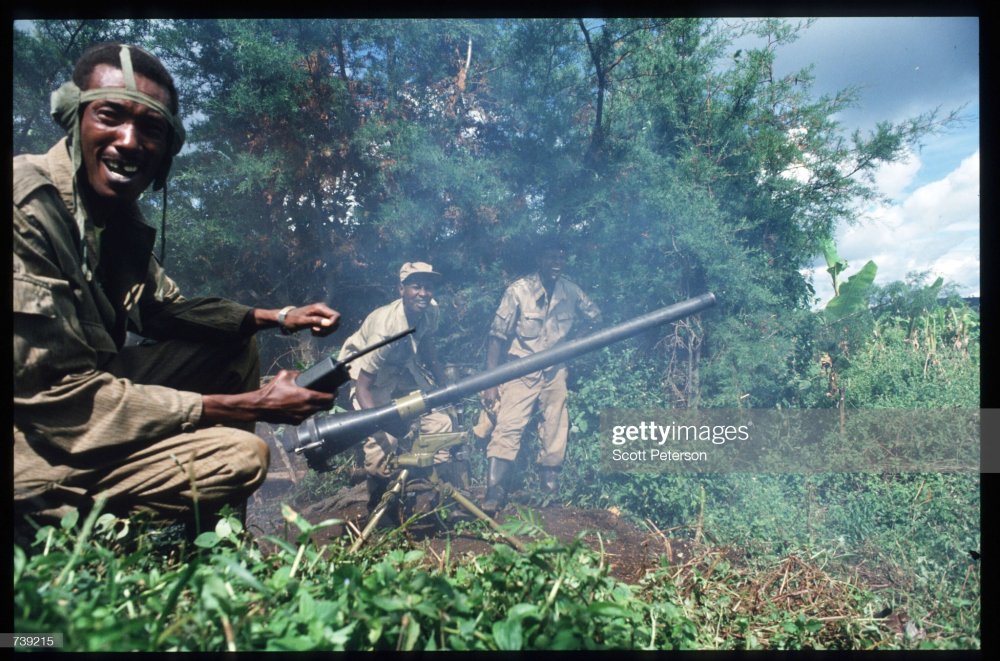
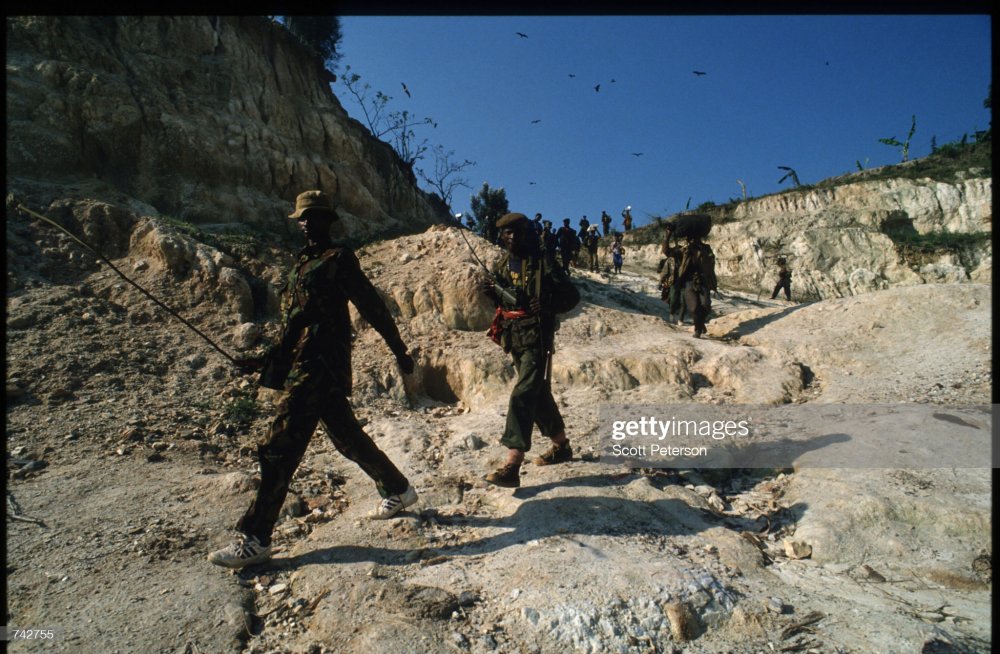
This photo of Gen. Maj. Paul Kagame was taken on May 11, 1994, in Byumba. At the time, he was in a meeting with José Ayala Lasso, who was the head of the United Nations Human Rights Division.Rtd Col Ludovic Dodo Twahirwa, wearing a red beret, is one of those who knew how to strategically plan the course of the battle.Gen (Rtd) James Kabarebe is one of the soldiers who fought in the war to liberate the country and continued with its development journey up to the present day.Day by day, even though they were going through hardships, their morale remained high.This photo was taken in the Southern Province of Rwanda while RPA forces were intensifying the battle to liberate the country. In many areas, they traveled on foot due to a lack of resources.RPA soldiers at Kagitumba on October 22, 1990, in the early stages of the war to liberate the country.The few resources they had were used in one of the most heroic acts in Rwanda’s history.
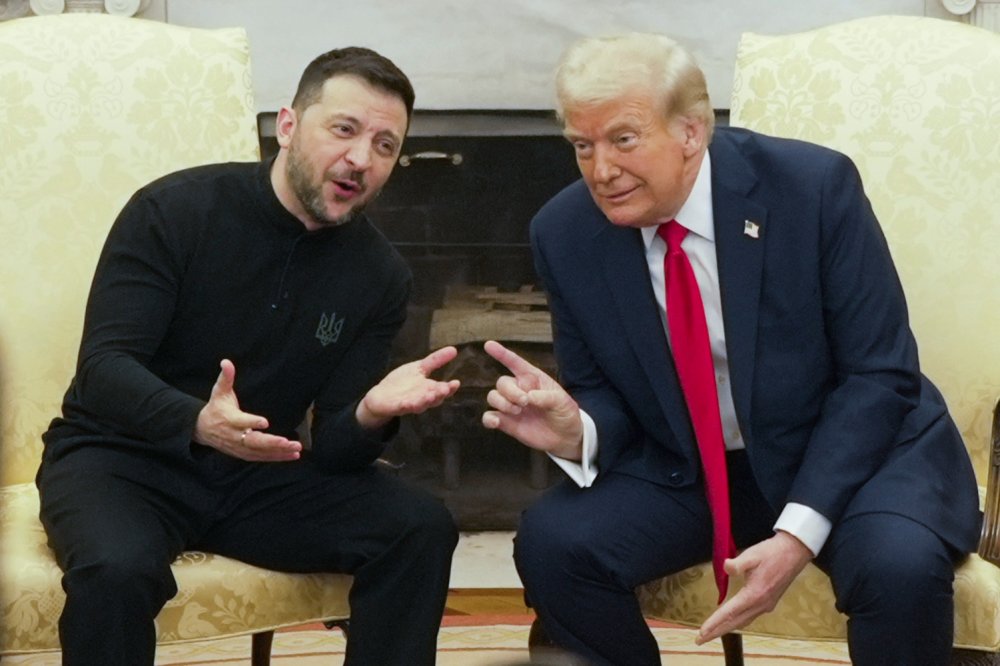
In a dramatic twist amid growing media speculation, former U.S. President Donald Trump has confirmed that the United States will continue supplying weapons to Ukraine, despite recent reports indicating a pause in military shipments due to dwindling stockpiles.
Speaking to reporters earlier this week, Trump dismissed claims that Washington had fully stopped sending military aid to Ukraine. Instead, he emphasized the need for the U.S. to strike a careful balance between helping Ukraine defend itself against Russian aggression and ensuring America’s own security needs are met.
“We are still sending weapons,” Trump said. “But we have to be cautious. Biden already sent a massive amount. We need to make sure we keep enough to protect ourselves and our allies.”
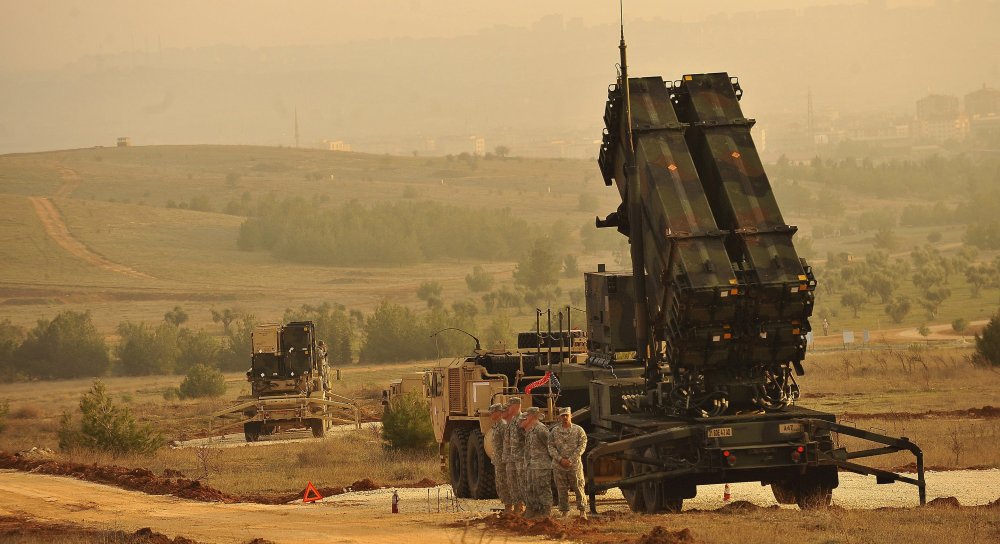
This statement comes just days after Politico and NBC News reported that the Pentagon had halted deliveries of key military systems, including Patriot and Stinger missiles, Hellfire rounds, and GMLRS (Guided Multiple Launch Rocket Systems).
The decision, reportedly made by Defense Secretary Pete Hegseth, followed an internal assessment of the Pentagon’s own diminishing stockpiles and concerns over the long-term sustainability of American military aid.
The weapons in question, some already staged in Europe, were originally allocated under President Biden’s Ukraine Security Assistance Initiative (USAI), which allowed the Pentagon to order new weapons from defense contractors for Ukraine. However, with growing domestic pressure and logistical concerns, these transfers have now been delayed or paused.
White House spokesperson Anna Kelly explained the move, stating:
“This decision puts America’s interests first. It follows a comprehensive Department of Defense review of all foreign military aid programs. The strength of the U.S. military is not up for debate, ask Iran.”
While some critics argue the pause could open the door for renewed Russian offensives, others see it as a strategic reset. Trump further underscored that certain weapons like the Patriot missiles are in short supply and vital for America’s own defense, especially given rising tensions in the Middle East involving Iran and U.S. ally Israel.
These developments echo a previous legal controversy in 2019 when the Trump administration froze military aid to Ukraine, a move later deemed illegal by the Government Accountability Office (GAO). But today’s pause appears to be grounded in logistical necessity rather than political maneuvering.
Meanwhile, data from Germany’s Kiel Institute reveals that since the beginning of Russia’s invasion in 2022, the U.S. has contributed over $115 billion in military support to Ukraine, by far the largest aid package from any nation.
The debate over whether to continue large-scale military support for Ukraine is far from over. However, Trump’s firm position signals that while priorities may shift, full abandonment of Ukraine is not currently on the table.
As America navigates complex geopolitical risks, energy interests, and shifting alliances, its role in the Ukraine war remains a pivotal test of both leadership and strategy.
Trump stated that the United States has never stopped sending weapons to Ukraine.A U.S. Patriot missile system during a military drill — one of the key weapons recently paused from being sent to Ukraine.
Arsenal manager Mikel Arteta has reportedly issued a firm ultimatum to the club’s hierarchy, urging them to wrap up a deal for Viktor Gyokeres within the next two weeks, or risk missing out on their prime striker target this summer.
With the Gunners locked in an aggressive pursuit of Sporting Lisbon’s red-hot Swedish forward, Arteta has made it clear that he wants the transfer finalized before July 19, when the team flies out for their preseason tour in Singapore.
According to Mail Online, the Arsenal boss is keen to have his new striker embedded in the squad by the time the jet touches down in Asia.
Gyokeres, who scored 43 goals across all competitions last season, has already agreed personal terms with Arsenal, and talks with Sporting are ongoing. The Portuguese club is demanding around €80 million (£69 million) for their talisman, a figure they’re standing firm on, despite being open to reasonable negotiations.
In a recent statement, Sporting CP president Frederico Varandas opened up about the Gyokeres situation. He acknowledged Arsenal’s interest and hinted that a deal could be on the horizon:
“Sporting is calm regarding this matter. We don’t need to sell Viktor Gyökeres. But we are sensitive to his dreams. While we won’t demand the full release clause, we are not letting him go for €60+10m. Absolutely not.”
Varandas also pointed to recent big-money moves in Europe to justify their valuation:
“I saw Zubimendi go for €65 million and Matheus Cunha move to Man United for around €75 million. Viktor is 26 and in top form. If his agent is doing his job, and he is one of the best, then I expect a fair deal soon.”
Arsenal’s interest in Gyokeres comes as part of a broader strategy to reinforce the squad and close the gap to Premier League champions Manchester City. Other names have been floated, including RB Leipzig’s Benjamin Sesko and Aston Villa’s Ollie Watkins, but Gyokeres is understood to be Arteta’s top choice.
In parallel, Arsenal are moving fast in other areas. Martin Zubimendi is said to be close to completing his transfer to North London, while Valencia defender Cristhian Mosquera has rejected a contract extension to push through a move to the Emirates.
With the clock ticking and the preseason schedule looming, the next 10 days could prove pivotal. Will Arsenal strike a deal in time to unleash Gyokeres in Asia? Or will the club’s hesitation cost them the striker Arteta believes is key to a title charge?
One thing is clear: Mikel Arteta has spoken. Now it’s up to the Arsenal board to deliver.
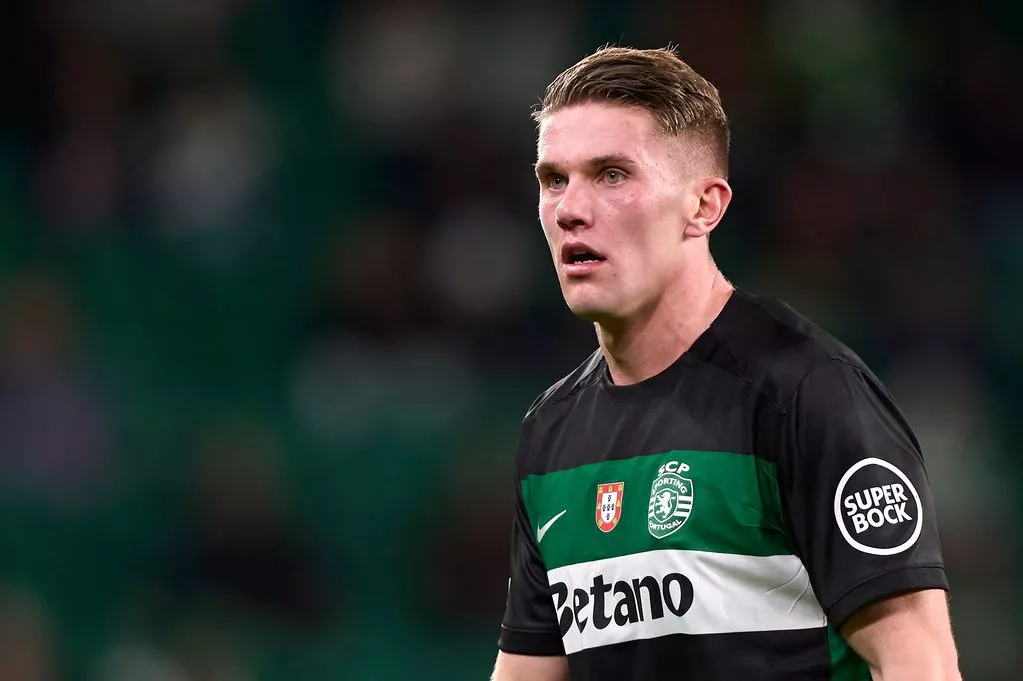
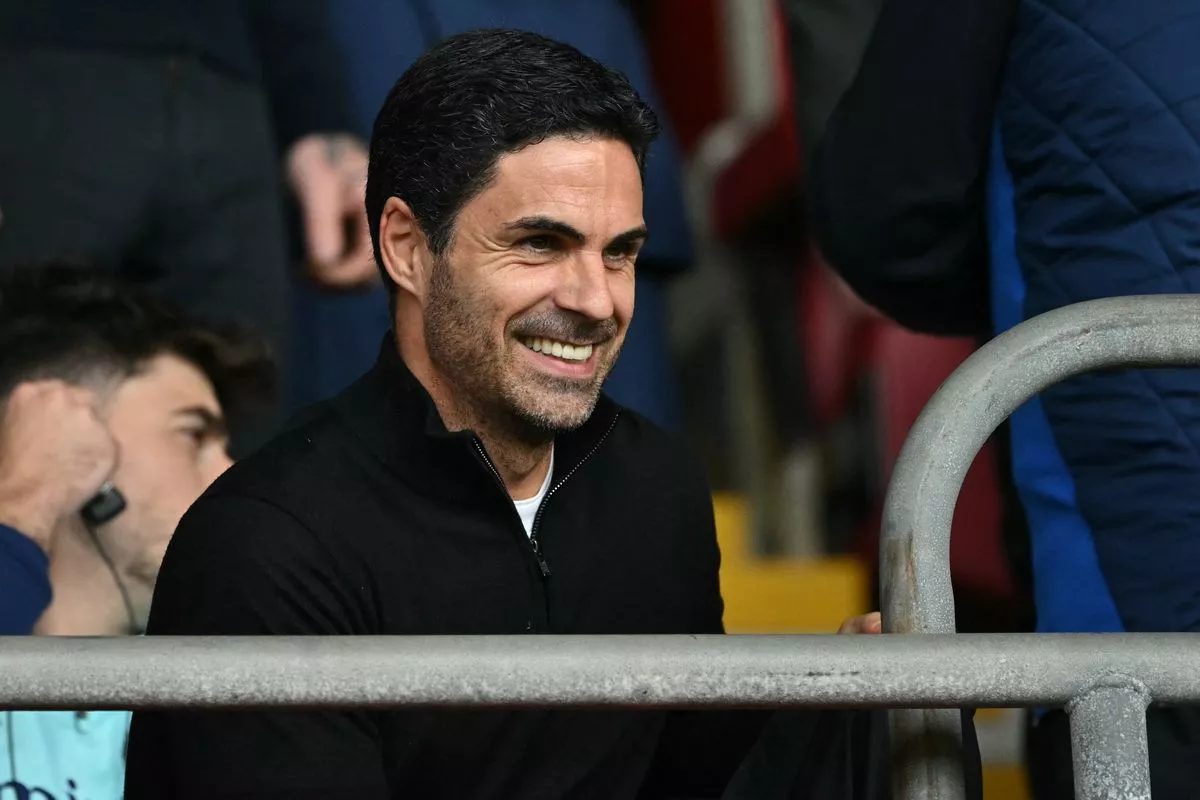
Viktor Gyokeres looks set to leave Sporting Lisbon (Image: Getty Images)Mikel Arteta is desperate to see Arsenal sign a striker (Image: Getty Images)
Arsenal’s summer transfer window has officially caught fire, and not just because of their confirmed signing of Chelsea goalkeeper Kepa Arrizabalaga.
As the Gunners gear up for their pre-season tour of Asia, a flurry of transfer moves is shaking up both ends of the pitch, and one name is now dominating headlines: Cristhian Mosquera.
In a dramatic twist, 21-year-old defender Cristhian Mosquera has rejected a new contract offer from Valencia, signaling his strong intent to join Arsenal.
According to Las Provincas, Mosquera, who has just one year remaining on his current deal, was initially open to staying in Spain. However, Arsenal’s interest has completely changed the course of his future.
The Gunners have already agreed personal terms with Mosquera, whose towering presence and composure on the ball make him a natural fit for Mikel Arteta’s tactical setup. Despite their £17.3 million bid being rejected last week, Arsenal are expected to return with an improved offer to close the deal.
Mosquera’s pursuit follows hot on the heels of Kepa Arrizabalaga’s £5 million switch from Chelsea. Kepa, once the world’s most expensive goalkeeper, is seen as a value addition by Arteta, bringing experience and depth between the posts.
But that’s just the beginning. Deals for midfield maestros Christian Norgaard (Brentford) and Martin Zubimendi (Real Sociedad) have already been agreed. Both are expected to arrive before the squad jets off for their Asian tour, part of Arteta’s plan to integrate his new midfield engine room early on.
While the midfield and defensive fronts are active, fans are keeping a keen eye on the striker situation. Talks with Sporting Lisbon’s Viktor Gyokeres have reportedly entered advanced stages. Arsenal’s previous interest in Benjamin Sesko now appears to have cooled, as Gyokeres takes center stage in Arteta’s attacking blueprint.
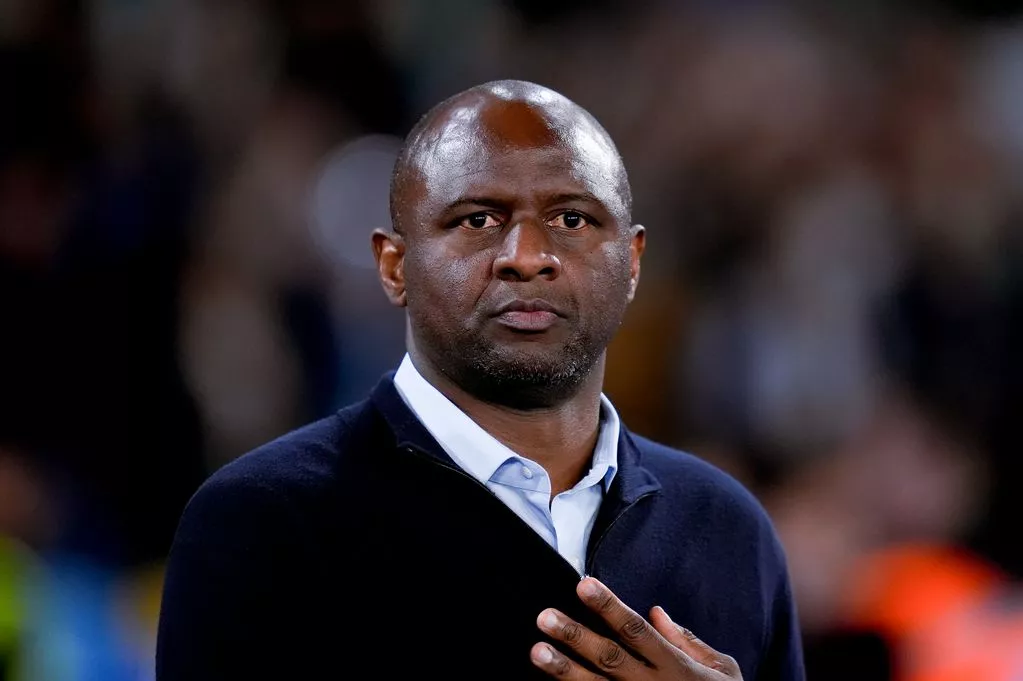
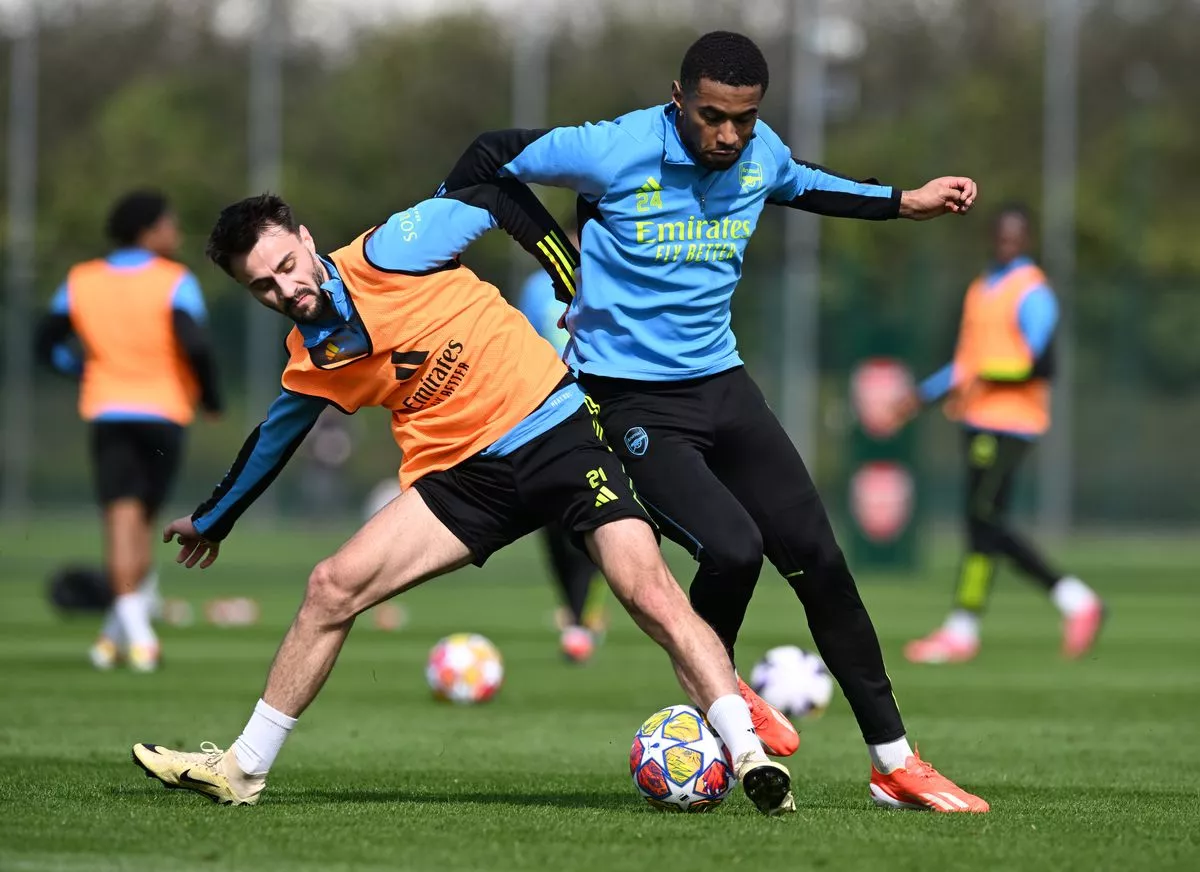
Meanwhile, Arsenal legend Patrick Vieira is poised to pull some talent out of North London, for his own benefit. Now managing Genoa in Italy’s Serie A, Vieira is reportedly keen to sign three Gunners: Reiss Nelson, Fabio Vieira and Albert Sambi Lokonga.
All three players spent last season out on loan and are now on the fringes of Arteta’s plans. According to Tuttomercatoweb, Vieira wants to offer them a fresh start under his leadership in Italy.
Elsewhere, Lyon have reportedly placed a £51.5 million price tag on their rising Belgian star Malick Fofana. With Lyon relegated to Ligue 2 and facing financial turbulence, they’re hoping for a bidding war involving Arsenal, Liverpool, Chelsea, Bayern Munich, RB Leipzig, and Napoli.
The 20-year-old winger had an explosive breakout season, netting 11 goals, and is now considered one of the hottest young talents in Europe.
Arsenal’s transfer window has taken off with real purpose, and fans can expect more fireworks in the coming days. From Mosquera’s commitment to join the Gunners, to Vieira’s plans for an Emirates reunion in Serie A, and Lyon trying to cash in on Fofana, the transfer saga is well and truly alive in North London.
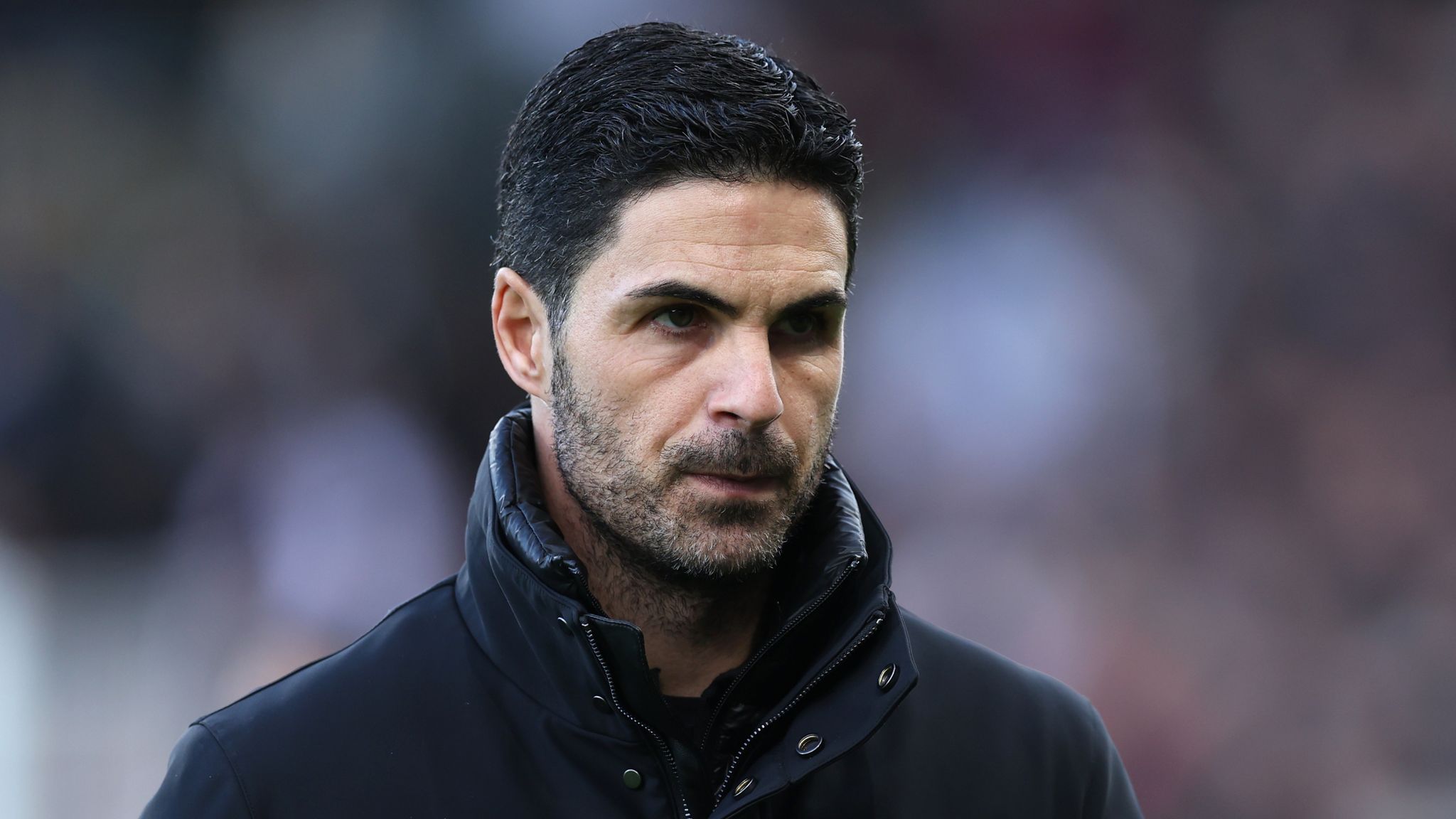
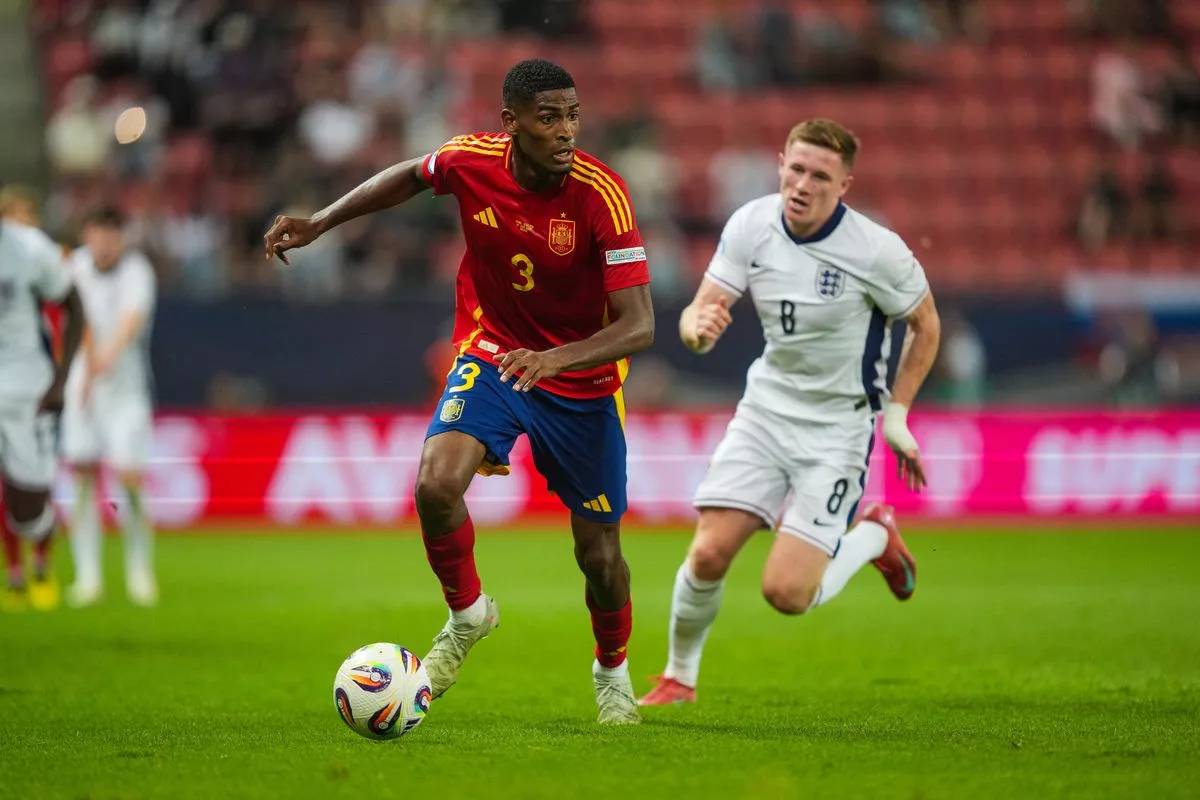
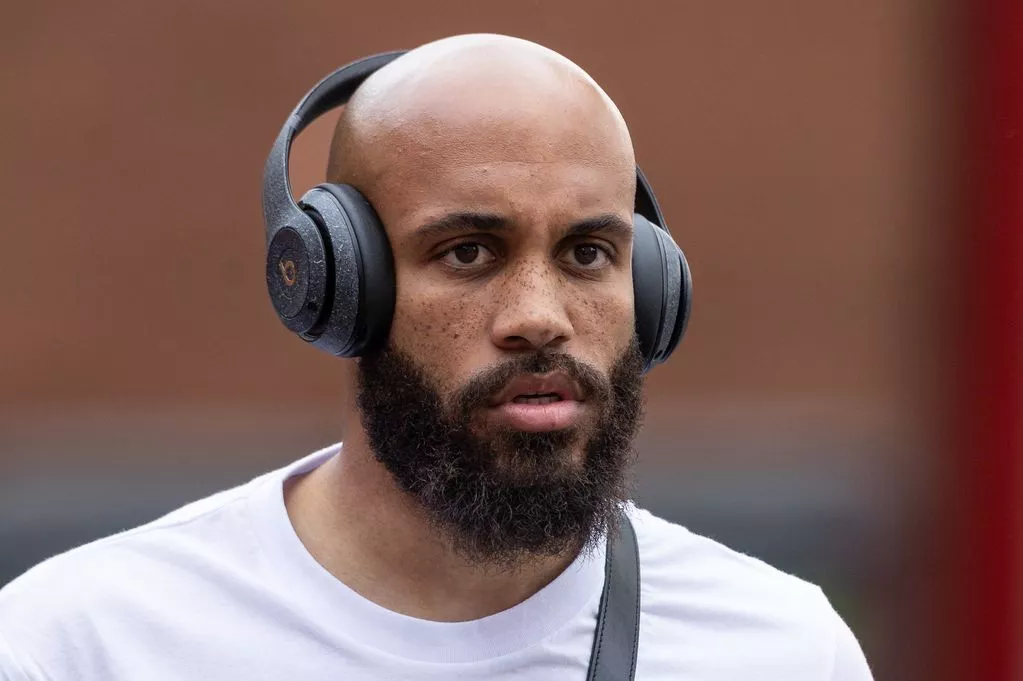
Arsenal manager Mikel Arteta is planning a major squad overhaul ahead of the new Premier League season.Patrick Vieira wants to raid his former club (Image: Giuseppe Maffia/NurPhoto via Getty Images)Cristian Mosquera wants to join Arsenal (Image: Christian Hofer/Getty Images)Fabio Vieira and Reiss Nelson are targets for Genoa (Image: Stuart MacFarlane/Arsenal FC via Getty Images)
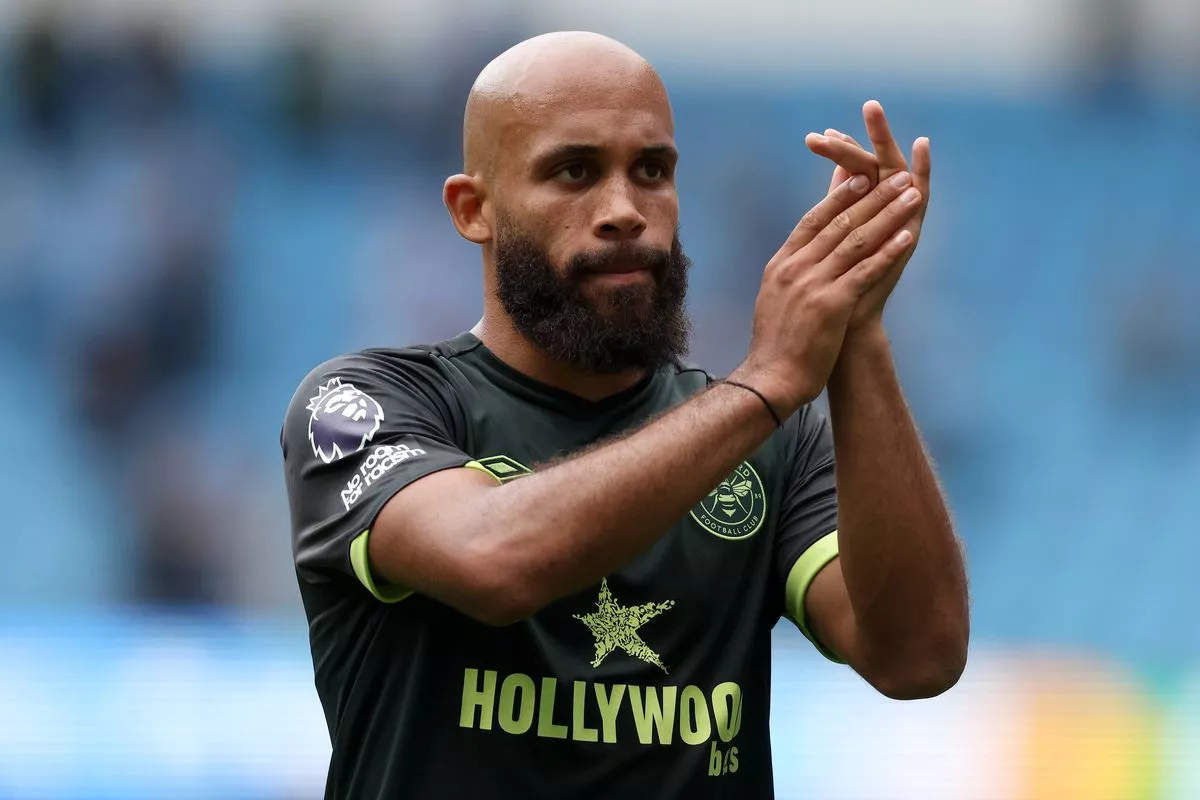
As Manchester United intensify their pursuit of Bryan Mbeumo, the story behind Brentford’s dramatic 2019 signing of the Cameroon international reveals just how complicated deals involving the star forward can be.
The Red Devils, keen on rebuilding under Ruben Amorim, have already secured Matheus Cunha from Wolves and placed Mbeumo at the top of their transfer wishlist.
Yet even a £60 million bid was reportedly not enough to sway Brentford. Why is Mbeumo so highly rated? The answer lies not just in his stats, but in the extraordinary lengths Brentford once went to land him.
Back in 2019, Brentford’s technical director Lee Dykes had only recently moved from League Two side Bury when he was tasked with sealing the club’s ambitious deal for Mbeumo, then a rising talent at French side Troyes.
Speaking in a 2023 interview with the Bees’ official website, Dykes recalled the high-stakes, pressure-filled mission:
“I felt big pressure because I walked into a function where I was trying to take forward some of the good work that had already been done. Coming into Brentford, I’d never really spent a lot of money… six weeks later we are paying €5million for Bryan Mbeumo.”
Things got intense quickly. Dykes, alongside co-director of football Rasmus Ankersen and head coach Thomas Frank, planned a last-minute dash to France to close the deal. But with time tight and no direct route for a day trip, Brentford owner Matthew Benham offered a private jet to get them in and out.
That’s when reality hit Dykes:
“I started to feel the pressure. I’d lined it all up with Troyes, as well as the agents. We got there… it was one of the hottest days of the year, 43°C, and the taxi’s air conditioning wasn’t working!”
Despite the dramatic effort, initial talks failed. Mbeumo wasn’t interested in a move to the Championship at first, and the deal fell through.
“We spoke with the player, the club and the agent, but the deal broke down,” Dykes said. “I thought it was going to get done, but it had broken down.”
And just when Dykes thought the day couldn’t get worse, the return flight to London nearly became a disaster.
“The pilot said, ‘It’s chaotic weather in London, snowing, thunder, lightning.’ I was thinking, ‘What? It was 43 degrees when we left France.’ The journey back was horrendous. I could see the pilot avoiding dark spots on the radar. I was bricking it!”
Despite the terrifying turbulence, the trio made it back safely. Days later, negotiations resumed, this time with success. Mbeumo was signed for €5 million, and the rest is Brentford history.
“Brentford fans must know that I risked my life to sign Bryan Mbeumo!” Dykes joked.
Today, that same Mbeumo is a hot commodity in the Premier League transfer market. And if Manchester United want him badly enough, they might need to show the same level of commitment, and courage, that Brentford did back in 2019.
Brentford’s pursuit of Bryan Mbeumo wasn’t straightforward (Image: Andrew Kearns – CameraSport via Getty Images)Manchester United have not given up hope of signing Mbeumo (Image: Getty Images)