Nearly three years after the war broke out in Sudan, the country remains trapped in a devastating humanitarian and security crisis, with drone warfare escalating and thousands of displaced people facing forced returns to the conflict-torn nation.
Sky News Africa correspondent Yousra Elbagir recently examined the situation on the ground, highlighting how the conflict continues to evolve while millions of civilians remain caught in the middle.
The war, which erupted in April 2023 between rival military factions, has plunged Sudan into one of the world’s most severe humanitarian emergencies. Entire neighbourhoods have been destroyed, infrastructure has collapsed, and essential services such as healthcare and electricity remain severely disrupted in many areas.
One of the most alarming developments in recent months is the increased use of drones in the fighting. Armed drones are now being deployed to strike military positions and strategic locations, making the battlefield more unpredictable and dangerous for civilians. The growing reliance on drone warfare has also expanded the reach of attacks, putting even distant communities at risk.
At the same time, millions of Sudanese have fled their homes to escape the violence. Many sought refuge in neighbouring countries including Chad, Egypt, and South Sudan, hoping to find safety and stability.
However, humanitarian organizations warn that some refugees are now being deported back to Sudan in large numbers, despite the ongoing violence and instability inside the country. Aid groups argue that these forced returns could place already vulnerable families directly back into life-threatening conditions.
As the war approaches its third year, diplomatic efforts to end the fighting have yet to produce a lasting ceasefire. The continued clashes, combined with worsening humanitarian conditions, have left millions dependent on aid while the path to peace remains uncertain.
For many Sudanese civilians, the conflict has become a daily struggle for survival, with no clear end in sight.
The controversy surrounding the identity of Kenyan musician Kevin Kioko Bahati has taken a new turn after a young woman claiming to be his sister publicly rejected the results of a recent DNA test that ruled out her mother as the singer’s biological parent.
The dispute began when a woman came forward claiming that she was Bahati’s biological mother. The allegation quickly sparked widespread debate on social media and among fans, prompting a DNA test to establish the truth behind the claims.
When the test results were released, they indicated that the woman was not the singer’s biological mother. The findings appeared to settle the matter from a scientific standpoint. However, the woman’s daughter has now challenged that conclusion, saying the results do not change what she believes about their relationship with the musician.
In a video circulating online, the young woman expressed disappointment with the outcome and defended her mother, insisting that her personal conviction remains unchanged.
According to her, she strongly believes Bahati is her brother despite the laboratory findings. She argued that people were too quick to dismiss the possibility and suggested that physical resemblance between them should prompt further reflection.
The woman also questioned why her mother would randomly identify Bahati if there was no truth behind the claim. In her view, the situation cannot simply be explained as a mistake or coincidence.
She further dismissed accusations from some social media users who suggested that the family might be motivated by the singer’s financial success. The young woman insisted that their intention was never to seek money but rather to receive recognition and emotional connection from someone they believe to be a relative.
Bahati poses with woman who claimed to be his biological mum. PHOTO/@bahatikenya/Instagram
According to her, the family has managed their lives independently and does not depend on Bahati’s wealth. What they hoped for, she said, was acknowledgement and the possibility of building a family relationship.
The woman also pointed to her mother’s emotional reaction after the DNA results were announced, describing the tears as genuine and a reflection of deep pain. Witnessing her mother cry so intensely, she said, made the situation even more difficult for the family.
Meanwhile, Bahati has responded briefly to the controversy. After the DNA results became public, the musician signaled that he was ready to move on from the issue.
In a short message shared online, he indicated that the matter had already been resolved and asked the public to allow him some peace following the test results.
Despite the scientific findings, the debate continues online, with some observers urging the family to accept the outcome while others remain curious about the claims and the emotional reactions surrounding the case.
Kenyan forex trader promises to turn KSh200,000 into KSh1.3 million in viral deal with Nairobi official
A Kenyan forex trader popularly known as Kenyan Prince has drawn widespread attention online after promising to grow KSh200,000 belonging to Nairobi County official Geoffrey Mosiria into KSh1.3 million through forex trading.
Prince made the bold claim during a meeting with Mosiria, who serves as the Nairobi County Chief Officer for Citizen Engagement and Customer Service. According to the trader, the amount would be used as capital in a forex trade that he said could significantly increase the investment within a short period.
During the conversation, Prince explained that the KSh200,000 would be converted into approximately $1,500, which he claimed could grow to $10,000, equivalent to about KSh1.3 million.
Disagreement over profit sharing
Prince initially proposed that the projected returns be shared equally between the two parties, suggesting that both he and Mosiria would receive KSh650,000 each if the trade succeeded.
However, Mosiria rejected the suggestion and instead insisted on receiving KSh1 million, leaving the trader with KSh300,000 as compensation for his services.
In a video clip circulating online, Mosiria can be heard explaining the arrangement.
“This brother of mine has told me to give him KSh200,000 and he will return it as KSh1.3 million,” Mosiria says in the recording.
Mosiria also indicated that the forex trade would be conducted live on camera, adding that he expected to receive the agreed amount immediately after the trading session.
“We will trade live on camera, and once it’s done, I get my money and leave,” he stated.
KRA attention and flashy lifestyle
Kenyan Prince has become a notable figure on social media, where he frequently showcases a luxurious lifestyle that includes several high-end vehicles and large amounts of cash.
The trader often claims that his wealth comes mainly from forex trading, which he says generates millions of shillings in profits.
His habit of displaying bundles of cash online recently attracted attention from the Kenya Revenue Authority (KRA) after a viral video showed him flaunting large sums of money.
Responding to speculation that the tax authority might be investigating him, Prince appeared unfazed in a video shared on February 23, 2026, dismissing the claims with humor.
“I hear people saying KRA is looking for me. If KRA hasn’t come looking for you, then you haven’t truly started hustling,” he joked.
The viral exchange between the trader and the Nairobi official has since sparked debate on social media, with many Kenyans questioning the risks associated with forex trading and the realism of such rapid returns.
A series of tragic incidents across Kenya has left several people dead, prompting renewed calls from authorities for the public to refrain from taking justice into their own hands and to allow police investigations to proceed through lawful channels.
In Nyandarua County, a 31-year-old woman was discovered dead inside her home in Exritive Village, Ngawa Sublocation, in what investigators suspect was a domestic homicide that later sparked mob retaliation.
According to police, the victim, identified as Mary Nyambura, was heard screaming shortly before concerned neighbours rushed to her house. When they entered the residence, they found her lifeless in her bedroom with severe head injuries. An axe believed to have been used in the attack was recovered at the scene.
Police launched a search for the prime suspect, Nyambura’s husband, 46-year-old Peter Theuri. A few hours later, officers traced him to Karampton Shopping Centre. However, before authorities could take him into custody, an angry crowd reportedly descended on him and killed him on the spot.
Both bodies were later transported to the Nyahururu Referral Hospital Mortuary, where they await postmortem examinations as part of ongoing investigations.
Authorities condemned the act of mob justice and urged members of the public to allow law enforcement agencies to handle criminal matters through proper legal procedures.
In a separate incident in Muathe Village, located in Kituti Sublocation, a three-year-old girl died under circumstances that police suspect may involve poisoning. Her twin brother remains hospitalized in critical condition.
A relative told investigators that neighbours alerted her after noticing the children vomiting and crying uncontrollably. The twins’ mother, assisted by neighbours, rushed them to Ikutha Level 4 Hospital. The girl was pronounced dead upon arrival, while her brother was admitted for emergency treatment.
The child’s body was transferred to Mutomo Morgue pending a postmortem examination, as police work to determine whether poisoning was involved.
Meanwhile, in Bumula, police arrested two suspects in connection with the death of Ignatious Barasa, whose passing had initially been reported as illness-related.
Preliminary findings suggest the two suspects allegedly assaulted Barasa while attempting to discipline him after he was reportedly intoxicated and behaving aggressively.
Barasa’s body was moved to Bungoma County Referral Hospital Mortuary for a postmortem examination. The suspects remain in police custody and are expected to be arraigned in court.
Police have once again appealed to the public to report suspected crimes promptly and to avoid acts of vigilante justice, emphasizing that violence only complicates investigations and undermines the rule of law.
Arsenal were forced to fight back after falling behind to Bayer Leverkusen in the first leg of their Champions League round-of-16 encounter, in a match that highlighted both teams’ tactical use of set-pieces.
The breakthrough came early in the second half when Leverkusen executed a well-rehearsed routine that nearly produced a goal seconds earlier. Goalkeeper David Raya had already been called into action, tipping Martin Terrier’s header over the bar following a clever move from the restart.
Moments later, Leverkusen capitalized on another structured play. From a corner delivered by Alex Grimaldo, captain Robert Andrich found himself unmarked at the far post and headed the ball into the net. The goal marked the first time Arsenal had fallen behind in this season’s Champions League campaign.
The moment also sparked a brief exchange between Arsenal’s set-piece coach Nicolas Jover and Leverkusen manager Kasper Hjulmand. Jover reportedly remarked that the German side had “learned from the best,” referencing the discussion around Arsenal’s own reputation for using physical tactics during corner kicks.
Hjulmand later clarified that his earlier comments had been misunderstood. He explained that his remarks were not criticism of Arsenal alone, but rather a broader question about the limits of physical contact during offensive blocking in set-piece situations.
According to the Leverkusen coach, many teams employ similar strategies to create space in the penalty area, including his own side. Jover’s response, he said, simply pointed out that the practice is common across modern football.
Arsenal manager Mikel Arteta admitted disappointment at conceding from a set-piece, particularly because his team had studied Leverkusen’s routines beforehand. The Spaniard revealed that he had shown his players several examples of the German side’s creative kick-off and corner strategies before the match.
Despite that preparation, Arteta said his players lacked the necessary urgency and awareness in the decisive moments that led to the goal.
Before the match in Germany, Arsenal had conceded only 11 goals from set-pieces in all competitions this season — a defensive record matched only by Manchester City. Only Wolves and Everton had allowed fewer.
The Gunners eventually found their response late in the game. Former Leverkusen forward Kai Havertz, who spent a decade with the German club before joining Chelsea in 2020, came off the bench to equalize in the 89th minute.
The opportunity came after Noni Madueke was fouled inside the penalty area. Havertz calmly converted the resulting chance, ensuring Arsenal left the first leg with the tie level and everything to play for in the return match
A court in Rukungiri District, southwestern Uganda, has sentenced a woman to six months in prison after she failed to repay a man who had financed her education following a promise that they would eventually marry.
The Rukungiri Grade One Magistrate’s Court convicted Fortunate Kyarikunda and ordered her to refund more than 5 million Rwandan francs to Richard Tumwiine, who had supported her financially during her studies after she allegedly assured him they would live together as husband and wife.
Court records indicate that Tumwiine and Kyarikunda first met in 2015 while both were working as teachers at Kiringa Primary School in Uganda. Their relationship gradually developed, and by 2018 the two had reportedly agreed to build a life together.
During that period, Tumwiine provided financial assistance to Kyarikunda and covered the costs of her studies as she pursued professional training in law. The total amount he spent on her education was estimated at more than 3 million Rwandan francs.
After completing her studies, the couple reportedly began preparing for their wedding, which had been planned for February 2022. However, Kyarikunda later called off the relationship, explaining that she no longer wished to proceed with the marriage.
According to reports presented before the court, she cited a significant age difference between them as the reason for ending the relationship, noting that she was in her 30s while Tumwiine was in his 60s.
Feeling deceived, Tumwiine decided to pursue legal action, arguing that he had provided financial support on the understanding that Kyarikunda would eventually become his wife. He asked the court to order her to repay the money he had spent on her education and other expenses.
In 2023, the court ruled in Tumwiine’s favor and ordered Kyarikunda to reimburse more than 3 million Rwandan francs, along with one million Ugandan shillings in damages for emotional distress.
Despite the ruling, Kyarikunda failed to comply with the court’s decision. On Tuesday, March 10, 2026, she was arrested at her workplace in a legal services firm for failing to honor the court order requiring her to repay the money.
Following her arrest and continued non-compliance with the ruling, the court sentenced her to six months in prison. With additional penalties and damages included, the total amount she is required to pay now exceeds 5 million Rwandan francs.
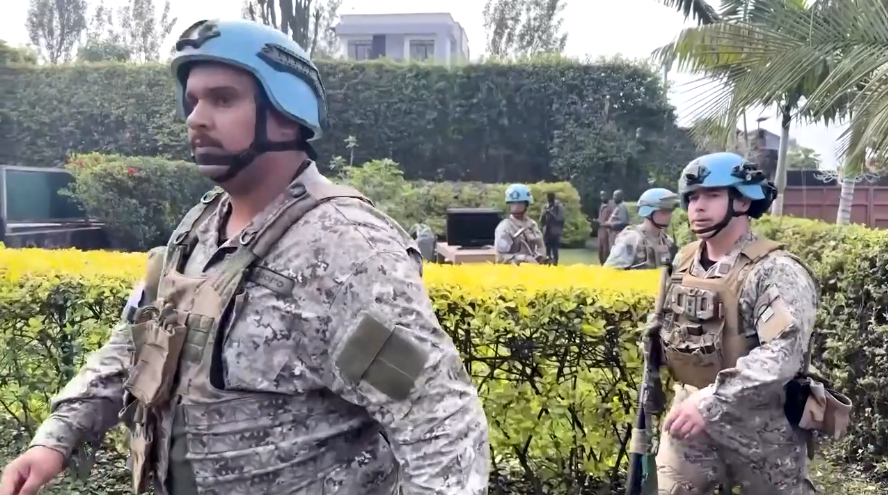
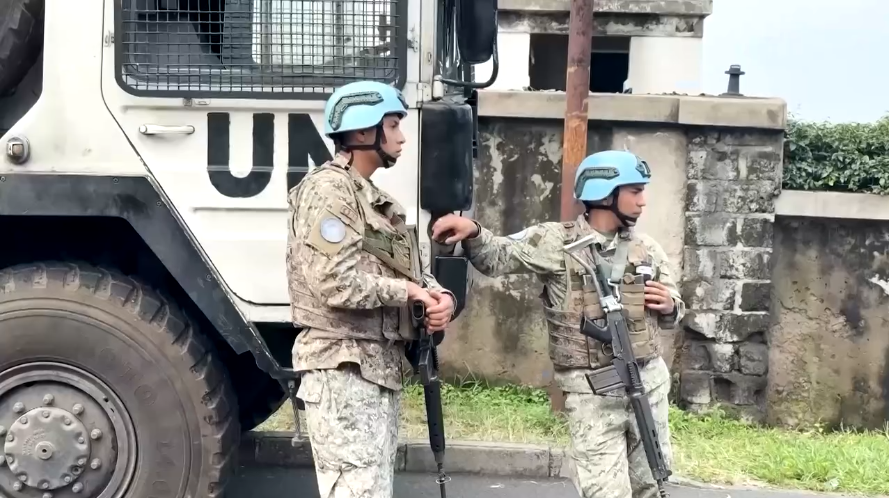
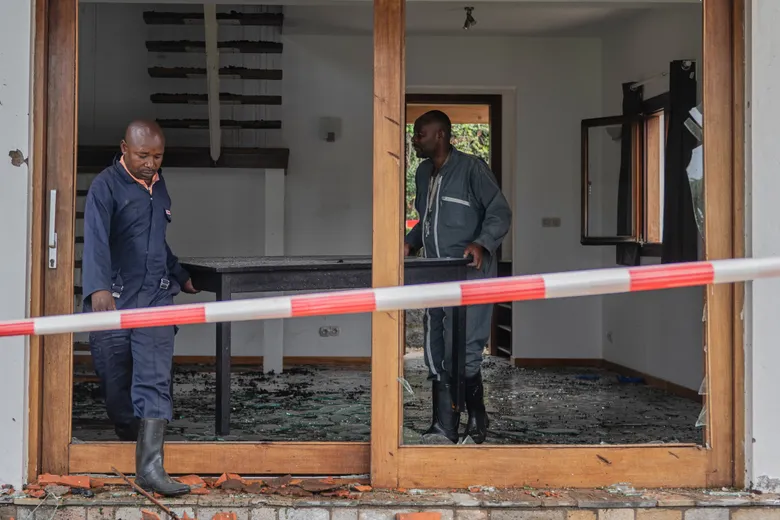
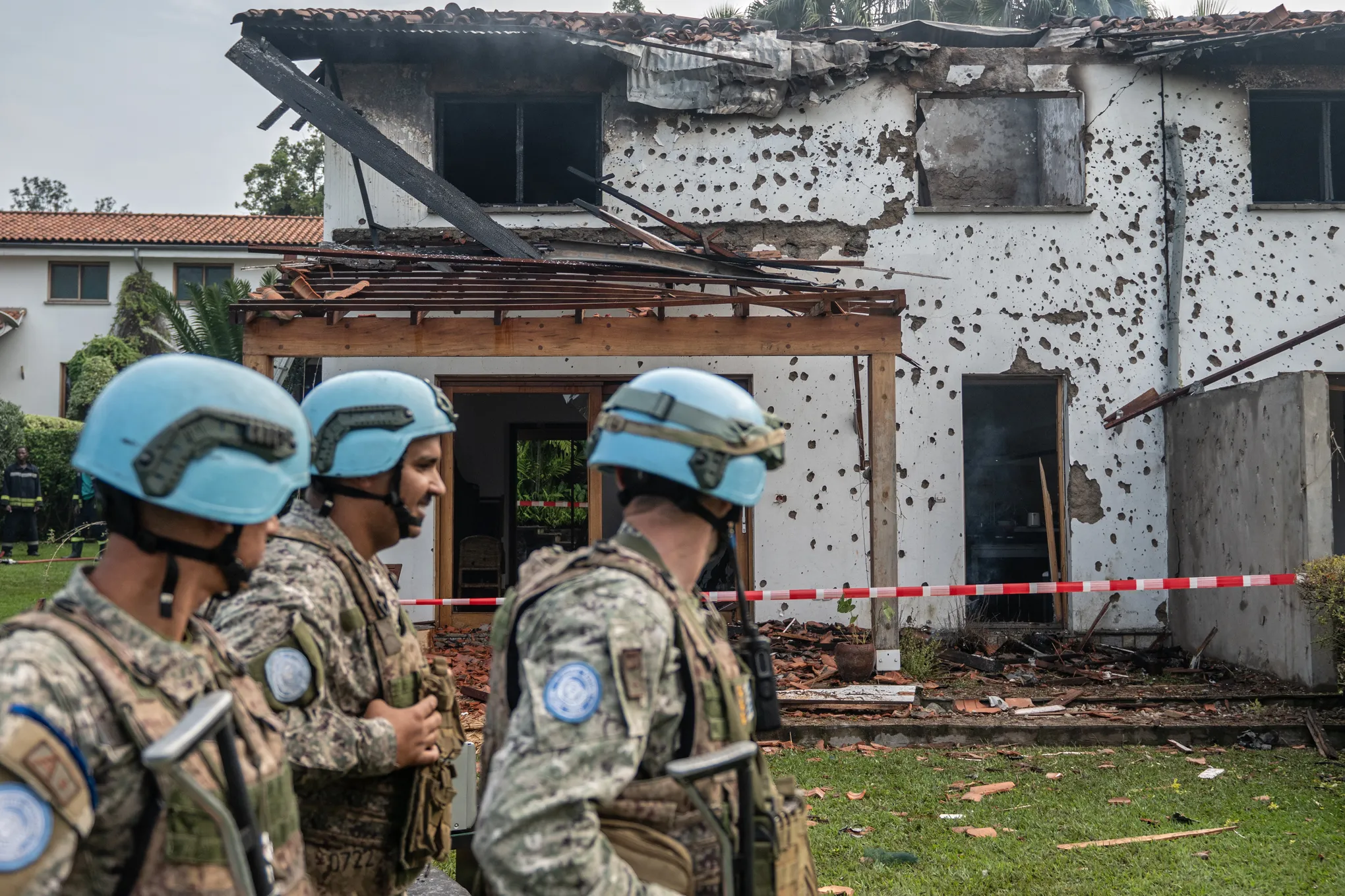
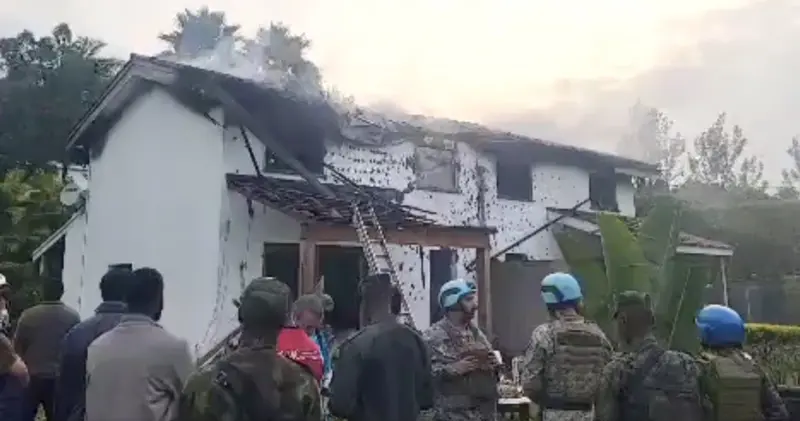
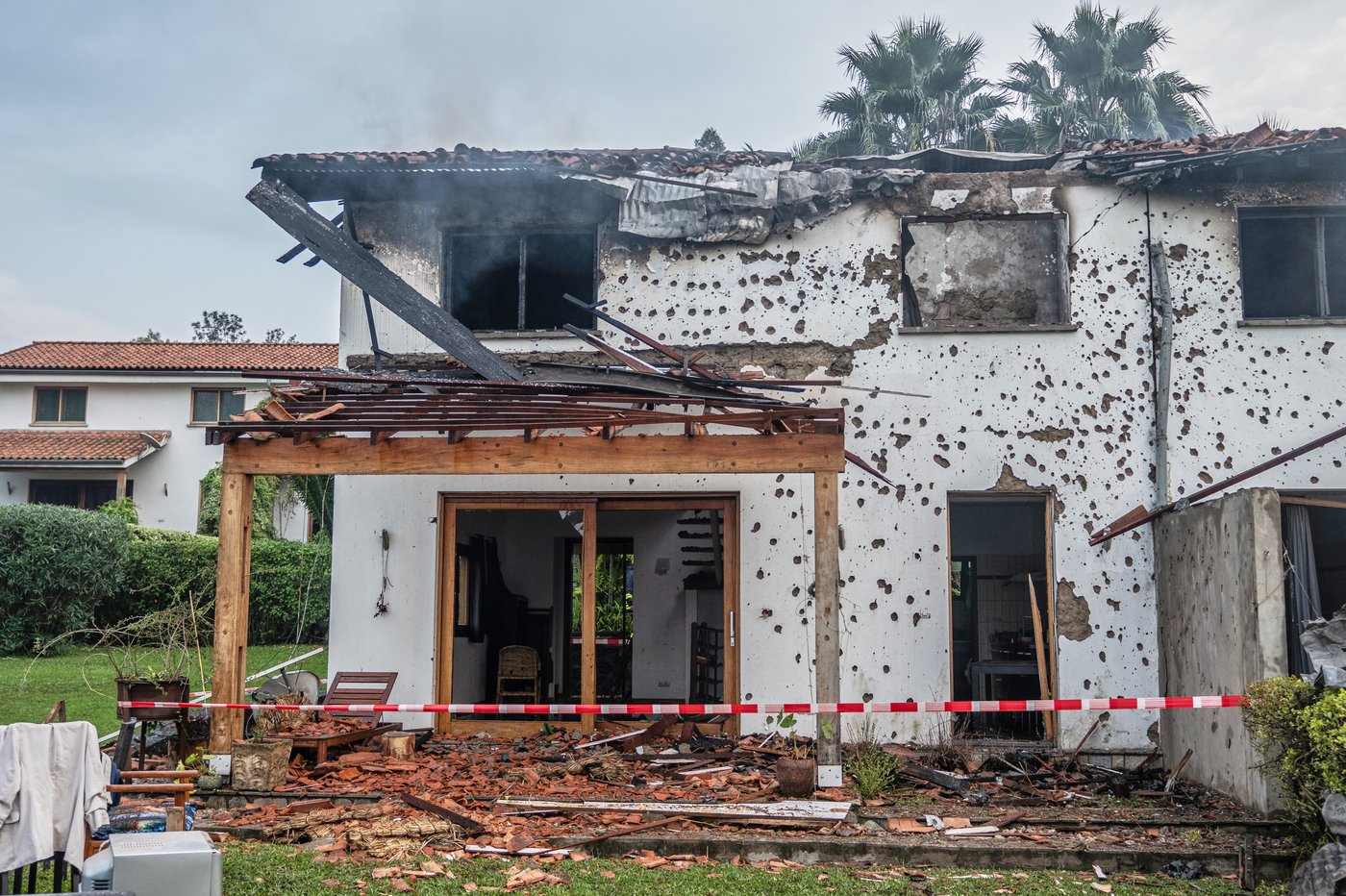
The United States has condemned a deadly drone strike in the eastern Democratic Republic of Congo that killed a United Nations worker and at least two civilians, describing the attack as unacceptable and calling on all parties in the conflict to respect international humanitarian obligations.
In a statement posted on X (formerly Twitter), the Bureau of African Affairs expressed concern over the continued violence affecting civilians in eastern Congo, particularly in the conflict-affected city of Goma.
According to the statement, the drone strike resulted in the death of a UN worker and multiple civilians, further deepening the humanitarian tragedy that has unfolded across eastern Democratic Republic of the Congo for years.
US expresses condolences and calls for protection of civilians
The U.S. government extended condolences to the victims’ families, colleagues, and loved ones while emphasizing the urgent need to protect humanitarian personnel and civilians operating in conflict zones.
“The drone strike in Goma today killed a UN worker and at least two civilians, adding to the tragic loss of life that continues to impact countless civilians in eastern DRC,” the Bureau of African Affairs stated.
The statement also urged all armed actors involved in the ongoing conflict to respect international law and ensure the safety of civilians and humanitarian workers.
Growing concern over attacks in civilian areas
Washington stressed that attacks conducted in populated areas are unacceptable and risk worsening an already severe humanitarian crisis in eastern Congo.
The United States further reiterated that all parties involved in the conflict must uphold their commitments, particularly those related to protecting civilians and humanitarian personnel working in volatile regions.
Eastern DRC has experienced escalating violence in recent years, with armed confrontations, drone strikes, and displacement affecting hundreds of thousands of people, especially in North Kivu province where Goma serves as a key humanitarian hub.
International pressure mounting
The U.S. statement adds to growing international concern about the safety of civilians and aid workers in the region. Humanitarian organizations have repeatedly warned that the use of heavy weapons and aerial strikes in populated areas could significantly worsen the humanitarian situation.
As the conflict continues, global actors are increasingly calling for restraint, respect for ceasefire commitments, and renewed diplomatic efforts aimed at stabilizing eastern Congo and protecting vulnerable populations.
Global oil prices dropped sharply on Tuesday after former U.S. President Donald Trump suggested that the conflict involving Iran could soon come to an end, easing fears of prolonged disruptions to Middle Eastern energy supplies.
On Monday, crude oil prices had surged close to $120 per barrel, driven by concerns that the war might severely affect global oil shipments from the Gulf region. However, after Trump indicated that the conflict could conclude quickly, prices retreated to about $90 per barrel, calming energy markets.
Despite the drop, oil remains considerably more expensive than it was before the outbreak of hostilities. Financial markets in Europe reacted positively to the decline in energy costs. London’s FTSE 100 index rose 1.9%, while gas prices also declined.
Speaking to reporters in Florida, Trump said he believed the conflict was largely resolved, describing the military action as a limited operation aimed at eliminating a threat. However, he also warned Tehran against interfering with traffic in the Strait of Hormuz, a strategic maritime corridor through which roughly 20% of the world’s oil supply passes.
Trump warned that any attempt by Iran to block the shipping route would provoke a significantly stronger response from the United States.
Iran’s Islamic Revolutionary Guard Corps (IRGC) reacted strongly to the remarks, stating that its armed forces would not permit oil exports from the region if Iran’s interests were threatened.
Energy markets reacted quickly to the shifting rhetoric. Brent crude briefly fell below $84 per barrel before stabilizing around $90.21 later in the day.
Natural gas prices also eased. In the United Kingdom, month-ahead gas contracts fell by more than 10%, dropping to 123 pence per therm from a peak of 171 pence recorded the previous day.
Analysts say the drop in prices offered traders a moment of relief, but warned that the situation remains highly volatile. Alberto Bellorin, founder of investment firm InterCapital Energy, described the energy market as being in a constant tug-of-war between fears of escalation and hopes for de-escalation.
According to Bellorin, prices could spike again if the conflict intensifies but may continue to decline if tensions ease.
Stock markets across Europe mirrored the recovery seen earlier in the United States and Asia. Germany’s DAX index rose 2.6%, while France’s CAC 40 gained 2.1%.
Asian markets also rebounded strongly. Japan’s Nikkei 225 climbed 2.9%, recovering some of Monday’s losses, while South Korea’s Kospi index surged 5.4%.
Investors had previously been worried that a disruption in Gulf oil shipments could push up inflation and force central banks to keep interest rates higher for longer.
The strategic importance of the Strait of Hormuz has been highlighted throughout the crisis. Shipping traffic through the narrow waterway has slowed significantly since the conflict began more than a week ago.
The chief executive of Saudi Aramco, Amin Nasser, warned that prolonged disruptions could have severe consequences for global energy markets. He noted that worldwide oil inventories are already at their lowest levels in five years, meaning supply shortages could worsen if exports remain constrained.
G7 leaders have been discussing possible measures to stabilize the market, including the potential release of oil from strategic reserves coordinated with the International Energy Agency (IEA). However, no final decision has been made.
Energy analyst Robin Mills of Qamar Energy said governments are cautious about using these reserves too early because once they are depleted, they cannot easily be replaced.
“If the conflict truly ends soon, as Trump suggests, then there may be no need to tap into strategic reserves,” Mills explained. “But if disruptions continue, releasing some supply could help calm the market.”
Meanwhile, UK Chancellor Rachel Reeves urged immediate de-escalation in the Middle East and emphasized the importance of protecting shipping routes. She said Britain is ready to support a coordinated release of emergency oil reserves if necessary.
Before the outbreak of the conflict, financial markets had anticipated that the Bank of England might cut interest rates later this year. However, the surge in oil prices had raised concerns about renewed inflationary pressure.
Government bond yields reflected the shifting outlook. The yield on two-year UK bonds dropped to 3.87% on Tuesday after climbing as high as 4.15% the previous day. Prior to the war, the yield had stood around 3.5%.
Oil prices tumble after Trump signals Iran war could end soon
President Paul Kagame of Rwanda is among world leaders attending the second global summit on the use of nuclear energy for development , hosted by French President Emmanuel Macron .
The summit has brought together representatives from about 60 countries and is being held in Boulogne-Billancourt, near Paris . It was organized by the Government of France in collaboration with the International Atomic Energy Agency (IAEA) .
According to the French Embassy in Rwanda , President Kagame is attending the meeting together with a delegation that includes officials from the Rwanda Atomic Energy Board .
Macron highlights importance of nuclear energy
Opening the summit, President Emmanuel Macron emphasized the strategic importance of nuclear energy in the modern world.
“We are here because we share a simple idea,” Macron said. “We need nuclear energy because it is a source of progress and independence.”
However, Macron also noted that the meeting is taking place at a particularly sensitive moment for the nuclear sector globally.
“This summit is taking place in an unusual context, as the nuclear world is linked to the ongoing conflict involving Iran and the wider Middle East region,” he added.
Focus on energy and climate challenges
The first summit on nuclear energy for development was held in Brussels, Belgium, in 2024.
According to the French government, this year’s meeting aims to examine the role nuclear energy can play in addressing global energy shortages and climate challenges , while supporting sustainable development.
French media reports indicate that investment in nuclear energy projects will be one of the key topics of discussion during the summit.
Rwanda’s nuclear energy ambitions
The summit comes shortly after the International Atomic Energy Agency (IAEA) sent an inspection mission to Rwanda last week.
The Rwandan government has announced plans to use Small Modular Reactors (SMRs) to generate electricity from nuclear energy. Authorities say this technology could complement hydropower , which currently supplies a large share of the country’s electricity.
Local media in Rwanda reported that the IAEA inspectors were assessing the country’s preparedness and identifying any gaps that must be addressed before Rwanda begins testing nuclear energy production.
Kagame attends Macron’s global nuclear energy summit in France with 60 world leaders
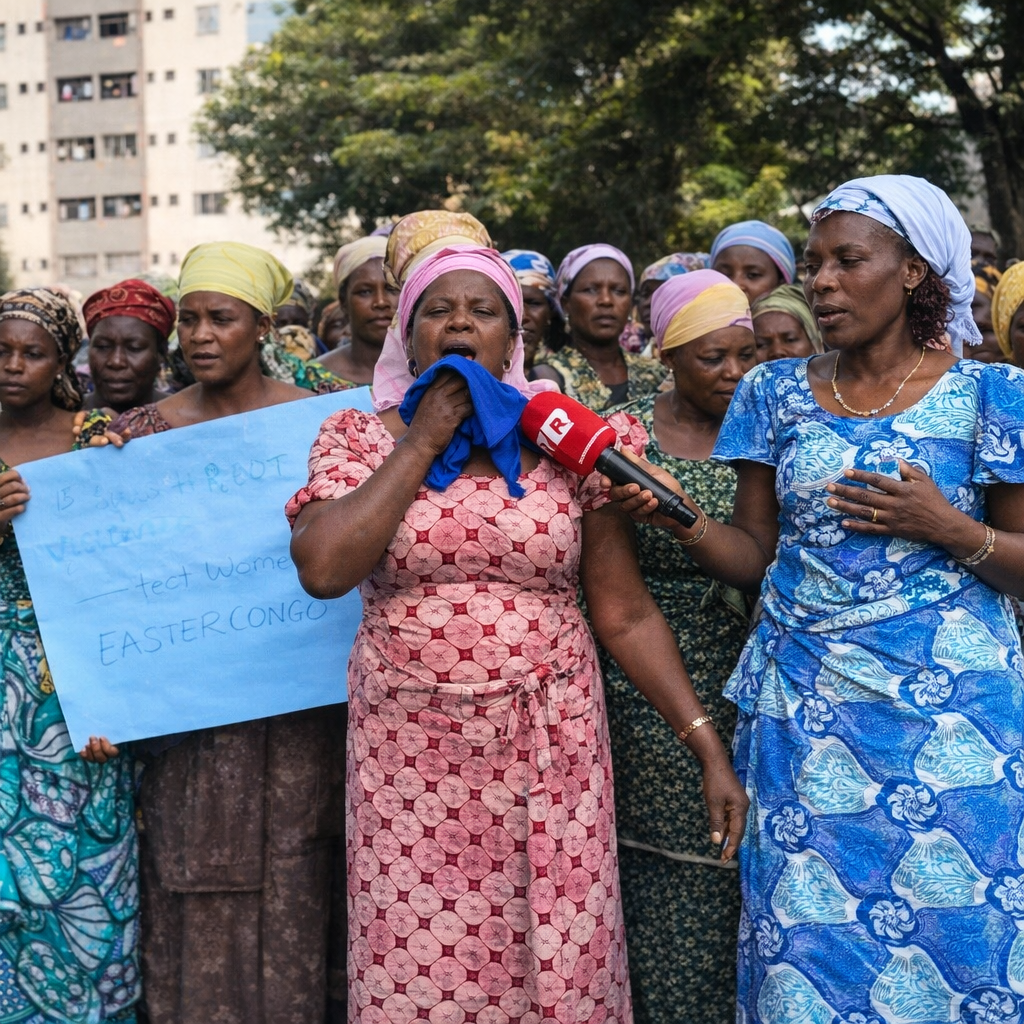
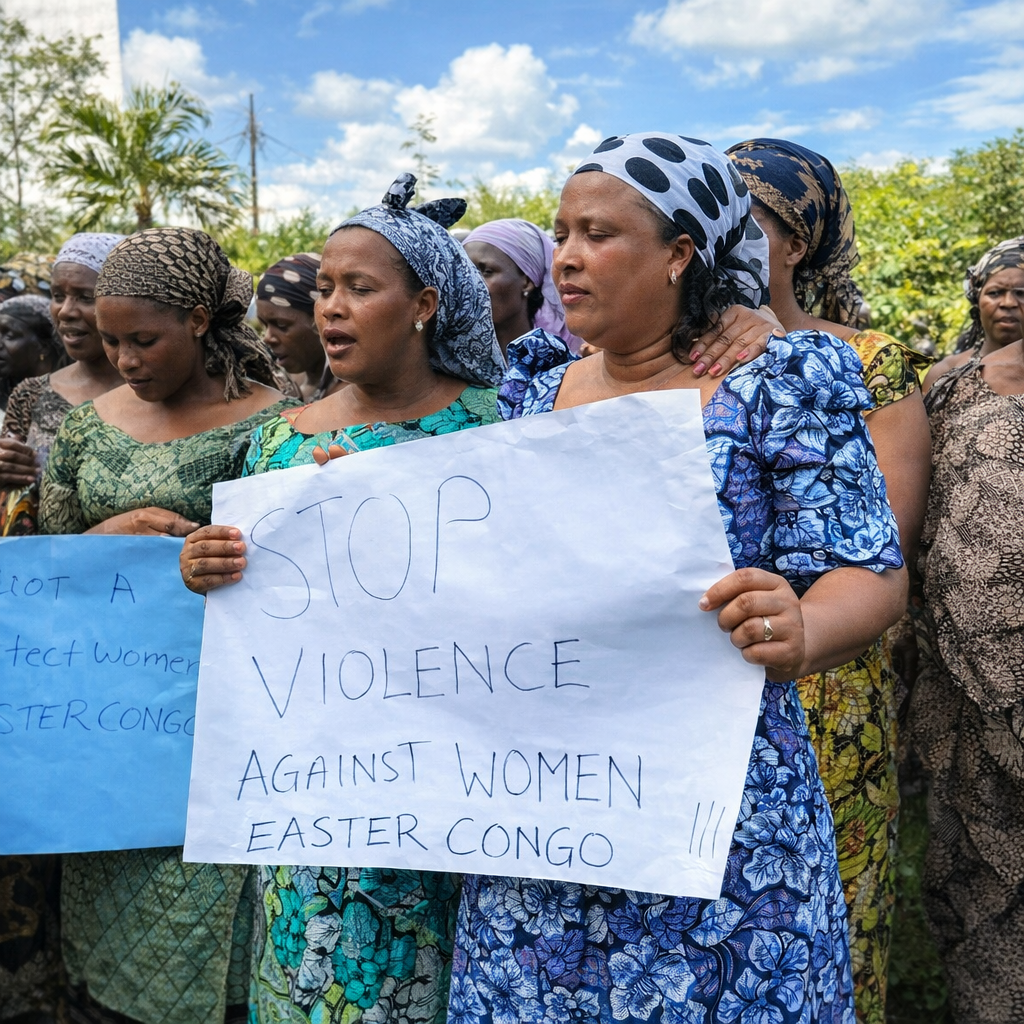
On March 8, 2026, as the world marked International Women’s Day, Banyamulenge women living in Kenya organized a peaceful march in Nairobi to denounce what they describe as ongoing violence against the Banyamulenge community in the eastern Democratic Republic of Congo (DRC).
The demonstration took place in the Kenyan capital, where the women gathered to express their concerns, grief, and solidarity with their fellow Banyamulenge especially women and children who continue to suffer from conflict and insecurity in the highlands of Mulenge, located in Fizi Territory, South Kivu Province.
Choosing Protest Over Celebration
According to participants, the march was deliberately organized on International Women’s Day as a way to draw global attention to the plight of Banyamulenge civilians affected by conflict.
While women in many parts of the world celebrated achievements in women’s rights and empowerment, the Banyamulenge women in Nairobi chose instead to dedicate the day to raising awareness about the humanitarian situation facing their community in eastern Congo.
One participant explained the motivation behind the initiative:
“On International Women’s Day, Banyamulenge women living in Nairobi did not celebrate like others. Instead, we chose to stand in solidarity with our sisters who are suffering in eastern Congo. Our march was meant to express our pain and to call on the international community to pay attention to the crisis affecting the Banyamulenge.”
Concerns Over Violence in Mulenge
The women say that several areas in Mulenge continue to experience armed violence and insecurity, affecting civilians including women, children, the elderly, and youth.
During the event, speakers highlighted that the situation has significantly deteriorated over the past decade. According to their statements, since around 2016, insecurity in Banyamulenge areas has intensified due to the emergence of various armed groups operating in the region.
They claim that the proliferation of weapons among local militias has contributed to frequent attacks on villages inhabited by Banyamulenge communities, leading to widespread displacement and loss of life.
As a result, many families have reportedly fled their homes, while others remain in extremely difficult humanitarian conditions in the mountainous region.
Appeal to the International Community
During the demonstration, Banyamulenge women in Kenya called on the international community, including the United States, international organizations, and human rights groups, to take a more active role in addressing the ongoing insecurity in eastern DR Congo.
They urged global actors to support dialogue, peace initiatives, and concrete security measures aimed at restoring stability in conflict-affected areas.
In particular, they stressed the need for stronger protection of civilian populations, especially women and children, who are often the most vulnerable during armed conflicts.
A Region Marked by Longstanding Tensions
The Mulenge region has experienced years of conflict fueled by complex issues related to land ownership, ethnic tensions, and local governance. These disputes have contributed to the emergence of multiple armed groups, some community-based and others opposing government forces.
The Banyamulenge Congolese Tutsi communities living in the highlands of South Kivu have frequently reported facing violence, discrimination, and displacement linked to their ethnic identity.
Over the years, cycles of conflict in eastern Congo have forced many civilians to abandon their homes, seek refuge in other areas, or flee across borders, creating persistent humanitarian challenges.
A Call for Lasting Peace
At the conclusion of their march, the Banyamulenge women emphasized that their ultimate goal is to see lasting peace restored in eastern DR Congo.
They said that only through sustainable peace and security can women, children, and families return to normal life and rebuild their communities.
The participants also noted that International Women’s Day should serve as a reminder that many women around the world continue to live in situations of war, violence, and displacement, and that stronger international efforts are needed to protect them and ensure their dignity and rights.
A Banyamulenge woman speaks during a demonstration in Nairobi as others stand in solidarity, denouncing violence and insecurity faced by their community in South Kivu, eastern DR Congo.Banyamulenge women gather in Nairobi to mark International Women’s Day with a protest, urging the international community to address the security crisis affecting their community in eastern DR Congo.