Pastor Dorcas Rigathi has pledged to purchase football tickets worth KSh 600,000 for 400 men to attend the highly anticipated match between Mbavu Destroyers and Majembe scheduled for April 4.
The initiative is part of her ongoing efforts to empower men and encourage their active participation in community and social programs. By facilitating their attendance at the match, Pastor Dorcas aims to create a platform where men can come together, interact, and strengthen their sense of unity.
According to sources close to the program, the tickets will allow the selected men to watch the exciting fixture live, giving them an opportunity to enjoy football while also engaging in conversations around responsibility, mentorship, and personal growth.
The Mbavu Destroyers versus Majembe match is expected to attract significant attention from football fans, making Pastor Dorcas’ gesture both timely and impactful. The move has already sparked discussions online, with many praising the initiative as a creative way to connect with men through sports.
Pastor Dorcas Rigathi has previously been involved in several initiatives aimed at supporting families, youth, and community development. Her latest pledge continues to highlight her commitment to uplifting communities and using innovative approaches to bring people together.
As the April 4 match approaches, anticipation continues to build among football supporters and the 400 men expected to benefit from the sponsored tickets.
As internet access continues to expand across Kenya, thousands of people are discovering new opportunities to earn money online without leaving their homes. From freelancing and blogging to YouTube and digital services, the online economy is opening doors for individuals who want flexible ways to generate income.
A common question many Kenyans ask is whether it is possible to earn at least KSh 5,000 per day online while working from home. While this may not happen instantly, experts say it is achievable for individuals who develop the right skills, choose the right platforms, and remain consistent.
Below are some of the most effective methods that are helping people in Kenya generate sustainable online income.
Freelancing: selling skills globally
Freelancing remains one of the fastest ways to start earning online. Through freelancing platforms, individuals can offer services to clients from around the world.
Popular freelancing services include:
Graphic design
Website development
Content writing
Video editing
Social media management
Data entry
Platforms such as Upwork, Fiverr, and Freelancer connect skilled professionals with international clients. A single project such as designing a website or editing videos can easily earn between KSh 5,000 and KSh 30,000, depending on the complexity of the work.
Blogging and digital publishing
Another increasingly popular option is creating a blog or online publication. Bloggers can earn income through advertising networks, affiliate marketing, and sponsored content.
Successful blogs usually focus on specific niches such as:
Technology
Finance and business
Health and lifestyle
Education and scholarships
News and current affairs
By publishing consistent, high-quality articles and attracting large audiences, bloggers can monetize their websites through advertising programs like Google AdSense. With sufficient traffic, some publishers earn thousands of shillings daily.
YouTube content creation
Video content has become one of the most powerful online income streams. YouTube allows creators to earn money through advertising revenue once they meet the platform’s monetization requirements.
Content creators in Kenya are producing videos about:
Technology reviews
News commentary
Comedy and entertainment
Educational tutorials
Lifestyle and travel
In addition to advertising revenue, YouTubers can earn money through sponsorships, affiliate marketing, and brand collaborations.
Selling digital services
People with digital skills can also generate income by selling services directly to clients online. This approach does not always require freelancing platforms; many professionals attract clients through social media or personal websites.
Common services offered online include:
Logo and graphic design
Website development
Search engine optimization (SEO)
Video production
Social media marketing
Even one client per day can make it possible to reach or exceed the KSh 5,000 daily income goal.
Affiliate marketing
Affiliate marketing allows individuals to earn commissions by promoting products or services online. When someone purchases through a referral link, the promoter receives a percentage of the sale.
Many bloggers, YouTubers, and influencers use affiliate marketing as an additional income stream. Popular affiliate programs are offered by e-commerce platforms, software companies, and online education providers.
Creating and selling digital products
Digital products are another profitable option because they can be sold repeatedly without additional production costs.
Examples include:
Online courses
E-books
Graphic design templates
Stock photos and videos
Software tools
Once created, digital products can generate ongoing income through online marketplaces or personal websites.
The importance of patience and consistency
While earning money online is possible, experts warn that success usually requires time and consistent effort. Building an online income often involves developing skills, producing valuable content, and building an audience.
Individuals are also advised to avoid schemes that promise instant profits or guaranteed income, as many of these are fraudulent.
Conclusion
The digital economy is creating new opportunities for Kenyans who want to work from home. Through freelancing, blogging, YouTube, affiliate marketing, and digital services, it is possible to build a sustainable online income.
For those willing to learn new skills and remain consistent, earning KSh 5,000 per day online in Kenya is no longer an unrealistic goal but an achievable milestone in today’s rapidly evolving digital world.
A young entrepreneur works on a laptop from home, illustrating the growing opportunities for Kenyans to earn money online through freelancing, blogging, and digital services. (AI generated Image)
A seventh United States soldier has died after sustaining injuries during Iran’s initial wave of attacks across the Middle East, according to an announcement from the U.S. Central Command (CENTCOM).
Military officials confirmed that the service member died from wounds suffered during the early stages of the conflict while deployed in Saudi Arabia. The attack was part of Iran’s broader retaliatory operations targeting U.S. positions and allied military sites across the region.
CENTCOM said the soldier had been receiving medical treatment for injuries sustained during the strikes but later succumbed to those wounds. Authorities have not yet released the identity of the service member as officials continue the process of notifying the next of kin.
The latest death raises the number of U.S. military casualties in the ongoing Iran conflict to seven, highlighting the growing human cost of the escalating war. American forces have been stationed in several Middle Eastern countries, including Saudi Arabia, Kuwait, and other Gulf states, as part of regional security operations.
Iran’s initial attacks included missile and drone strikes aimed at U.S. military facilities and strategic infrastructure across the Middle East. The strikes came amid heightened tensions following a series of military operations involving the United States and its regional allies.
Defense officials say the situation in the region remains highly volatile, with U.S. forces maintaining heightened security and defensive measures across multiple bases.
The conflict between Iran and U.S.-aligned forces continues to evolve, raising global concerns about the risk of a broader regional war and the safety of troops deployed across the Middle East.
More details are expected to emerge as military officials continue to assess the situation.
Kenyan comedian and digital content creator Eddie Butita has opened up about the financial struggles many creatives face in Kenya’s digital entertainment industry.
Speaking about the production of his comedy series “A Nurse Toto,” Butita revealed that the project required an investment of about KSh 5 million. The money went into building professional sets, paying actors, acquiring production equipment, and ensuring the series maintained high production quality.
However, despite the huge investment, the returns from online platforms have been far lower than expected.
According to Butita, the series has so far generated only about KSh 300,000 from YouTube revenue, a figure that is significantly small compared to the millions spent on production.
This gap between production costs and digital earnings highlights a major challenge facing many Kenyan creators. While local content often attracts large audiences and millions of views online, the financial returns from platforms such as YouTube remain limited.
Butita explained that because of this reality, many Kenyan creatives are forced to look for alternative sources of income. These include brand partnerships, sponsored content, live events, and collaborations with international audiences to help cover production costs and sustain their work.
The comedian used his experience as an example to show how difficult it can be for local creators to survive purely on digital platform revenue, even when their content performs well.
His message to fans and viewers was clear: support local content creators.
Behind every comedy skit, series, or online show, there is usually a full team working behind the scenes, including writers, actors, editors, directors, and technical crews, all of whom depend on the success of the project.
Butita emphasized that producing quality content requires time, effort, creativity, and significant financial investment, urging audiences to continue watching, sharing, and supporting Kenyan productions.
As Kenya’s digital entertainment industry continues to grow, creators hope that better monetization opportunities and stronger audience support will help make local content production more sustainable in the future.
Global energy markets are facing renewed uncertainty as tensions linked to the ongoing war in the Middle East trigger sharp reactions in oil and gas prices. While investors are bracing for market volatility, United States officials say the surge in energy prices is likely to be temporary.
Analysts say geopolitical developments in the Middle East one of the world’s most critical energy-producing regions often send immediate shockwaves through global commodity markets. Any perceived threat to production facilities, pipelines, or major shipping routes can rapidly push prices upward.
Markets react to rising geopolitical risks
Oil prices have risen in recent days as investors weigh the possibility that escalating conflict could disrupt supply chains across the region. The Middle East remains a central hub of global oil production, supplying a significant share of the world’s energy needs.
Market strategists say traders tend to respond quickly to uncertainty, even before actual supply disruptions occur. As a result, price spikes can often reflect risk perception rather than real shortages.
Financial markets are therefore closely monitoring developments in the region, particularly any escalation that could threaten key transport corridors used to ship crude oil to global markets.
US reassures markets over supply stability
Officials in Washington have attempted to calm markets, stating that the current surge in energy prices is unlikely to last.
According to US officials, global energy supply remains relatively stable, and several mechanisms are in place to manage potential shocks. These include strategic petroleum reserves, increased production capacity from other energy-producing regions, and improved supply diversification.
Energy economists note that compared with past decades, global energy systems are now more resilient. Increased output from countries outside the Middle East especially in North America has reduced the world’s dependence on a single region.
Investors prepare for market volatility
Despite these reassurances, investors remain cautious. Financial markets tend to react strongly to geopolitical developments, particularly when they involve regions that are critical to global energy production.
Commodity traders, hedge funds, and energy companies are adjusting their positions to hedge against potential disruptions. Analysts say the short-term outlook for oil prices will largely depend on whether tensions escalate further or begin to stabilize through diplomatic efforts.
For now, market sentiment remains sensitive, with traders responding quickly to political statements, military developments, and signals from major energy producers.
Potential global economic impact
Energy price spikes can ripple across the global economy. Higher oil and gas prices often increase transportation costs, raise manufacturing expenses, and place pressure on inflation.
However, economists say the impact could remain limited if the surge proves short-lived. Stable production levels and strategic reserves could help prevent sustained shortages that would otherwise drive prices higher for longer periods.
For consumers and businesses worldwide, the key factor will be how long geopolitical tensions continue to influence energy markets.
For now, investors and policymakers alike are watching developments in the Middle East closely, aware that the region’s stability remains closely tied to global energy prices and broader economic conditions.
Oil prices have surged in global markets as tensions in the Middle East raise concerns about potential disruptions to energy supply routes.
A Kenyan man recovering in a Russian hospital has issued an emotional appeal for help, claiming he was deceived into travelling abroad for what he believed was a cleaning job, only to find himself caught in the middle of the war in Ukraine.
Denis Mokaya Mongare says he left Kenya in November last year after being linked to a recruitment agent identified as Maria, who allegedly promised him employment in Russia. According to Mongare, the job offer seemed legitimate at the time, and he hoped it would provide a better future for himself and his family.
However, the journey that followed raised immediate concerns. Mongare says he travelled through South Africa and later Dubai before finally arriving in Moscow and then Belarusa route he now believes may have been part of a broader recruitment scheme targeting vulnerable job seekers.
Speaking from a hospital bed in Stary Oskol in Russia’s Belgorod region, Mongare said the situation changed dramatically the moment he landed in the country. According to accounts shared in a report by Producer Kevin, Mongare claims that immigration officials confiscated their passports at the airport upon arrival.
He says he was travelling with other Kenyans identified as Francis Waithera, Enock Mboi and Thadeus Kamau. After their passports were taken, the group was allegedly transported for several hours to an unknown location.
Mongare claims the group was later forced to sign documents written entirely in Russianpapers they could not read or understand.“We didn’t know what we were signing,” he reportedly said. “We were confused and scared.”
According to his account, once the documents were signed they were taken to a military camp where they underwent about a week of training. Shortly afterwards, they were moved again to another camp closer to the Ukrainian border.
Mongare alleges that their personal belongings were burned before they were deployed to the battlefield.
Life on the front line, he says, was extremely harsh. Mongare described freezing temperatures, limited food supplies and constant drone and artillery attacks as soldiers struggled to survive in the war zone.
His ordeal took a dramatic turn on February 5 when he survived a drone strike that left him injured. He was later taken to a hospital in Stary Oskol, located in Russia’s Belgorod Oblast near the Ukrainian border, where he is currently receiving treatment.
From his hospital bed, Mongare has made a public plea to the Kenyan government to intervene and help secure his return home.
He also warned that several other Kenyans may still be trapped in the conflict zone, claiming that some individuals who travelled with similar promises of employment have already died while fighting.
Mongare’s story has raised growing concern about the risks facing job seekers who travel abroad in search of opportunities but may fall victim to fraudulent recruitment schemes. Experts warn that such networks sometimes exploit economic hardship by offering attractive job offers overseas, only to place workers in dangerous or exploitative conditions.
As Mongare continues his recovery, his appeal highlights the urgent need for stronger oversight of overseas recruitment agencies and greater protection for migrant workers seeking opportunities beyond their home countries.
Political momentum is beginning to build in Kiambu County as early conversations around the 2027 general elections gather pace. Among the names increasingly mentioned by supporters and community mobilizers is Hon. Rosemary Muthoni Kinuthia, who is positioning herself as a potential candidate for the Kiambu Women Representative seat.
Kinuthia, widely referred to by supporters as “Auntie Rose,” has been gaining visibility through grassroots engagement and social media campaigns highlighting her leadership message of “Uongozi Dhabiti” firm and dependable leadership.
Growing grassroots support
Supporters describe Kinuthia as a leader who represents the aspirations of women, youth, and families across the county. Her campaign messaging focuses on inclusive leadership, community empowerment, and development-oriented representation.
Backers of the aspiring leader say her vision is rooted in strengthening opportunities for young people while ensuring that the concerns of mothers and grassroots communities receive stronger representation in national decision-making.
The #AuntieRose and #MamaCares campaign hashtags have increasingly appeared in online discussions among supporters advocating for her leadership.
Focus on inclusive leadership
Kinuthia’s supporters argue that Kiambu needs leaders who combine vision with community connection. According to them, the county’s future depends on a generation of leaders capable of promoting economic opportunity, social welfare, and youth participation in governance.
Her message has particularly resonated among younger voters who see her as part of a new wave of leadership focused on accountability and community development.
Early positioning ahead of 2027 elections
Although the official campaign period for the 2027 Kenyan general elections remains some distance away, political observers note that early mobilization and public visibility often play an important role in shaping future electoral dynamics.
As discussions around representation and development continue across Kiambu County, Rosemary Muthoni Kinuthia is emerging as one of the figures seeking to rally support around a message of service, unity, and transformative leadership.
For many of her supporters, the goal is clear: to see a leader they believe reflects the aspirations of the county’s communities represent Kiambu at the national level.
Rosemary Muthoni Kinuthia emerges as a strong contender for Kiambu Women Representative seat ahead of 2027 elections
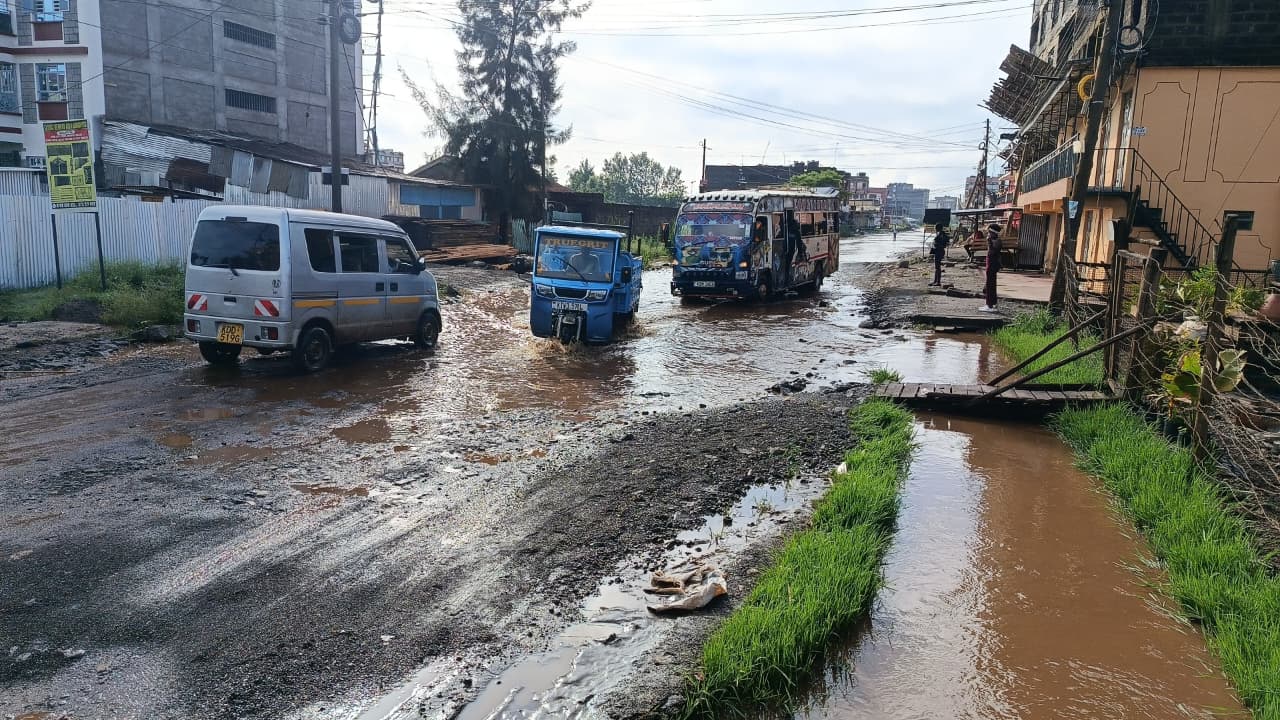
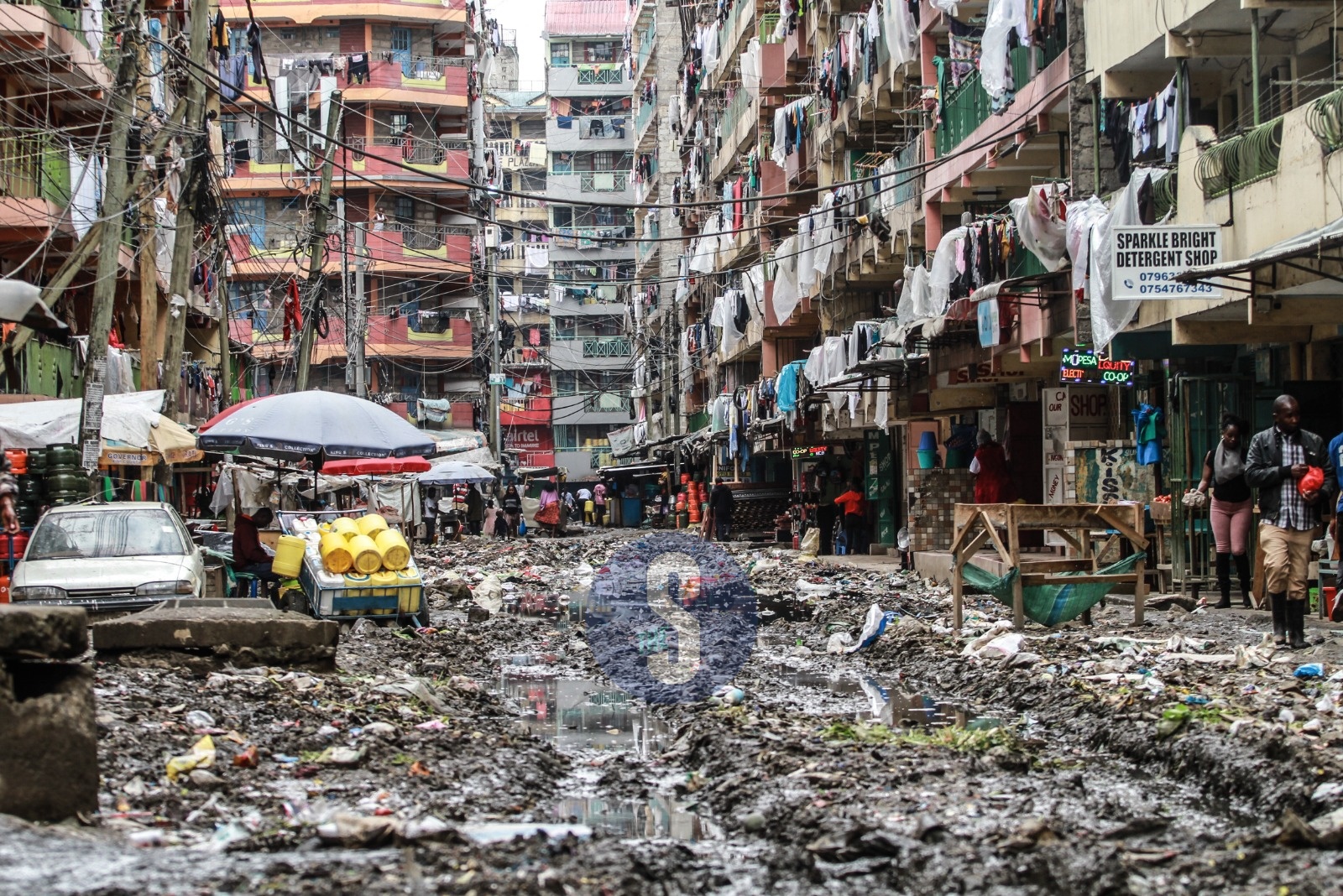
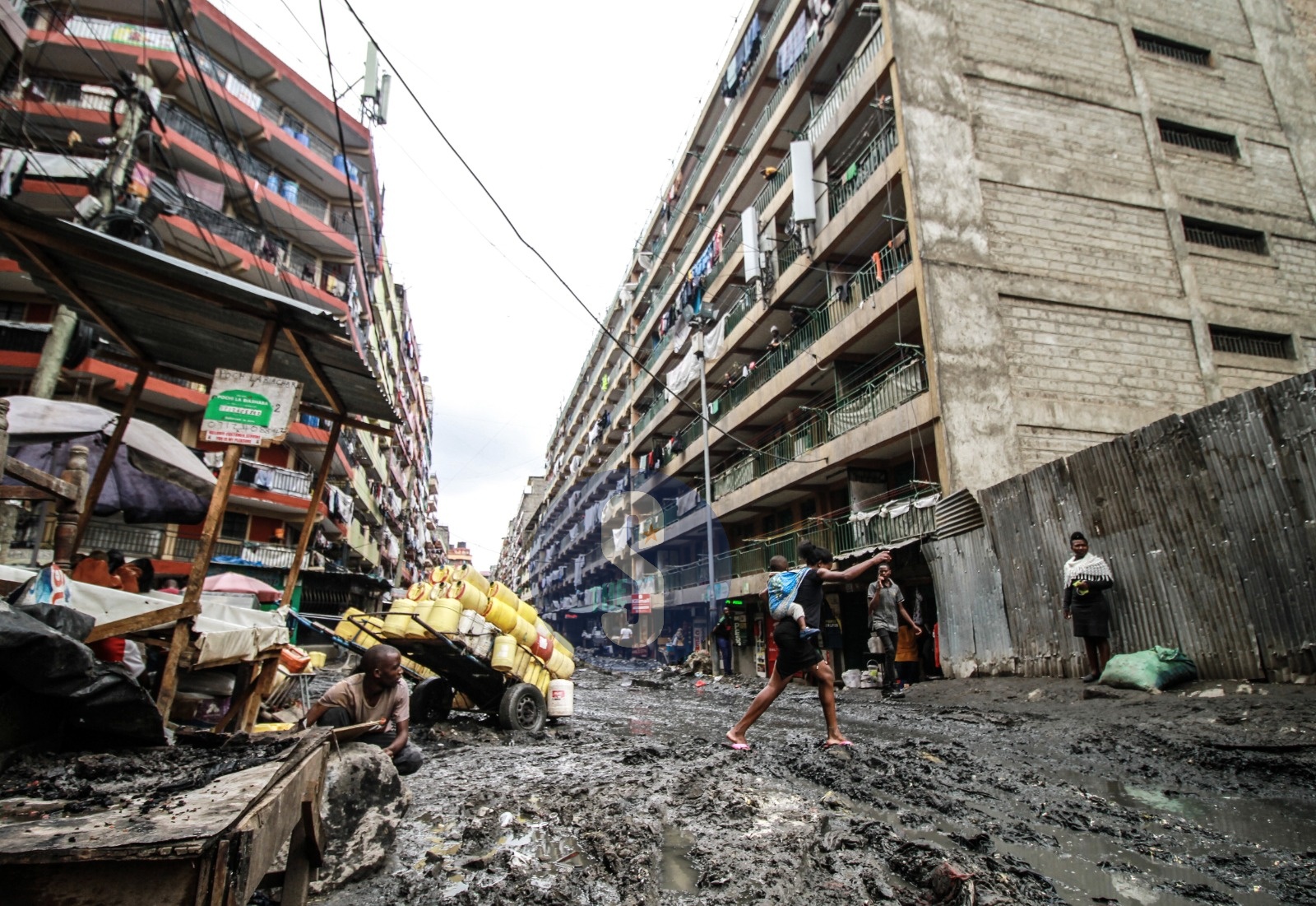
Deep inside Pipeline Estate in Nairobi, the long-awaited rainy season has instead brought daily hardship for thousands of residents as heavy downpours continue to batter the densely populated neighbourhood.
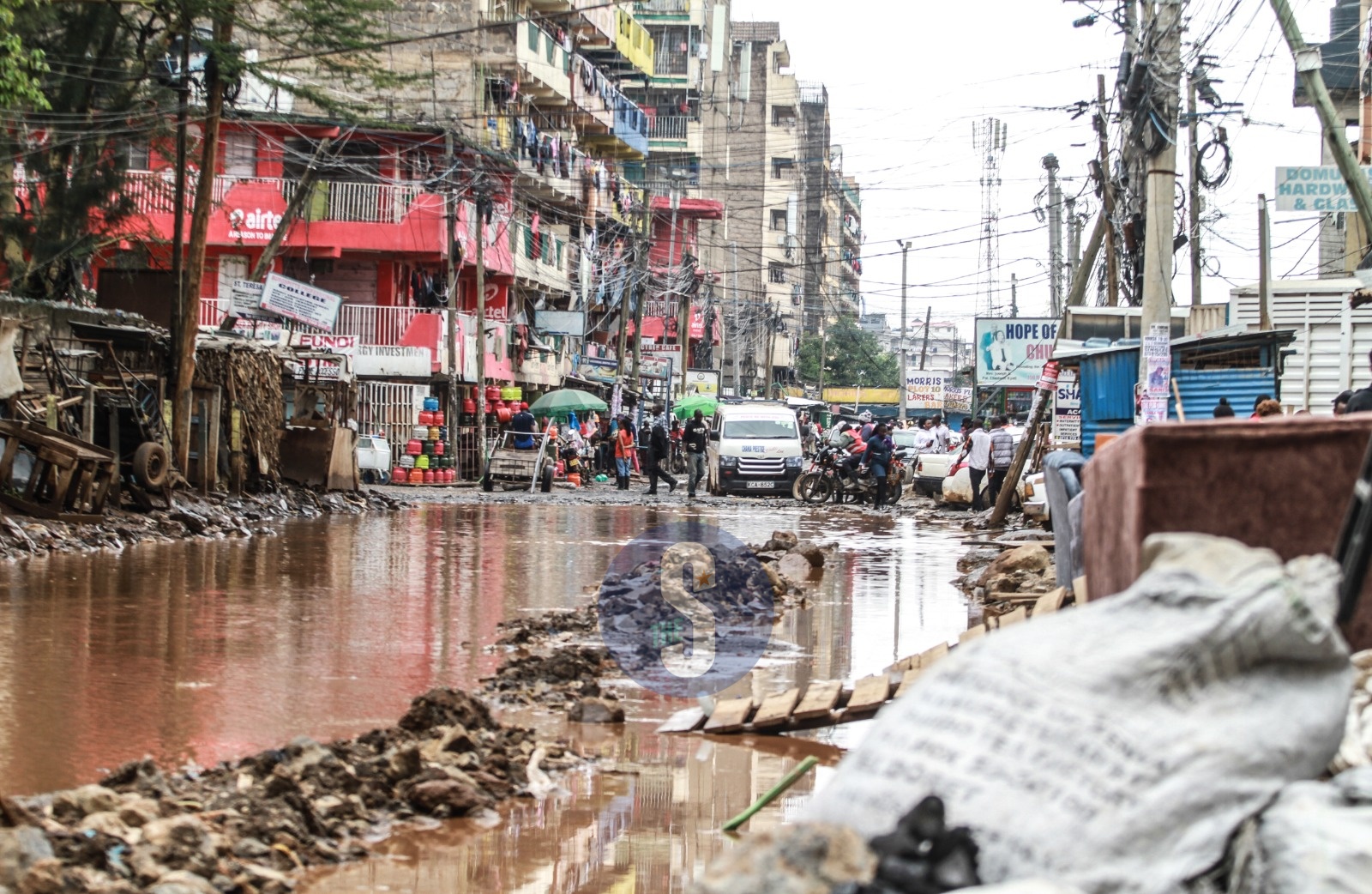
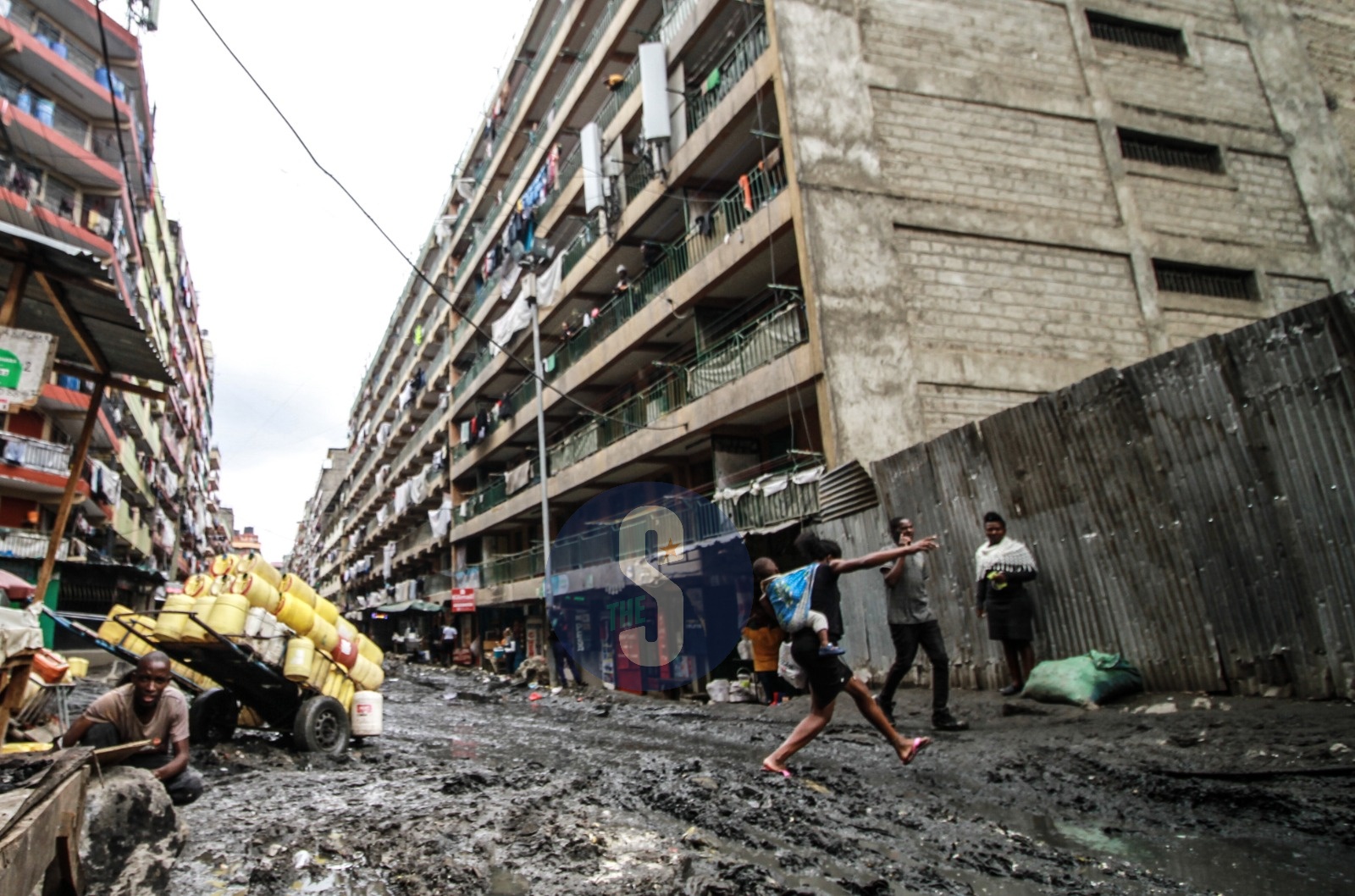
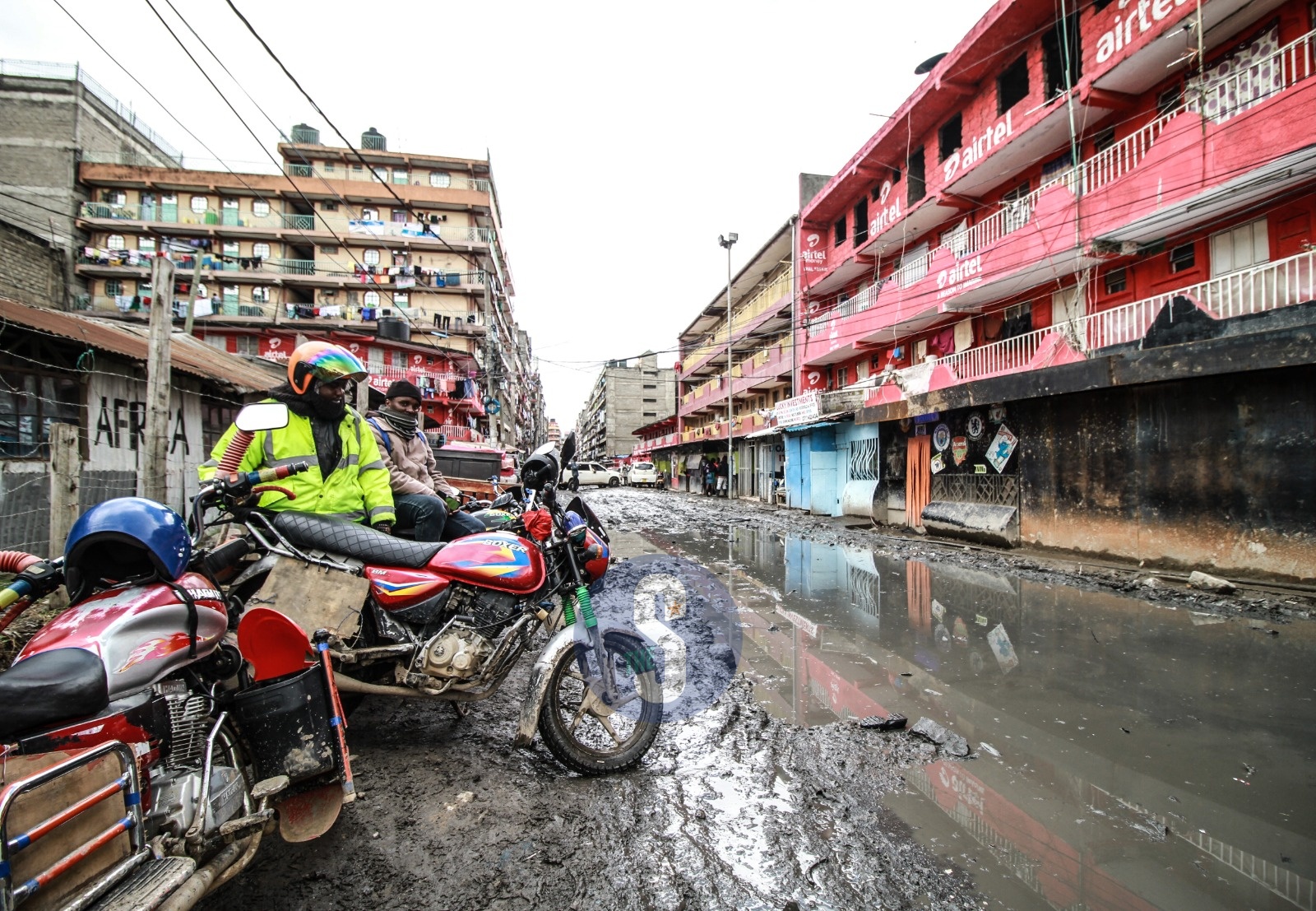
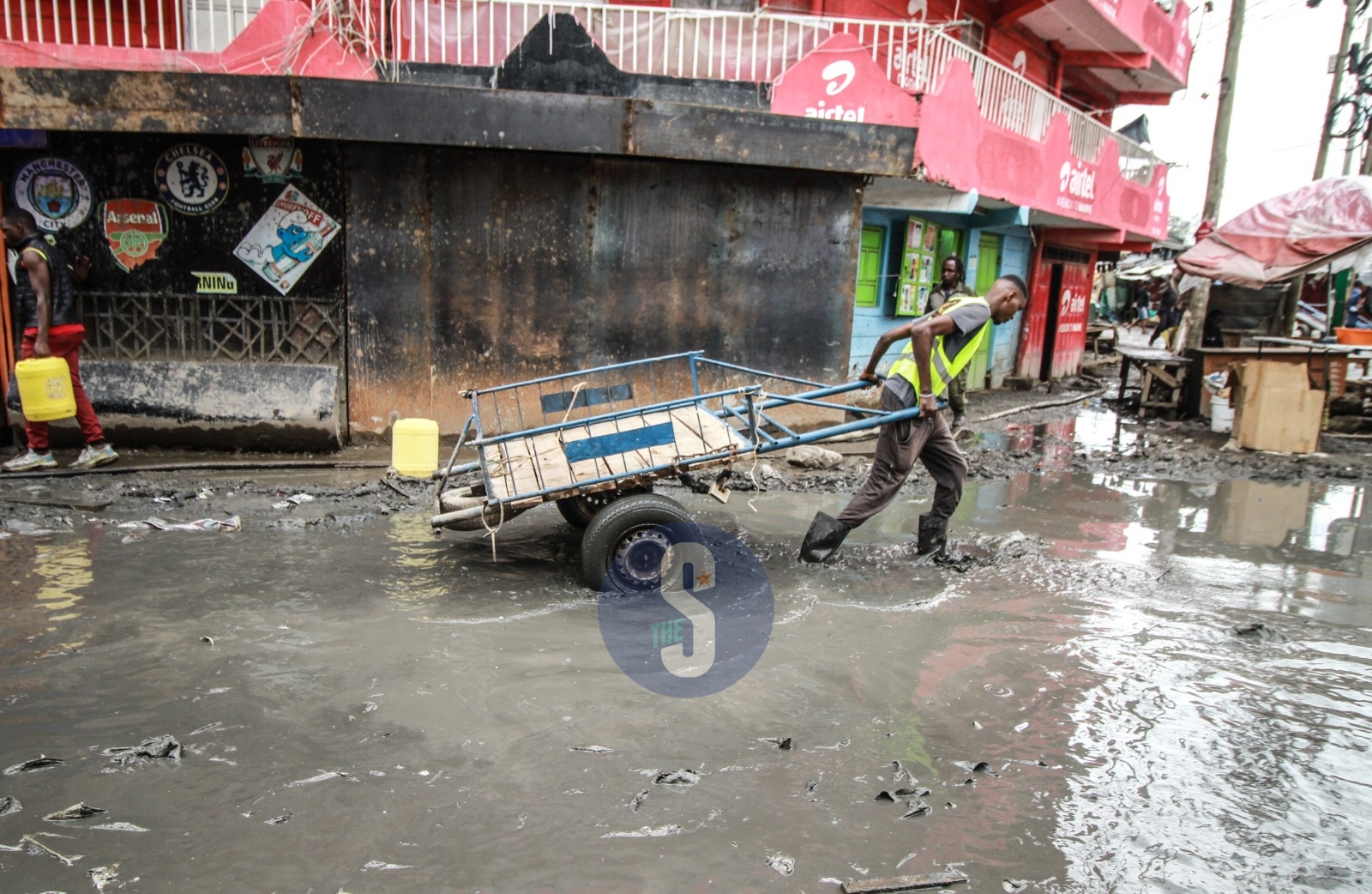
Persistent rainfall, falling almost every morning and evening, has left several roads across the estate virtually impassable. What were once busy streets have turned into thick grey streams of mud, stagnant water and deep craters, forcing both motorists and pedestrians to carefully navigate hazardous paths.
Along Kware Road, one of the estate’s key routes, sections of the road have deteriorated into large water-filled trenches. In one striking scene, a woman carrying a child on her back was forced to leap across a wide trench of sludge a moment that illustrates the daily physical challenges residents face just to move around the neighbourhood.
Nearby, a man pushing a handcart loaded with yellow water jerricans struggled to move forward as the cart’s wheels sank deep into the muddy ground.
The estate’s skyline of densely packed multi-storey apartment blocks now overlooks roads that have become difficult to use, especially during peak commuting hours.
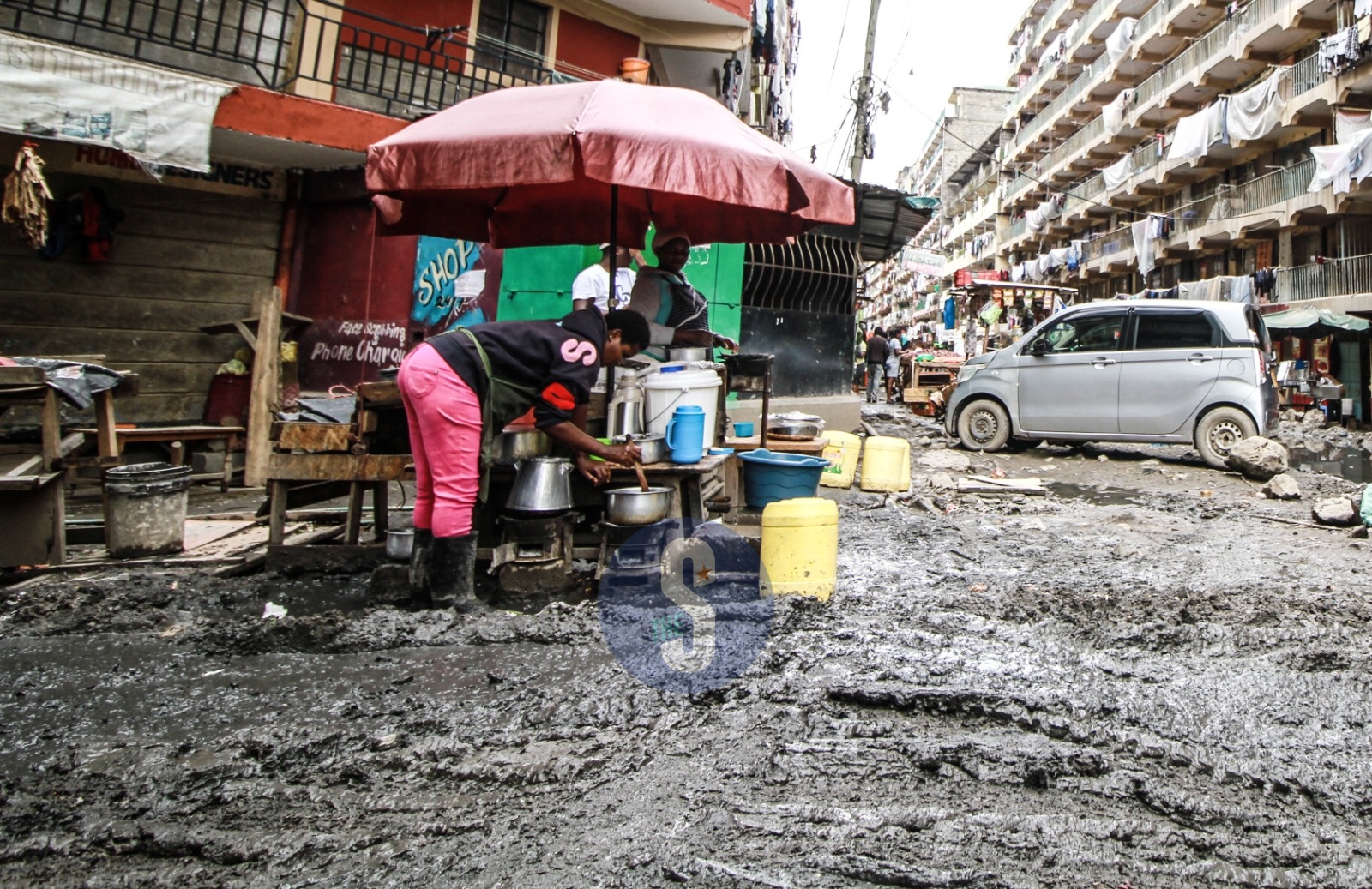
Despite the difficult conditions, daily life in the estate continues. Street vendors have improvised by setting up stalls on the few narrow patches of dry ground that remain. Some traders cook food under large umbrellas while wearing gumboots, surrounded by pools of muddy water and uncollected waste.
Boda boda operators, a critical transport option for many residents, can be seen waiting for customers along the flooded stretches of Kware Road, carefully positioning their motorcycles on small areas of solid ground.
Meteorological forecasts indicate that the situation may persist. Current rainfall measurements exceeding 20 millimetres within 24 hours are expected to continue affecting several parts of the country between March 3 and March 9, 2026.
Weather experts warn that the rainfall is likely to intensify between March 4 and March 7, before gradually reducing in most regions by March 8.
Meanwhile, sections of Kware Road remain in a deplorable state waterlogged, dilapidated and surrounded by piles of uncollected garbage raising growing concerns about public health risks, mobility challenges and infrastructure failure in one of Nairobi’s most densely populated residential areas.
For many residents of Pipeline Estate, the rains have once again exposed long-standing concerns over poor drainage systems, inadequate road maintenance and rapid urban growth, leaving communities to endure the consequences whenever heavy rains strike.
Vehicles and a tuk-tuk navigate a flooded and muddy section of road in Nairobi’s Pipeline Estate after heavy rains left several streets waterlogged and difficult to pass.Residents walk along a muddy, garbage-strewn street in Pipeline Estate, Nairobi, where heavy rains and poor drainage have turned roads into muddy channels, disrupting daily movement.Pedestrians move through a flooded street in Nairobi’s Pipeline Estate as businesses continue operating despite worsening road conditions caused by heavy rainfall.A street vendor prepares food under an umbrella while standing in deep mud along a waterlogged road in Pipeline Estate, Nairobi.A woman carrying a child on her back jumps across a muddy section of road in Pipeline Estate, highlighting the daily struggle residents face navigating flooded streets.Floodwater fills part of a school compound after heavy rains in Nairobi, raising concerns over drainage and infrastructure in several urban areas.A man pulls a handcart through muddy floodwater along a street in Pipeline Estate, where poor drainage has left roads submerged after days of rainfall.Boda boda riders wait for customers along a flooded street in Pipeline Estate, Nairobi, as persistent rainfall continues to disrupt transport and movement.
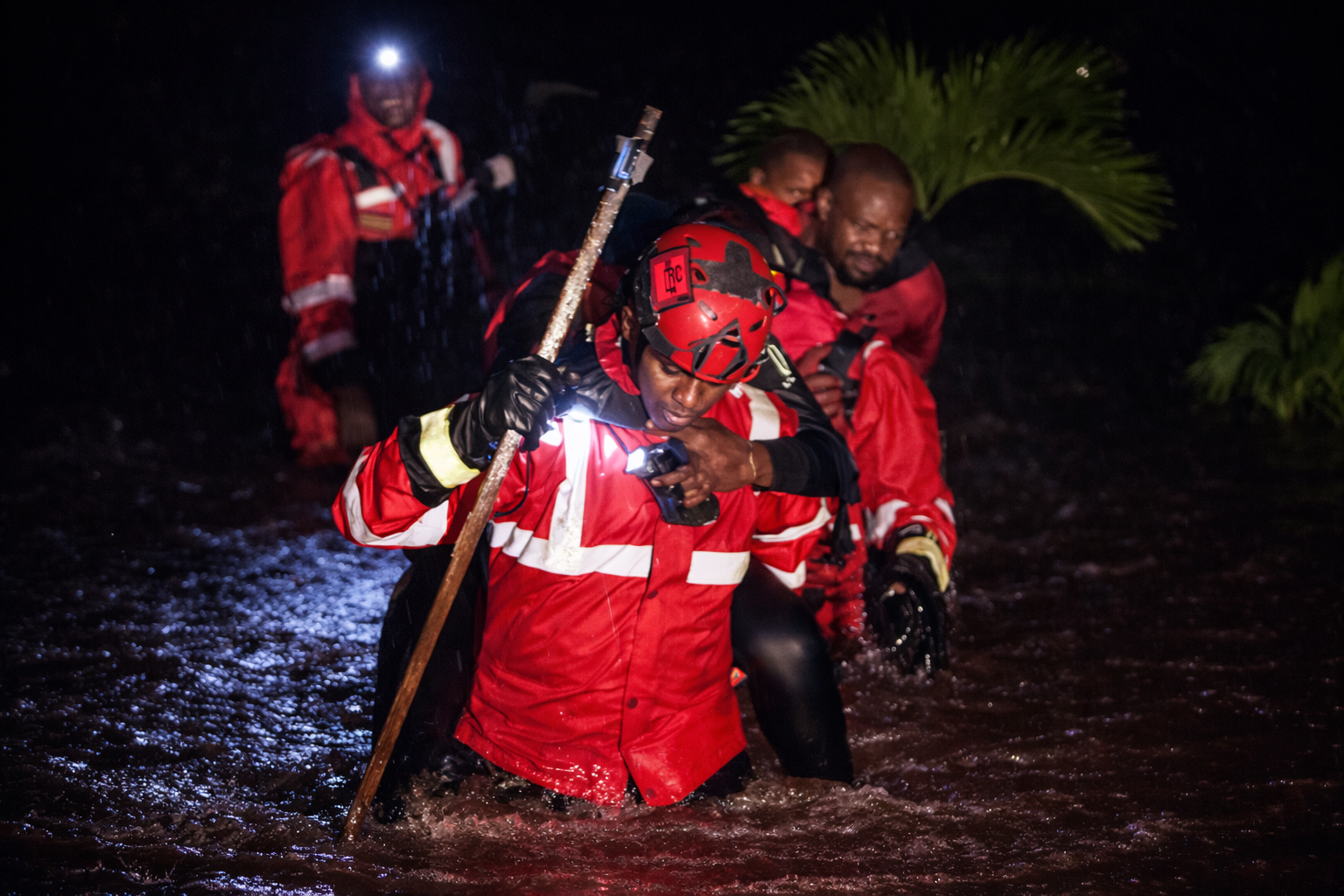
The Kenya Red Cross has launched nationwide assessments following severe flooding that has displaced families, destroyed homes, and disrupted livelihoods after several days of heavy rainfall across the country.
The humanitarian organization confirmed that emergency teams have been deployed to affected regions to evaluate the scale of displacement and identify households in urgent need of assistance, as rescue and relief operations continue.
Speaking on Citizen TV, Kenya Red Cross Secretary General Dr. Ahmed Idris said the organization’s immediate priority is to gather accurate information about the number of people displaced and those who may still be missing after the floods.
“Our concern now is getting the right information around the displacements, and that is why our teams are conducting assessments across the country,” Dr. Idris said.
According to the humanitarian agency, collecting reliable data is essential to coordinate emergency response efforts, including rescue operations, temporary shelter arrangements, and the distribution of relief supplies to affected communities.
Dr. Idris also urged members of the public to report individuals whose absence is unusual so that authorities and humanitarian agencies can begin tracing efforts as quickly as possible.
“We are making a specific appeal to Kenyans: if there are any family members who are missing, it is important that it is reported,” he said.
He clarified that a missing person refers to someone who cannot be physically located and whose disappearance is outside their normal routine.
“Missing does not mean you have called them on the phone and cannot reach them. It means you have tried to locate them physically and cannot find them, and their absence is outside the regular pattern of their lives,” he explained.
The Red Cross said early reporting significantly improves the chances of locating individuals who may have been separated from their families during the flooding.
Members of the public who suspect a loved one may be missing have been urged to contact the Kenya Red Cross through its emergency hotline 1199.
Parts of the country have experienced intense rainfall in recent days, triggering floods in several towns and settlements, particularly in low-lying and informal residential areas. In many places, residents have been forced to abandon their homes, while others remain stranded due to damaged roads and submerged pathways.
Emergency response teams from the Kenya Red Cross are working alongside government agencies and community volunteers to assess the situation, assist affected families, and provide first aid where necessary.
The organization said information gathered during the ongoing assessments will guide relief interventions and help determine the resources required to support displaced families in the coming days.
Authorities have confirmed that at least 23 people have died in Nairobi after overnight torrential rains triggered severe flooding across parts of the capital, highlighting the growing humanitarian impact of the ongoing weather conditions.
Kenya Red Cross begins nationwide flood assessments as deadly rains leave dozens dead and families displaced
Iran’s ambassador to the United Kingdom has warned that Britain should **“be very careful” about becoming further involved in the ongoing war**, cautioning that any deeper participation could have serious consequences.
Speaking in London, the Iranian envoy said Tehran is closely monitoring the role of Western countries in the escalating conflict in the Middle East and stressed that Iran would defend itself if foreign governments become directly involved in military operations against it.
The remarks come amid rising tensions in the region, where exchanges of missile attacks and air strikes have intensified the confrontation involving Iran, Israel and the United States. The conflict has raised concerns among global powers about the possibility of a broader regional war.
The Iranian ambassador said Iran does not seek further escalation but warned that the country will respond firmly if other nations enter the conflict. According to the diplomat, any direct military participation by foreign governments would be viewed as a hostile act and could trigger retaliation.
The United Kingdom has so far maintained that its role remains limited and defensive. British authorities have allowed the United States to use certain facilities and bases linked to regional security operations, while emphasizing that the objective is to protect allies and prevent further escalation.
However, Tehran has signaled that such cooperation could still be interpreted as involvement if it contributes to attacks against Iranian territory or interests.
Diplomatic observers say the ambassador is warning reflects growing concern in Tehran about the possibility that Western allies could become more deeply engaged in the conflict if the situation deteriorates further.
The crisis continues to draw international attention as governments call for restraint and diplomatic solutions to avoid a wider war that could destabilize the Middle East and threaten global security.