Marcus Rashford has broken his silence in his first interview since returning to Manchester United, and he’s made it clear: he sees himself as a No.9 now.
The 27-year-old academy graduate is back at Old Trafford after a loan spell at Aston Villa that rekindled some of his best form. Though his long-term future remains unclear, Rashford has sent a clear message to Ruben Amorim and the club hierarchy, he’s ready to lead the line.
Rashford has long been known for his pace and dynamism on the left wing, but in this eye-opening interview, he admitted that the central striker role is starting to feel like home.
“For me, as I’ve got older, the No.9 position is becoming more comfortable, more natural,” he said.
It’s a bold statement from a player who, just a few months ago, seemed to be on the brink of an Old Trafford exit. His form had dipped, and Amorim left him out of multiple matchday squads. Many believed the relationship between player and coach had broken down beyond repair.
Rashford’s move to Aston Villa was seen as a lifeline, and he took full advantage. Under Unai Emery, he looked sharp again, even pushing Ollie Watkins to the bench at times.
Despite Villa having a £40 million option to buy, they passed, opening the door for Rashford’s return to Manchester. A potential move to Barcelona had once looked possible, but with the Catalan club backing off, Rashford may now be eyeing a fresh start under Amorim.
The Portuguese manager wasn’t shy about their previous friction:
“I couldn’t get Marcus to see the way you’re supposed to play football and to train the way I see it,” Amorim had said. “Sometimes you have one player that is really good with one coach, and the same player with another coach is different.”
Manchester United are in the market for a striker. They’ve already missed out on Liam Delap, and top target Viktor Gyokeres might not be sold. Amorim has signed Matheus Cunha and is eyeing Bryan Mbeumo, but United still lack a proven, explosive No.9.
Enter Rashford.
The Englishman bagged 30 goals in all competitions during the 2022/23 season. He hasn’t hit those heights since, but his Villa stint proved he still has the tools, if deployed correctly.
Can Rashford convince Amorim to give him a fresh shot? Or will tensions resurface, pushing him further down the pecking order?
For now, Rashford’s message is loud and clear: he’s ready to evolve. And perhaps, just perhaps, he’s the solution to the striker conundrum United didn’t know they already had.
Marcus Rashford has backed himself to play as a No 9 as Man Utd seek more firepower (Image: Carl Recine, Getty Images)
Manchester United are being strongly warned against offloading fan-favourite Amad Diallo, despite escalating transfer activity that could push the Ivorian star down the pecking order.
Former striker Louis Saha has passionately urged the Red Devils’ hierarchy to keep hold of the young winger, even as the club edges closer to signing Brentford forward Bryan Mbeumo.
Brentford’s Bryan Mbeumo has reportedly agreed to join Manchester United this summer, provided the club can meet the London side’s valuation. United have already seen two bids rejected, but remain optimistic about sealing the deal. Tottenham, now managed by former Brentford boss Thomas Frank, have entered the race with a more substantial offer, though Mbeumo is believed to prefer a move to Old Trafford.
If the move goes through, Mbeumo will team up with Matheus Cunha, United’s £62.5 million acquisition from Wolves. Both attackers are seen as central to manager Ruben Amorim’s evolving 3-4-3 setup, expected to operate as twin attacking midfielders behind a lone striker.
This tactical shift may leave little room for Amad Diallo to thrive in his favoured right-wing role. After a breakthrough 2024/25 season in which he was one of United’s rare bright spots, the 21-year-old now faces the possibility of being benched, repurposed as a wing-back, or even worse, sold.
Rumours suggest United may consider cashing in on Amad to recoup funds for their summer rebuild. But this has sparked backlash among fans and former players alike.
Louis Saha, a former Red Devils forward and vocal supporter of youth development, has issued a stern warning to United over any potential Amad sale.
“Nooo! No! No! If there are one or two players who should not leave, it is him and Bruno Fernandes,” Saha told the Daily Express via BetSelect. “He is the kind of player who does not care where he plays. He has said it himself; he will play as a left-back or centre-back, he will just play.”
Saha praised Amad’s versatility and commitment, highlighting his willingness to adapt, a quality not all of his teammates share.
“Some other players will say, ‘I want to play there’ or ‘I should be playing this position’. Those players should shut up,” he added. “If you’ve got 20 goals, maybe. But none of those players have scored more than 15, and they’re making demands. It’s crazy.”
With Amorim committed to his tactical blueprint, United’s summer will likely feature more difficult decisions. But if there’s one message ringing loud and clear from Saha and the fanbase, it’s this: Amad Diallo must stay.
Letting go of one of the club’s most promising talents, especially after such a poor season, could do more harm than good, both on the pitch and in the dressing room.
Amad’s future at Old Trafford isn’t certain (Image: PA)
Manchester United’s summer transfer window is heating up with fresh drama surrounding the future of their No.1 goalkeeper and surprise developments involving Emiliano Martinez and Marcus Rashford.
World Cup winner Emiliano Martinez is reportedly “desperate” to secure a move to Manchester United, turning down interest from multiple top clubs to keep himself available for the Red Devils.
The Aston Villa star, who shares a close relationship with United defender Lisandro Martinez through the Argentina national team, is believed to be prioritizing a switch to Old Trafford, even as his current manager Unai Emery publicly plays down any exit talk.
With Aston Villa facing pressure from the Premier League’s Profit and Sustainability Rules, the club could be forced to cash in on high-value players. According to The Sun, Martinez has already rejected approaches from unnamed “big hitters” in favor of pursuing what he views as a dream move.
Despite United’s underwhelming campaign last season, the chance to be part of a major rebuild under manager Ruben Amorim appears to be a major pull for the 31-year-old.
Rashford Plans Man Utd Return If Exit Falls Through
Marcus Rashford is prepared to return to pre-season training at Carrington next month if no move away from the club materializes.
The England international spent the second half of last season on loan at Aston Villa after reportedly clashing with Amorim. While interest in the 27-year-old remains, no formal offers have been submitted, leaving his United future hanging in the balance.
According to ESPN, Rashford is yet to be informed if he will be included in the club’s summer tour of the United States, a trip that may also exclude fellow attackers Antony, Jadon Sancho, and Alejandro Garnacho, whose own futures remain unclear.
Monaco Enter Race for Onana as Keeper Search Intensifies
Meanwhile, Monaco are eyeing a move for Manchester United’s Andre Onana, who could be offered a fresh start in Ligue 1 following a turbulent two years at Old Trafford.
French outlet L’Equipe reports that the French side are considering both Onana and Chelsea’s Djordje Petrovic as they search for an upgrade between the posts. While Onana has retained the No.1 shirt under Amorim, inconsistent performances and moments of uncertainty have led to questions about his long-term place in the squad.
Petrovic, meanwhile, has struggled for consistent minutes at Stamford Bridge, making the Monaco interest a lifeline for both keepers.
Manchester United’s transfer saga is far from over. The club remains active on multiple fronts, from chasing forwards like Bryan Mbeumo and Viktor Gyokeres to reshuffling their goalkeeping unit. With Martinez pushing for a move and Onana’s future in doubt, the goalkeeping carousel could spin rapidly in the coming weeks.
For Rashford, the next month may determine whether he reignites his United career or closes the chapter on a turbulent few seasons.
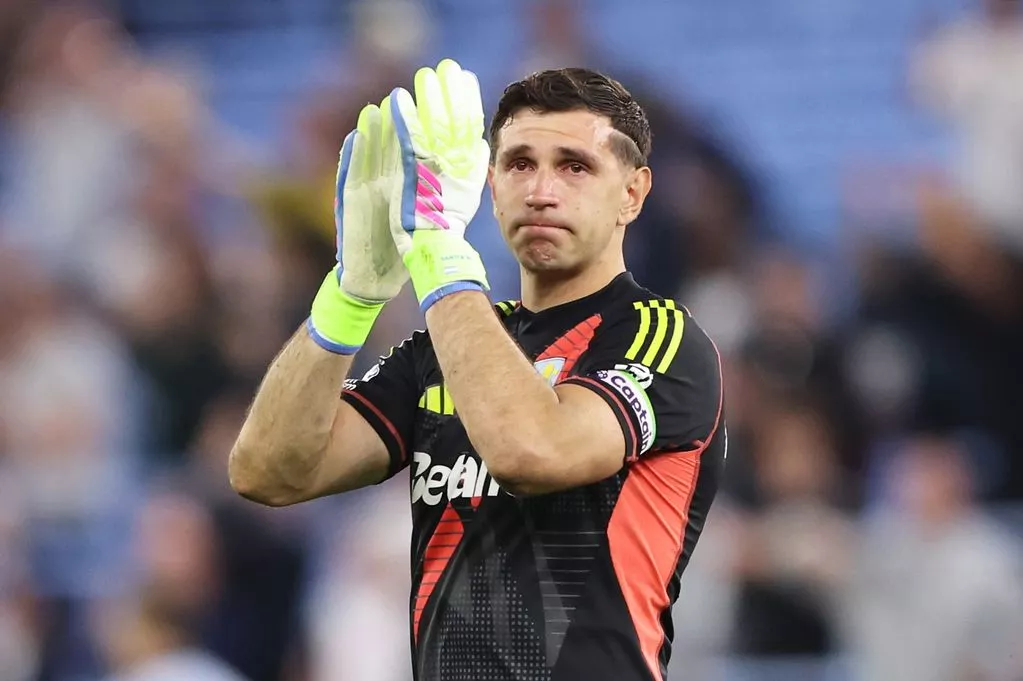
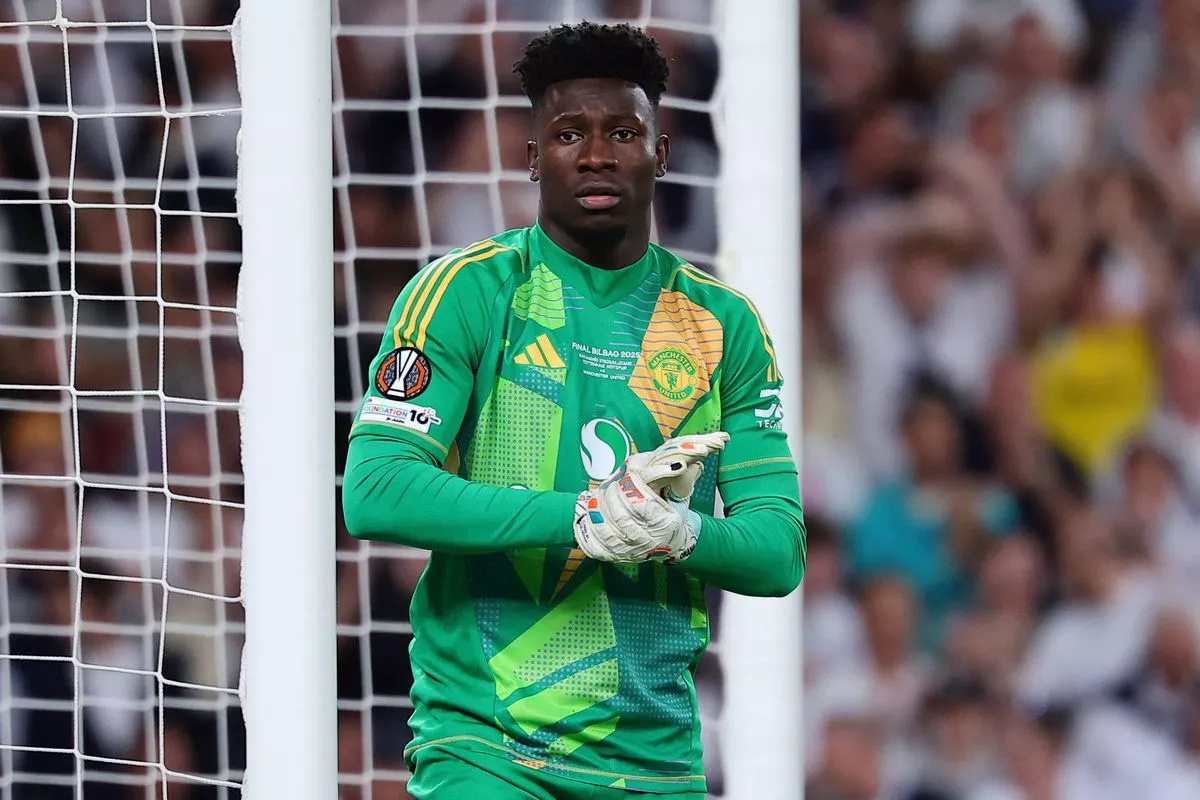
Emi Martinez appeared to be saying goodbye to Aston Villa fans back in May (Image: Cameron Smith/Getty Images)Andre Onana could leave the club this summer (Image: undefined via Getty Images)Marcus Rashford rediscovered his form during his recent loan spell (Image: Getty Images)
Pep Guardiola has never been shy about his love for football in all its global forms, but now, the Manchester City manager has made a rare and telling admission: he wants to manage a South American team when his time in Europe comes to an end.
Speaking at the FIFA Club World Cup, Guardiola didn’t just praise South American football, he revealed his desire to be part of it.
“Why not?” Guardiola said when asked if he’d consider managing in South America. “So many good things in football history come from there, especially Brazil.”
The Catalan coach specifically expressed admiration for Brazilian football, its players, fans, and fierce competitive culture. And when pressed, he admitted Brazil is the one country where he would love to coach next.
“I love how they play, how they celebrate every goal like it’s the end of the world,” Guardiola said. “From Botafogo to Flamengo, from Boca Juniors to River Plate, the passion is real. Brazil would be a dream.”
While he didn’t name a specific club, Guardiola repeatedly referenced Brazilian sides like Botafogo and Flamengo, both of which have made headlines at the Club World Cup after stunning top European clubs Paris Saint-Germain and Chelsea.
“When I see Botafogo, Flamengo, how they are together, I like them. I love them. I really do.”
Guardiola’s contract with Manchester City runs until 2025, and while many expect him to take a break or consider national team management, this new revelation offers a fresh twist. His comments make it clear: a move to Brazil is something he’s not only open to, it’s something he’s actively thinking about.
“For the South American teams, especially Brazilian and Argentine clubs, this competition [Club World Cup] is maybe the maximum. And I love how seriously they take it.”
Pep also took a swipe at European arrogance, noting that people often underestimate South American teams, at their own peril.
“People say: ‘Oh, surprise, the European team lost.’ Oh yeah? Welcome to the real world. These teams are good, and I like that.”
Guardiola has already left an indelible mark on European football, with legendary stints at Barcelona, Bayern Munich, and Manchester City. But managing a club in Brazil, or elsewhere in South America, would take his legacy to a whole new continent.
Whether it’s Flamengo, Palmeiras, Botafogo, or even the Brazil national team, Pep’s passion for the South American game is clear, and fans in the region are already dreaming.
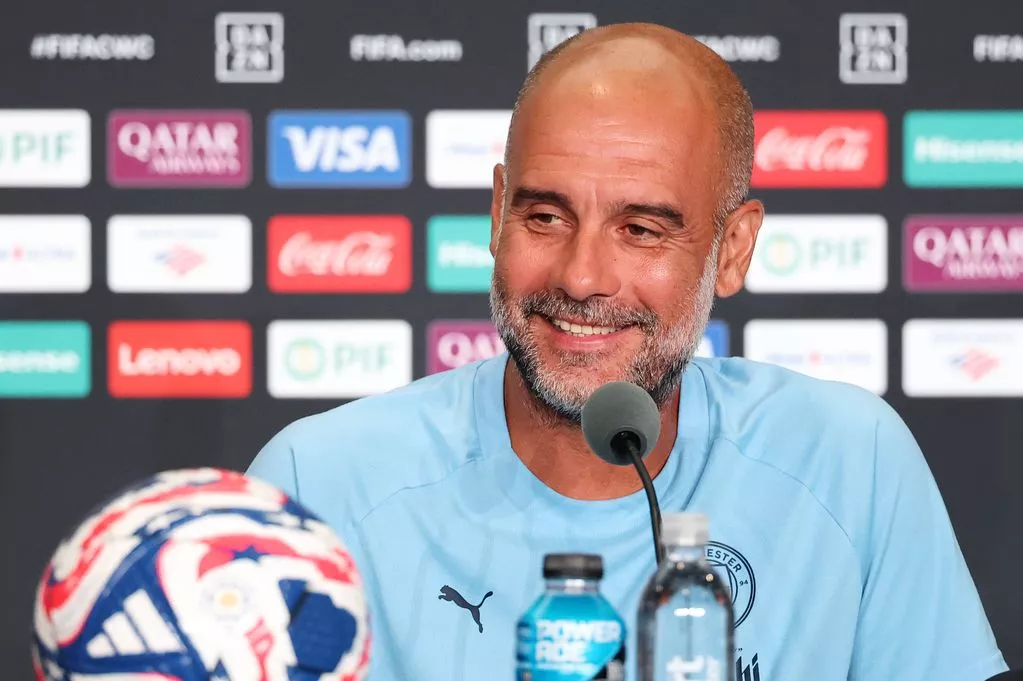
Manchester City boss Pep Guardiola has spent almost a decade at the Etihad (Image: 2025 FIFA)
The summer transfer window is heating up, but Alexander Isak’s future could rest on one crucial factor, his own desire to leave.
Both Liverpool and Arsenal are circling Newcastle United’s star striker, eager to secure the services of one of the Premier League’s most lethal forwards. Yet despite growing interest, insiders suggest Isak isn’t showing any signs of agitating for a move, and that’s proving to be the biggest obstacle.
Former Newcastle midfielder Geremi has weighed in on the speculation, warning that unless Isak himself “takes the decision into his own hands,” neither of the Premier League giants will be able to snatch him away from St James’ Park.
The Magpies are reportedly demanding a staggering £150 million for the 25-year-old Swede, a fee that neither Arsenal nor Liverpool seem eager to meet, especially without the player pushing for the switch.
Geremi, speaking to BoyleSports, said: “I’m not sure Newcastle would sell Isak for any fee, but it would become an issue if the player took the decision into his own hands.”
Isak still has three years left on his contract, and with Newcastle having secured Champions League football and a Carabao Cup victory this year, there’s a strong argument that the club is now offering everything a top player could want, ambition, trophies, and top-tier European football.
Geremi doesn’t believe Isak needs to chase a bigger platform.
“Newcastle are now contenders to win the Premier League and the Champions League,” he said. “The environment is all there… I don’t think he would gain anything by moving to Liverpool or Arsenal.”
It’s a bold claim, but not without merit. Newcastle’s financial muscle, revamped squad, and tactical discipline under Eddie Howe have turned them into a force to be reckoned with, and a serious player in the transfer market.
Arsenal, desperate to break their recent cycle of runner-up heartbreak, have now shifted focus toward Benjamin Sesko and Viktor Gyokeres, names more attainable, and likely less costly.
Meanwhile, Liverpool have already flexed their financial power this summer, landing Bayer Leverkusen stars Florian Wirtz and Jeremie Frimpong in a blockbuster £116 million deal. While Isak remains on their radar, that price tag, and his silence, may make the move unrealistic unless something changes dramatically.
Alexander Isak holds all the power. Unless he decides it’s time to leave, Arsenal and Liverpool may have to cross his name off their wishlists.
And for Newcastle? Holding onto Isak might be the clearest signal yet that the club has truly arrived at football’s top table.
Liverpool and Arsenal could be priced out of move for Alexander Isak (Image: Getty Images)There is no suggestion that Isak is really pushing for a transfer (Image: Owen Humphreys/PA Wire)Alexander Isak has been told he can achieve his ambitions under Eddie Howe (Image: Getty Images)
Samuel Omondi Okoth, a 21-year-old Nairobi resident, is fighting for his life at Kenyatta National Hospital after being shot eight times in the back, allegedly by a police officer, during the anti-government protests held on Tuesday, June 17.
The peaceful protest, which began as a youth-led march, turned chaotic when unknown goons infiltrated the crowd. According to Okoth, police officers, instead of de-escalating the situation, watched the violence unfold, and then opened fire.
“I was just talking to the officer about the other shooting. The next thing I know, I felt a heavy impact on my back,” Okoth recounted from his hospital bed, barely able to shift due to excruciating pain.
Doctors at KNH have already removed seven rubber bullets from his body. However, one bullet remains lodged dangerously close to his spine, threatening his ability to ever walk again. Specialists have scheduled a delicate spinal operation for next week, a procedure that carries enormous risk.
Okoth’s condition paints a chilling picture of the growing violence meted out on unarmed civilians during protests. Once full of life and hope, he now depends on hospital staff for everything, even for relieving himself, using a plastic bag due to paralysis symptoms.
He wasn’t alone in his ordeal. Two other protesters who attempted to help him after the shooting were also hit. “One of them got shot in the leg while holding me. He dropped me, and we ended up in the same ambulance,” Okoth added.
Okoth’s case is disturbingly similar to that of Boniface Kariuki, the now-iconic mask hawker who was shot in the head by a police officer in broad daylight outside Imenti House, an incident that was caught on camera and sent shockwaves across the nation.
According to Okoth, the same officer who shot Kariuki is the one who shot him moments after he questioned the shooting. That officer has since been arrested and is facing charges, but Okoth and his family are calling for a broader investigation and a deeper reckoning with the actions of law enforcement during public protests.
As both Kariuki and Okoth remain hospitalized, their cases have become symbols of a nation at a dangerous crossroads, where civic expression is increasingly met with brute force. Rights groups, families, and citizens are now demanding accountability, financial support, and systemic reform.
Samuel’s mother, overwhelmed by medical expenses and emotional anguish, pleads:
“My son went out to speak for his future. Now he doesn’t know if he’ll ever walk again. We need help. We need justice.”
The list of protest victims hospitalized at KNH is growing. Each story adds weight to the urgent conversation around police brutality, misuse of force, and the rights of protesters in a democratic society. As the nation grapples with political discontent, the human cost of silence is becoming too loud to ignore.
The Ruto administration has officially begun a major overhaul of the controversial Housing Levy, setting the stage for sweeping changes aimed at making homeownership more accessible and rebuilding public trust.
This dramatic shift comes after a pivotal meeting between President William Ruto and COTU Secretary General Francis Atwoli, culminating in a series of urgent policy reforms. The changes were announced during a high-level engagement on Saturday, June 21, involving Housing Principal Secretary Charles Hinga and the National Assembly’s Housing Committee.
One of the most anticipated reforms is the reduction of the required deposit for affordable homes, from 10% down to 5%. PS Hinga, while addressing the committee, urged Kenyans to seize this opportunity.
“I hereby ask Kenyans to utilise this chance to become homeowners,” he stated, reinforcing the administration’s push for wider access to the housing programme.
But not all MPs were convinced. Lawmakers raised sharp concerns over how funds have been used, with Emurua Dikirr MP Johana Ng’eno questioning the transparency of the fund flows.
“You said that Park Road proceeds were used to build Homabay Affordable Houses; where will Homabay proceeds go?” asked Ng’eno.
In response, PS Hinga clarified that the National Housing Corporation (NHC) was using Park Road proceeds for the Homabay projects, and the investment would be recovered once the Homabay houses are sold.
Further scrutiny from MPs focused on the allocation process, quality of the finished houses, their maintenance, and the lack of clarity around regulations guiding the Affordable Housing Programme.
Another significant breakthrough was the government’s decision to stop using Housing Levy funds for constructing markets, a practice that had drawn widespread criticism. In a rare move of fiscal responsibility, the state also committed to refund every shilling that had already been diverted for that purpose.
“All funds that have already been used to construct markets under the Affordable Housing Programme will be refunded to the Affordable Housing Levy Fund,” a statement following the President-Atwoli meeting confirmed.
With these bold steps, the government is hoping to reset the narrative around the Affordable Housing Agenda, turning it from a lightning rod for criticism into a platform for economic empowerment and social transformation. But questions around implementation, transparency, and trust still loom large.
For now, the government has signaled its willingness to listen, reform, and act. Whether that will be enough to win over a skeptical public remains to be seen.
President William Ruto during the handover of Affordable Housing units on Tuesday, May 20, 2025.Housing Principal Secretary Charles Hinga addressing an event for Earth Negotiations Bulletin in June 2022. Photo: Diego Noguera/IISDPresident William Ruto with home owners during the handover of Affordable Housing units on Tuesday, May 20, 2025. PCS
President Ruto Slashes Sexed Semen Prices from Ksh2,900 to Ksh1,000, Promises Dairy Boom for Kenyan Farmers
In a sweeping and unexpected announcement set to shake up Kenya’s livestock industry, President William Ruto has revealed that the price of sexed semen will be drastically slashed from Ksh2,900 to just Ksh1,000 beginning next month. The move, which he unveiled on Saturday, June 22, during his visit to Meru County, is being hailed as a potential game-changer for farmers across the country.
Sexed semen, technologically enhanced to produce offspring of a preferred gender, has long been considered a revolutionary tool in boosting dairy and beef production. Yet for years, its high cost has kept it out of reach for the average Kenyan farmer. That is now set to change.
“Starting in July next month, we are reducing the price of sexed semen to Ksh1,000,” the president declared. “I don’t want to hear that a farmer has been overcharged. This will help you stop using cheap seeds that only bring guesswork.”
Ruto emphasized that access to affordable sexed semen is not just about better breeding, it’s about transforming productivity and unlocking economic potential for rural communities. “We want to ensure that farmers produce high-quality calves that translate into more milk, more meat, and more money,” he added.
The president’s directive is part of a broader strategy to modernize agriculture and reduce reliance on outdated farming practices. His announcement follows a similar order during the 2023 Madaraka Day celebrations, when he called for the price to be dropped from a staggering Ksh8,000 to Ksh3,000.
Now, with the price plummeting to just Ksh1,000, small-scale farmers, especially in dairy-rich regions like Meru, Nyandarua, and Uasin Gishu, are expected to gain new access to technology that was once reserved for elite breeders.
According to the Kenya Animal Genetic Resources Centre (KAGRC), which distributes the semen, the use of sexed semen can dramatically improve yields and efficiency by ensuring female calves for milk production or male calves for beef farming, depending on the farmer’s goal.
But that’s not all. Ruto also ordered the Ministry of Agriculture to launch a nationwide vaccination campaign targeting devastating livestock diseases like mastitis, foot-and-mouth disease (FMD), and lumpy skin disease. These diseases have historically crippled livestock productivity and drained farmer incomes.
Agricultural experts and economists alike are closely watching the ripple effects of this policy. If executed effectively, this initiative could signal the dawn of a new era for Kenya’s livestock sector, one powered by science, efficiency, and a renewed commitment to the country’s farmers.
As the countdown to July begins, eyes are now on the Ministry of Agriculture to ensure timely implementation, proper distribution, and accountability in rolling out this potentially transformative program.
President William Ruto follows through during a church service at Friends Comprehensive School, Kivaywa, Kakamega County on June 15, 2025. PCSPresident William Ruto leading a livestock vaccination exercise during the flagging off the National Livestock Restocking Programme at Bula Barwaqo, Wajir on Wednesday, February 5, 2025. PCSCows feeding at an animal farm. Photo: UoN
The Government of Kenya has issued an urgent evacuation directive for its citizens residing in Iran and Israel, as the conflict between the two nations continues to escalate and threaten regional stability.
In a public advisory released on Saturday, June 21, the State Department for Diaspora Affairs called on all Kenyan nationals in the two countries to immediately register their details to facilitate emergency assistance and evacuation plans.
“For your safety and to ensure we can assist you promptly in case of any emergency or distress, we kindly ask you to register your details,” the department stated.
The evacuation initiative follows heightened tensions and cross-border military actions that have already displaced tens of thousands. According to recent reports, more than 100,000 people have fled the Iranian capital, Tehran, following a series of Israeli evacuation warnings. In Israel, growing insecurity has similarly disrupted civilian life, raising concerns among foreign residents.
Kenyans in Israel have been advised to reach the embassy through these contacts: +972 3 5754633 and +972 54 691 4773
Those in Iran can access assistance through: +98 21 88667394 or +98 21 88667368
Diaspora Affairs contacts in Nairobi include: +254 207 876 000 and +254 114 757 002
The advisory instructs Kenyans to prepare all essential documents, keep emergency supplies within reach, and avoid unnecessary travel. They are also urged to closely follow local media for alerts and to comply with directions issued by local authorities.
This development follows an earlier statement on June 18, when the government urged citizens in both countries to remain vigilant and prioritize personal safety.
Meanwhile, Kenya’s Foreign Affairs Principal Secretary, Dr. Korir Sing’oei, has called for a de-escalation of hostilities between Iran and Israel. He warned of the broader consequences that the ongoing war could have on regional and global peace.
“We are following with deep concern the escalating situation in the Middle East that has the potential to spiral out of control with grievous implications for regional and global peace and security,” he said.
With the crisis worsening by the day, Kenya joins a growing list of nations racing to safeguard their citizens caught in the crossfire of a deeply volatile conflict.
A destroyed building in Iran after airstrikes from Israel. Photo: NDTv
As the world marked World Refugee Day 2025, a powerful message emerged from Nairobi’s refugee communities: being a refugee is not a limitation; but a launching pad for leadership, innovation, and resilience.
In a special live broadcast hosted by Bortopra TV, East Africa’s premier platform for refugee dialogue, a diverse panel of refugee leaders, activists, and humanitarian partners came together to reflect on the evolving role of Refugee-Led Organizations (RLOs) in transforming the humanitarian landscape.
This story, reported by AfroVera.com, draws on that conversation; highlighting how RLOs are taking charge of their own futures, redefining humanitarian support, and driving local solutions that reach far beyond traditional aid.
Leadership from Within: Women at the Helm
One of the most compelling voices during the discussion was Sandra Ndayishimiye, Director of Women for Peace and Development (WOPED), a grassroots organization founded in 1999 by refugee women in Kenya. What began as a modest exchange of survival skills among displaced mothers has since grown into a vocational powerhouse offering training in tailoring, catering, beadwork, and hairdressing.
“Instead of waiting for handouts, we empower women to generate their own income,” Sandra said. “Refugee is a status; not a profile. You can choose to grow, to lead, to build.”
WAPED’s model of peer-to-peer training has uplifted hundreds of women who once saw no future beyond survival. Now, many of them are thriving entrepreneurs and community mentors.
Building Capacity, Shaping Policy
Supporting this grassroots momentum is RefugePoint, an organization that has become a lifeline for dozens of RLOs across Kenya. Represented in the broadcast by Eunice Sayan, RefugePoint offers a three-tier support model: flexible funding, capacity building, and strategic coordination.
“RLOs are not just beneficiaries; they are partners,” Eunice explained. “Our role is to equip them to lead from the front, influence policy, and implement community-based solutions with lasting impact.”
She stressed that sustainable funding must go beyond project-based grants. “We must support RLOs with operational costs, administrative tools, and systems that foster self-reliance.”
Challenging Gender Barriers in Refugee Leadership
The panel did not shy away from the challenges that persist; especially for women leaders. Magdalene Gatare, administrator at Umoja Refugee Creative (URC), explained that many refugee women face cultural constraints that limit their participation in decision-making spaces.
«Women must fight harder to earn trust in their communities, » she said. «But once they do, their impact is immeasurable. »
URC has become a vibrant hub for youth and women alike, offering training in film, fashion, and digital skills; positioning itself as both a creative space and a leadership incubator.
Refugee Voices Demand Inclusion in Policy and Practice
The conversation also touched on policy frameworks in Kenya and beyond. Speakers acknowledged progress by Nairobi County and national actors like UNHCR and DRS, particularly in recognizing refugee IDs and supporting grassroots initiatives. However, gaps remain.
«There’s a lack of awareness at the community level,” noted one panelist. “Policy announcements must be followed by real engagement; door-to-door sensitization and inclusion in planning. »
The call was clear: RLOs must be involved at every stage; from program design to implementation to evaluation.
Resilience without Resources? Innovating Amid Shrinking Aid
Amid global funding cuts, RLOs are innovating to stay afloat. Many, like WOPED and URC, have developed income-generating arms; from renting out event décor to offering professional services.
«We can’t wait for donors every month,” said Sandra. “The office rent won’t wait, so we think creatively and build sustainability from within. »
This entrepreneurial shift is redefining what humanitarian response looks like; transforming RLOs from beneficiaries to builders of social enterprise.
Final Word: “Refugee is Just a Status”
As the discussion came to a close, co-host Eric Museveni Rugangwa offered a striking metaphor: «Refugee is just a status; like a WhatsApp update. It expires. Your profile, who you truly are, is what you choose to make permanent.»
It was a powerful reminder that displaced communities are not waiting to be saved. They are rising; organizing, creating, and leading.
On this World Refugee Day, one truth stands above all: the future of humanitarian work lies in the hands of refugees themselves. And the world would do well to listen.
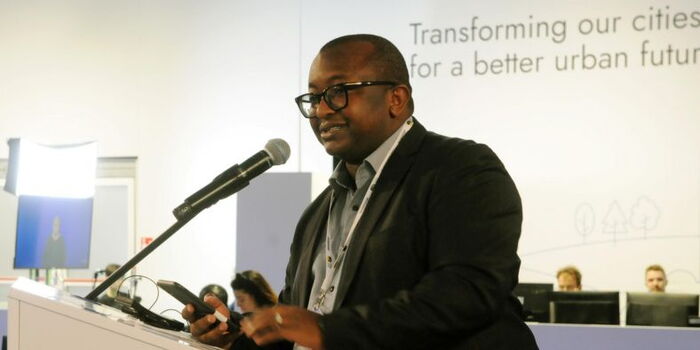
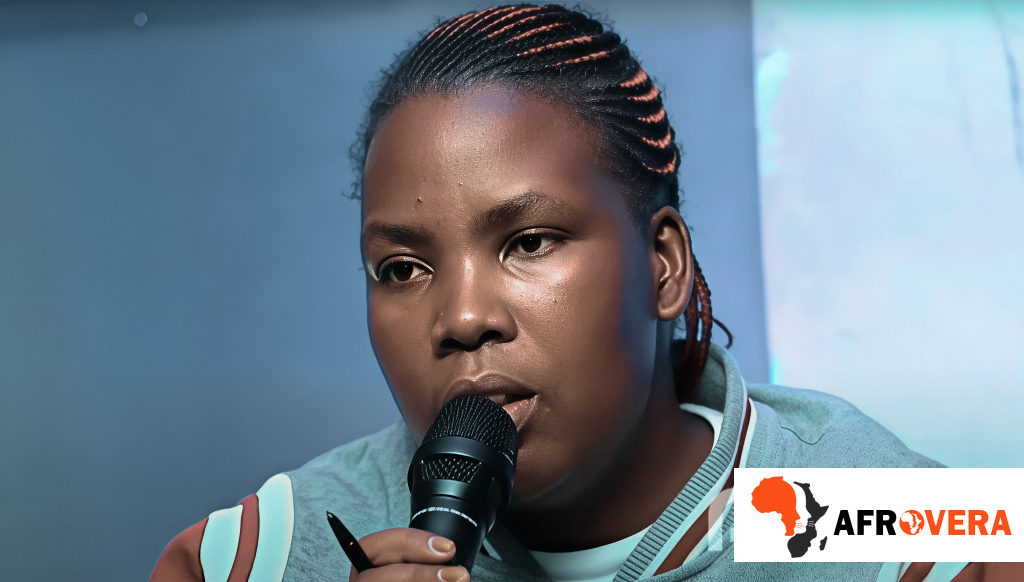
Eric MuseveniEunice from refugee point KenyaMagdalene Gatare from Umoja Refugee CreativeNdayishimiye Sandra a director of WOPED
Reported by AfroVera.com
Dedicated to amplifying the voices of East Africa’s refugee communities and grassroots leaders.
This article was based on content from Bortopra TV’s live broadcast on World Refugee Day 2025.