Home Blog Page 144

Supercharge your Brain

0

Brain Health is a Critical Component of Overall Wellness: Essential Sleep, Diet, and Lifestyle Resolutions for 2025

Brain health plays a vital role in overall wellness, affecting memory, focus, emotional resilience, and cognitive function. Medical News Today’s December 2024 article, “Brain health, sleep, diet: 3 health resolutions for 2025,” offers practical, science-backed steps to protect and supercharge your brain in 2025. These strategies address common challenges like stress and aging with manageable lifestyle changes.

Quality sleep is essential because it helps the brain clear toxins and strengthen memory. Experts recommend 7 to 9 hours of sleep to support brain cleansing processes linked to reducing the risk of neurodegenerative diseases. Sticking to a consistent sleep schedule and limiting caffeine after mid-afternoon are practical ways to improve sleep quality.

The article highlights sleep, diet, and lifestyle habits as key areas to enhance brain health. By focusing on these resolutions, people can build a stronger mental foundation for the year ahead.

Why Brain Health Matters

Brain health impacts both daily cognitive abilities and the broader aspects of personal well-being. Its influence extends beyond thinking skills to emotional balance and physical health. Maintaining brain function helps people perform tasks efficiently and supports a fulfilling lifestyle over time.

Connections Between Cognitive Function and Wellness

Cognitive function includes memory, attention, problem-solving, and decision-making. When these abilities are strong, people experience better productivity and emotional regulation.

Poor brain health can lead to confusion, irritability, and difficulty completing everyday activities. This may increase stress and reduce motivation, affecting overall wellness.

Boosting brain function through healthy habits like adequate sleep, a balanced diet, and mental exercises fosters sharper focus and emotional resilience. This connection shows how crucial brain care is to maintaining mental clarity and mood stability.
Impact on Long-Term Quality of Life

Brain health plays a vital role in aging well and avoiding cognitive decline. Conditions like dementia and Alzheimer’s disease have ties to prolonged neglect of brain health.

Sustaining brain function can delay or reduce risks associated with these conditions, supporting independence and quality of life in later years.

Investments in brain health improve the ability to handle daily challenges and preserve social connections. This results in better mental and physical outcomes, extending overall life satisfaction.

Key Factors Effects on Quality of Life
Healthy sleep habits Reduce the risk of neurodegenerative diseases
Balanced nutrition Support neuronal repair and function
Regular cognitive activity Preserve memory and processing speed

Prioritize Sleep for Optimal Cognitive Performance

Consistent quality sleep supports brain detoxification, strengthens memory, and prepares the mind for daily challenges. Establishing a structured sleep schedule and minimizing activities that disrupt circadian rhythms enhances cognitive function and emotional stability.

The Role of Sleep in Clearing Brain Toxins

During deep sleep, the brain activates its glymphatic system, which clears metabolic waste, including beta-amyloid proteins linked to Alzheimer’s disease. This clearance reduces inflammation and protects neural connections essential for memory and learning.

Research shows that inadequate sleep impairs this cleaning process, allowing toxin buildup that contributes to cognitive decline. Adults require 7 to 9 hours of uninterrupted sleep to optimize brain detoxification mechanisms.

Establishing a Consistent Sleep Routine

A regular sleep schedule—going to bed and waking at the same times daily—improves circadian rhythm stability. This consistency enhances sleep quality, facilitating better memory consolidation and emotional regulation.

Consistency also strengthens signaling between brain regions involved in attention and executive function. Experts recommend avoiding drastic weekend sleep pattern changes to maintain this rhythm effectively.

Reducing Screen Time Before Bed

Exposure to blue light from screens suppresses melatonin production, delaying sleep onset and reducing sleep depth. Limiting screen use at least one hour before bedtime supports natural melatonin cycles.

Alternative activities—reading printed books or meditative practices—help prepare the brain for sleep. Using “night mode” settings on devices is less effective than reducing overall screen exposure before rest.

Eat for Brain Power: Dietary Resolutions

A brain-boosting diet focuses on specific nutrients, balanced meal planning, and limiting processed foods. These choices support memory, focus, and overall cognitive function.

Nutrients Essential for Brain Function

Certain nutrients play a direct role in brain health. Omega-3 fatty acids, found in fatty fish like salmon and flaxseeds, support neural communication and reduce inflammation. B vitamins, especially B6, B9 (folate), and B12, are crucial for energy production and neurotransmitter synthesis.

Antioxidants such as vitamins C and E protect brain cells from oxidative stress. Minerals like magnesium and zinc aid in nerve signaling and cognitive function. A diet rich in leafy greens, nuts, berries, and whole grains typically supplies these vital nutrients.

Planning Balanced Meals

Balanced meals that combine protein, healthy fats, and complex carbohydrates provide steady energy for the brain. Protein sources such as lean meats, legumes, and tofu support neurotransmitter production. Healthy fats, including avocados and olive oil, improve cell membrane integrity.

Incorporating colorful vegetables and fruits ensures adequate vitamins and antioxidants. Portion control and regular meal timing help maintain consistent blood sugar levels, preventing cognitive dips during the day. Hydration also plays a role; water supports concentration and mental clarity.

Reducing Processed Foods

Processed foods often contain excessive sugars, unhealthy fats, and additives that can impair brain function. High sugar intake is linked to inflammation and impaired memory, while trans fats have been associated with cognitive decline.

Minimizing consumption of fast food, sugary snacks, and heavily processed items reduces these risks. Instead, choosing whole foods promotes better vascular health, which supports blood flow to the brain. Labels should be read carefully to avoid hidden sugars and unhealthy fats in packaged foods.

Daily Habits and Lifestyle Changes

Small but consistent adjustments in daily life can significantly impact brain function. Adopting effective stress management and maintaining regular physical activity are essential strategies to enhance mental clarity and cognitive resilience. These practices support brain health by reducing harmful inflammation and promoting neuroplasticity.

Managing Stress for Mental Clarity

Chronic stress triggers excess cortisol, which can impair memory and cognitive processing. Managing stress through mindfulness techniques, such as meditation or deep breathing, helps lower cortisol levels. This promotes clearer thinking and better emotional control.

Establishing a daily routine that includes breaks and relaxation diminishes mental fatigue. Activities like journaling or spending time in nature have been shown to reduce anxiety and improve focus. Consistency in these habits helps protect the brain from long-term damage caused by stress.

Professional support, like cognitive behavioral therapy, may be necessary for some. Prioritizing stress management methods strengthens brain function and helps individuals supercharge their brain in 2025.

Physical Activity and Brain Health

Regular exercise increases blood flow to the brain, delivering oxygen and nutrients that support neuron growth. Aerobic activities such as walking, cycling, or swimming are particularly effective in enhancing memory and executive function.

Physical activity also stimulates the release of brain-derived neurotrophic factor (BDNF), a protein that supports the survival of existing neurons and encourages new connections. This biological response helps maintain cognitive abilities and may delay age-related decline.

Experts recommend at least 150 minutes of moderate exercise weekly. Incorporating variety and staying consistent can maximize benefits, making physical activity a key daily habit to reinforce brain health.

Staying Sharp: Tracking Progress and Motivation

Measuring brain health progress and maintaining motivation require clear goals and reliable tools. Tracking improvements helps identify effective strategies and reinforces positive habits over time.


Setting Achievable Goals

Setting specific, measurable goals keeps brain health efforts focused and manageable. Goals like improving sleep quality by getting 7–8 hours nightly, practicing mindfulness for 10 minutes daily, or completing a weekly memory exercise are clear targets.

Breaking larger objectives into small, consistent actions increases success. For example, rather than aiming to “get smarter,” a goal might be “learn one new word each day” or “reduce screen time by 30 minutes nightly.” Tracking these incremental steps creates a sense of accomplishment.

Reviewing goals regularly allows adjustments based on progress or changing needs. It also prevents burnout by keeping expectations realistic. Written goals or checklists are simple tools that support commitment.

Using Technology to Monitor Brain Health

Modern devices and apps provide detailed insights into brain-related behaviors and functions. Sleep trackers measure duration and quality, guiding improvements to boost memory and focus.

Cognitive training apps offer exercises tailored to enhance attention, problem-solving, and processing speed. Many include performance analytics to highlight strengths and weaknesses over time.

Wearable devices often combine physical and mental health data, linking exercise, heart rate, and sleep patterns, which all impact brain health. They can send reminders and reinforce routine behaviors.

Users should select tools validated by research to avoid misleading data. Combining tech with self-reported experiences provides the most comprehensive understanding of brain health progress.


Chelsea’s Nightmare Run-In: Can Maresca’s Men Survive the Premier League Gauntlet?

0

Chelsea’s road to Premier League glory under new boss Enzo Maresca is off to a fierce and fiery start and the end looks even more punishing. 

After a long summer that included winning the UEFA Conference League and kicking off their Club World Cup campaign with a 2-0 win over LAFC, the Blues have barely had time to breathe. But there’ll be no easing into the domestic season either, with the fixture list for the 2025/26 campaign offering little mercy. 

Chelsea fans will barely leave London in the opening month, but the mileage won’t matter, it’s the pressure that will weigh heavy. Crystal Palace await in the opening game on August 17, followed by an unforgiving run of derbies against West Ham, Fulham, and Brentford. Expect fireworks and fierce battles across the capital. 

Then, on September 20, they head to Old Trafford to face Manchester United, before returning home to face a tricky Brighton side. Just two weeks later, the Blues host Liverpool in a blockbuster clash on October 4 before the season’s first international break. 

As the temperature drops, the stakes rise. November opens with an away trip to Tottenham, and by month’s end, Stamford Bridge will host bitter rivals Arsenal, two matches that could shape the season’s narrative. 

The Christmas period won’t bring much cheer either. A chilly trip to Newcastle precedes a festive fixture at home against Aston Villa, a team that’s grown into a real force in recent campaigns. 

New Year’s Day offers no gifts, just a clash with reigning champions Manchester City. Then comes a flurry of London derbies once again: Fulham, Brentford, Spurs, and West Ham, all squeezed into January’s unforgiving calendar. 

Chelsea’s final two months look absolutely ruthless. 

In April, Stamford Bridge becomes a battleground with back-to-back visits from City and United. Then it’s a trip to Brighton, a team that’s known to disrupt the best. 

Come May, things won’t ease up. The Blues face Nottingham Forest, then Liverpool and Spurs — with the latter likely to have top-four or title implications, before closing the season with a trip to Sunderland on the final day. 

Enzo Maresca may have delivered silverware in Europe, but the Premier League will be a different beast altogether. The start is intense. The middle is chaotic. The end? Brutal. 

The real question Chelsea fans must ask: will this rollercoaster fixture list break them, or build a title-winning legacy? 

Premier League Accused of Fixture Fixing After Big Six Nightmare Start >> Fans Cry ‘RIGGED!’

0

Supporters of the North London giants have erupted online, accusing the Premier League of “rigging” the new season after Mikel Arteta’s men were handed a brutal opening schedule for the 2025/26 campaign. 

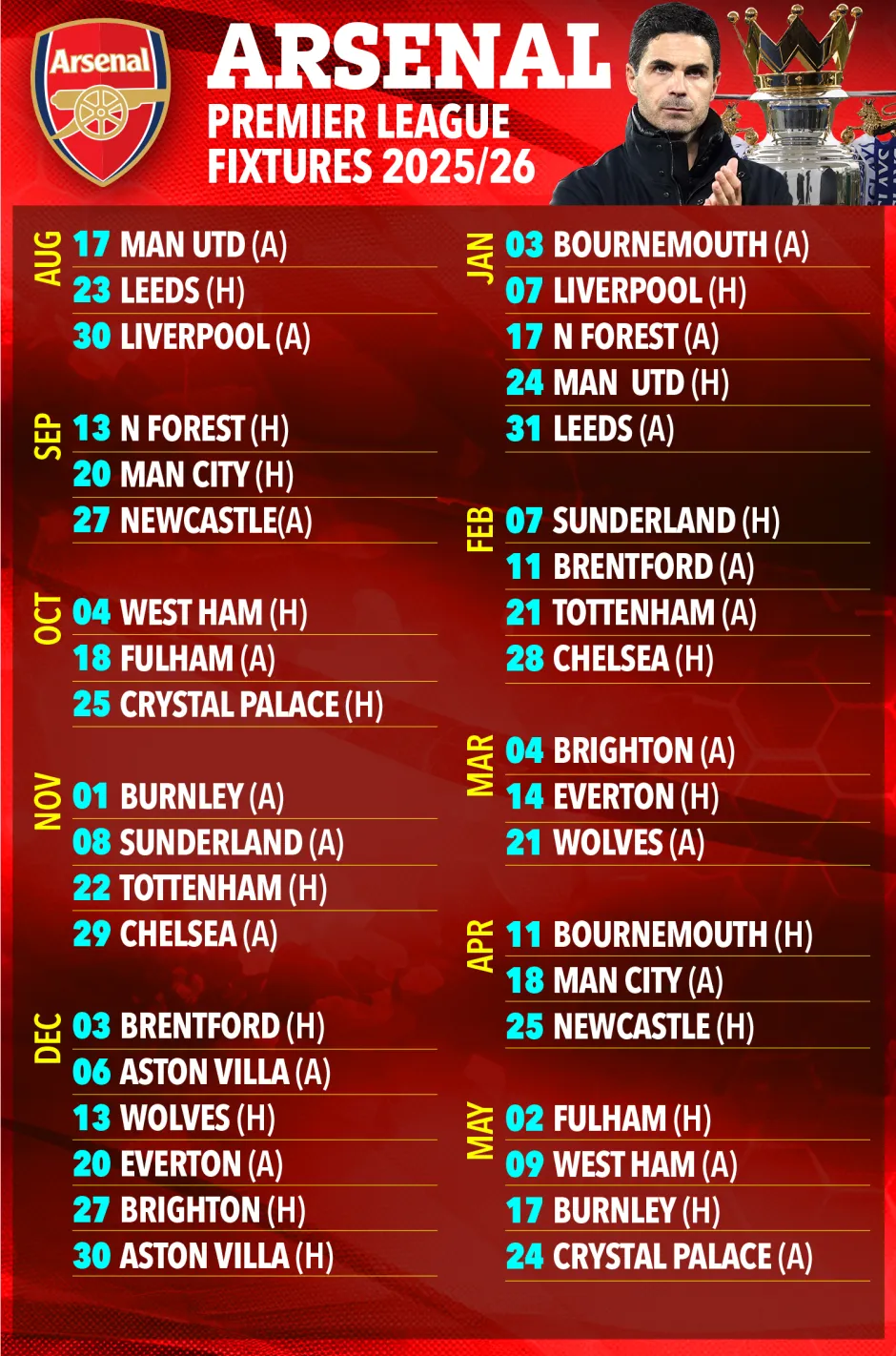
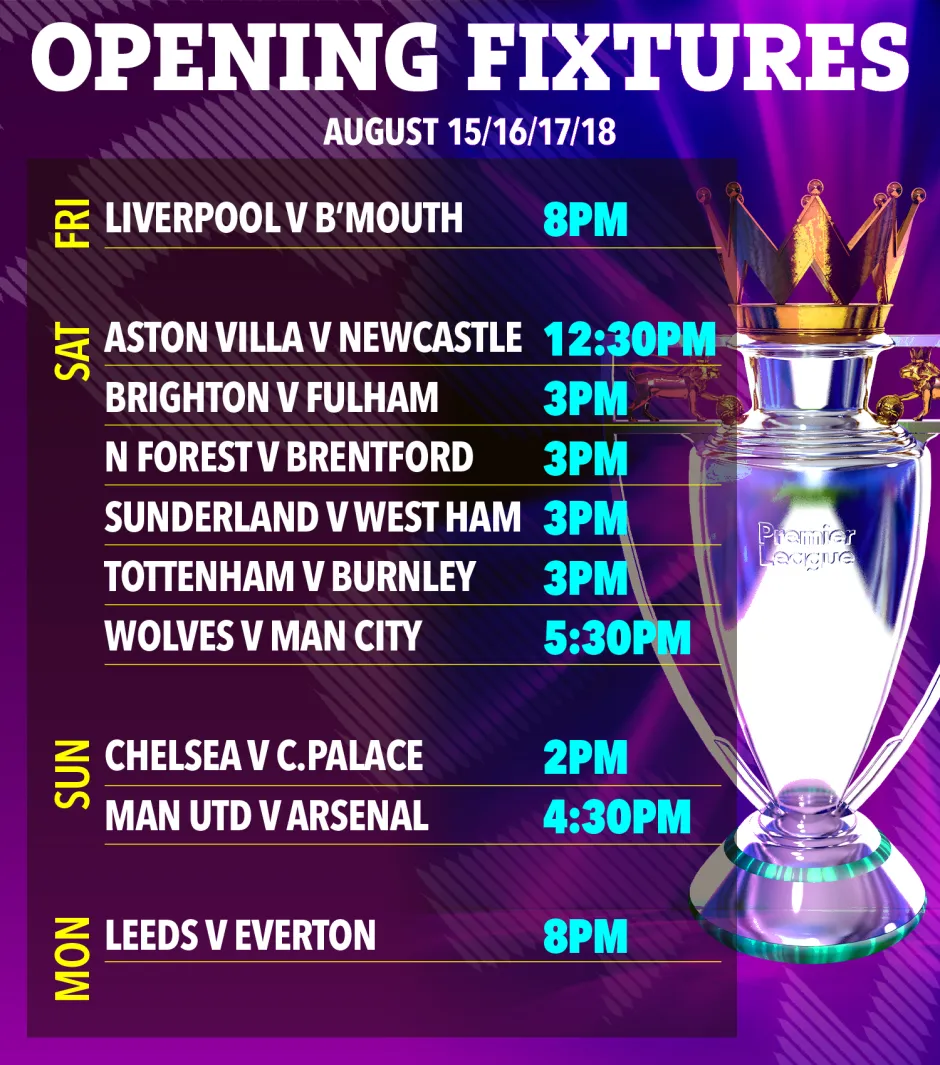
Arsenal, who have finished as runners-up for three consecutive seasons, will begin their latest title pursuit on August 17 with a trip to Old Trafford, never an easy place to start, especially with Manchester United expected to unveil a raft of new signings. 

Things don’t get any easier from there. A home clash with newly-promoted Leeds United is followed by a daunting visit to Anfield on August 30 to face reigning champions Liverpool. 

After the international break, the Gunners host Nottingham Forest before a hellish end to September: a blockbuster at home against Pep Guardiola’s Manchester City and a trip north to face Carabao Cup holders Newcastle United at St James’ Park. 

“The league is trying to set us up,” one fan wrote on X (formerly Twitter).  

“Na this league is rigged,” said another. 

 “Nobody can tell me this isn’t rigged,” a frustrated Gooner added. 

While the fixture list is generated by computer, conspiracy theories have spread like wildfire among supporters, with many claiming there’s a hidden agenda behind the scheduling. Of course, no evidence has been offered, just frustration and football banter at its finest. 

Despite the rocky start, there is a silver lining for Arsenal fans. The season’s run-in appears relatively manageable. In their final four games, the Gunners face Fulham (home), West Ham (away), Burnley (home), and Crystal Palace (away). If Arsenal are still in the title race by then, they’ll like their chances of a strong finish. 

Still, it’s the opening gauntlet that has fans raising eyebrows and sharpening their digital pitchforks. 

Whether “rigged” or just the luck of the draw, one thing is certain: Arsenal will need to hit the ground running if they’re to finally break their second-place curse. 

Premier League fixture drama ignites fan outrage as tough season openers spark ‘rigged’ accusations.
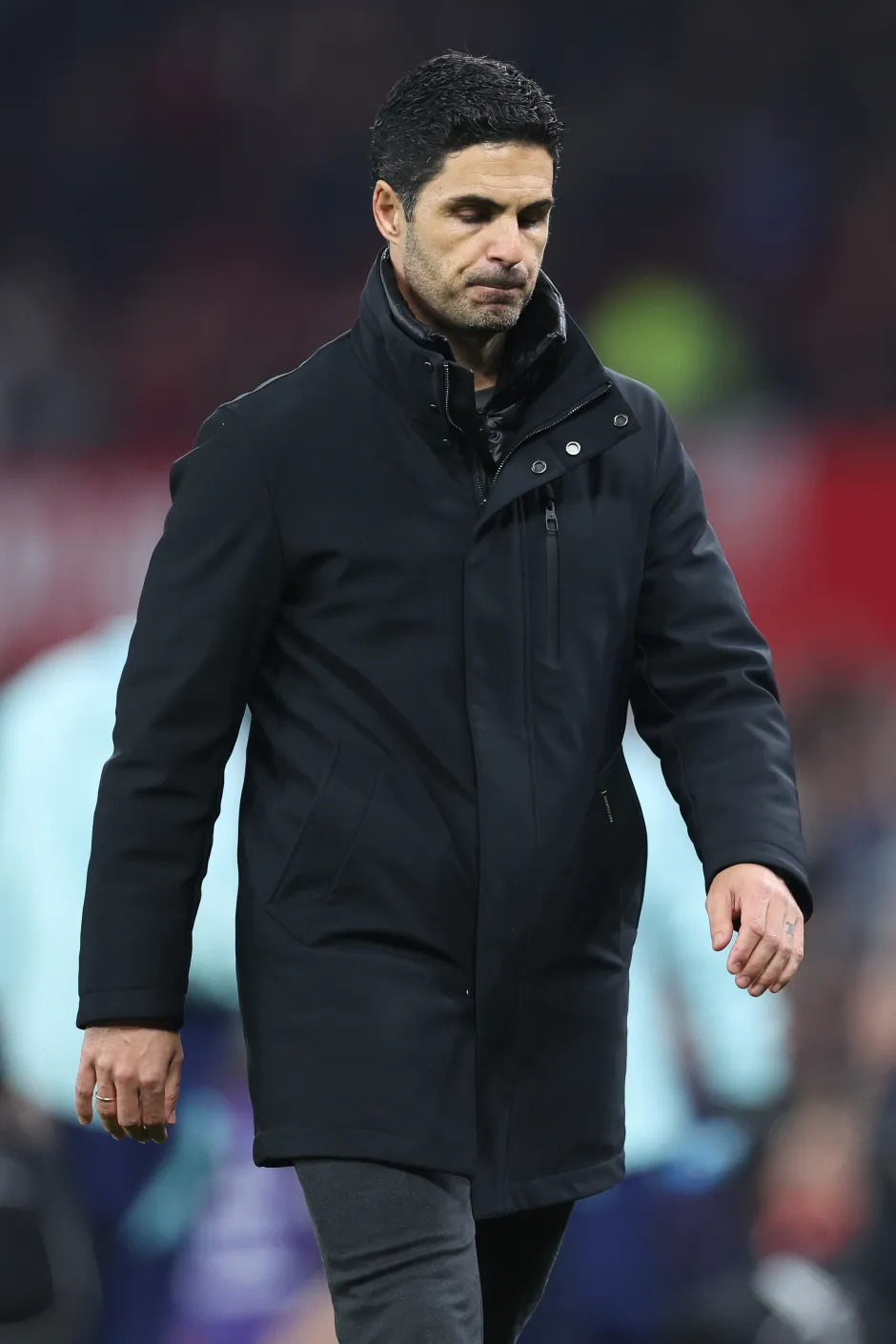
Arsenal have been handed a nightmare start to the upcoming Premier League seasonCredit: REUTERS
Mikel Arteta’s troops will play three of the traditional big six in their opening five gamesCredit: GETTY

Hypertension: The Silent Killer and Its Impact on Global Health

0

Hypertension, often called the silent killer, affects millions without obvious symptoms. Many individuals live unaware of their high blood pressure until serious health issues arise. It quietly increases the risk of heart disease, stroke, and kidney problems over time.

Understanding hypertension’s risks and how it progresses is essential for early detection and management. Regular monitoring and lifestyle changes can significantly reduce these dangers, yet many people neglect this crucial aspect of health.

This article explores the causes, risks, and steps for controlling hypertension effectively. It aims to provide clear information to help readers recognize and address this common but dangerous condition.

Understanding Hypertension: The Silent Killer

Hypertension often develops without symptoms, yet it leads to significant health risks worldwide. It affects billions and contributes heavily to heart disease and stroke, requiring attention despite its subtle nature.

What Is Hypertension?

Hypertension, or high blood pressure, occurs when the force of blood against artery walls is consistently too high. Blood pressure readings have two numbers: systolic (pressure during heartbeats) and diastolic (pressure between beats). A typical normal reading is below 120/80 mmHg.

Persistent readings above 140/90 mmHg confirm hypertension. This condition strains the heart and arteries, increasing the risk of heart failure, kidney damage, and stroke.

The Global Impact of High Blood Pressure

According to the World Health Organization, approximately 1.28 billion adults worldwide have hypertension. Many remain undiagnosed or inadequately treated, especially in low- and middle-income countries.

Hypertension contributes to an estimated 7.5 million deaths annually, mostly from cardiovascular causes. The European Society of Cardiology emphasizes its role in increasing the burden on healthcare systems and calls for improved prevention and control.

Why Hypertension Is Called the Silent Killer

Hypertension earns this label because it often shows no symptoms until severe complications arise. Many people feel well despite dangerously high blood pressure levels.

Without regular screening, hypertension can progress unnoticed for years, quietly damaging vital organs. This delayed detection is why timely monitoring and management are crucial to reduce the risk of fatal outcomes.

Causes and Risk Factors

Hypertension develops due to multiple factors that influence blood pressure regulation. These include everyday habits, environmental influences, and inherited traits affecting cardiovascular health.

Lifestyle and Behavioral Contributors

High salt intake directly increases blood pressure by causing fluid retention, which raises the volume of blood in the vessels. Diets rich in processed foods and salty snacks contribute substantially to this risk.

Obesity increases the strain on the heart and blood vessels, often leading to elevated blood pressure. Excess weight also affects hormone levels that regulate vascular resistance.

Excessive alcohol consumption impacts the nervous system, causing temporary spikes and long-term increases in blood pressure. Smoking contributes by damaging blood vessel walls and reducing their elasticity.

Chronic stress activates hormonal systems that constrict blood vessels and raise heart rate. Lack of regular physical activity further compounds these effects by reducing cardiovascular efficiency.

Genetics and Family History

Genetic predisposition plays a significant role in hypertension risk. Individuals with a family history of high blood pressure are more likely to develop the condition due to inherited factors that affect vascular tone and kidney function.

Certain genetic variations influence salt sensitivity, making some people more prone to blood pressure increases when consuming sodium. These hereditary factors also alter how the body balances fluids and responds to stress.

Family history is especially relevant when combined with lifestyle risks. Genetic traits can compound the effects of obesity, smoking, or alcohol use, increasing the likelihood and severity of hypertension.

Symptoms and Hidden Dangers

Hypertension often progresses without noticeable signs, making it difficult for individuals to recognize the condition. Despite lack of symptoms, it can cause significant harm over time if left uncontrolled.

Absence of Symptoms

Hypertension is frequently called a master of disguise because many people show no symptoms until blood pressure reaches dangerously high levels. Most individuals with elevated blood pressure feel normal and do not report headaches, dizziness, or chest pain in early stages.

This absence of clear symptoms contributes to delayed diagnosis and treatment. Regular blood pressure checks are essential because uncontrolled hypertension can silently worsen. People may only discover the condition during routine exams or after complications emerge.

Undetected Damage to Organs

Even without symptoms, uncontrolled hypertension can damage organs like the heart, kidneys, brain, and eyes. High pressure strains arteries and reduces blood flow, leading to thickened heart walls, kidney failure, stroke, or vision loss.

Damage is often advanced by the time it’s detected because these changes occur silently. For example, hypertensive nephropathy reduces kidney function without pain. Similarly, small vessel damage in the brain can cause cognitive decline long before symptoms appear.

Organ Potential Damage Early Detection Method
Heart Left ventricular hypertrophy Echocardiogram, ECG
Kidneys Reduced filtration Blood creatinine, urine test
Brain Ischemic stroke, cognitive impairment MRI, neurological exam
Eyes Retinopathy Fundoscopic eye exam

Health Consequences of Uncontrolled Hypertension

Uncontrolled hypertension significantly increases the risk of severe health problems affecting the heart, brain, and kidneys. It contributes to major cardiovascular events, neurological damage, and renal failure, all of which require urgent medical attention.

Cardiovascular Complications

Hypertension is a leading factor in about 50% of heart disease and stroke cases in Europe. Elevated blood pressure puts excessive strain on the heart, causing the heart muscles to thicken and stiffen. This condition, called left ventricular hypertrophy, reduces the heart’s efficiency and increases the risk of heart attacks.

High blood pressure also accelerates the buildup of plaque in arteries (atherosclerosis), narrowing vessels and reducing blood flow. This can result in coronary artery disease or heart failure. The stress on arteries raises the chance of aneurysms, which can rupture and cause life-threatening bleeding.

Effects on the Brain

Uncontrolled hypertension is a primary cause of strokes, both ischemic and hemorrhagic. Chronically high blood pressure damages the arteries supplying the brain, increasing the risk of blockages or ruptures. This leads to sudden neurological impairments such as paralysis, speech difficulties, or cognitive decline.

Hypertension also contributes to small vessel disease in the brain, which causes gradual loss of brain tissue and can accelerate dementia. Silent brain infarcts, often undetected until advanced, are linked to high blood pressure, adding to long-term cognitive decline.

Kidney Impairment

The kidneys depend on small, delicate blood vessels to filter waste efficiently. Hypertension causes these vessels to thicken and harden, impairing kidney function over time. This progress can lead to kidney failure, requiring dialysis or transplantation.

High blood pressure is one of the most common causes of chronic kidney disease worldwide. It exacerbates damage to renal arteries, reducing blood flow and leading to tissue death. Early detection and treatment are crucial to prevent irreversible kidney damage.

Diagnosis and Monitoring

Accurate assessment of blood pressure is essential to diagnose hypertension correctly. Regular monitoring helps track treatment effectiveness and detect fluctuations that may require clinical attention.

Blood Pressure Measurement Standards

Blood pressure checks should be performed using validated devices. The patient must be seated comfortably for at least five minutes, with feet flat on the floor and arm supported at heart level. Cuffs must fit correctly, covering 80% of the arm circumference.

Measurements should be taken on bare skin, avoiding talking or movement during readings. It is recommended to take two to three readings spaced one to two minutes apart and calculate the average to improve accuracy. Healthcare providers often use office visits or ambulatory blood pressure monitoring for precise diagnosis.

Home Monitoring Devices

Home monitors provide convenient blood pressure tracking outside clinical settings. These devices should be clinically validated and used following manufacturer instructions to ensure reliability.

Regular home monitoring allows patients to record readings and share data with healthcare providers. Many monitors now connect with smartphone apps to store and analyze data, enhancing communication. Patients should measure blood pressure at consistent times daily and avoid caffeine, exercise, or smoking 30 minutes before measurement.

Prevention Strategies

Prevention of hypertension relies on targeted lifestyle shifts that reduce risk factors and support heart health. Managing diet, maintaining regular physical activity, and controlling stress are essential steps to keep blood pressure within a healthy range.

Healthy Nutrition Choices

Reducing salt intake is a key dietary change to prevent hypertension. Consuming less than 2,300 milligrams of sodium per day is recommended, with an ideal limit of 1,500 mg for those at higher risk. Excess salt increases blood volume and pressure on artery walls.

Eating a diet rich in fruits, vegetables, whole grains, and lean proteins supports blood pressure control. The DASH diet (Dietary Approaches to Stop Hypertension) emphasizes these foods while limiting saturated fats and added sugars.

Hydration and moderation in alcohol consumption also influence blood pressure. Drinking water regularly and avoiding excessive alcohol, which can raise blood pressure, contribute to heart health.

Physical Activity and Fitness

Regular movement is crucial. Engaging in at least 150 minutes of moderate aerobic exercise weekly, such as brisk walking, cycling, or swimming, directly lowers blood pressure by improving heart function and vascular health.

Incorporating strength training twice a week supports circulation and metabolic health. Small changes, like taking stairs or short walking breaks, help maintain consistent physical activity, especially for those with sedentary lifestyles.

Consistency matters more than intensity. Avoiding prolonged inactivity reduces hypertension risk. Moving the body daily also helps with weight control, another important factor in blood pressure management.

Stress Management Techniques

Chronic stress contributes to elevated blood pressure through hormone release that tightens blood vessels. Techniques such as deep breathing, meditation, and progressive muscle relaxation reduce stress hormones.

Regular practice of mindfulness or yoga promotes a calmer nervous system and lowers hypertension risk. Psychological support or counseling can aid those with persistent stress.

Lifestyle adjustments like adequate sleep, social connection, and time management complement stress reduction. These combined techniques assist in maintaining balanced blood pressure levels.

Treatment Approaches

Effective management of hypertension requires a strategy that combines medication with individualized lifestyle modifications. Both pharmacological and personalized approaches are critical in reducing cardiovascular risks.

Pharmacological Interventions

Medication is often necessary to control high blood pressure. Common drug classes include ACE inhibitors, which help relax blood vessels by blocking angiotensin-converting enzyme, and diuretics, which reduce blood volume by promoting fluid excretion.

The 2023 ESC Guidelines on Cardiovascular Disease Prevention emphasize starting with a combination of two drugs, typically an ACE inhibitor plus a diuretic or calcium channel blocker, for most patients. This multi-pronged defense improves blood pressure control and reduces the risk of complications.

Treatment is regularly adjusted based on response and side effects. Regular monitoring and patient adherence play key roles in achieving target blood pressure levels.

Personalized Treatment Plans

Tailoring hypertension treatment involves considering the patient’s age, comorbidities, and risk factors. For instance, patients with diabetes might benefit more from ACE inhibitors due to kidney protective effects.

Lifestyle interventions such as diet, exercise, and weight management are integrated into treatment plans. Personal preferences and potential drug interactions are also evaluated to optimize adherence.

Personalized plans are updated regularly, reflecting changes in health status and new clinical evidence. This approach ensures a balance between efficacy and safety in managing hypertension.

Patient Empowerment and Adherence

Patients with hypertension benefit from understanding their condition and consistently following treatment plans. Regular monitoring and informed decisions are essential to control blood pressure effectively and reduce risks.

Understanding Your Numbers

Knowing specific blood pressure readings helps patients recognize their health status. A typical target is below 130/80 mmHg, according to the ESC’s 2024 guidelines. Awareness of systolic and diastolic values is critical for evaluating treatment success.

pressure reading
stop the silent killer

Patients should track readings regularly, using home monitors validated for accuracy. Recording values in a log or app allows for better communication with healthcare providers. This data helps adjust medications or lifestyle changes promptly.

Understanding what influences blood pressure—such as stress, diet, and exercise—enables patients to take proactive steps. Insight into these factors promotes engagement in personal care and improves adherence.

Importance of Ongoing Management

Consistent adherence to prescribed medications and lifestyle modifications remains essential. The ESC 2024 updates emphasize the role of patient empowerment in sustaining long-term control.

Regular follow-ups allow healthcare professionals to assess treatment effectiveness and modify plans if necessary. Frequent monitoring reduces the risk of complications by catching changes early.

Patients who actively participate in managing their hypertension report better outcomes. Education about side effects and when to seek help supports adherence. Tools like reminders and digital health resources further encourage compliance.

The Future of Hypertension Management

Advancements in technology and coordinated public health efforts are shaping the next phase in managing hypertension. Both aim to enhance early detection, improve treatment adherence, and reduce complications through targeted strategies.

Technological Innovations

Recent developments focus on integrating digital health tools into hypertension care. Wearable blood pressure monitors allow continuous, non-invasive tracking, providing real-time data for both patients and clinicians. These devices comply with standards set by the European Society of Cardiology Guidelines, ensuring accuracy and reliability.

Artificial intelligence (AI) algorithms analyze patient data to predict individual risks and optimize medication regimens. Mobile health apps support personalized lifestyle advice based on dietary, exercise, and medication adherence patterns.

Remote monitoring has gained prominence, enabling timely interventions and minimizing clinic visits. This technology is endorsed by the World Health Organization as a cost-effective way to manage chronic diseases in diverse populations.

Public Health Initiatives

Global and regional programs prioritize hypertension awareness and control to lower cardiovascular mortality. The World Health Organization promotes standardized screening protocols and hypertension registries to track prevalence and treatment outcomes.

In Europe, campaigns aligned with European Society of Cardiology Guidelines encourage regular blood pressure checks and the use of validated treatment pathways. Public education focuses on reducing salt intake, increasing physical activity, and smoking cessation.

Collaborative efforts also target health system strengthening, such as training healthcare workers and ensuring access to affordable antihypertensive medications. These steps aim to bridge gaps between diagnosis and effective disease management, particularly in underserved communities.

take regular bp reading
Shot of a doctor talking to a patient in a wheelchair in a hospital corridor

Julian Alvarez to Anfield? The Stunning Swap Deal That Could Change Everything for Liverpool

0

Former Liverpool midfielder Dietmar Hamann has backed a bold transfer move that would see Darwin Nunez leave Anfield in a swap deal for Atletico Madrid’s prolific forward Julian Alvarez, a move he believes would “make a lot of sense” for both clubs. 

With Liverpool aiming to strengthen their attacking options this summer, Hamann has urged the club to seriously consider a move for Alvarez, who has flourished in Spain under Diego Simeone after departing Manchester City. The Argentine World Cup winner found the back of the net 29 times last season and played a pivotal role in Atletico’s frontline, boosting his reputation as one of Europe’s top forwards. 

Hamann believes the timing is right for a striking shake-up at Anfield. “I’d love to see Julian Alvarez at Liverpool,” he told Wette.de. “And I think Darwin Nunez being part of the deal would make a lot of sense.” 

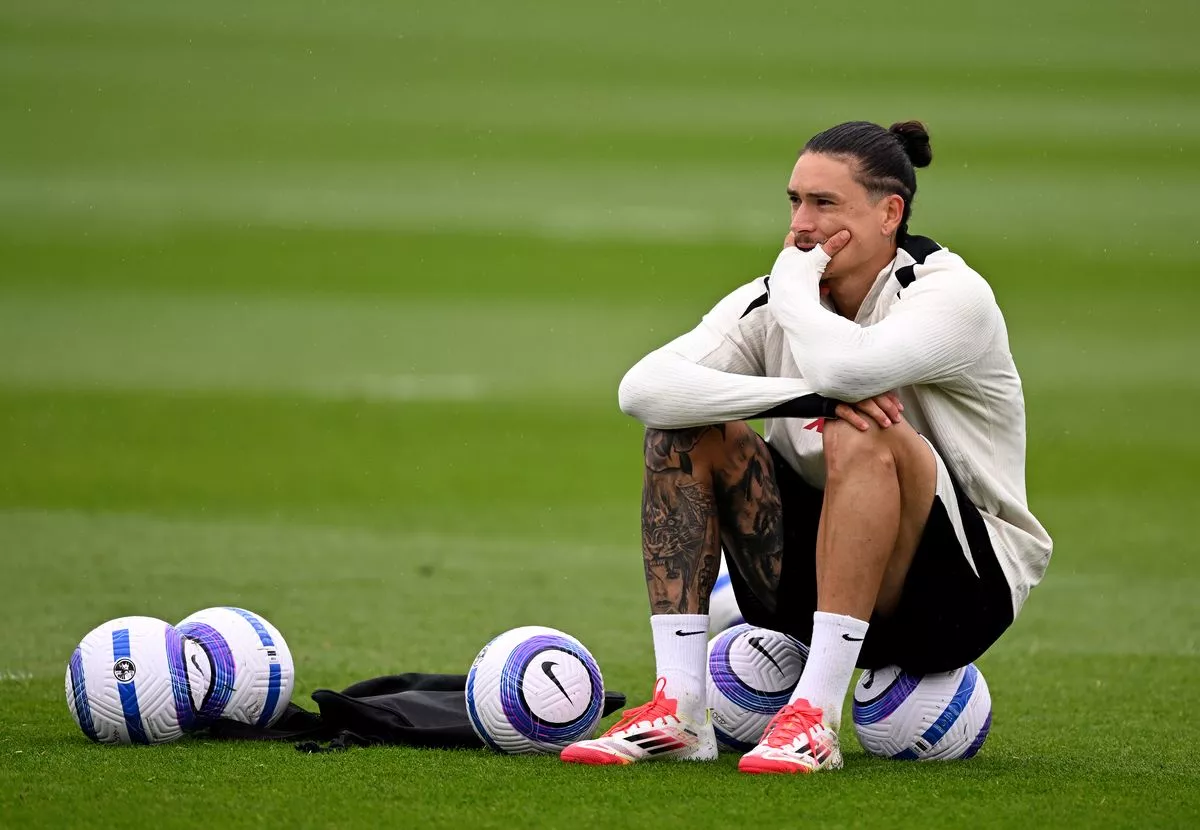
Despite his blockbuster move to Liverpool that made him the club’s most expensive player, Darwin Nunez has struggled to live up to expectations. With inconsistent goal-scoring form and limited playing time, the Uruguayan striker has become a subject of criticism and doubt within Liverpool’s fanbase. 

Hamann suggests that a move to Atletico Madrid could revitalize Nunez’s career. “Nunez is tailor-made for Atletico Madrid as a physical centre forward, someone who will work so hard, which is what Simeone demands,” he explained. 

Julian Alvarez, who once operated in the shadow of Erling Haaland at Manchester City, has fully emerged as a star in his own right since moving to La Liga. Known for his relentless work rate, smart positioning, and clinical finishing, the 24-year-old has proven he can lead a top-tier European attack. 

“He led the line, scored goals, and made life a nightmare for defenders,” Hamann noted. “He’d be a fantastic addition to Liverpool.” 

Despite the appeal of a Premier League return, Alvarez himself has shown no indication of wanting to leave Atletico. Club president Enrique Cerezo quickly shut down speculation, declaring: “Julian Alvarez is a player of Atletico de Madrid. He’s very happy here… He was raised at Atletico Madrid and he will die at Atletico Madrid.” 

That loyalty may throw a wrench into Liverpool’s plans, but in the ever-changing world of football transfers, nothing is off the table, especially with Liverpool linked to other forwards including Hugo Ekitike, Florian Wirtz, and Milos Kerkez. 

While Alvarez’s potential move to Liverpool remains speculative, Hamann’s endorsement of a Nunez-for-Alvarez swap offers a strategic lens into how the Reds could retool their attack ahead of the new season. It’s a deal that, on paper, could solve two problems at once, giving both strikers the fresh start they might need. 

Do you think Liverpool should go for Alvarez? Would Atletico ever accept Darwin Nunez in return? Let us know in the comments below. 

Julian Alvarez has been a big hit at Atletico Madrid with talk of an England return continuing (Image: undefined via Getty Images)
Darwin Nunez is expected to leave Anfield this summer (Image: Andrew Powell/Getty Images)

Shot But Not Silenced: Father of Nairobi Hawker Speaks Out After Son’s Shooting by Police

0

In a heart-wrenching testimony that has stirred public outrage and renewed calls for police accountability, the father of Boniface Kariuki, a 22-year-old street vendor shot by an anti-riot police officer in Nairobi’s Central Business District (CBD), has broken his silence. Speaking to journalists on Wednesday morning, the distraught father recounted the harrowing moment he discovered his son had been gunned down in broad daylight. 

“I first saw the image on social media and couldn’t believe it was my son,” he said. “When his friends called to confirm what had happened, I was crushed.” 

Boniface, the firstborn in a family of four, was going about his daily business selling face masks and beauty accessories along Moi Avenue when violence erupted amid demonstrations targeting Deputy Inspector General of Police Eliud Lagat. According to widely shared footage, two officers were seen assaulting him before one drew his firearm and shot Boniface in the neck at close range. 

The shocking incident has since sparked public anger and led to the arrest of the officer involved, though his identity remains undisclosed. The National Police Service confirmed the arrest late Tuesday, vowing to pursue justice. 

Meanwhile, Boniface’s father recalled the chaos that followed the shooting. “I was traveling back home when I got the call. I dropped everything and rushed to Kenyatta National Hospital,” he said. 

There, he found his son in the Intensive Care Unit, clinging to life. “He had undergone surgery. He was unconscious but still breathing. When I saw him, I felt hope again,” he told the press, fighting back tears. 

Contrary to rumors circulating online, Boniface is alive, though in critical condition. His father emphasized that despite the horror of the shooting, he remains optimistic. “The doctors said they would do their best. I believe my son will fight through.” 

This case adds to a growing list of police brutality incidents in Kenya, particularly during protests and public unrest. Civil society groups have condemned the act as “a clear abuse of power,” demanding swift justice and institutional reforms. 

As the nation waits for the outcome of the investigation, Boniface’s family, especially his father, has become a symbol of resilience amid grief, a father standing strong not only for his son but for every Kenyan calling for a safer, more just society. 

Boniface Kariuki, a 22-year-old hawker shot by police in Nairobi CBD, addresses the press on Wednesday, June 18, 2025. Photo: Okiya Omtatah
A screengrab of a police officer firing at protesters near Imenti House in Nairobi, June 17, 2025. Photo: Africa Uncensored
Inspector General of Police Douglas Kanja speaking at a meeting at the Administration Police College in Embakasi on Monday, February 17. Photo: NPS

Controversial Preacher Gilbert Deya Dies in Tragic Road Crash; 30 Students Injured

0

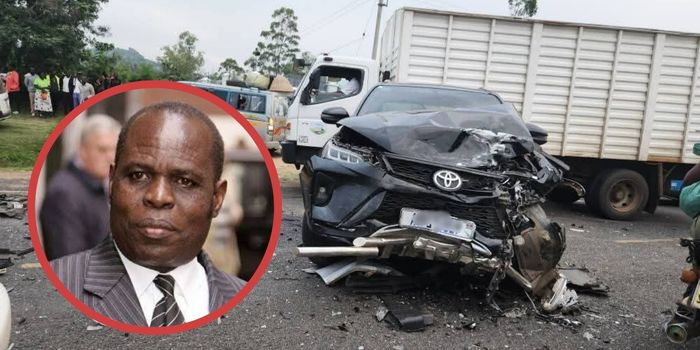
Renowned televangelist Bishop Gilbert Deya, famously known for his involvement in the “miracle babies” controversy, has died in a horrific road accident on the Kisumu–Bondo highway. The Tuesday evening crash left at least 30 students from Moi University nursing injuries, with 15 of them reportedly in critical condition. 

According to Nyanza Region Traffic Commander Peter Maina, the accident occurred when Bishop Deya, driving a Toyota Noah from Kisian toward Bondo, lost control and collided head-on with a Moi University school bus. In a tragic sequence, the bus swerved to avoid further impact, only to be rammed from behind by a Toyota Fortuner belonging to the Siaya County Government. 

Police reports confirm that Deya was accompanied by two passengers in the car, one of whom is believed to be his wife. While the bishop died on the spot, the injured, including the university students, were rushed to various hospitals across Kisumu and Siaya counties. The wreckage has been towed to a nearby police station as investigations continue to determine the exact cause of the crash. 

Deya’s body was taken to Kombewa Sub-County Hospital Mortuary. 

Gilbert Deya’s name became synonymous with controversy in the early 2000s, following his dramatic rise and fall from grace. The Kenyan-born preacher moved to the United Kingdom, where he established evangelical ministries in London and Liverpool. He gained massive attention for claiming that women who were infertile, or even postmenopausal, could conceive through the power of prayer in his church. 

These so-called “miracle babies,” however, turned into a national and international scandal. Investigations revealed connections to child trafficking operations, leading to Deya’s extradition to Kenya and a lengthy legal battle. 

Despite spending years in and out of court, Deya was acquitted in July 2023 after a judge ruled that the prosecution had failed to present sufficient evidence in five child theft charges. His acquittal, though freeing him legally, did little to erase the shadow of doubt that had long trailed his ministry. 

Deya’s death has sparked mixed reactions among Kenyans and religious followers. While some mourn the passing of a man they viewed as a spiritual healer, others recall the deep scars left by the scandal that rocked not only his ministry but also Kenya’s legal and religious communities. 

Church members from his former congregations in both the UK and Kenya have begun to share tributes online, highlighting his preaching prowess and dedication to ministry. However, critics remain firm in questioning the legitimacy of his past practices. 

Traffic authorities are expected to release a full report once investigations conclude. Meanwhile, questions are being raised about road safety and the condition of public service vehicles on busy highways like Kisumu–Bondo. 

As Kenya grapples with this high-profile road tragedy, the nation remembers a preacher who inspired, divided, and remained controversial to the very end. 

Wreckage of controversial televangelist Bishop Gilbert Deya. Photo: Jane Akomo
An overturned Moi University School bus along the Kisumu-Bondo highway on Tuesday, June 17, 2025. Photo: Jarunda Jaluth Mambobiad
Entrance to Milimani Law Courts, Nairobi. Photo: The Judiciary of Kenya.

Terror Suspect Caught With Explosives in Nairobi CBD as Tensions Grip the Capital

0

A 22-year-old man suspected of plotting a terror attack in Nairobi’s Central Business District (CBD) is in custody after being found in possession of potentially lethal explosive materials. The arrest, which occurred late Tuesday night, has sparked heightened security concerns in the city already rattled by recent unrest. 

According to a police report, patrol officers from Kamukunji Police Station were on routine surveillance at approximately 11:20 p.m. when they spotted a man exhibiting erratic and suspicious behavior. When approached, the suspect attempted to evade questioning, prompting a thorough inspection of a bag he was carrying. 

The search revealed a chilling discovery: 21 detonators, 21 packets of a white powdery substance believed to be ammonium nitrate, and a five-meter-long electric cable, items commonly associated with bomb-making. 

“Police officers on patrol at approximately 23:20 hours yesterday identified and arrested a man on suspicion of potential involvement in terror-related activities,” read a section of the official police statement. 

The suspect was immediately detained and transferred to the Anti-Terrorism Police Unit (ATPU) for interrogation. Authorities are now working to verify the nature of the materials and uncover whether the man was working alone or as part of a larger network. 

Under the Prevention of Terrorism Act, 2012, the suspect could face life imprisonment if found guilty of possessing explosives with the intent to commit a terror attack. The Explosives Act also provides stiff penalties for illegal possession of detonators and related substances without proper authorization. 

This dramatic arrest comes amid a wave of tension in the capital. Earlier on Tuesday, Nairobi witnessed violent protests demanding justice for slain blogger and teacher Albert Ojwang. The situation escalated when a police officer was filmed shooting an unarmed hawker at close range, an incident that has drawn sharp criticism from civil society and human rights groups. 

Inspector General of Police Douglas Kanja has confirmed the arrest of the officer involved in the shooting, although details about the officer’s identity remain undisclosed. 

As investigations into both incidents continue, Kenyans remain on edge, grappling with questions about public safety, police accountability, and the looming threat of terrorism. 

An aerial view of Nairobi CBD and explosives a suspect was found with on June 17, 202,5 in Nairobi. Photo: Eddy Mwanzia/NPS
A photo of the entrance to Kamukunji Police Station taken on March 7, 2019. Photo: National Police Station

City Hawker Shot By Police At Close Range Undergoes Emergency Brain Surgery, Now In ICU

0

The man who was shot at close range by anti-riot police officers in the heart of Nairobi’s Central Business District (CBD) has undergone emergency brain surgery and is currently admitted to the Intensive Care Unit (ICU) at Kenyatta National Hospital (KNH), according to Health Director-General Dr. Patrick Amoth. 

Speaking to the press on Tuesday evening outside KNH, Dr. Amoth confirmed that the patient, believed to be a hawker, was received at the emergency unit around 4:00 p.m. in critical condition. “He was first stabilized by our emergency team before being subjected to a series of medical tests,” said Amoth. 

A neurosurgical team quickly evaluated the patient and determined that he needed immediate surgery. “Evaluation by the neurosurgeons indicated that he required to undergo an emergency neurosurgical procedure, and as we speak, the patient is in theatre,” Dr. Amoth told reporters. He also revealed that ICU support had been arranged in advance due to the severity of the injuries. 

While Dr. Amoth declined to disclose the full extent of the injuries, stating he arrived after the patient was taken to surgery, he promised that more information on the victim’s condition would be shared following the procedure. 

The victim, whose identity remains officially undisclosed, was reportedly hawking face masks along Moi Avenue when he was cornered by two armed police officers during a protest. A short video clip circulating on social media captured the disturbing moment: the officers appear to rough up the man before one of them, already with his gun cocked, fired at him from close range. 

The man collapsed instantly, bleeding heavily, as onlookers rushed to carry him away in an attempt to save his life. The video has sparked outrage nationwide, prompting condemnation from Kenyans online, civil society organizations, and political leaders. 

In response to the public uproar, the National Police Service (NPS) announced that the officer involved in the shooting had been arrested. Police Spokesperson Muchiri Nyaga confirmed that investigations are underway and that accountability measures will follow. 

The protests during which the shooting occurred were aimed at demanding the resignation and prosecution of Deputy Inspector General Eliud Lagat over allegations of abuse of power and police brutality. 

As the nation waits for updates on the victim’s condition, calls for police reform and justice continue to grow louder, with many urging the government to urgently address what they see as an escalating pattern of violent law enforcement tactics. 

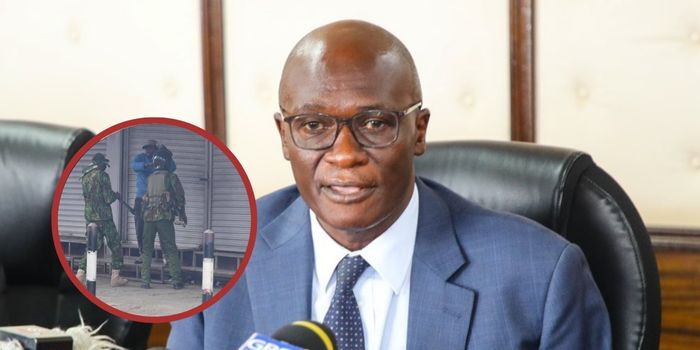
Health Director General Patrick Amoth during a presser and an insert of police officers allegedly beating a man in Nairobi CBD on Tuesday, June 17, 2025. Photo: MoH/AP
Health Director General Dr Patrick Amoth addressing the press at Afya House, Wednesday, February 12, 2025. Photo: MoH
Police IG Douglas Kanja adresses police officers during their flagoff to Haiti at JKIA on January 18, 2025. Ministry of Interior

Head-Shoot Horror: Police Officer Arrested After Gunning Down Vendor in Nairobi CBD Protest Chaos

0

In a disturbing twist of events that has reignited national outrage over police brutality, the National Police Service has confirmed the arrest of the officer responsible for the shocking head-shooting of an unarmed street vendor during protests in Nairobi’s Central Business District (CBD). 

The victim, identified as Eli Joshua, a mask hawker, was gunned down in broad daylight by an anti-riot officer in an incident captured on video and widely shared online. According to police spokesperson Muchiri Nyaga, the officer was arrested on the direct orders of Inspector General Douglas Kanja and will be arraigned in court to face charges. 

“Following this incident, the Inspector-General of the National Police Service ordered for the immediate arrest and arraignment in court of the involved officer,” Nyaga said in an official statement. 

Video footage, independently reviewed by journalists and human rights observers, paints a grim picture of the moments leading up to the assault. 

Initially, the officer was spotted on Moi Avenue, firing the first shot in the direction of protesters gathered near Mondlane Street, close to Imenti House. Eyewitnesses said the officer then retreated briefly to regroup with fellow police personnel stationed near Cabral Street, opposite Nairobi Sports Center. 

But then, in a chilling move, the officer turned back, rushed toward the scattered crowd, and singled out Eli, who was standing apart from the demonstrators, holding masks in one hand. 

What followed was brutality in its rawest form: the officer and a colleague began assaulting the unarmed vendor. After Eli collapsed to the ground, the second officer struck him with the butt of a rifle. Seconds later, the first officer aimed and fired a close-range shot to Eli’s head, a moment that has now become symbolic of the escalating violence by some within the police force. 

Bleeding and unconscious, Eli was rushed to Bliss Medical Center for first aid. As word spread, demonstrators gathered outside the facility, demanding justice. However, as a Red Cross ambulance arrived to transfer Eli to Kenyatta National Hospital, police officers responded by firing tear gas, temporarily forcing the ambulance to retreat. 

The Red Cross eventually returned and transported Eli for emergency care. Contrary to earlier reports claiming he had died, police confirmed that Eli is still alive and receiving treatment. 

“The victim was taken to the hospital and he is receiving medical attention,” Nyaga added. 

This incident has ignited a firestorm across social media and beyond. Civil rights groups, religious leaders, and political figures are calling for swift justice, transparency, and deep reform within the ranks of the police. 

The arrest of the officer is being seen as a rare but necessary move by the government to restore public trust in law enforcement. But many Kenyans argue that a single arrest is not enough, they want accountability across the chain of command, protection for victims, and an end to what they call a long-standing culture of impunity. 

As the country awaits the arraignment, the name Eli Joshua has become a symbol, of survival, resistance, and the urgent need for reform. 

Police engaging the protester, who is shot moments later at Imenti House, June 17, 2025. Photo: Africa Uncensored
A wide-angled picture of the police officer running towards the protester from a convoy of police along Moi Avenue, June 17, 2025. Photo: Africa Uncensored
A police car spotted alongside individuals believed to be goons in the Nairobi CBD on Tuesday, June 17, 2025. Photo: Kenyans.co.ke