Home Blog Page 143

Big Changes Ahead: Government Targets Vehicle Inspections, School Transport Standards, and Drunk Driving in 2025

0

Kenya is preparing to usher in a new era of road safety and transport accountability with a series of groundbreaking traffic regulations proposed by the government. Spearheaded by Transport Cabinet Secretary Davis Chirchir, the proposed reforms will affect everything from motor vehicle inspections and school transport to drunk driving laws and commercial vehicle operations. 

Dubbed the Traffic (Motor Vehicle Inspection) Rules, 2025, the draft regulations are part of a broader strategy to overhaul how vehicles are managed on the road, with safety, environmental sustainability, and roadworthiness as top priorities. 

A key highlight of the new proposal is the requirement for all vehicles older than four years, including private, commercial, school, and public service vehicles (PSVs), to undergo mandatory, periodic inspections. These checks will be conducted at government-approved or licensed private testing centres. 

Inspections will also be enforced at key stages in a vehicle’s life cycle such as: Before registration, After an accident, During ownership changes and Following any structural modifications 

Vehicles that pass inspection will be issued a compliance sticker, which drivers must display as proof when stopped by traffic officers. Salvage vehicles, often brought back onto roads after serious accidents, will face stricter re-registration protocols. 

To prevent manipulation of results and corruption in the inspection process, the government will regulate private testing centres and individual inspectors, subjecting them to licensing, oversight, and penalties for misconduct. 

Non-compliance will attract fines, vehicle impoundment, or even licence suspension, signaling a no-nonsense approach to restoring discipline on Kenyan roads. 

The Traffic (School Transport) Rules, 2025 aim to significantly improve the safety of schoolchildren by establishing a clear regulatory framework. 

Among the new mandates: Seat belts for all passengers, Fire extinguishers and emergency exits, Telematics for real-time tracking, Approved boarding procedures and restricted operating hours, Strict qualifications for school drivers and attendants and Uniform colour coding and signage for school buses 

The rules prohibit the use of school buses for unauthorized purposes, ensuring children are transported under controlled, safe conditions. 

To address the persistent problem of alcohol-related road accidents, the Traffic (Drink Driving) Rules, 2025 have been proposed to formalize the process of identifying and punishing intoxicated drivers. 

The proposed rules set clear alcohol limits, legalize the use of breathalysers, blood, and urine tests, and detail procedures for: Administering tests, Handling refusal to comply and Penalizing repeat offenders. 

Courts will be empowered to accept results from certified devices, while chronic offenders may face licence revocation. 

Separately, the government is drafting the National Transport and Safety (Operation of Commercial Vehicles) Regulations, 2025 to improve safety in the logistics and PSV sectors. 

The regulations will include: Work-hour limits for drivers, Mandatory electronic logging systems, GPS-based cargo tracking. 

These rules aim to reduce fatigue-related accidents and promote accountability among long-distance and commercial vehicle operators. 

The draft rules are expected to undergo public participation and stakeholder consultations before they are finalized and enacted in 2025. Once implemented, they will mark one of the most comprehensive overhauls of Kenya’s traffic laws in recent years. 

Motorists, schools, and transport companies are encouraged to begin preparing for the changes to avoid last-minute non-compliance. As the country moves toward safer roads, the emphasis is clear: accountability, technology, and enforcement are the road to the future. 
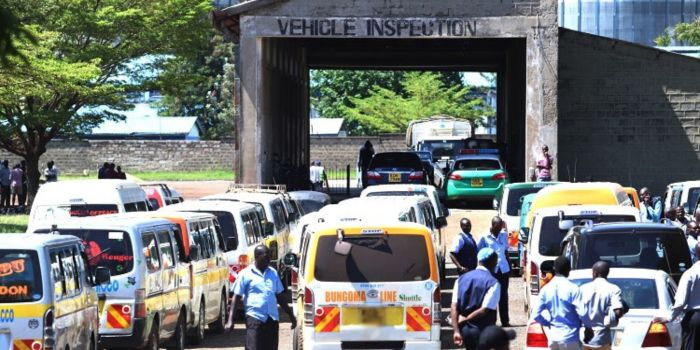
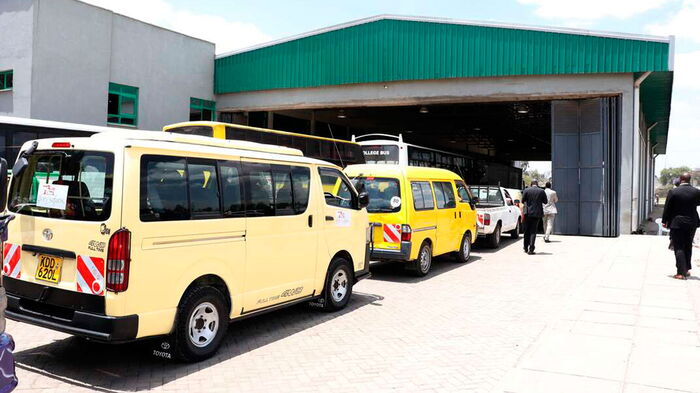
A photo of Public Service Vehicles lining up for inspection at NTSA Centre, Nairobi. Photo: NTSA
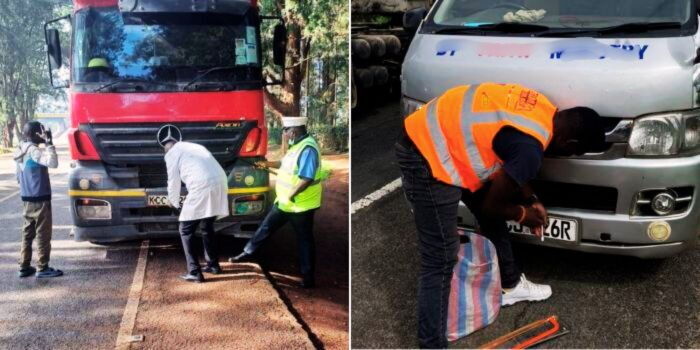
Vehicles at an inspection centre in Nairobi during a past exercise. Magaripoa
NTSA officials removing number plates from a vehicle during an enforcement exercise in April 2024. Photo: NTSA

Twice-a-Year HIV Prevention Jab Approved: What It Means for Kenya and Beyond

0

A new dawn is breaking in the global fight against HIV, and Kenya stands to gain significantly. 

In a major medical milestone, the United States Food and Drug Administration (FDA) has approved Lenacapavir, a revolutionary injectable drug developed by Gilead Sciences, to prevent HIV infections in both adults and adolescents. Marketed under the name Yeztugo, the drug offers protection through a twice-yearly injection, eliminating the need for daily oral medication. 

This breakthrough couldn’t have come at a better time for Kenya, a country ranked seventh globally in HIV burden, with an estimated 1.4 million people currently living with the virus. The new injection provides a practical and discreet alternative to traditional antiretroviral therapies, especially for those at high risk or facing stigma associated with daily pill regimens. 

Lenacapavir belongs to a novel class of antiretrovirals known as capsid inhibitors, which work by blocking a critical protein needed by HIV to replicate and spread. Clinical trials have shown the drug to be nearly 100% effective in preventing transmission, results that have stirred hope among healthcare professionals, policy-makers, and those living with or vulnerable to the virus. 

Its long-acting nature may particularly benefit populations with poor adherence to daily treatments, addressing one of the long-standing barriers in HIV prevention efforts. 

Following pressure from global health activists, Gilead agreed to license the drug for generic production and prioritised Kenya, alongside South Africa, Nigeria, and 15 other countries, for early access to Yeztugo. This is a key step in ensuring equitable distribution of lifesaving medicine to low- and middle-income countries. 

Kenya has already made remarkable strides in HIV response. It has exceeded the UNAIDS 95-95-95 targets and reduced new infections by 28% over the past decade. This new vaccine-like injection could accelerate the nation’s progress even further. 

This breakthrough also comes on the heels of difficult years. Kenya, like many African nations, faced critical shortages of HIV drugs due to a freeze in U.S. foreign aid under the Trump administration. These shortages put lives at risk and hindered progress. The recent FDA approval and global access commitment offer a chance to right past setbacks. 

The World Health Organization estimates that nearly 40 million people globally are living with HIV. Since the epidemic’s emergence in the early 1980s, over 40.4 million deaths have been linked to AIDS-related complications. A simple injection that can protect against the virus for six months could be one of the most important developments in decades. 

As Kenya prepares for rollout, there is growing anticipation and hope that this marks the beginning of a new chapter, one where HIV prevention becomes more accessible, less stigmatized, and ultimately more effective. 

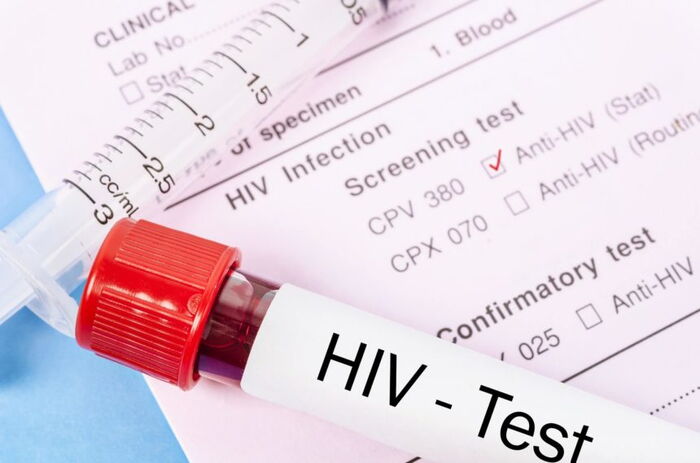
A photo of an HIV test specimen. File
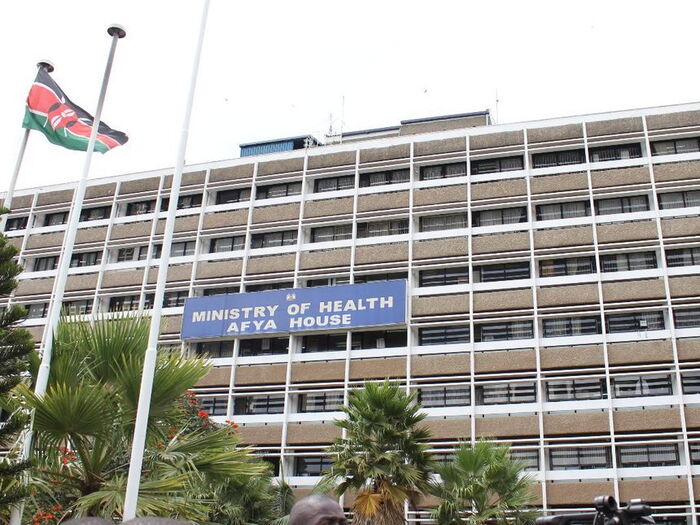
Ministry of Health’s Afya House Building in Nairobi, Kenya. Photo: Ministry of Health

“I Look Nicely Round”: Kaluma’s Viral Video Sparks LGBTQ+ Debate Online

0

A resurfaced video of Homa Bay Town MP Peter Kaluma has sparked fresh debate online, revealing a moment from his past that may shed light on his longstanding opposition to the LGBTQ+ community. 

Known for his vocal stance against same-sex relationships and his sponsorship of the controversial Family Protection Bill, Kaluma’s remarks in the video have left Kenyans both amused and divided. 

In the clip, Kaluma recounts an incident during a visit abroad where he was approached by a gay man. According to the MP, the man expressed romantic interest and even complimented his appearance, saying, “I look nicely round.” Kaluma, visibly agitated while narrating the incident, expressed outrage at what he described as an act of “perversion.” 

“I was in a foreign country, and you can imagine being approached by a fellow man asking me to go out and sleep with him,” Kaluma said. “The guy had the audacity to tell me that I look nicely round. What a level of perversion!” 

The video appears to have been taken during a press briefing in which Kaluma was voicing support for the Family Protection Bill, a proposed law that would remove rights and protections currently enjoyed by LGBTQ+ individuals in Kenya. Kaluma insisted that being gay or transgender has no legal basis and linked his support for the bill to moral decay he believes is infiltrating society. 

Online, the video has reignited debates about the motivations behind Kaluma’s legislative agenda. Some netizens speculated whether the encounter was a turning point in shaping his current anti-LGBTQ+ rhetoric, while others criticized him for using personal experiences to justify sweeping policies that affect an entire community. 

Kenyans on social media were quick to comment, with reactions ranging from humorous to scathing: 

@sha_songol: “No wonder he proposed the Family Protection Bill to criminalise LGBTQ.” 

@amutala_Isabwa: “Nature will always force its way—even through your mouth. The truth always finds a way out.” 

@randomworldke: “Mimi siwezi kuongozwa na mtu kama huyu. I believe where he came from, they chose the worst among them.” 

@CollinsLautani: “Why didn’t he tell us this story before?” 

While some supported Kaluma’s views, others mocked what they perceived as an overreaction to a compliment. Still, others noted the irony in the MP’s dramatic retelling, suggesting that his fixation may stem from discomfort rather than purely political conviction. 

Watch the Video Here

This isn’t the first time Kaluma has made headlines for controversial statements. Recently, he cautioned Kenyans against provoking police officers following the fatal shooting of Boniface Kariuki. In a parliamentary address, Kaluma emphasized the importance of respecting law enforcement, adding that constitutional freedoms must be exercised responsibly. 

He referenced a protest in Nakuru where a foreigner was allegedly seen wielding a panga during a demonstration, saying such acts endangered public order and undermined peaceful dissent. 

“We need a stable state,” Kaluma said. “You can enjoy your freedoms, but they must be within the law and constitution.” 

Homabay MP Peter Kaluma at the Supreme Court of Kenya on February 27,2020. His name was missing from the register when he went to cast his vote during the Law Society of Kenya Elections. Picture Kanyiri Wahito

New Crackdown in Kenya: Clubs, Matatus Kinyozi, Hotels, Restaurants and Bars Among Businesses At Risk of Ksh800,000 Fine in Latest Directive Businesses.

0

Kenya’s Performing and Audio Visual Rights Society (PAVRISK) has issued a stern warning to businesses: stop using copyrighted music without a license, or pay the price. 

In a notice dated June 18, 2025, PAVRISK emphasized that any unauthorized use of music or audiovisual content in public spaces is a criminal offence under Kenya’s Copyright Act of 2001. Businesses found in violation now risk legal action and a fine of not less than Ksh800,000. 

This directive isn’t just for nightclubs or radio stations. PAVRISK listed a wide range of businesses and service providers that must acquire a copyright license before using music or film content in their premises.

These include: Shops and malls, Kinyozi and salons, Hotels, restaurants, bars, and private clubs, Cinemas and amusement parks, DJs, radio and TV stations, Cybercafés and clinics, Banks, music schools, and even political campaign teams and Public transport operators (e.g. matatus and buses) 

In short, if music or video is part of your business environment, whether for entertainment or ambiance, you’re required to be licensed. 

PAVRISK’s authority was significantly boosted in June 2024, when it was officially mandated by the Kenya Copyright Board (KECOBO) to issue invoices, enforce compliance, and take legal action. Businesses must now apply for the Unified Copyright License (UCL) via license.pavrisk.or.ke. 

Those who ignore this directive could be dragged before a Small Claims Court, and face fines starting at Ksh800,000. 

The crackdown comes amid growing concern over rampant copyright infringement. Back in January 2025, KECOBO partnered with the Communications Authority (CA) to launch a national operation against unauthorized use of digital content. 

KECOBO’s Executive Director, George Nyakweba, warned that individuals or entities found guilty of distributing copyrighted content without permission could face four years in jail or a Ksh500,000 fine. 

If your business plays music, streams content, or even uses a YouTube video as background ambiance, you must be licensed under Kenyan law. 

Avoid penalties. Stay compliant. Visit license.pavrisk.or.ke and secure your Unified Copyright License today. 

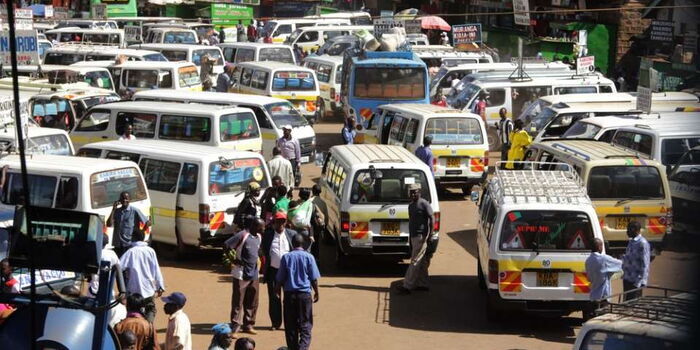
Matatus at a terminal in Nairobi in August 18, 2024. Photo: Kenyans.co.ke/
A photo of a radio station studio. Photo: Varsity Scope
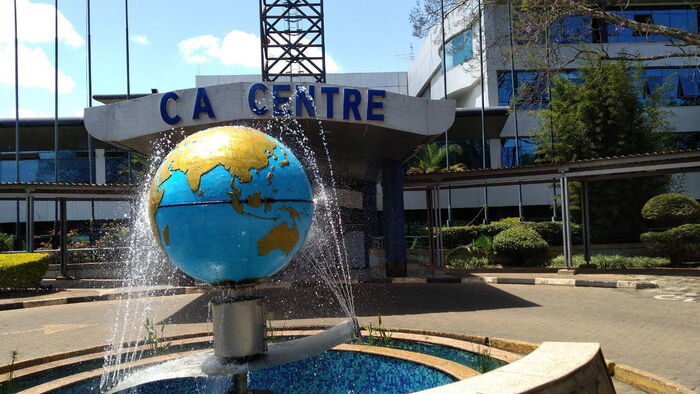
Entrance to Communications Authority of Kenya. Photo: CA

Turkish Football Rocked: Entire Federation Resigns After Plot to ‘Punish Mourinho’ Leaks.

0

Turkish football is in turmoil after a scandal involving leaked messages forced the president and entire board of the Turkish Football Federation (TFF) to resign, at the heart of it all is one of the sport’s most controversial figures: Jose Mourinho. 

The Fenerbahce manager, known for his fiery persona and no-holds-barred criticism, has become the focal point of a sporting storm after leaked communications revealed alleged plans by TFF officials to “make Mourinho pay” in the upcoming season.  

The leaks suggest that senior federation figures had grown weary of Mourinho’s repeated complaints about refereeing standards in Turkey, especially following a tense goalless draw with Galatasaray earlier this year. 

The TFF’s committee president, Celal Nuri Demirturk, and all board members stepped down en masse after the contents of the messages went public, raising serious questions about integrity and impartiality at the very top of Turkish football. 

Back in February, Mourinho had been fined £35,000 and slapped with a four-match ban for launching a scathing attack on referees, accusing them of contributing to “chaos and disorder” in Turkish football. His statement didn’t sit well with the federation at the time, but the public is now learning just how deep the resentment apparently ran. 

Fenerbahce, standing firmly behind their outspoken coach, issued a scathing response. The club officially demanded answers from the TFF, citing the leaked correspondence as a direct violation of neutrality and professional ethics. “This hostile mentality… has no place in Turkish Sports,” said a club spokesperson. 

General Secretary Burak Kizilhan echoed that sentiment: “If these allegations are true, not only is the impartiality of the disciplinary board compromised, but public trust in the federation is shattered.” 

Mourinho, never one to shy away from conflict, has added fuel to the fire. He recently initiated legal action against Galatasaray for what he called a racially charged response after he claimed their bench “jumped around like monkeys” during a match, a statement that itself sparked outrage and led to further scrutiny. 

In a separate clash with Galatasaray in April, Mourinho’s infamous temperament was again on display when he grabbed the opposing manager’s nose after the final whistle, an act that earned him yet another ban, this time for three games. 

Amid all this, Mourinho has reportedly considered leaving Turkey altogether, hinting at interest in managing struggling Premier League sides or even taking up the Rangers job in Scotland, anything, he suggested, to get away from the refereeing chaos in Turkey. 

The scandal marks a dramatic chapter in both Mourinho’s career and Turkish football at large. What was once seen as a bold appointment to bring international prestige to the Süper Lig has now turned into a public relations crisis of unprecedented proportions. 

As the dust settles, one thing is clear: Turkish football will never be the same again, and Mourinho, as always, is right at the center of the storm. 

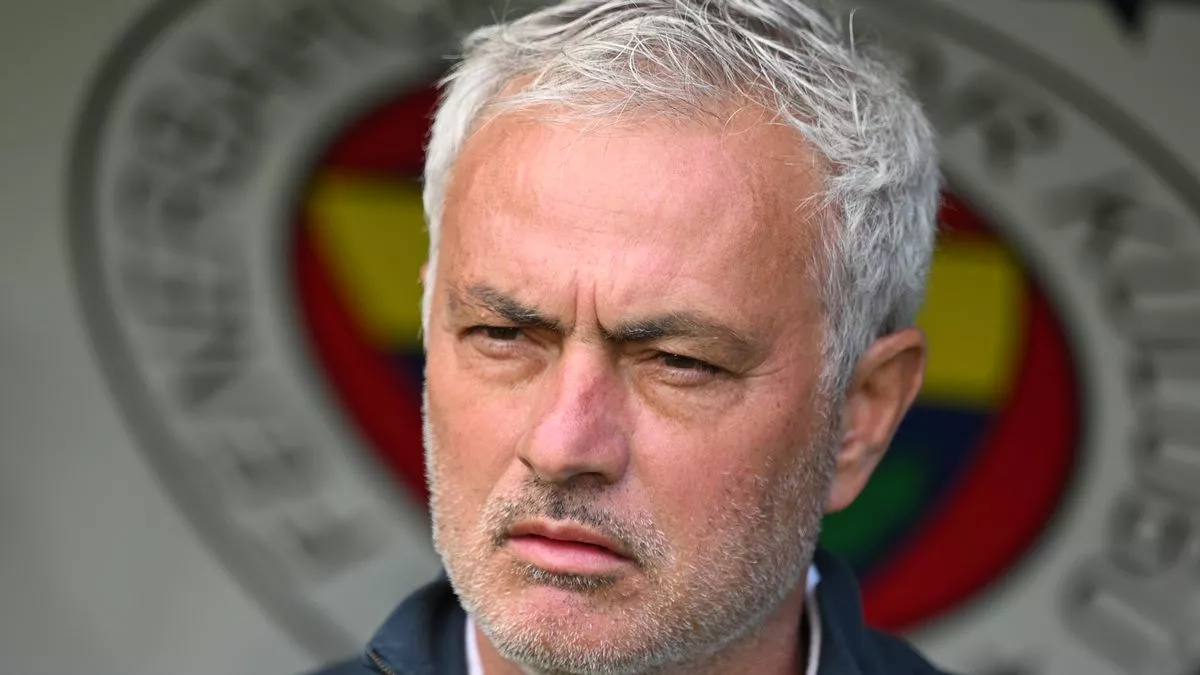
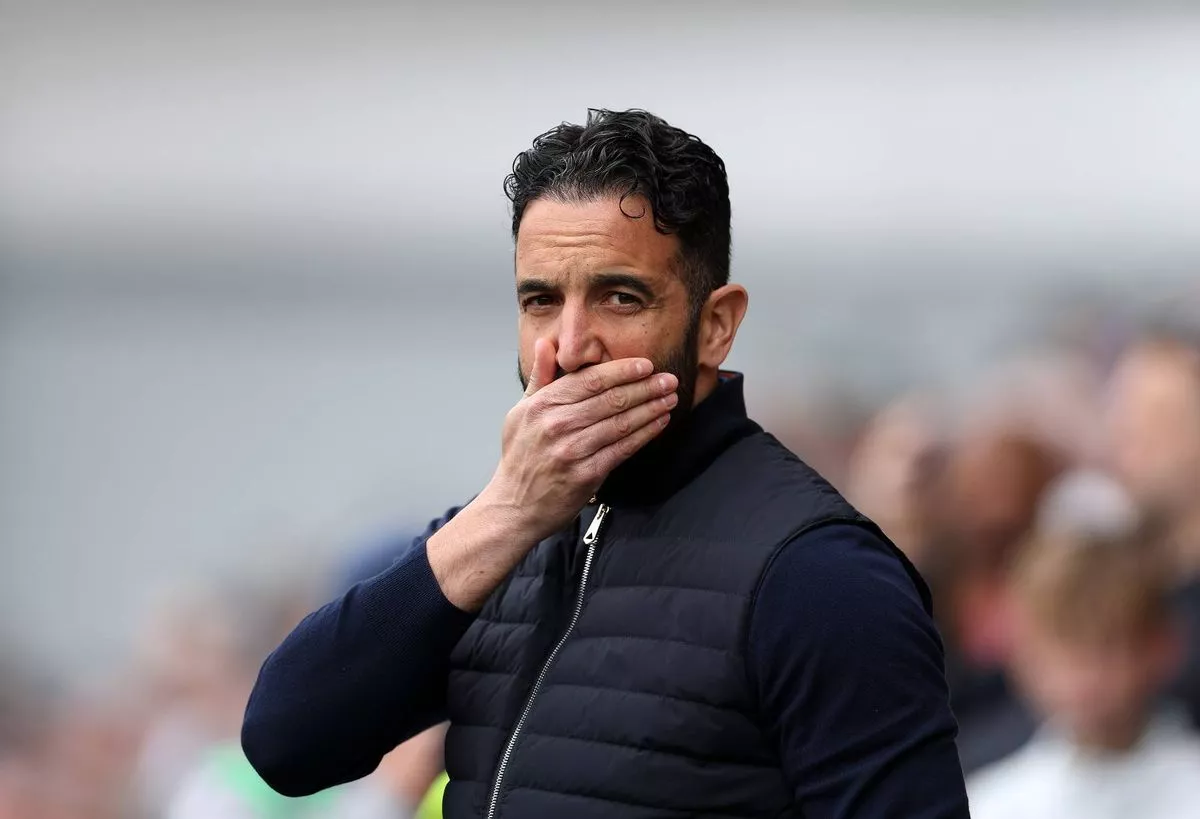
Jose Mourinho is at the centre of Turkish football’s latest scandal. (Image: Ali Atmaca/Anadolu via Getty Images)

Manchester United Transfer Plans Thrown Into Chaos as European Rivals Make Shock Move for Top Striker

0

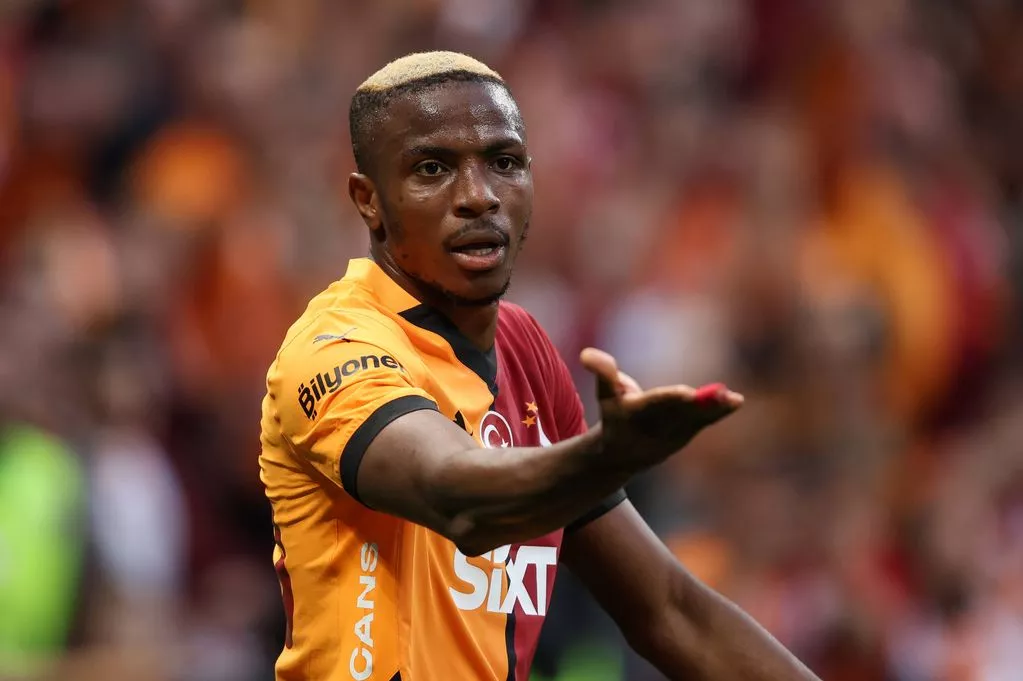
The battle for Victor Osimhen is heating up this summer, and it’s no longer just a Premier League affair. Juventus have re-entered the frame, throwing a spanner in Manchester United’s long-standing pursuit of the Nigerian striker, and the saga is quickly becoming one of the most closely watched of the transfer window. 

United have been keeping tabs on Osimhen for months, with club legend Rio Ferdinand publicly voicing support for his signing. The Red Devils are hunting for a new No.9 after landing Matheus Cunha and missing out on young talent Liam Delap. But as they hesitate, the Old Lady is making her move. 

Fresh reports from Italy reveal that Juventus have resumed negotiations with Osimhen’s representatives. The striker, who just wrapped up a prolific loan spell at Galatasaray, is seen as their top attacking priority, even above Sweden’s Viktor Gyokeres, also on United’s radar. 

Napoli’s asking price remains a major hurdle. Osimhen has a €75 million (£64m) release clause, but only for clubs outside Italy. For Juventus, that means face-to-face negotiations with Napoli, a club unlikely to do them any favors easily, especially following their recent Serie A triumph. 

Osimhen’s intentions are clear. Despite a jaw-dropping offer from Saudi side Al Hilal, he’s determined to stay in Europe. His contract expires in a year, which puts Napoli under pressure to sell or risk losing him for nothing. 

Manchester United still appear interested, but with no European football this season, their appeal may not be as strong as Juventus, who are back on the rise. Meanwhile, Chelsea, another past suitor, have stayed quiet this summer. 

The clock is ticking, and Osimhen’s next move could define the striker market this window. Will United finally act decisively? Or will Juventus steal their dream forward from under their noses? 

Victor Osimhen is set to be on the move this summer (Image: Ahmad Mora, Getty Images)
Man Utd face the prospect of missing out on another attacking target (Image: Getty Images)

DIG Lagat in the Crosshairs: Shocking Allegations Tie Top Cop to Blogger Ojwang’s Death in Police Custody

0

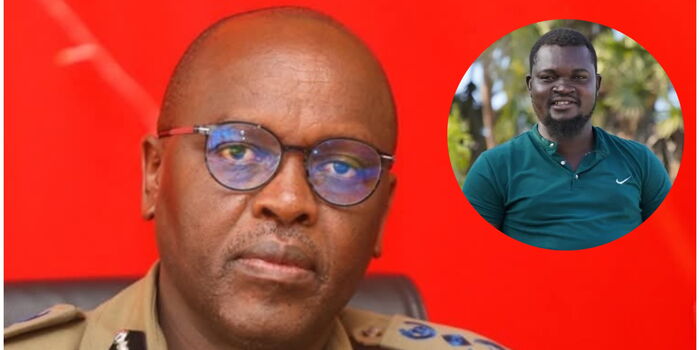
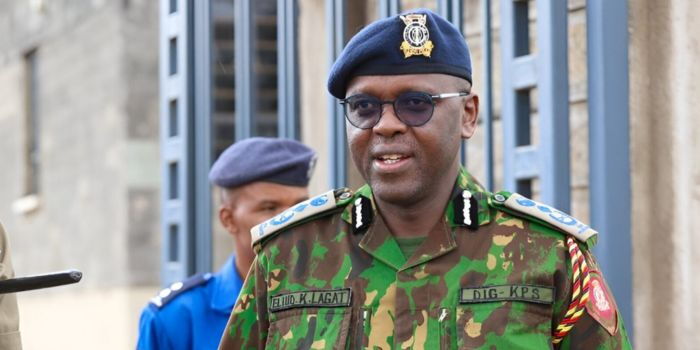
The noose is tightening around top police brass as the Independent Policing Oversight Authority (IPOA) intensifies investigations into the controversial death of blogger Albert Ojwang. Deputy Inspector General of Police Eliud Lagat has now been officially summoned by IPOA to record a statement over his alleged involvement in what is increasingly being described as a murder inside police walls. 

IPOA Chairperson Issack Hassan made the stunning revelation on Wednesday, June 18, citing sufficient grounds to summon Lagat following a wave of damning testimonies, including one by a police constable who directly implicated the DIG. 

“Having found a basis, IPOA has issued a summons to the Deputy Inspector General of Police Eliud Lagat to appear before the authorities’ investigations team to record a statement,” Hassan stated. 

The development comes just one day after explosive claims by Police Constable James Mukhwana, who told investigators that orders to “discipline” the deceased blogger were handed down from the very top. Mukhwana’s testimony also implicated OCS Chief Inspector Samson Talaam, who—alongside the constable, has already been arraigned. A third senior officer, the Deputy OCS at Central Police Station, is currently being held at Muthaiga Police Station. 

This isn’t Lagat’s first mention in the controversy. He earlier admitted to being the complainant who triggered Ojwang’s arrest on June 6, adding yet another layer to the unfolding mystery surrounding the blogger’s death behind bars. 

IPOA has cast a wide net in its investigation. So far, 20 police officers have recorded statements, and the probe has extended to the civilian world. Four civilians are already in custody, including one suspected of tampering with CCTV footage from Central Police Station, the last known location of Ojwang before his death. 

The other three civilians are inmates who were present at the station on the same day the incident occurred. Their testimonies could be key in unraveling what happened in the final hours of Ojwang’s life. 

IPOA isn’t taking any chances. Investigators have filed miscellaneous applications to prolong the detention of key suspects and have reached out to mobile service providers for call records of multiple persons of interest. Meanwhile, biological samples and digital DVR footage from the station have been dispatched to the government chemist for forensic analysis. 

The case has sparked national outrage and renewed scrutiny over abuse of power, police brutality, and impunity within Kenyan law enforcement. IPOA confirmed that it expects to conclude investigations within the next week and will work with the Office of the Director of Public Prosecutions (ODPP) to recommend charges against those found culpable. 

As the nation waits for answers, one thing is clear: the search for justice in the death of blogger Albert Ojwang is far from over, and no one, not even the highest ranks of police leadership, is above the law. 

Deputy Inspector General of Police Eliud Lagat. Daily Nation
An undated photo of Deputy Inspector General of Police Eliud Lagat during a past function. Photo: NPS
Deputy Inspector General of Police Eliud Lagat giving a speech on March 25, 2025. Twitter/NPS

How a Simple Traffic Stop Ended in Tragedy: Police Officer Shot Dead in the Line of Duty

0

A shocking scene unfolded on Wednesday when a plainclothes police officer was gunned down in broad daylight by a suspected thug riding a boda boda, in an incident that has left the public stunned and questioning the safety of law enforcement officers on Kenyan streets. 

The officer, a constable with the Special Police Investigations Unit (SPIV), had stopped the motorcyclist for what appeared to be a standard inspection. Reports indicate that the suspect’s motorbike lacked the special registration code issued to genuine boda boda operators, a detail that immediately raised red flags. 

According to eyewitnesses, the situation intensified after the officer removed the motorcycle’s ignition key. A heated exchange led both men to cross to the other side of the road, where the confrontation took a deadly turn. Without warning, the suspect drew a firearm, believed to be a Ceska pistol, and shot the officer in the neck at close range. 

The officer was quickly rushed to a nearby hospital but tragically succumbed to his injuries. 

As panic spread across the area, the suspected gunman fled. But his escape was no ordinary one. Surveillance footage later obtained shows the thug brazenly hijacking another boda boda, threatening the rider and a passenger with his weapon before speeding off. 

In a twist, the hijacked rider managed to recover his motorbike after the suspect reportedly abandoned it during his escape. Police at the scene recovered a loaded magazine, believed to belong to the same firearm used in the shooting. 

The suspect remains at large as detectives intensify the manhunt, piecing together details that could unravel his identity and motive. 

This disturbing incident comes at a time when the Kenyan police force is under immense scrutiny, facing criticism for alleged police brutality and extrajudicial killings. Ironically, this time, it is an officer who has fallen victim, and the public is left grappling with the question: Who really holds the power when the enforcer becomes the target? 

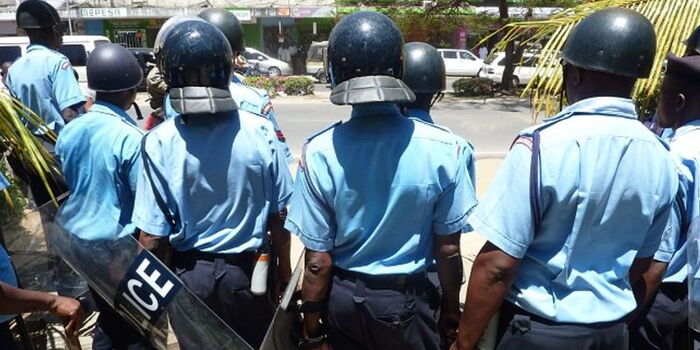
Kenyan police officers arrive at Nairobi’s Central Business District (CBD) to maintain law and order in March 2018. Photo: mpasho.co.ke
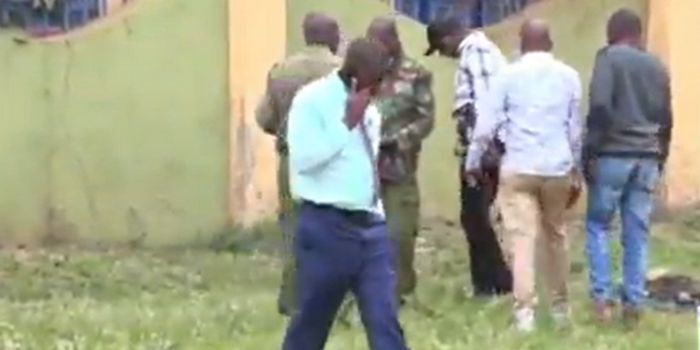
A screengrab of police officers at the scene of the crime where a police officer was shot by a suspected thug in Thika on Wednesday, June 18, 2025. Photo: KTN News
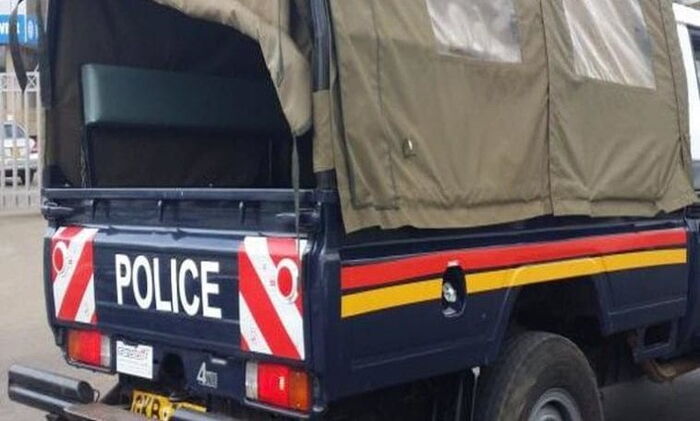
An image of a police vehicle spotted in Nairobi. Photo: kenyans.co.ke

‘Gen Z President?’: Candidate Declares 2027 Bid With Bold Promise to Fight Graft, Police Brutality, and Mentor Youth

0

Former Chief Justice David Maraga has officially entered the 2027 presidential race, branding himself as the “Gen Z presidential candidate” in a bold move that has already stirred political circles across Kenya. 

In a revealing interview aired on NTV Wednesday night, Maraga spoke with striking conviction about his reasons for running, and his vision for Kenya’s future. “I am the Gen Z presidential candidate,” he declared. “We must mentor young people so that they take over from us.” 

This announcement marks a significant political shift, with Maraga stepping from the judiciary into the heated arena of electoral politics, pledging to challenge the status quo and address what he described as “budgeted corruption” and unchecked police brutality. 

Citing “serious reflection” and in-depth discussions with trusted allies, Maraga said the time had come for decisive leadership that would not allow Kenya to be “taken to doomsday.” 

“After serious reflection, I’ve made up my mind that I will run for the presidency of this country in 2027,” he told viewers. 

His tone was urgent and direct. Maraga painted a picture of a nation in moral crisis, promising to restore constitutional order and lead with integrity. He pointed out the entrenched system of political handouts, vowing never to buy votes. Instead, he made an open call to ordinary Kenyans to help fund his campaign, signaling a grassroots approach rarely seen in Kenyan presidential contests. 

Maraga’s two-pronged policy priority is ambitious: tackling systemic graft and ending police brutality. 

He acknowledged that targeting corruption would likely put him on a collision course with powerful elites. However, he exuded quiet confidence that his moral authority and legal background gave him the backbone to endure the backlash. 

“I will not shy away from confronting those protecting their corrupt empires,” he said, signaling a no-nonsense approach. 

Perhaps most striking was Maraga’s pledge to build a government of professionals, not political loyalists. “We need a team that will work—and I will provide leadership that lets professionals perform,” he asserted. 

In an era where tribal arithmetic and political cronyism often trump merit, Maraga’s technocratic vision could resonate with voters frustrated by decades of mismanagement. 

A career jurist, Maraga made it clear that returning Kenya to constitutionalism is at the heart of his campaign. “We need someone courageous enough to take initiative. I will follow the Constitution, and so will everyone else, including me,” he promised. 

This emphasis on law and order comes at a time when public trust in the justice system and the executive has been waning. 

Maraga joins a growing field of presidential hopefuls aiming to unseat President William Ruto in 2027. Other candidates already in the race include former Deputy President Rigathi Gachagua, Wiper party leader Kalonzo Musyoka, Mumias East MP Peter Salasya, and PLP leader Martha Karua. 

But with his reputation for integrity and bold populist messaging, Maraga might just become the unexpected disruptor in an already crowded contest. 

David Maraga’s bid is unlike any other. He isn’t offering handouts or hollow slogans. He’s offering what Kenya has long yearned for: leadership rooted in values, guided by law, and shaped by a belief in the next generation. 

Whether the electorate is ready for a candidate who rejects political theatrics in favor of constitutional order and professional governance remains to be seen. But one thing is clear, Maraga has thrown down the gauntlet. 

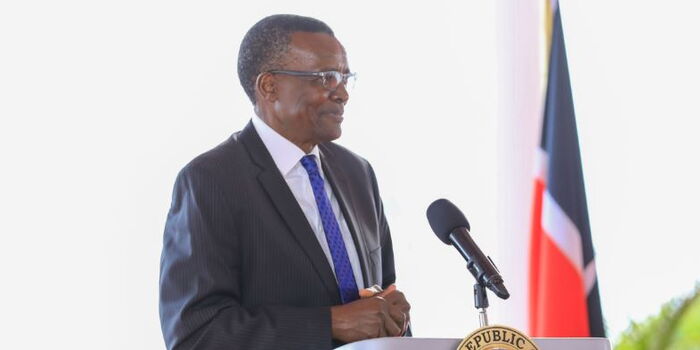
Former Chief Justice David Maraga addresses the media at State House on November 16, 2023. PCS
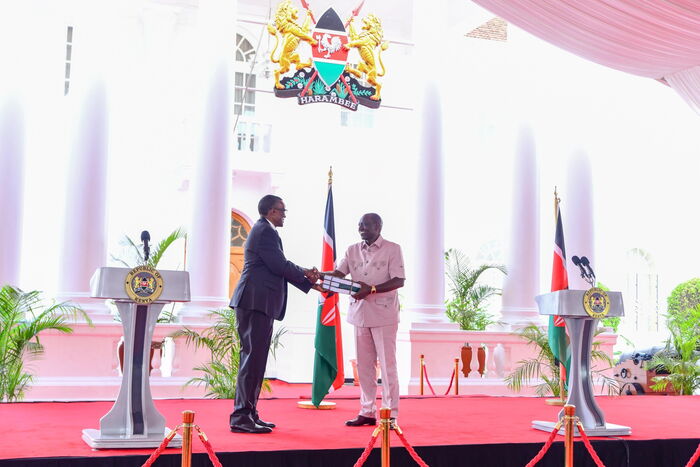
Former Chief Justice David Maraga presenting his report to President William Ruto at State House on November 17, 2023. PCS
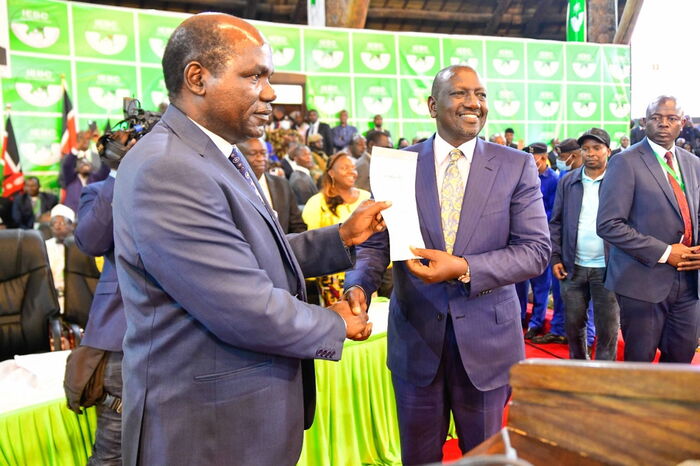
IEBC Chairman Wafula Chebukati handing over an election certificate to President-elect William Ruto at Bomas of Kenya on August 15, 2022. Kenyans.co.ke

Inside the Bloody Plot: How Gangs Were Mobilised, Paid, and Backed to Crush Protests Over Ojwang’s Torture-Killing

0

A chilling web of political manipulation and street-level violence has emerged following the murder of blogger Albert Ojwang, whose death in police custody sparked nationwide protests, only to be met with an organised, paid counterattack. 

According to Daily Nation investigations, the violence that marred protests over Ojwang’s death wasn’t spontaneous. It was meticulously planned, days in advance. Sources now reveal that a senior Nairobi politician spearheaded the operation, working through a network of political mobilisers, estate chairpersons, and boda boda operators to crush public dissent with brutal efficiency. 

From Dagoretti North, Dagoretti South, to Mathare, local leaders were instructed to recruit desperate youth from informal settlements. These young men who are jobless and hungry, were offered between KSh1,000 to KSh2,000, armed with clubs, whips, and crude weapons, and ordered to “deal ruthlessly” with demonstrators demanding accountability for Ojwang’s death. 

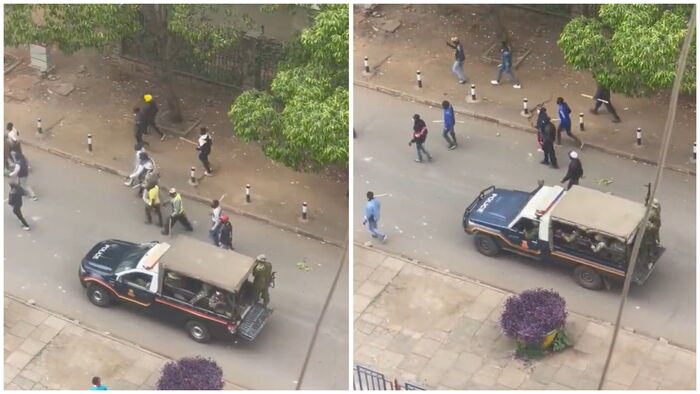
One recruit from Kawangware told journalists he was assured police were “informed” and would not interfere. True to the promise, dozens of motorcycles gathered at a Valley Road petrol station, were paid and refuelled, and soon after stormed into Nairobi CBD, chanting anti-protest slogans, before descending into violent clashes on Moi Avenue. 

The confrontation was fierce. Several motorcycles were torched, and some of the goons were attacked by enraged demonstrators. One rider, caught and interrogated by the crowd on Koinange Street, confessed he had only learned of his mission: to disrupt the protest upon arrival. “I thought I was guarding shops,” he said. “But the instructions changed.” 

What stunned many onlookers was the apparent coordination between these armed gangs and the police, who stood by as chaos unfolded. Eyewitnesses saw officers turning a blind eye while protestors were assaulted by armed civilians. 

Yet, the protests themselves were sparked by something far darker, the gruesome circumstances surrounding Ojwang’s death. 

An autopsy conducted by a joint team of five pathologists, representing the government, Ojwang’s family, and human rights groups, revealed clear signs of torture: Blunt trauma to the head, Strangulation, Multiple bruises, Defensive wounds on arms and hands, Signs of asphyxiation (petechial haemorrhages and peripheral cyanosis), No medical intervention attempts, no CPR and no first aid. 

Even more damning was CCTV footage revealing that Ojwang was beaten inside the police cell around 10:00 p.m., but wasn’t taken to hospital until 1:35 a.m., over three hours later. By then, he was dead on arrival at Mbagathi Hospital. 

Cell sentry Constable James Mukhwana admitted to IPOA that he witnessed the assault and pleaded with his superior to get medical help. But nothing was done. Ojwang, a vocal critic of police brutality, appears to have been deliberately left to die. 

His family now speaks of deep sorrow and a burning quest for justice. They are planning his burial before the month ends, even as calls for independent investigations grow louder. 

This tragic saga, from torture in police custody to the paid disruption of protests, paints a terrifying picture of how state machinery and criminal gangs can intertwine to silence dissent and bury the truth. 

But Ojwang’s name, and the haunting question of “who ordered the torture?”, refuses to fade. 

A police car spotted alongside individuals believed to be goons in the Nairobi CBD on Tuesday, June 17, 2025. Photo: Kenyans.co.ke