The President of the United States, Donald Trump, stated that President Félix Tshisekedi had requested special assistance from America, including allowing Americans to enter the mining sector in the Democratic Republic of Congo (DRC), in order to find ways to end the long-standing war in the country’s eastern region.
In a speech focusing on the U.S. economy and the future of electric vehicle industries, Trump said his country is seeking to increase battery production capacity, noting that Congo’s mineral resources are more important now than ever before.
Trump said: “We must go to Congo, take it from China. But actually, I stopped the Congo-Rwanda war. They told me, ‘We ask you to come, take our minerals,’ and that is what we will do.”
These remarks come as the Kinshasa government has long been asking the United States to assist the FARDC in combating the AFC/M23 movement and is seeking to rebuild its security institutions. Since February 2025, many DRC delegations have visited the U.S. requesting political and military support.
Trump revealed that America is competing with China in the electric vehicle industry. Specifically, he noted that China has dominated the large market for DRC’s minerals, so the U.S. must replace it.
On December 4, 2025, Rwanda and the DRC signed a peace and cooperation agreement covering security and economic matters, expected to help resolve the security crisis in eastern Congo.
The agreement includes provisions for cooperation in mining, processing, and trade of minerals, with American investors set to have significant influence.
Although Trump denied that the war had slowed because of his actions, military activity in eastern DRC continues to increase. Uvira, Bukavu, and Goma remain under the control of AFC/M23, while more than 500,000 people have fled the fighting in just one week, according to OCHA.
Trump’s statements have drawn widespread attention because they suggest that the war in eastern DRC could be viewed by major powers as an opportunity for resource exploitation rather than as a humanitarian security issue.
Regional political analysts say Trump’s remarks indicate that peace could be tied to foreign economic interests, with the DRC, Rwanda, and the entire region seen as a large source of minerals needed worldwide.
Following the capture of Uvira on the night of December 9, 2025, social media quickly filled with rumors suggesting that AFC/M23 might launch an attack on Burundi. These claims immediately triggered fear among residents of the Ruzizi Plain, Bujumbura Rural, and other areas bordering the DRC.
Although AFC/M23 has publicly and clearly denied these allegations, many questions remain: What sparked these rumors? Could such an attack be possible? What is the real atmosphere of tension and uncertainty on both sides of the border?
This report analyzes the origins of the rumors, the security situation on both sides, the military cooperation between FARDC, FDLR, and Burundian forces, and the international political motives behind claims that “AFC/M23 might cross the Ruzizi into Burundi.”
After AFC/M23 captured Uvira swiftly and unexpectedly, the situation changed dramatically at the Burundi border. Within hours, Burundi closed all its southern border crossings with the DRC. Security forces were reinforced around Bujumbura, and locals began speaking of the possibility that “the war could cross to the other side.”
For many, Burundi’s sudden heightened security intensified the rumors. They asked: Why would a country close its borders so abruptly unless there was a serious threat?
In reality, the border closures were triggered by two main concerns:
Fear for Burundian soldiers left behind in the hills Some Burundian troops had been defeated in the mountainous regions ofLemera, Luvungi, Mitumbili, Sange, and elsewhere. Some were killed, others went missing, while some tried to cross Lake Tanganyika toward Rumonge.
Once AFC/M23 captured Uvira, all escape routes for these soldiers were cut off.
Fear of retaliation by AFC/M23 Since Burundi has been fighting alongside FARDC, FDLR, andWazalendo against AFC/M23, there were fears that the group might strike back in revenge.
Despite the circulating rumors, AFC/M23 firmly denied the claims, stating: “No Plan to Enter Burundi.”
On December 11, 2025, the group released a statement clarifying that it has no intention, no motive, and no strategic interest in crossing the Ruzizi into Burundi.
They declared: “There are no military operations, nor any reason that would make AFC/M23 involve Burundi in a conflict that concerns the Congolese.”
They added: “We respect Burundi’s sovereignty. Uvira is a Congolese issue, not an issue involving any other country.”
Although these statements were meant to calm public anxiety, they did not immediately dispel the fear.
Why Did Rumors of an Attack Spread So Quickly?
The speed of M23’s operations The fall ofUvira showed M23’s unexpected reach deep inside the DRC. This led many to ask: “If M23 could take Uvira this fast, why couldn’t it cross the Ruzizi?”
The presence of Burundian troops in South Kivu Over 20,000 Burundian soldiers had been fighting in South Kivu alongside FARDC,Wazalendo, and FDLR. Since AFC/M23 managed to capture all these areas, concerns about retaliation spread.
Fear-based political messaging Some factions within FARDC and their supporters were accused of spreading claims such as: “M23 wants to take Uvira, Bukavu, Goma, and then invade Burundi.”
This fear-based messaging played a major role in spreading the rumors.
Could It Actually Happen?
AFC/M23 possesses two defining characteristics: It is militarily powerful and technologically advanced;, But all its operations remain strictly within DRC territory. Since 2021, it has never crossed into another country to wage war.
Three Reasons AFC/M23 Would Not Attack Burundi
It would ignite a regional conflict Crossing Burundi’s border would internationalize the war, increase blame on Rwanda, and damage Burundi’s relations with neighboring states. M23 hasstated such an action is far from its objectives.
It would unleash global condemnation Invading a sovereign nation is considered cross-border aggression. The UN, AU, EAC, and the international community would mount overwhelming pressure.
M23’sstatedaims are Congolese, not regional The group repeatedly states its goal is “to protect persecuted Congolese civilians, not to seize neighboring countries.”
Burundi’s Fears and Preparations
From 2023 to 2025, Burundi was heavily involved in fighting in South Kivu, particularly in Lemera, Kiliba, Sange, Luvungi, Katogota, and Rubuga.
Since Burundian troops often fought alongside FDLR, AFC/M23 considers them to be acting as an extension of the Kinshasa government.
Some therefore feared M23 might retaliate, but the group has consistently restricted its operations to Congolese territory.
Recent events suggest Burundi was preparing for two things:
Receiving its soldiers returning home, Preventing “infiltrators” from crossing the border.
Burundi closed the border because: Some of its soldiers were in disarray, Others were fleeing the fighting, There were concerns that armed elements might mix with civilians and cross into Burundi.
To an outside observer, the border closure could look like “preparations for war.” But in reality, it was an internal security measure.
The President of the Democratic Republic of Congo (DRC), Félix Tshisekedi, has accused Rwanda of carrying out a “humanitarian invasion on Congolese soil,” after AFC/M23 announced that it had captured the city of Uvira, one of the most strategic urban centers in the country’s east.
Uvira was the last major city in Eastern Congo that was not under AFC/M23 control. Its loss for the DRC government marks a major turning point in a war that has, for years, claimed lives, displaced communities, and devastated the region.
In a statement posted on X by the President’s Office, Tshisekedi said AFC/M23’s offensive is “a violation of the Washington Agreement” recently signed by him and President Paul Kagame with the mediation of U.S. President Donald Trump.
President Kagame, in his remarks, stated that Rwanda “voluntarily accepted the agreement” and will respect it, but added that “the fighting had already begun before the agreement was signed.”
The DRC accuses Rwanda of sending soldiers, weapons, and military support to aid M23, a claim Rwanda denies, insisting it provides “no support whatsoever” to M23 and that its actions are limited to “protecting its own security.”
For its part, Rwanda and UN experts accuse the DRC of collaborating with FDLR fighters, something the Congolese government denies, saying it has no intention of supporting the group.
UN Secretary-General António Guterres said he is “deeply concerned” by escalating violence in South Kivu. He called for an immediate cessation of hostilities, adding that the UN is ready to provide humanitarian aid and continue advocating for peace.
This follows statements from countries including the United States, the European Union, and the United Kingdom, condemning “the M23 offensive supported by Rwanda near Uvira,” warning that it threatens the stability of the entire region.
After capturing Uvira, AFC/M23 said its operations aim to “protect civilians who have faced over 90 days of brutal violence from FARDC and its partners.” The group urged residents to return home, assuring them of their safety.
However, the Congolese government described these actions as “continuous provocation.”
Day after day, large portions of North Kivu and South Kivu continue to fall under AFC/M23 control. The group already holds Goma and Bukavu as well as much of the surrounding territory.
As fighting intensifies, thousands of civilians are fleeing. A report from OCHA states that more than 500,000 people have been displaced in less than a week, some crossing into neighboring countries while others scatter into various parts of Congo.
The international community continues to sound the alarm, warning that the region may be entering one of its most volatile moments in the past 30 years.
In the city of Uvira in South Kivu, after it was captured by AFC/M23 and new security structures were established, residents say their daily lives are undergoing noticeable changes.
Colonel Willy Ngoma received an unusually warm welcome from the population, at a time when FARDC fighters, Burundian troops, and Wazalendo militias had retreated after being defeated in battles that have been raging in eastern Democratic Republic of Congo.
Residents from various parts of Uvira report that they have already seen improvements in security and that trade routes have reopened.
In the Sarambwe hills, AFC/M23 continues to be praised by locals for its role in protecting Tutsi and Banyamulenge communities, who have long faced killings and persecution by DRC government forces.
Reliable information from Radio Okapi, both from the Uvira and Bujumbura sides, confirms that on the evening of December 10, 2025, long lines of Burundian soldiers were seen crossing the Kavimvira border back into Burundi.
These soldiers were withdrawing from fighting in the Ruzizi Valley and the hills of Lemera, Sange, Luvungi, Katogota, and other areas where they had been battling AFC/M23 alongside FARDC, Wazalendo, and FDLR.
Since December 9, the Kavimvira border crossing had been under the control of AFC/M23, which facilitated the safe return of the Burundian troops to their country.
Witnesses told Radio Okapi that the Burundian forces returned with all their equipment and personal phones, even though Burundi’s ambassador to the DRC continued to deny that Burundian troops had withdrawn.
Burundi had deployed more than 20,000 soldiers in South Kivu, but the failed offensive to capture Uvira drastically changed the trajectory of this deployment. Many Burundian soldiers were killed in the fighting, while others fled into the surrounding hills or toward areas near the Burundi border.
In recent months, the Burundian army had entered eastern Congo to support FARDC in operations across North and South Kivu. However, these forces suffered defeats in several areas where they clashed with AFC/M23.
After suffering setbacks in Masisi and around Goma, Burundian forces tried to regroup in South Kivu, but battles in the Ruzizi Valley and the Uvira highlands inflicted heavy losses on them.
Burundi has now closed its borders with the DRC on the South Kivu side as a security measure, to prevent AFC/M23 or other armed groups from entering its territory or triggering further security issues.
During negotiations held in Luvungi between senior Burundian military officials and AFC/M23 commanders, the movement’s spokesperson, Lawrence Kanyuka, said that AFC/M23 is prepared to hand over Burundian soldiers captured during the fighting.
He stated:“We assure that these Burundian combatants will be treated safely and handed over to their country’s authorities with full respect for human rights.”
AFC/M23 maintains that before it releases the captured soldiers, Burundi must halt all military operations in the DRC and withdraw all of its troops from Congolese territory.
Meanwhile, life in Uvira is slowly returning to normal. Markets have reopened, businesses are resuming, and residents say they feel safer after many years of living under the threat of armed conflict.
Despite rumors and international pressure surrounding events in eastern Congo, Uvira residents say they now have hope that the ongoing security efforts could become a foundation for resolving the broader conflict in the DRC.
Residents add that although the journey ahead is long, they are beginning to see an example of a place where a new era of peace in Congo could emerge.
Arsenal are walking into a difficult weekend, and the warning signs are louder than ever. With Wolves preparing for their Premier League visit, Mikel Arteta may be forced to face the match without as many as eight key players. The biggest surprise came from Declan Rice’s sudden situation, leaving fans worried about the heart of Arsenal’s midfield.
Rice missed the Champions League win against Club Brugge, and many supporters feared the worst. The midfielder has been struggling with a calf issue since the Brentford victory. Although he pushed himself to play in the 2-1 defeat at Aston Villa, he could not train with the rest of the team this week. He did not travel to Belgium and watched Arsenal win 2-0 from home.
Arteta tried to calm the growing concern by explaining that Rice’s absence was linked to illness inside the camp. His message offered a small sigh of relief. Arteta said, “Let’s see how he goes today, he was ill. Normally in a few days, but let’s see how he gets on.” The manager still hopes the England star will be ready for Saturday.
In Rice’s absence, Mikel Merino stepped into midfield and worked alongside Zubimendi and Odegaard. The trio performed well, but everyone knows Arsenal are stronger and more balanced when Rice is on the pitch.
But the midfielder is only the beginning of Arteta’s worries. The defence is entering a dangerous moment, with up to five defenders at risk of missing the match.
Jurrien Timber was the next unexpected blow. The Dutch defender travelled with the team to Belgium but was removed from the squad after feeling discomfort from a knock he picked up in the Aston Villa match. Arteta said, “It depends on how he feels today. It was a knock that he picked up and he wasn’t feeling comfortable.”
This uncertainty comes at the worst possible time because William Saliba is also in doubt. The French centre-back suffered an injury before the draw at Chelsea last month and has not played since. Arteta originally suggested Saliba was only “days” away from returning, but he has missed two consecutive matches. Arteta again revealed the slow progress by saying, “We have to wait and see. Yesterday he didn’t train. We have an extra day, let’s see if he can be available.”
Leandro Trossard became the next painful setback. The Belgian attacker did not play in Belgium due to a recurring calf problem. Arteta said, “Leo again picked up another knock in an area where he had the issue, and I don’t expect that it’s going to be long, but unfortunately, he cannot be here.” When asked about his chances for the Wolves match, Arteta again said it was “a matter of days.”
The confirmed absence for the weekend belongs to 15-year-old Max Dowman, one of Arsenal’s most exciting young talents. Dowman suffered an ankle ligament injury during a private friendly against Manchester United. Arteta explained, “With Max, unfortunately, he picked up an injury last weekend, and he had to come off. We did some scans and he is going to be out for weeks.” Gabriel Jesus took his place in the Champions League squad.
In another worrying update, Gabriel Magalhães remains unavailable with an adductor problem he suffered during the international break. Arsenal have missed his physical presence at the back, and there is still no clear return date.
Cristhian Mosquera adds to Arsenal’s defensive headache. The summer signing is expected to be out until next year due to what Arteta called a “complicated” ankle injury. Reports say the layoff may last between six and eight weeks, though the club has not confirmed an exact timeline. Arteta admitted, “He’s going to be out for weeks unfortunately, it’s much more than what we expected. But the player was feeling it, so he’s going to be out for weeks.”
The list of injured players does not stop there. Kai Havertz, who started the season strongly, is still recovering from a knee injury he picked up in August. Arteta said earlier in December that his return was close and “a matter of weeks,” but there have been no fresh updates.
This combination of injuries arrives as Arsenal continue fighting for key positions in the Premier League. Each missing player adds pressure, and every doubtful name increases the stress Arteta must face on matchday. A team that looked strong and deep at the start of the season now finds itself weakened in multiple areas at once.
Fans are now asking the same question: How will Arsenal cope against a Wolves team known for its physicality and counter-attacks? Arteta trusts his squad and their mentality, but he knows that every absence changes the system and reduces stability.
Behind the scenes, the medical team is working nonstop. The priority is to bring back Rice, Trossard, Saliba, Timber, and Havertz without rushing them into further injury risks. Arsenal’s season could depend on how quickly these players recover.
As Saturday approaches, every training session matters. Arsenal still have quality players ready to step in, but the uncertainty around so many stars has created a sense of worry at the Emirates. Supporters will wait anxiously for the final squad announcement, hoping the injury list shrinks instead of grows.
The match against Wolves could become one of the most difficult tests of the season. And the story of whether Arsenal can overcome this crisis may define their momentum for weeks to come.
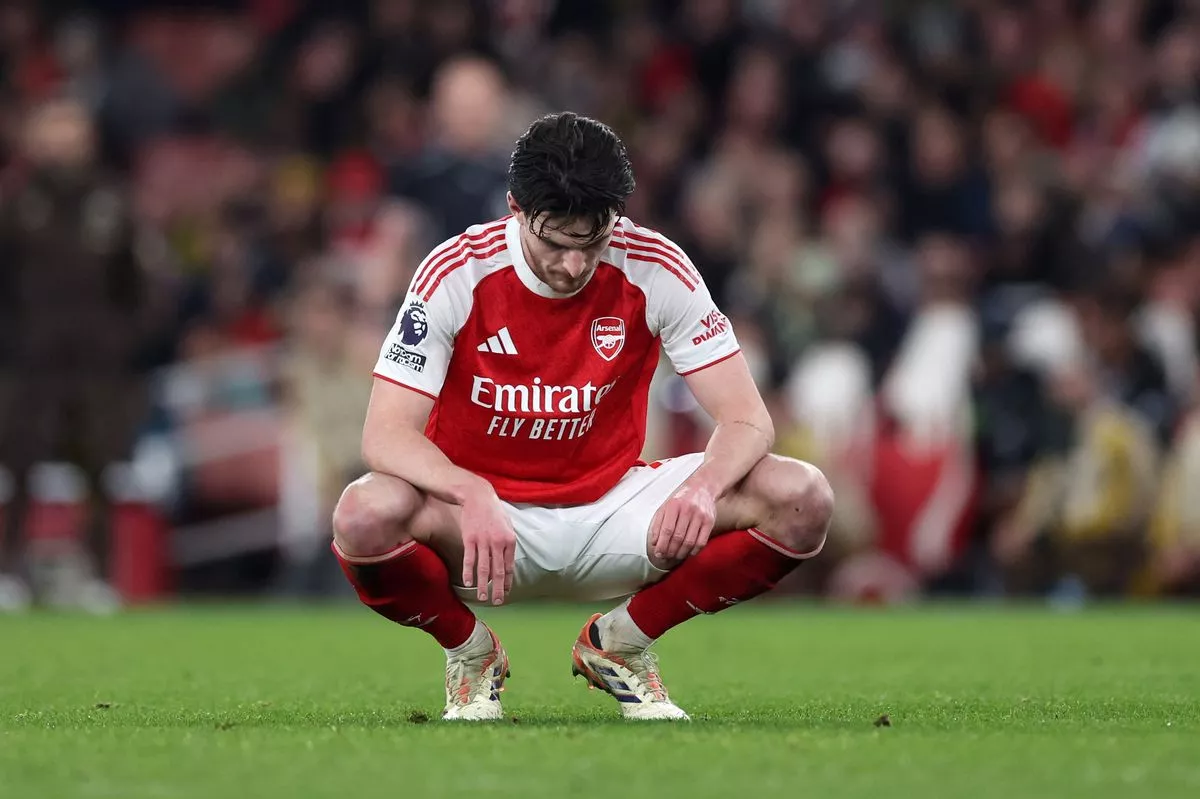
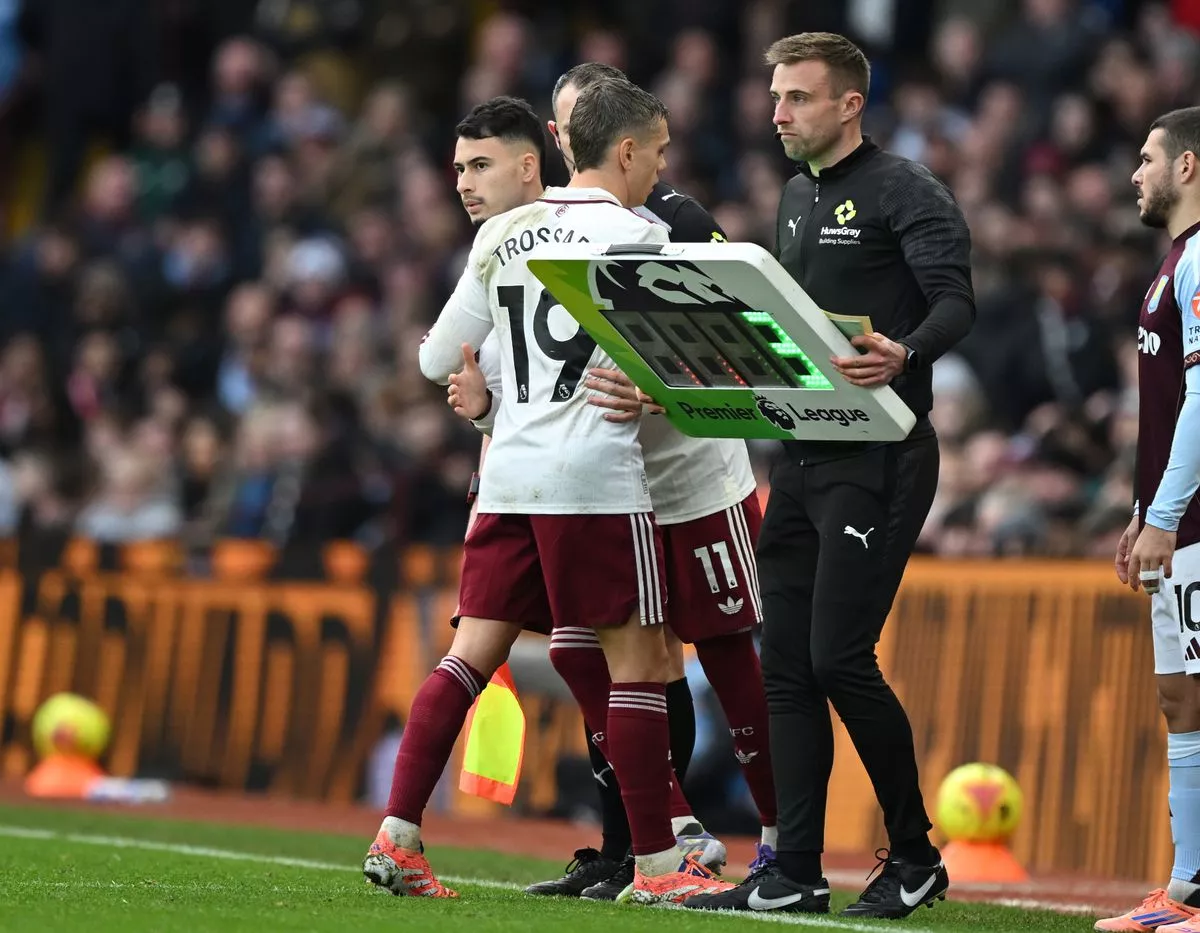
Declan Rice missed Arsenal’s Champions League win over Club Brugge (Image: Getty Images)Leandro Trossard was subbed off in Arsenal’s lost to Aston Villa last week (Image: Arsenal FC via Getty Images)
Rumours around Mohamed Salah’s future at Liverpool have reached a new level, and now a surprising name is being pushed as the perfect replacement, a player the club already sold for only £12 million. Many fans did not expect this twist, but it is gaining attention across England.
The story began when the relationship between Salah and manager Arne Slot suddenly broke into public view. After Liverpool’s painful 4-1 loss to PSV in the Champions League, Slot decided to drop Salah from the starting team. The Egyptian star then played only 45 minutes across the next three matches, raising more questions than answers.
Things became worse after the 3-3 draw with Leeds United. Salah openly criticised the club, accusing Liverpool of “throwing me under the bus.” His comments shocked fans, and the atmosphere around the team changed immediately. After that, he was removed from the entire squad for the next Champions League match against Inter Milan.
Slot has repeated that Salah does not need to leave. But with tension rising and no clear solution, many experts believe Liverpool must at least consider a future without their best goalscorer. And that is where the unexpected name comes in.
Former Everton and Fulham striker Tomasz Radzinski believes Liverpool already sold the perfect replacement in 2022, Harry Wilson. The Welsh winger has been one of Fulham’s best players this season, and Radzinski thinks Wilson’s journey is very similar to Salah’s own rise.
Speaking to ComeOn, Radzinski said: “Harry Wilson to Liverpool, why not? If he can perform this well for Fulham. Before Mohamed Salah became one of the greatest players in the Premier League, he had to move to a few other clubs as well.”
He reminded fans that Salah was once underestimated too. “At Chelsea he was not really rated and he had to go to Italy only to come back to the Premier League to be exceptionally fantastic. Anything can happen. The sky is the limit.”
Radzinski believes that the success of a player depends on timing, personality, and the right coach.
He said: “It’s all up to the individual himself and obviously the chemistry together with the manager at that moment and the way the team is playing.”
He added that adjusting to a new formation or playing style can be difficult at first, but Wilson has shown he can adapt quickly. “If you come to a team and you start playing a new formation and style, it’s going to be strange for your head. So you’re going to have to adapt to that as well. But Wilson can do it.”
Wilson grew up inside Liverpool’s academy, spending eight years at the club between 2014 and 2022. But despite his talent, he managed only two senior appearances, both in cup competitions. Most of his Liverpool career was spent on loan to different clubs.
In 2022, Liverpool sold him to Fulham for £12 million. Since then, Wilson has transformed his career. He now has 29 goals and 39 assists, showing consistency for both Fulham and the Wales national team.
This season, his form has impressed analysts across Europe. His pace, creativity, and long-range shots have made him one of Fulham’s most dangerous players. Because of this, the suggestion of a return to Anfield does not seem as impossible as it once did.
Meanwhile, Radzinski also spoke about Liverpool’s difficult moment on the pitch. He believes fans and critics are judging the team too quickly. He said: “It’s a very funny situation over at Liverpool, so it’s hard to judge from the outside. We don’t know what’s going on at the training ground.”
He insists that the new signings from the summer will soon show why Liverpool chose them. “I think they have enough players. I think they’ve done, in my eyes, fantastic deals in the summer. I just don’t think the players who they brought are performing at the moment, but it probably has nothing to do with their personalities.”
He explained that moving to a new league or new team always takes time. “Sometimes when you come from a different competition, different teams, not every team suits every player. This is how it is.”
His comments highlight a wider problem: Liverpool are stuck between two worlds, a team still relying on Salah’s talent but also trying to build for the future. The conflict between Salah and Slot has only made that transition more dramatic.
Now, as fans argue about what will happen, the idea of Wilson returning to Anfield is becoming more interesting. He is familiar with the club, understands its culture, and is playing some of the best football of his life.
Of course, the decision will depend on Salah’s future. If the Egyptian star remains at Anfield and repairs his relationship with Slot, the story may end there. But if the problems continue, Liverpool might seriously look toward a player they once let go.
Many supporters never expected to hear Harry Wilson’s name again in a conversation about replacing Mohamed Salah. But football is full of surprises, and this could become one of the biggest unexpected turns of the season.
Whether or not the move happens, one thing is clear: Liverpool’s next decisions will shape their future for years. And the tension between Salah, the manager, and the club is far from over.
For now, fans are watching, waiting, and wondering if the £12m winger who left Anfield could truly become the next star to lead Liverpool’s right wing.
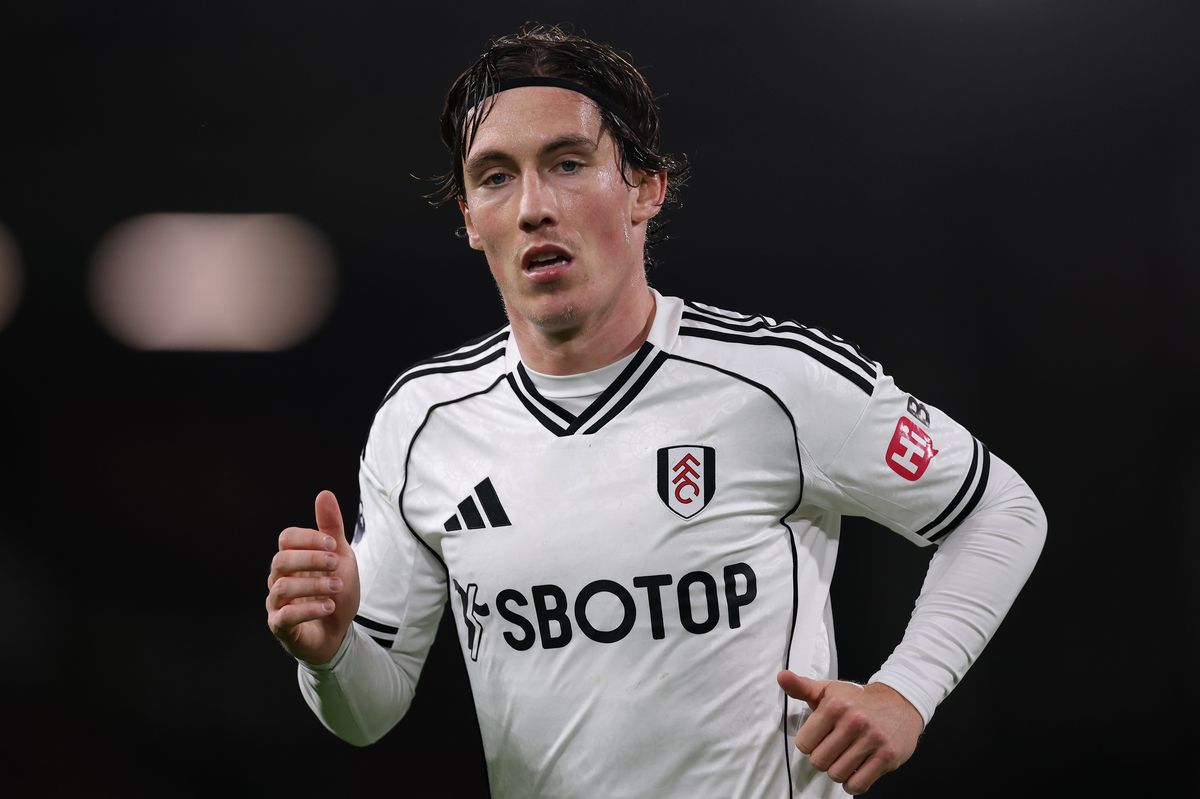
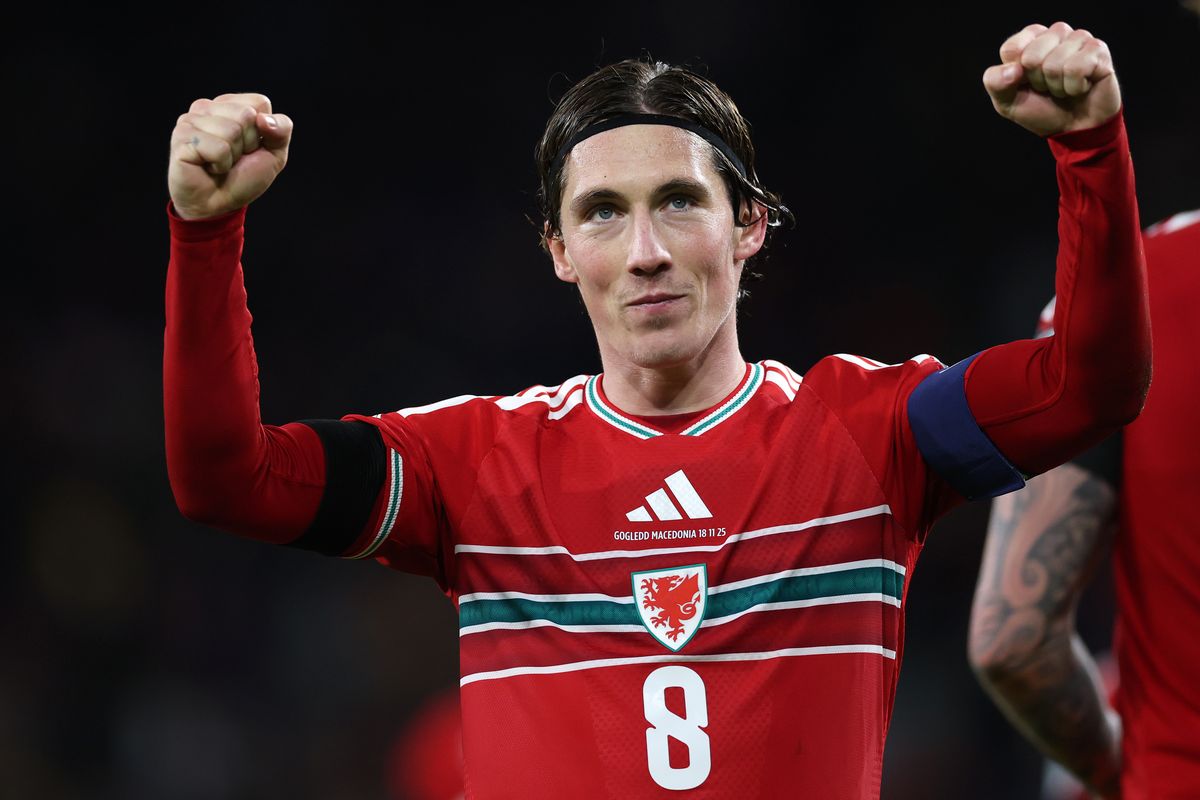
Harry Wilson has been tipped to return to Liverpool (Image: Ryan Pierse/Getty Images)Wilson has been impressing for both club and country this season (Image: Michael Steele/Getty Images)
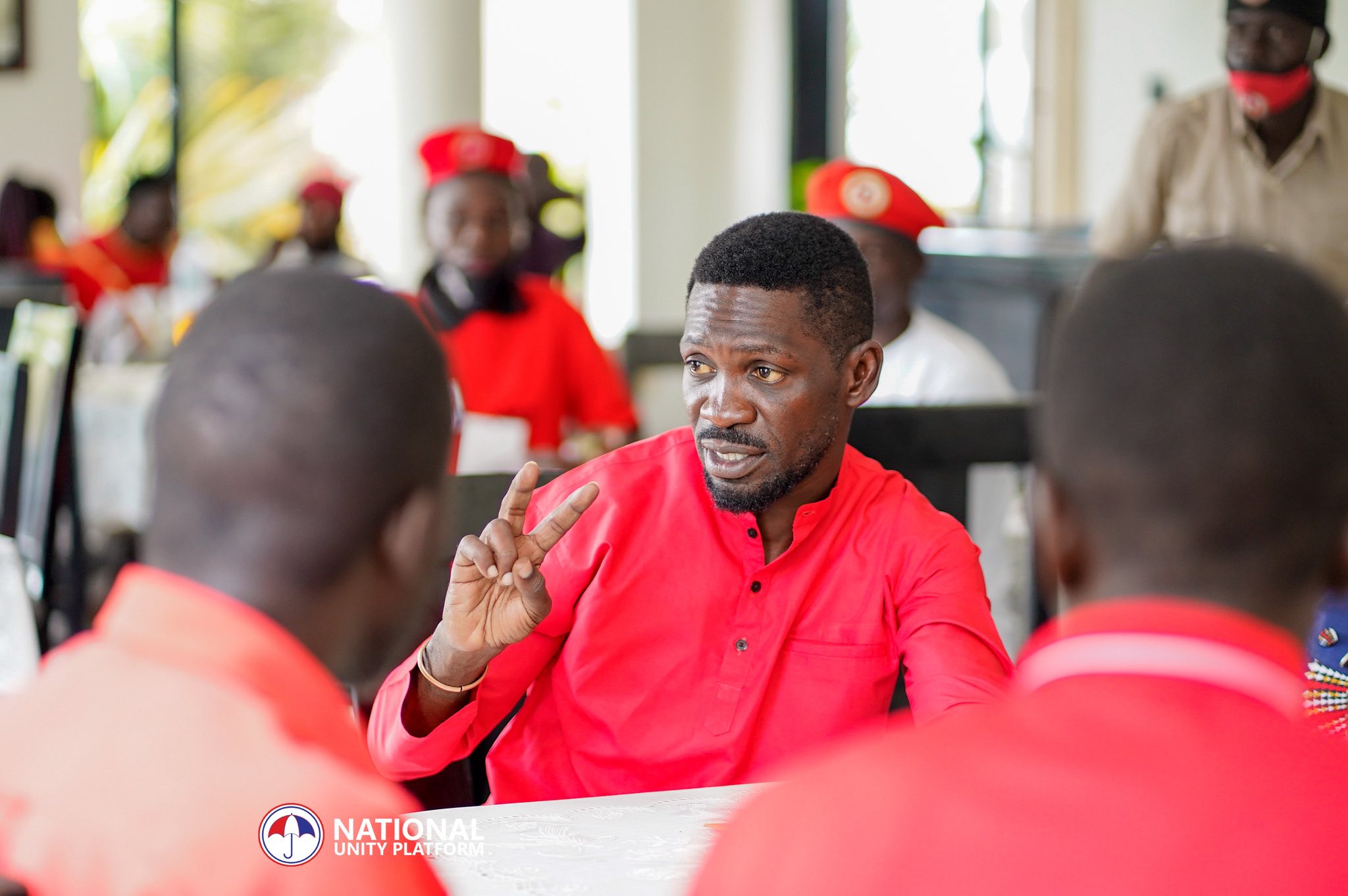
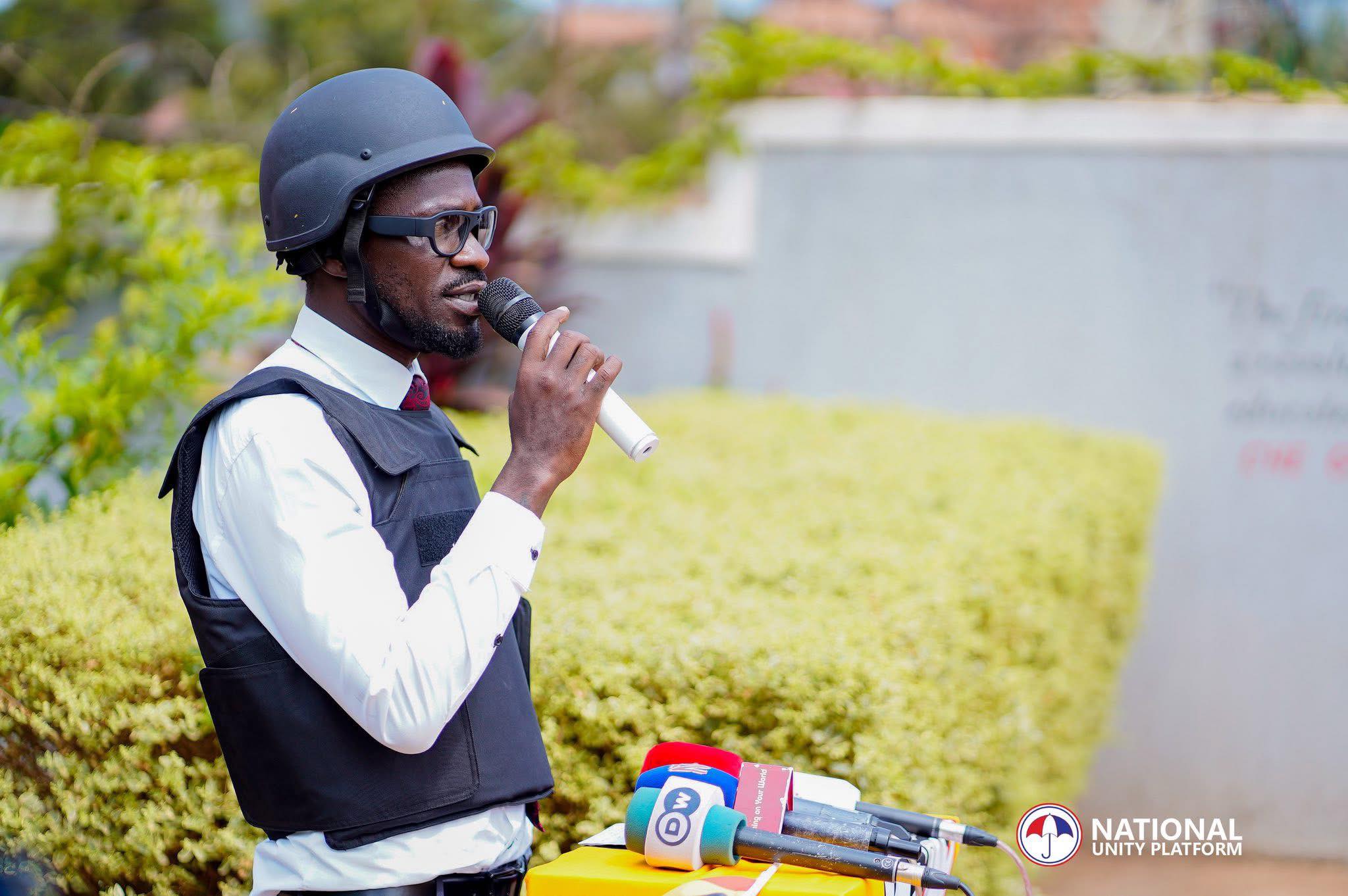
As Uganda moves toward another presidential election cycle, the conduct of state security agencies toward opposition candidate Robert Kyagulanyi Ssentamu widely known as Bobi Wine has raised serious concerns about political freedoms, fairness, and the true nature of the electoral environment.
In recent days, videos and images circulating on social media have shown heavily armed police and military units blocking Bobi Wine’s movement, diverting his convoy onto remote dirt roads, and preventing him from stopping to speak to supporters. Notably, these restrictions target only him , while other candidates reportedly continue to move freely and conduct their campaigns with minimal interference.
For many observers, these developments suggest more than routine security precautions they point to a deliberate political strategy.
Targeting Bobi Wine: A Sign of Growing Insecurity within the Regime?
Rather than appearing as a security protocol, the state’s actions seem designed to limit Bobi Wine’s access to the electorate, particularly in urban centers and densely populated areas where he historically enjoys overwhelming support.
The consistent pattern of:
Diverting him from main highways,
Blocking rallies and processions,
Deploying riot police to follow his convoy,
And preventing contact with large crowds,
Reflects a calculated attempt to weaken his momentum and minimize public enthusiasm around his candidacy.
Analysts note that long-standing regimes often respond this way when facing opposition perceived as a legitimate threat.
Bobi Wine’s Popularity: The New Energy Challenging the NRM Order
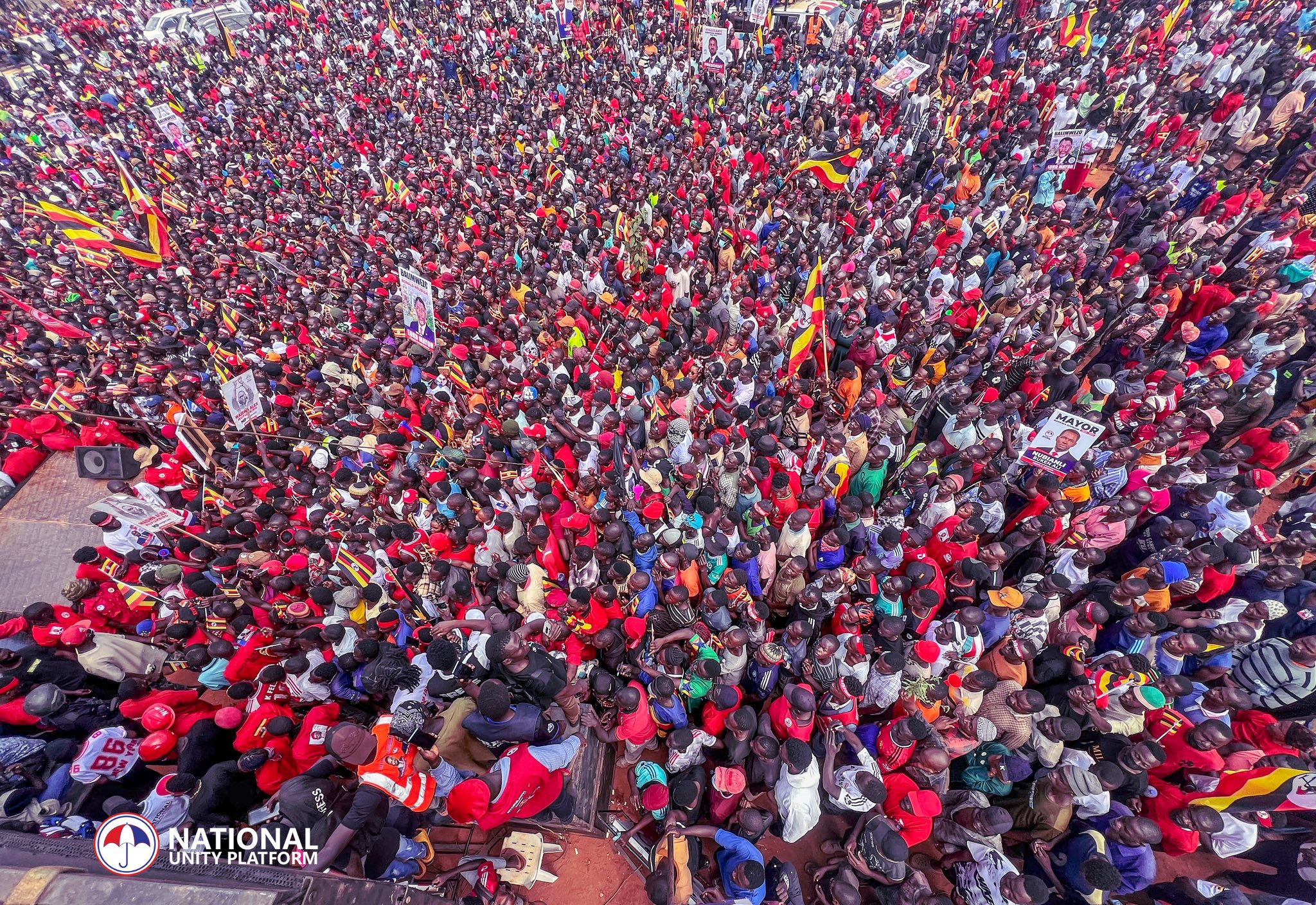
Despite limited resources compared to the ruling National Resistance Movement (NRM), Bobi Wine possesses something the regime finds difficult to counterbalance mass citizen-driven popularity, especially among Uganda’s youth.
He has become a symbol of:
Change,
Accountability,
In addition, resistance to decades of centralized political control.
Crowds that gather to see him even under heavy police presence signal a shift in the country’s political mood. For a government that has been in power for nearly four decades, such momentum represents a direct challenge to the stability of the status quo.
International observers have also taken note, viewing Bobi Wine not merely as a candidate, but as a political force with the capacity to reshape Uganda’s leadership landscape.
Museveni’s Use of State Power: Managing Elections or Managing the Opposition?
A central question emerges: Why is Bobi Wine the only candidate subjected to such levels of obstruction?
Uganda’s modern political history shows repeated reliance on:
security forces,
restrictive laws,
movement controls,
and digital blackouts
whenever opposition groups appear to gain traction.The current blockade tactics align closely with this pattern.
Political scientists argue that such strong-handed measures often reveal not confidence, but vulnerability. When a government feels fully secure in its support, it rarely needs to deploy the military to manage a political campaign.
Could Bobi Wine Actually Win Against Museveni?
Based on public sentiment and his widespread support, Bobi Wine could indeed secure a popular vote victory if elections were conducted freely and transparently.
However, the structural challenges are severe:
The Electoral Commission operates under government influence
Security agencies have historically intervened in opposition activities
The 2021 election featured an internet shutdown
Reports of intimidation and ballot irregularities have appeared in past cycles
These factors mean that even if Bobi Wine has the numbers, he may not have access to a fair electoral process capable of reflecting the people’s choice.
Afrovera’s Conclusion: The State’s Behavior Speaks for Itself
The excessive policing, selective restrictions, and targeted disruption of Bobi Wine’s campaign are not the signs of a government sitting comfortably in its authority. They instead point to a ruling system concerned about rising political tides and the possibility of losing control over the electorate.
If Bobi Wine were not a serious contender, the state would not need to deploy this level of force and obstruction.
This dynamic raises a fundamental question for Uganda’s democracy:
Is the government preparing for an election or preparing to neutralize its most formidable challenger?
As events continue to unfold, citizens and international observers will be watching closely to see whether Uganda moves toward an electoral process based on fairness, or one defined by suppression.
Davido’s record-breaking concert in Kigali which made him the first Nigerian artist to completely fill BK Arena was supposed to mark a triumphant moment for African entertainment.
Yet, shortly after the historic night, another story took over social media: claims that Davido had been held inside his hotel and barred from leaving. Afrovera.com has now verified what actually happened.
Why Davido Was Really Held at The Pinnacle Kigali
Initial rumours suggested that Davido had been prevented from leaving due to unpaid hotel bills. But multiple credible sources confirmed to Afrovera.com that this was impossible. The Pinnacle Kigali only releases rooms after full upfront payment meaning Davido’s accommodation was cleared before he even checked in.
A source familiar with the booking explained:
“Bruce Intore handled the room arrangements. Davido’s team only had to settle whatever they ate or drank and they did.”
So, if money wasn’t the issue, what caused the standoff?
The Meet & Greet Fallout
On the morning of December 6, 2025, hotel staff were preparing for Davido’s exclusive Meet & Greet. More than 100 fans had already paid premium rates to see him:
300,000 Frw per individual ticket
1,100,000 Frw for a group of four
1,500,000 Frw for a group of six
But as preparations intensified, management received shocking news: Davido and his entourage had already checked out and left Kigali.
This left the hotel scrambling for answers and with a crowd of fans expecting a superstar who was no longer in the country.
Asked about the Meet & Greet arrangements, Davido’s team insisted the singer had no contractual agreement with the hotel and directed all inquiries to Intore Entertainment, the event organiser.
Damage Discovered in Davido’s Suite
Before allowing the team’s departure, the hotel conducted a standard inspection of the rooms particularly the Executive Suite, which costs over $9,000 per night.
What they found raised the stakes.
Inside the suite:
A carpet had been burned
A glass installation was broken
Hotel staff immediately informed Davido’s team that the damage totalled $13,700 (over 19 million Frw).
According to sources who spoke to Afrovera.com:
“There was a heated exchange. Davido’s people were not happy when they were told about the damages.”
But hotel management stood firm: no payment, no departure.With few options left, Davido’s team eventually settled the bill and were cleared to leave.
A source added:
“It’s impossible to know who exactly caused the damage. Many people were constantly going in and out of the suite. What mattered was that the hotel received compensation.”
Will Fans Get Their Refunds?
The hotel has assured Afrovera.com that all fans who paid for the cancelled Meet & Greet will have two options:
Use the value of their ticket at the hotel, or Request a full refund
The Pinnacle Kigali has also confirmed it will initiate a formal discussion with Intore Entertainment to determine responsibility for the failed event.
A Night of Triumph Ending in Turmoil
Davido’s Kigali concert was a historic success but the chaos that followed has sparked unanswered questions about communication, event management, and accountability.
What is clear, however, is that the issue was never about unpaid bills, but about damages, logistics, and a Meet & Greet that collapsed at the last minute.
Afrovera.com will continue to follow this story as new developments emerge.
President Samia Suluhu Hassan has joined the nation in marking the 64th anniversary of Tanzania’s independence, delivering a message filled with gratitude, hope, and a renewed call for citizens to safeguard the country’s core values. In her statement shared on X, the President thanked the Almighty for guiding the nation through a historic journey defined by peace, unity, and stability principles she described as the foundation of Tanzania’s progress and a model admired across Africa and the world.
She emphasized that Independence Day is not only a moment of celebration but also an opportunity for reflection, reminding Tanzanians of the importance of protecting the achievements that founding leaders fought for. President Samia underlined that the country’s ongoing development is a direct reflection of the strength of its people, national capacity to plan and implement transformative programs, and the commitment to defend the interests of the nation on both regional and international fronts.
The President highlighted the visible fruits of independence, pointing to various development initiatives aimed at improving the welfare of citizens and strengthening an economy built on peace and security. She stressed that these gains are the legacy of Tanzania’s founding fathers an inheritance that must be preserved with dedication and patriotism.
In her message, President Samia encouraged citizens to continue embracing unity, pride, and commitment to nation building, reminding them that independence is a collective responsibility and a foundation for future progress. She concluded by wishing all Tanzanians a joyful 64th Independence anniversary and prayed for God’s continued blessings upon the nation.
The photo accompanying her message shows a jubilant crowd welcoming the President, a powerful display of national pride and strong connection between Tanzanian citizens and their leadership.
The International Federation of Association Football (FIFA) has announced that all matches during the 2026 World Cup will include a mandatory three-minute water break in each half to ensure players stay hydrated.
FIFA said the decision was introduced to “prioritise the health and well-being of players” and will apply to all fixtures regardless of weather conditions, in order to guarantee “fairness and consistency for all teams in every match.”
Referees will pause play in the 22nd minute of both the first and second halves to allow players to take water breaks.
The 2026 World Cup will be hosted by the United States, Canada, and Mexico in June and Julymonths during which experts have already warned of extreme heat conditions, rising temperatures, heat-related wildfires, and strong winds that could affect teams, fans, and stadium staff.
A recent report titled “Pitches in Peril”, produced by Football for the Future and Common Goal, revealed that 10 of the 16 host venues face “very high risk of extreme heat.”
Similar concerns were raised during the 2025 Club World Cup, which drew criticism from players and coaches because matches were played in unusually high temperatures.
Chelsea midfielder Enzo Fernández said he felt dizzy during one of the games due to the oppressive heat.Last week, England manager Thomas Tuchel suggested he might even keep his substitutes in the dressing room during matches, depending on the severity of heat and climate conditions they will face.
According to FIFA, the new structured water break is “a clearer and safer system” compared with previous tournaments, including the most recent Club World Cup, where hydration pauses were only taken when temperatures surpassed 32°C.
Heat concerns are also one of the reasons why FIFA scheduled 13 different kick-off times for the 2026 tournament to accommodate varying climate conditions across host cities. Manolo Zubiria, FIFA’s Chief Tournament Officer, explained: “In every match, regardless of the venuewhether it’s indoors or outdoors, whether temperatures are high or moderatethere will be a three-minute hydration break. That’s three minutes from the moment the whistle is blown in each half.”
He added: “Of course, if an injury or another stoppage occurs around the 20th or 21st minute, the referee will use their discretion to combine that interruption with the hydration break.”