Home Blog Page 53

Inside the Liverpool Dressing Room After Mohamed Salah’s Dramatic Return

0

Mohamed Salah’s return to the Liverpool pitch on Saturday was more than just a football moment. It was a story of tension, pressure, and response. After days of controversy and public debate, Salah came back in style during Liverpool’s 2-0 win over Brighton at Anfield. 

The Egyptian star did not start the match, but his presence was felt strongly when he came on early. An injury to Joe Gomez in the 26th minute forced manager Arne Slot to make a quick decision. He turned to Salah, and the forward immediately showed why he remains one of Liverpool’s most important players. 

This return came only a week after a very difficult moment. Salah had been left on the bench during the dramatic 3-3 draw against Leeds. After that game, he spoke openly to reporters, accusing Arne Slot of “throwing him under the bus” and saying that he no longer had any relationship with the Liverpool manager. 

Those comments caused shock among fans and media. As a result, Salah was completely left out of the squad that traveled to face Inter Milan on Tuesday. Many wondered if the situation had gone too far and whether Salah’s future at Liverpool was in danger. 

However, behind the scenes, things were changing. Salah and Slot held talks on Friday, just one day before the Brighton game. While the details of that meeting were kept private, it became clear on Saturday that Salah was ready to contribute again. 

When he stepped onto the pitch, the atmosphere changed. Salah looked focused, sharp, and hungry to prove a point. Within minutes, he was involved in dangerous attacks, stretching Brighton’s defense and lifting the Anfield crowd. 

His biggest moment came from a set piece. Salah delivered a perfect corner kick, and Hugo Ekitike was waiting at the back post. Completely unmarked, the French striker headed the ball home to make it 2-0 and seal the win for Liverpool. 

Ekitike had already given Liverpool an early lead in the first minute, and Salah’s assist helped him score his second goal of the game. After the match, Ekitike spoke warmly about his teammate, making it clear how much respect Salah has inside the dressing room. 

“Mohamed is a great, great professional,” Ekitike said. “I look to him as an example. You can see how much he is involved in goals and assists.” 

The young striker did not stop there. He praised Salah’s status at the club and the feeling of playing alongside him. “He is a legend here. To share the pitch is a blessing. That’s the kind of player who makes us like to watch football.” 

Ekitike also explained how simple the goal felt thanks to Salah’s delivery. “He gave me a great ball, I just had to be in a good place. It was easy to finish,” he said with a smile. 

The Frenchman admitted he wanted more. “I was looking for the hat-trick but it is going to be another time. It was good, two goals,” he added, showing both confidence and team spirit. 

He also spoke about the challenge of the match and Liverpool’s mentality. “We try to stick together and work together. Today wasn’t easy. We had to stay compact and stick together.” 

According to Ekitike, the win was fully deserved. “I think we deserved it. We did a great week and let’s continue,” he said, before reminding everyone what it means to wear the Liverpool shirt. “When you play for Liverpool, you just have to win games. We are Liverpool, we need to win.” 

Arne Slot was also asked about Salah after the match. His words suggested calm and control, despite the recent drama. “I think he was a threat,” Slot said. “The first ball he touched, he almost made an assist for [Alexis] Mac Allister.” 

Slot highlighted Salah’s constant involvement and impact. “He was constantly involved in the fact we had Mo. Pleasing to see but not a surprise,” the manager explained. 

The Liverpool boss also made it clear that bringing Salah back was not a difficult choice. “It was an easy decision to put him in the squad,” Slot said. “I have said many times before what has been said between us will stay between us.” 

Slot pointed to Salah’s assist as proof of his value. “We needed him and he assisted for the 2-0 which is nice for us,” he added, noting how important set pieces were after earlier struggles this season. 

Looking ahead, Slot also mentioned Salah’s upcoming departure for the Africa Cup of Nations. “He goes to the AFCON and that means for us another player down,” he said. “This is what we knew before the season started.” 

Despite that challenge, there was a note of hope. “Hopefully one or two players can come back from injury,” Slot concluded. 

For now, Liverpool fans can breathe easier. The controversy has not disappeared, but on the pitch, Salah answered in the best way possible. His assist, his attitude, and the words of his teammates showed that, at least inside the dressing room, respect remains strong. 
Real Madrid Star Sent on Loan Amid Father’s Explosive Message

0

Real Madrid has made a bold decision this January. The club has agreed to loan 19-year-old Brazilian striker Endrick to Olympique Lyon for the rest of the season. The move is designed to give him the regular playing time he desperately needs, something he has struggled to find this season under Xabi Alonso. 

Endrick made a sensational debut campaign for Real Madrid, scoring seven goals and instantly catching the attention of fans worldwide. However, this season has been very different. With Gonzalo Garcia rising in the pecking order, Endrick has found himself sidelined, making only 11 minutes on the pitch so far. 

The decision to loan him to Lyon is a strategic one. Real Madrid wants to keep him in their plans for the 2026 World Cup, allowing him to grow as a player without losing control over his future. Olympique Lyon, led by coach Paulo Fonseca, promises the Brazilian striker vital playing time in Ligue 1. 

Endrick’s father, Douglas Sousa, has openly expressed his frustration over his son’s lack of minutes at Real Madrid. After yet another game where Endrick didn’t play, Sousa posted a strong message on social media that drew wide attention. 

“They want to take away your shine,” he wrote. Sousa described the current situation as one of the most difficult periods of Endrick’s young career. He stressed that his son, who is destined to be one of the great stars of football, is being overlooked despite his talent. 

This is not the first time Sousa has publicly defended Endrick. A month ago, when the Brazilian had not played since before the Club World Cup, Sousa shared a heartfelt post on social media. He wrote: “I know, my son, how hard you work and how much you dedicate every minute of your day. I know what you are capable of. You are a winner and you are showing everyone that you are a true warrior. Your star will continue to shine, even if some try to dim your light. I believe your future is right there.” 

In his latest message, Sousa also referenced a biblical quote from Matthew 23:12: “Whoever exalts himself will be humbled; and whoever humbles himself will be exalted.” This was a clear warning, not just for Endrick but indirectly for those controlling his playing time at Real Madrid. 

The message underlined the importance of humility in football. Talent alone is not enough to succeed. Sousa highlighted that those who remain humble, work hard, and understand that the team comes first often grow faster, earn respect, and find opportunities others may miss. 

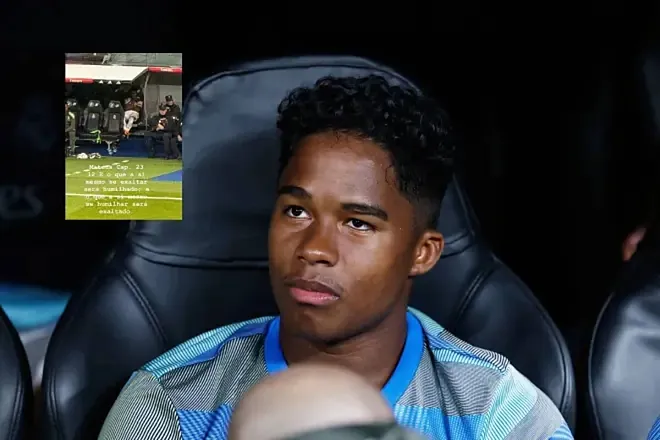
The social media post included a symbolic image of Endrick sitting alone on the Real Madrid bench. The image captured the young striker’s isolation and frustration as he waited for chances that rarely came. 

Endrick’s move to Lyon is seen as a fresh start. The club is renowned for developing young talent, and the expectation is that he will gain the experience and confidence needed to return to Madrid stronger than ever. 

Lyon coach Paulo Fonseca expressed excitement about the arrival of Endrick. “He is a talented young player with enormous potential,” Fonseca said. “We are looking forward to giving him the minutes he needs and helping him continue his development in Ligue 1.” 

For Real Madrid, the loan ensures that Endrick continues to progress without the pressure of sitting on the bench. It is a common strategy for top clubs to loan young stars to competitive leagues to accelerate their growth. 

Endrick’s father, Douglas Sousa, is determined to protect his son’s career. His outspoken support highlights the intense scrutiny young talents face at elite clubs. Sousa’s social media posts have sparked debates among fans about whether Real Madrid is handling Endrick fairly. 

Many fans sympathize with the Brazilian striker. “He deserves more minutes,” one supporter wrote online. “This loan is the right move. Endrick needs to play, not sit on the bench.” 

Despite the challenges, Endrick remains focused. Sources close to the player say he is eager to prove himself in Lyon and show that he belongs among the world’s top football talents. 

Real Madrid is carefully monitoring his progress. The club believes that with regular playing time in Ligue 1, Endrick can refine his skills, gain confidence, and be ready to make an impact when he returns to Spain. 

This loan also protects Endrick’s value. Playing regularly in a top European league ensures that he continues to develop without stagnating, a risk that could have occurred if he stayed on the bench at Madrid. 

Endrick’s teammates have expressed support for him. Many acknowledge his talent and are excited to see him get the opportunities he deserves. 

The loan agreement is clear: Lyon has no buy option, ensuring that Real Madrid retains full control over Endrick’s future. This gives Madrid flexibility while also allowing Endrick to gain crucial experience. 

The coming months will be decisive for the young Brazilian. Fans, coaches, and even his father are watching closely, hoping that Lyon will be the environment where Endrick flourishes. 

If he succeeds, this loan could mark the start of a stellar chapter in his career, paving the way for his potential starring role in the 2026 World Cup and beyond. 

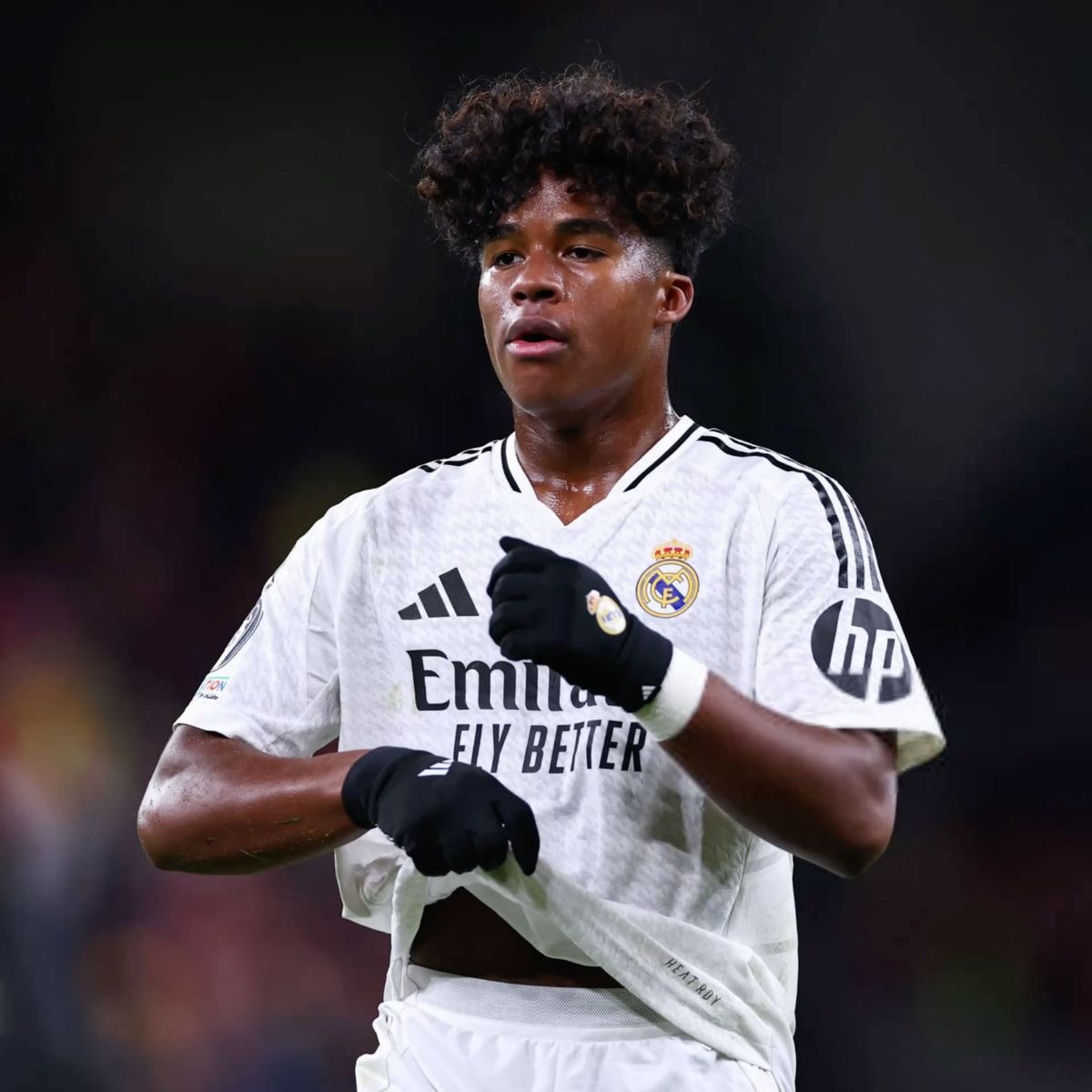
Endrick sits on the Real Madrid bench, waiting for his chance to shine, as his father speaks out about his limited minutes
From bench to breakthrough? Endrick prepares for his next chapter at Lyon

Breaking News: Burundi Hosts Special FDLR Fighters as Tensions Escalate with Rwanda

0

Burundi has officially welcomed fighters from the FDLR rebel group, as tensions rise with Rwanda following recent developments in South Kivu, Democratic Republic of Congo (DRC). The move comes after the AFC/M23 coalition advanced rapidly, capturing key territories in the Rusizi Basin, including the city of Uvira. 

Between December 7 and 10, 2025, hundreds of FDLR fighters crossed into Burundi alongside roughly 20,000 soldiers from the DRC army (FARDC) and the Wazalendo alliance. Most entered via the Rusizi River bridge, the natural border between Burundi and DRC, before being gathered at temporary camps in Cishemere, Kansega, and the Buganda football stadium. 

At Buganda, the Burundi army provided food and support for about 1,600 FARDC and FDLR fighters, while over 400 Wazalendo troops reportedly did not receive the same assistance. Analysts say this reflects Burundi’s long-standing cooperation with FDLR and FARDC. 

Reports from SOS Medias indicate that Burundi is preparing a larger camp further from the border to host FDLR, FARDC, and Wazalendo fighters, awaiting support from the International Committee of the Red Cross (ICRC). The ICRC plays a critical role in managing humanitarian issues in conflict zones, including prisoner exchanges and safe transport of combatants back to DRC. 

While FARDC and Wazalendo fighters could eventually return to Kinshasa or other government-controlled areas, the status of FDLR fighters, many of whom are Rwandan, remains uncertain. Observers are closely watching whether Burundi will keep them, treat them as refugees, or allow repatriation to Rwanda. 

Burundi has maintained a complex relationship with FDLR for years. A United Nations report from 2009 documented that weapons used by FDLR were routed through Burundi via Uvira and Fizi. Reports suggest that Burundi purchased rifles in Malaysia in 2008, intended for its police force, which were later diverted to FDLR in exchange for minerals. 

Since CNDD-FDD came to power in 2005, Burundi has reportedly provided safe havens for FDLR fighters. Hundreds were hosted in Bujumbura before being sent to fight in eastern DRC. During campaigns like Kimia II in 2009, FDLR fighters fleeing clashes also found refuge in Burundi. 

High-ranking Burundian officials, including the late Gen. Adolphe Nshimirimana and other senior officers, reportedly coordinated closely with FDLR commanders, providing medical aid, equipment, and strategic support. Agricole Ntirampeba, now Burundi’s ambassador to DRC, confirmed historical collaboration with FDLR commanders. 

In 2015, Burundi reportedly relied on FDLR fighters to secure the capital during political unrest, highlighting the depth of their operational ties. Since 2022, following the deterioration of Burundi-Rwanda relations, the government has further strengthened connections with FDLR and FLN, aligning them to regional strategic interests. 

Burundi deployed troops to eastern DRC starting in 2022, reportedly coordinating with FDLR in Masisi and other areas. The collaboration is partly motivated by local political and economic interests, as well as historical tensions between communities. 

As M23 forces advanced, expelling Burundian troops from parts of northern and southern Kivu, FDLR, FARDC, and Wazalendo fighters may become central to a planned counter-offensive. This partnership blurs the line between refugees and active combatants, with FDLR fighters in Burundi potentially taking part in military operations against M23. 

Civilians along the Rusizi border and surrounding areas are living under high tension. Trade routes are disrupted, markets struggle to operate, and daily life remains uncertain. Security analysts warn that FDLR’s involvement could further complicate relations between Burundi, Rwanda, and DRC, increasing the risk of a regional crisis. 

Burundi’s hosting of FDLR fighters underscores the country’s determination to protect national interests and respond to regional instability. The international community, particularly the UN and ICRC, continues to monitor the situation closely due to its potential impact on regional peace and humanitarian conditions. 

The presence of FDLR fighters in Burundi signals a new phase in the Great Lakes region’s ongoing conflicts. With cross-border tensions rising, both civilian populations and neighboring countries face heightened uncertainty. Observers stress the need for careful diplomacy, humanitarian support, and close monitoring to prevent escalation into a wider regional conflict. 

Breaking News: Burundi Declares Open War Against Rwanda Following Fighting in South Kivu

0

After intense fighting in the eastern Democratic Republic of Congo (DRC), Burundi has announced that it may enter an open war with Rwanda, following a series of incursions and alleged cross-border attacks reportedly carried out by Rwanda.

The Burundian government, through its representative at the United Nations in New York, stated that it is prepared to use all necessary force to defend the country’s sovereignty if these cross-border activities continue.

Ambassador Zéphyrin Maniratanga emphasized that his country’s sovereignty is being violated by heavy artillery attacks and unmanned aerial drones, which have been used to shoot at and intimidate civilians.

Burundi accused Rwanda of ignoring UN Resolution 2773, which calls for the withdrawal of Rwandan troops from eastern DRC and the cessation of military operations that threaten regional security.

Maniratanga said, “These actions violate our country’s sovereignty, endanger civilian lives, and undermine all efforts toward regional peace.”

There are concerns that the conflict in eastern DRC could spill over into neighboring countries, as the powerful AFC/M23 group continues to capture major cities, including Uvira, Bukavu, and Goma.

This has prompted Burundi to take stringent security measures, leaving residents near the Ruzizi border, Bujumbura Rural, and other areas bordering the DRC under significant pressure to protect themselves or flee.

Residents of Ruzizi and other areas report that in recent days, borders were closed—not because of their actions, but due to concerns over their ability to ensure security after M23 suddenly captured Uvira. Some say that within hours of the border closure, many residents wondered if a serious crisis had occurred.

In a statement on December 11, 2025, AFC/M23 confirmed that it has no plans to cross DRC’s borders into Rwanda or Burundi. The group’s spokesperson, Lawrence Kanyuka, stated that their goal is solely to ensure peace and security for DRC citizens, and they have no political or expansionist ambitions in neighboring countries.

However, after Burundian troops, FARDC, and FDLR forces sought refuge in Burundi, rumors about a potential attack on Burundi began circulating on social media and in the press. Some questioned whether an international war was being planned following Burundi’s defensive preparations.

Analysis shows that the main reason for these rumors is AFC/M23’s rapid capture of Uvira and control over three major cities in eastern DRC. This has raised fears that the group might attempt to cross the Ruzizi River. Moreover, Burundi had over 20,000 troops engaged in fighting in Sud-Kivu alongside FARDC, Wazalendo, and FDLR, increasing concerns over potential retaliation by M23.

Civilians in Bujumbura Rural, Ruzizi, and surrounding areas say they have been living in fear of reports about the conflict, looking for safe places to flee, and preparing for possible escalation. Their lives have been severely disrupted.

Diplomatically, Burundi has continued to pressure Rwanda, accusing it of cross-border activities that negatively affect the safety of Burundian citizens.

Ambassador Maniratanga urged the UN Security Council to pass measures, including military and political sanctions against Rwanda, to prevent the situation from escalating.

Security analysts note that an open war between the two countries could stem from two main factors: first, fear that Burundi’s troops remaining in the Kivu fighting could be targeted by M23; second, concern that AFC/M23 might retaliate against Burundian and FARDC forces and their allies.

Security experts say Burundi’s stance is preparatory, but it does not mean war is inevitable. They stress that spreading fear-inducing information could destabilize regional peace and endanger civilians.

In reality, AFC/M23 continues to maintain that its operations are aimed solely at maintaining peace and security in the DRC, with no intention of entering Burundi. The group’s leader said that Uvira is a Congolese issue, to be resolved by Congolese authorities, and that the sovereignty of neighboring countries is respected.

Residents of Uvira and nearby hills report noticing changes in security, with trade routes reopening, markets resuming, and city life gradually returning to normal, though fear remains high.

Civilians along the DRC-Burundi border remain at risk due to the potential disruptions caused by the conflict. Their livelihoods, property, and safety have been affected, with many fleeing to less secure areas or being caught in fear-driven panic.

Reports also indicate that Burundi has closed all borders adjacent to the DRC to prevent unauthorized entry.

Although Burundi appears to have declared open war against Rwanda, this does not mean immediate conflict is unavoidable. However, it highlights the growing insecurity in the Great Lakes region, signaling that both authorities and civilians need to prepare for long-term consequences, and that the international community must continue to monitor and resolve diplomatic tensions swiftly.

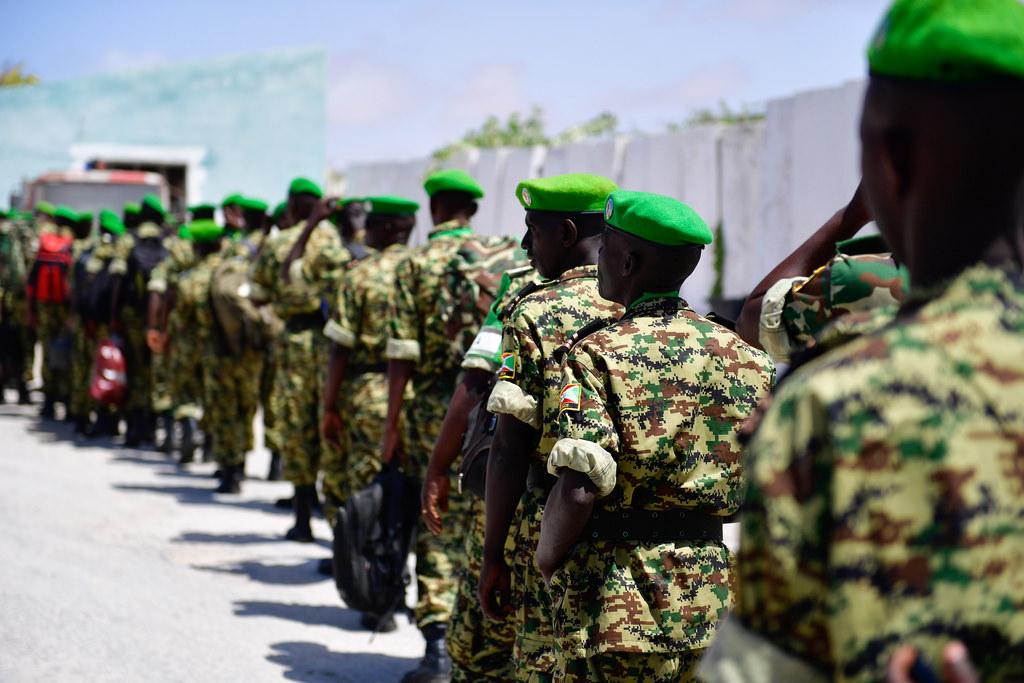
Burundi Army soldiers patrol near the Ruzizi border amid rising tensions with Rwanda following clashes in South Kivu, DRC. The Burundian military is on high alert to protect national sovereignty and border security.

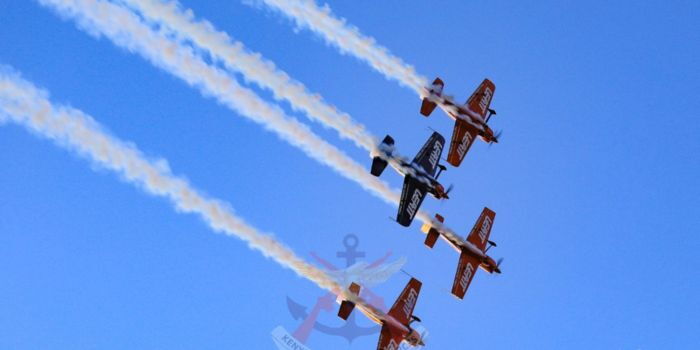
Terror in the Sky at Nyayo: Low-Flying Kenya Air Force Jet Shakes Homes, Sparks Fear, and Leaves Millions in Damage on Jamhuri Day

0

Kenya’s 62nd Jamhuri Day celebrations at Nyayo National Stadium were meant to be a proud moment of unity, color, and national strength. Instead, the day took a shocking turn when Kenya Defence Forces fighter jets flew dangerously low over nearby residential areas, leaving fear, panic, and destruction in their wake. 

On Friday, December 12, many Kenyans were left shaken after the thunderous roar of Kenya Air Force jets filled the skies above Nyayo National Stadium. What was planned as a display of military strength quickly became a frightening experience for residents living near the stadium. 

The powerful flyover happened as President William Ruto and other top government officials watched the celebrations. Even high-profile dignitaries were reportedly startled by the unexpected intensity of the fighter jet display. 

As the jets passed low over Nairobi West Estate, their vibrations caused serious damage to nearby homes. Windows shattered, walls cracked, and ceilings trembled as the aircraft tore through the sky at an unusually low altitude. 

Residents who were inside their houses at the time were forced to run for safety. Many described the moment as terrifying, saying they thought an explosion had occurred. 

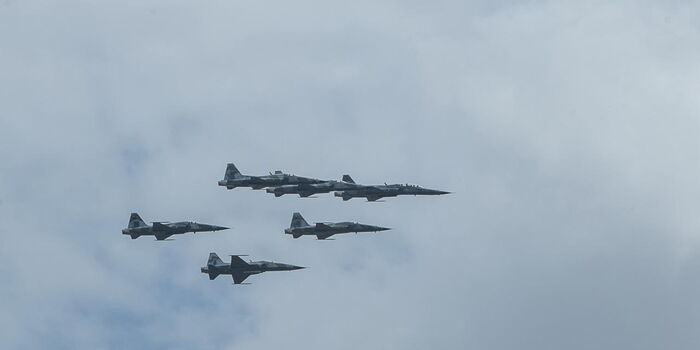
The fighter jets involved were identified as Northrop F-5 Tiger II aircraft, commonly used by the Kenya Air Force during national celebrations. However, locals say this flyover was far lower than anything they had ever witnessed before. 

According to residents, the damage caused by the low-flying jets is worth millions of shillings. Homes along the flight path suffered broken windows, cracked walls, and damaged electrical fittings. 

One Nairobi West resident, speaking to Citizen TV, described the moment of fear in chilling detail. “Imagine out of the blue you hear a big blow and something like a blast of glass suddenly breaks. So far, I do not think there are injuries, but it caused a lot of fear,” the resident said. 

Another local expressed anger and concern over safety standards during such events. “We want people to consider the safety procedures. This damage was caused because the jet flew so low than expected. We hope the government will consider the damages and compensate us,” the resident added. 

Footage seen by Kenyans.co.ke revealed the full extent of the destruction. Large and visible cracks could be seen on both the interior and exterior walls of several houses. 

The video also showed shattered windows and broken bulbs, with damaged wiring and bulb holders hanging loosely from ceilings. Floors inside the houses were covered with broken glass, making some homes unsafe to occupy. 

Despite the chaos and damage, there were no immediate reports of injuries. However, residents say the psychological impact was severe, with children and elderly people left deeply shaken. 

Many affected families are now demanding compensation from the government. They argue that the damage was not caused by natural disaster, but by a state-organized event that failed to follow proper safety measures. 

Residents are also calling on President William Ruto’s administration to guarantee their safety during future national celebrations. They want clear rules to ensure military displays do not put civilian lives and property at risk. 

Traditionally, the Kenya Defence Forces showcase military jets during public holidays like Jamhuri Day to demonstrate professionalism, readiness, and national strength. These flyovers are meant to inspire pride and confidence among citizens. 

Military jets also symbolize Kenya’s ability to protect its airspace and defend its independence. They are flown to entertain the public and highlight the country’s military capability. 

However, many Kenyans feel that this year’s display crossed a dangerous line. What should have been a moment of pride instead turned into fear and loss for innocent families. 

The incident has sparked a wider conversation about safety planning during national events. Kenyans are now questioning how such a risky maneuver was approved in a densely populated area. 

As investigations are expected to follow, affected residents hope their voices will be heard. They want accountability, compensation, and assurance that such a frightening incident will never happen again. 

For many in Nairobi West, Jamhuri Day 2025 will not be remembered for celebration, but for the terrifying moment when the sky shook their homes and turned joy into fear. 


Jets flying during the Jamuhuri Day airshow at Nyayo Stadium on December 12, 2025. PCS
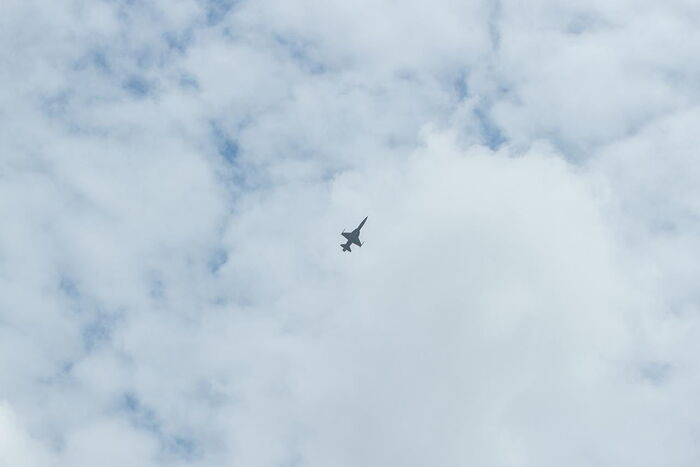
A Jets flying high in the sky during the Jamuhuri Day airshow at Nyayo Stadium on December 12, 2025. PCS
The Kenya Defence Forces (KDF) fighter jets during a military air show. Photo: KDF

3AM Tragedy on Nairobi–Nakuru Highway: How a Quiet Drive Home Ended the Life of Cyrus Jirongo

0

The Kenyan political scene has been shaken by the sudden and painful death of former Cabinet Minister and Lugari Member of Parliament, Cyrus Jirongo. News of his passing spread quickly on Saturday morning, leaving many Kenyans in shock and disbelief. 

According to early reports, Cyrus Jirongo died following a grisly road accident that occurred in the early hours of the morning. Sources close to the matter revealed that the crash happened at around 3 am as he was driving back to his home in Lugari. 

The fatal accident occurred in the Karai area of Naivasha, along the busy Nairobi–Nakuru highway. His vehicle was involved in a collision with a 45-seater passenger bus, an impact so severe that he reportedly died on the spot. 

Authorities later confirmed the tragic incident. Rift Valley traffic enforcement officer Sarah Chumo stated that the vehicle carrying the former legislator rammed into the bus, sustaining massive damage. The force of the crash left little chance for survival. 

At the time of his death, Cyrus Jirongo was 64 years old. He was a well-known political figure who played an active role in Kenyan leadership during the late 1990s and early 2000s, as well as in later years. 

Jirongo served as the Minister for Rural Development during the administration of Kenya’s second President, Daniel arap Moi. His tenure in Cabinet lasted from March 2002 until December of the same year, a period marked by major political transitions in the country. 

Before and after his Cabinet role, he also represented Lugari Constituency in Parliament. He served as Member of Parliament from 1997 to 2002 and later returned to the House between 2007 and 2013, earning a reputation as a vocal and influential leader. 

Beyond Parliament, Jirongo remained active in politics through different election cycles. In 2017, he made a bold move by vying for the presidency under the United Democratic Party, UDP. Although the bid was unsuccessful, it showed his continued ambition and belief in his political vision. 

In that presidential race, Jirongo garnered about 11,000 votes. This figure represented 0.07 per cent of the total votes cast nationwide, placing him far behind the leading candidates but still securing his name in Kenya’s political history. 

His last major political contest came in 2022, when he ran for the Kakamega gubernatorial seat. He contested under the UDP banner but lost the race to Orange Democratic Movement candidate Fernandes Barasa. 

After that defeat, Jirongo largely maintained a low public profile. Many believed he had stepped back from frontline politics, choosing instead to observe events from a distance while focusing on private life and business interests. 

However, in recent weeks, he had quietly re-emerged on the campaign trail. He publicly endorsed DAP-Kenya candidate Seth Panyako in the Malava by-elections and actively campaigned for him ahead of the mini-polls held on November 27. 

News of his death triggered an outpouring of grief from leaders across the political divide. Many described him as a seasoned politician, a community pillar, and a man who remained committed to public service until his final days. 

Bungoma Governor Kenneth Lusaka was among the first leaders to mourn him publicly. In his message, Lusaka said, “Death has robbed us of one of our greatest sons. Rest in peace, Honourable Cyrus Jirongo.” 

The Central Organisation of Trade Unions Secretary General, Francis Atwoli, also expressed deep sorrow upon learning of the tragedy. He wrote, “This morning, with a lot of shock and sadness, I have learnt of the passing on of Cyrus Jirongo, who was an asset to our community and Kenya. We loved him, but God loved him more. May your soul rest in peace!” 

These messages reflected the respect Jirongo commanded, even among those who differed with him politically. To many, he was a familiar face whose journey mirrored Kenya’s evolving democratic story. 

His death has also reignited concerns over road safety on major highways, especially the Nairobi–Nakuru route, which has witnessed numerous fatal accidents over the years. 

As investigations into the exact circumstances of the crash continue, Kenyans are left mourning a leader whose life ended suddenly, far from the political rallies and public debates that once defined his days. 

Cyrus Jirongo leaves behind a legacy shaped by ambition, resilience, and decades of engagement in national affairs. His passing marks the end of a chapter in Kenya’s political history, one that many will remember with mixed emotions of admiration, debate, and respect. 

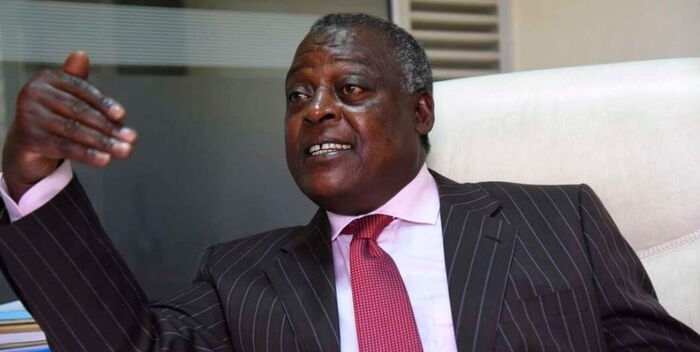
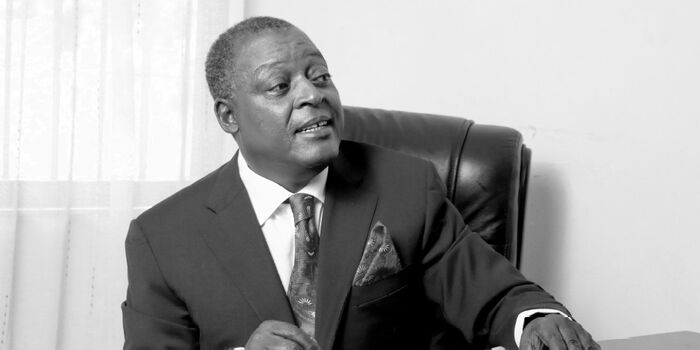
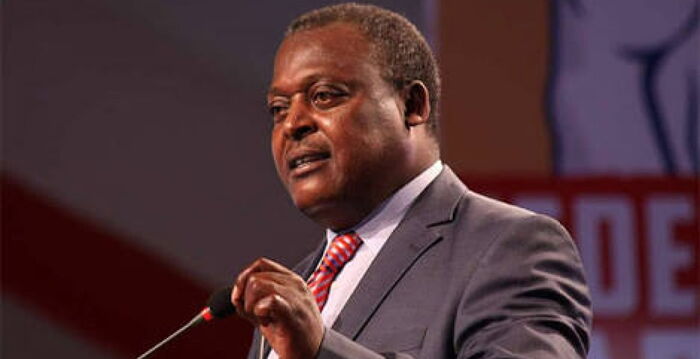
Former Minister for Rural Development and Lugari member of parliament, Cyrus Jirongo. Photo
Former Lugari Member of Parliament, Cyrus Jirongo. Photo
Former Lugari Member of Parliament, Cyrus Jirongo. Photo: Cyrus Jirongo

Iwacu Tonight Organizer Espoir Buterezi «Boutros» Moves to the U.S., Reunites with Family After 6 Years

0

NAIROBI / USA:  Renowned cultural events organizer Espoir Buterezi, popularly known as «Boutros» and widely recognized for his role in organizing the IWACU TONIGHT cultural shows in Nairobi, has officially relocated to the United States of America. The move comes after six years of separation from his wife and children, marking a major turning point both in his personal life and career.

In an exclusive phone interview with a journalist from Afrovera based in Nairobi, Espoir’s wife, Claudine Munezero Nyambanza, expressed deep joy and gratitude following the long-awaited family reunion, emphasizing the emotional significance of Espoir finally reuniting with his children.

“You can imagine how overwhelming this joy is. We are extremely happy and thankful to God. Waiting for six years was not easy, but what sustained me was trust, prayer, and constant communication,” Claudine told Afrovera.

A FAMILY ROOTED IN HERITAGE AND IDENTITY

The family background of Espoir Buterezi carries strong cultural and historical identity. Claudine Munezero Nyambanza is known as a daughter of the Abasinzira lineage of the Abayira, while Espoir Buterezi is recognized as a descendant of the Umunyuranya lineage. Both originate from the highlands of South Kivu in the Democratic Republic of Congo (DRC), a region deeply associated with the history and culture of the Banyamulenge community.

These roots have significantly influenced Espoir’s passion for cultural preservation and community engagement, especially within the diaspora.

IWACU TONIGHT: A PLATFORM THAT BUILT A NAME

Espoir Buterezi rose to prominence in Nairobi through his involvement in organizing Iwacu Tonight, a cultural and community-based show co-organized with Muvunyi Steven, a journalist and content creator behind the YouTube channel MM TV1.

Iwacu Tonight served as a cultural bridge for the Banyamulenge diaspora, bringing together artists, public figures, comedians, and fans in a live, interactive setting. The show aimed to help Banyamulenge children born or raised in exile reconnect with their history, culture, and identity, while also strengthening unity within the community.

The event gained notable popularity in Nairobi, drawing large audiences from the Banyamulenge refugee and diaspora community, as well as friends and supporters, particularly Kinyarwanda speakers.

A NEW CHAPTER IN THE UNITED STATES

Espoir’s relocation to the U.S. is not only a professional transition but also a long-awaited family reunification. Sources close to the family say the move restores emotional stability after years of separation caused by migration and life challenges common within diaspora communities.

While his departure from Nairobi marks the end of an important chapter, many believe Espoir’s contribution to cultural promotion is far from over. With the growing Banyamulenge and Great Lakes diaspora in North America, expectations are high that Boutros may extend or reinvent cultural initiatives like Iwacu Tonight on a broader, international scale.

As congratulatory messages continue to pour in from friends, collaborators, and fans across Kenya and beyond, Afrovera will keep following Espoir Buterezi’s journey and his continued impact on culture, media, and community life within the diaspora.

Espoir Buterezi “Boutros,” one of the key figures behind Nairobi’s Iwacu Tonight cultural shows.
Claudine Munezero Nyambanza, wife to Espoir Buterezi, speaking on family reunion after years of separation.
A joyful moment as children reunite with their father after years apart.


A family moment captured after reunion, symbolizing patience, faith, and togetherness.
Espoir Buterezi (left) with a close associate during community engagements in Nairobi.
spoir Buterezi during one of his public appearances in Nairobi before relocating to the U.S.

Arteta Drops a Shock Answer as Arsenal Face an Injury Storm. Fans Stunned by His Gabriel Jesus Verdict

0

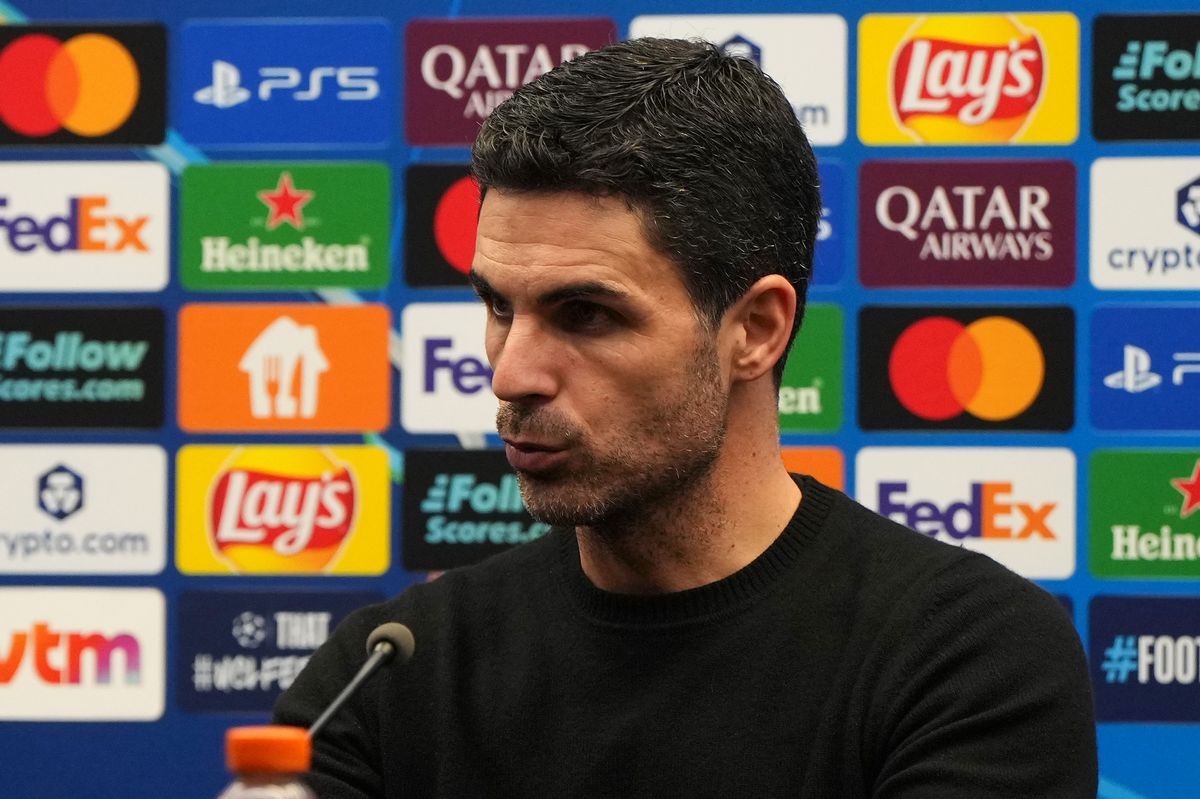
Arsenal manager Mikel Arteta has surprised everyone with a strong and clear message during his latest press conference. With his team struggling through a heavy injury crisis, Arteta refused to even think about selling Gabriel Jesus in the January transfer window. His answer was short, sharp, and full of meaning, and it shows exactly how serious things have become inside the Arsenal camp. 

Arteta’s team is currently fighting at the top of the Premier League. They are only two points behind Manchester City, and every match matters. But the problem is simple: too many players are injured. At a moment when Arsenal need a full and strong squad, Arteta is missing up to eight players. 

This is why the return of Gabriel Jesus has come at the perfect time. The striker had been out for 11 long months with a serious knee injury. It was a difficult and emotional journey for him as he worked his way back to fitness. But this week, he finally stepped onto the pitch again. 

Jesus made his comeback during Arsenal’s 3–0 Champions League win over Club Brugge. He came off the bench and immediately showed his energy and hunger. Arteta said Jesus proved his value “straight away in the first minute that he was available to play.” 

Arsenal now face Wolves in the Premier League. It is a top-vs-bottom clash, and normally such a match might look easy. But Arteta refuses to take any team lightly. Wolves may have only two points from their 15 matches, but Arsenal’s manager says this is exactly when teams fight the hardest. 

Arteta explained: “In any Premier League match and especially against a team that is fighting against results, I know the manager really well and how he’s going to push and get the players ready to do that. So from our side, we’re going to go full gas from the beginning.” 

But the real headline moment came when a reporter asked Arteta if he would consider selling Jesus in January. The answer was immediate. The answer was strong. The answer spoke volumes. 

“No, I don’t consider that, especially with the situation that we have right now,” Arteta said.
“I think Gabriel has a lot to offer to the team and he’s proven that straight away. He’s put so much to be in this position again and now the focus is to be with us.” 

Arteta made it clear: Jesus is not for sale. Not even close. Not even a conversation. 

This is an important message to fans, rivals, and the whole football world. When some clubs might consider selling players to raise money for new signings, Arsenal are doing the opposite. Arteta wants to keep Jesus and make him a key part of the title push. 

The manager is also confident that Jesus can compete with Viktor Gyokeres for the role of Arsenal’s main striker.
“Yes. A player of his quality, a player that has given us so much,” Arteta said.
“He comes with the energy that he came the other day. He’s certainly a player that has to be pushing and aiming for that. That’s for sure.” 

This shows how much belief Arteta has in him, even after nearly a year away from the game. 

For Jesus, the comeback is emotional. After the game against Brugge, he shared his feelings openly.
“So with 11 months of helping myself and then feeling scared to come back different, maybe with some limitations… just to walk outside and then play with the boys, I’m so pleased,” he said.
“I feel more than ready. So, I’m here to say God saved my life.” 

His honesty touched many fans. It is not easy for any player to return after such a long injury, especially with fear of being different or not as strong as before. But Jesus showed courage and faith. 

Arsenal will rely on him over the next few weeks. The schedule is busy and intense. They face Wolves, Everton, Brighton, and Aston Villa, four tough Premier League games. They also have a Carabao Cup quarter-final against Crystal Palace in between. 

With Kai Havertz still out injured and Leandro Trossard a doubt, Arteta needs every strong player he can get. This is why he talked about the importance of a big squad, especially during the Christmas period when matches come one after another. 

The message is simple: Arsenal are fighting for the title, and Gabriel Jesus is a big part of that fight. 

Arteta’s decision not to sell him shows how much he values Jesus’ experience, energy, and leadership. The team needs him now more than ever. 

As Arsenal push forward in their title chase, fans will surely watch Jesus closely. Can he regain his old form? Can he become Arsenal’s main striker again? Can he help carry the team through this injury storm? 

What is clear for now is that Arteta believes in him. Jesus believes in himself. And the Arsenal story is getting more exciting every week. 

Mikel Arteta doesn’t want to sell Gabriel Jesus (Image: Alex Bierens de Haan/UEFA via Getty Images)
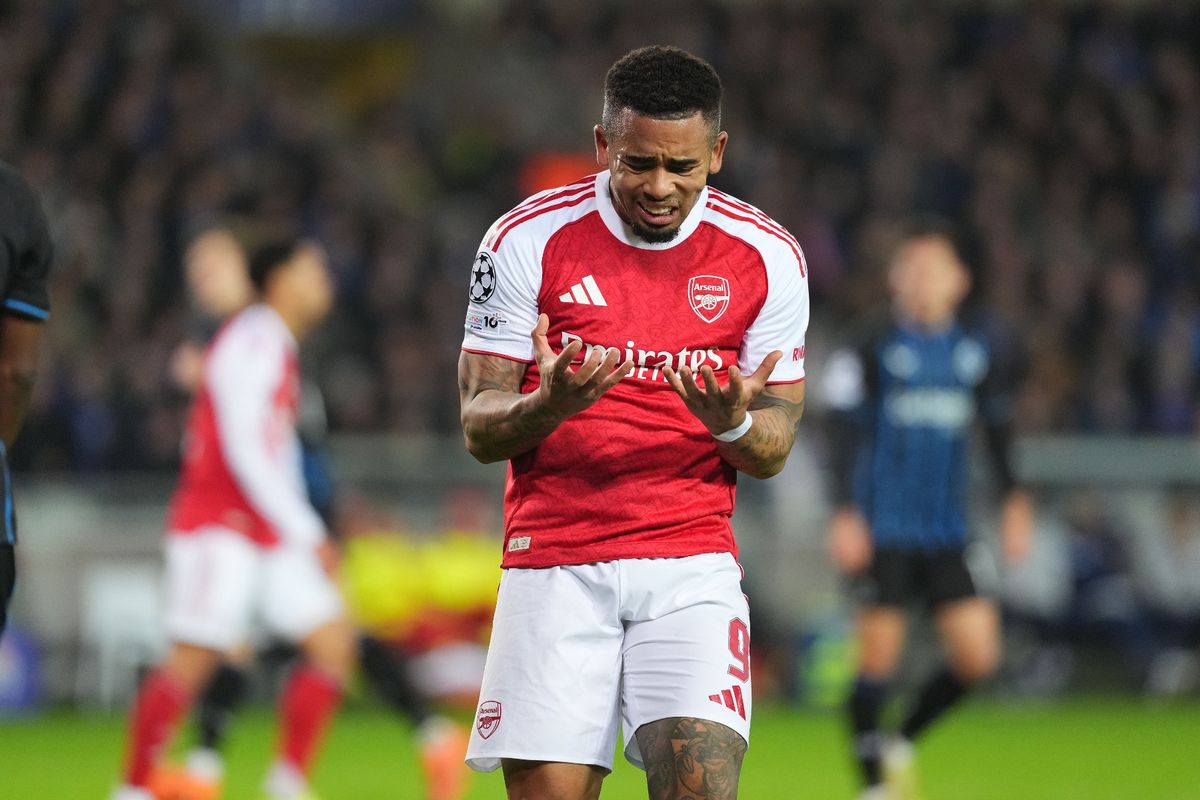
Gabriel Jesus is back fit for Arsenal (Image: (Photo by David Winter/Shutterstock))

Cole Palmer Update as Chelsea Face a Growing Injury Storm Ahead of Everton Clash

0

Chelsea fans finally have a reason to smile again. Star midfielder Cole Palmer is set to return just in time for the Premier League match against Everton this Saturday.  

After weeks of uncertainty, his comeback feels like a breath of fresh air for a squad that has struggled with injuries from the start of the season. But while Palmer’s return brings hope, Chelsea still face a serious problem: four key players remain unavailable, and some could be out for a long time. 

Enzo Maresca confirmed that Palmer is fit and ready. The young England international missed Wednesday’s Champions League defeat in Italy because the club wanted to protect him during his recovery.  

Palmer has played only six games this season across all competitions due to a persistent groin injury that has troubled him since September. Maresca explained that the decision to leave him out of the travelling squad was part of a careful return plan, designed to avoid any setbacks. 

Last weekend, Palmer came off the bench in the goalless draw at Bournemouth, showing brief flashes of his skill. Before that, he made his first appearance back during the defeat against Leeds United.  

Even though he missed Monday’s training session, Maresca said this was expected and part of managing his fitness step by step. During Thursday’s media update, the manager said, “Yes, he is okay. He is better, he is available at the moment with one more session available. He finished the session with us with a mixed feeling but he is okay.” 

Maresca’s confidence in Palmer is a huge boost, especially with the pressure growing on Chelsea to climb the league table. But the Chelsea boss also provided more updates, some positive, others worrying, about the rest of his squad.  

One of the brighter notes was the condition of Wesley Fofana. The French defender returned to the field in the second half of the Champions League match in Bergamo but had to leave again after suffering an eye injury. Fortunately, Maresca confirmed that Fofana completed Thursday’s training session and is “fine.” 

But beyond those two bits of good news, the rest of the updates paint a tough picture for Chelsea. Up front, the problems continue to mount.  

Liam Delap is expected to miss several more weeks after injuring his shoulder in the game against Bournemouth. Delap had already been struggling to settle in West London, and this injury only delays his hopes of finding consistent form. The timing could not be worse for a Chelsea side that already feels short of attacking options. 

Another long-term concern is midfielder Romeo Lavia, whose time at Chelsea has been filled with frustration. Lavia joined Chelsea for £53 million from Southampton in 2023, but injuries have kept him from having a stable run in the team. Since his arrival, he has managed to play only 29 matches. His most recent setback came during the Champions League draw against Qarabag in November.  

Maresca said last week, “It’s a muscle problem,” and admitted that the club does not yet know when Lavia will return. When asked if the injury would keep him out for a short or long period, Maresca replied simply, “We don’t know.” 

Dario Essugo adds to the list of midfielders unavailable. The young Portuguese player has been out since September after suffering a thigh injury while training with Portugal’s Under-21 team. His return date is still unclear, though the club expects him back either late this year or early in 2026.  

Maresca told reporters, “For sure, he is not available for the next three games. I don’t think it is serious. We need to check him, as it happened yesterday. Unfortunately, it was just yesterday, so I don’t know.” 

Then there is Levi Colwill, perhaps the most painful absence of all. Colwill has not played a single match this season after tearing his anterior cruciate ligament during pre-season in August.  

He later underwent surgery, and while reports say the recovery is going smoothly, it will still take many months before he can even think about returning to full action. His absence continues to weaken Chelsea’s defense and forces Maresca to rotate more than he would like. 

These repeated injuries raise bigger questions about Chelsea’s luck, training intensity, and medical planning.  

Maresca has spoken many times about the importance of careful recovery and protecting young players, and Palmer’s return is an example of that approach working well. But as other players continue to fall out of the squad, the team must find ways to perform with limited options. 

Still, Palmer’s comeback could not have come at a better moment. Chelsea badly need creativity, calmness, and goals from midfield. Palmer proved last season that he can be a match-winner, and supporters hope he will bring that spark back immediately. His return is likely to lift the dressing room, improve link-up play, and relieve pressure from an attack that has looked disconnected. 

Everton will test Chelsea physically and mentally, and with so many players unavailable, Maresca must rely on discipline, teamwork, and the strength of his remaining squad. The manager is known for trusting young talent, but even he knows that Premier League matches demand both experience and depth. 

As Chelsea prepare for Saturday, the mood is a mixture of hope and fear. Hope because Palmer is back. Fear because the injury list is still long. The coming weeks will show whether the team can handle these challenges or whether the season will continue to feel like an uphill battle. 

For now, Chelsea fans will focus on the positive. Cole Palmer is ready. He is fit. And he could be the spark that helps Chelsea finally find consistency again. 

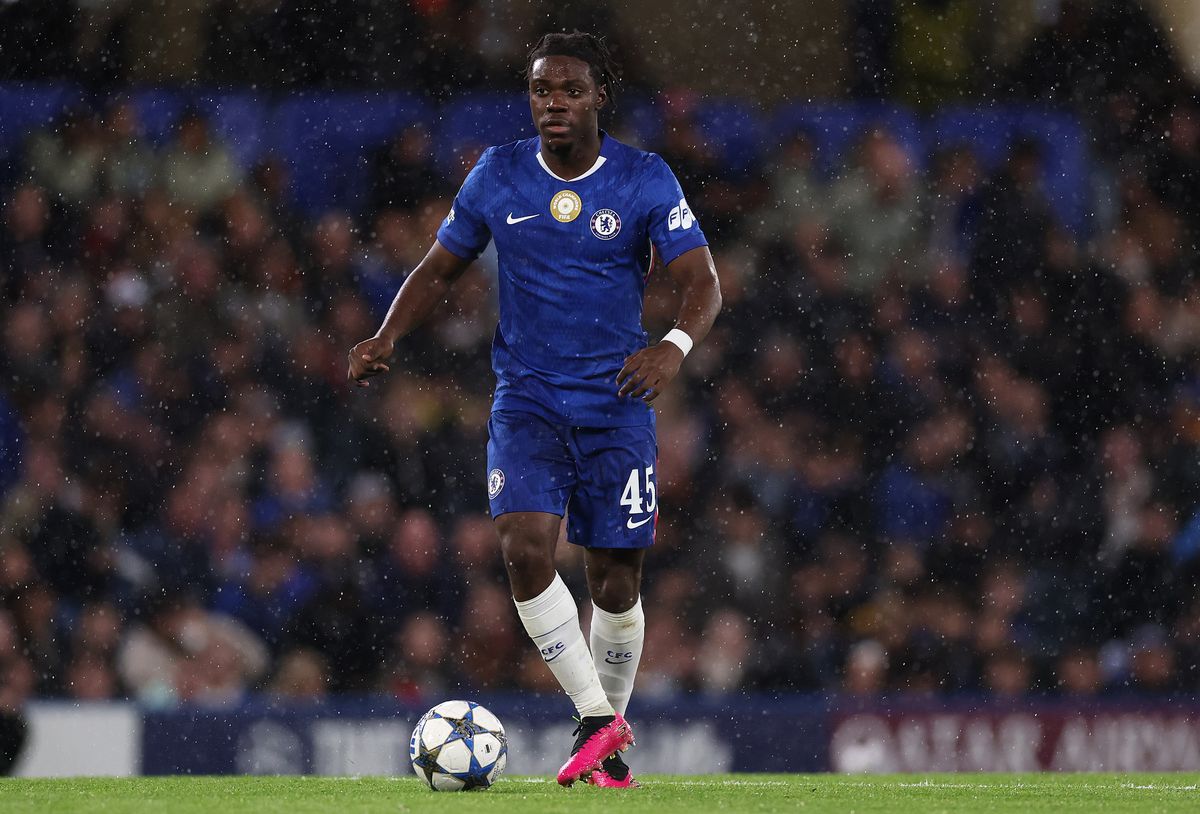
Romeo Lavia has played seven times for Chelsea this season (Image: Getty Images)
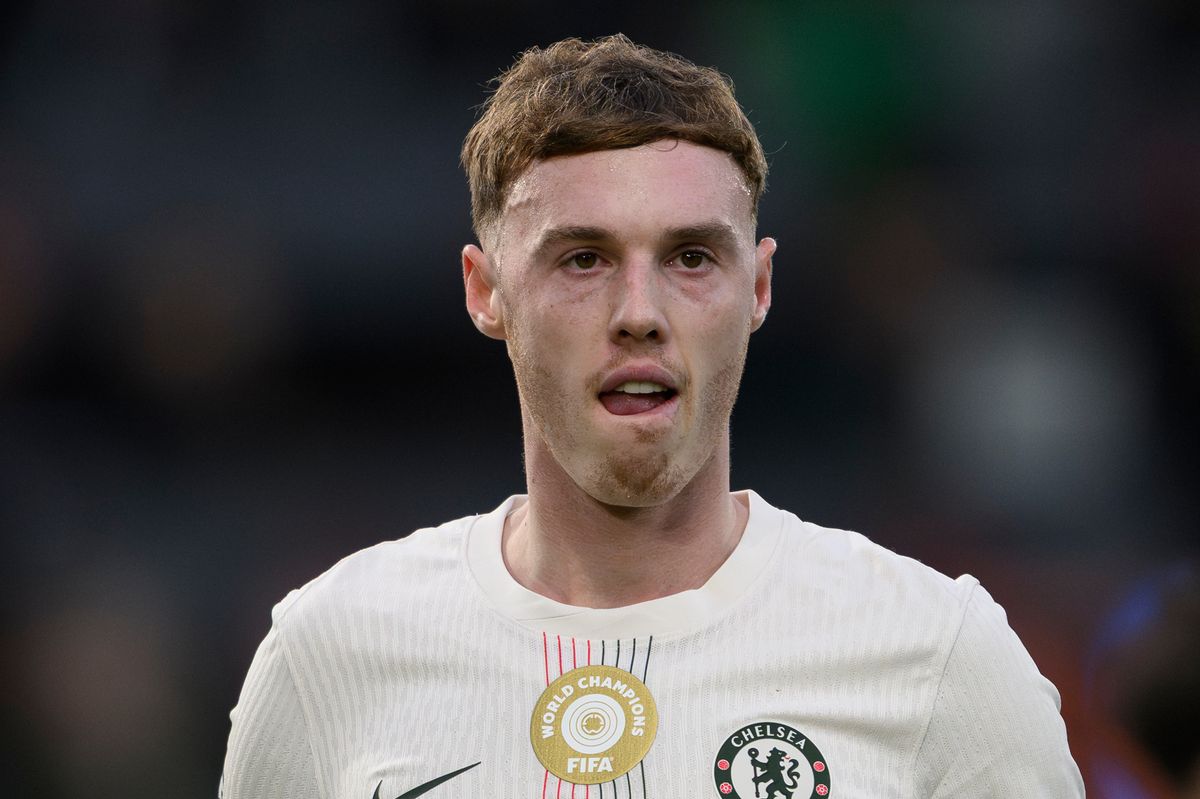
Cole Palmer is available for Chelsea against Everton (Image: CameraSport via Getty Images)

Why Ruto’s Jamhuri Day Honours Tell a Bigger Story Than Medals

0

A Deep Look Into Strategy, Power, and Quiet Messages Behind Kenya’s 881 Awards. 

Kenya marked Jamhuri Day on December 12, 2025, with colour, pride, and powerful national symbols. But this year, something else stood out. President William Ruto honoured 881 Kenyans, from top government officials to community heroes. On the surface, it looked like a simple celebration. But many people saw deeper meaning behind it. 

The awards ranged from the respected Order of the Golden Heart to many other service medals. Every honour had a name, a face, and a long story. But together, they also carried a soft political message that many Kenyans are now talking about. 

These awards included people linked to past governments, people who once worked close to former presidents, and leaders from independent state institutions. Their presence signalled more than national pride. It showed a slow softening of old political tensions. 

Many Kenyans saw this as Ruto’s way of bringing old enemies and old networks closer, not through speeches, but through respect. By honouring these figures, he appeared to say that Kenya’s progress belongs to everyone, past and present. 

This strategy helped send a message of continuity. Instead of creating sharp differences with old regimes, the honours painted a picture of unity. It looked like a deliberate decision to bring together different parts of Kenya’s political history. 

A large part of the honours list included senior officials inside the government system. These were security chiefs, long-serving bureaucrats, and key people working behind the scenes. Their recognition suggested that the administration wants stronger teamwork and loyalty inside government. 

In today’s Kenya, where people question leadership and institutions more than ever, these awards became a way to reassure the public. They reminded the nation that unity inside government is still important for stability. 

But the significance was not only political. The honours also included voices from different regions, different careers, and different communities. This diversity helped send a message that Kenya belongs to everyone. 

By lifting people from many backgrounds, the ceremony shaped a powerful story of national inclusiveness. It showed that talent, service, and contribution can come from anywhere. On a day celebrating independence, that message felt especially important. 

Jamhuri Day has always been a moment of national pride. But this year, the honours changed the tone of the day. The list became more than a traditional award ceremony. It became a political signal, wrapped in celebration and patriotism. 

President Ruto appeared to position himself not only as head of state but also as a guardian of Kenya’s shared journey. He placed himself in the centre of a story about unity, healing, and continuity. 

Some experts believe this year’s awards were also timed for the future. Kenya’s political space is slowly moving toward the next election. In that context, giving honours to such a wide range of people helps strengthen alliances and build goodwill. 

The awards might also build bridges with groups that once felt ignored or pushed aside. If political temperatures rise in the future, relationships inside the state will matter even more. These honours could help strengthen those relationships early. 

Even though the event looked peaceful and simple, its deeper meaning was clear. It showed careful political planning. It showed the use of symbolism to send quiet messages. 

This year’s Jamhuri Day honours were not just about medals, applause, and flashing cameras. They were also about strategy. About unity. About stability. 

Through this long list of 881 honourees, the government made a quiet but powerful statement. Kenya needs cohesion, loyalty, and a shared sense of national purpose. 

As the country looks toward its next political chapter, these messages will remain important. The awards may be over, but the story they told will continue to shape Kenya’s political conversation. 

In the end, the celebration was not only about who received the medals. It was about what those medals said about the direction of the country.
And many Kenyans are still talking about it. 

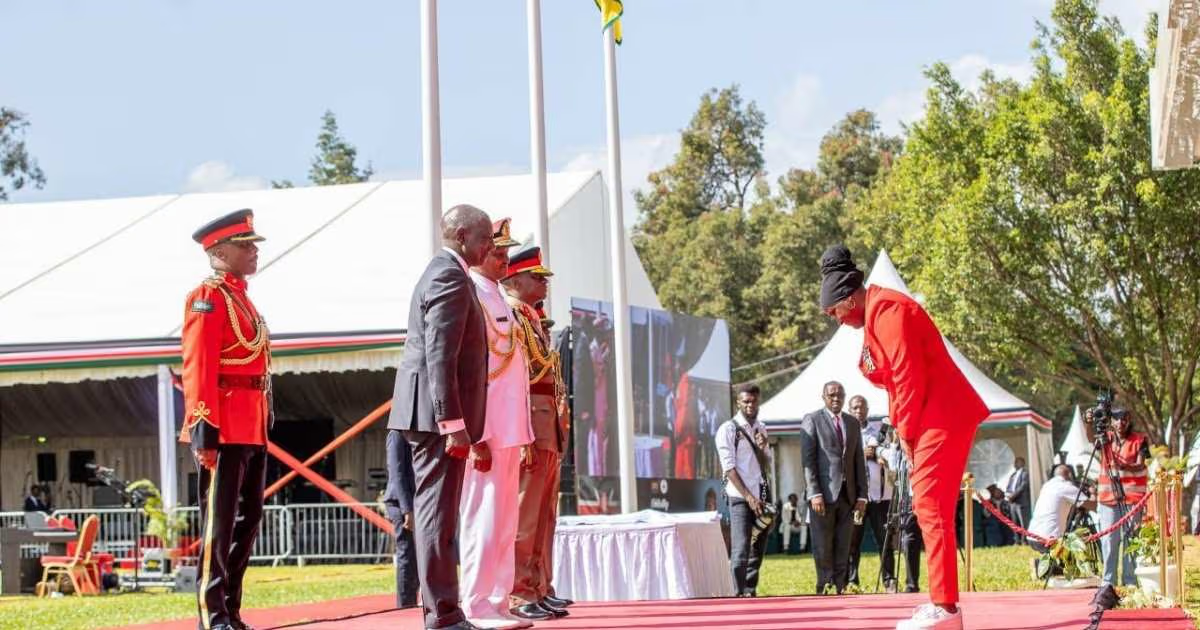
President William Ruto’s Jamhuri Day honours list featured some of the most influential names in Kenya’s public life, beginning with recipients of the prestigious Order of the Golden Heart of Kenya (E.G.H.). Among them was Dr. Pratt Kristina Kenyatta, recognized for her contribution to public welfare, alongside Attorney General Dorcas Oduor, celebrated for her work in strengthening Kenya’s legal framework. Environment Cabinet Secretary Dr. Deborah Barasa Mulongo was also honoured for her leadership on environmental reforms. Other high-profile names awarded in this category included Trade CS Lee Kinyanjui, ICT CS William Kabogo, Narok Governor Patrick Ole Ntutu, and Dr. Jaffer Mohamed Husein, each recognized for their national service across government and development sectors. 

At the military leadership level, the Moran of the Order of the Golden Heart (M.G.H.) was awarded to two senior officers who have shaped Kenya’s defence strategy. Lieutenant General David Kipkemboi Ketter and Major General Bernard Waliaula received the honour for their long and distinguished service. Their recognition highlighted the administration’s continued emphasis on security, discipline, and leadership within the Kenya Defence Forces. 

A significant group of leaders also received the Order of the Burning Spear (C.B.S.), one of Kenya’s most respected honours for public service. This category included Chief Mary Wanyonyi Chebukati, noted for her administrative leadership, Nominated Senator Veronica Maina, and MP Didmus Barasa, each celebrated for their contributions to governance. In addition to these named figures, 79 more individuals received the honour, representing a broad range of professional backgrounds. 

The recognition extended further with the Elder of the Order of the Burning Spear (E.B.S.), awarded to individuals who have demonstrated commitment to justice, administration, and national duty. Mwai Daniel, Justice Kanyi Kimondo, and Brigadier Adan Hassan were among those honoured, reflecting a balance between civilian leadership and military excellence in the national recognition process. 

In the cultural sector, the Head of State Commendation (H.S.C.), Civilian Division went to popular musician Ian Oure, widely known by his stage name Iyanii, marking a celebration of Kenya’s dynamic creative industry. His inclusion underscored the government’s acknowledgment of artists as important contributors to national identity and social influence. 

The honours list also paid tribute to acts of bravery and sacrifice within the military. Three officers who died during the MSS mission in Haiti were awarded Silver Star Medals posthumously, recognizing their courage in international duty. Two officers, Jairus Okoyo and Njeru Gilbert, received Distinguished Silver Medals for exceptional service. Additionally, 189 officers were honoured with the Head of State’s Commendation (H.S.C.), Military Division, highlighting commitment, resilience, and outstanding performance across Kenya’s defence forces. 

Jamhuri Day Honours: Service, Strategy, and Subtle Politics | William Ruto X Post