Home Blog Page 63

Kenya moves to calm tensions as Museveniโ€™s calls for Sea access echo across East Africa

0

Kenya has stepped forward with a calm but firm diplomatic tone after Ugandan President Yoweri Museveni ignited regional shockwaves by warning that future conflict could erupt if Uganda is denied direct access to the Indian Ocean. His remarks, delivered with unusual bluntness, sparked anxiety, disbelief, and heated debate across East Africa, particularly in Kenya, where many questioned the motives behind such a dramatic statement.

But Nairobiโ€™s response has been strikingly measured. Prime Cabinet Secretary and Foreign Affairs Minister Musalia Mudavadi assured Kampala that Kenya has never denied, and will never deny, Ugandaโ€™s right to use the Port of Mombasa. He emphasized that international law protects the rights of landlocked countries, and Kenya intends to honor those obligations fully. For a region where trade routes are lifelines, Mudavadiโ€™s words were more than reassurance, they were a reminder of the deep ties binding Kenya and Uganda.

Yet beneath the public diplomacy lies an emotional undercurrent. Museveniโ€™s claim that denial of sea access could trigger war touched a raw nerve. His words resurfaced fears about territorial disputes in a region that has fought hard to build unity through the East African Community (EAC). Many Kenyans reacted with disbelief, insisting that war talk had no place between two nations that share borders, trade, culture, and decades of peaceful coexistence.

Foreign Affairs Principal Secretary Korir Singโ€™Oei moved quickly to defuse the tension, suggesting Museveniโ€™s remarks were metaphorical, not literal. But even metaphorical language can carry weight, especially in a region still shaping its identity and future. Museveniโ€™s persistent campaign for ocean access has long been tied to his vision of a more integrated East Africa, one where borders soften and resources are shared. Some analysts see his statements as political theatre; others view them as a calculated push toward deeper regional integration.

Meanwhile, Kenya has highlighted cooperation rather than confrontation. Even as the diplomatic storm swirled, a delegation from the Uganda Peopleโ€™s Defence Forces quietly visited Nairobi for a benchmarking mission with the Kenya Defence Forces, showing that bilateral ties remain intact beneath the surface rhetoric.

Online, Kenyans responded in the way they often do when politics heats up, with humor, satire, and sharp commentary. But woven through the jokes is a deeper awareness that regional stability is fragile, and words from leaderโ€™s matter.

As the dust settles, one truth remains clear: Kenya and Uganda cannot afford a fracture. Their economies are intertwined, their security linked, their citizens connected by history. And yet, Museveniโ€™s message, emotional, provocative, and unmistakably political, raises real questions about how East Africa will navigate shared resources, sovereignty, and the future of regional integration.

For now, Kenya has chosen diplomacy over escalation, reassurance over accusation. But the growing chorus of voices demanding Ugandaโ€™s guaranteed access to the sea suggests that this debate is far from over. It is a reminder that East Africa is still in the process of becoming what it hopes to be: a region united not just by borders on paper, but by trust, cooperation, and mutual respect.

Ruth Odinga confidently declares re-election bid, promises to deliver for Kisumu

0

Ruth Odinga, Kisumuโ€™s Woman Representative, has publicly confirmed that she will seek re-election on the ODM ticket, expressing confidence in her ability to serve and represent her constituents. Speaking to a gathering of supporters, she emphasized her readiness to face political rivals and continue her work for the people.

โ€œI feel prepared and capable. I will contest and represent Kisumu with dedication, focusing on progress and service,โ€ she said.

As the younger sister of former Prime Minister Raila Odinga, Ruth has built a strong reputation in her own right. Over the years, she has been recognized for her hands-on approach to development, her commitment to womenโ€™s empowerment, and her advocacy for youth initiatives. Supporters describe her as approachable and focused, a leader who understands the day-to-day challenges of the people she serves.

Following Ruthโ€™s announcement, Raila Odinga, ODMโ€™s party leader, reminded all party aspirants of the importance of unity and cooperation. He urged candidates to campaign with integrity and to prioritize the collective goals of the party over personal ambition.

โ€œOur party succeeds when we work together. Leadership is about service, not competition between colleagues,โ€ Raila said.

The political environment in Kisumu is dynamic and competitive, but Ruth Odinga appears determined to maintain her track record of service. She underscored that her campaign is not about personal power, but about delivering tangible results for the community. From supporting education and womenโ€™s projects to creating opportunities for young people, Ruthโ€™s work has been guided by consistent engagement with her constituents.

โ€œPeople want progress, safety, and opportunity. My mission is to ensure that their voices are heard and their needs met,โ€ she said.

As ODM begins preparations for upcoming elections, Ruth Odingaโ€™s declaration signals a commitment to continuity, community service, and principled leadership. Her campaign emphasizes cooperation, development, and hope, while Raila Odingaโ€™s call for unity seeks to strengthen party cohesion ahead of a critical electoral season.

In a region where politics is often contentious, Ruth Odingaโ€™s message resonates with many voters: leadership is about dedication, accountability, and genuine service to the people, and she intends to continue that mission if re-elected.

โ€œThis journey is not mine alone. It belongs to everyone in Kisumu who believes in a brighter future,โ€ she affirmed.

Health Warning: High-Temperature Roasted Meat and Fish May Increase Stomach Cancer Risk, Doctors Caution

0

Health experts are raising fresh concerns over the growing trend of consuming heavily roasted meat and fish, warning that certain cooking practices especially those involving extremely high temperatures may expose consumers to carcinogenic compounds linked to stomach cancer.

According to medical specialists, roasting meat directly over open flames or extremely hot surfaces can produce harmful chemicals such as heterocyclic amines (HCAs) and polycyclic aromatic hydrocarbons (PAHs). These compounds form when meat or fish fat drips onto fire or charcoal, creating smoke that coats the food. Over time, frequent consumption of such foods may increase the risk of gastric and digestive cancers.

Nutritionists also point out that while roasted foods are culturally popular across Africa and globally, moderation and safer cooking methods can significantly reduce the danger. Techniques such as slow grilling, marinating, avoiding excessive charring, and trimming fat can help minimize toxic compound formation.

Untreated H. pylori: A Silent Driver of Stomach Cancer

Doctors emphasize that while diet is a major factor, one of the most overlooked threats is Helicobacter pylori (H. pylori) a common bacterial infection affecting millions across Africa. If left untreated, H. pylori can cause chronic inflammation, ulcers, and eventually increase the risk of stomach cancer.

Recent medical reports highlight that many people unknowingly live with the infection for years because symptoms often appear mild or go unnoticed. Gastroenterologists recommend that individuals experiencing persistent stomach pain, bloating, acid reflux, nausea, or unexplained weight loss undergo testing.

Early treatment usually involving antibiotics and acid-reducing medication has been shown to dramatically reduce long-term cancer risks.

Public Health Experts Call for Awareness

Health professionals urge the public to make informed dietary choices and prioritize regular medical check-ups.

Key recommendations include:

  • Reducing intake of heavily charred or overly roasted meat and fish.
  • Opting for healthier cooking methods such as baking, steaming, boiling, or air frying.
  • Seeking medical testing for H. pylori at least once if experiencing chronic stomach discomfort.
  • Maintaining a balanced diet rich in fruits, vegetables, and whole grains, which offer natural protection against cancer.

Public health specialists note that prevention begins with awareness. Understanding both the dietary and medical factors contributing to stomach cancer can help families make better choices and potentially save lives.

Doctors warn: Frequently eating heavily roasted meat or fish may increase stomach cancer risk. Experts urge early H. pylori testing and safer cooking methods.

Kenyaโ€™s parliament in mourning: the silent seats left behind by fallen MPs

0

In the heart of Nairobi, the grand dome of Kenyaโ€™s Parliament still gleams beneath the midday sun, a symbol of power, democracy, and the peopleโ€™s voice. Yet inside those chambers, silence lingers where voices once rose with passion. Five empty seats, five unlit microphones, and five stories of leaders who once carried the hopes of their people.

Since the 2022 General Election, Kenyaโ€™s Parliament has lost at least five Members of Parliament, to death, resignation, and even violence. What began as a symbol of national renewal has quietly turned into a story of grief and unanswered questions.

In Banisa, Hon. Kullow Maalim Hassanโ€™s sudden death in a road accident left his constituents in disbelief. He had been their bridge in tough times, a leader known for compassion in a land often forgotten by development. His absence left not only a political gap but a wound in the communityโ€™s heart.

In Malava, Moses Malulu Injendi succumbed to illness, leaving a constituency that still mourns. He had promised to bring education and hope to children of farmers, and now his dreams remain unfinished.

Then came the darkest chapter, the assassination of Kasipul MP Charles Ongโ€™ondo Were in Nairobi. The news of his shooting shook the nation to its core. His death was not just a crime scene; it was a message of fear that rippled through every leader who dares to stand for justice.

Elsewhere, Opiyo Wandayi of Ugunja left Parliament after being appointed to Cabinet, a peaceful transition, but one that still left voters without their elected representative.

And in Magarini, the seat fell silent not by death but by decree, the court nullified the 2022 election, plunging the constituency back into uncertainty.

Five different stories, one painful truth: a Parliament built to speak for all Kenyans now carries echoes of loss and waiting.

The Constitution demands that by-elections be held within 90 days of a seat falling vacant. Yet in some of these constituencies, months have turned into years without representation. The Independent Electoral and Boundaries Commission (IEBC), weakened by leadership disputes and resource gaps, has struggled to meet the constitutional deadline.

For the people, democracy has paused. Children wait for bursaries that will not come. Roads remain unbuilt. Development stalls because no one is there to table their needs in the National Assembly.

In Kasipul, residents still visit the late Ongโ€™ondoโ€™s office, staring at the locked door as if expecting him to return.

In Banisa, elders speak of a voice that once carried their hopes to Nairobi, now replaced by silence.

When a Member of Parliament dies, Kenya does not just lose a leader, it loses a piece of its democratic heartbeat.

Every empty seat is a reminder of the fragility of public service and the dangers that sometimes come with representing the people.

These tragedies raise painful questions.

Who protects those who protect our democracy?

Why do by-elections delay while citizens remain voiceless?

And how can a government claim to serve the people when some of its own remain unrepresented?

The answers will not come easily. But the urgency is clear: Kenya must rebuild trust in its institutions. It must protect its lawmakers and ensure that death or resignation never means silence for an entire constituency.

As dusk falls over Parliament, the portraits of these fallen MPs seem to stare back, as if asking, โ€œWho will continue what we began?โ€

Their memories remain alive in every village, every school, and every dream they once fought for.

Hon. Kullowโ€™s laughter in Banisa.

Hon. Ongโ€™ondoโ€™s fearless voice in Kasipul.

Hon. Maluluโ€™s dedication in Malava.

Hon. William Kipkorir Injendi in Baringo

Hon. Mohamed Bidu in Isiolo South

They are gone, but their legacy whispers through the walls of Parliament.

In the end, this is not only a story of loss, it is a call to remember, to act, and to rebuild faith in the democracy they served.

Because true representation means no Kenyan should ever be left without a voice, not in death, not in delay, and not in silence.

Kirinyaga shock: man ends friendโ€™s life over just ksh 50

0

A cloud of sorrow has fallen over a quiet village in Kirinyaga County after a 32-year-old man was arrested for allegedly killing his close friend following a dispute over a mere Ksh 50 debt.

According to police reports, the suspect, whose name has been withheld pending formal charges, allegedly attacked his friend, a 28-year-old boda boda rider, during a heated argument that spiraled out of control. What began as a minor disagreement over unpaid money quickly turned tragic, ending a friendship that had lasted for years.

Eyewitnesses said the two men were seen arguing outside a local bar on Tuesday evening. Moments later, shouts turned into cries, and bystanders rushed to find the victim lying motionless on the ground, bleeding from a stab wound to the chest. Despite being rushed to Kerugoya County Referral Hospital, he was pronounced dead upon arrival.

โ€œItโ€™s unbelievable,โ€ said one neighbor, tears welling up. โ€œThese two were inseparable. They grew up together, worked together, and shared everything. How can a life end over fifty shillings?โ€

Police officers from Kutus Police Station arrested the suspect at his home later that night. He reportedly confessed to the crime, expressing regret and shock at what he called โ€œa moment of anger.โ€

Kirinyaga County Police Commander confirmed the incident, urging residents to embrace dialogue and restraint, especially when dealing with small disputes. โ€œWe have lost a young life over something that could have been easily resolved,โ€ he said. โ€œNo amount of anger is worth taking another personโ€™s life.โ€

The victimโ€™s family is struggling to come to terms with the loss, describing him as a hardworking young man who supported his parents and younger siblings. His mother, overwhelmed with grief, could only whisper, โ€œHe was my only hope.โ€

As the suspect remains in custody awaiting arraignment, the incident serves as a painful reminder of how uncontrolled tempers and financial frustrations can destroy lives and friendships in an instant.

A village once bound by friendship now mourns in silence, a bond broken, a future lost, and a lesson written in tears over Ksh 50.

UN Confirms Early Departure of MONUSCO Chief Bintou Keita, Denies Misconduct Claims

0

The spokesperson for MONUSCO has confirmed that Bintou Keita, the Head of the UN peacekeeping mission in the Democratic Republic of Congo, will step down at the end of November โ€” earlier than the previously planned date of February 2026.

Ndeye Khady Lo, MONUSCOโ€™s spokesperson, stated that the decision was made personally by Keita.

The announcement comes amid days of speculation suggesting that Bintou Keita was under investigation for alleged misconduct. MONUSCO firmly dismissed those claims, stating in an official communiquรฉ that no investigation is underway and that she has not been subjected to any disciplinary measures.

The statement also reiterated that the United Nations operates under strict principles of neutrality and independence in all its missions.

Following Keitaโ€™s departure, MONUSCO leadership will temporarily be handled by two deputies representing the UN Secretary-General โ€” one in charge of Protection and Operations, and the other overseeing Resident and Humanitarian Coordination. This arrangement will remain in place until a new mission chief is appointed.

Radio Okapi, the UN-supported broadcaster, reported that during her nearly five-year tenure, Keita led MONUSCO โ€œthrough extremely challenging circumstancesโ€ in the DRC. The UN Secretary-General also expressed deep appreciation for her commitment and leadership throughout her service.

However, her time at the helm of MONUSCO was not without controversy. Rwandan officials repeatedly accused Keita of bias toward the Congolese government amid tensions between Kigali and Kinshasa. Critics also argued that under her leadership, the mission failed to meet its core mandate of protecting civilians and stabilizing conflict-hit regions.

MONUSCO forces have long faced public scrutiny in the DRC, with accusations ranging from ineffective peacekeeping to alleged cooperation with armed groups and involvement in illegal mineral exploitation. MONUSCO, however, maintains that Keita fulfilled her responsibilities effectively and delivered the results she was mandated to achieve.

The mission was originally expected to complete its withdrawal from the DRC by December 2025.

Keitaโ€™s resignation comes just as the UN Security Council prepares to vote on extending MONUSCOโ€™s mandate for one more year, through December 2026.

Who is Bintou Keita?

Bintou Keita was born in Guinea in 1958. She holds a degree in social economics from the University of Paris II and a postgraduate degree in administration and corporate management from the University of Paris IX.

She has more than 30 years of experience in peacebuilding, security, development, humanitarian affairs, and human rights โ€” particularly in conflict and post-conflict environments.

Keita joined the United Nations in 1989 and went on to serve in several leadership roles across UNICEF country offices in Chad, Congo-Brazzaville, Madagascar, Cape Verde, Rwanda, Burundi, and at UNICEF headquarters.

Between January 2019 and her appointment at MONUSCO, she served as Assistant Secretary-General for Africa in the UN Departments of Political and Peacebuilding Affairs and Peace Operations.

She previously held several senior positions, including:

  • 2017โ€“2018: Assistant Secretary-General for Peacekeeping Operations
  • 2015โ€“2017: Deputy Joint Special Representative for UNAMID in Sudan
  • 2015: Head of the Ebola crisis response in Sierra Leone
  • 2007โ€“2010: Deputy Executive Representative of the UN Secretary-General in Burundi (BINUB)

Her long career has positioned her as one of the most experienced African women in high-level UN peace operations.


Rwandaโ€™s Foreign Minister Exposes Patrick Muyayaโ€™s False Claims on the Washington Summit

0

In the Congolese media arena, some officials appear to have turned distortion and manipulation into their preferred political weapon. Patrick Muyaya, the Minister of Communication and spokesperson for the Congolese government, has once again flooded social media with misleading narratives, twisted statements, and large-scale falsehoods designed to shape public perception.

Masquerading as an analyst, he presents himself as a defender of truthโ€”even though his claims crumble the moment they are confronted with verifiable facts. This persistent pattern of disinformation is not mere overcommunication; it is a calculated deception that undermines the credibility of official institutions and fuels confusion in an already fragile environment.

In sharp contrast, Rwandaโ€™s Minister of Foreign Affairs, Amb. Olivier Nduhungirehe, stepped in to restore factual clarity with surgical precision. Posting on X, he reminded the public that President Tshisekediโ€”just like President Kagameโ€”had indeed confirmed his participation in the Washington summit, which was originally scheduled for November 13, 2025, before the U.S. administration postponed it at the last minute.

He further noted that the meetingโ€™s purpose was to finalize the Regional Economic Integration Framework (CIER), a document already approved and initialed by all parties involved, including the U.S. mediator.

This clear, fact-based reminder exposes the wide gap between reality and the narrative crafted by Patrick Muyaya. It highlights the emptiness of his claims to informational authority and the dangers of building political communication on fabrication rather than fact.

More than a simple correction, Amb. Nduhungireheโ€™s intervention serves as a stark warning. In a region where diplomacy directly influences political and social stability, spreading falsehoods under the guise of expertise is not only irresponsibleโ€”it is a betrayal of the public interest and a direct threat to ongoing peace efforts.

Official communication, if it is to maintain legitimacy, must be anchored in verifiable truth, not speculation or propaganda. By choosing to speak with clarity and courage, Minister Nduhungirehe demonstrates that restoring truth is not optional; it is a strategic and moral imperative.

And while Muyaya retreats further into his fictional narratives, realityโ€”unyielding and indisputableโ€”reasserts itself. The lesson is straightforward: in modern diplomacy, truth is more powerful than any propaganda, and only rigorous, honest communication can safeguard credibility and uphold the trust of the people.

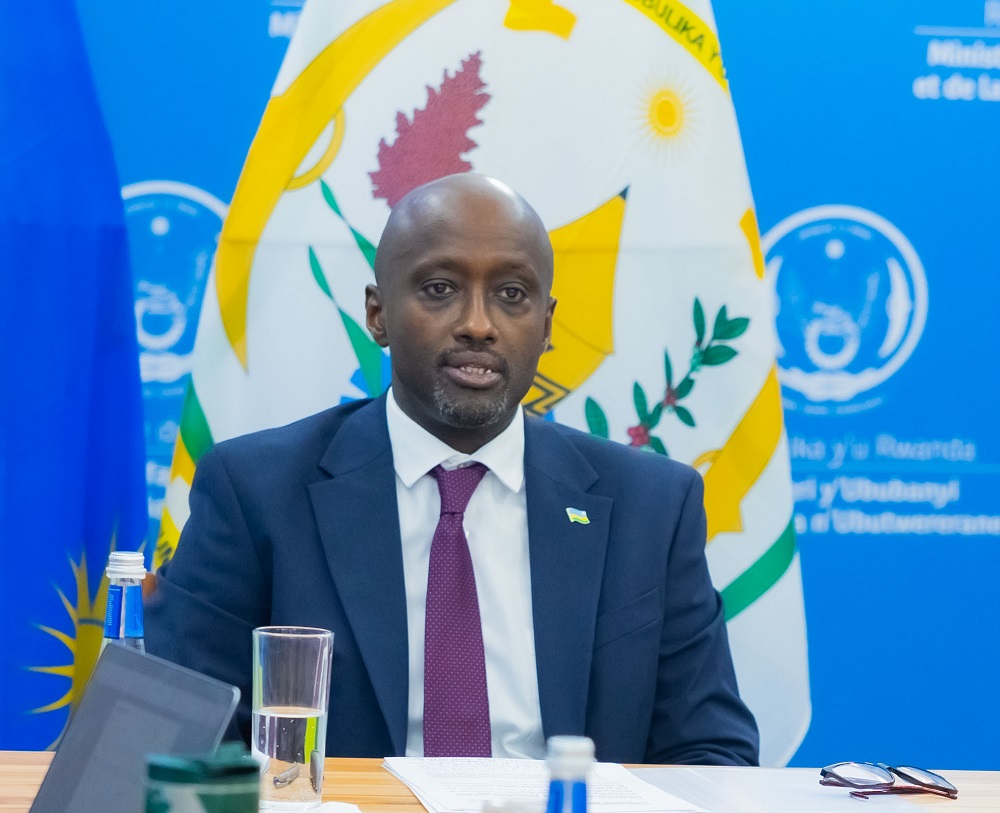
Minister Nduhungirehe said that the joint security mechanism to be established by Rwanda and the DRC has nothing to do with taking territories away from AFC/M23.

Ruto Pays Ksh2M Hospital Bill for Musicianโ€™s Wife, Triggering Public Outrage Over SHA

0

Murangโ€™a Woman Representative Betty Maina revealed on Tuesday, November 11, that President William Ruto personally intervened to clear the remaining hospital bill for the wife of celebrated Mugithi musician Kamande wa Kioi. What began as a touching gesture of compassion quickly erupted into a national debate about the fairness and reliability of Kenyaโ€™s public health system.

Maina announced on her social media pages that the President contributed Ksh2 million to settle the outstanding balance after the musicianโ€™s family and the Social Health Authority (SHA) had already paid more than Ksh1.5 million.

โ€œMama Kioi, wife to Kamande wa Kioi, had been unwell but has recovered at a private hospital in Nairobi. SHA and the family were able to pay over Ksh1.5 million, leaving a balance of Ksh2 million,โ€ she wrote. โ€œSpecial thanks to H.E. the President, Dr. William Ruto. I reached out to him yesterday on behalf of the family, and today he gave me Ksh2 million, which I have handed to the family.โ€

The online reaction swiftly shifted from gratitude to frustration. Many Kenyans questioned why access to life-saving financial assistance depends on personal connections rather than a dependable, universal health-care system.

โ€œHow many ordinary Kenyans can reach the President for help?โ€ one commenter asked. โ€œWe donโ€™t need leadersโ€™ mercyโ€”what we need is a health system that works.โ€

Another user wrote, โ€œOnly in Kenya does the Presidentโ€™s goodwill provide better coverage than the national health insurance.โ€

Others focused their criticism on SHAโ€™s limited coverage.

โ€œSo SHA couldnโ€™t even pay half? What is the purpose of an insurance scheme that covers only 42 percent of the bill?โ€ a comment read.

Another added, โ€œIf this family didnโ€™t have access to you, mheshimiwa, they would have been forced to sell their property or suffer in silence.โ€

As the backlash grew, the Woman Representative restricted comments on her post, concealing the criticism that had flooded the thread.

The incident has intensified the pressure on the Social Health Authority, which has struggled with credibility issues since its rollout in October 2024. The scheme has faced accusations of covering only a small fraction of medical bills, reports of hospitals rejecting SHA patients, and ongoing investigations into multi-billion-shilling fraud. For many citizens, the Kamande wa Kioi case has become yet another symbol of a health system that appears unequal and unreliableโ€”effective only for those with political access.


Bishop Kabasinga Immaculรฉe Inspires at EAC Trade Fair in Nairobi, Showcasing Rwandaโ€™s Faith, Unity, and Innovation

0

Rwandan faith leader Bishop Kabasinga Immaculรฉe, founder of Agape Solution Church based in Kasarani, Nairobi, attended the 25th East African Community (EAC) Micro, Small, and Medium Enterprises (MSMEs) Trade Fair at Uhuru Gardens, Nairobi, where she spoke exclusively to Afrovera.com about her mission to promote Rwandan innovation and unity through faith, community, and diaspora collaboration.

Accompanied by her guest from the United States, Pastor Rashid, a Pakistani-born preacher and missionary, Bishop Kabasinga said her presence at the exhibition was meant to highlight Rwandaโ€™s growing reputation for creativity and economic progress under the โ€œMade in Rwandaโ€ initiative. She described the event as a moment of pride, bringing together Rwandans and friends of Rwanda from different parts of the world to appreciate the countryโ€™s transformation.

โ€œI came with a guest from America to see the creativity and talent of our people. We met with the Ambassador to discuss ongoing cooperation between the Embassy and the Rwandan community abroad. I work closely with our Diaspora to promote unity, patriotism, and national development,โ€ she said.

The Bishop spoke passionately about her long-standing partnership with the Rwandan Embassy in Kenya, where she has played an active role in mobilizing Rwandans for national causes. She recalled one of her key contributions during Rwandaโ€™s presidential elections, when she personally financed buses to transport voters to polling centers. โ€œI believe in practical support,โ€ she explained. โ€œPatriotism means standing with your country not only in words, but in action.โ€

Bishop Kabasinga is also deeply involved in youth empowerment. As the founder and patron of Agape Football Club, a team composed of young members of the Rwandan Diaspora, she has helped nurture discipline, teamwork, and cultural pride through sports. The team recently won the IMENA Cup, an achievement she considers proof of the potential within Rwandaโ€™s young generation abroad.

Speaking about her experience at the EAC trade fair, the Bishop said she was moved by the quality and innovation of Rwandan exhibitors. โ€œI have seen remarkable progress in our products ย ย the creativity, the design, and the professionalism are outstanding,โ€ she said. โ€œRwanda is moving forward with confidence, and I will keep bringing more international visitors to witness the excellence of โ€˜Made in Rwanda.โ€™โ€

Known for her outreach work beyond the church, Bishop Kabasinga describes herself as an international missionary. Her ministry spans several continents, where she spreads messages of faith, peace, and hope while promoting Rwandaโ€™s positive image. โ€œWherever I go, I talk about Rwandaโ€™s transformation and the resilience of its people. My mission is to encourage collaboration and remind others that Rwanda is open to partnership and growth,โ€ she said.

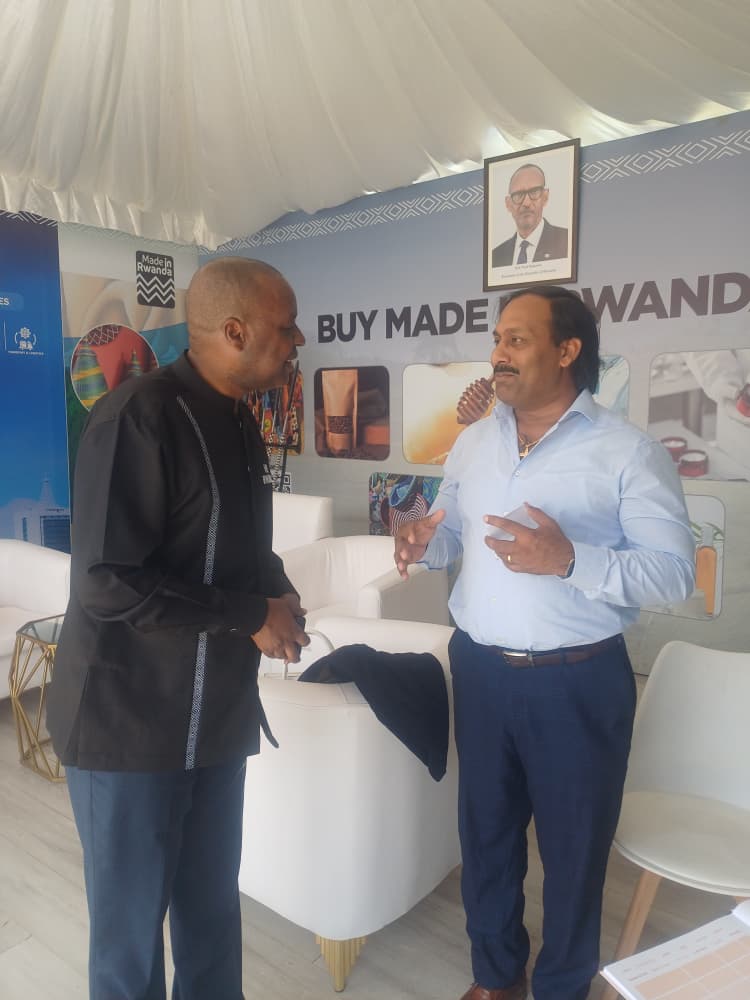
Her interaction with Ambassador Ernest Rwamucyo, Rwandaโ€™s High Commissioner to Kenya, during the trade fair underscored the strong ties between faith-based initiatives and national diplomacy. Together with Pastor Rashid, the Bishop visited the Rwandan booth, where they viewed locally made products and shared thoughts on the role of faith leaders in strengthening Rwandaโ€™s visibility on the global stage.

For Bishop Kabasinga, events like the EAC trade fair are more than economic showcases ย ย they are a symbol of identity and pride. She believes that faith, community, and business can work together to elevate Rwandaโ€™s story of recovery and innovation. โ€œRwandaโ€™s progress belongs to all of us,โ€ she concluded. โ€œWhether in Kigali, Nairobi, or the Diaspora, we must continue working together to make our nation shine even brighter.โ€

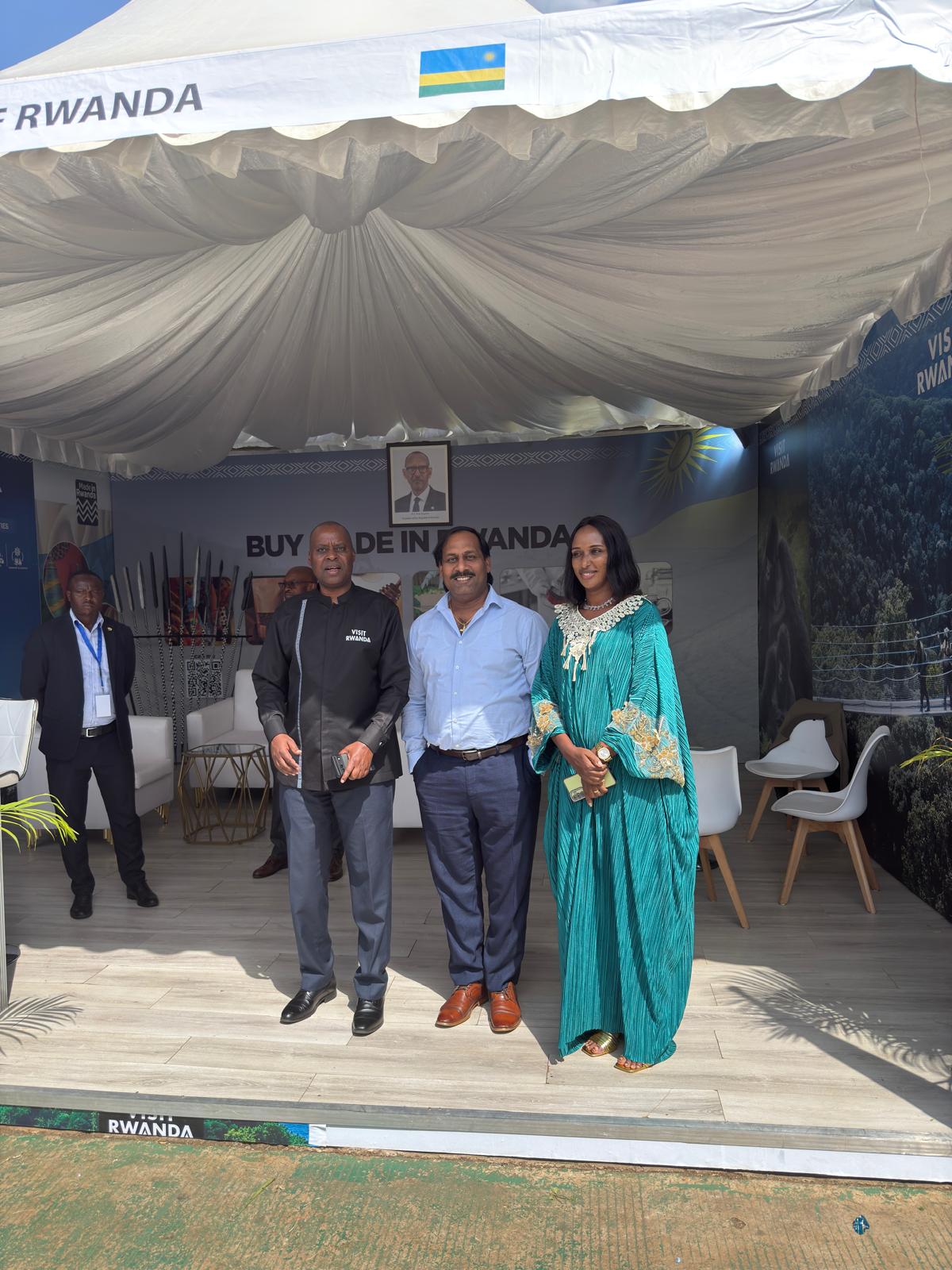
Bishop Kabasinga Immaculรฉe of Agape Solution Church, Kasaraniโ€“Nairobi, together with Pastor Rashid from the United States, at the Rwanda Pavilion during the 25th EAC MSMEs Trade Fair held at Uhuru Gardens, Nairobi.
Rwandaโ€™s High Commissioner to Kenya, H.E. Ernest Rwamucyo, speaks with Pastor Rashid at the โ€œBuy Made in Rwandaโ€ booth as Bishop Kabasinga Immaculรฉe looks on during the regional trade fair.
Bishop Kabasinga Immaculรฉe poses inside the โ€œBuy Made in Rwandaโ€ booth, celebrating Rwandaโ€™s innovation and creativity showcased at the Nairobi trade fair.
H.E. Ernest Rwamucyo, Bishop Kabasinga Immaculรฉe, and Pastor Rashid pose for a photo at the Rwandan booth during the EAC MSMEs Trade Fair in Nairobi.
President William Ruto visits the Rwanda Pavilion at the EAC Trade Fair, where he interacted with exhibitors, including Bishop Kabasinga Immaculรฉe and Ambassador Ernest Rwamucyo.
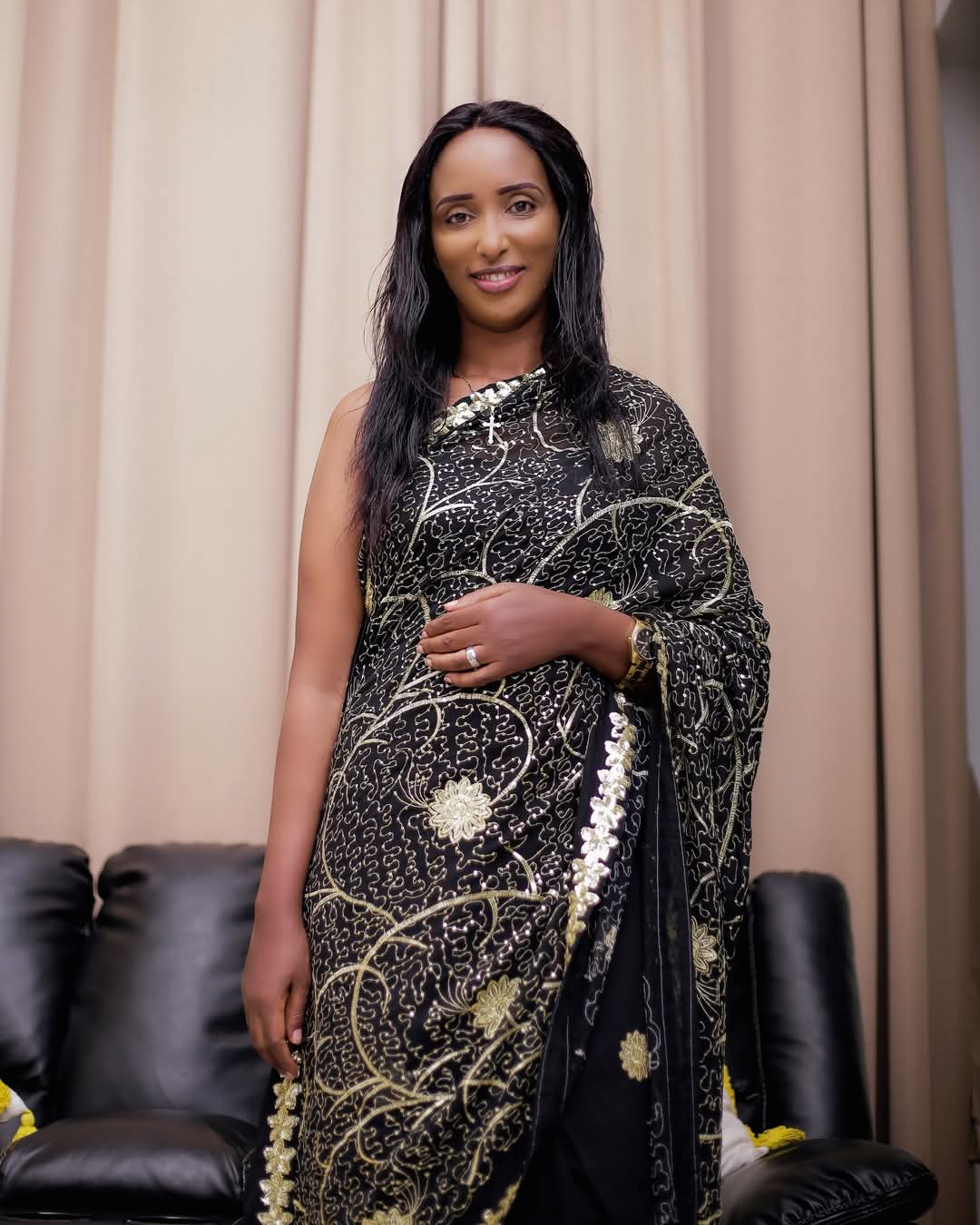
Bishop Kabasinga Immaculรฉe, founder of Agape Solution Church in Kasarani, Nairobi a community leader promoting faith, youth empowerment, and the Made in Rwanda initiative.
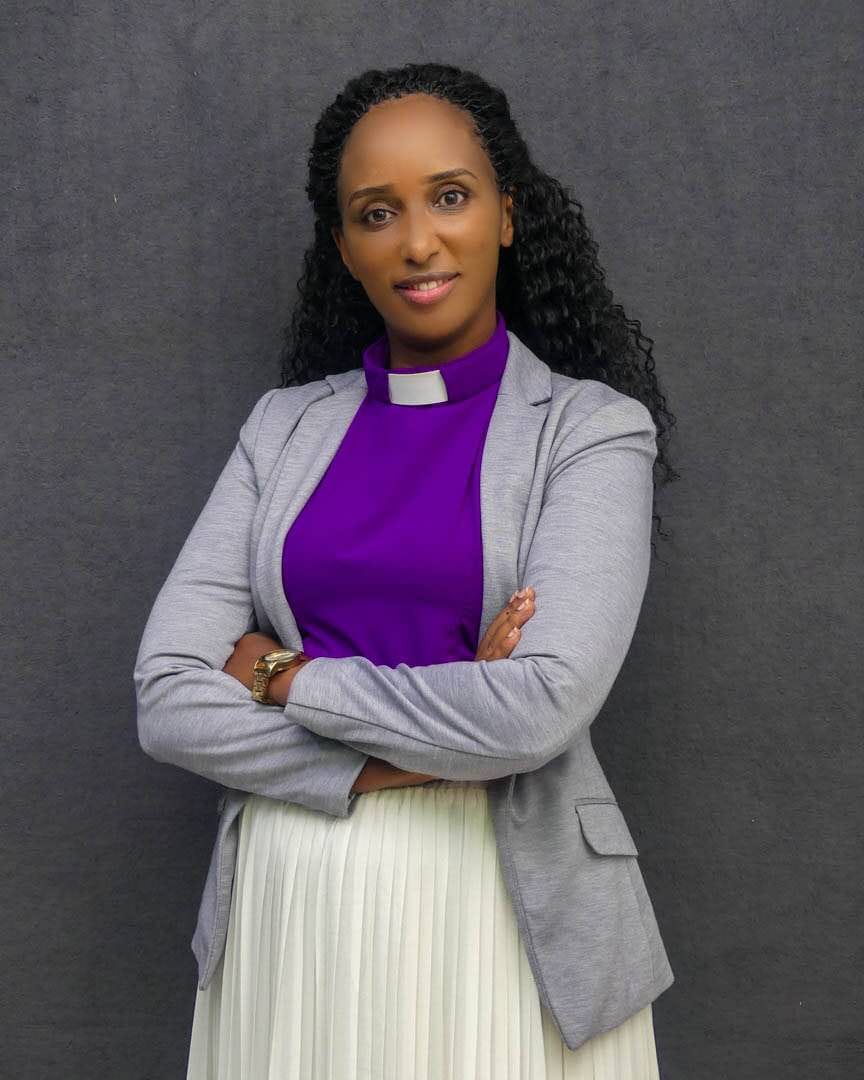
Bishop Kabasinga Immaculรฉe, an international missionary and advocate for the Rwandan Diaspora, continues to inspire unity and innovation through her ministry and social impact projects.

Iam Marwa welcomes his Argentine in-law home to Kenya, Love Has No Borders

0

Kenyaโ€™s popular YouTuber Iam Marwa, known for his vibrant travel vlogs and inspiring rags-to-riches story, has once again captured the hearts of his fans, this time with a deeply personal moment. The content creator officially welcomed his Argentine in-law to his home in Nyabohanse village, Migori County, in what he described as a โ€œbeautiful cultural reunion.โ€

The emotional encounter was featured in a recent video on his YouTube channel, where Marwa, real name Fredrick Marwa, shared the joy of uniting his Kenyan family with his Argentine relatives through his brotherโ€™s marriage. The occasion blended laughter, music, and heartfelt exchanges between two families from continents apart.

โ€œThis is more than just family, itโ€™s a bridge between Africa and Latin America,โ€ Marwa told his audience with his signature smile. โ€œIt shows love has no borders.โ€

Iam Marwa, who has over half a million YouTube subscribers, has made a name for himself by documenting his global adventures, from Colombia to the Philippines. Yet, no journey seems as meaningful as bringing the world home. The visit by his Argentine in-law reflects Marwaโ€™s mission to showcase Africaโ€™s warmth, hospitality, and cultural pride.

Villagers gathered around to witness the symbolic meeting, with Marwaโ€™s mother offering traditional Kenyan dishes as a gesture of welcome. The video has since gone viral, drawing comments praising Marwaโ€™s humility and his efforts to unite diverse cultures.

โ€œThis is what the world needs, connection, not division,โ€ one follower wrote.

For Marwa, family is at the heart of his success story. From building a mansion in his rural home to sponsoring community projects, he continues to use his platform to inspire young Africans to dream beyond borders. The arrival of his Argentine in-law marks yet another milestone, not just for his family, but for the global audience that sees him as a symbol of African pride.

As he ended his video, Marwa left his viewers with a message of gratitude: โ€œHome will always be home, no matter how far you go, itโ€™s the people who make it special.โ€

Frederick Marwa and his family