Home Blog Page 16

Bill Clinton says he does not recall encounters with Jeffrey Epstein during congressional testimony

0

Former U.S. President Bill Clinton told lawmakers he does not remember his alleged encounters with convicted sex offender Jeffrey Epstein and his associate Ghislaine Maxwell during hours of testimony before the U.S. House Oversight Committee.

During the hearing, Clinton repeatedly stated that he had no recollection of specific meetings or interactions with Epstein or Maxwell, despite persistent questioning from members of Congress seeking clarification about their past connections.

The testimony comes amid renewed scrutiny of prominent individuals who had contact with Epstein before his arrest in 2019. Epstein, a financier who cultivated relationships with influential figures in politics, business and entertainment, was accused of operating a large-scale sex trafficking network involving underage girls.

Lawmakers questioned Clinton about travel records and social gatherings where Epstein and Maxwell were reportedly present. However, the former president maintained throughout the session that he could not remember details of the alleged encounters.

Members of the committee said the inquiry forms part of broader efforts to understand the extent of Epsteinโ€™s network ย and whether individuals in positions of power were aware of or ignored warnings about his activities.

Epstein was arrested in 2019 on federal charges of sex trafficking involving minors. He later died in a New York detention facility while awaiting trial, a death that sparked widespread controversy and multiple investigations. Maxwell, accused of helping recruit and groom victims for Epstein, was later convicted and sentenced to prison for her role in the trafficking scheme.

The congressional examination continues to draw attention to the longstanding relationships Epstein maintained with powerful figures and the unanswered questions surrounding his network and operations.

US Investigation Suggests American Role in Deadly Iran School Strike

0

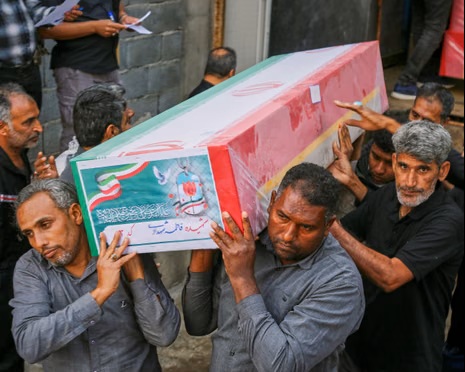
The United States is reportedly examining evidence that suggests American forces may have been responsible for a deadly strike that hit a school in Iran, according to officials familiar with the investigation. The incident, which resulted in significant civilian casualties, has intensified international scrutiny over military operations carried out during the escalating conflict involving Iran, the United States, and its allies.

Sources close to the investigation say preliminary findings indicate that the strike may have been carried out by US forces during a series of military operations targeting Iranian positions. The strike hit a school building in the southern Iranian city of Minab, in Hormozgan province, an area that has seen heightened military activity since tensions in the region dramatically increased.

Iranian authorities claim that the attack killed more than 100 people, including many schoolchildren and teachers who were reportedly inside the building at the time of the strike. Images circulating on social media and local media reports showed heavy damage to the school structure and emergency teams searching through debris for survivors.

Officials familiar with the US review say investigators are analyzing operational records, satellite imagery, intelligence reports, and weapons data to determine exactly what happened. While the investigation is still ongoing and no final conclusions have been announced, early indications reportedly suggest that the strike could have originated from US military operations conducted in the area.

The Pentagon has not officially confirmed responsibility but acknowledged that an internal review is underway. US officials have emphasized that American forces do not deliberately target civilian facilities such as schools and that any civilian casualties are taken extremely seriously.

Some military analysts believe the strike may have been the result of a targeting error or the proximity of civilian infrastructure to suspected military facilities. Reports indicate that the school was located near a site believed to be linked to Iranโ€™s military operations, which may have been the intended target of the strike.

Human rights organizations and international observers have called for a transparent investigation into the incident. Under international humanitarian law, civilian structures such as schools are protected during armed conflict, and any attack resulting in civilian casualties raises serious legal and ethical concerns.

The incident has further fueled tensions between Iran and the United States at a time when the region is already facing escalating military confrontations, drone attacks, and retaliatory strikes. Analysts warn that such events risk deepening the conflict and increasing civilian suffering if diplomatic efforts fail to reduce hostilities.

For families in Minab, the tragedy has left deep scars, as communities mourn the loss of young students whose school day turned into one of the deadliest incidents reported in the ongoing conflict. Investigators are expected to continue reviewing evidence in the coming weeks as the international community awaits clearer answers about what led to the devastating strike.

US Investigation Suggests American Role in Deadly Iran School Strike

Britney Spears Arrested in California on Suspicion of DUI

0

Britney Spears was arrested Wednesday night in Ventura County on suspicion of driving under the influence, according to authorities.

Booking records show that the pop superstar was stopped by officers from the California Highway Patrol at around 9:30 p.m. She was later booked shortly after 3 a.m. on Thursday and released hours later.

A public information officer for the California Highway Patrol, Ryan Ayers, confirmed the arrest and said Spears was taken into custody on suspicion of DUI. Authorities also confirmed that her vehicle was towed following the incident.

Representatives for Spears acknowledged the situation in a statement, describing the incident as regrettable. They said the singer intends to cooperate fully with authorities and take responsibility for the situation.

โ€œThis was an unfortunate incident that is completely inexcusable,โ€ a representative for Spears said in a statement. โ€œBritney is going to take the right steps and comply with the law and hopefully this can be the first step in long overdue change that needs to occur in Britneyโ€™s life.โ€

The statement also noted that Spears will be surrounded by family and support during this period, including spending time with her children. According to the representative, her loved ones are working together to create a plan aimed at supporting her wellbeing and helping her move forward.

The arrest has quickly drawn attention across entertainment media and among fans worldwide, as Spears remains one of the most recognizable figures in the global music industry. Over the years, the singer has been widely discussed in the media due to both her successful career and personal challenges.

Spears rose to international fame in the late 1990s and early 2000s with hit songs such as โ€œ…Baby One More Timeโ€ and โ€œToxic,โ€ becoming one of the best-selling pop artists of her generation.

Authorities have not yet released further details about the case, and it remains unclear whether Spears will face formal charges. Investigations into the incident are ongoing.

Satellite images reveal damage to military and civilian sites in Iran after USโ€“Israelaq

0

Satellite images analysed by the Data and Forensics team at Sky News have revealed the scale of destruction across several locations in Iran following recent strikes carried out by the United States and Israel.

The satellite imagery provides one of the clearest pictures yet of the damage caused by the attacks, showing that both military installations and civilian infrastructure were affected. The analysis comes at a time when access to information from inside Iran remains limited, making satellite images an important tool for understanding the impact of the strikes.

According to the analysis, several strategic military sites were targeted during the operation. These include missile bases, military compounds and facilities believed to be linked to Iranโ€™s nuclear programme. Images comparing the locations before and after the strikes show collapsed buildings, damaged structures and large craters believed to have been caused by missile or aerial bombardment.

Experts studying the images say the attacks appear to have been designed to weaken Iranโ€™s military capabilities and disrupt its ability to launch further missile or drone operations.

However, the satellite images also indicate that civilian areas were affected during the strikes. Among the damaged locations are a school and a hospital in Tehran, the capital of Iran. The damage to these facilities has raised concerns among humanitarian organisations and international observers about the possible impact on civilians.

Analysts say satellite imagery has become one of the most reliable methods of verifying events in conflict zones where independent reporting is difficult. By comparing images taken before and after attacks, investigators can identify destroyed buildings, damaged infrastructure and other signs of military activity.

The findings from the satellite analysis highlight the growing intensity of the confrontation involving Iran, Israel and the United States. As tensions continue to rise, observers warn that further escalation could have serious consequences for stability across the Middle East.

For now, satellite imagery continues to provide one of the clearest windows into the unfolding situation, revealing both the strategic targets hit and the broader impact of the strikes across Iran.

Zelensky Says Ukraine Ready to Assist US in Countering Iranian Shahed Drones

0

Ukrainian President Volodymyr Zelensky announced that Ukraine is prepared to assist the United States in countering Iranian-made Shahed drones, weapons that have played a significant role in modern conflicts including the ongoing war between Russia and Ukraine and the broader tensions involving Iran.

In a message posted on X, Zelensky said the United States had requested Ukrainian support in repelling the one-way attack drones that have increasingly been used in conflicts across different regions. According to the Ukrainian leader, Kyiv has already taken steps to respond to the request.

โ€œI gave instructions to provide the necessary means and ensure the presence of Ukrainian specialists who can guarantee the required security,โ€ Zelensky wrote. He added that Ukraine remains committed to helping partners who contribute to the countryโ€™s own security and the protection of its citizens.

Shahed drones, often described as loitering munitions, have been widely used during the Russia-Ukraine war. These drones are designed to fly long distances before striking targets, making them difficult to detect and intercept. Over the course of the conflict, Ukrainian forces have developed significant expertise in identifying, tracking, and neutralizing these aerial threats through a combination of air defense systems and electronic warfare.

Zelensky also revealed that Ukraine had already received requests from several Middle Eastern countries seeking assistance in defending themselves against similar drone attacks. The Ukrainian government has indicated its willingness to share its knowledge and operational experience with partners facing the growing challenge posed by unmanned aerial weapons.

When asked about the possibility of Ukrainian assistance, US President Donald Trump reportedly welcomed the support. Meanwhile, the United States Department of Defense has not yet publicly commented in detail on Zelenskyโ€™s statement.

The increasing use of Shahed drones in global conflicts has raised concerns among security experts and governments about the expanding role of unmanned aerial systems in warfare. These relatively low-cost drones can cause significant damage when deployed in large numbers, forcing countries to invest more heavily in air defense and counter-drone technologies.

Ukraineโ€™s experience in confronting repeated drone attacks has placed it in a unique position to assist other countries dealing with the same threat. Zelenskyโ€™s latest remarks highlight Kyivโ€™s intention to share its battlefield knowledge with allies while strengthening international cooperation in countering emerging security challenges.

Congolese Army Faces Criticism after reports of retreat from AFC/M23

0

The performance of the Democratic Republic of Congoโ€™s national army has once again come under sharp criticism following reports that soldiers retreated during clashes with AFC/M23 and Twirwaneho fighters in the countryโ€™s volatile eastern region.

For years, the Congolese armyย ย  officially known as the ย ย ย ย ย ย Armed Forces of the Democratic Republic of Congo (FARDC)ย  ย ย has often been described in regional military analyses as one of the stronger armies on the African continent. Some rankings have placed it among the top ten most powerful forces in Africa due to its size, equipment, and government backing. However, critics argue that these rankings do not always reflect the reality on the battlefield.

Videos and testimonies circulating from conflict zones in eastern Congo show scenes of soldiers abandoning positions during engagements with rebel groups, particularly fighters linked to the AFC/M23 coalition and the ย ย Twirwaneho militia. These armed groups are often composed of relatively small, mobile units that have developed a reputation for speed and tactical flexibility.

Observers say that despite the numerical advantage of the Congolese army, morale, coordination, and logistics continue to be major challenges. In many cases, troops reportedly withdraw before sustained firefights begin, leaving local communities vulnerable and further complicating the already fragile security situation in the region.

The eastern Democratic Republic of Congo has endured decades of instability fueled by armed groups, ethnic tensions, and competition over mineralย ย  resources. Rebel movements such as M23 have repeatedly resurfaced over the years, creating ongoing confrontations with government forces.

Analysts note that the gap between the theoretical strength of an army and its actual battlefield performance can be significant. Factors such as training, leadership, discipline, and supply chains often determine the outcome of engagements more than the size of a force alone.

For many residents of eastern Congo, the issue goes beyond military rankings. Communities living near the front lines are primarily concerned with security and protection from violence. Each retreat or failed operation erodes confidence in the ability of the national army to stabilize the region.

As fighting continues, pressure is mounting on Congolese authorities and their regional partners to reform the military, strengthen command structures, and address long-standing weaknesses that have repeatedly been exposed during clashes with rebel groups.

Until those changes take hold, the debate over the true strength of the Congolese army, and its effectiveness against groups like AFC/M23 and Twirwanehoย ย  will likely continue.

Countries Launch Emergency Evacuation Flights from Middle East as Iran War Escalates

0

As tensions and armed conflict continue to escalate across the Middle East, governments around the world have begun urgent operations to bring their citizens home from the region. The widening war involving Iran has triggered a wave of emergency evacuation and repatriation flights as authorities race to ensure the safety of thousands of civilians caught in the unfolding crisis.

Several countries have already launched coordinated evacuation efforts, with the European Union taking a leading role in assisting member states. According to a statement from the European Commission, at least six repatriation flights supported by the Commission have departed from the Middle East since Wednesday. These flights have successfully transported European citizens back to countries including Bulgaria, Italy, Austria, and Slovakia.

European officials say the evacuation effort is part of a broader strategy to protect EU nationals as security conditions in the region continue to deteriorate. The European Commission emphasized that it is working closely with member states to coordinate the logistics of the operation and ensure that more citizens can return home safely.

In response to the recent developments in the region, the Commission is taking every possible step to ensure the safety of EU citizens by supporting Member States in coordinating repatriation flights from the Middle East, the Commission said in its statement.

Additional evacuation flights are expected to take place in the coming days as governments continue to assess the situation on the ground and determine how many citizens still need assistance leaving the region.

The United States has also intensified its evacuation efforts. The US State Department announced plans to increase the number of flights operating across the Middle East to help Americans leave the conflict zone. According to officials, more than 17,500 American citizens have already returned to the United States since February 28 as part of the ongoing evacuation operations.

Regional transit hubs such as Dubai and Jeddah have become key departure points for many evacuation flights, with thousands of foreign nationals passing through these cities as they make their way back to their home countries.

European governments including France, Germany, and the Czech Republic have also begun organizing special flights aimed at evacuating their citizens from areas considered high-risk as the conflict expands.

Meanwhile, the United Kingdom confirmed that its first charter evacuation flight from the Omani capital of Muscat experienced technical delays earlier in the day. Officials said the aircraft was expected to depart shortly after the issue was resolved. British authorities have indicated that several additional flights are already being scheduled to assist UK citizens who remain in the region.

Diplomats and security analysts warn that the situation across the Middle East remains highly volatile as military tensions linked to Iran continue to grow. Governments are therefore urging their citizens to leave affected areas immediately while evacuation flights are still available.

With thousands of people already evacuated and many more awaiting transport, the international repatriation effort is expected to expand rapidly in the coming days as countries work to prevent their nationals from being trapped in an increasingly dangerous conflict zone.

For now, the priority for governments worldwide remains clear: ensuring that their citizens are brought home safely as the Middle East crisis deepens.

Breaking: Red Crescent Says 105 Civilian Sites in Iran Hit by US and Israeli Strikes

0

The Iranian Red Crescent Society has reported that at least 105 civilian sites across Iran have been struck during recent attacks attributed to the United States and Israel, raising serious concerns about the safety of civilians and the humanitarian situation in the country.

According to the organization, the strikes affected a number of locations used by civilians, including residential areas, medical centers, and other essential infrastructure. The Red Crescent warned that these attacks have put many lives at risk and made it harder for emergency teams to respond quickly to those in need.

Officials from the humanitarian organization said the attacks are part of a broader wave of military operations carried out in different parts of Iran in recent days. They also indicated that some Red Crescent facilities were damaged, which has complicated ongoing rescue and relief efforts.

Rescue teams have been working continuously to assist injured civilians, evacuate people from affected areas, and provide urgent medical care. However, the organization said that continuing security risks and damage to infrastructure have made it difficult to reach some locations.

Iranian authorities strongly condemned the attacks, accusing the United States and Israel of targeting civilian infrastructure and violating international humanitarian law. They called on the international community to take action and address what they described as a serious escalation.

On the other hand, Israeli officials have previously stated that their military operations are focused on Iranian military facilities and strategic defense sitesย ย ย ย ย  , particularly those linked to missile programs. They argue that the strikes are intended to reduce threats posed by Iran.

Humanitarian organizations warn that if the situation continues to escalate, ย ย ย ย ย ย the humanitarian impact could worsen, with civilians increasingly caught in the middle of the growing conflict.

Kenya announces major salary increase for police, prison and youth service officers

0

Kenyaโ€™s Ministry of Interior and National Administration has announced a significant salary increase for personnel serving in the National Police Service, Kenya Prisons Service, and the National Youth Service (NYS) as part of broader security sector reforms aimed at strengthening public institutions.

The announcement was made Wednesday by the National Steering Committee on Police, Prisons and NYS Reforms, chaired by Principal Secretary for Interior and National Administration Dr. Raymond Omollo.

Officials said the reforms are being implemented through a four-pillar strategy designed to improve service delivery, enhance professionalism and modernize the countryโ€™s criminal justice system.

The program focuses on institutional strengthening, improved service delivery, and the professional development and welfare of personnel across the three agencies.

ย Final phase to take effect in July 2026

Authorities said the final phase of the salary adjustments will take effect in July 2026, marking what officials describe as the largest pay increase implemented over three consecutive years since Kenyaโ€™s independence.

โ€œJunior police officers will be the biggest beneficiaries of the presidentially approved salary reforms,โ€ the Interior Ministry said in a statement.

Junior officers see largest gains

Under the new structure, the salary of a newly recruited police constable will increase to KSh 57,700, up from KSh 38,975, representing a 48% rise.

Personnel in the Kenya Prisons Service will also receive a 48% salary increase.

Meanwhile, newly graduated police recruits will begin earning KSh 29,296, compared with KSh 20,390 previously paid since July 2024โ€”an increase of about 44%.

For National Youth Service officers at the lower ranks, monthly salaries will rise to between KSh 26,222 and KSh 37,912, up from the previous range of KSh 19,800 to KSh 32,315.

Higher ranks also affected

Once the reforms are fully implemented, senior police officers will earn a maximum basic monthly salary of KSh 345,850, up from KSh 289,090, a 20% increase.

Senior officials in the Kenya Prisons Service will earn between KSh 301,548 and KSh 584,903, compared with the previous range of KSh 292,765 to KSh 576,120.

A similar salary adjustment will also apply to senior officials within the National Youth Service.

Reforms implemented in phases

The pay adjustments began to be implemented in phases on July 1, 2024, following a government directive to roll out a 40% salary increase over a three-year period.

According to the Ministry of Interior, more than half of the planned reforms have already been implemented, with the National Police Service leading at 57.2% completion.

The salary review stems from recommendations made by a task force led by former Chief Justice David Maraga, which called for a comprehensive review of pay and welfare conditions for personnel in the security sector.

After receiving the report, President William Ruto directed the Salaries and Remuneration Commission (SRC) to implement the proposed reforms.

However, officials said implementation faced financial constraints, particularly during the COVID-19 pandemic, as the full program requires approximately KSh 15 billion to complete.

Identitรฉ, langage et pouvoir : la falsification historique au cล“ur des tensions dans lโ€™est de la RDC

0

ร€ lโ€™est de la Rรฉpublique dรฉmocratique du Congo, la question identitaire dรฉpasse largement le simple cadre culturel ou linguistique. Elle sโ€™est progressivement transformรฉe, pour certains acteurs du pouvoir central, en un instrument politique destinรฉ ร  consolider lโ€™influence de lโ€™ร‰tat sur des populations fragmentรฉes et ร  contrรดler des relais communautaires jugรฉs stratรฉgiques.

Cette approche, soutenue par des mรฉcanismes administratifs et symboliques, contribue ร  une forme de falsification identitaire. En rรฉรฉcrivant lโ€™histoire et en manipulant les appartenances culturelles, elle accentue les tensions et nourrit des divisions artificielles au sein des communautรฉs locales. La controverse autour de la langue et de son appellation ยซ Kihutu ยป en Rรฉpublique dรฉmocratique du Congo illustre parfaitement cette instrumentalisation et mรฉrite, ร  ce titre, une analyse approfondie.

Langues et ethnies : hรฉritage culturel et complexitรฉ historique

Il est prรฉoccupant de constater la diffusion croissante de contre-vรฉritรฉs, dโ€™amalgames et dโ€™รฉlรฉments de propagande dรฉpourvus de fondement historique ou sociologique solide.

La Rรฉpublique dรฉmocratique du Congo, forte de prรจs de 450 groupes ethniques, reprรฉsente lโ€™une des mosaรฏques culturelles les plus riches du continent africain. Pourtant, certaines affirmations rรฉcentes tendent ร  simplifier, voire ร  dรฉformer cette rรฉalitรฉ. Ainsi, il est parfois avancรฉ que les Hutus congolais ยซ conserveraient ยป une langue appelรฉe Kihutu, prรฉsentรฉe comme lโ€™รฉquivalent du Kinyarwanda au Rwanda, du Kirundi au Burundi, du Kifumbira en Ouganda ou encore du Giha en Tanzanie.

Une telle interprรฉtation, qui ignore la complexitรฉ des migrations historiques, des frontiรจres hรฉritรฉes de la colonisation et des interactions interethniques, ne reflรจte ni la rรฉalitรฉ linguistique ni les dynamiques sociales propres ร  chaque communautรฉ. Elle participe plutรดt dโ€™une vision rรฉductrice susceptible dโ€™alimenter des discours identitaires instrumentalisรฉs, au dรฉtriment de la vรฉritรฉ scientifique et de la cohรฉsion nationale.

Le mythe du ยซ territoire des Bahutu ยป

Dans le mรชme registre, certains discours prรฉtendent, sous couvert dโ€™รฉrudition historique, quโ€™il aurait existรฉ sous lโ€™administration coloniale belge un ยซ territoire des Bahutu ยป sโ€™รฉtendant bien au-delร  de lโ€™actuel territoire de Rutshuru. Une telle affirmation relรจve davantage de la construction idรฉologique que de lโ€™analyse historique rigoureuse.

En rรฉalitรฉ, ce type de narration participe dโ€™une tentative de lรฉgitimation politique visant ร  marginaliser les Tutsi congolais. En attribuant aux Hutu une territorialitรฉ exclusive, certains cherchent ร  inscrire dans lโ€™histoire une domination ethnique supposรฉe naturelle et ร  justifier, par le passรฉ, des discriminations contemporaines.

Dans cette perspective, lโ€™histoire cesse dโ€™รชtre un outil de connaissance pour devenir un instrument de manipulation politique, destinรฉ ร  contester la prรฉsence, les droits et la citoyennetรฉ des Tutsi congolais.

Falsification identitaire et enjeux politiques

Lโ€™instrumentalisation des identitรฉs dans lโ€™est de la RDC nโ€™est pas un phรฉnomรจne accidentel. Elle sโ€™inscrit dans une stratรฉgie politique visant ร  redรฉfinir les rapports de pouvoir au sein des communautรฉs locales.

Dans ce contexte, certaines populations peuvent รชtre encouragรฉes ร  adopter des appellations imposรฉes ou ร  renier des affiliations ancestrales, ce qui crรฉe un climat de confusion et de vulnรฉrabilitรฉ sociale.

La polรฉmique autour de la langue dite ยซ Kihutu ยป en est une illustration frappante. Depuis la crรฉation controversรฉe de lโ€™organisation MAGRIVI, certains acteurs soutiennent lโ€™idรฉe que les Hutus congolais possรฉderaient une tradition linguistique, culturelle et historique totalement distincte de celle des Tutsi.

Cette dรฉmarche contribue ร  figer les identitรฉs ethniques et ร  nier les nombreuses interactions historiques entre communautรฉs, notamment celles issues des mariages intercommunautaires et des dynamiques sociales partagรฉes.

Il ne sโ€™agit donc pas dโ€™un simple dรฉbat terminologique. Cette construction identitaire sโ€™inscrit dans un projet politique plus large qui touche ร  la citoyennetรฉ, ร  la reconnaissance sociale et ร  la lรฉgitimitรฉ historique des individus.

En entretenant ces ambiguรฏtรฉs artificielles, le pouvoir central et certains relais communautaires participent ร  une segmentation dรฉlibรฉrรฉe de la sociรฉtรฉ, fragilisant la cohรฉsion nationale et alimentant des logiques dโ€™exclusion.

Lโ€™objectif implicite est de prรฉsenter le Tutsi comme un ยซ รฉtranger ยป au sein mรชme de son espace historique, transformant ainsi lโ€™histoire et la culture en instruments de domination politique.

Discours politiques et responsabilitรฉ publique

Dans ce contexte, certaines prises de parole publiques contribuent malheureusement ร  renforcer ces confusions historiques.

Des responsables politiques, dont le ministre de la Communication Patrick Muyaya, se sont rรฉcemment exprimรฉs devant la diaspora congolaise au Canada en รฉvoquant les prรฉtendues spรฉcificitรฉs linguistiques et culturelles des Hutus congolais.

Prรฉsentรฉes de maniรจre partielle et instrumentale, ces dรฉclarations risquent paradoxalement dโ€™alimenter les tentatives de falsification identitaire. En diffusant des interprรฉtations contestรฉes de lโ€™histoire, elles fragilisent les efforts visant ร  construire une unitรฉ nationale fondรฉe sur une connaissance rigoureuse du passรฉ et sur le respect des filiations culturelles et linguistiques de toutes les communautรฉs.

Mรฉmoire, identitรฉ et responsabilitรฉ collective

La falsification identitaire ร  lโ€™est de la Rรฉpublique dรฉmocratique du Congo ne constitue pas une simple erreur acadรฉmique. Elle reprรฉsente un vรฉritable instrument de pouvoir capable de remodeler les perceptions collectives, de fragmenter les sociรฉtรฉs et dโ€™altรฉrer profondรฉment la cohรฉsion nationale.

Face ร  ces dรฉrives, la responsabilitรฉ collective consiste ร  dรฉfendre une approche rigoureuse de lโ€™histoire, fondรฉe sur la recherche scientifique, la reconnaissance des divers hรฉritages culturels et le respect de la dignitรฉ de toutes les communautรฉs.

Sans cette exigence de vรฉritรฉ, les rรฉcits identitaires risquent de continuer ร  nourrir les divisions plutรดt quโ€™ร  construire un avenir commun.