Kenya Power has issued a public notice listing areas scheduled for planned power maintenance on Wednesday, December 17, 2025, warning customers to expect temporary interruptions as engineers carry out network works.
In its update shared via its official customer care channel, the utility said the interruptions are part of routine maintenance and apologized for any inconvenience caused.
Areas affected and expected outage times (Wednesday, 17/12/2025)
Nairobi Region
Part of Magadi Road, Karen — 9:00 AM to 5:00 PM
Areas listed include sections around Brookhouse School, Bogani East Road, CUEA (Catholic University of Eastern Africa), Giraffe Centre, and nearby customers.
Machakos County
Sabaki — 9:00 AM to 12:00 PM
(Notice mentions sections around Old Mombasa Road, Athi River area, Manipal, Ramrod, Great Wall, Kenchic, and adjacent customers.)
Mlolongo — 8:00 AM to 5:00 PM
(Includes the Mlolongo Weigh Bridge area, KPLC offices, and surrounding businesses/residential sections.)
Makueni County
Muooni River to Nzui (Emali ex Sultan) — 8:30 AM to 5:00 PM
North Rift Region (Nandi County)
Tembwo, Koimet — 9:00 AM to 6:00 PM
Includes Tembwo Village, Koimet Village, Chebindara Village and adjacent customers.
Western Region (Kisumu County)
Ngege Beach, Marine School — 8:30 AM to 4:30 PM
Includes Ngege Beach, Marine School, Kwoyo ACK and nearby customers.
South Nyanza Region (Migori County)
Macalder, Nyawerwi, Muhuru Bay — 9:00 AM to 5:00 PM
The notice lists Muhuru Bay Town and surrounding areas (including trading centres and customer clusters nearby).
Mt Kenya Region (Embu County)
Joykim Hosp, Nthokis, Kamili, GK Prisons, Tenri Hosp — 8:30 AM to 4:00 PM
The notice includes key points such as NCPB, GK Prisons, Tenri TVET, and adjacent customers.
What customers should do
Residents and businesses in the listed areas are advised to charge essential devices, plan for backup power where necessary, and protect sensitive electronics. Kenya Power typically shares updates through its official platforms in case of timing changes.
Afrovera.com will continue monitoring for any updates or additional regions added to the maintenance schedule.
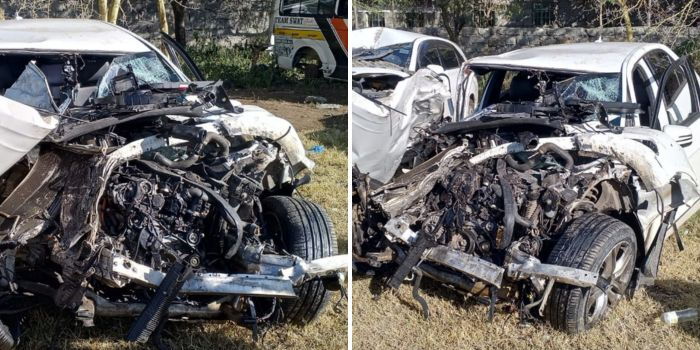
Jirongo died in a violent pre-dawn road crash along the Nakuru–Naivasha Highway, an accident that has since sparked intense public debate, whispered theories and unanswered questions about where he had been, who he was with, and what led him onto the deadly stretch of road.
In recent days, social media has been awash with claims that Jirongo had been travelling with a lady and that he allegedly dropped her off in Naivasha before continuing his journey alone. However, investigators have poured cold water on these assertions, saying there is no confirmed evidence to support the narrative.
Police and officers from the Directorate of Criminal Investigations say that at the time of the crash, Jirongo was alone in his vehicle. No passenger was found in the wreckage, and accounts from first responders and the bus driver involved in the collision point to a lone driver behind the wheel.
Preliminary findings indicate that Jirongo’s vehicle veered from its lane and slammed head-on into an oncoming bus, killing him instantly. While this suggests possible driver error, investigators caution that the full picture has yet to emerge. Road conditions, vehicle mechanics and the driver’s state at the time are all still under scrutiny.
The rumours surrounding a mysterious woman appear to have grown from online speculation rather than hard evidence. Investigators reviewing CCTV footage from petrol stations and key points around Naivasha say their focus remains on reconstructing Jirongo’s route, not confirming unverified encounters.
Questions have also been raised over whether alcohol played a role in the fatal crash. Unconfirmed claims suggest Jirongo may have been drinking earlier in the night, but police have not released any toxicology or post-mortem results to back up the claims.
Adding to the intrigue is the unanswered question of why Jirongo was in Naivasha at all. Family members have hinted that he was expected to return to Nairobi, making his presence on the highway both puzzling and deeply troubling. The unexplained detour has fueled demands for a deeper probe into his final movements.
As investigators work to piece together his last journey minute by minute, authorities have urged the public to resist speculation and wait for verified findings. Until then, Cyrus Jirongo’s final hours remain shrouded in mystery, leaving the nation with more questions than answers about the night his journey ended in tragedy.
The Walikale territory in North Kivu Province, Democratic Republic of Congo, has once again plunged into deep insecurity following intense clashes between the FDLR rebel group and the Wazalendo Alliance, which is supported by the Kinshasa government.
The fighting erupted after a major attack on residents of Tuonane, in the Waloa Loanda area, on the morning of December 15, 2025. FDLR fighters, led by a man calling himself “Gen Mudayongwa,” launched the assault with the goal of driving residents out of their villages, setting all the homes in the area on fire.
Local authorities report that the FDLR initially demanded that Tuonane residents leave the village voluntarily, claiming they wanted to conduct agricultural and livestock activities there because Gen Mudayongwa had “bought” the land. The residents refused, insisting it had been their home for generations and that FDLR had no right to evict them.
Following the refusal, FDLR fighters carried out a violent attack, burning the entire Tuonane village house by house. Two civilians were killed, and many others, including women and children, fled to neighboring villages.
After this violent act, fighters from the Mai Mai Kifuafua group, part of the Wazalendo Alliance, rushed to protect the residents and attacked FDLR positions. The ensuing battles lasted for several hours and took place in the hills surrounding Tuonane and along the roads leading to the Mishipo area.
Leaders in the Waloa Loanda area reported that a total of ten people were killed during the clashes. This included two civilians killed in the initial FDLR attack, two Mai Mai Kifuafua fighters, and six FDLR combatants killed in the fighting.
Reliable sources indicate that the FDLR had moved into the Mishipo area of Waloa Loanda two months prior, after leaving the Masisi territory, where it had clashed with other armed groups and government forces. In Mishipo, the FDLR established new bases, using them to plan further attacks.
Mai Mai Kifuafua confirmed that after this intense fighting, they are now controlling the Tuonane area and the surrounding hills, temporarily expelling FDLR from the area. However, they expressed concern that FDLR fighters could reappear, given their history of regrouping and returning unexpectedly.
Residents who fled Tuonane said that even though FDLR has been pushed out, fear remains high. Some reported having nowhere to go, their homes completely destroyed, crops ruined, and little hope of returning home soon.
The clashes again highlight how the Wazalendo Alliance, despite being supported by the DRC government, continues to confront heavily armed groups like FDLR, which have for many years contributed to insecurity, violence, and deep trauma for civilians in eastern Congo.
Security analysts say that the Walikale issue is unlikely to be resolved as long as FDLR and other armed groups continue to operate freely in rural areas, while the government relies on allied militias like Wazalendo instead of deploying fully capable national forces.
As the situation continues to unfold, residents of Tuonane and other parts of Waloa Loanda are still awaiting a lasting security solution. They hope the Congolese government will take strong measures to protect them and permanently dismantle FDLR bases and other longstanding armed groups.
Bruno Fernandes has made a shocking and emotional claim that has sent waves through the Manchester United fanbase. The club captain says Manchester United wanted him to leave last summer, even though he gave everything for the badge and remained one of their most committed players.
Speaking in a deeply personal interview with Portuguese TV station Canal 11, Fernandes opened up about the pain, sadness, and confusion he felt during a summer when Saudi giants Al Hilal were ready to pay £100 million to sign him.
“Man United wanted me to leave last summer, I have that in my head,” Fernandes said. The words were calm, but the message was heavy. For a player who has carried United through years of struggle, the feeling of being unwanted cut deeply.
Fernandes revealed that he spoke directly to the club’s directors about the situation. “I told the directors this, but I think they didn’t have the COURAGE to make that decision,” he said, making it clear that the internal situation at Old Trafford was far from united.
At the center of the tension was head coach Ruben Amorim. Fernandes believes Amorim wanted him to stay, but the people above the coach were not willing to challenge him openly.
“The club wanted me to go away,” Fernandes said. “I don’t think they had the courage to make that decision because the coach wanted me.”
The Portugal international explained that if he had told the club he wanted to leave, they would not have stopped him. Even if the coach wanted him to stay, the door was open.
That feeling hurt him more than criticism ever could. “From the club’s side, I felt a bit like, if you leave, it’s not so bad for us,” Fernandes admitted.
For a player known for always showing up, always fighting, and always defending the badge, that feeling was painful. “It hurts me a lot. More than hurting, it makes me sad,” he said.
Fernandes went on to defend his commitment strongly. “I’m a player, they have nothing to criticise about. I’m always available, I always play, good or bad. I give my all.”
He also hinted at frustration when he looks around the dressing room. “Then you see things around you, players who don’t value the club as much and don’t defend the club as much… that makes you sad.”
Last summer, Al Hilal were ready to pay £100m for Fernandes. At 31 years old, many believed it was an offer United could not refuse. The Saudi Pro League club had already shown serious interest after Fernandes had turned down a move to another club the season before.
Fernandes admitted he could have left earlier too. “A season ago I was going to leave, I was going to win many trophies this season,” he said, suggesting he sacrificed silverware to stay loyal to United.
Despite the money and the chance to win elsewhere, Fernandes chose to stay. “I decided not to go, not only for family reasons, but because I genuinely liked the club,” he explained.
His conversation with Amorim played a big role in that decision. The manager publicly said in the summer that he hoped Fernandes would stay, and privately reassured him as well.
But what the club hierarchy said publicly does not fully match what Fernandes felt privately. Sky Sports News later reported that United’s leadership were clear with Fernandes throughout the summer that he was part of their plans and they had no desire to sell him.
Back in October, Fernandes himself said the message was different. “Jason [Wilcox], like Omar [Berrada], said ‘we won’t say no but we want you to stay at the club’,” he recalled. They also told him that if he wanted to leave, they would not block the move because of the massive money involved.
However, the interview recorded in November shows a very different emotional tone. Fernandes now feels he was walking on a “tightrope” at the club.
“I was valued, what values me most has to be my club, although I feel, lately, that I’m a little on the tightrope,” he said.
He also spoke about how age is viewed in English football. “In England a player reaches 30 and they think he has to remodel,” Fernandes explained, suggesting loyalty is no longer respected the way it once was.
“The issue of loyalty is not as well regarded as it used to be,” he added.
Bruno Fernandes has been Manchester United’s most consistent and influential player in the post–Sir Alex Ferguson era. Through poor seasons, managerial chaos, and constant criticism, he stayed when many others would have left.
That is why this story hurts United fans so much. A captain who stayed loyal, turned down trophies and money, and carried the team now feels he was seen as expendable.
Whether this interview strengthens Fernandes’ bond with the fans or creates new tension inside the club remains to be seen. But one thing is clear: Bruno Fernandes is speaking from a place of honesty, pain, and deep love for Manchester United.
As security continues to deteriorate in the eastern Democratic Republic of Congo (DRC), major shifts are increasingly evident on the side of Burundian troops who had been deployed for a long time in South Kivu.
Over the past two weeks, many Burundian soldiers have begun returning home after the AFC/M23 alliance continued to seize key areas, including the city of Uvira.
These troops had been stationed in the Rusizi Plain and in areas surrounding Lake Tanganyika, zones that host critical trade and security routes for the Banyamulenge community. However, as AFC/M23 kept pushing southward, Burundian forces steadily lost their positions and eventually opted to withdraw from the fighting and return home.
Various sources from local residents and security circles confirm that some Burundian soldiers left the areas they had been controlling and returned to their country via Lake Tanganyika, particularly from the city of Baraka and the Mboko area.
On the night of December 15–16, 2025, a rapid evacuation operation took place, transporting Burundian soldiers across the lake. They were received at a military port in the city of Rumonge. Witnesses say the soldiers appeared extremely exhausted, reflecting the long journey and the intense pressure of the fighting they had just left behind.
On the morning of December 16, six military trucks were dispatched to the port to transport the soldiers to Bujumbura. No official figures have been released, but reliable sources say those who returned number in the thousands.
Previously, Burundi had deployed nearly 20,000 troops to South Kivu, in coordination with the Congolese national army, Wazalendo groups, and the FDLR. However, AFC/M23’s advances in the Rusizi Plain dramatically altered the balance of the conflict.
Other Burundian soldiers who have not been able to return home reportedly fled into the Itombwe forest and parts of Fizi territory, where security remains fragile. In these areas, residents report losses of life and a worsening humanitarian situation for civilians—especially the Banyamulenge—who had long been cut off from access to markets and health facilities.
Around Minembwe Commune, which links the territories of Uvira, Fizi, and Mwenga, a significant number of Burundian troops are still present. This area has become a focal point of intense fighting due to its strategic importance for security and ethnic relations.
Meanwhile, AFC/M23 continued its advance along the shores of Lake Tanganyika, capturing the Mboko center and leaving the difficult task of taking the city of Baraka. These advances completely blocked all land routes Burundian troops could have used to return home, leaving them with very limited options.
On December 16, AFC/M23 leader Corneille Nangaa announced that the alliance had decided to withdraw from the city of Uvira, while stressing that opposing forces should not re-enter it. This statement created uncertainty about the future of Burundian troops still present in certain parts of South Kivu.
As Burundian forces return home, another concerning picture is emerging along the Burundi–Rwanda border. In recent days, Burundi has deployed large numbers of troops and heavy weapons to the Busoni area in Butanyerera Province, near the Gasenyi–Nemba border crossing.
Senior Burundian military officials stated that these weapons were intended “to block anything coming from Rwanda,” as tensions continue to rise between the two countries. This followed remarks by Burundi’s ambassador to the United Nations, who accused Rwanda of supporting AFC/M23 and warned that his country could confront Rwanda.
In Busoni, residents say they have recently seen police trucks transporting soldiers to military bases, including the 411th unit located in Mutwenzi. Night patrols have increased, with a visible presence of police and members of the Imbonerakure youth group affiliated with the ruling CNDD-FDD party.
Although no written orders have been issued instructing people to return home early, residents report that no one is allowed to remain on the streets past 8 p.m. This has fueled fear among the population, with many believing that war could break out at any moment.
In Bujumbura Province, particularly in areas formerly known as Cibitoke, security has been significantly tightened. Heavy weapons were recently deployed there and were used to fire shells into the Kamanyola area, near Rwanda’s Bugarama border.
Those shellings are said to have triggered the expansion of fighting in the Rusizi Plain, prompting AFC/M23 to launch operations that culminated in the capture of Uvira, a key city linking land routes to Lake Tanganyika.
Reliable sources confirm that Burundi has for some time been purchasing heavy weapons and combat drones. Some of these weapons have already been used in fighting in South Kivu, indicating that the country had long been preparing for a potentially wider war.
Over the past two weeks, more than 30 heavy trucks carrying weapons entered the Mukoni military base in Buhumuza Province. The unloading process took several days, raising questions among residents about a major operation being prepared.
As Burundian troops continue to withdraw from the DRC, the pressing question remains whether this pullout will continue, or whether it is part of a broader strategy to reinforce positions along the Rwanda border. Confidence is low, fear is widespread, and the region remains on edge, awaiting any decision that could change the course of this conflict.
On the morning of December 15, 2025, the Alliance Fleuve Congo (AFC/M23) announced a major decision to withdraw its forces from the city of Uvira, in South Kivu Province. The statement, signed by the alliance’s coordinator, Corneille Nangaa Yobeluo, emphasized that the move aims to support the peace talks held in Doha and to build trust among all parties involved in eastern Congo.
In the statement, AFC/M23 explained that the decision is based on the core principles of the Doha agreement established on November 15, 2025, and that the withdrawal from Uvira is a step intended to facilitate the progress of the peace talks. The alliance highlighted that the withdrawal was requested by U.S. mediators to help find a lasting solution to the security challenges in eastern Congo.
Many people often confuse AFC/M23 with insurgents, but the alliance has expert advisors, professors, and various specialists who assist in making military decisions. Every action they take is carefully considered, and each decision is backed by clear reasoning.
Uvira, a city surrounded by high mountains, means that AFC/M23’s forces do not make hasty decisions; instead, every move is carefully planned so that the surrounding terrain does not hinder their operations in the days ahead.
Recent reports from various sources indicate that AFC/M23 forces have already reached Mboko and are continuing to advance in their campaign to achieve their objectives. Withdrawing from Uvira does not signify defeat; rather, it is a step to prioritize peace talks and build trust.
One insider stated: “Leaving Uvira does not mean giving up territory or betraying the residents who continue to face attacks from the state. It is a carefully prepared decision aimed at allowing the Doha talks to proceed smoothly.”
Although the alliance says the withdrawal is intended to build trust, there are still security concerns rooted in past events. In their reports, AFC/M23 noted that previous trust-building measures were misused by FARDC, the Wazalendo militias, and other collaborators, who reoccupied areas previously held by AFC/M23 forces and targeted civilians suspected of supporting the alliance.
AFC/M23 has called on mediators to establish clear and robust security measures to manage Uvira after their departure. These measures include disarming the city, protecting civilians and critical infrastructure, and monitoring the area through impartial forces.
In its statement, AFC/M23 emphasized that although acts of harassment and violence by the Congolese Armed Forces (FARDC) and their allies continue, withdrawing from Uvira is the best way to provide space for peace talks. The alliance reaffirmed that they do not fight for territory unless absolutely necessary, underscoring that their main goal is political resolution and peace.
Available reports indicate that Uvira, along with key surrounding areas such as Luvungi, Katogota, and Kamanyola, plays a crucial role in the operational strategy of the alliance. AFC/M23 stated that they have no plans to leave these areas, and will continue to protect and support local residents.
One AFC/M23 soldier speaking to Afrovera.com said: “AFC/M23/Twirwaneho has shown that they are an army capable of overcoming anyone. It is only a matter of time before they achieve their objectives.”
This statement suggests that withdrawing from Uvira is not a setback, but a strategic move to prioritize peace talks, protect civilians, and build trust among all parties.
Although AFC/M23’s withdrawal from Uvira has been approved by mediators, the city’s security future remains uncertain. This uncertainty depends on how security measures will be implemented and how the Doha peace talks will progress. Local residents continue to monitor developments closely, waiting to see whether this decision will yield sustainable results.
This represents a new phase in the ongoing effort to achieve lasting peace in eastern Congo, demonstrating that despite long-term challenges, there remains hope for a durable resolution.
On the morning of Tuesday, December 16, 2025, a powerful voice once again drew attention to the security and human rights crisis in eastern Democratic Republic of Congo.
Obadioas Kavune, an intellectual and Munyamulenge widely known for his deep analysis of history and the injustice that has marked the lives of Tutsis in Congo, delivered a strong message through MCN, addressing the international community and global organizations.
In words filled with pain and anger, Kavune raised a serious question that many continue to ask: “Are Tutsis in Congo meant to die?” This was not an emotional outburst, but a question rooted in a long history of killings, persecution, and violence committed against Tutsis at different times, often while the international community watched or chose to ignore it.
Kavune pointed out that while the world presents itself as a defender of human rights, some populations appear untouchable, while others are allowed to die without anyone speaking for them. He argued that the silence of the international community regarding atrocities against Congolese Tutsis is not accidental, but a deliberate choice driven by political and economic interests.
Reflecting on earlier history, Kavune recalled that in 1964, during the uprisings led by Pierre Mulele, many Congolese Tutsis were killed, looted, women were raped, and families destroyed, all in full view of the world, which failed to take meaningful action. This marked the beginning of a long journey of suffering and fear.
He added that in the years that followed, Mobutu Sese Seko, in his bid to regain control of the country, relied on Tutsis in wars that helped him return to power. However, according to Kavune, once Mobutu consolidated his rule, those same Tutsis were again expelled from their lands, stripped of their rights, while the international community remained silent.
Kavune strongly emphasized the year 1996, when Congolese Tutsis were given only a few hours to leave their ancestral land. What followed were massacres, widespread looting, and the burning of homes, as civilians fled into forests and mountains with no protection.
In 1998, as the war escalated again, Kavune said Tutsis continued to be killed in different parts of the country, including Kinshasa, Lubumbashi, Kalemie, and many other areas. People were murdered in broad daylight simply because of their ethnic identity, while the world looked on as if nothing was happening.
He stated: “Every time Tutsis were dying, the international community was silent. Even in 1994 in Rwanda, Tutsis were slaughtered while the world watched.”
These words underscored that the issue is not limited to Congo alone, but reflects a global illness, choosing whom to protect and whom to let be killed.
Kavune also reminded that from 2017 to the present, Tutsis in eastern Congo, particularly the Banyamulenge, have continued to face attacks by armed groups. Their villages have been destroyed, families displaced, cattle killed, civilians murdered or expelled from their land, even as some had begun returning home with hopes for peace.
He explained that for more than eight years, the Banyamulenge have lived like prisoners in their own country, constantly under threat from airstrikes and heavy aerial bombardments, yet none of this prompted strong international outrage or decisive action.
Unexpectedly, Kavune referred to the military operation in Uvira, noting that it immediately triggered loud reactions from the international community. Yet, in reality, he said, it was a response to people who had long been trapped in Minembwe, deprived of freedom and the right to live.
He questioned why the freedom of the Banyamulenge is treated as a crime by the world, while killing them and expelling them from their land has become normalized. He linked this to remarks by Rwandan President Paul Kagame, who stated that those loudly condemning events in Uvira never spoke out about the long-standing suffering endured by the Banyamulenge.
Kavune also referred to events in Ituri Province, where he said the international community once again remained silent in the face of massacres that claimed many lives, showing that the problem is not isolated, but reflects a broader failure of justice.
In concluding his message, Obadioas Kavune called on the international community and global institutions to change their approach. He said the time has come to stop prioritizing political and economic interests over human lives.
He urged that humanitarian actors and peace advocates be allowed to do their work freely, without hidden agendas, in order to protect all civilians and uphold human rights without discrimination.
This message has been received as a powerful testimony adding to the growing voices demanding that the world reassess its role in the ongoing conflicts in eastern Congo. For many, Kavune’s words are a cry for justice, truth, and equal protection of human dignity, regardless of ethnicity, origin, or political interests.
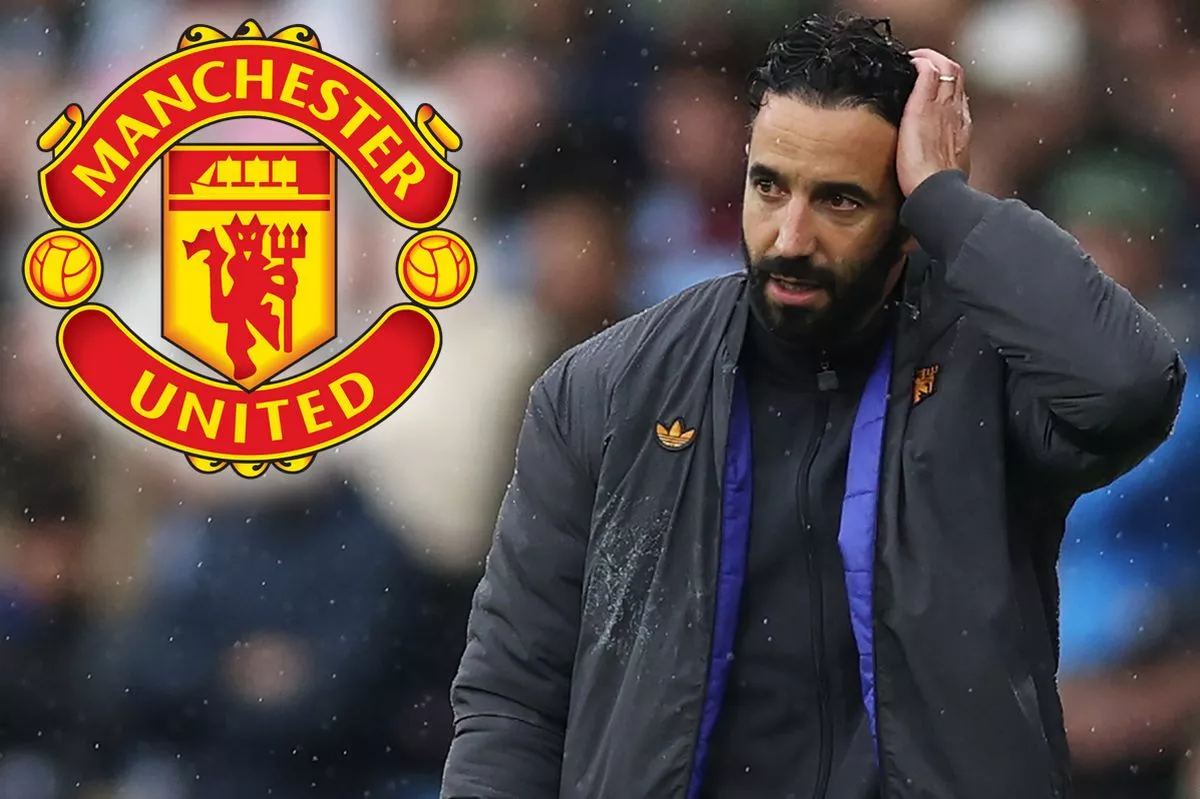
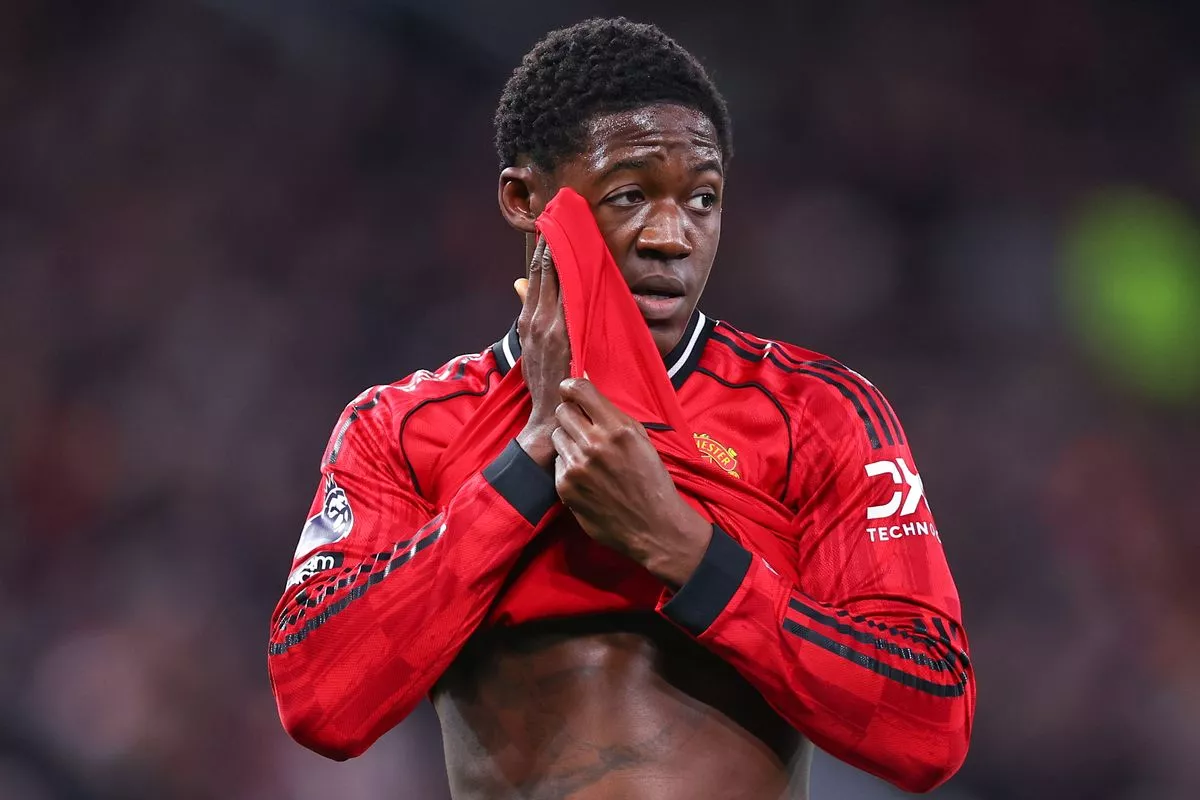
Manchester United’s chaotic 4–4 draw with Bournemouth did not only raise questions about defending. It also reignited a growing storm around Kobbie Mainoo and his future at Old Trafford.
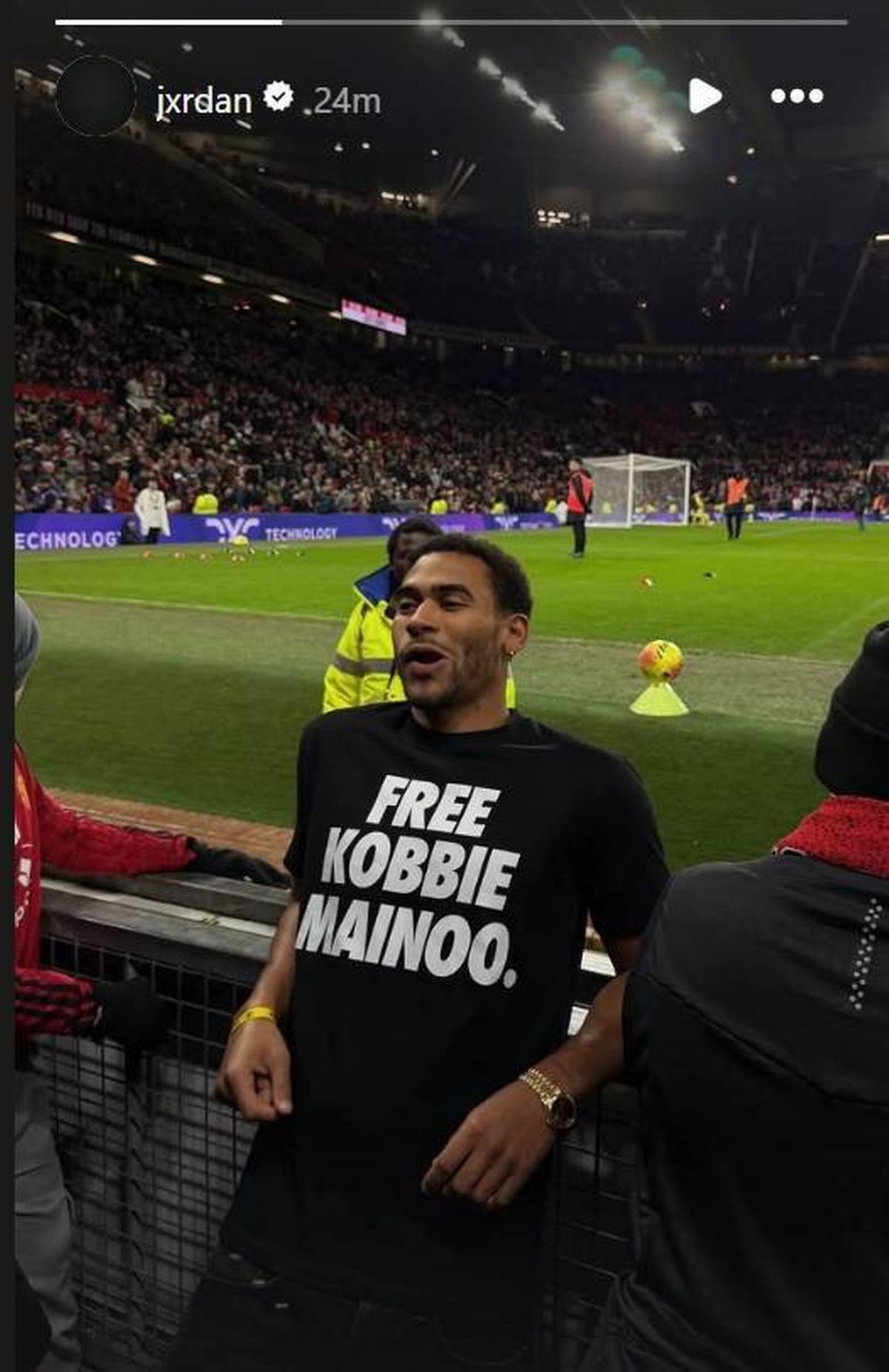
As United threw away the lead three times on Monday night, a powerful off-pitch message stole attention almost as much as the goals. Kobbie Mainoo’s brother made his feelings clear in a bold and public way that quickly spread across social media.
Jordan Mainoo-Hames, the midfielder’s sibling, was pictured at Old Trafford wearing a T-shirt with a simple but striking message: “FREE KOBBIE MAINOO.” The timing could not have been louder or more symbolic.
The message was aimed directly at Ruben Amorim and Manchester United, at a moment when pressure on the head coach is already building fast. The dramatic draw against Bournemouth only added fuel to the fire.
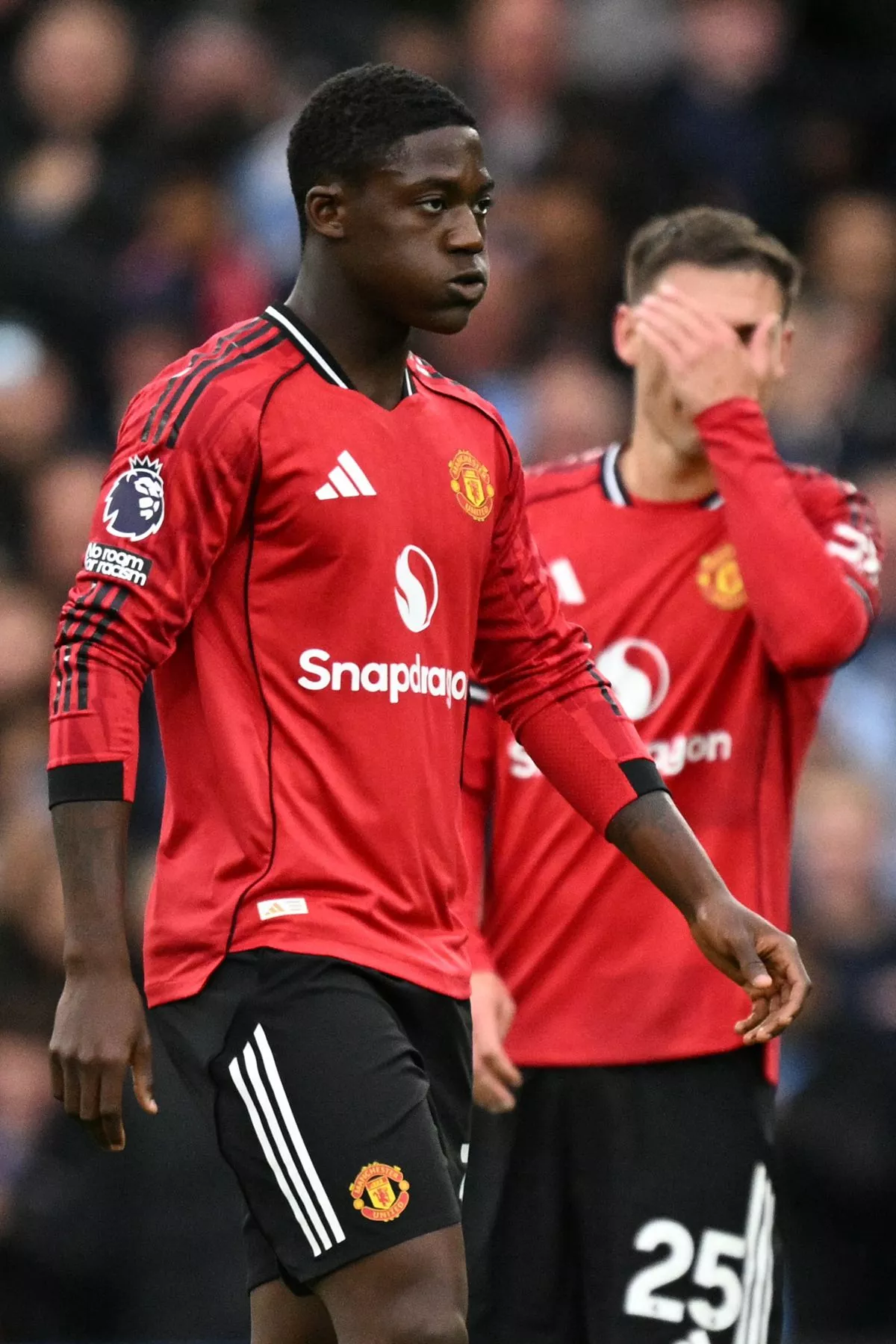
Kobbie Mainoo has not started a single Premier League match this season for United. Across 16 league games, the 20-year-old has been left out of the starting XI every time.
His only start in all competitions came in the Carabao Cup, during a loss to Grimsby. For a player once seen as the future of United’s midfield, the lack of minutes has shocked many fans and pundits.
Mainoo’s situation has drawn strong words from club legend Paul Scholes. The former midfielder warned that the England international’s career is “being ruined” by his lack of playing time under Amorim.
Scholes even hinted that Mainoo should consider leaving Old Trafford if the situation does not change. For a player so highly rated, such comments have carried serious weight.
Just last season, Mainoo enjoyed a dream breakthrough campaign in 2023/24. He scored the winning goal in the FA Cup final and earned a place in the England squad, confirming his rise at the highest level.
Now, only months later, talk of a January exit is growing louder. According to reports from the Mirror, Mainoo had already pushed for a move in the summer, but that request was rejected by the club.
The uncertainty around his future has only increased after United’s shaky defensive display against Bournemouth, where control and balance in midfield were badly questioned.
Before Monday’s match, Ruben Amorim was asked directly whether Mainoo had approached him about a possible loan move. His response showed openness, but also firm reasoning.
“If Kobbie comes to me and talks to me, I will talk to him,” Amorim said. “I’m not going to say what I’m going to say to Kobbie but I will be really pleased if Kobbie comes to talk to me about that.”
The United boss insisted that player happiness matters to him. “I just want my players happy and I understand that every individual has their goals,” he explained.
Amorim also spoke about frustration within the squad. “The frustration [of any player] doesn’t help anybody. But again, the focus is [Bournemouth] and we will see if that happens,” he added.
He revealed that conversations with Mainoo had taken place before, though not about a loan. “I had some conversations with him, especially last year, and with other players but about that subject, no I didn’t speak with him. I am completely open [to talk].”
Amorim then explained the tactical challenge blocking Mainoo’s path into the team. “I know that for you guys there are some players that you believe in a lot and I believe a lot but sometimes I have to make choices,” he said.
“We play with two midfielders. We could change in the future but Kobbie Mainoo is playing in the same position as Bruno Fernandes and sometimes it’s really hard to take Bruno Fernandes out of the team and that is the only reason.”
During the Bournemouth match, Mainoo eventually came on just after the hour mark, replacing Casemiro. His introduction was met with loud cheers from the Old Trafford crowd.
The fans’ reaction showed clearly where their support lies. Many believe Mainoo offers energy, control, and composure that United desperately need.
On the pitch, the match itself was pure chaos. United took an early lead through Amad in the 13th minute, only for Antoine Semenyo to level things soon after.
Casemiro restored United’s advantage before half-time, sending the home side into the break ahead and seemingly in control.
That control vanished quickly in the second half. Two rapid goals from Evanilson and Marcus Tavernier completely flipped the game in Bournemouth’s favor.
United fought back once again. Bruno Fernandes scored from a free-kick, and Matheus Cunha followed up with another goal just two minutes later, swinging momentum back to the hosts.
But the final word belonged to Bournemouth. Eli Junior Kroupi struck in the 84th minute to make it 4–4, stunning Old Trafford and piling even more pressure on Amorim.
As the dust settled, the image of Jordan Mainoo-Hames in his “FREE KOBBIE MAINOO” T-shirt became one of the lasting symbols of the night.
For Ruben Amorim, the message is now impossible to ignore. Fans, legends, and even family members are asking the same question.
How long can Manchester United afford to keep one of their brightest young talents on the sidelines?
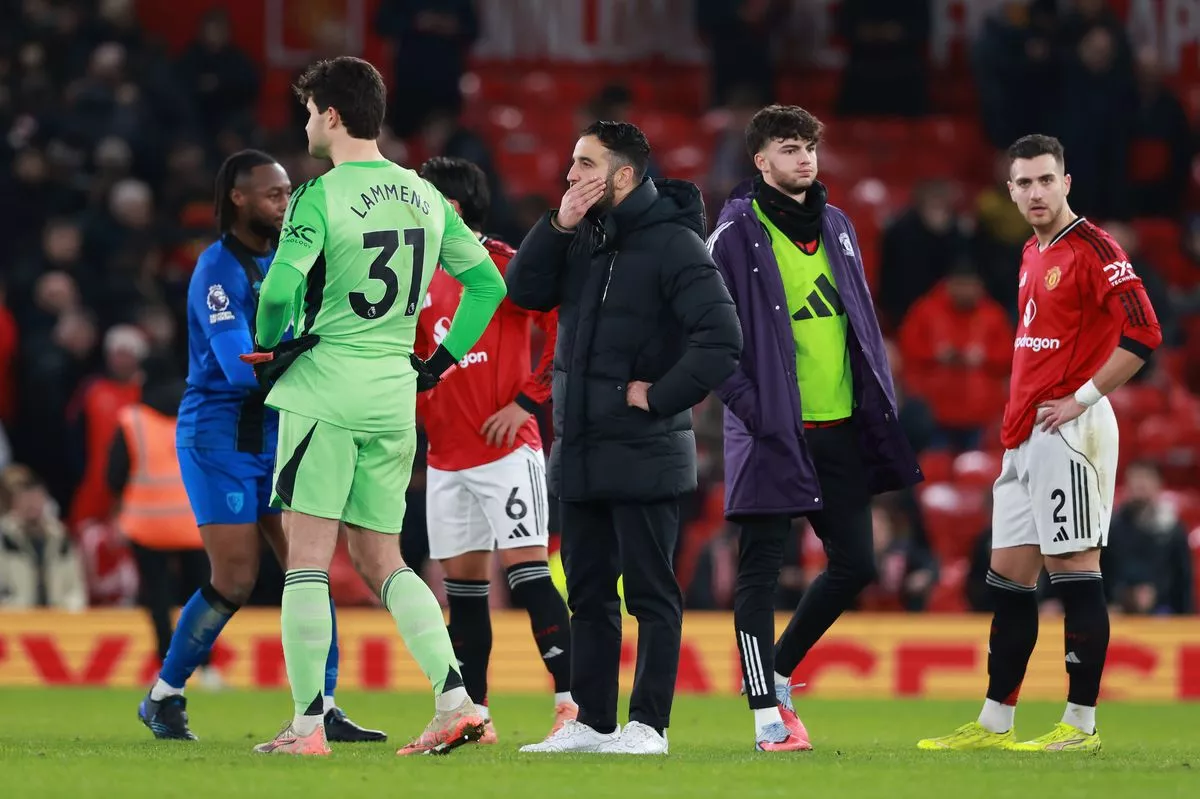
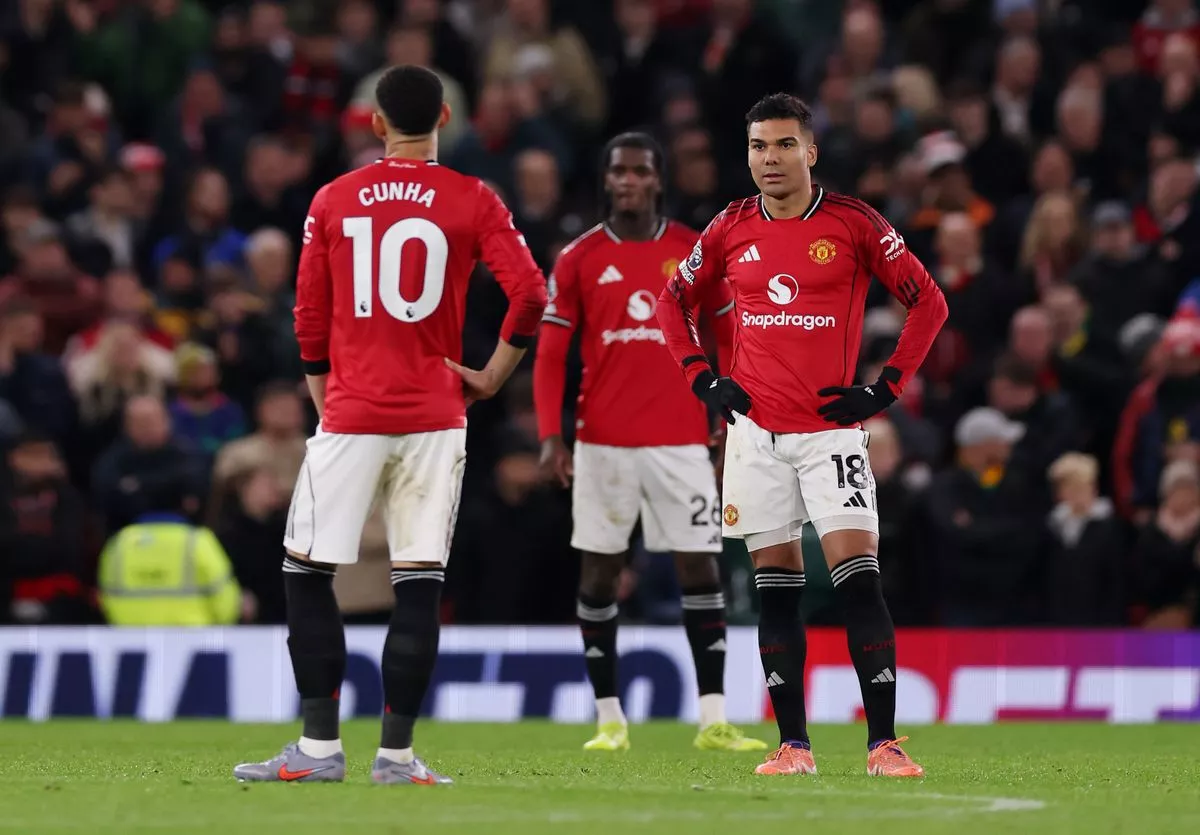
It was another disappointing night for Ruben Amorim at Manchester United and now he has another problem to deal with (Image: Getty Images)Kobbie Mainoo during the Premier League match between Manchester United and Bournemouth at Old Trafford (Image: Robbie Jay Barratt – AMA/Getty Images)Kobbie Mainoo could be on his way out of Manchester United (Image: AFP via Getty Images)Kobbie Mainoo’s brother Jordan wearing a T-shirt which says ‘Free Kobbie Mainoo’ (Image: Instagram / @jxrdan)
Manchester United fans witnessed one of the most dramatic Premier League games of the season as their team drew 4–4 with Bournemouth at Old Trafford. It was a match full of goals, momentum swings, and defensive mistakes. United led the game three different times, yet still failed to secure all three points.
After the final whistle, Manchester United manager Ruben Amorim did not hide his disappointment. He pointed clearly to where, in his view, the match was lost. According to him, the damage was done long before the final minutes.
United started the match with strong energy and clear intent. From the first whistle, they looked sharper and more aggressive than Bournemouth. The home crowd sensed an early goal was coming.
That breakthrough arrived when Amad Diallo scored with a close-range header. It was a well-worked move and a deserved reward for United’s early pressure. Old Trafford came alive as United took the lead.
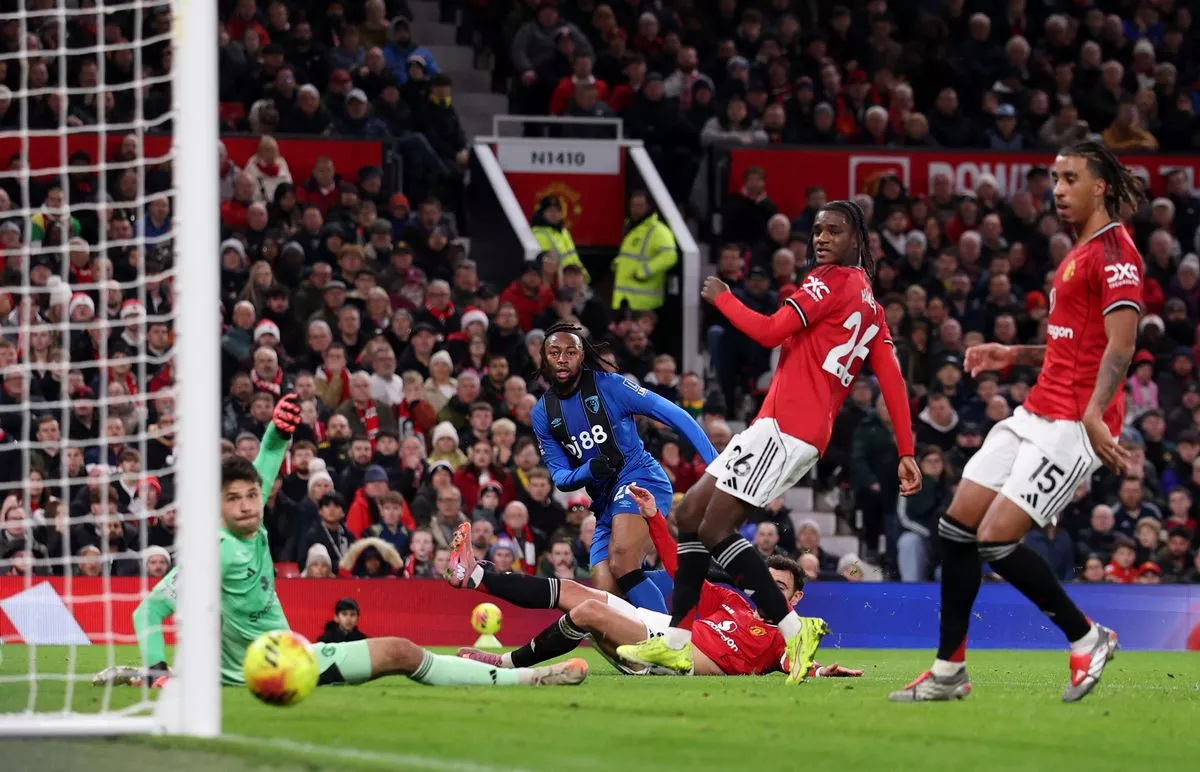
However, Bournemouth did not panic. Antoine Semenyo responded with a calm and accurate finish into the bottom corner, bringing the visitors back level. The goal reminded United that the game was far from over.
United pushed again and regained control before the break. Casemiro rose highest at the back post to head home from a corner, sending United into half-time with a 2–1 lead. At that moment, many believed United were on course for a comfortable win.
But the second half told a very different story. Bournemouth came out with renewed belief and intensity. Evanilson finished clinically to make it 2–2, exposing United’s fragile defending.
Moments later, Marcus Tavernier smashed in a powerful free-kick to give Bournemouth a shocking 3–2 lead. In just a few minutes, United had gone from control to chaos.
Bruno Fernandes tried to rescue the situation. The United captain curled a brilliant free-kick into the top corner, making it 3–3 and lifting the stadium once again. The game had become completely open.
United thought they had finally won it in the 79th minute. Matheus Cunha showed composure to finish a simple chance and put United ahead 4–3. At that stage, many fans expected United to see the game out.
Instead, familiar problems returned. United’s defence failed to hold firm, and Junior Kroupi equalised just five minutes later by beating goalkeeper Senne Lammens. The score was 4–4, and the tension was back.
Late in the match, Lammens had to stay alert to stop David Brooks from scoring a winner for Bournemouth. When the final whistle blew, both teams had to settle for a point.
Speaking to BBC Sport after the match, Ruben Amorim was clearly frustrated. “It’s really disappointing,” he said. “We are really disappointed. Crazy game. It might look like we lost the two points in the second half, but I think we lost them in the first half.”
Amorim explained that United’s early dominance should have been turned into a bigger lead. “We dominated and created so many chances. We had to go to half-time with a different result. In the end we deserved more. It was a fun game for everyone at home.”
He acknowledged the expectations at Old Trafford. “People especially at Old Trafford want to win but they want to be inspired to see a team play good football. We did that well in certain moments. It was a good performance but we need to be more clinical because we created so many chances.”
The United manager also praised his goalkeeper. “Lammens did really well,” he said, while admitting both teams had opportunities. Still, he insisted United created more and should have closed the game earlier.
“We need to find ways of closing the games because this happened many times,” Amorim added. “That’s part of the process. We try to do things the best we can but in some moments it’s not enough.”
He repeated the same message in his interview with Sky Sports. “It was a fun game for everyone at home. I think we started really well. We did a good first half,” he said.
“The result should be completely different. And then again, six minutes of the second half, similar to Nottingham [Forest], we lost the concentration, and they score two goals.”
Amorim highlighted how United fought back again, only to fail in the final moments. “We managed to get back to the game, we scored two goals again, and then we have to finish the game. Just a throw-in in our possession, we have to close and think about not to go again, to stay calm and close the game.”
Despite the frustration, he saw positives in the players’ attitude. “I saw the effort of the players, I saw the effort of the defence, and at the end of the game, you make 4–3, I had the feeling that we would continue to push and score another one.”
However, the draw showed deeper issues. “A lot of good things, but a lot of things to work [on]. We are not winning games sometimes in the details,” Amorim said.
He was clear that the problem is not about formations. “It’s not because it’s a back four, back three, back five. It’s the details that we need to work, understand the momentum of the game and we need to be clinical.”
Amorim ended by stressing that United had enough chances to win. “Again, today against a very good team, we created many chances to win the game, and we should have won the three points.”
For Manchester United, the 4–4 draw felt more like a defeat. For Bournemouth, it was proof of resilience. For Ruben Amorim, it was another painful reminder that good football alone is not enough without focus, calmness, and killer instinct.
Ruben Amorim was disappointed to only take a point (Image: Marc Atkins/Getty Images)Antoine Semenyo made it 1-1 after Manchester United had dominated in the first half (Image: Carl Recine/Getty Images)Manchester United threw away three leads vs Bournemouth (Image: Carl Recine/Getty Images)
The death of former Cabinet minister and ex-Lugari MP Cyrus Jirongo has taken a dramatic new turn after a petrol station security guard came forward with a story that sharply contradicts the bus driver’s version of events.
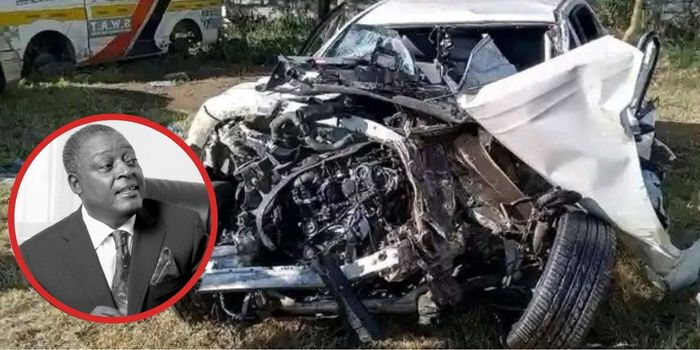
Cyrus Jirongo died following a deadly head-on collision involving his Mercedes vehicle and a 65-seater bus. Since the accident, many questions have remained unanswered, with different witnesses giving conflicting accounts.
Now, fresh details have emerged from Ephraim Cheptek, a security guard stationed at a petrol station near where the crash occurred. His testimony raises new doubts about what really happened in the final moments before Jirongo’s death.
According to Cheptek, Jirongo had driven into the petrol station shortly before the crash but did not refuel his vehicle. Instead, he slowed down as if he intended to fuel, then suddenly drove away and rejoined the highway.
Cheptek described Jirongo’s movements as unusual and difficult to explain. He said the politician’s car did not behave like that of a driver in a hurry or under pressure from traffic.
“At the time when he was crashed by the bus, I was the only person who was awake, and I clearly saw what took place,” Cheptek told journalists.
The accident happened at around 3 am, a time when the road was mostly quiet. Cheptek stressed that he was alert and watching the road carefully when the incident occurred.
He strongly rejected claims that the highway was congested at the time. According to him, there was no traffic jam, no blocked lane, and no reason for risky overtaking.
“The road was calm, and there was no traffic, and it was after the accident that other vehicles began lining up, causing a traffic jam on this road,” Cheptek said.
The guard also stated that no vehicle was following Jirongo’s Mercedes before the crash. This directly challenges suggestions that Jirongo may have been pressured by traffic behind him.
Cheptek’s account paints a picture of a quiet highway, a lone vehicle leaving a petrol station, and a sudden, fatal collision moments later.
This version of events directly conflicts with the statement given earlier by the bus driver involved in the crash.
The bus driver claimed that Jirongo was overtaking from the petrol station side after noticing heavy traffic on his lane. According to the driver, the road was congested and chaotic.
The driver insisted the accident was avoidable and claimed he saw Jirongo’s car overlapping into his lane with no space left to escape.
“When I tried to save him from crashing into my vehicle, I felt the possibility of my vehicle rolling over, so I stopped and let him ram into my bus,” the driver said.
He added that it was only after police arrived that he learned the victim was former minister Cyrus Jirongo.
These two sharply different accounts have raised serious questions for investigators and the public alike. Was the road clear or congested? Was Jirongo overtaking, or simply rejoining the highway?
Why did Jirongo enter the petrol station but leave without fuelling? And what caused the sudden and deadly impact just moments later?
The unusual behavior described by the security guard has fueled speculation and concern, especially given Jirongo’s high profile and long political career.
As investigations continue, Kenyans are demanding clarity, transparency, and a full reconstruction of the events that led to the tragic loss.
For now, the death of Cyrus Jirongo remains surrounded by mystery, conflicting testimonies, and unanswered questions that refuse to fade.
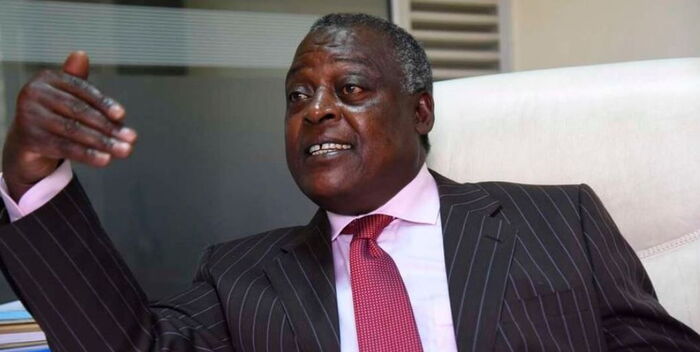
Former Lugari MP Cyrus Jirongo’s wrecked car involved in an accident on Saturday, December 13, 2025. Kenyans.co.keThe wreckage of Cyrus Jirongo’s car involved in an accident along the Nairobi-Nakuru highway. Kenyans.co.keFormer Minister for Rural Development and Lugari member of parliament, Cyrus Jirongo. Photo